10 Florida Meals You Should Only Order Near the Water (and Why)
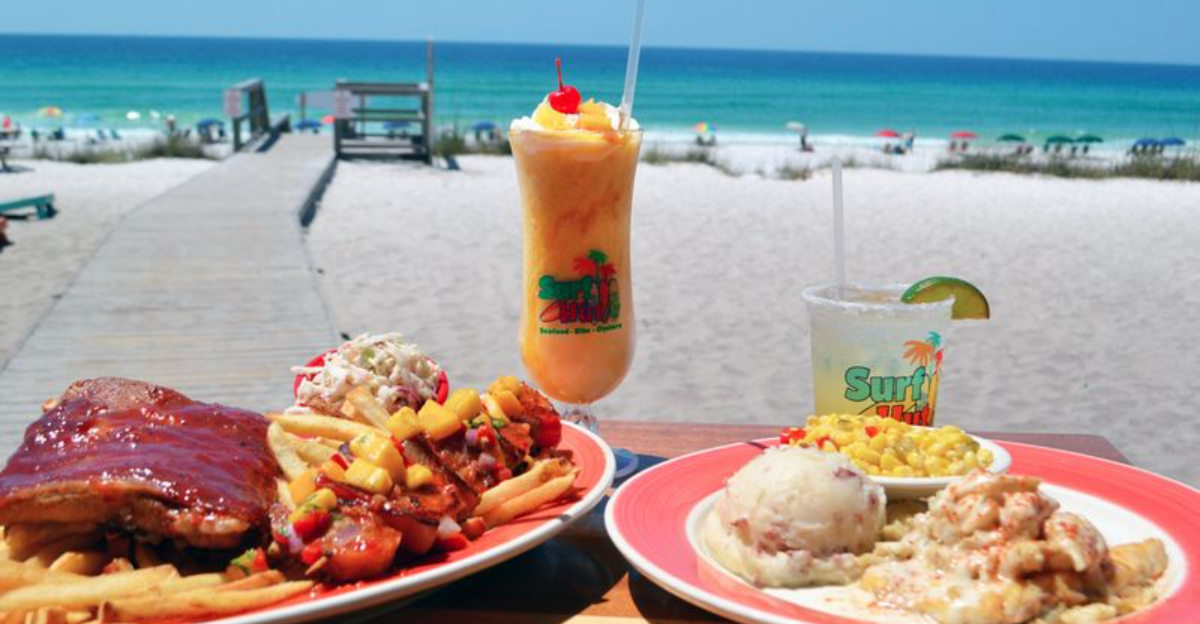
Florida has a little secret: some dishes aren’t “good anywhere,” they’re only great when you’re close enough to smell the tide. Order them inland and you’ll still eat… but you’ll miss the snap, the brine, the just-caught sweetness that makes these meals worth the calories.
Near the water, the seafood moves fast, the fry oil stays busy, and the kitchen knows exactly how locals want it—simple, hot, and not messed with. This isn’t a list of fancy plates or tourist bait.
It’s the stuff Floridians quietly hunt down after a beach day, a fishing run, or a sunset cruise. If the menu has these and you can see boats?
You’re in the right place.
1. Stone crab claws (served chilled with mustard sauce)
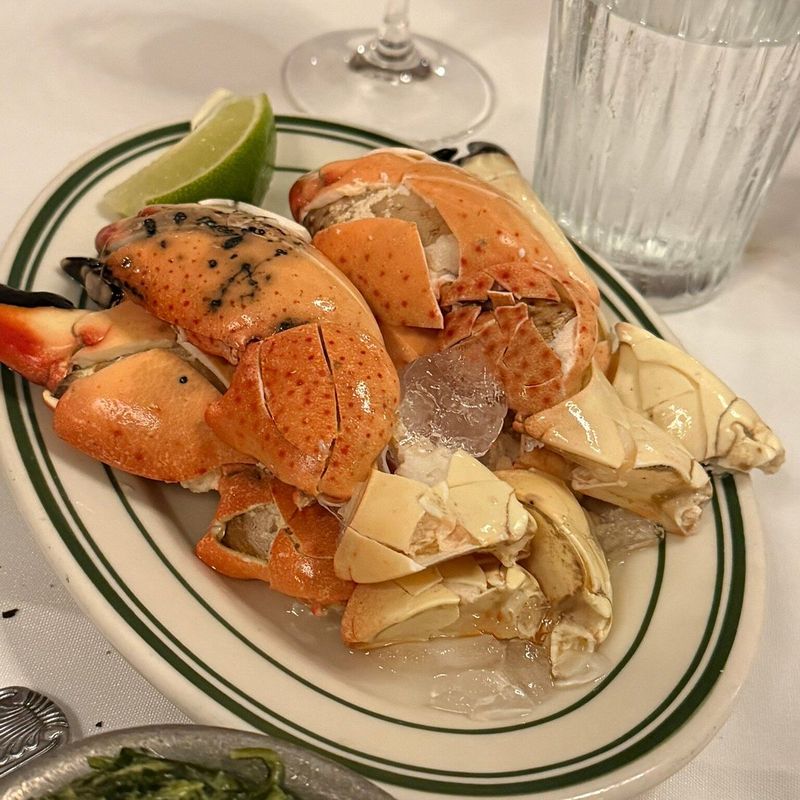
If you’re going to splurge, do it where the stone crab culture is loud and proud. Waterfront spots in season don’t treat claws like a random appetizer—they move them constantly, keep them cold, and crack them like it’s a sport.
The payoff is that clean, sweet, almost lobster-like bite that doesn’t need much besides that punchy mustard sauce. Watch for claws that look glossy and firm, not dried out at the edges.
You want a proper chill, not “room temp seafood tower.” The best plates arrive with a confident thud: thick shells, big segments, sauce that smells like horseradish got a tuxedo.
Order a side of slaw or hushpuppies, settle into the view, and take your time—this is finger-food with bragging rights.
2. Peel-and-eat Key West pink shrimp
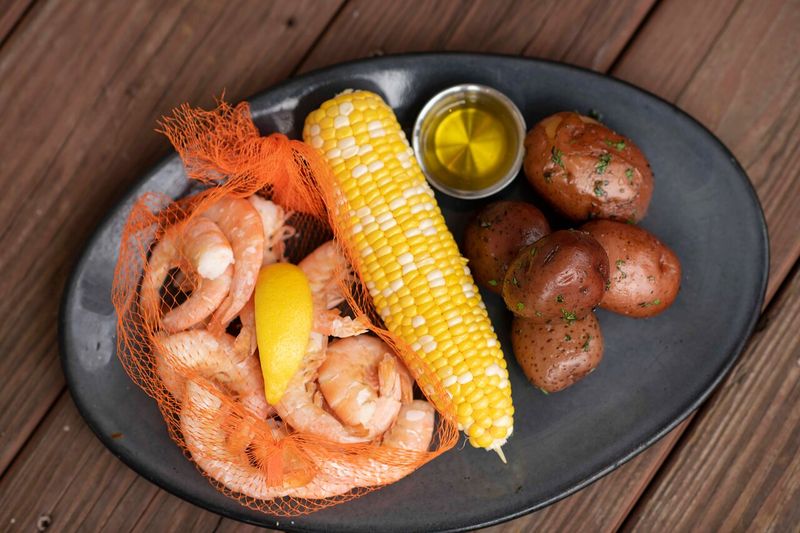
These are the shrimp that make you stop pretending all shrimp taste the same. Key West pinks are naturally sweet with a gentle snap, and the closer you are to the docks, the more likely they were swimming recently enough to still taste like the ocean—in a good way.
They should come piled high, shells on, lightly seasoned, and steaming or chilled depending on the spot’s style. Either way, the peel should feel easy, not like you’re wrestling rubber.
Dip options matter: melted butter is classic, cocktail sauce is fine, but a squeeze of lemon and a dusting of Old Bay-ish seasoning hits the Florida nerve just right.
Pair them with a cold drink, keep a stack of napkins nearby, and accept that your hands are part of the experience.
3. Grouper sandwich (blackened, grilled, or fried)
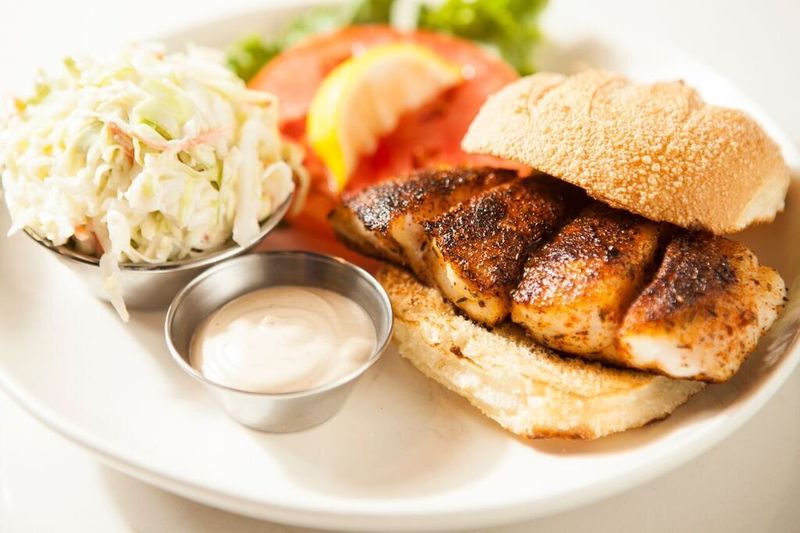
A good grouper sandwich is basically Florida’s quality test in bun form. Near the coast, you’re more likely to get a thick, flaky fillet that tastes clean and fresh—no fishy funk, no weird “mystery whitefish” vibe.
The best versions are simple: toasted bun, crisp lettuce, tomato that hasn’t been refrigerated into sadness, and a swipe of tartar or key lime aioli that doesn’t drown everything. Fried should be light and crunchy, not a breaded brick.
Grilled should stay juicy, not dry and beige. Blackened is where the kitchen shows off—spice crust, a little char, still tender inside.
If you can see a marina while you eat it, even better: that’s where grouper sandwiches turn into core memories.
4. Smoked fish dip (mullet, mahi, or kingfish) with saltines
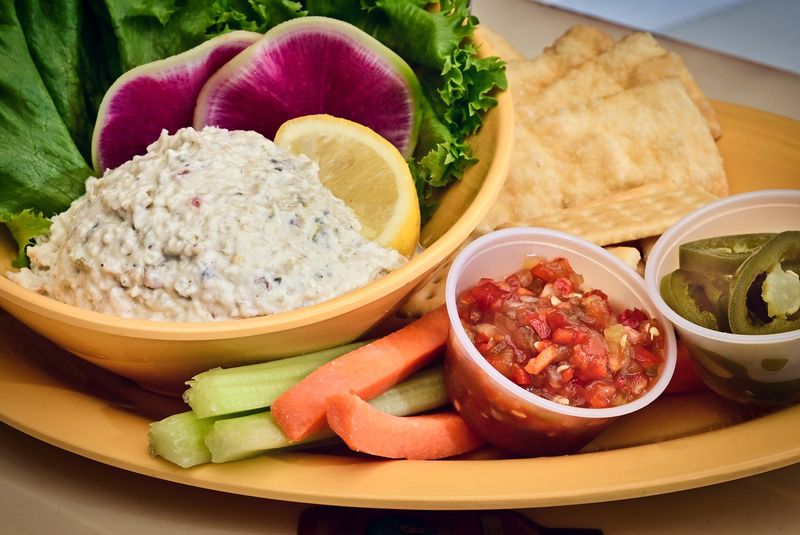
This is the snack you order when you want to eat like someone who actually lives here. Dockside bars and marina grills tend to make smoked fish dip the right way: smoky but not ashy, creamy but not mayo-soup, with real flakes of fish you can see.
Mullet brings that old-Florida, deeply smoky edge; mahi is milder and crowd-pleasing; kingfish can lean rich and bold. The best dip has little pops of onion, maybe celery, a squeeze of citrus, and a tiny kick that sneaks up after a few bites.
Saltines are traditional for a reason—thin, salty, and perfect for scooping without stealing the show. If it’s served ice-cold with a lemon wedge and a pile of crackers, you’re in business.
Order it first and watch it vanish.
5. Cedar-plank Gulf snapper or mangrove snapper
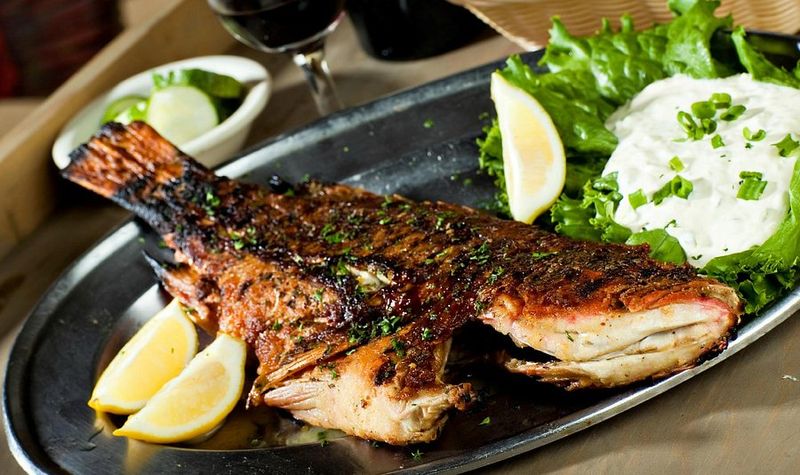
This is where “fresh” stops being a menu word and starts being obvious. Near-water kitchens that handle snapper daily don’t overthink it: a cedar plank for gentle smoke, a brush of butter or oil, citrus, and maybe herbs.
The fish should come out moist, flaky, and clean, with the wood adding a quiet campfire note instead of tasting like a lumberyard. Gulf snapper tends to be a bit heartier; mangrove snapper can be slightly sweeter and more delicate.
Either way, you want the fillet thick enough to stay juicy and cooked just past translucent. A good sign: the sides are simple—rice, seasonal veg, maybe a grilled lemon—because the fish is the point.
Eat this with salt air in your lungs and you’ll understand why locals chase it.
6. Oysters (raw, baked, or Rockefeller)
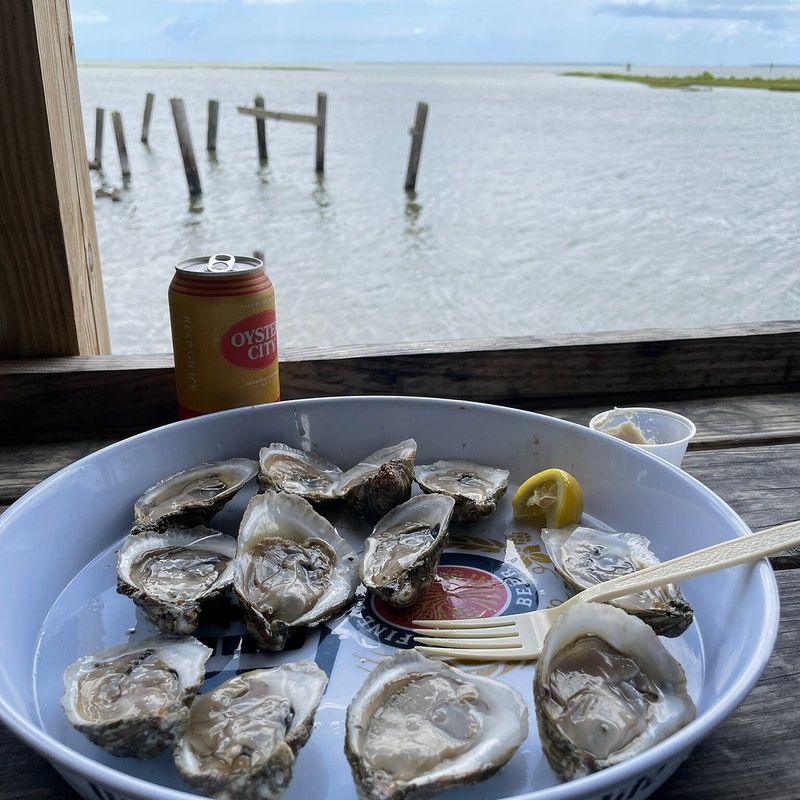
Oysters are all about trust, and waterfront places earn it by doing the basics obsessively: cold storage, fast turnover, and staff who can shuck without turning your shell into a crime scene.\
Raw oysters should taste bright and briny, not funky, and they should arrive nestled on plenty of ice.
A squeeze of lemon is enough; hot sauce is optional; drowning them is a rookie move. Baked oysters are your comfort choice—garlicky, buttery, sometimes with cheese—great when you want the flavor without the full raw moment.
Rockefeller-style should be rich and herby, not a gloopy green blanket. If you’re by the water, ask where today’s oysters are from; a confident answer is a very good sign.
One or two and you’ll be plotting a whole round.
7. Conch fritters (especially in the Keys)
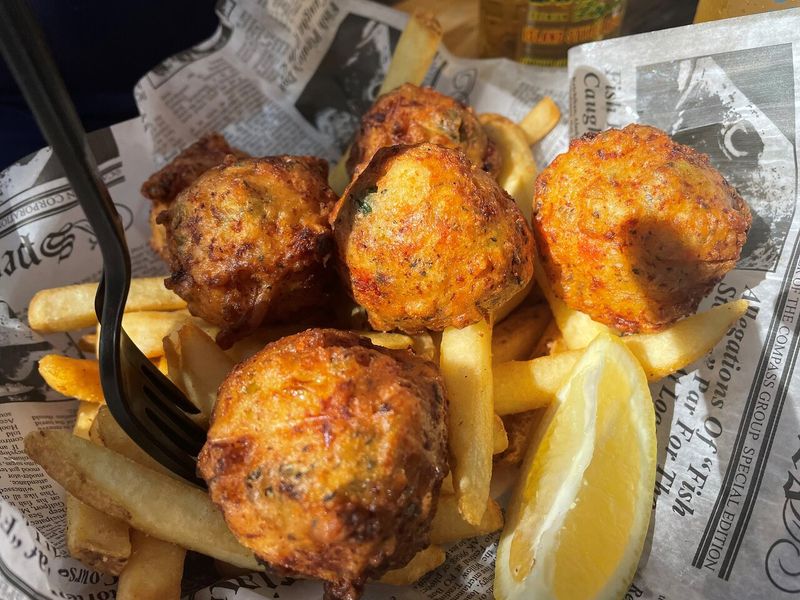
Conch fritters should be crunchy outside, tender inside, and unmistakably ocean-adjacent. In the Keys, you’ll find places that fry them like it’s second nature—no heavy, bready hushpuppy impersonations.
The best ones have visible bits of conch and pepper, a little chew, and a savory scent that makes you reach for the dipping sauce before the plate even hits the table. Texture is everything here: you want crisp edges that crack when you bite, not a sponge.
Dipping sauces vary—key lime aioli, spicy remoulade, or a sweet chili situation—but the fritter should stand on its own. Order them hot, eat them quickly, and don’t be shy about a second round if the first basket disappears faster than expected.
Near the water, they’re a snack; inland, they’re a gamble.
8. Whole fried Florida pompano (or grilled pompano with citrus)
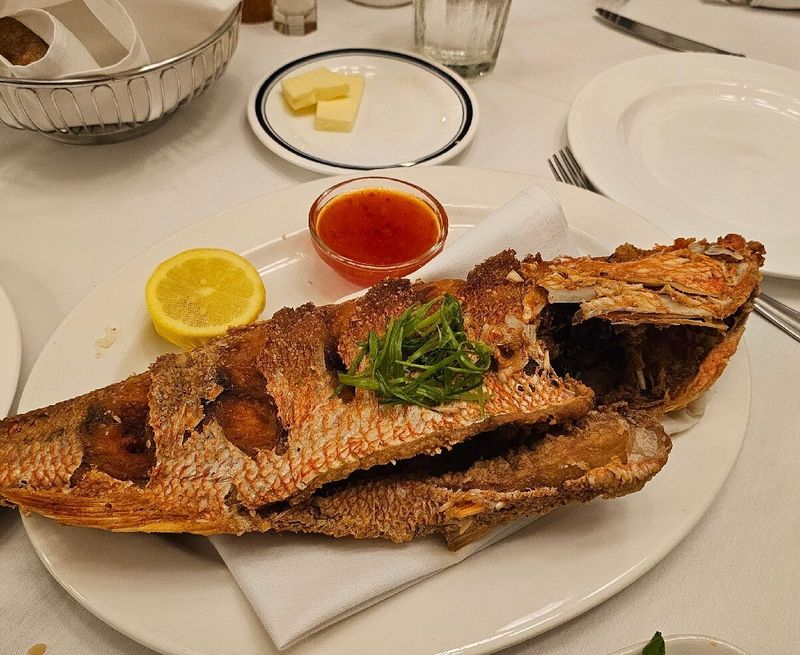
Pompano is one of those fish that rewards the places that respect it. Done whole and fried, the skin turns shatter-crisp while the meat stays delicate and sweet—especially when it’s fresh and handled by cooks who do it all day.
Grilled pompano is the clean, sunny version: citrus, maybe a little garlic, and a finish that tastes like Florida in the best way.
You’ll know you’re in the right spot if the fish arrives looking proud, not mangled, and if the aroma is buttery and bright instead of “fried everything.”
Ask for extra lemon, maybe a side of plantains or fries, and don’t skip picking at the collar meat—that’s the secret bite locals go for.
This is a near-water order because pompano doesn’t forgive time or overcooking.
9. Clam chowder or clam steamers (especially on the Gulf Coast)
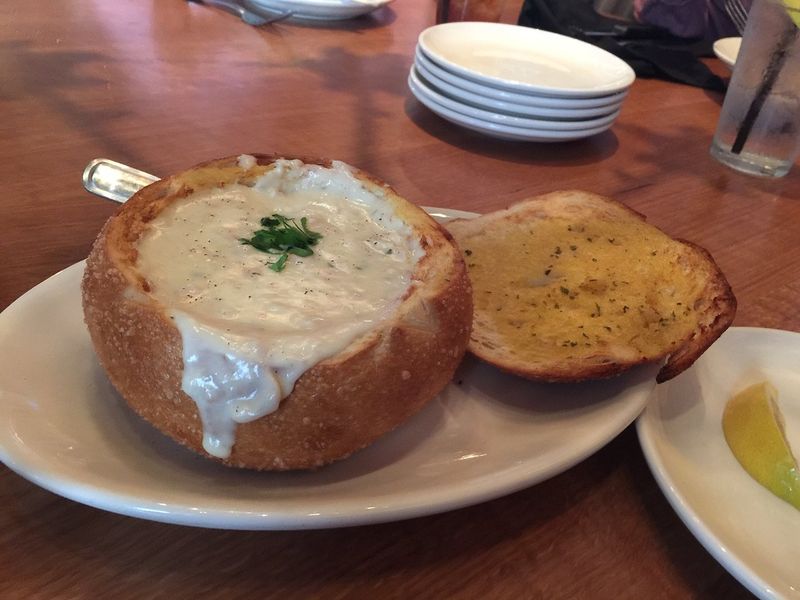
Clams are sneaky: they can be sweet and briny one day, then tough and dull the next if they’ve been sitting around. That’s why coastal spots—especially along the Gulf—tend to win.
A good chowder should taste like clams first, not just cream and pepper. Look for actual clam pieces and a broth that’s thickened but not paste-like.
Steamers are even more revealing: they should come piping hot, smelling like the sea, with tender clams that pop open easily. Dip them in broth, chase with butter if you want, and toss the empty shells like you mean it.
Waterfront kitchens usually keep clams moving and purged properly, which means less grit and more clean flavor. If you can hear gulls while you eat, you’re basically guaranteed a better bowl.
10. Boiled peanuts + a cold beer at a tiki bar (yes, it counts)
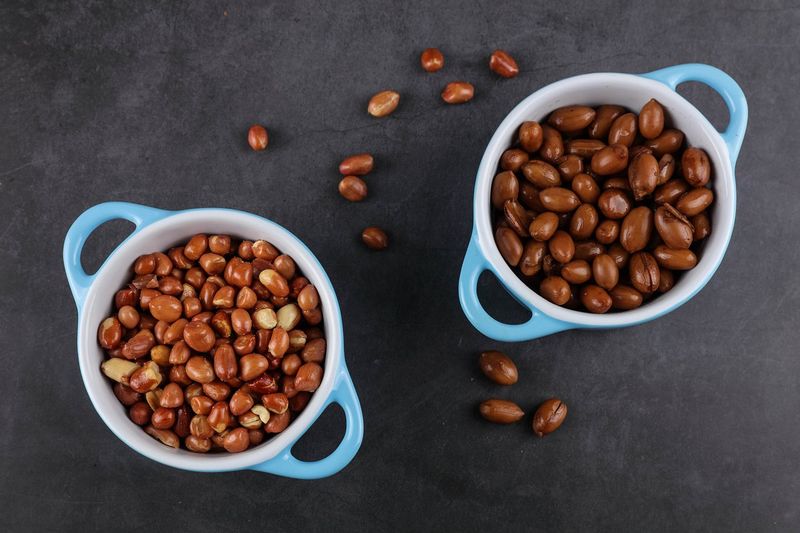
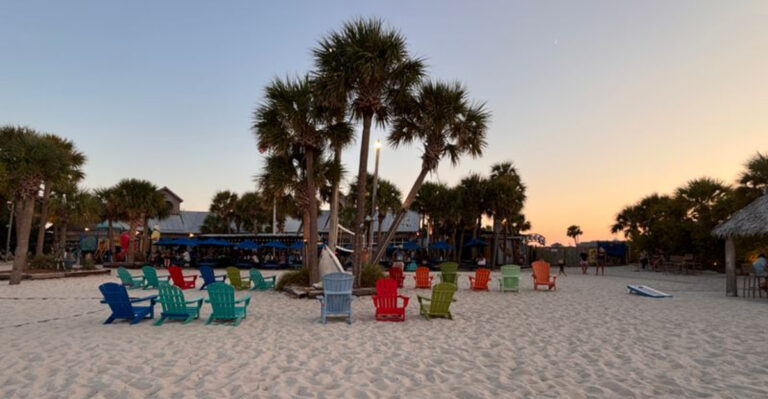
Not every “near the water” order has to be seafood—sometimes it’s about the setting doing half the work. Boiled peanuts are salty, soft, and oddly addictive, especially when you’re perched under a tiki roof watching boats idle past.
The best ones are served warm, plenty briny, maybe with a little Cajun spice that lingers after each handful. Crack the shells, slurp the peanuts, wipe your fingers, repeat.
It’s snack food with zero pretense and maximum Florida energy. Pair them with a cold beer and suddenly you’re not rushing anything: not the sunset, not the conversation, not the next round.
Inland, boiled peanuts are fine. By the water, they’re a ritual—something to do with your hands while the day turns golden and the music gets louder.