10 Florida Places That Hide Dark, Strange, or Incredible History in Plain Sight
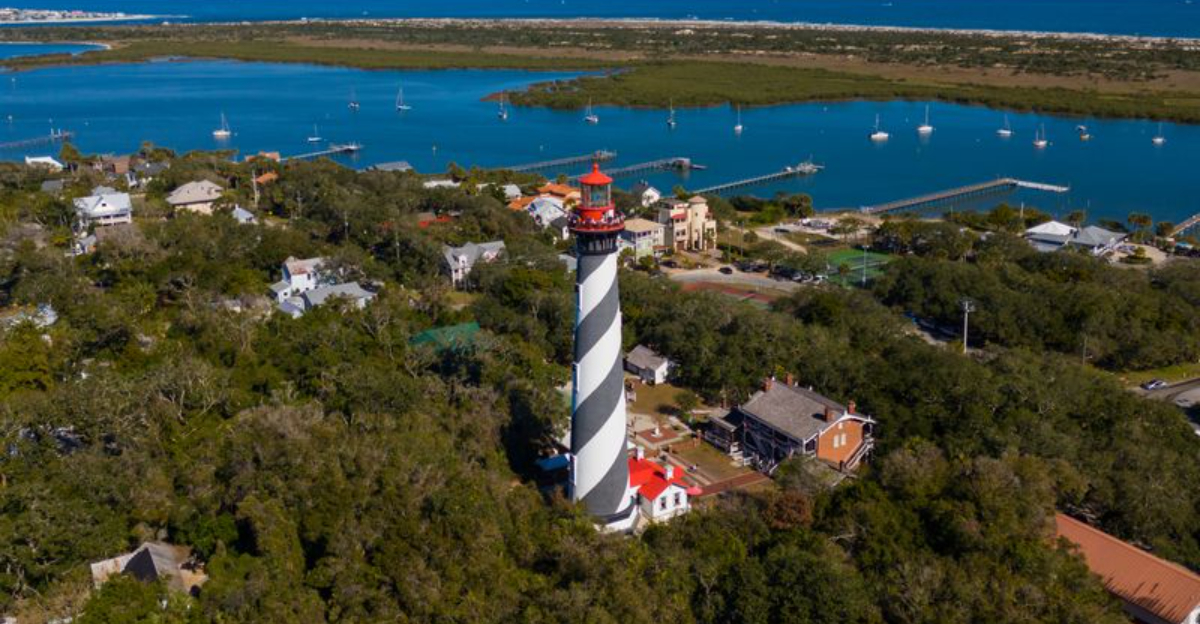
Florida dazzles with beaches and sunshine, but its calm surfaces often mask stories that chill the spine or spark wild curiosity. If you have ever walked past a lighthouse, a cinema, or a sunny small town without sensing the weight of the past, this list will change how you look around. These places hide tragedy, mystery, hauntings, and feats that challenge explanation, all in plain view of everyday visitors.
Come explore where postcard beauty meets shadows and where the truth feels stranger than folklore.
1. St. Augustine Lighthouse (St. Augustine)
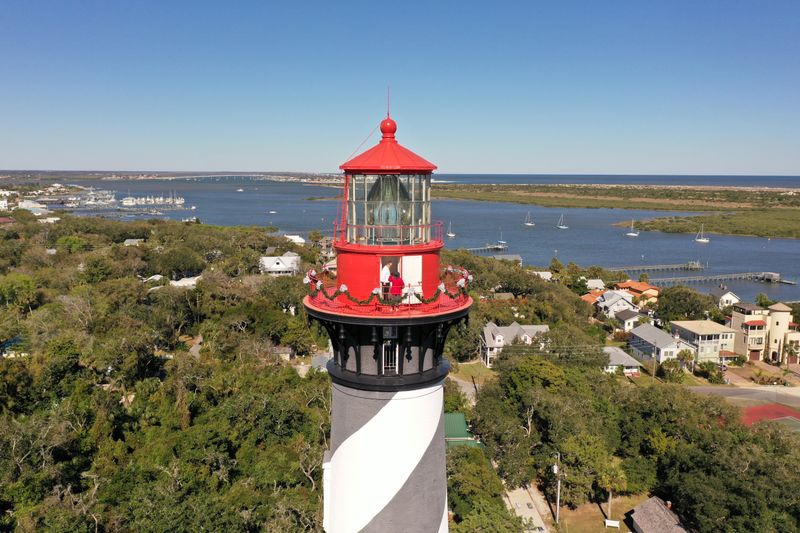
From the parking lot it looks pure storybook coastal charm, but listen closer and you might catch the hush of old tragedies. In the 1870s, lighthouse keepers’ children drowned nearby, and that grief is said to echo through corridors and stairwells. Guides talk about footsteps overhead, a shadow peering from railings, and a lantern swinging when no wind blows.
You can climb the 219 steps, feel the iron treads vibrate, and wonder whether history is tugging at your sleeve. If you are skeptical, the museum’s archives still anchor the lore with hard fact. Stay after sunset, and the beam slices the night like a metronome for lingering souls.
2. The Biltmore Hotel (Coral Gables)
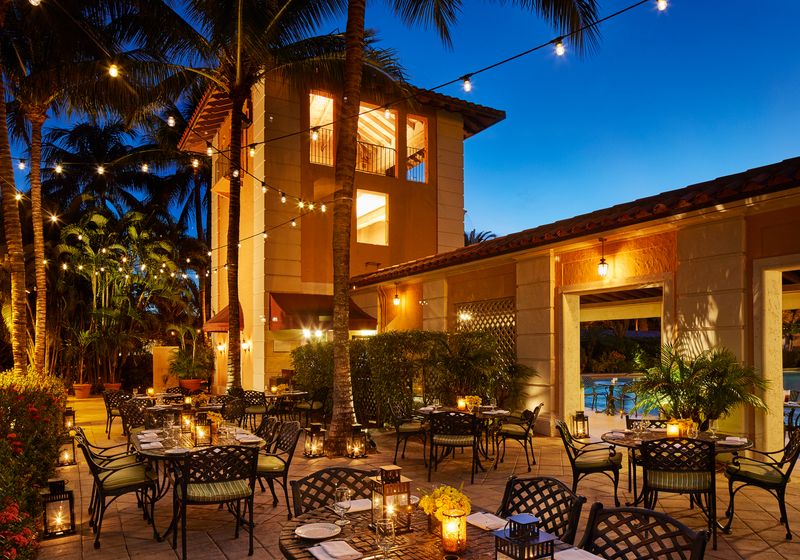
Sunlit arches, marble floors, and a blue pool the size of a dream hide corridors that once rang with wartime urgency. During World War II, the glamor paused as the hotel became a military hospital, and whispers claim some patients never checked out. Staff mention elevators that stop uncalled and a suited figure drifting through the mezzanine.
Walk the galleries and you will feel the past unfold like layered wallpaper. The lobby’s hush at night can make your pulse sync with a forgotten gurney’s wheels. Luxury returns by daylight, but echoes persist, turning champagne sparkle into a prism of memory, loss, and curiosity you cannot quite shake.
3. Rosewood (Levy County)
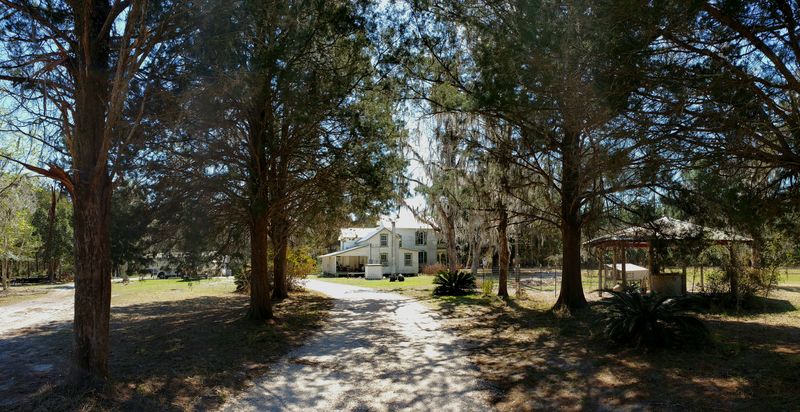
Driving the backroads, you could miss the silence unless you know what once stood here. In 1923, a white mob destroyed Rosewood, a thriving Black community, in a week of terror that scattered families and erased homes. Markers now stand where lives were uprooted, carrying names and dates like anchors dropped into grief.
Stop and read, and you feel time contract. The wind through the trees becomes a witness, the sandy soil a ledger that could not burn. You leave with a heaviness that urges remembering, because forgetting is how violence pretends it never happened.
Rosewood’s quiet is not empty. It is a warning and a promise to look harder.
4. Cassadaga (Volusia County)
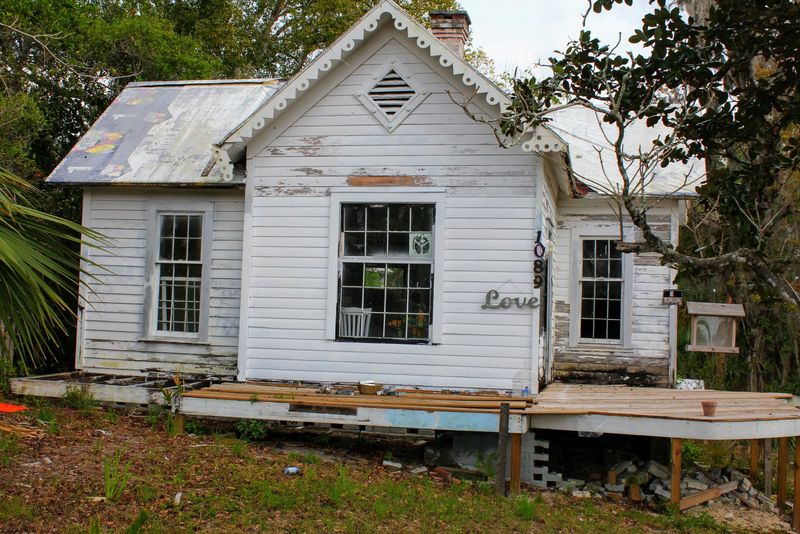
A bird sings, a chime rings, and a hand-lettered sign invites you to schedule a reading as if it were a haircut. Founded by Spiritualists in the late 1800s, this town treats communication with the beyond like a daily utility. Mediums welcome walk-ins, and you may feel your skepticism loosen on the porch swing.
Workshops cover healing, meditation, and psychometry, offered in rooms that smell of incense and old books. Whether you believe or not, the community’s gentleness is disarming. You leave with a pocket of questions and a business card warming your palm, wondering if the next message will arrive over tea, or in a dream.
5. Coral Castle (Homestead)
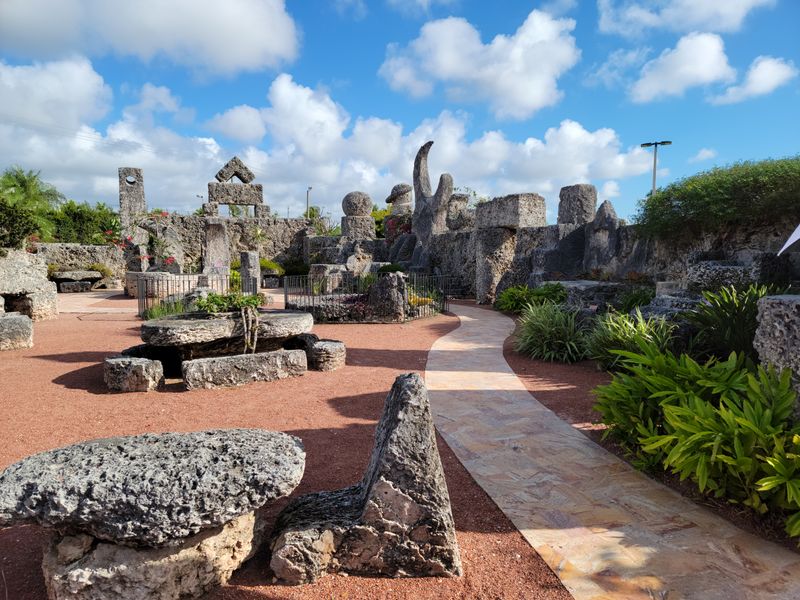
Wander among massive limestone blocks fitted so tightly that a knife blade cannot slip between them. Edward Leedskalnin built it mostly alone, at night, moving multi-ton stones with methods he never fully explained. The gate pivots on a single bearing, the carvings align with celestial cues, and you start doing mental math that never adds up.
It is part love letter, part riddle. Guides share theories involving magnets, levers, and sheer stubborn will. You are invited to test the balance of a stone chair, to feel the cool geometry on your palms, and to admit that sometimes a human story glows brighter than any solution.
6. Fort Jefferson (Dry Tortugas National Park)
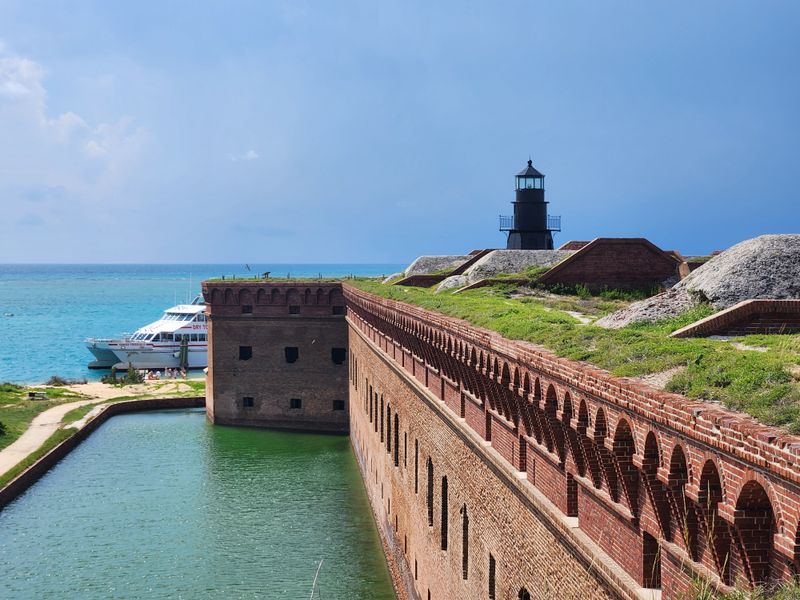
It looks like a mirage, a red-brick hexagon floating in water so clear it seems lit from below. But inside those walls, soldiers and prisoners sweated through heat, storms, and yellow fever. Dr. Samuel Mudd, linked to Lincoln’s assassination, was confined here before earning a pardon by treating the sick.
Walk the ramparts and the wind feels oddly corrective, like the sea insisting on balance. Snorkel beside the moat and history presses in, even underwater. The fort’s immensity turns you small, then brave, then reflective, as if the ocean demanded honesty from every traveler who dares reach this far edge of the map.
7. The Devil’s Chair (Lake Placid)
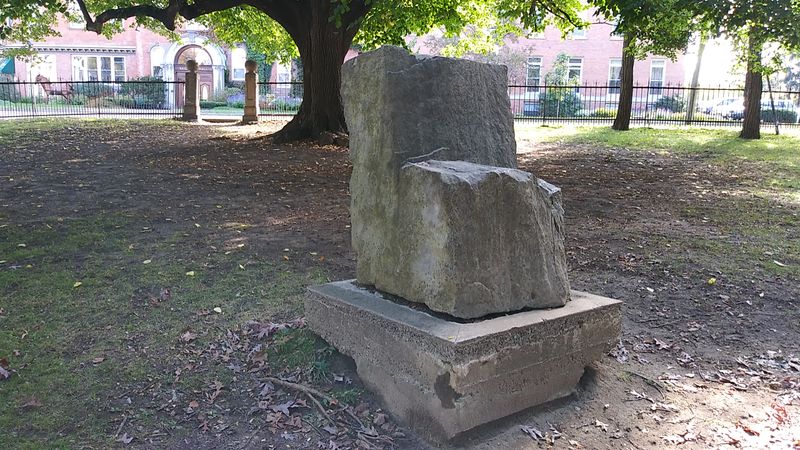
In daylight it is just a concrete bench beside weathered stones, the kind you would overlook while reading dates. After dusk, locals say the air thickens and a dare becomes a ritual. Legend claims the devil sits here at night and will savor any unopened beer or soda left for him, the can mysteriously lighter by morning.
You can laugh and sit, feel chill through denim, and watch nothing happen, except your heart keeping time. Maybe power lives in suggestion. Maybe something older thanks you for the offering.
Either way, you walk out slower, measuring each crunch of gravel until the gate clicks shut.
8. Tampa Theatre (Tampa)
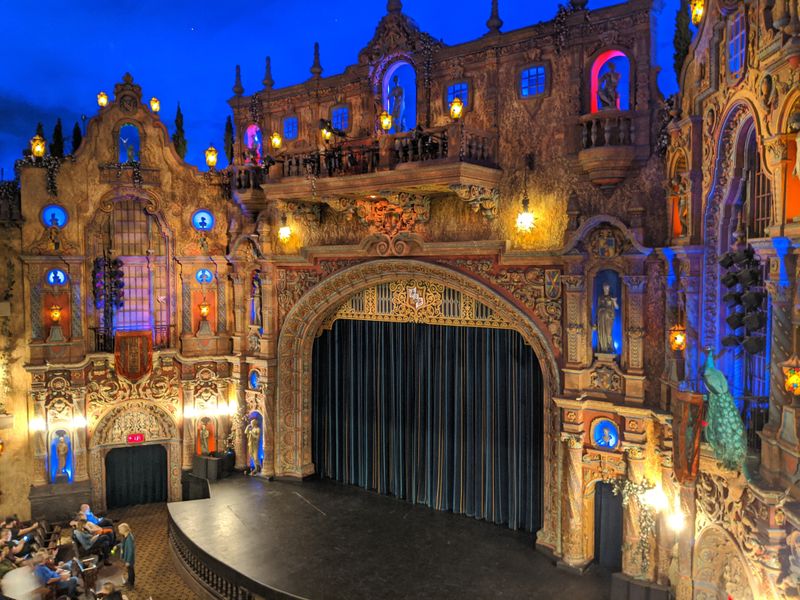
Step inside and the ceiling becomes a midnight sky, a fantasy village rising along the walls. After the credits roll, staff report footsteps on empty staircases, a seat folding by itself, and a voice clearing in the balcony. Preservation saved the palace, and maybe its memories stayed to repay the favor.
You settle into velvet and feel the hush turn intimate. Light from the booth cuts a silver path that seems to invite someone else to cross. Whether the stories are stagecraft or sincerity, the theatre convinces you that wonder and fear share the same aisle, separated only by an armrest and a deep breath.
9. Cape Canaveral (Brevard County)
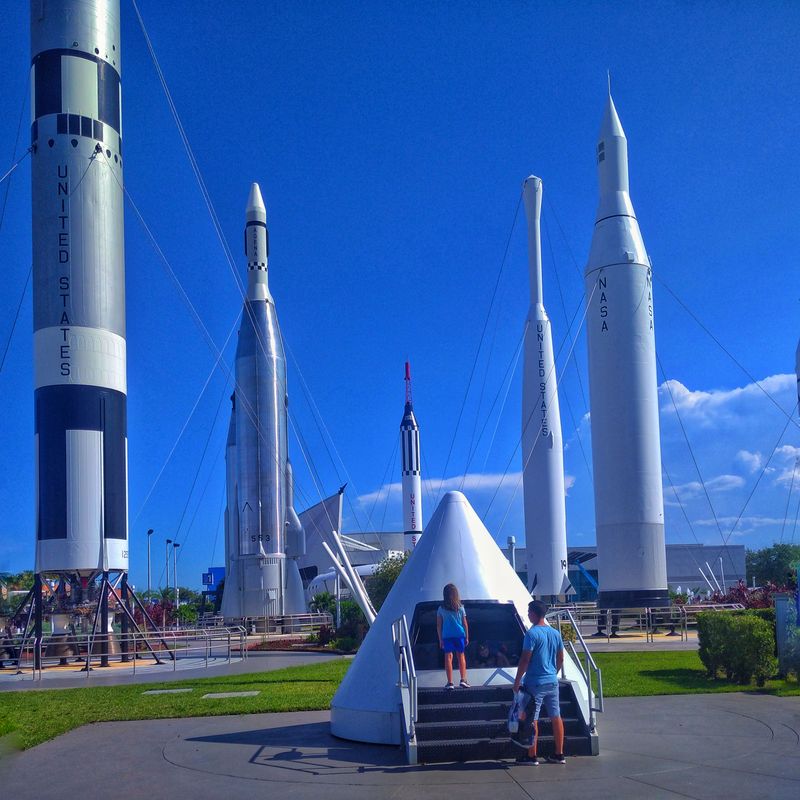
Launch day feels like electricity gathering in salt air, but this coast learned its lessons the hard way. Early missile tests, Cold War stakes, explosions on pads, and triumphs that shook car windows all unfolded on this thin strip of sand. You can stand at a viewing area and feel decades compress into a countdown.
Museums preserve capsules scorched like toast, consoles blinking with analog bravado. Engineers speak with reverence for failures that taught them everything. When engines ignite, the sound lands in your ribs and rearranges your doubts, as if risk and courage were the twin fuels sending hope arcing into blue.
10. Castillo de San Marcos (St. Augustine)
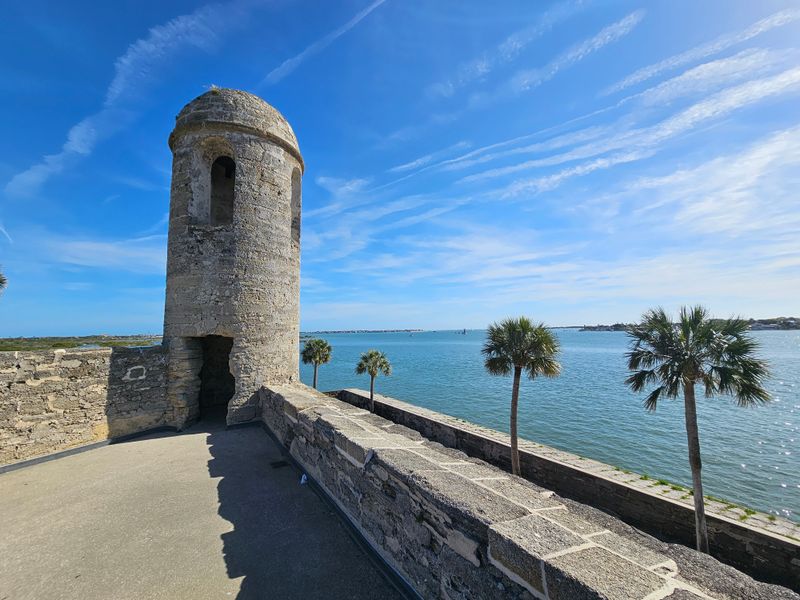
From the bayfront it looks like serenity, pale coquina blocks soft as bread from a distance. Step closer and you find scars where cannon shot bit but failed, thanks to stone that flexed instead of shattered. Centuries of sieges shuffled flags above these ramparts, and prisoners paced rooms that feel crowded even when empty.
Run a hand along the gritty wall and you touch compressed seashells and time. The courtyard fills with voices in different languages, modern and ancient in the same breath. You leave with sand on your shoes and a sense that endurance can be gentle, and still hold firm against every tide.