10 Florida Spots to See Dolphin Pods Close to Shore on Calm February Mornings
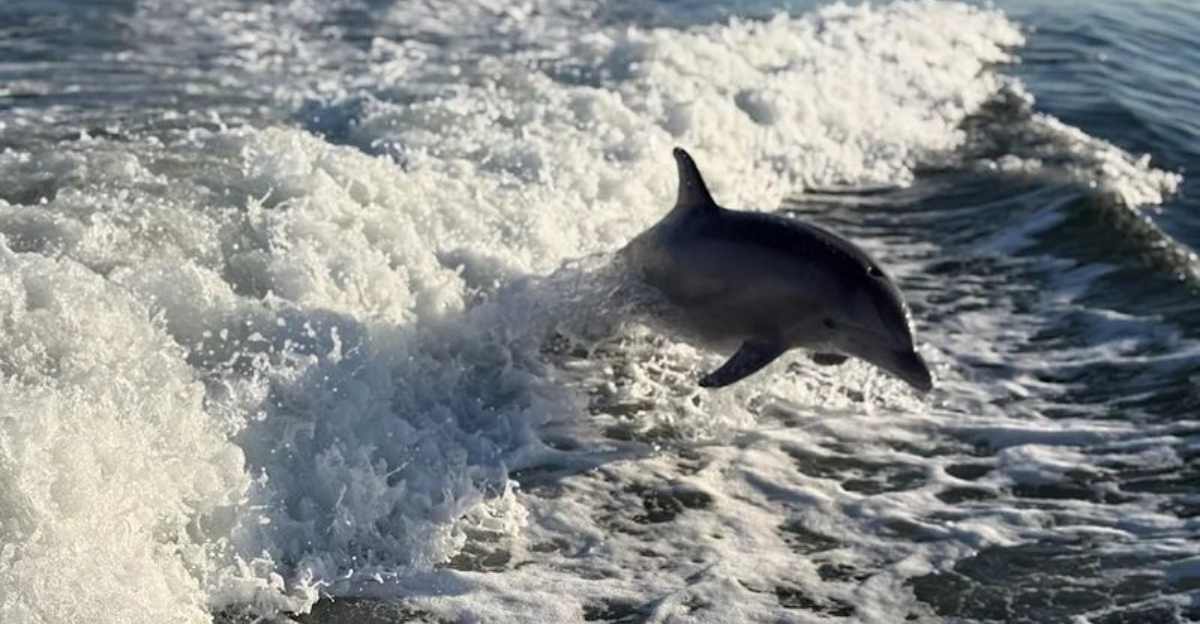
When the Gulf and Atlantic lie glassy on cool February mornings, dolphin pods cruise unbelievably close to shore. Beat the breeze by arriving right after first light, and you might watch bow-riding, spyhopping, and synchronized surfacing just yards away. With patience, polarized sunglasses, and a thermos in hand, these spots reward quiet observers with unforgettable encounters.
Use tide charts, keep respectful distance, and let the morning unfold like a nature documentary right in front of you.
1. Haulover Canal (Titusville, Merritt Island NWR)
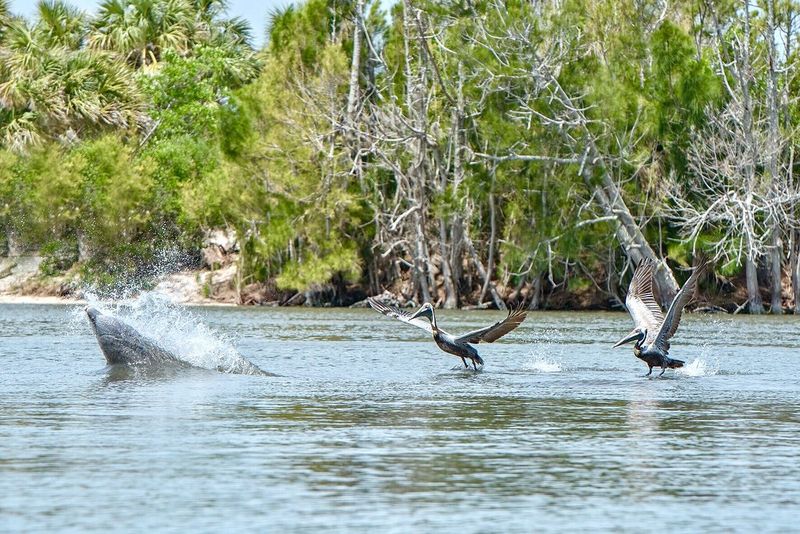
Slip in before sunrise and you will hear gentle puffs of breath before you see dorsal fins. The narrow canal funnels bait, so dolphins cruise edges and eddies, often within casting distance. Stand quietly near the bridge approaches or the manatee viewing area, scanning slicks for V-shaped ripples.
February mornings here can be windless and glassy, perfect for spotting backs and tail flicks. Watch for pelicans plunging and mullet scattering, clues that a pod is corralling breakfast. Bring bug spray, a red-light headlamp, and a light jacket.
Boat traffic ramps up later, so early timing matters. Respect refuge rules, keep voices low, and never feed wildlife. You might also glimpse manatees milling right below your feet.
2. Canaveral National Seashore (New Smyrna Beach / Titusville)
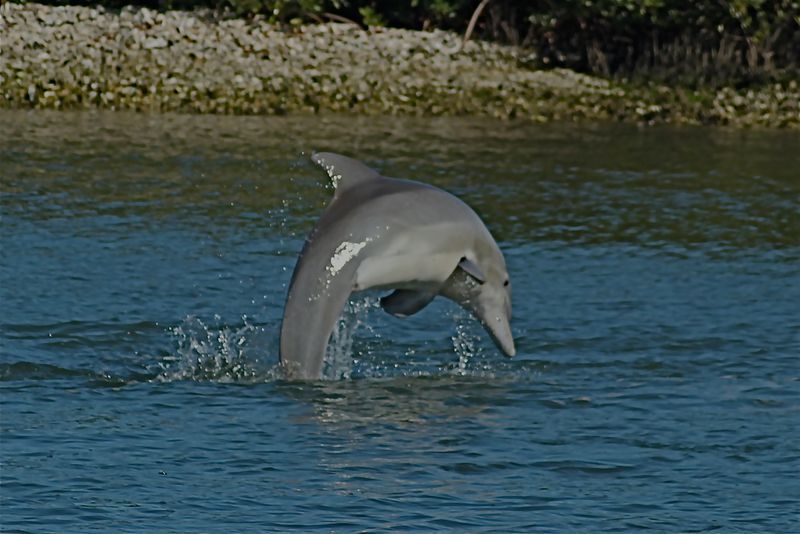
On windless February dawns, the lagoon is a sheet of polished silver. Dolphins patrol the lee sides of mangrove islands, pushing bait onto oyster bars with sudden rushes. Park at designated pull-offs and quietly walk to the shoreline, pausing whenever you hear that soft whoosh of a blow.
Look for nervous water along marsh edges and the classic rolling back followed by a tail swipe. Pods sometimes strand-feed lightly on shallow flats, so keep respectful distance and do not enter closed areas. Polarized sunglasses help you read subtle pushes.
Low light makes silhouettes pop against the pastel sky. As sun rises, breezes build and visibility falls. Be out early, move slowly, and you will see them surprisingly close.
3. Sebastian Inlet State Park (Sebastian / Vero Beach)
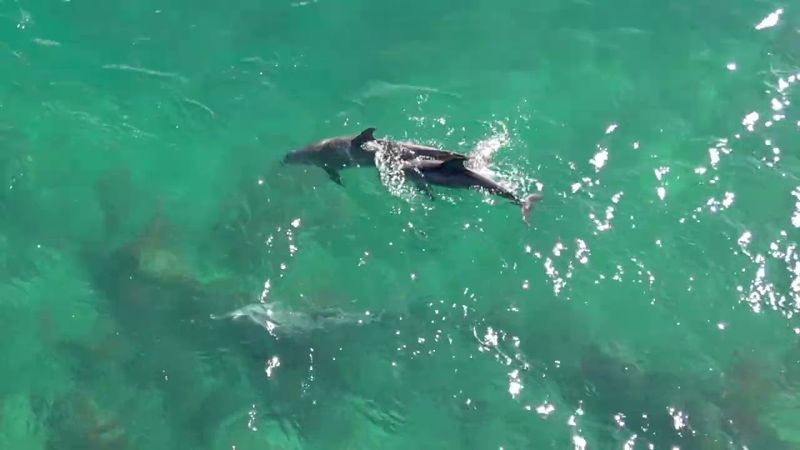
When tides turn at first light, bait flushes through the inlet and dolphins key in. Position along the north or south jetty and watch seams where ocean meets inlet flow. You will often see a fin slice right along the granite, then a quick pivot as fish bunch.
Calm February mornings reduce swell and let you track movements beneath the surface. Scan for pelicans wheel-diving and bait dimpling that hint at feeding. Keep gear tidy so you can pivot without tangling lines or startling wildlife.
Safety first on wet rocks, and give anglers space. If wind rises from the east, shift inside the inlet for calmer viewing. With patience, you will catch pods drafting the current like surfers.
4. Indian River Lagoon (Brevard & Indian River counties)
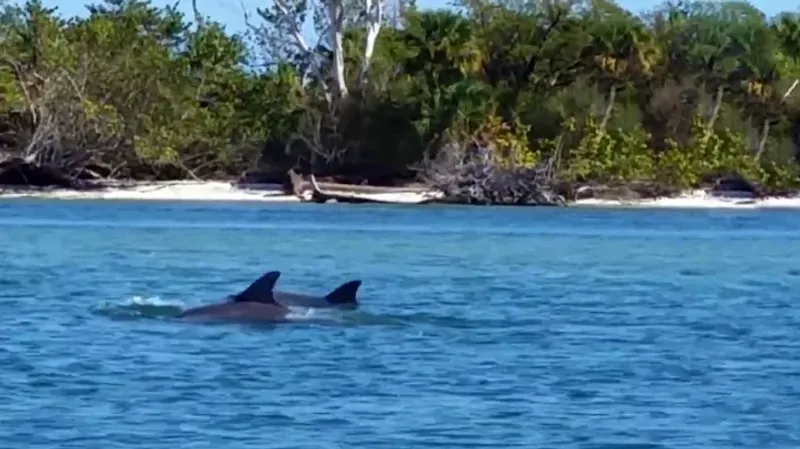
From Cocoa to Vero, small neighborhood parks hide surprisingly good vantage points. On still February mornings, dolphins run the grassline, flushing pinfish and mullet tight to seawalls and docks. Piers let you peek into channels where dorsal fins appear, vanish, and pop up again downcurrent.
Bring a thermos and walk the shoreline slowly, pausing at each outflow pipe or culvert. Look for bait flipping and snowy egrets stalking, then wait for the quiet exhale nearby. Many parks open early, and you will often have them to yourself.
Check maps for spots facing leeward so wind-driven chop stays low. Keep dogs leashed and voices soft. Expect bonus views of manatees, ospreys, and jumping rays while you scout.
5. Jetty Park (Port Canaveral)
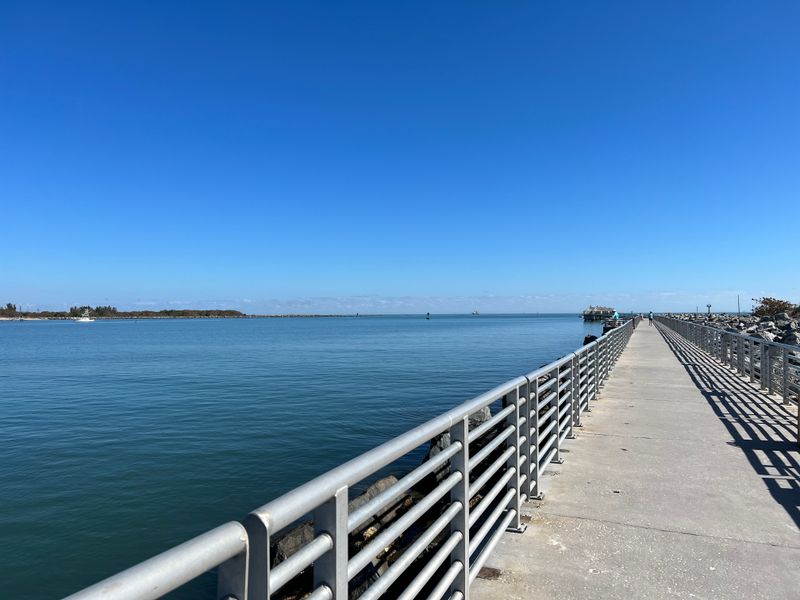
Before ships stir the channel, mornings can be whisper quiet. Dolphins track schools along the rock line and cruise past the pier within clear view. Set up near the seaward end and watch current seams where bait stacks against the structure.
February cool snaps push glassy conditions after dawn, making fins easy to pick out against reflective water. Scan the harbor mouth when tugs idle, because pods sometimes draft their wakes. Pelicans and terns often lead you straight to the action.
Bring a light layer and a lens cloth for sea mist. Avoid leaning over railings with loose gear. If breeze builds, retreat inside the channel’s lee for continued, close-up looks.
6. Fort De Soto Park (Tierra Verde / St. Petersburg)
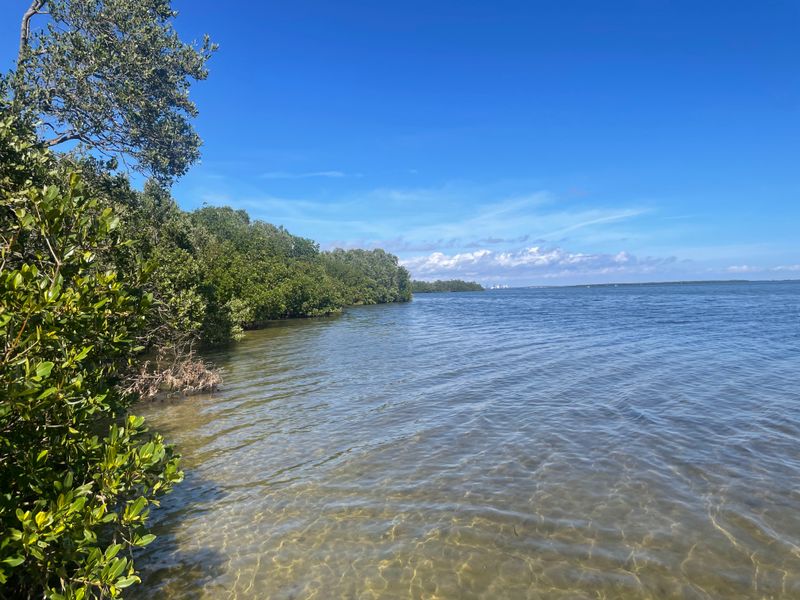
Arrive early and work the flats near the fishing pier and sandbars. On calm winter mornings, pods push mullet along the troughs, surfacing within a long cast of shore. You may hear breathy exhalations first, then see backs carving S patterns through mirrored water.
Follow the birds. Terns hover, then plunge where bait gathers, and dolphins are never far behind. Keep a respectful gap if they cut into ultra-shallow water, since strand-feeding behaviors require space and quiet.
Leeward coves shine when a light north wind starts. Wade only where allowed and shuffle feet for stingrays. Low tide plus sunrise gives ideal sight-lines, letting you track their arcs and tail slaps easily.
7. Honeymoon Island State Park (Dunedin)
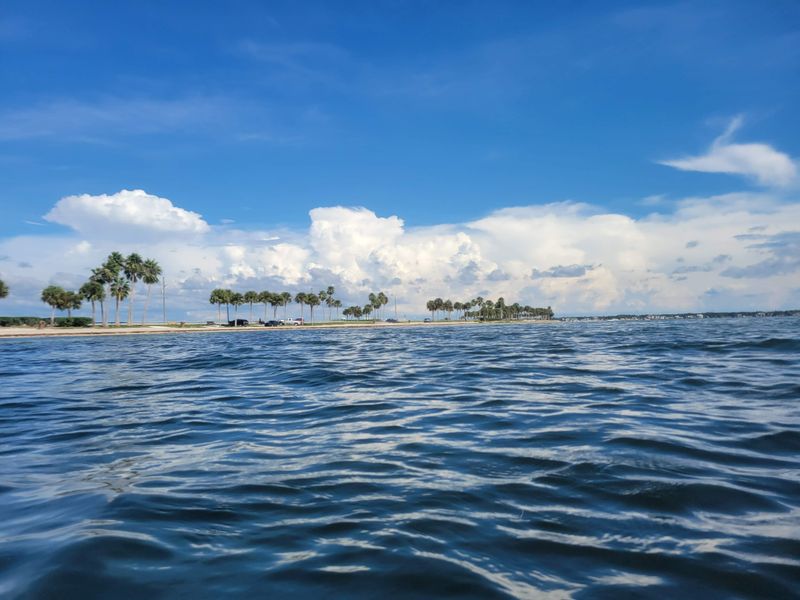
Stroll the north beach as the horizon blushes and watch the outer bar for rolling backs. Calm February mornings often bring pods right down the shoreline, corralling bait in knee deep water. Listen for subtle blows and look for spray from quick herding lunges.
Stand still when birds bunch up, because dolphins may surge within seconds. Water clarity here can be excellent, revealing ghostly shapes slipping past. Bring binoculars for scanning the cut between bars where currents compress forage.
Parking fills later, so beating the crowd helps keep things quiet. Respect nesting areas and follow posted rules. If wind turns onshore, shift toward the bay side for continued smooth water and reliable views.
8. Siesta Key – Point of Rocks / Crescent Beach (Sarasota)
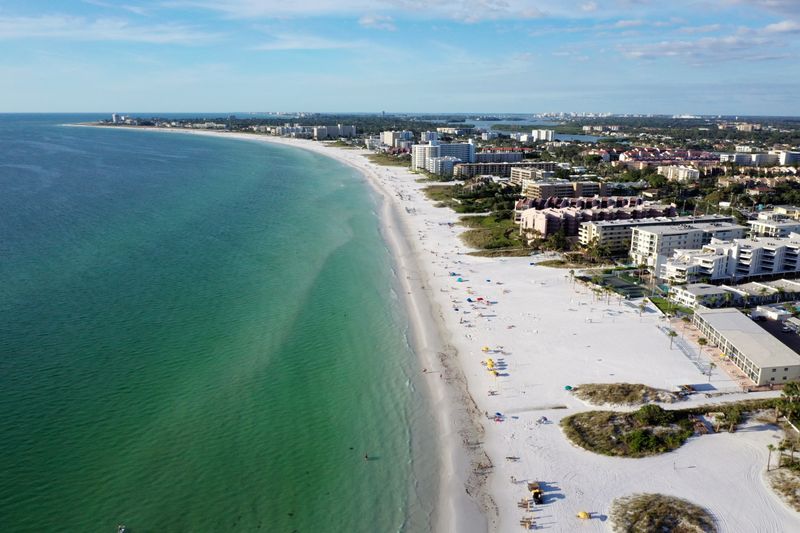
Rocky shelves here concentrate bait, and calm winter mornings reveal the show. Stand near tide pools and scan the outer edge where ripples meet deeper turquoise. You will often catch sleek backs rolling as pods sweep the reef line like clockwork.
The sound of a blow carries in still air, so pause and listen between waves. Watch for mullet showers and bait balls tightening near the rocks, then track the dolphins’ arcs. Polarized lenses reduce glare on Siesta’s bright sand and water.
Stay off slippery algae and give anglers room. If small surf appears, move to Crescent Beach’s gentler curve for clearer sightlines. Sunrise colors plus nearshore hunters make this a favorite stop.
9. Sarasota Bay (Sarasota)
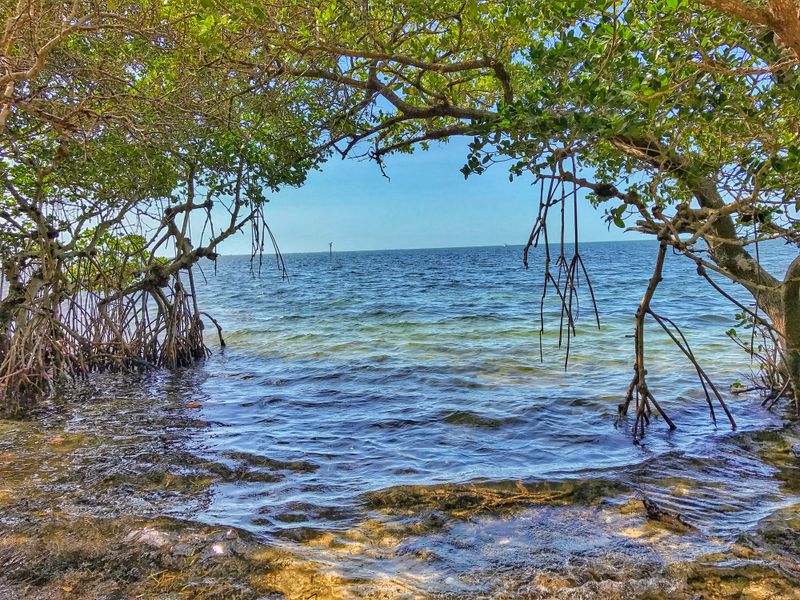
Shoreline parks along the bay give close encounters when the wind is light. Dolphins cruise seawalls and marina mouths, nudging bait against structure in shallow water. Walk quietly, stop often, and watch each corner where current bends around docks.
February mornings can be glassy, turning every fin into a crisp silhouette. Birds betray the action, especially terns hovering above flickering pilchards. Keep distance from any calf, letting families glide through without pressure.
Try Hart’s Landing area early, then move north toward leeward nooks if breeze rises. Bring coffee, patience, and a camera with a modest zoom. You will likely spot multiple pods within an hour as traffic stays minimal.
10. Sanibel Island – Lighthouse Beach & Fishing Pier (Sanibel)
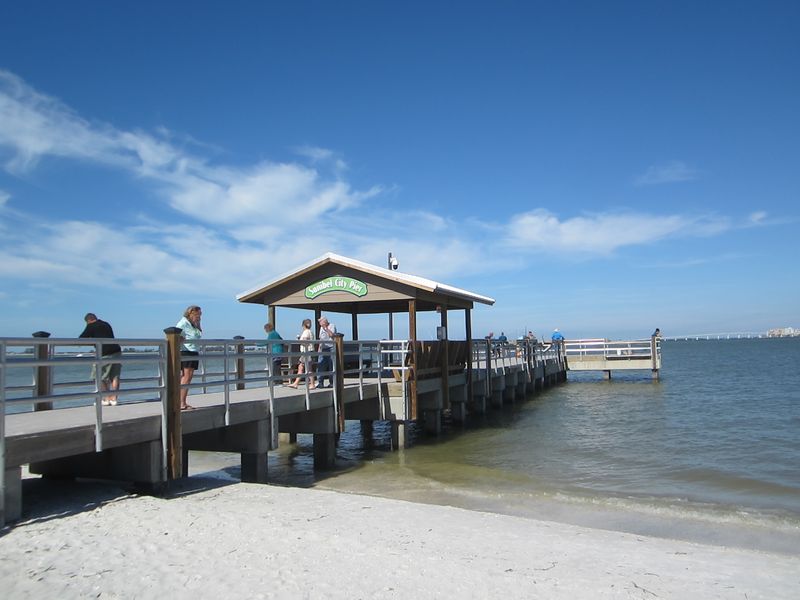
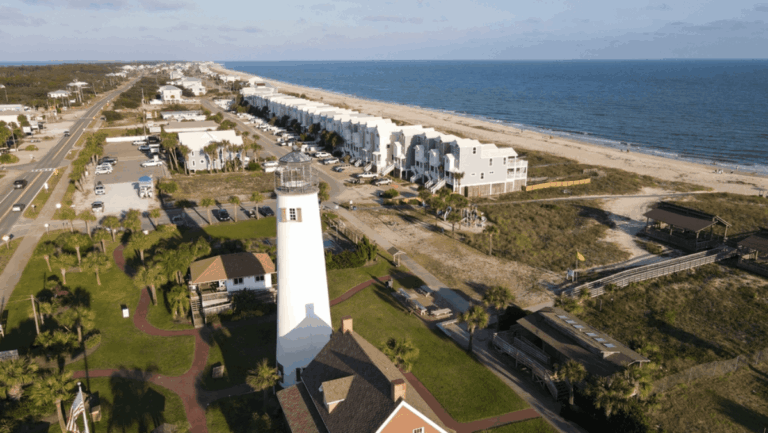
Arrive before the first rod bends and you might watch dolphins cruise the sandbar like patrol boats. Calm February mornings set up eye level views as they herd bait against the pier pilings and shoreline. Listen for a soft whoosh, then track the smooth grey arc.
Pelicans often draft alongside, plunging where pods turn bait tight. Stand well back to avoid altering their approach patterns, and keep conversations hushed. Shelling is great here too, so scan between stoops for fins passing by.
If wind ticks up, slide to the lee of the lighthouse point for flatter water. Respect closures and share space with anglers. Sunrise light on calm water makes every encounter feel cinematic.