10 Florida State Parks That Deserve More Hype
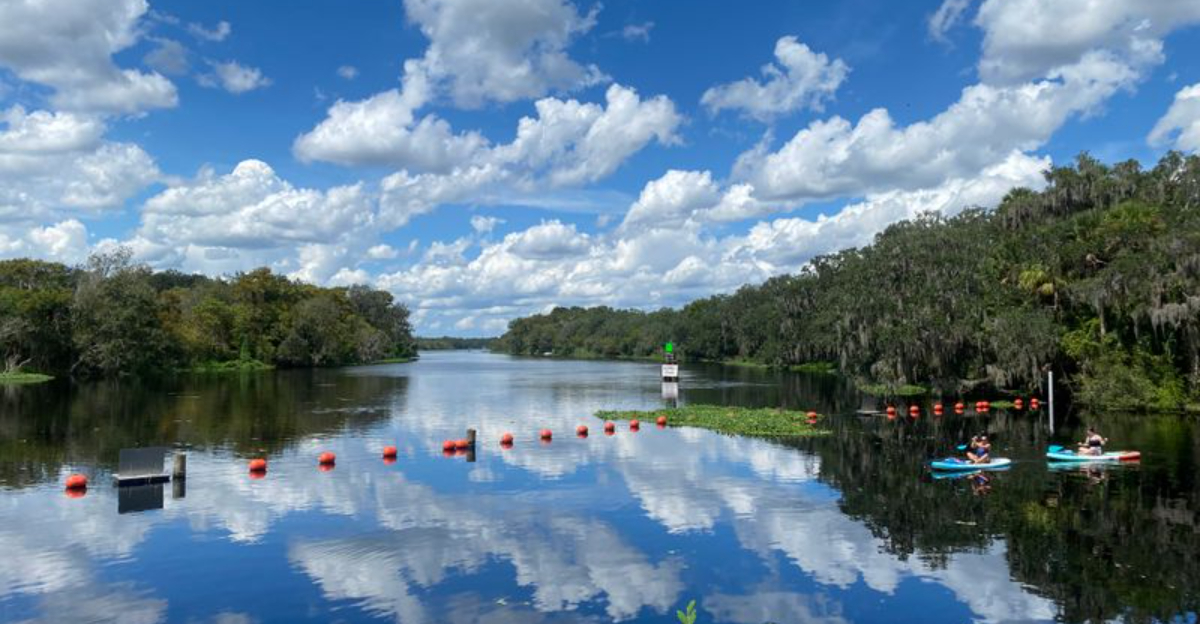
Florida gets all the hype for palm-lined beaches and theme-park thrills—but the best stories usually start where the crowds end.
Tucked beyond the selfie spots are state parks that feel like secret levels: pitch-black skies made for stargazing, river bluffs that don’t look like Florida, mangrove tunnels where manatees glide by, and quiet shorelines where your footprints might be the only ones.
These places won’t always show up on “Top 10” lists, which is exactly why they’re worth chasing. If you’re craving the kind of day trip that turns into a core memory—mud on your shoes, salt in your hair, and a camera roll full of “how is this real?”—start here.
1. Kissimmee Prairie Preserve State Park (Okeechobee County)
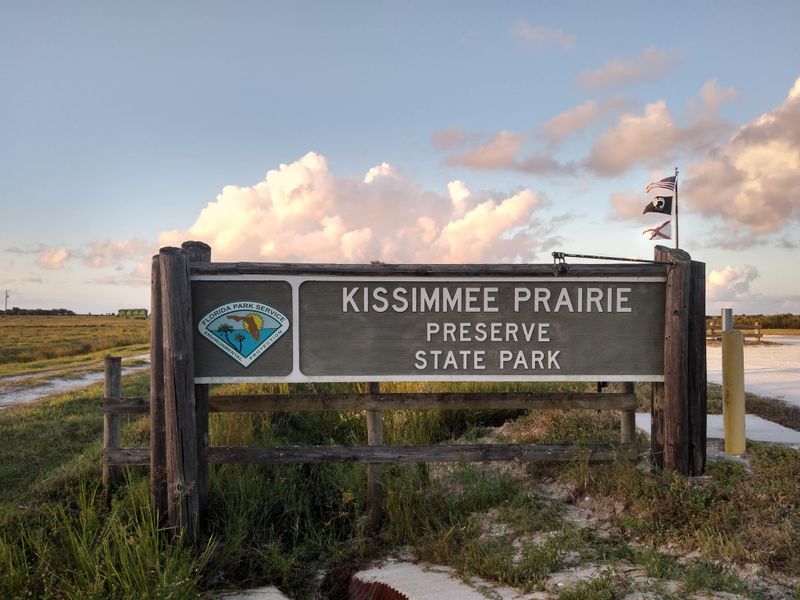
Kissimmee Prairie is where Florida’s horizon finally breathes. The prairie rolls open and the sky takes over, making stargazing feel almost cinematic.
Plan for the dry season, typically late fall through spring, when roads are firmer and mosquitoes chill out. Arrive before sunset to scout compositions, then shoot wide with a fast lens, manual focus on a bright star, and keep exposures short to avoid trails.
A red headlamp saves your night vision.
Daylight is for birds. Keep an eye out for the crested caracara cruising low over the grass, plus meadowlarks and burrowing owls in season.
Stick to designated roads and trails, because this landscape is deceptively delicate. If clouds drift in, switch to moody prairie portraits and silhouettes along fencelines.
Camping spots book fast on dark-sky weekends, so reserve early. Out here, it is just you, the wind, and a sky that actually feels wild.
2. Big Shoals State Park (Hamilton County)
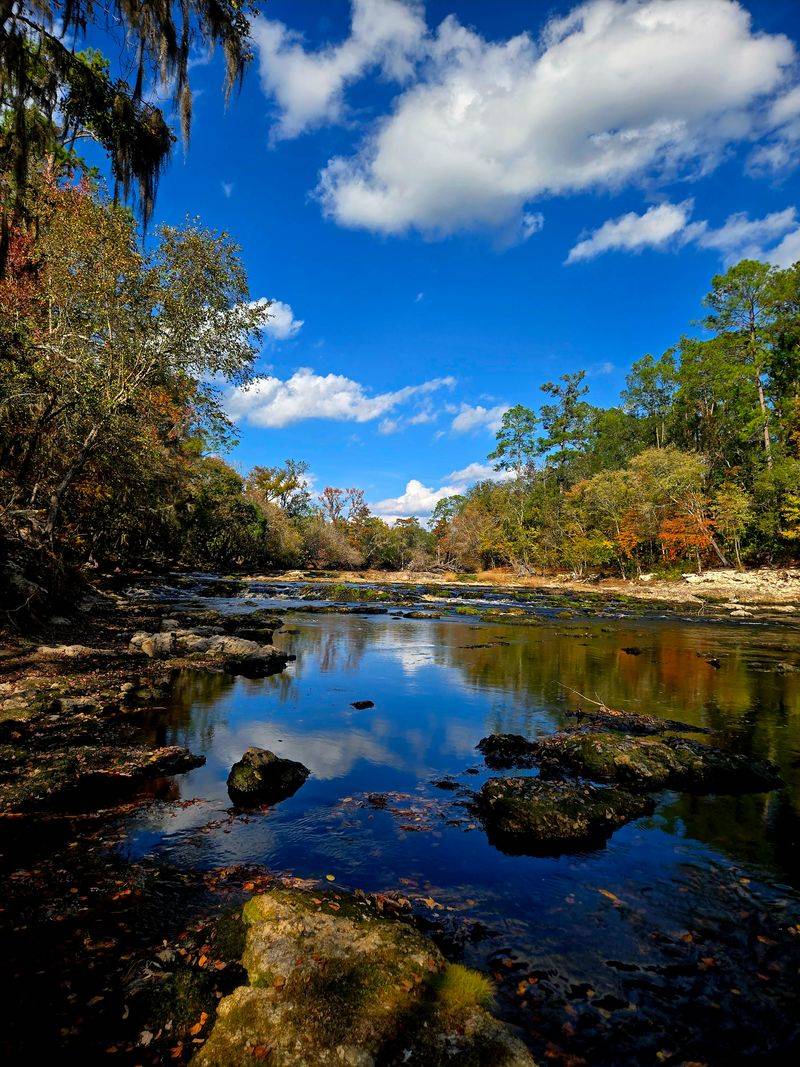
Big Shoals rewrites the Florida script with honest-to-goodness whitewater. The Suwannee tightens, drops, and roars, and you can feel the river’s muscle from bluffs and riverside breaks.
Bring a telephoto to compress the rapids, or go wide from the main overlook for context. Hiking is sandy and rooty in spots, so sturdy shoes help.
Cyclists will appreciate the multiuse trails, but check recent rain before committing.
Best water levels ride a sweet spot after sustained rains, usually cooler months into spring, when flow reveals texture without turning chaotic. Paddling the shoals is for experienced whitewater boaters only.
Most visitors do fine savoring viewpoints, picnics, and the woodpecker soundtrack. Carry plenty of water and a small first aid kit.
The rapids’ rhythm changes day to day, which is half the fun. Come early, linger late, and let the Suwannee reset your expectations.
3. Werner-Boyce Salt Springs State Park (Pasco County)
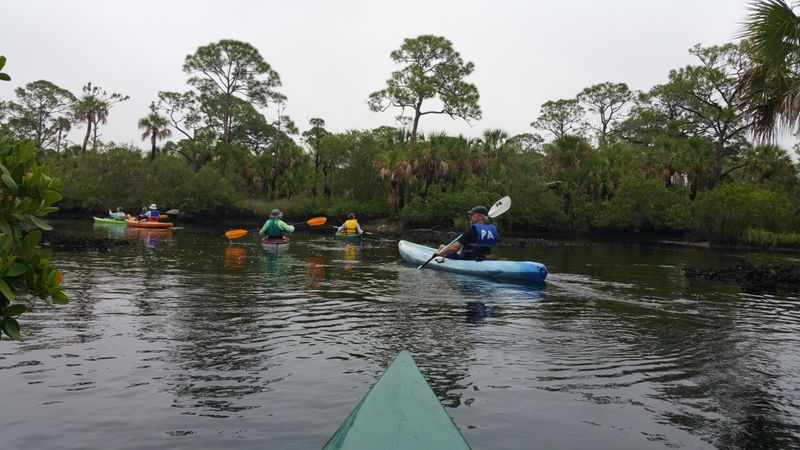
Werner-Boyce is a calm paddler’s daydream tucked beside busy roads. Launch early for still water and soft light threading mangrove tunnels.
The park’s springs and estuary fingers invite slow exploration, not mileage-chasing. Watch for manatees in cooler months and ospreys almost year-round.
Tide matters here, so check charts to avoid scraping through shallows. A sit-on-top kayak or stable canoe keeps the vibe easy.
Pack a dry bag, sun protection, and a floating phone case. If you prefer to stay landbound, take short trails to birdy viewpoints and listen for clapper rails at dawn.
Photos pop when you aim low across the reflections, especially on windless mornings. This is an old-Florida pocket: brackish edges, mullet flashes, and mangrove shade that swallows the city noise.
Exit before midday boat wakes pick up. You will leave slower, salt-aired, and glad you started early.
4. Bulow Creek State Park (Volusia County)
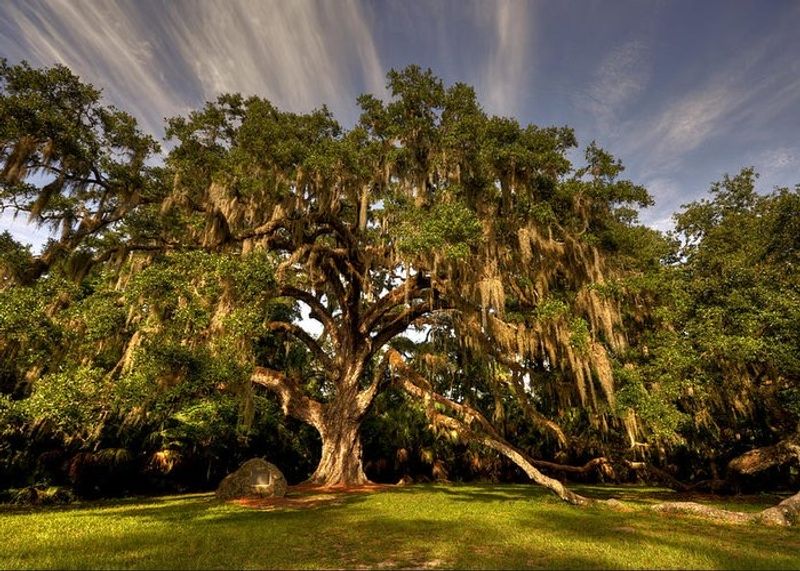
Bulow Creek is for people who like their shade ancient and their stories layered. The Fairchild Oak is the headliner, a sprawling live oak that photographs best in early or late light.
Walk the short trails under lacey moss and you will hear woodpeckers tapping while the creek slides by. Bring a polarizer to tame glare on water and deepen sky through the canopy breaks.
Keep steps quiet and you might catch deer browsing.
History sneaks in through interpretive signs that connect you to old plantation-era ruins nearby. Pause for context, then continue to small bridges and photo stops where light knifes through moss.
Paths can be sandy, so wear shoes that shrug off grit. Summer heat builds fast, but breezes linger beneath the oaks.
This park feels big yet human-paced, with drama in the details. Leave time to simply stand under that oak and listen.
5. Faver-Dykes State Park (St. Johns County)
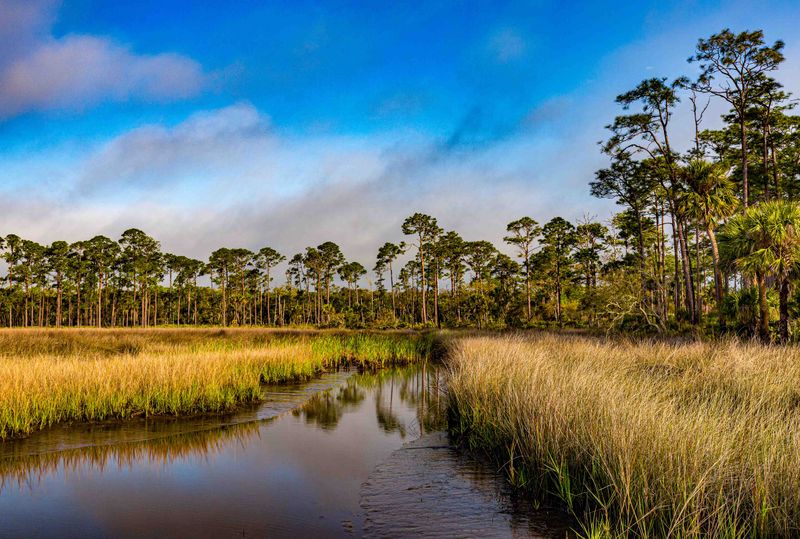
Faver-Dykes is a gentle entry point for paddling, the kind of place where beginners actually relax. The launch is low-stress, the current mild, and the creek winds through palmetto walls that glow at golden hour.
Go early or late for glassy reflections that double your photos. Rentals are limited nearby, so confirm gear before you roll.
Kids tend to lock onto turtles sunning on logs.
Wildlife spotting is the game here. Watch for osprey, kingfisher chatter, and the occasional otter.
Bring a short checklist so everyone has something to find. The campground is small and quiet, great for first-time family campers.
Sunrise paints the creek copper, while sunset warms the treeline with long shadows. Pack light: water, snacks, a throw rope, and sun sleeves.
When you want simple, low-drama Florida, this is your safe, serene reset.
6. Torreya State Park (Liberty County)
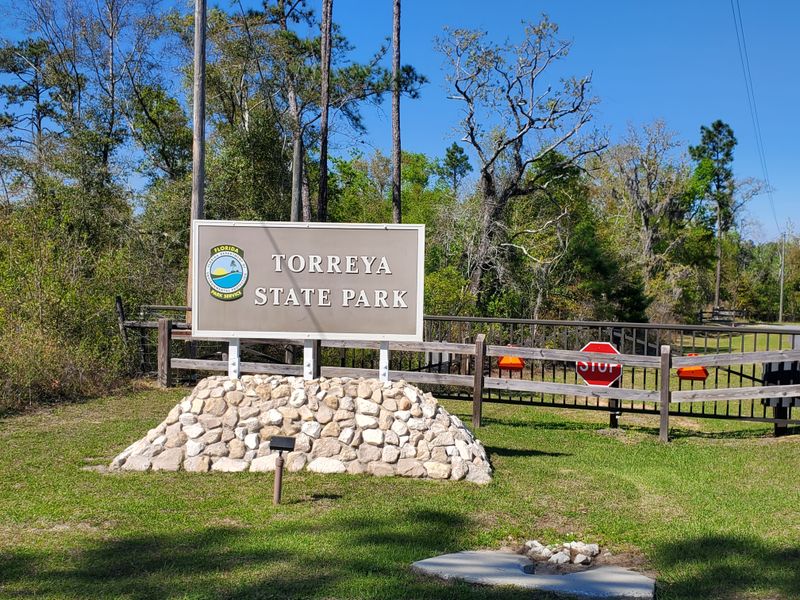
Torreya is Florida’s mountains, or at least the closest you will feel to them without leaving the state. Trails dive and climb along bluffs above the Apalachicola, surprising legs used to flatland.
Views open at overlooks where the river curves like a ribbon beneath you. Bring trekking poles if knees complain, and pack real water because the grades add up.
Cooler months and shoulder seasons are prime for clear air and fewer bugs.
Hike the high points to earn panoramas, then dip into ravines where microclimates shift under hardwood shade. The park’s namesake tree is rare and fragile, so stick to trail.
Photographers should chase side light for sculpted hills. Campsites feel satisfyingly removed after a day of ups and downs.
Torreya resets your Florida map, swapping palms for ridgelines and rewarding hikers who like a little burn.
7. Lignumvitae Key Botanical State Park (Florida Keys)
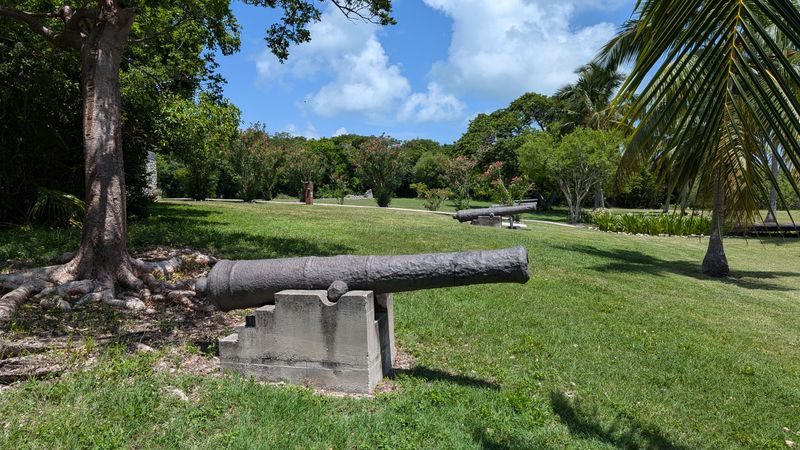
Lignumvitae Key feels like a field trip in the best way. It is boat-only, which instantly filters crowds and keeps the hammock quiet.
Arrange a ride with a local operator or bring your own small boat on a calm day. Ranger-led tours add context about the tropical hardwood species and the island’s old caretaker house.
Wear reef-safe sunscreen, closed-toe shoes, and bring more water than you think.
The habitat is special because it stacks Caribbean-leaning trees and medicinal lore into a living museum. Walk slow to notice different leaf textures and butterflies drifting across sun patches.
Pair the visit with snorkeling or lunch stops in nearby Islamorada to round out the day. Photography works well at midday because the canopy evens harsh light.
When the motor shuts off and the mangroves start whispering, the Keys finally exhale.
8. Catfish Creek Preserve State Park (Polk County)
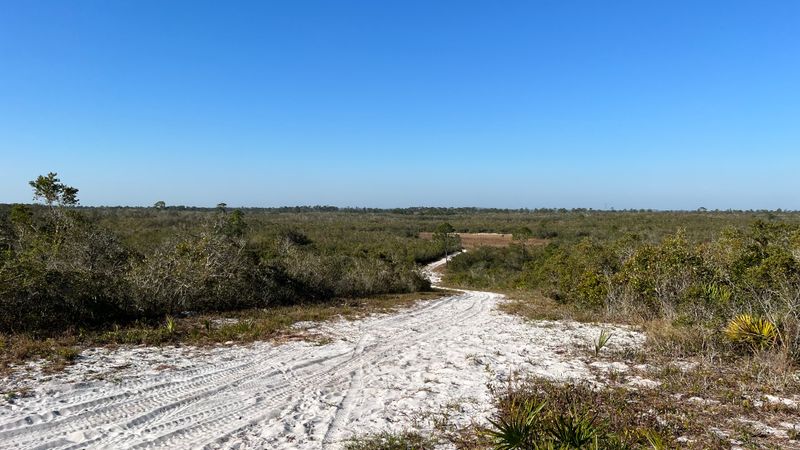
Catfish Creek is for hikers who nerd out on Florida scrub. Expect sugar-sand tracks, rolling ancient dunes, and a plant palette built for heat.
Start early because shade is scarce and the sun works overtime. Wear breathable layers, bring extra water and electrolytes, and use gaiters if sand-in-shoes drives you nuts.
Trails can be soft, so pace expectations and enjoy the textures rather than mileage bragging.
If you are lucky, a curious Florida scrub-jay might swoop close. They are federally protected, so observe without feeding.
Look for scrub rosemary, prickly pear, and gopher tortoise burrows along the edges. Navigation is straightforward but bring a map or track on your phone.
Photographers should lean into minimalism: bright sky, pale sand, cobalt birds. This preserve trades splashy springs for rare species and quiet resilience, and that difference is the point.
9. Three Rivers State Park (Jackson County)
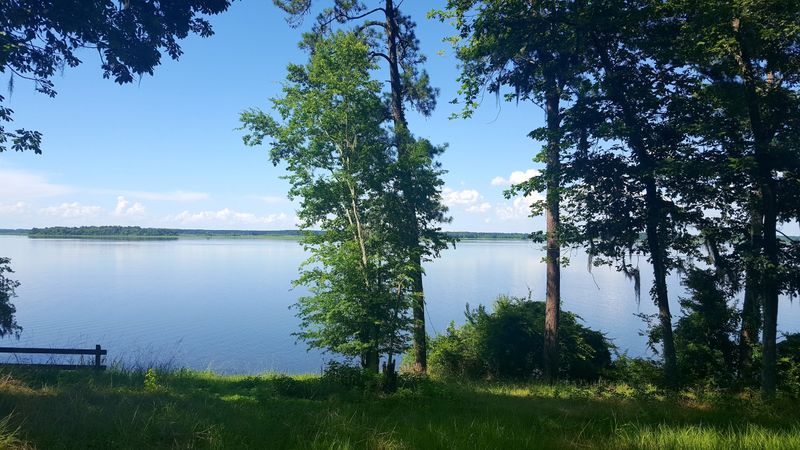
Three Rivers hums at a slower frequency. Lake Seminole spreads wide, inviting sunset strolls, simple fishing sessions, and cabin or campground evenings with cicadas.
Launch a small boat or paddlecraft and work the edges for bass and bream. Shore anglers do fine near the pier at dawn and dusk.
Bring mosquito defense in warm months and a light jacket when north winds sharpen.
Campsites hug the water, so coffee-with-a-view becomes the morning routine. The best viewpoints face west, where skies torch up in layered oranges.
Keep gear simple: a medium spinning rod, basic tackle, and a headlamp for packing up. Trails are mellow and pine-scented, perfect for decompressing after bigger road trips.
This is the Panhandle’s quiet side, no salt spray required, just glassy water and an easy bedtime.
10. Avalon State Park (St. Lucie County)
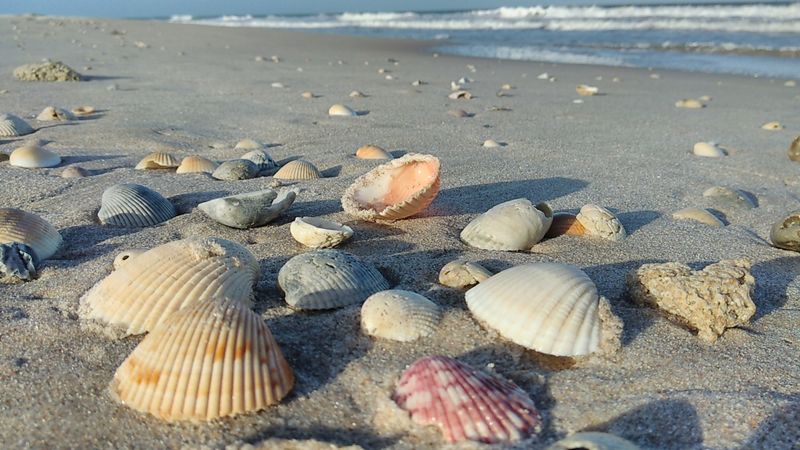
Avalon is the antidote to packed beach days. The dunes are the star, so stay off them and use designated access to protect sea oats.
Walk north or south and the crowds thin to almost nothing. Bring a small umbrella, mineral sunscreen, and sandals that can handle hot sand.
In sea-turtle season, keep lights off at night and give marked nests a wide berth.
This is a bring-your-own-comforts beach. A soft cooler, lightweight chairs, and a paperback beat boom boxes and games.
Mornings deliver pastel skies and gentle swells for easy swims, with clearer water after calm spells. Pick up what you packed in, because this stretch deserves to stay simple.
When the day winds down, the dunes glow and your shoulders finally drop. That exhale is why Avalon wins.