10 Florida Tourist Traps That Aren’t Worth The Hype
Florida draws millions of visitors every year with promises of sunshine, beaches, and world-class attractions. But not every hotspot lives up to the hype, and some of the most heavily marketed destinations can leave you feeling like you paid too much for too little. From crowded commercial strips to quirky roadside oddities that sound better in theory than in practice, Florida has its share of tourist traps that often disappoint travelers looking for authentic experiences.
1. International Drive, Orlando
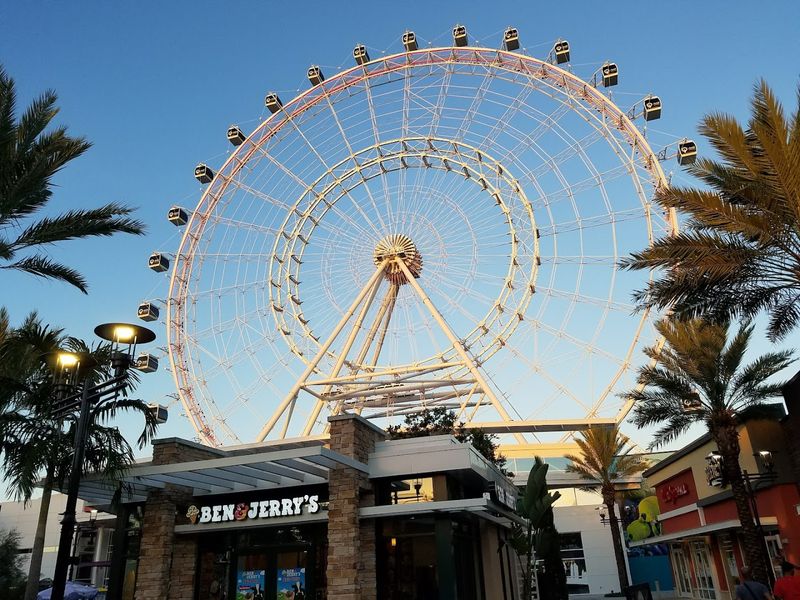
Stretching for miles through the heart of Orlando’s tourist zone, I-Drive promises endless entertainment and dining options. What you actually get is bumper-to-bumper traffic, chain restaurants you could find anywhere, and attraction after attraction competing for your wallet. The street feels less like Florida and more like a generic entertainment corridor that could exist in any major tourist city.
Sure, there are legitimate attractions here—fun spots, dinner shows, and activities that might appeal to families. But the overall vibe is commercial overload. You’ll spend more time sitting in traffic or walking past tchotchke shops than actually enjoying anything uniquely Floridian.
Prices are inflated across the board, from parking fees to mediocre meals at themed restaurants. The constant hustle and visual clutter can be exhausting, especially if you’re traveling with kids who want to stop at every brightly lit storefront. Many seasoned travelers skip I-Drive entirely or limit their visit to one specific venue, then escape to quieter parts of Orlando.
If you do find yourself here, pick one thing you genuinely want to experience and leave. Don’t get sucked into the trap of thinking you need to explore the whole strip.
2. Old Town Kissimmee
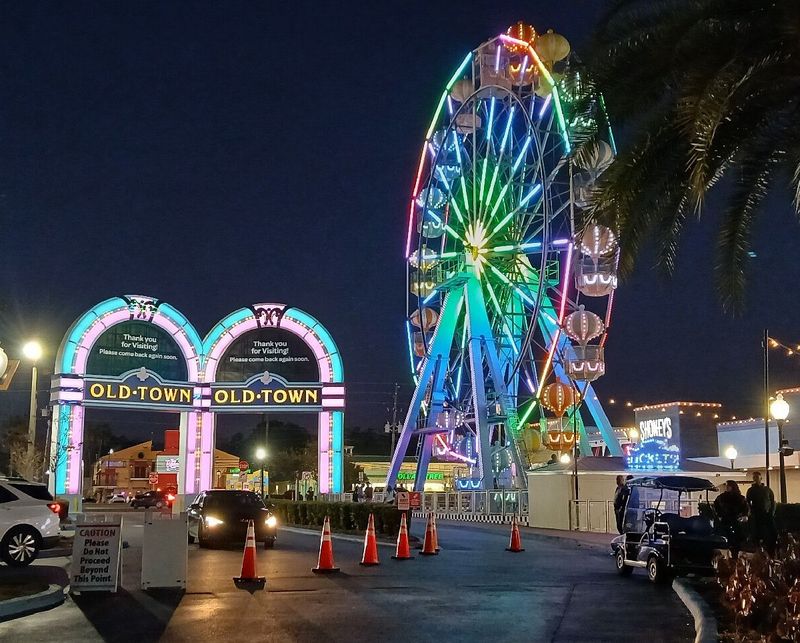
Old Town markets itself as a charming throwback to classic Americana, complete with vintage car shows and a nostalgic main-street layout. Reality check: it’s mostly a collection of souvenir shops, carnival rides, and overpriced snacks packaged in a retro wrapper. The theming is cute for about fifteen minutes, then the novelty wears off fast.
Families with young kids might enjoy the small amusement rides and weekend car cruises. But for anyone hoping to discover authentic local culture or memorable Florida experiences, Old Town feels more like a themed shopping mall than a genuine attraction. Most of the stores sell the same mass-produced Florida merch you’ll find at highway rest stops.
Dining options lean heavily toward typical fair food and chain concepts. Prices aren’t outrageous, but the value proposition is questionable when you realize you’re paying admission-style pricing for what amounts to window shopping. The atmosphere can feel forced, like someone built a movie set of small-town Florida without capturing any real soul.
It’s worth a quick walk-through if you’re already in Kissimmee with time to kill. Just don’t plan your whole day around it or expect it to be a vacation highlight.
3. ICON Park, Orlando
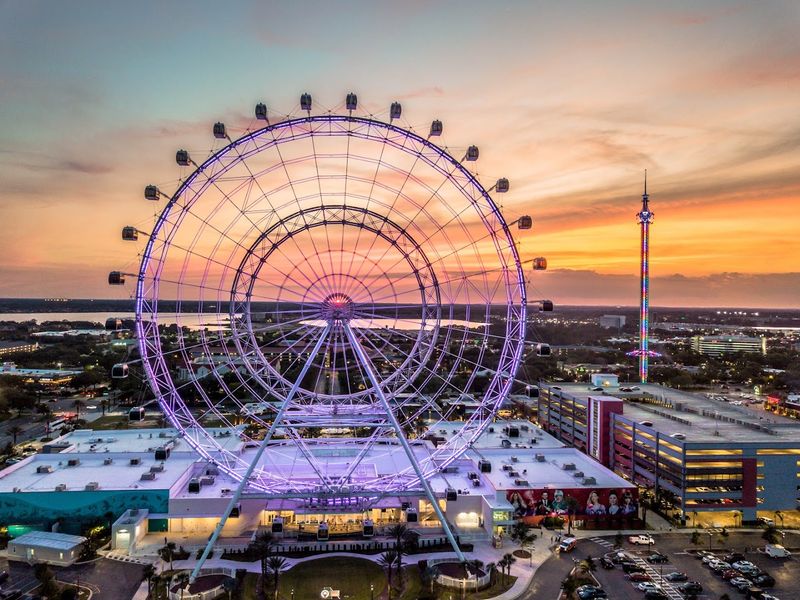
ICON Park positions itself as Orlando’s premier entertainment destination, anchored by a giant observation wheel and surrounded by restaurants, shops, and attractions. The polish and convenience are undeniable—everything is new, clean, and Instagram-ready. But strip away the marketing, and you’re left with a pay-to-play complex where every experience comes with a price tag that adds up shockingly fast.
The wheel itself offers nice views if you’ve never seen Orlando from above, but it’s expensive for what amounts to a twenty-minute ride. The other attractions—wax museums, aquariums, arcade bars—are fine but hardly unique to Florida. You could find similar experiences in any major city’s entertainment district.
Dining and shopping follow the same pattern: recognizable chains and tourist-targeted concepts charging premium prices because of the location. Parking isn’t cheap either, and the crowds can be intense during peak seasons. The whole experience feels engineered for maximum revenue extraction rather than genuine entertainment value.
If you’ve got extra budget and want a convenient one-stop spot for dinner and an activity, ICON Park delivers efficiency. Just know you’re paying for convenience and newness, not authenticity or value.
4. Ripley’s Believe It or Not! Orlando
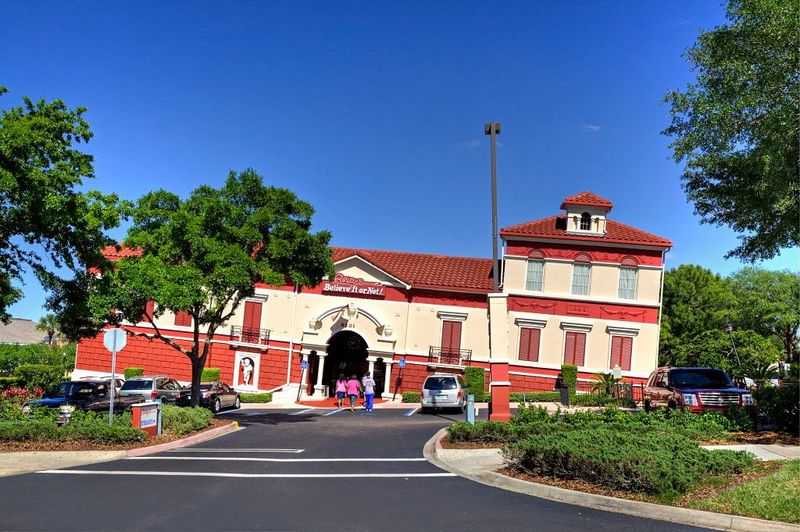
Ripley’s has been a roadside attraction staple for decades, and the Orlando location leans hard into the weird-and-wacky branding. The tilted building alone is a photo magnet, which is honestly the best part of the whole experience. Inside, you’ll find a collection of oddities, illusions, and curiosities that range from mildly interesting to downright bizarre.
Here’s the problem: admission isn’t cheap, and once you’re inside, the novelty fades quickly. Many exhibits feel dated or repetitive, and the whole museum can be toured in under an hour. For the price of entry, you’re essentially paying for a quirky Instagram backdrop and some shrug-worthy factoids about strange world records.
Kids might enjoy the interactive elements and oddball displays for a little while. Adults often walk away feeling like they just paid theme-park prices for a glorified curiosity shop. The gift shop pushes overpriced souvenirs hard, and the whole vibe feels more like a tourist obligation than a genuine must-see.
If you’re a die-hard Ripley’s fan or need an air-conditioned break from the Orlando heat, go for it. Otherwise, your time and money are better spent on attractions with more substance and Florida-specific appeal.
5. Daytona Beach Boardwalk
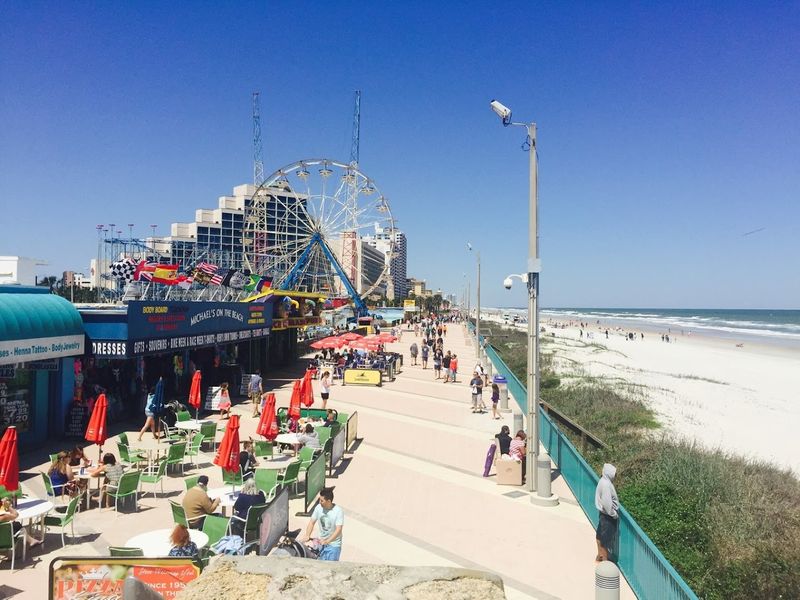
Daytona’s boardwalk promises classic beach-town fun with arcades, rides, and oceanfront energy. What it actually delivers is a carnival atmosphere that feels more like a traveling fair than a uniquely Florida coastal experience. The rides are small-scale, the games are rigged in the house’s favor, and the food leans heavily toward fried everything at inflated boardwalk prices.
Families with young children might find some entertainment value in the low-key amusement options. But if you’re expecting a charming seaside promenade or a memorable beach destination, the Daytona Boardwalk will likely disappoint. The setting is more concrete and neon than natural beauty, and the whole area feels stuck in a time warp—not in a charming vintage way, but in a needs-updating way.
The beach itself is fine, though driving on the sand is a novelty that wears thin when you realize you’re dodging cars while trying to relax. The boardwalk adds little to the overall beach experience and mostly serves as a distraction that pulls you away from the actual coastline. Crowds can be overwhelming during bike week and spring break.
Visit the beach if you’re in the area, but treat the boardwalk as a quick pass-through rather than a destination worth planning around.
6. Ocean Drive, Miami Beach
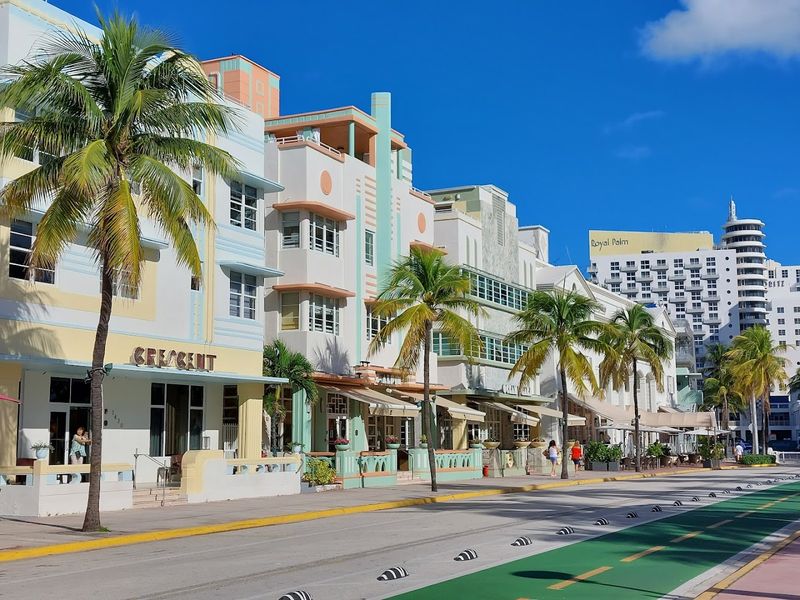
Ocean Drive is undeniably iconic—pastel Art Deco buildings, sidewalk cafes, and a parade of people-watching opportunities that scream Miami. The architecture alone is worth admiring, and the street has genuine historical and cultural significance. But actually dining, drinking, or hanging out here?
That’s where the hype crashes into expensive reality.
Restaurant and bar prices are wildly inflated, often double what you’d pay just a few blocks inland. Service can be indifferent because establishments know tourists will come regardless of quality. The food itself is usually mediocre at best, with menus designed for volume rather than culinary excellence.
You’re paying for the location and the scene, not the actual dining experience.
Crowds are relentless, especially on weekends and during peak tourist season. Finding a table can mean waiting forever or settling for a spot with a terrible view. Street performers, vendors, and hustlers add to the chaos, and the constant noise and commotion can be exhausting rather than energizing.
Absolutely walk or drive down Ocean Drive to appreciate the architecture and soak in the vibe. Snap your photos, enjoy the visual candy, then head elsewhere for actual meals and drinks where your money goes further and the quality matches the price.
7. Duval Street, Key West
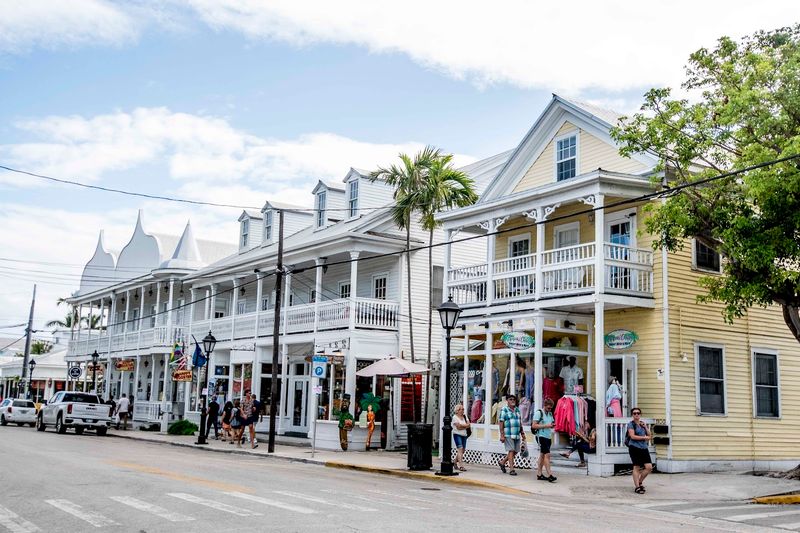
Duval Street runs the length of Key West and serves as the island’s main artery for nightlife, shopping, and tourist activity. It’s famous, it’s lively, and it’s packed with bars blasting music and shops selling shell art and T-shirts. But unless your idea of a perfect vacation involves bar-hopping through crowds and dodging bachelorette parties, Duval can feel more exhausting than exciting.
The street has its moments—historic bars with genuine character, quirky local spots tucked between the chains, and occasional live music worth stopping for. But the overall experience skews heavily toward generic tourist strip. Many of the shops sell identical merchandise, and the restaurants often serve overpriced, underwhelming food to visitors who won’t be back to complain.
Nightlife dominates the vibe, which is great if that’s your scene but less appealing if you’re looking for the laid-back, authentic Keys experience the island is supposed to offer. Parking is a nightmare, and navigating the crowds during cruise ship days feels like running an obstacle course. Prices across the board reflect the captive-audience reality of island tourism.
Explore Duval once to say you’ve been there, hit a couple of the genuinely historic bars, then spend the rest of your Key West time discovering quieter, more authentic corners of the island.
8. Bayside Marketplace, Miami
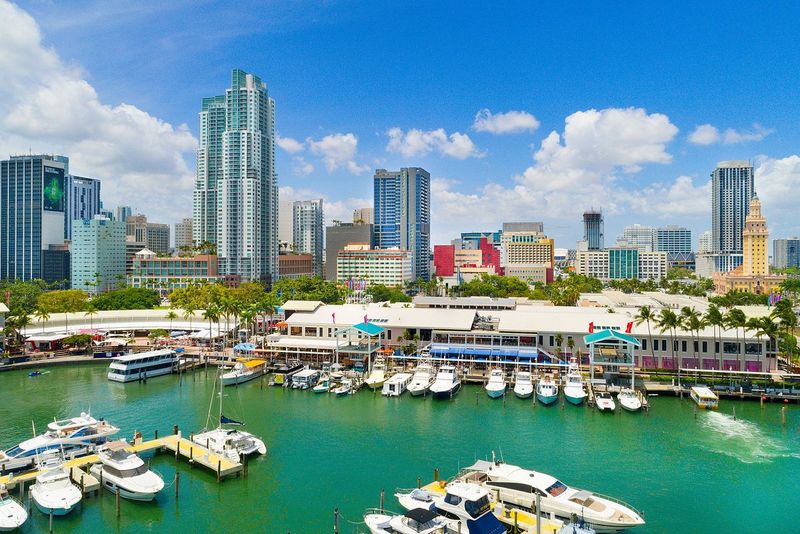
Bayside Marketplace sits right on Biscayne Bay with a pretty waterfront setting, live music, and a mix of shops and restaurants. The location is legitimately nice, especially if you catch a good sunset or enjoy watching boats in the marina. But the marketplace itself is essentially an outdoor mall with tourist-trap pricing and a heavy emphasis on souvenir shopping rather than authentic Miami culture.
Most of the stores sell generic merchandise—T-shirts, sunglasses, beach gear—that you could find at any tourist destination. Restaurants range from national chains to local concepts that charge premium prices for average food. The entertainment is hit-or-miss: sometimes you’ll catch talented street performers or live bands, other times it’s canned music and aggressive kiosk vendors trying to sell you boat tours.
Crowds can be intense, especially when cruise ships are in port and passengers flood the area looking for quick shopping and dining before heading back. The whole experience feels designed for people with limited time who want convenient, one-stop entertainment rather than travelers seeking genuine local flavor.
If you’re already downtown Miami and want a waterfront stroll or a quick bite, Bayside works fine. Just don’t make it a primary destination or expect it to represent the real Miami dining and cultural scene.
9. St. Armands Circle, Sarasota
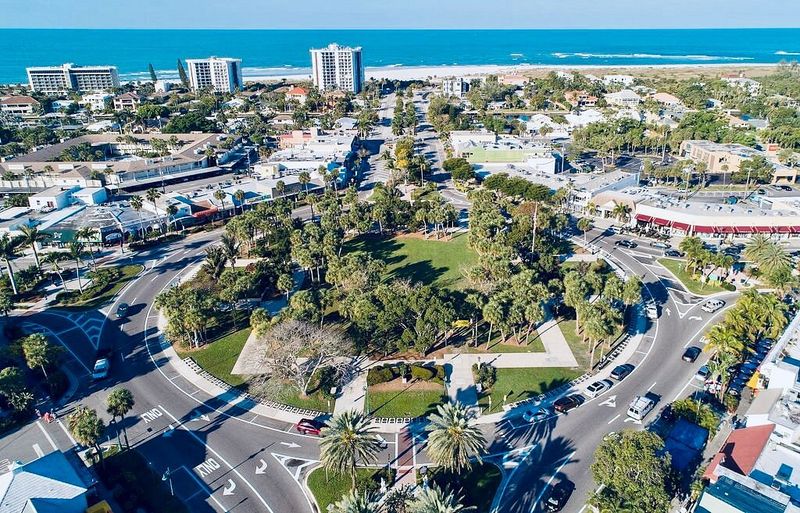
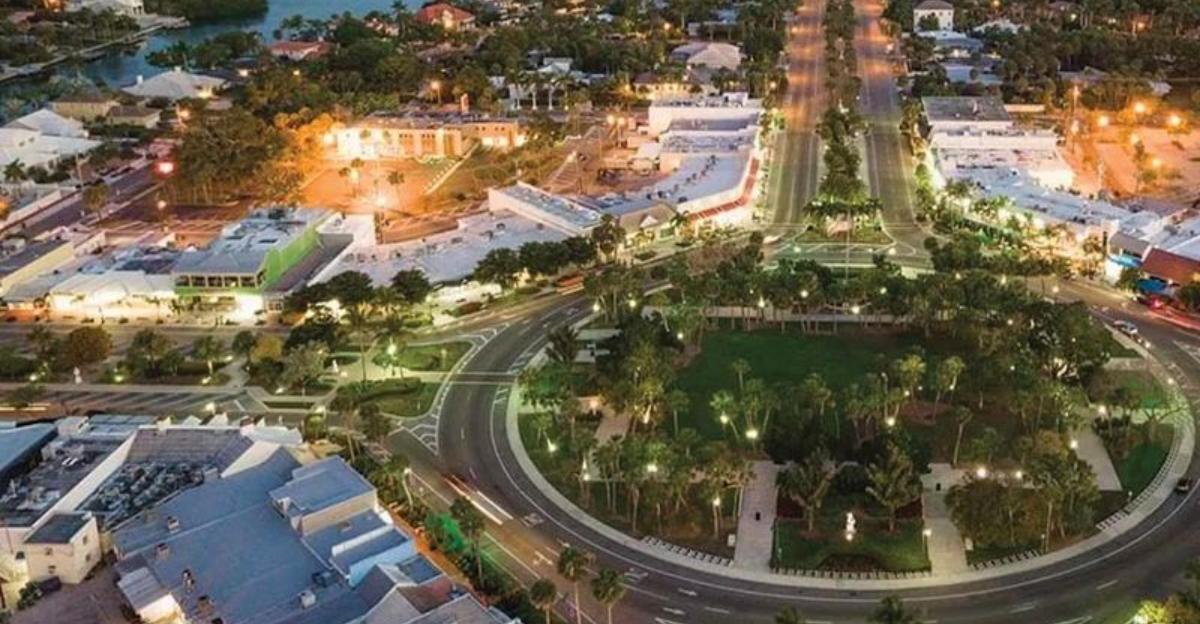
St. Armands Circle gets marketed as a must-visit Sarasota destination, and it’s certainly pretty—a circular shopping district with European-inspired architecture, sculptures, and palm-lined streets. The upscale boutiques and dining options give it a refined atmosphere that appeals to a certain demographic. But calling it a must-see feels like a stretch when the reality is just an outdoor shopping mall, albeit a nice one.
With more than 130 stores and restaurants, there’s plenty to browse and eat. But unless you’re specifically in the mood for shopping or high-end dining, the Circle doesn’t offer much beyond retail therapy. Prices reflect the upscale positioning, so casual browsing can quickly turn expensive if you’re not careful.
Parking can be challenging during peak times, and the crowds of fellow tourists can make the experience feel less special.
The nearby beaches are genuinely lovely, and the Circle makes for a pleasant post-beach stop if you want air conditioning and a sit-down meal. But building your Sarasota itinerary around shopping feels like missing the point when the area has so much natural beauty and cultural offerings that are more distinctly Florida.
Visit if you enjoy boutique shopping or want a nice meal in a pleasant setting. Skip it if you’re looking for authentic local experiences or attractions that showcase what makes Sarasota special beyond its retail options.
10. Coral Castle, Homestead
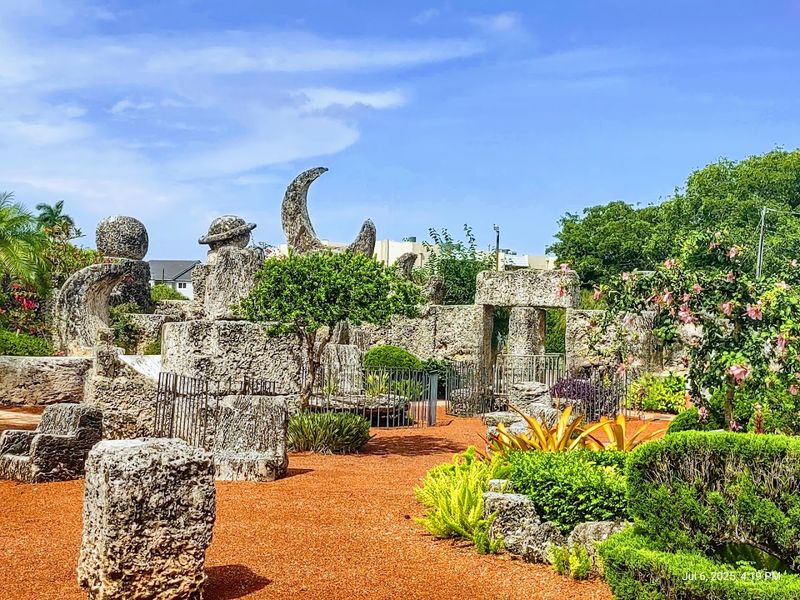
Coral Castle has an undeniably intriguing backstory—one man, Edward Leedskalnin, supposedly carved and moved massive limestone blocks single-handedly in the early 1900s, creating a mysterious stone complex. The story is fascinating, and the mystery of how he accomplished this feat without modern equipment adds to the allure. But the actual experience of visiting often falls short of the mystique that draws people in.
The site is small, and you can tour the entire thing in well under an hour. Once you’ve seen the carved stones and read the plaques explaining the theories about construction methods, there’s not much else to do. The mystery is interesting, but it doesn’t translate into hours of entertainment or deep engagement.
For the admission price, many visitors feel like they paid for a legend more than an actual attraction.
Photography opportunities are decent, and history buffs might appreciate the oddball Florida lore. But if you’re expecting something on par with major historical sites or natural attractions, Coral Castle will likely leave you underwhelmed. It’s quirky and unusual, which counts for something, but the payoff doesn’t match the hype or the drive to Homestead for most travelers.
Consider it a brief detour if you’re already in the area and love weird roadside Americana. Just don’t make it a primary destination or expect it to be a vacation highlight worth planning around.