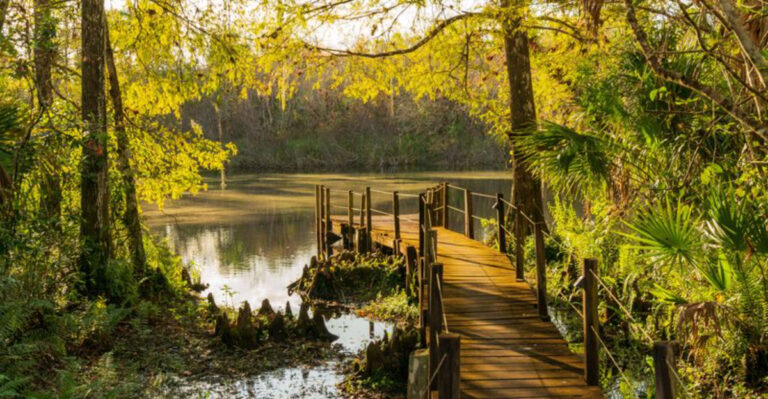
11 Eco-Friendly Things to Do in Florida for a Guilt-Free Getaway
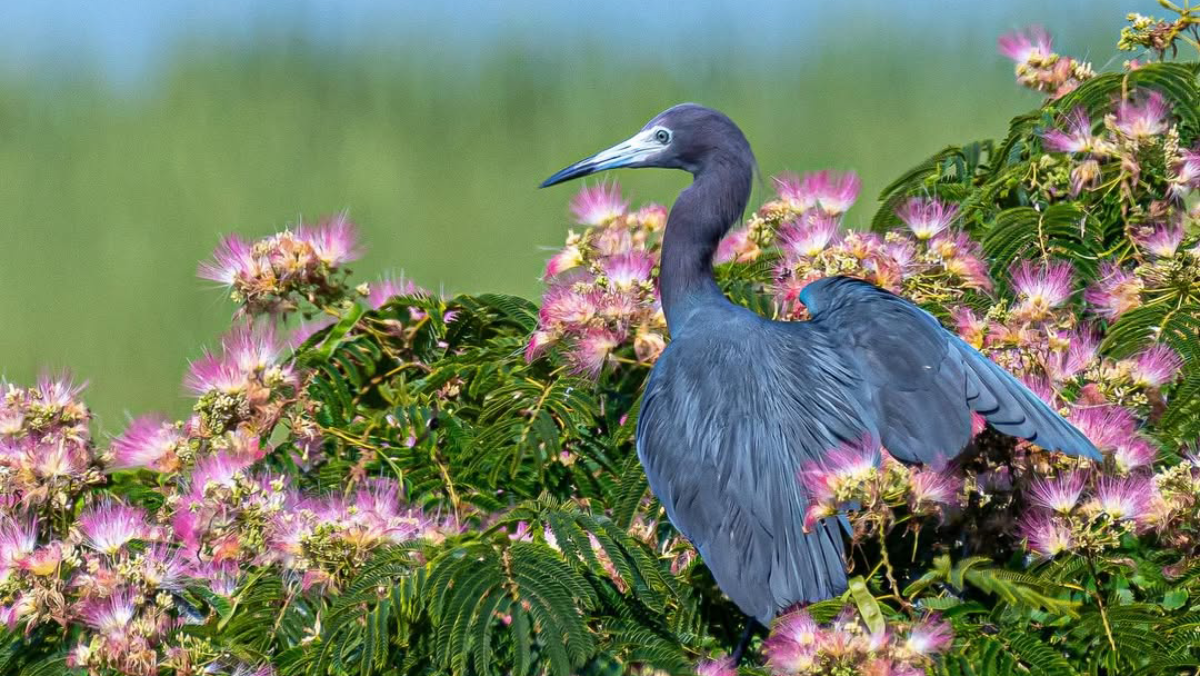
The same state known for sugar-white beaches and theme-park thrills is also packed with wild places that stay magical only if we treat them gently. The good news is you can have an unforgettable Florida getaway without leaving a heavy footprint.
Think crystal-clear springs you float instead of motor through, mangrove tunnels best explored by kayak, and wildlife encounters that put protection first. From marked paddling trails and quiet Everglades routes to conservation-driven botanical gardens and Audubon sanctuaries, these experiences are designed to keep ecosystems healthy while still letting you fully enjoy them.
Your choices—how you travel, who you tour with, even where you sleep—can directly support habitat preservation and responsible ecotourism. Whether you’re a green-thumb traveler, a wildlife lover, or just someone who wants to explore the Sunshine State more thoughtfully, these eleven low-impact adventures prove that “vacation mode” and “planet-friendly” can go hand in hand.
1. Paddle a designated Florida paddling trail
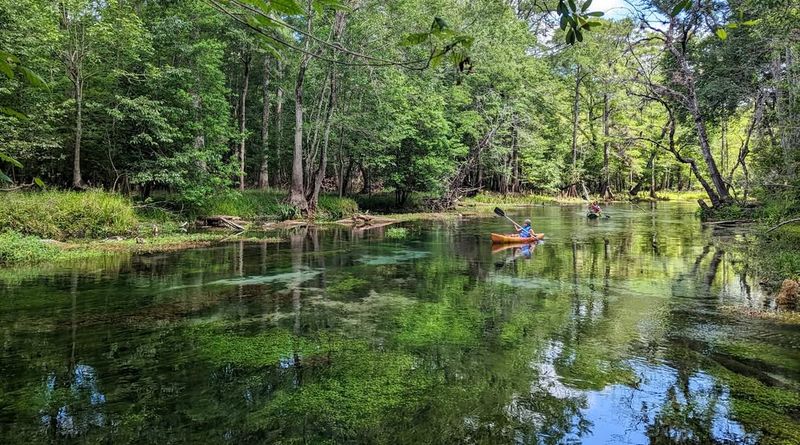
Human-powered travel means zero fuel and a peaceful journey through some of Florida’s most stunning waterways. Designated paddling trails wind through springs, rivers, and coastal areas like the Suwannee, Wekiva, and Big Bend regions.
Florida’s Department of Environmental Protection maintains official trail systems complete with difficulty ratings and marked access points. This makes planning your trip straightforward and responsible.
Gliding silently by paddle lets you spot wildlife without disturbing their natural behavior. Herons, turtles, and fish go about their day while you drift past, becoming part of the landscape rather than an interruption.
2. Kayak the Everglades instead of airboating
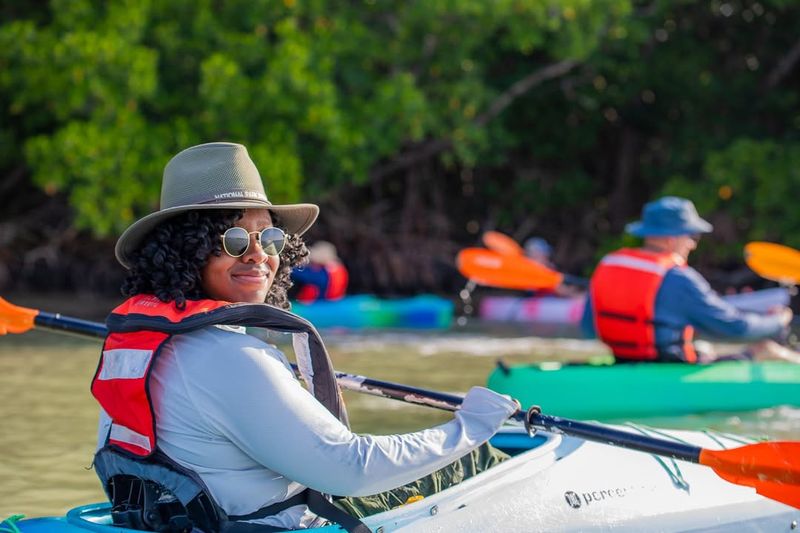
Airboats are loud and burn fuel, but a kayak lets you slip through the Everglades in near silence. Zero emissions and minimal disturbance mean you’re witnessing one of America’s most unique ecosystems without harming it.
Everglades National Park and the Ten Thousand Islands area offer countless paddling routes through mangrove tunnels and open bays. Florida’s ecotourism programs specifically highlight kayaking and canoeing as sustainable ways to explore.
You’ll hear birds calling, see alligators sunning on banks, and feel the gentle current beneath your hull. It’s an immersive experience that airboats simply can’t match.
3. Take an ethical manatee tour in Crystal River
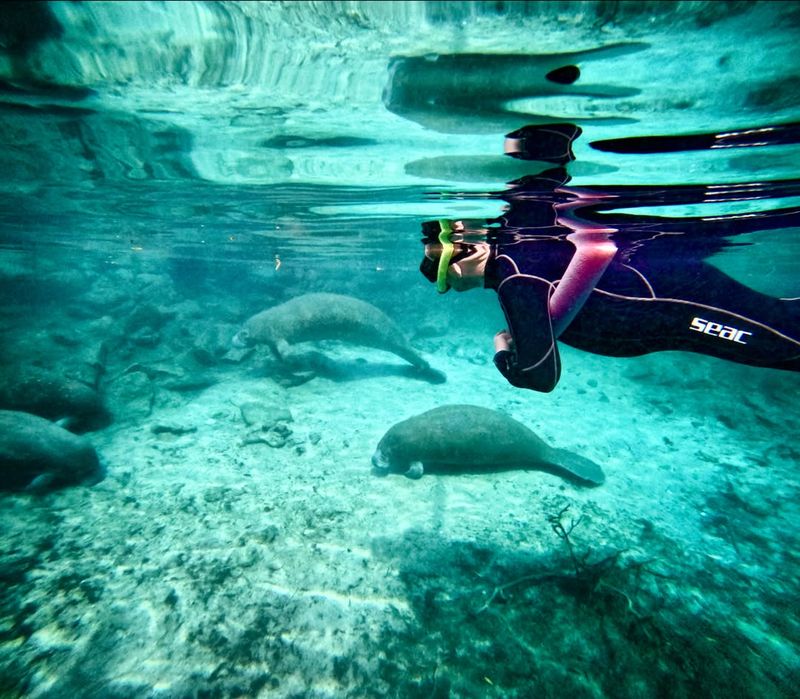
Crystal River is one of the few places where you can legally swim near wild manatees, but only if done responsibly. Ethical tour operators follow strict U.S. Fish & Wildlife Service guidelines that protect these gentle giants.
Small-group tours focus on passive observation, teaching visitors how to float quietly and let manatees approach on their own terms. Your participation supports wildlife education and helps fund ongoing protection efforts.
Crystal River National Wildlife Refuge exists to safeguard manatee habitat, and choosing certified operators ensures your visit contributes positively. You’ll leave with unforgettable memories and the satisfaction of respecting wildlife boundaries.
4. Float a spring-fed river (non-motorized tubing/kayak)
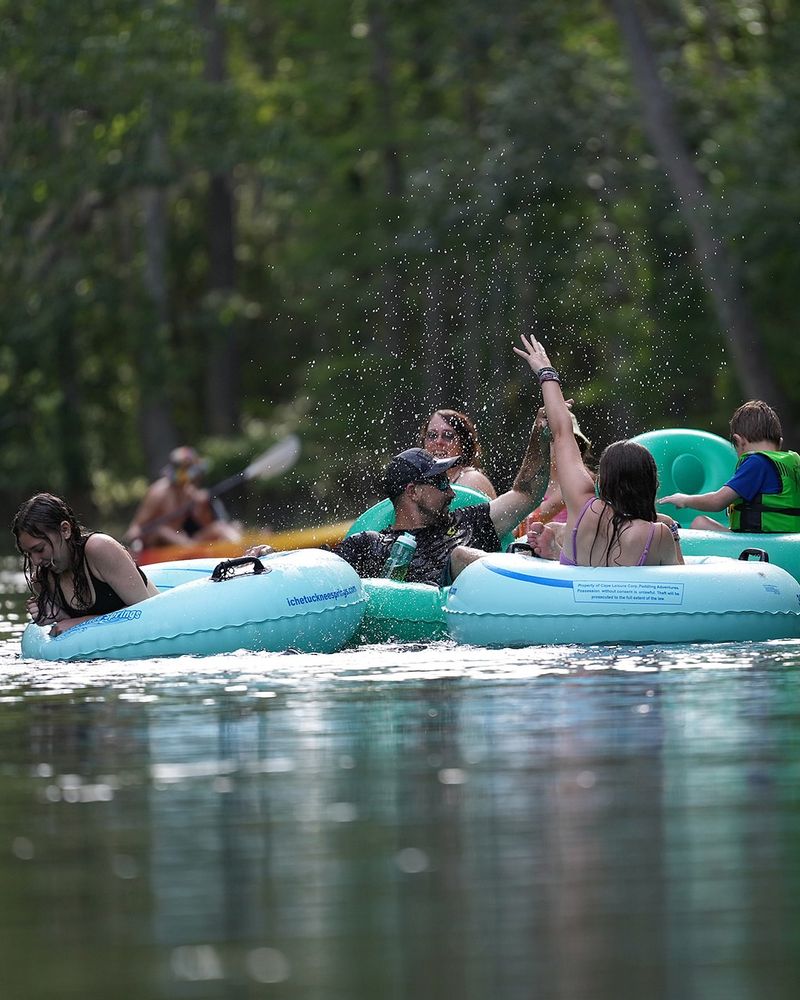
Florida’s springs stay a refreshing 72 degrees year-round, making them perfect for tubing or kayaking without any motors. Ichetucknee Springs and similar parks encourage controlled, low-impact recreation that protects delicate aquatic ecosystems.
Park rules are designed to preserve water quality and habitat, so your fun doesn’t come at nature’s expense. Non-motorized floating is quiet, relaxing, and leaves no pollution behind.
Drifting downstream, you’ll see fish darting below and turtles basking on logs. These spring systems are fragile treasures, and visiting them responsibly helps ensure they’ll remain pristine for generations to come.
5. Hike or bike Florida State Parks trails
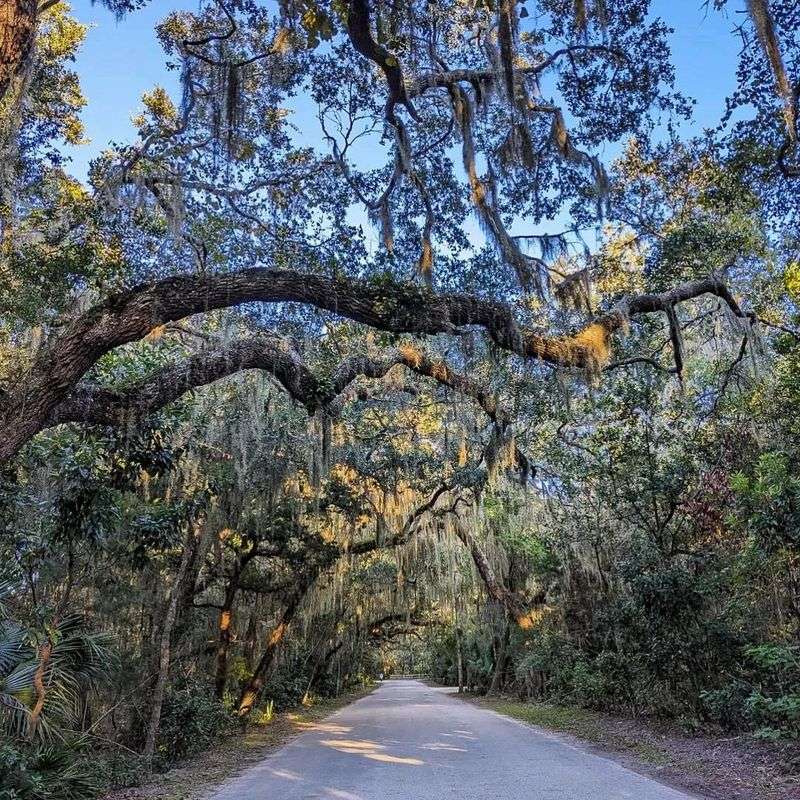
Florida’s state parks protect diverse landscapes from coastal dunes to pine flatwoods, wetlands, and tropical hammocks. Hiking and biking let you explore these protected lands without leaving a trace.
Statewide trails cater to all skill levels, and parks actively promote Leave No Trace principles. Your visit fees directly support habitat conservation and trail maintenance.
Pedaling through palmetto scrub or walking boardwalks over cypress swamps connects you to ecosystems found nowhere else on Earth. Each park offers something different, so you can return again and again without repeating the same experience.
6. Visit Marie Selby Botanical Gardens, a net-positive energy garden

Marie Selby Botanical Gardens in Sarasota isn’t just beautiful—it’s the world’s first net-positive energy botanical garden. That means it generates more clean energy than it uses, setting a powerful example for sustainable tourism.
The on-site restaurant runs entirely on solar power, and every detail of the garden’s design prioritizes environmental responsibility. Walking through orchid displays and native plant collections, you’re supporting cutting-edge green innovation.
Plant lovers will find inspiration in both the blooms and the bold commitment to sustainability. Your ticket contributes to a facility that proves conservation and visitor enjoyment can go hand in hand.
7. Explore conservation-driven botanical gardens

Your admission to gardens like Bok Tower in Lake Wales or Naples Botanical Garden directly funds plant conservation and research. Bok Tower propagates and protects rare Florida species, while Naples partners on regional and Caribbean plant preservation projects.
These aren’t just pretty spaces—they’re active participants in saving threatened flora. Strolling shaded paths, you’re witnessing living collections that help scientists understand and protect biodiversity.
Educational signage explains why native plants matter and how you can support conservation at home. It’s an easy, inspiring day trip that leaves you feeling connected to Florida’s botanical heritage.
8. Do a guided mangrove or dolphin eco-tour
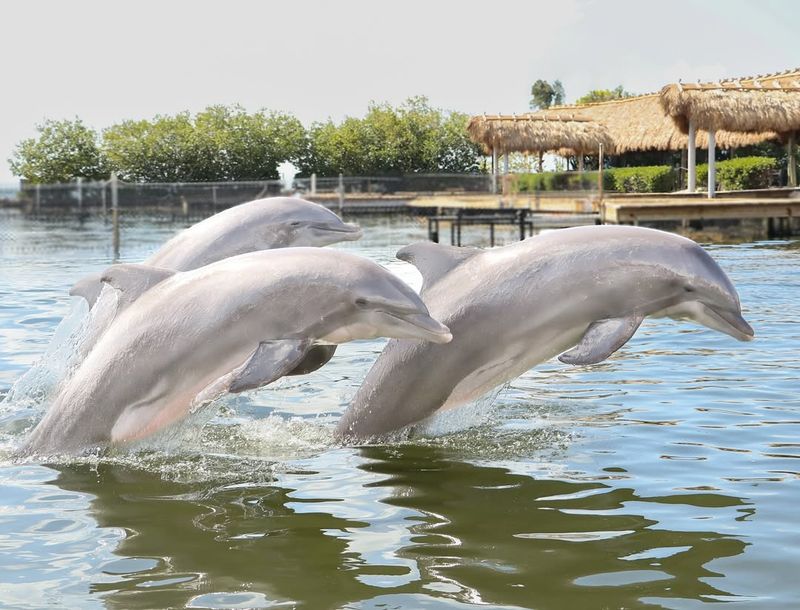
Regulated wildlife viewing tours in places like the Florida Keys, Tampa Bay, and Indian River Lagoon put education and conservation at the center. Small-group eco-tours operate slowly and respectfully, ensuring animals aren’t stressed or chased.
Guides share fascinating facts about mangrove ecosystems and dolphin behavior, turning your outing into a learning experience. You’ll understand why protecting these habitats matters and how your choices make a difference.
Look for operators with eco-certifications or partnerships with conservation groups. These tours prove that you can enjoy close encounters with wildlife while supporting their long-term survival.
9. Birdwatch at an Audubon sanctuary or coastal rookery
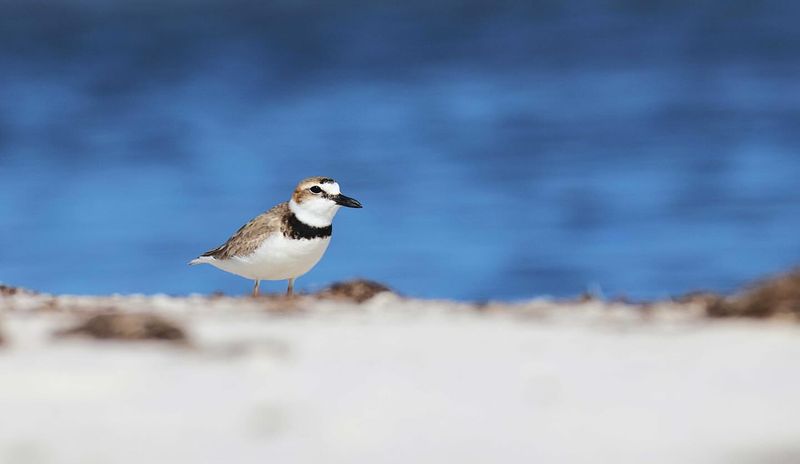
Audubon of Florida manages sanctuaries specifically designed to protect the Everglades and coastal bird habitats. Quiet observation at sites like Corkscrew Swamp or coastal bird centers lets you witness nesting herons, roseate spoonbills, and wood storks without disturbing them.
Your visit supports mission-focused conservation work that preserves critical breeding and feeding grounds. Binoculars in hand, you’ll see birds behaving naturally in protected spaces they desperately need.
These sanctuaries are peaceful refuges where both birds and people can thrive. Watching a great egret take flight or a spoonbill wade through shallows is a reminder of why wild places matter.
10. Take a “pack-in, pack-out” day to a barrier-island preserve
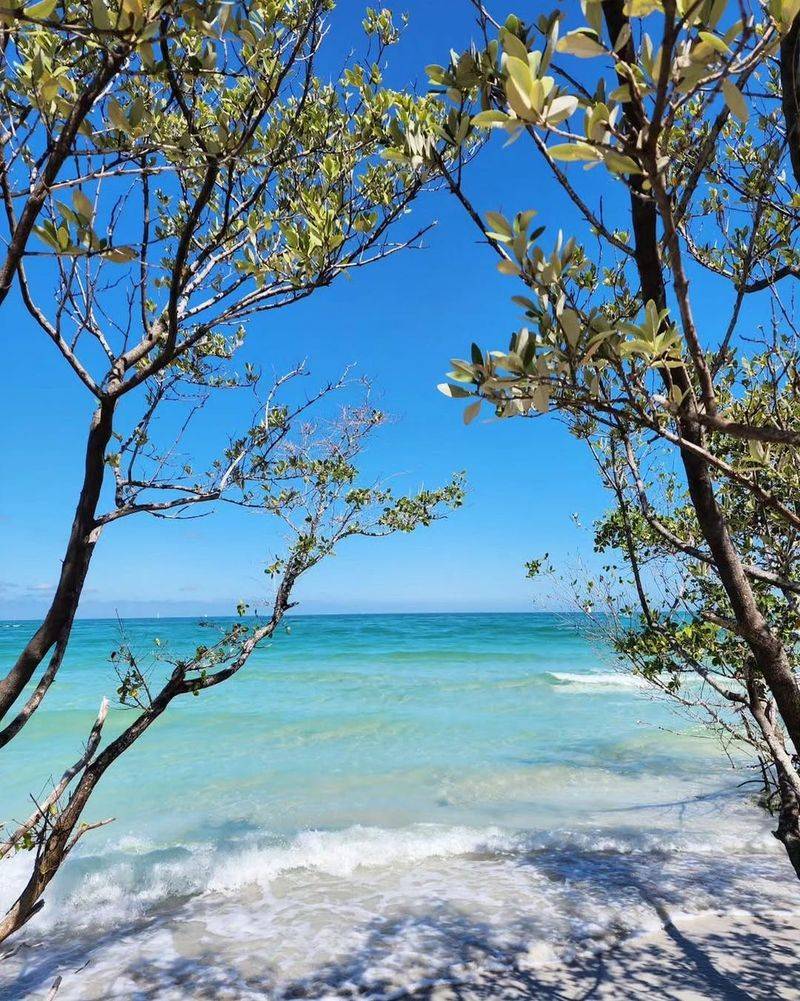
Shell Key Preserve in Pinellas County and similar boat-access islands have no roads, no buildings, and strict visitor rules. That means your trip is as low-impact as it gets—a true nature reset.
You’ll need to bring everything you need and take everything you brought back with you, including trash. This “pack-in, pack-out” ethic keeps these wild islands pristine and protects nesting shorebirds.
Arriving by kayak or small boat, you’ll feel like you’ve discovered a secret world. White sand, clear water, and undisturbed beaches remind you what Florida looked like before development.
11. Stay in a sustainability-built park lodge or certified eco-stay

Where you sleep matters as much as what you do during the day. Flamingo Lodge in Everglades National Park was rebuilt with resilience and sustainability in mind, reducing its environmental footprint while offering comfortable accommodations.
Florida’s official ecotourism programs highlight lodges and stays that prioritize green building, renewable energy, and conservation partnerships. Choosing these options means your entire trip aligns with your values.
Waking up inside a national park or certified eco-lodge connects you to the landscape in a deeper way. You’re not just visiting—you’re supporting a model of tourism that protects the places you love.