11 Florida Beach Access Hacks Locals Use (Parking, Tides, and Crowd Timing)
Florida beaches are amazing—right up until you’re stuck doing slow laps for a parking spot, lugging gear through a mob, and realizing high tide just ate half the sand. Locals don’t “get lucky.”
They use a few simple moves that stack the odds in their favor: quieter access points, tide-aware timing, and parking tactics that don’t end with a ticket.
The good news: you don’t need secret memberships or a resident sticker to pull these off. You just need to know what to look for, when to show up, and when to pivot.
Here are 11 Florida beach access hacks locals actually use—so you spend less time circling and more time claiming a good patch of beach.
1. Go access-point hunting, not beach-name chasing
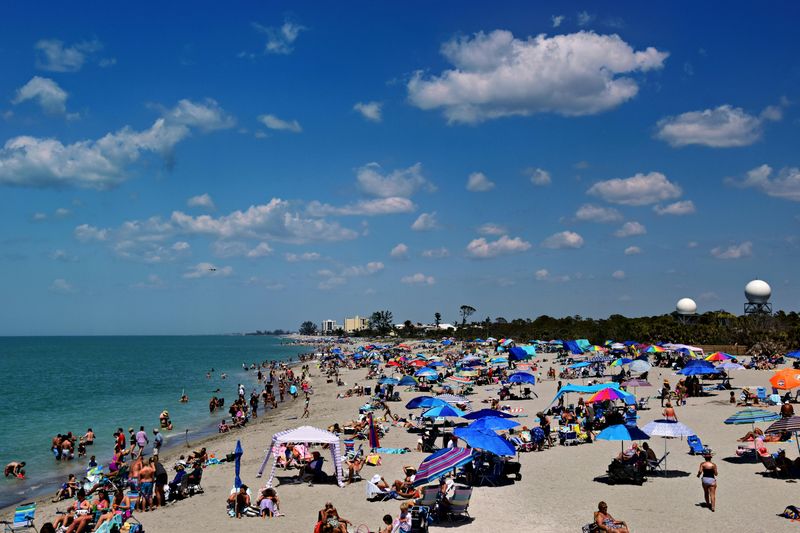
The fastest way to beat the chaos is to stop aiming for the big, obvious entrance with the giant sign and the long line of cars.
Instead, zoom in on the map and look for little labels like “Beach Access,” “Public Access,” “Walkover,” or “Boardwalk” tucked into neighborhoods a few blocks away.
These smaller entry points often have fewer people funneling through them and a much quicker “park, grab your stuff, go” vibe.
On the ground, you’ll spot clues: wooden dune walkovers, sand fences, and those small municipal signs you’d miss if you were only hunting for a flashy main gate.
Just be smart about where you leave the car—read street signs carefully and don’t block driveways, hydrants, or anything marked resident-only.
2. Time your arrival like a local: early or late
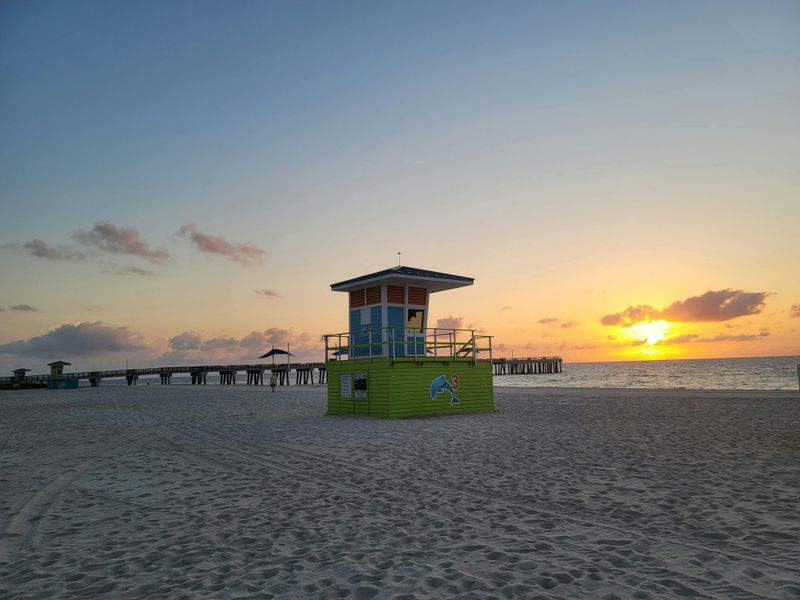
Crowds don’t build evenly—they hit in waves, and you can glide right around them. The sweet spot is usually the quiet stretch before the late-morning rush, when families are still wrangling breakfast and umbrellas.
If mornings aren’t your thing, flip it and show up later when day-trippers start packing up, traffic loosens, and the beach has that “everyone exhaled” feeling.
You’ll notice it in the parking pattern: cars leaving in clusters, open spaces appearing, and fewer people jockeying for the same sliver of sand.
One practical trick: plan your arrival around normal human behavior, not the clock. If it feels like “lunch time” or “nap time,” it’s often prime time for you.
Bonus: late-day light makes everything look better, including your photos.
3. Use NOAA tide predictions to pick a wide sand day

Some days the beach looks huge; other days it feels like you’re playing towel Tetris between the dunes and the waterline. That’s tide in action, and Florida beaches can change fast depending on slope, wind, and moon phase.
Before you commit, check the tide forecast for the nearest station and note when high tide hits and how high it’s predicted to be.
mid-day high tide can squeeze your usable space right when everyone wants to be there, while a low tide window can give you a wide, walkable shoreline perfect for long strolls and kid-friendly sandcastle real estate.
The local move is picking a “wide sand” time block, not just a beach. If you’re bringing chairs, a pop-up, or a cooler, tide planning is basically free insurance against getting slowly marched inland by waves.
4. Flip your plan on high tide plus onshore wind days
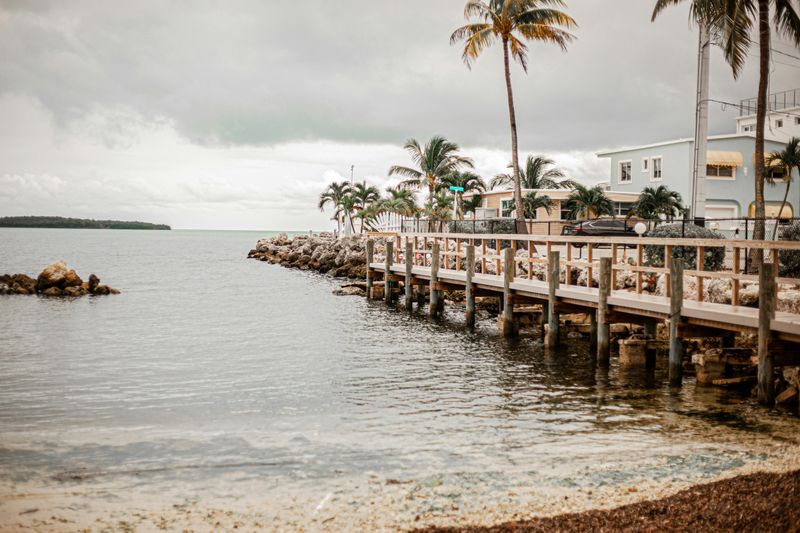
If the tide is high and the wind is blowing straight in from the water, the beach can turn into a splash zone with a side of sandblasting. That’s when locals get flexible.
You’ll feel it the moment you step out of the car: gritty air, choppy water, and umbrellas doing their best impression of kites. On those days, pick a beach setup that has protection—boardwalk areas, wider dune buffers, or spots with natural wind breaks.
If your usual stretch is getting pounded, consider changing the type of beach day instead of forcing it.
A pier walk, a dune-side stroll, or a beach park with shaded picnic areas can save the day without feeling like you “lost.” In some cases, switching coasts is the real power move: the Atlantic and Gulf can behave very differently depending on the weather pattern.
5. Know Florida’s beach warning flags before you unpack
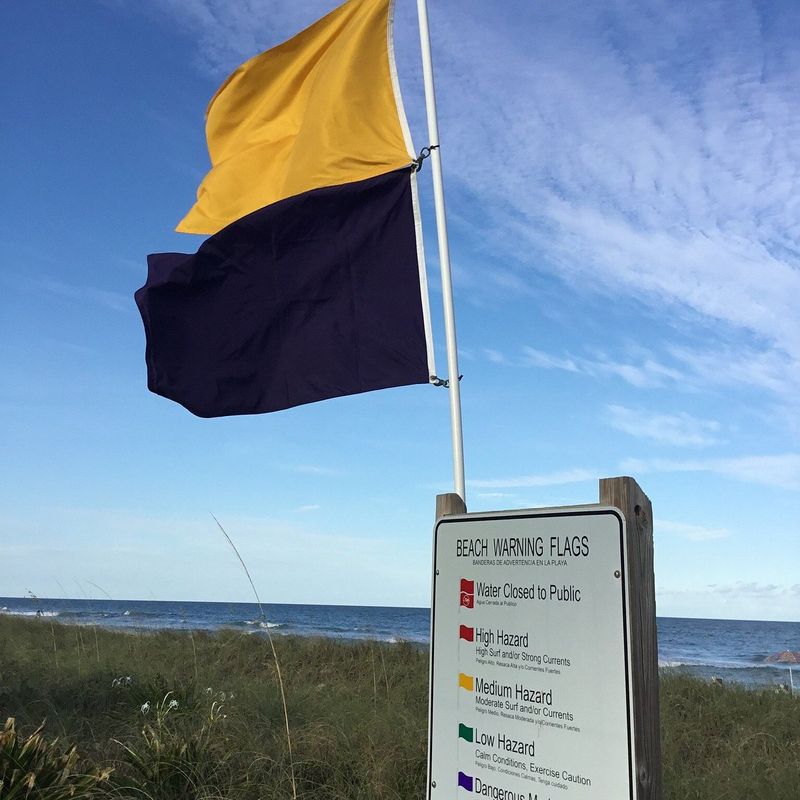
Before you haul the cooler, chairs, and the entire beach arsenal onto the sand, take ten seconds to look for the flag pole. Florida’s warning flags aren’t decoration—they’re the closest thing to a live conditions report, and they can change your whole plan.
A green flag is chill. Yellow means “use your brain.” Red means rough surf, and double red is the big one: water closed, no exceptions worth arguing about.
Purple is the wild card—it signals dangerous marine life, which can mean anything from jellyfish to other unwelcome floaty surprises. Locals don’t debate it; they adapt.
If flags are sketchy, they keep the day land-focused: shell hunting, walking, beach games, staying shallow, or choosing a protected inlet spot instead of open surf. Knowing the flags keeps your beach day fun instead of stressful.
6. Pay for parking the smart way: use the city’s parking app
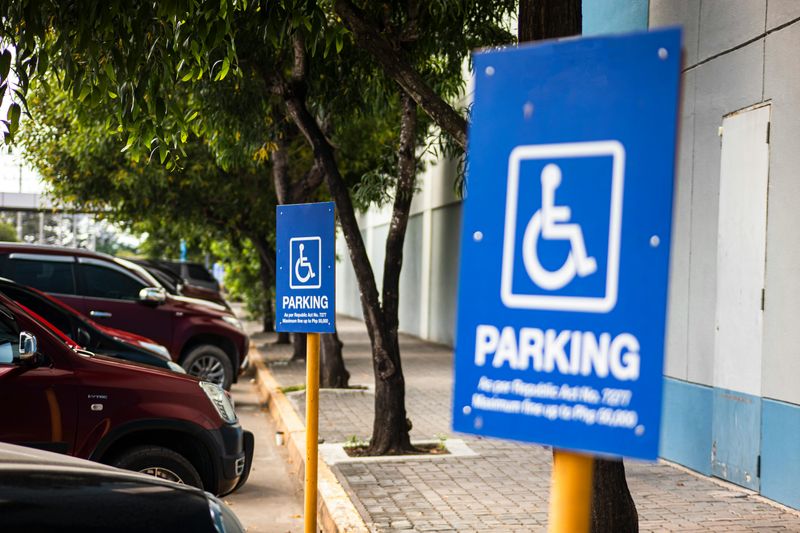
Meters at Florida beaches are sneaky, and so are the enforcement folks who know exactly when your time expires.
The local workaround is simple: use the city’s approved parking app so you can pay quickly, confirm your zone, and extend time without sprinting back to the car like you’re in a sitcom.
A lot of beach towns use app-based systems (ParkMobile is common), and the zone number on the sign matters more than your good intentions.
Before you walk away, double-check that your license plate is correct and that you selected the right location—one wrong digit can still earn you a souvenir ticket.
Set a timer on your phone for ten minutes before your session ends. If you’re staying longer, extend while you’re still in your chair, not when you’re already halfway through a melt-in-the-sun walk back to the lot.
7. Target resident-adjacent lots and walk or bike the last half-mile
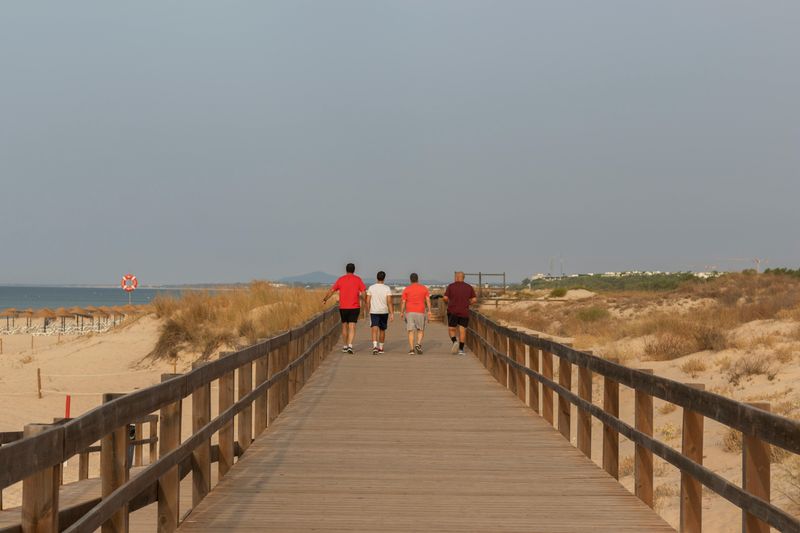
The closest parking always fills first because everyone wants the shortest carry. Locals happily trade a few extra minutes of walking for a massive reduction in stress.
Look slightly inland for bigger municipal lots, community centers, or legal street parking zones that aren’t right on top of the busiest access point. Then treat the last stretch like part of the beach day: an easy stroll, a quick bike ride, or a scooter hop if the town allows it.
You’ll usually win twice—less circling and an easier exit later. Pay attention to signage, because “resident parking only” is real, and tow trucks do not take days off.
If you’re carrying a lot, a folding wagon is a quiet hero here. The goal is arriving calm, not arriving closest.
You’ll notice locals moving with purpose while everyone else is still looping the same block.
8. Pick beaches with multiple entry points and rotate if one is jammed

A beach with only one main gate is a traffic trap waiting to happen. The better setup is a long stretch with several public access spots, so you can pivot quickly when one area is packed.
When you pull up and see every space taken, don’t commit to a 20-minute spiral of disappointment. Move two or three access points down and try again.
This works especially well in towns where beach walkovers appear every few blocks—one entrance might be chaos, while the next is surprisingly calm.
The trick is knowing your “rotation route” ahead of time: a simple loop with two or three backup options that keeps you from getting stuck in beach-town gridlock.
Once you’re parked, you can always walk along the shore to find your preferred vibe. The local mindset is “fail fast, switch faster,” and it saves your whole afternoon.
9. Use county or municipal parks for the best value tradeoff
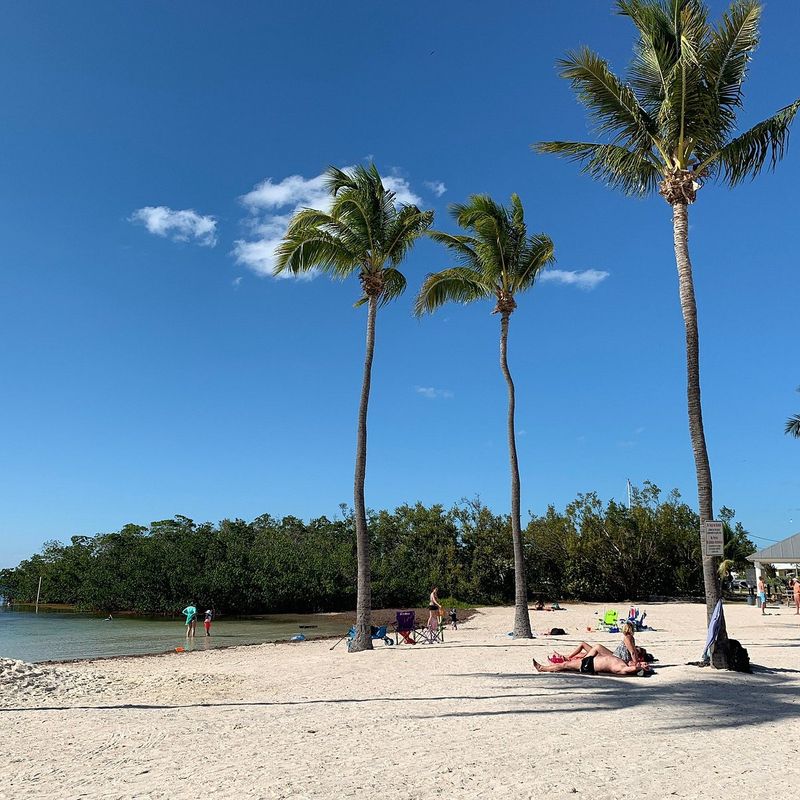
When you want predictable parking and actual amenities, county and city beach parks are the local safety net. You might pay a small fee, but you often get a real lot, bathrooms that exist, outdoor showers, and boardwalk access that doesn’t feel like a scavenger hunt.
These parks are also great on days when you’re hauling more gear or bringing kids, because the logistics are smoother from the moment you arrive. Another underrated perk: clearer rules.
Signs are usually straightforward, and you’re less likely to accidentally park in a “two-hour only unless you’re a unicorn” zone. If you’re planning a longer beach day, the math can work in your favor compared to bouncing between meters or risking a ticket.
Show up with a little flexibility—if the main lot is full, many parks have overflow areas or nearby secondary parking that locals already know to check.
10. Avoid peak-changeover hours with a two-wave strategy
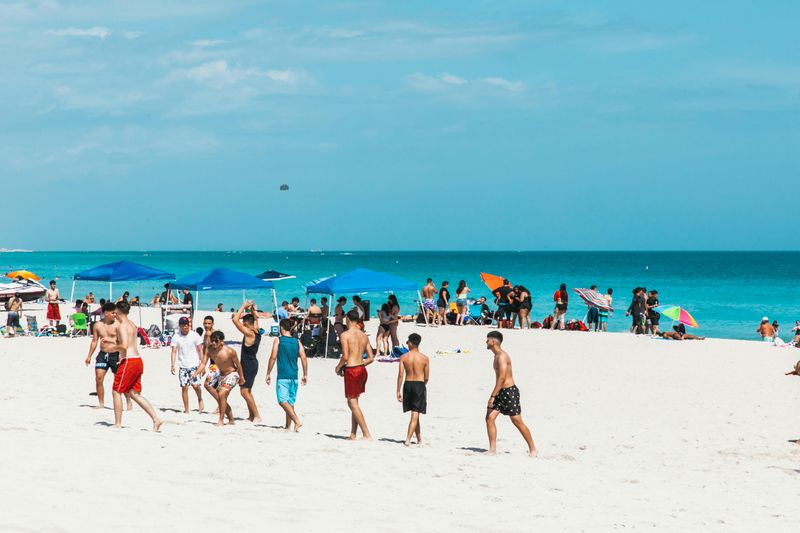
The beach has a messy middle period when one crowd hasn’t left yet and the next crowd is arriving, and it’s the worst time to show up if you hate parking drama. Locals dodge that by committing to one of two styles of beach day.
Wave one is the morning session: arrive early, get a good spot, enjoy the calm, and leave before the midday shuffle.
Wave two is the late session: show up after the peak, when people start heading out, and ride the day into sunset when the sand cools down and everything feels less frantic.
This isn’t about waking up at dawn—it’s about avoiding the turnover traffic. You’ll spot the changeover when you see cars idling with hazards on and groups hovering near the walkway like they’re waiting for a table.
Choose a wave and you skip the whole circus.
11. Keep a Plan B beach based on coastline and conditions
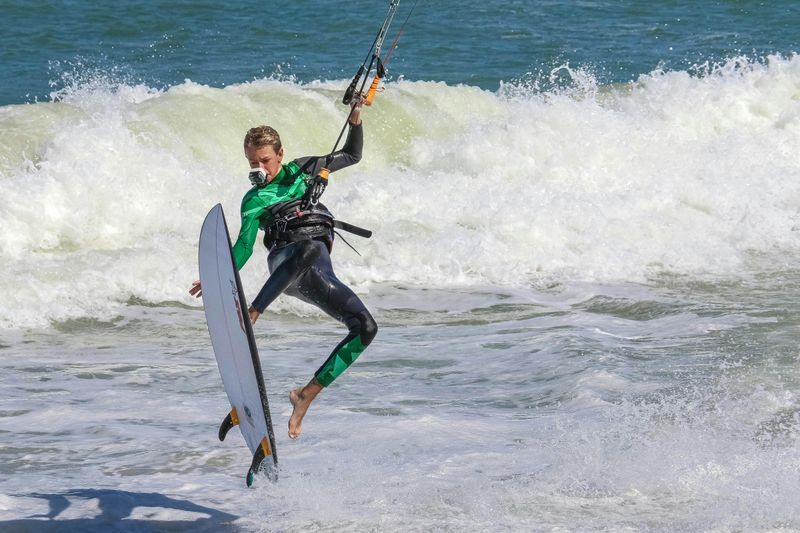
The most local thing you can do is refuse to be loyal to one beach when the conditions aren’t cooperating.
Have a backup that’s close enough to be painless but different enough to solve the problem—maybe calmer water, better parking, more shade, or a different exposure to wind.
If your first pick has rough surf flags or a packed shoreline, a nearby inlet, bay-side beach, or park-style beach can feel like a totally different world. Coastline matters, too.
Depending on the weather setup, the Atlantic side might be choppy while the Gulf feels mellow, or vice versa. Even within the same area, a beach that faces slightly differently can be less windy and more comfortable.
The key is making the decision early: if you’ve circled for 15 minutes and the vibe is chaos, call it. Pivoting isn’t quitting—it’s playing the game like a local.