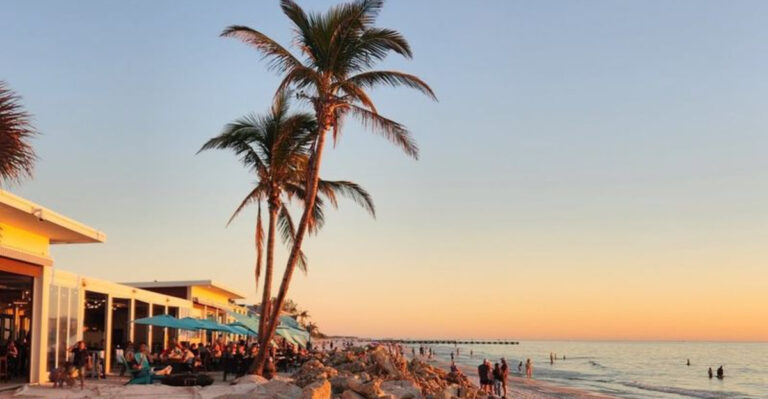
11 Florida Beaches Where Shells Pile Up by the Thousands
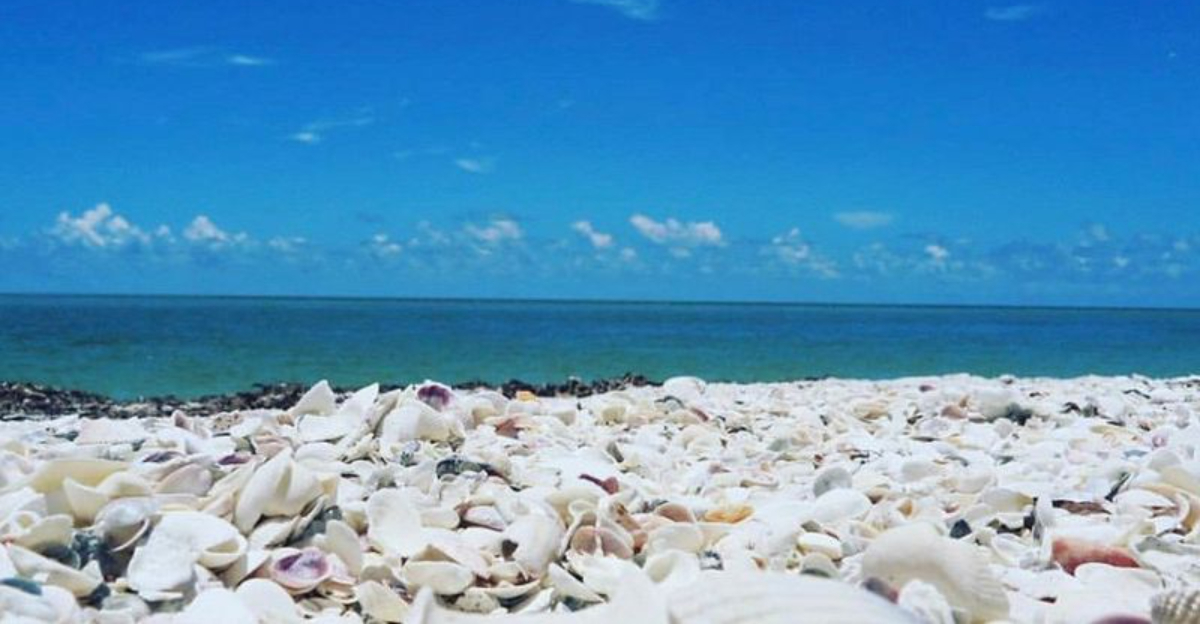
Florida’s coastline holds some of the best shelling spots in the entire country, where waves deposit thousands of colorful shells along sandy shores. These beaches attract collectors, nature lovers, and families who enjoy discovering treasures washed up by the Gulf and Atlantic. Whether you’re hunting for rare specimens or just love the thrill of finding perfect shells, these eleven destinations offer piles so abundant you’ll need extra bags to carry them all home.
1. Sanibel Island
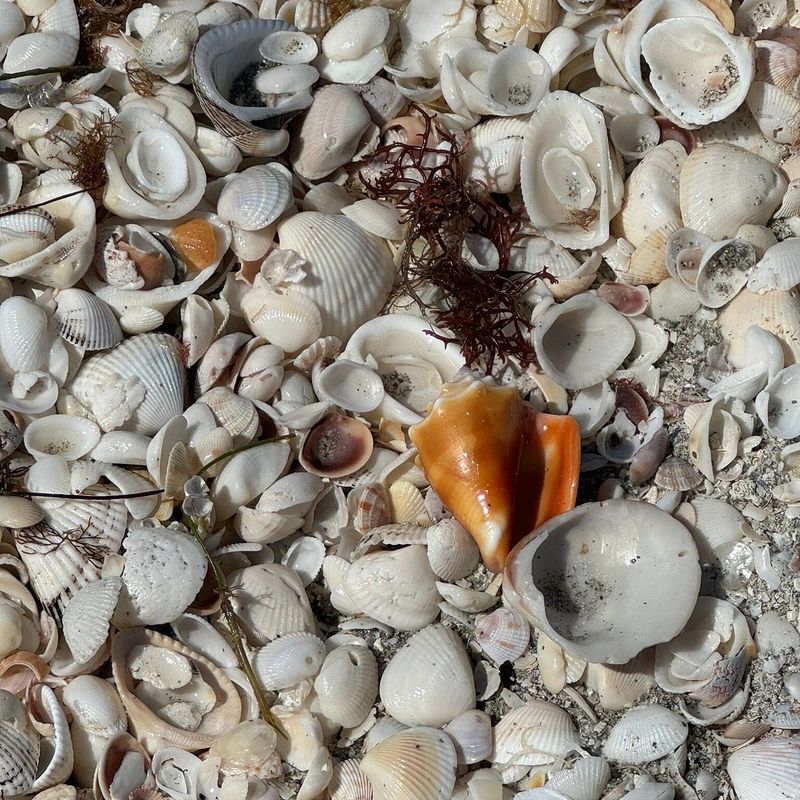
Known worldwide as the Shelling Capital, Sanibel Island earns its reputation through pure geography. The island runs east to west instead of north to south like most barrier islands, creating a natural trap for shells carried by Gulf currents.
Visitors practice the “Sanibel Stoop,” a bent-over posture adopted while scanning endless shell deposits. Low tide reveals the best finds, with conch shells, sand dollars, and fighting conchs appearing in massive numbers. Early morning beachcombers often discover the freshest arrivals before crowds gather.
The variety here amazes even experienced collectors. You’ll spot olive shells, whelks, scallops, and dozens of other species within minutes. Some shells arrive intact and pristine, while others show beautiful weathering patterns.
Local shops sell mesh bags specifically designed for shell collecting, and many visitors return year after year to add to their collections. The island’s beaches stretch for miles, so you can always find a quieter spot to search without competing with other hunters.
2. Captiva Island
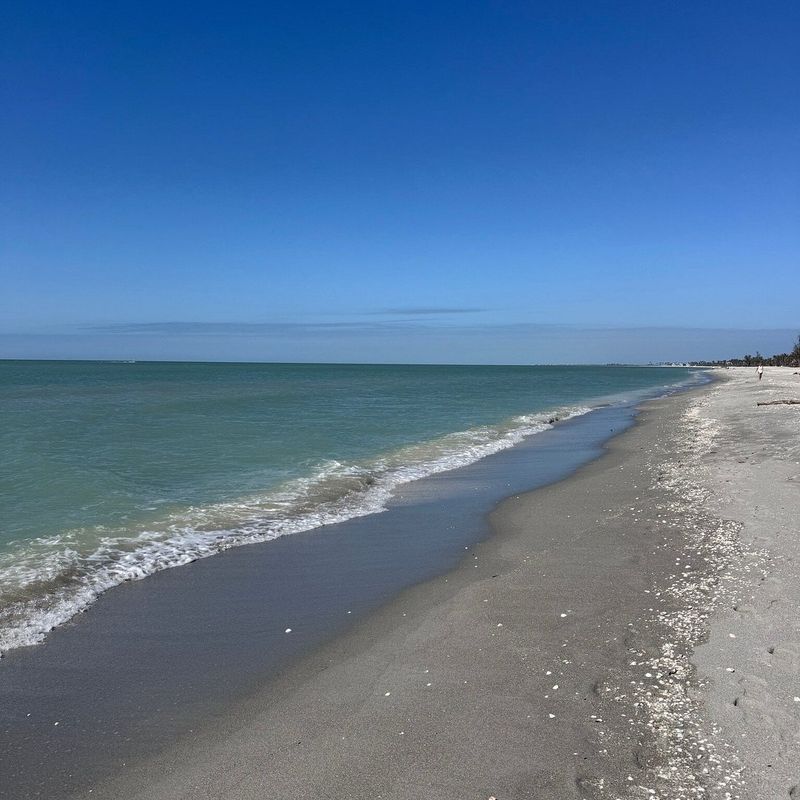
Just across a small bridge from Sanibel, Captiva offers its own spectacular shelling grounds with a slightly different character. Turner Beach, located at the island’s southern tip near Blind Pass, consistently delivers massive shell deposits thanks to strong tidal currents.
The pass between Sanibel and Captiva acts like a funnel, concentrating shells in specific areas where collectors know to look. After storms or during full moons, the accumulations grow even thicker. Many consider Captiva less crowded than its famous neighbor, giving you more elbow room.
Junonias, one of Florida’s most prized shells, occasionally appear here among the piles. These rare beauties feature distinctive spotted patterns that make collectors’ hearts race. Even if you don’t find one, you’ll still gather handfuls of colorful specimens.
The beaches here blend soft sand with shell beds so dense they crunch underfoot. Bring sturdy sandals if you plan to walk far, as some areas contain sharp fragments mixed with the prettier pieces you’ll want to keep.
3. Cayo Costa State Park
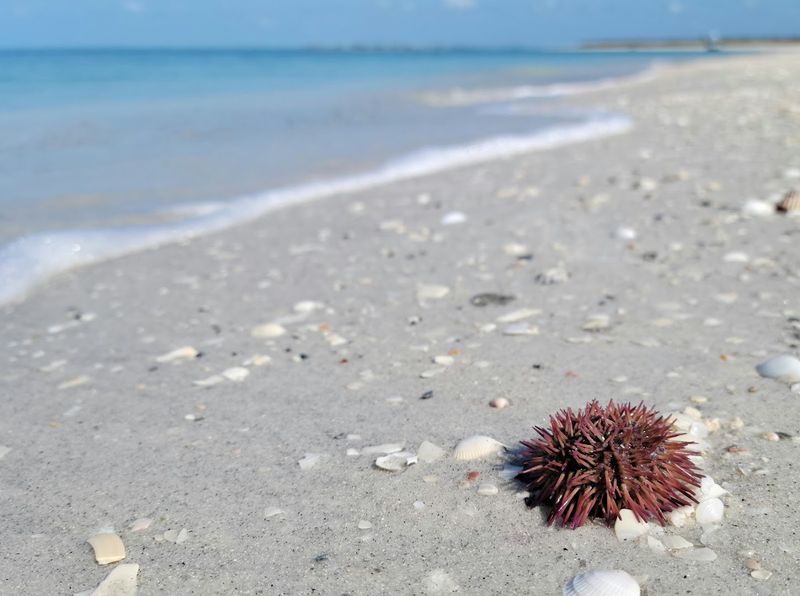
Accessible only by boat, Cayo Costa remains one of Florida’s most pristine shelling destinations. The park’s isolation means shells accumulate without constant human collection, creating deposits that feel almost prehistoric in their abundance.
Nine miles of undeveloped shoreline offer endless exploration opportunities. You’ll find shell piles stacked so high they form small ridges along the tide line. The lack of crowds means you can spend hours searching without seeing another person.
Rangers recommend visiting during weekdays for the ultimate solitary experience. Ferry services from nearby Captiva or Pine Island provide regular access, though some adventurous visitors arrive by kayak. The journey adds to the sense of discovery when you finally reach these shell-rich shores.
Camping is available for those who want to maximize their shelling time across multiple tide cycles. Sunrise and sunset bring the best lighting for spotting colorful specimens against the sand. Pack everything you need, as the island maintains its wild character with minimal facilities.
The variety rivals Sanibel’s, but with far fewer people competing for the best finds.
4. Fort Myers Beach (Lovers Key & Bowditch Point)
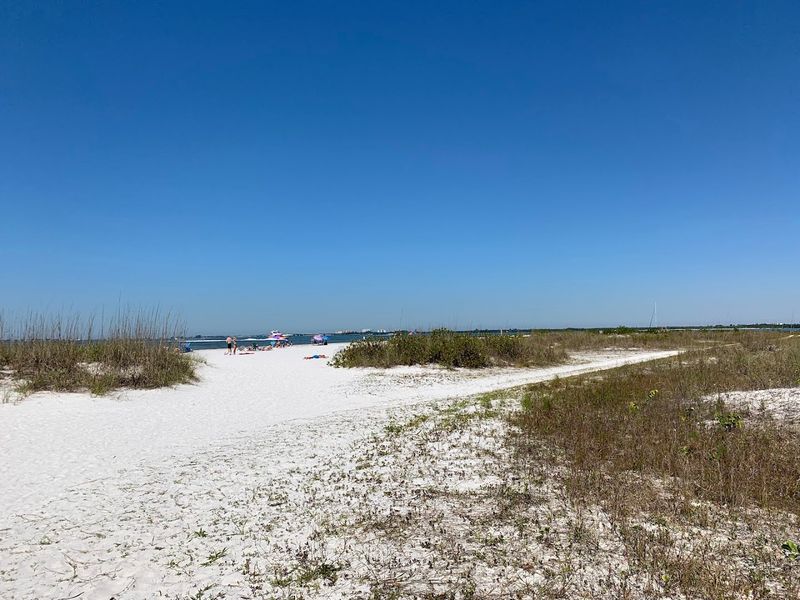
Two specific spots along Fort Myers Beach deliver outstanding shelling thanks to unique tidal patterns. Lovers Key State Park, located on the southern end, features channels that funnel shells onto its beaches with every tide change.
Bowditch Point Park at the northern tip offers similar abundance, especially after storms when fresh deposits arrive overnight. Local collectors check these spots daily, knowing that timing matters as much as location. The constant water movement prevents shells from sitting too long in the sun, keeping them vibrant and intact.
Both areas provide easy parking and facilities, making them perfect for families with young shell hunters. You’ll find common species in huge quantities, plus occasional rarities that make the search exciting. The mix of calm bay waters and Gulf waves creates diverse collecting conditions.
After major weather events, rangers sometimes report shell piles several inches deep stretching for hundreds of feet. These temporary bonanzas attract serious collectors from across the state. Even on ordinary days, you’ll easily fill a bucket within an hour of searching.
5. Marco Island
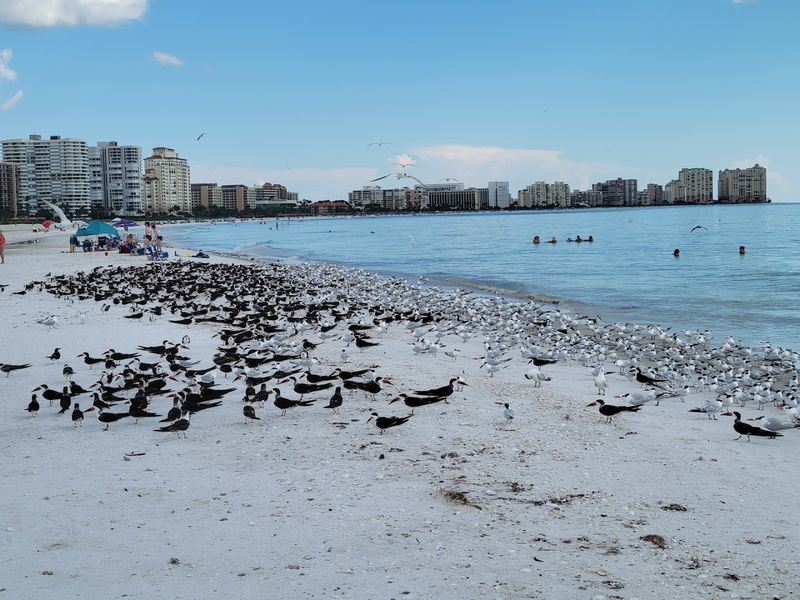
Positioned where the Gulf meets the Ten Thousand Islands, Marco Island benefits from currents that sweep shells from multiple directions. Tigertail Beach, on the island’s northern end, ranks among the top shelling spots in Southwest Florida.
The mix of common and rare shells keeps collectors returning season after season. Sand dollars, cockles, and tulip shells appear regularly, while lightning whelks and alphabet cones show up often enough to maintain excitement. The beach’s lagoon system creates protected areas where delicate shells survive intact.
Unlike more remote locations, Marco offers full amenities including restaurants, shops, and comfortable accommodations. You can shell in the morning, enjoy lunch at a beachfront café, then return for the afternoon tide. This convenience makes it popular with families and older collectors who appreciate easier access.
Local knowledge helps here—talking to regular visitors reveals which spots produce best during different seasons. Winter months bring the heaviest concentrations, though summer yields its own unique finds. The island’s developed nature doesn’t diminish the shelling quality one bit.
6. Ten Thousand Islands (Kice Island, Dickmans Island)
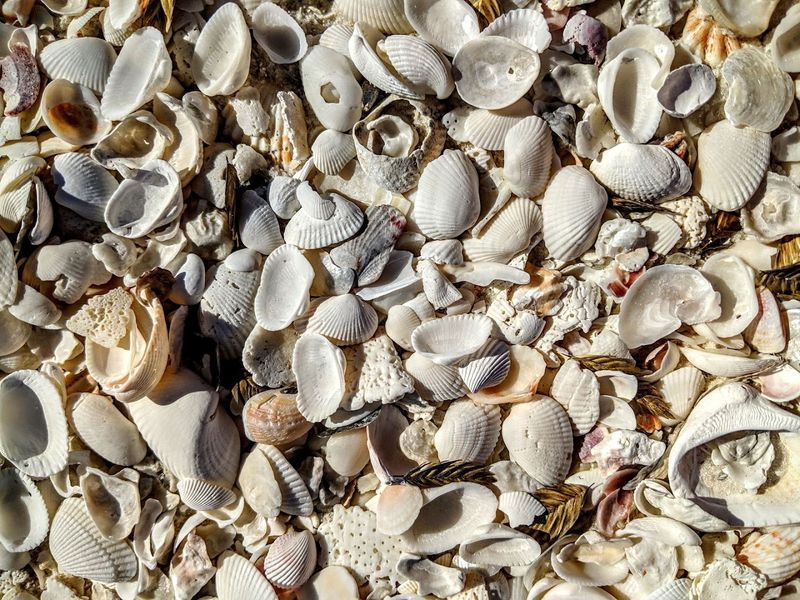
This maze of mangrove islands south of Marco Island hides some of Florida’s most dramatic shell accumulations. Kice Island and Dickmans Island, both accessible only by boat, feature beaches that see minimal human traffic despite their incredible shell deposits.
The remote nature means shells pile up undisturbed for weeks between visitors. Some beaches show layers of shells mixed with sand, creating striped patterns that reveal tidal history. Exploring these islands feels like stepping back in time to Florida’s wild past.
Navigation through the Ten Thousand Islands requires local knowledge or GPS, as channels wind confusingly through identical-looking mangrove stands. Once you reach the Gulf-facing beaches, though, the effort pays off with shell beds that can extend fifty feet inland from the water. Storm tides push deposits even higher, creating ancient shell middens.
Bring plenty of water and sun protection, as shade is scarce on these exposed barrier islands. The adventure of reaching these spots adds value to every shell you collect, knowing few others have walked these same beaches recently.
7. Keewaydin Island
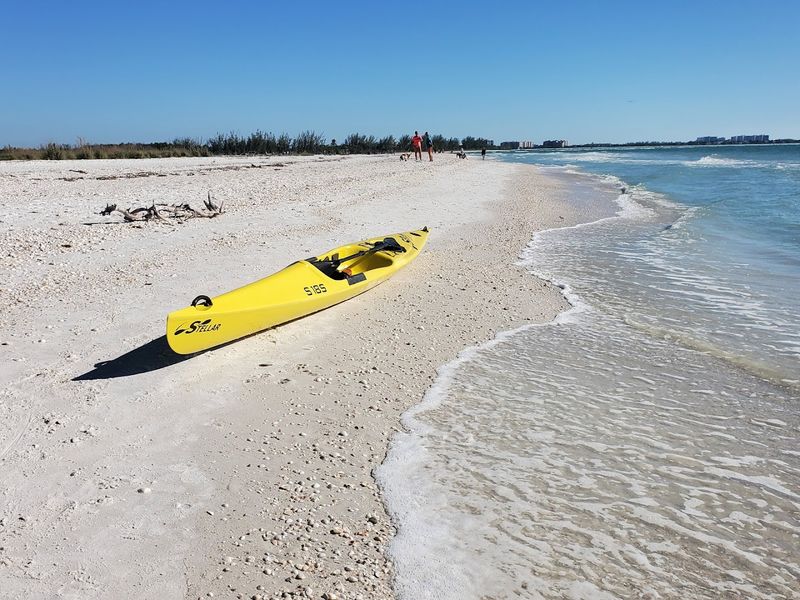
Stretching eight miles between Naples and Marco Island, Keewaydin remains blissfully undeveloped. No roads, no buildings, just pure beach where shells accumulate in sandbars that shift with seasonal currents.
Water taxis from Naples provide access to this hidden gem, dropping visitors on beaches where shell piles genuinely feel untouched. The island’s length means you can walk for miles, discovering new concentrations around every bend. Sandbars emerge during low tide, temporarily creating shell-rich peninsulas that disappear hours later.
Serious collectors often spend entire days here, moving with the tides to maximize their finds. The variety impresses, with both Gulf and bay species mixing in the deposits. You’ll spot fighting conchs, whelks, scallops, and countless smaller specimens in every color imaginable.
The island’s wild character means planning ahead—bring food, water, and shade since facilities don’t exist. This primitive quality attracts those who want their shelling experience wrapped in natural beauty rather than resort convenience. The extra effort ensures fewer competing collectors and better finds overall.
8. Barefoot Beach Preserve
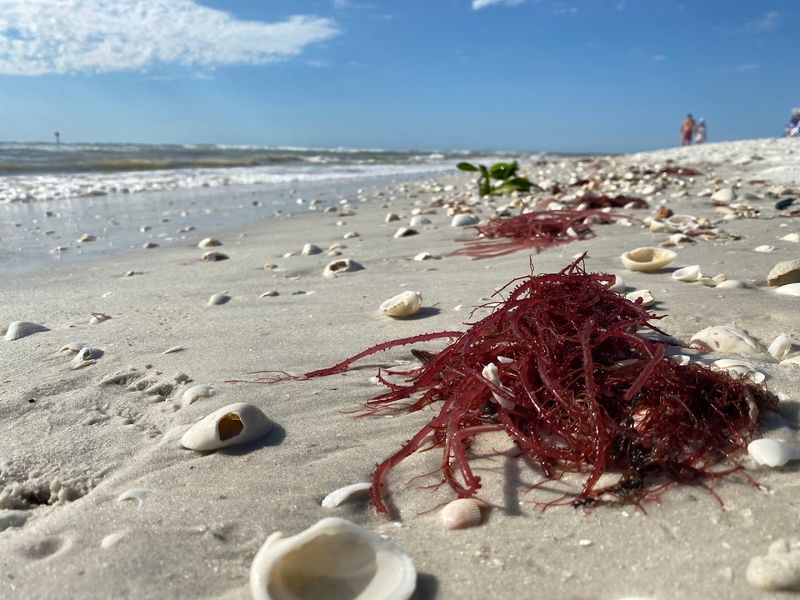
Located in North Naples, this county preserve protects a beautiful stretch of coastline where shells cluster in impressive concentrations. The preserve’s protected status limits crowds compared to nearby developed beaches, giving shells time to accumulate between visits.
Boardwalks lead through coastal vegetation to a beach that consistently ranks among Florida’s finest. The northern section typically offers the best shelling, where currents deposit fresh specimens daily. You’ll find excellent variety here, from tiny coquinas to large horse conchs.
The preserve maintains a natural feel despite being easily accessible from Naples. Parking fills quickly during peak season, so arriving early ensures both a good spot and first crack at overnight shell deposits. Rangers provide information about local species and sustainable collecting practices.
Families appreciate the combination of great shelling and swimming conditions. The beach slopes gradually, creating safe wading areas where kids can search for shells in shallow water. Shaded picnic areas offer breaks from the sun between shelling sessions.
The preserve’s conservation mission means this beach will remain pristine for future generations of shell hunters.
9. Anna Maria Island (Coquina Beach & Bean Point)
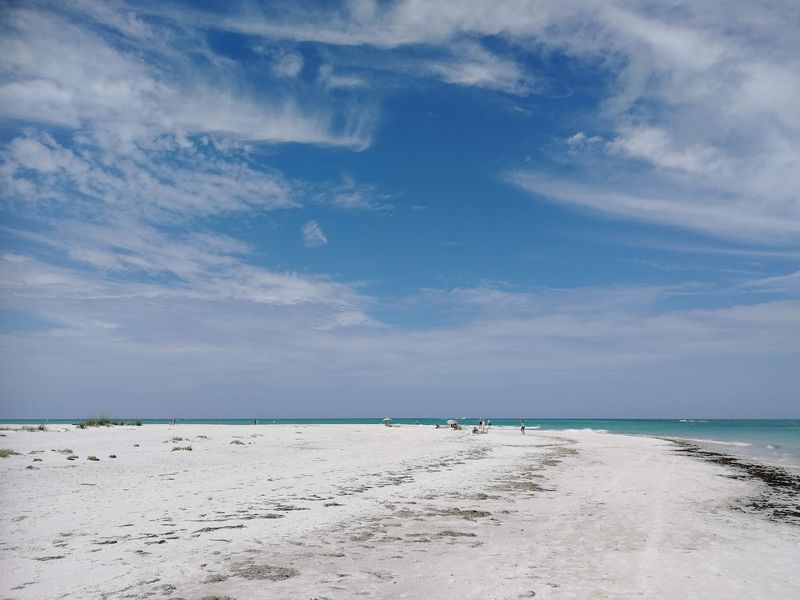
This barrier island on Florida’s west coast offers two exceptional shelling locations with distinct personalities. Coquina Beach, on the southern end, combines soft white sand with colorful shell beds that attract collectors year-round.
Bean Point, at the island’s northern tip, provides a more secluded experience with equally impressive deposits. The point’s location creates swirling currents that concentrate shells in specific areas. Local collectors guard their favorite spots jealously, but enough coastline exists for everyone to find success.
The variety of species here reflects the island’s position where Tampa Bay meets the Gulf. You’ll discover shells from both environments mixed together, creating diversity that rivals more famous shelling beaches. Coquina clams, the beach’s namesake, appear in rainbow colors alongside larger specimens.
The island’s laid-back character makes it perfect for combining shelling with other beach activities. Restaurants, shops, and accommodations line the main street, yet the beaches maintain a natural feel. Winter brings the heaviest shell concentrations, though summer visitors still find plenty to fill their bags during productive low tides.
10. Little Talbot Island State Park
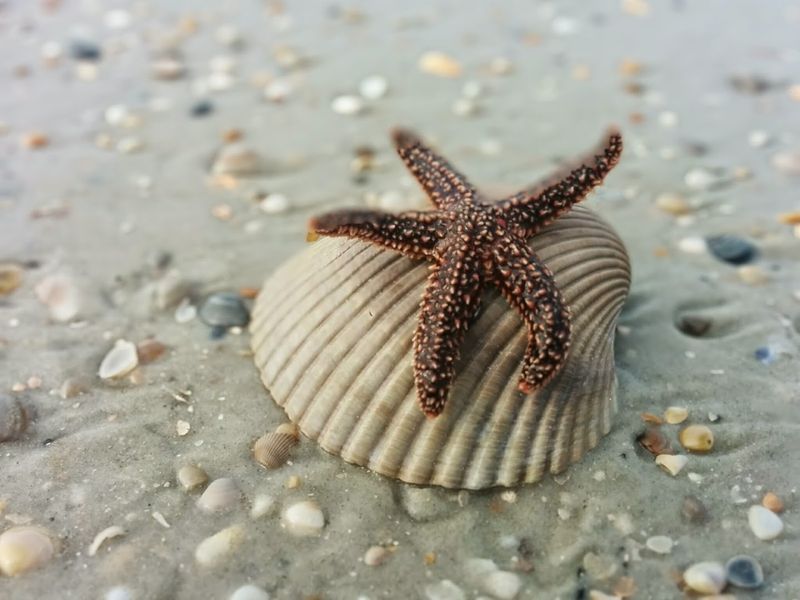
On Florida’s Atlantic coast near Jacksonville, this state park preserves five miles of pristine shoreline where shells accumulate in scattered concentrations. Unlike Gulf beaches, the Atlantic side produces different species and collecting experiences.
Long stretches of beach alternate between sandy sections and areas where shells cluster thickly. Driftwood, ancient trees, and maritime forest create a dramatically different backdrop than Southwest Florida’s beaches. The park’s undeveloped nature means shells sit undisturbed except during ranger patrols and visitor walks.
Atlantic shells tend toward darker colors and heavier builds than their Gulf cousins. You’ll find whelks, ark shells, and distinctive species not common on Florida’s opposite coast. The variety makes this park essential for collectors wanting a complete Florida shelling experience.
Camping facilities allow multi-day shell hunting expeditions timed with optimal tides. The park also offers kayaking through tidal creeks where shells wash into quiet backwaters. This combination of activities makes Little Talbot perfect for families wanting outdoor adventure beyond just beach time.
The wild character feels worlds away from crowded tourist beaches elsewhere in Florida.
11. Navarre Beach (Panhandle)
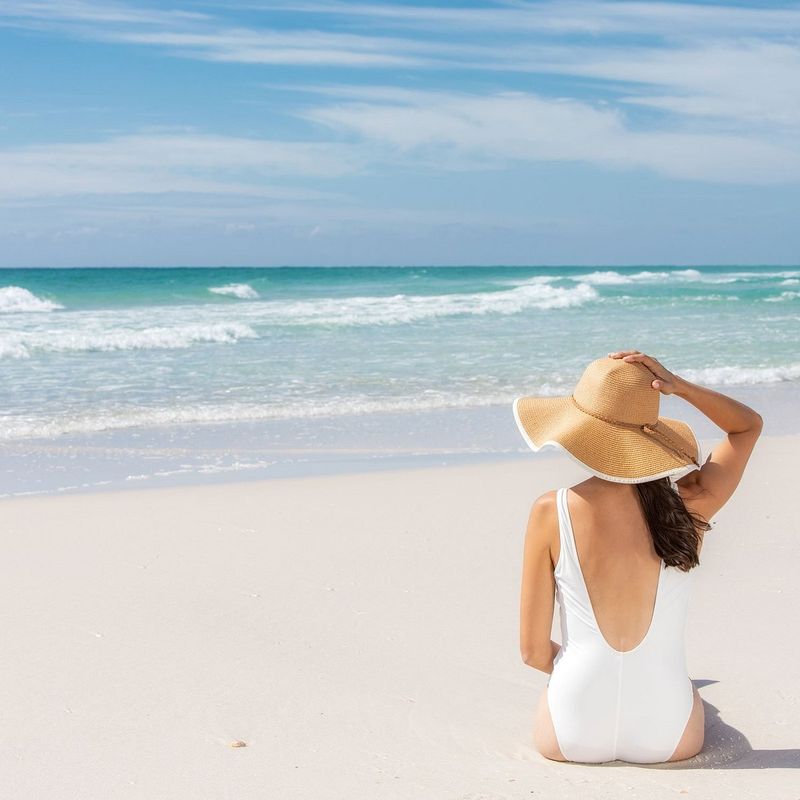
Situated in Florida’s Panhandle between Pensacola and Destin, Navarre Beach occasionally produces spectacular shell piles that appear almost overnight after storms and strong tides. The beach’s reputation for unique species not found elsewhere in Florida attracts collectors willing to drive the extra distance.
The Gulf Islands National Seashore protects much of this coastline, preserving its natural character. When conditions align—typically after winter storms or during spring tides—shells pile visibly along the waterline in quantities that surprise even locals. These temporary bonanzas don’t last long, as other collectors quickly discover them.
The variety includes species more common in Alabama and Mississippi waters, giving Navarre a distinctive collecting profile. You’ll spot shells rarely seen on Southwest Florida beaches, making the trip worthwhile for serious collectors. The white sand and emerald water create beautiful settings for shell hunting.
Navarre’s less touristy atmosphere compared to nearby Destin means fewer people competing for shells. Local Facebook groups often announce when major deposits appear, creating a community of shell enthusiasts who share information and celebrate each other’s finds.