11 of Florida’s Oldest Restaurants You Can Visit on One Road Trip
Florida’s dining scene isn’t just about beachside cafes and theme park food courts. Scattered across the state are restaurants that have been serving customers for decades, some even surpassing a century in business. These historic eateries offer more than just meals—they provide a taste of Florida’s past, complete with original recipes, vintage decor, and stories that span generations.
Planning a road trip to visit these culinary landmarks means you’ll experience authentic Florida flavor while traveling from the Panhandle all the way down to the Keys.
1. Joe Patti’s Seafood (Pensacola)
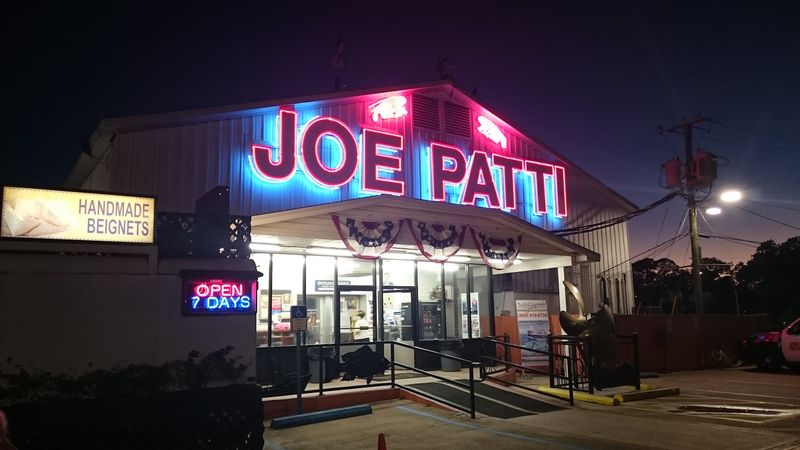
Since opening its doors in 1931, this Pensacola institution has been the Gulf Coast’s go-to spot for the freshest catch. What started as a small fish market has grown into a sprawling seafood empire, yet the family-run operation maintains that same commitment to quality that made it famous nearly a century ago.
Walking through the massive warehouse feels like stepping onto a working dock. Ice-packed displays showcase everything from Gulf shrimp to exotic fish, while the air carries that unmistakable ocean-fresh scent. The butchers work with lightning speed, filleting your selection right before your eyes.
Beyond the retail market, you’ll find prepared foods ready to take home or enjoy at their outdoor seating area. Their gumbo recipe has remained unchanged for decades, and locals swear by their smoked fish dip. The prices remain surprisingly reasonable considering the premium quality.
Early morning visits offer the best selection, as commercial fishermen and restaurant owners shop alongside tourists and locals. This isn’t a fancy dining experience—it’s an authentic slice of Florida’s fishing heritage that continues to thrive in an era of chain grocery stores.
2. The Yearling Restaurant (Cross Creek)
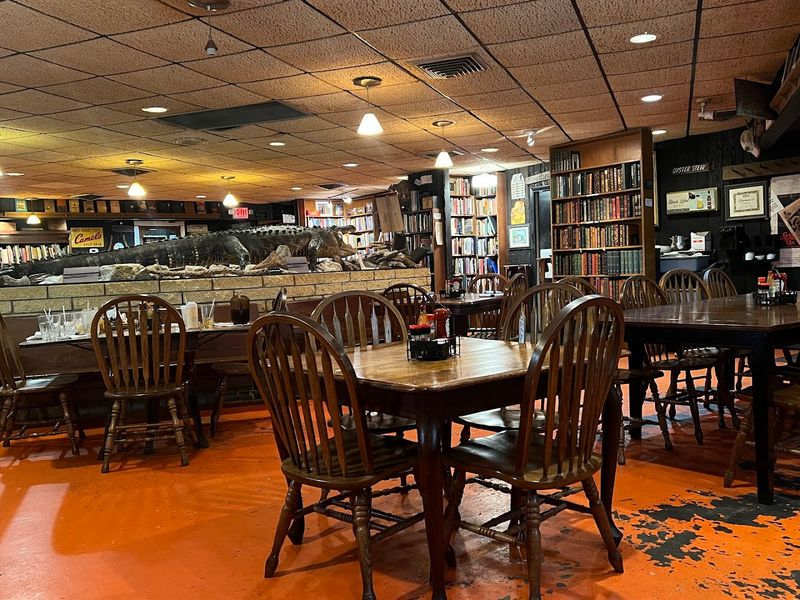
Nestled in the tiny hamlet where author Marjorie Kinnan Rawlings wrote her Pulitzer Prize-winning novel, this restaurant occupies a general store dating back to the 1930s. The building itself tells stories through weathered wood floors and walls lined with vintage photographs capturing old Florida’s vanishing landscape.
The menu reads like a love letter to frontier cooking. Alligator tail, frog legs, and cooter (soft-shell turtle) share space with more conventional offerings, but adventurous eaters come specifically for these wild game specialties. Each dish arrives prepared using techniques passed down through generations of Cracker families.
Gator bites here don’t taste like chicken—they taste like properly seasoned, perfectly fried reptile, crispy outside and tender within. The hush puppies achieve that ideal golden-brown exterior while remaining fluffy inside. Even the sweet tea tastes different, brewed strong enough to stand up to Florida’s summer heat.
Getting here requires driving through actual wilderness, past orange groves and cattle ranches that haven’t changed much since Rawlings’ time. The journey becomes part of the experience, reminding visitors that authentic Florida still exists beyond the tourist corridors.
3. Angel’s Dining Car (Palatka)
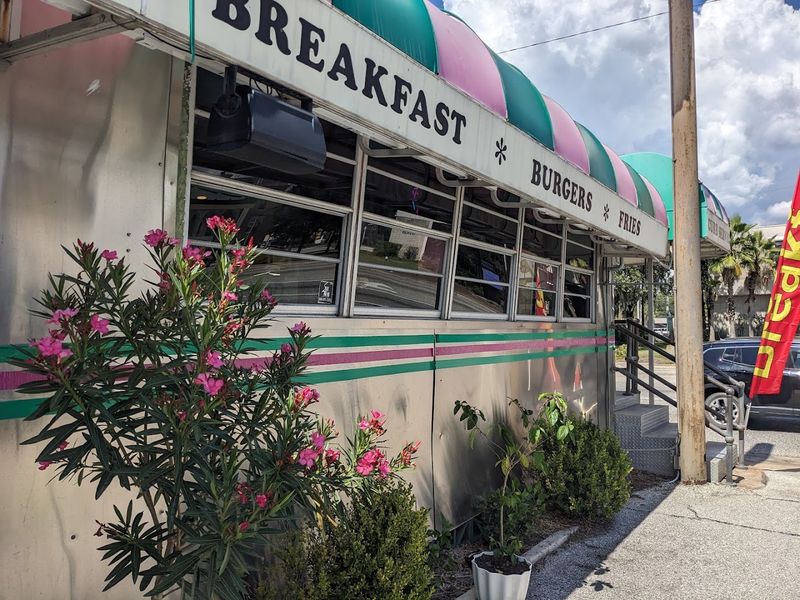
Pulling up to this gleaming 1932 dining car feels like time travel. The chrome exterior catches sunlight just as it did when Franklin Roosevelt was president, and stepping through the door transports you to an era when counter service meant something special. Original stools line the narrow space, their red vinyl seats worn smooth by generations of customers.
Breakfast here isn’t just a meal—it’s a ritual. Regulars claim their favorite spots before dawn, swapping stories while the griddle sizzles. The menu hasn’t evolved much, featuring straightforward diner classics executed with precision.
Eggs arrive cooked exactly as ordered, bacon comes out crispy without being burnt, and the grits carry that subtle sweetness that separates good from mediocre.
What makes this place remarkable isn’t innovation but consistency. The same recipes have satisfied customers for decades, proving that sometimes the old ways work best. Hash browns get that perfect crispy crust, pancakes maintain ideal fluffiness, and coffee flows endlessly into thick ceramic mugs.
The tight quarters mean you’ll likely chat with strangers, another throwback to when dining out encouraged community. Weekend mornings see lines forming outside, but the wait moves quickly as the efficient staff keeps everything flowing smoothly.
4. Linda’s La Cantina Steakhouse (Orlando)
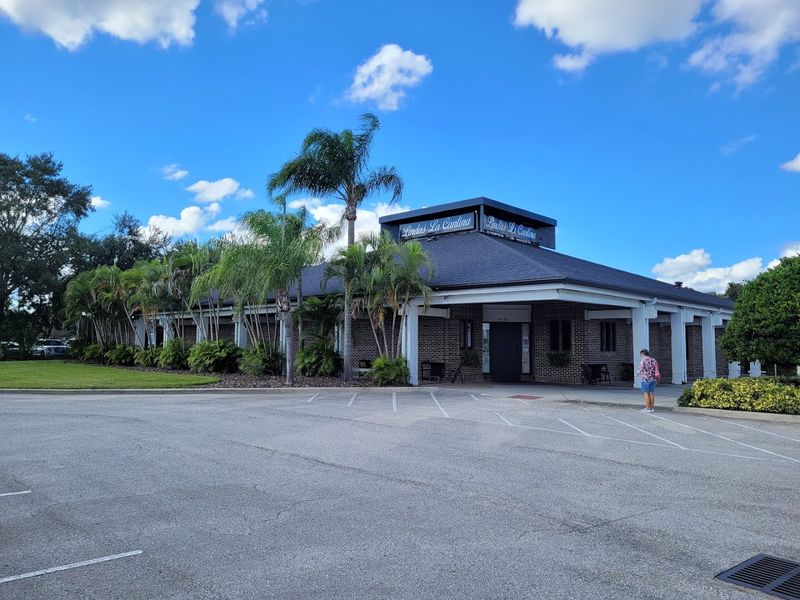
Long before theme parks transformed Orlando into a tourist mecca, this steakhouse was already grilling prime cuts for locals. Opening in 1959, it represents a vanishing breed of independent restaurants that built reputations on quality rather than marketing budgets. The dark wood paneling and red leather booths haven’t changed much, creating an atmosphere that feels genuinely retro rather than manufactured.
Steaks here get treated with respect. No fancy rubs or elaborate preparations—just high-quality beef seasoned simply and cooked over open flames. The kitchen knows that a properly aged ribeye needs little embellishment.
Each cut arrives sizzling, with those beautiful char marks that only real flame-grilling produces.
Their Caesar salad gets prepared tableside, a theatrical touch that modern restaurants have largely abandoned. Watching the server mix ingredients in the wooden bowl adds an element of showmanship without feeling gimmicky. The house dressing recipe remains a closely guarded secret, though regulars have been trying to crack the code for decades.
Prices reflect the premium ingredients without reaching steakhouse-chain levels of absurdity. The wine list favors classic selections over trendy bottles, and the bartenders still know how to make a proper Old Fashioned without consulting a recipe.
5. Columbia Restaurant (Tampa)
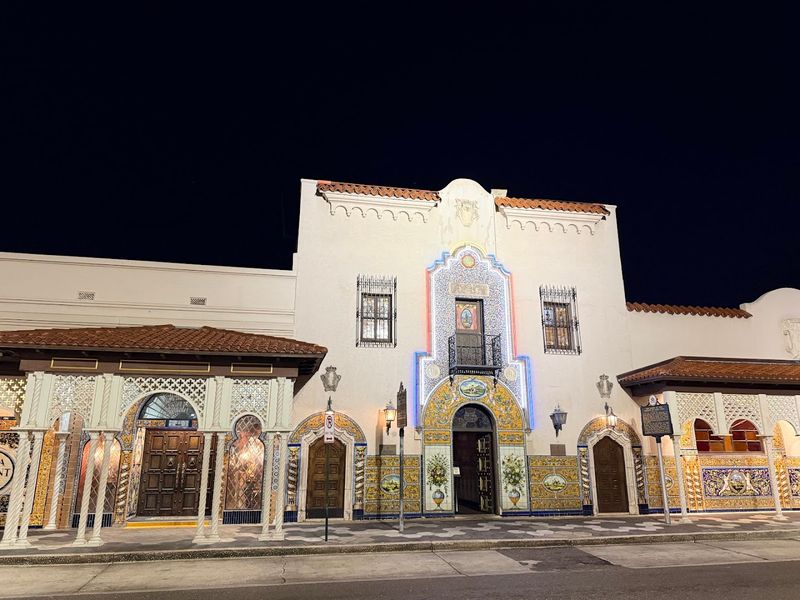
Walking into Florida’s oldest restaurant feels like entering a Spanish palace. Founded in 1905 by Cuban immigrant Casimiro Hernandez Sr., this Ybor City landmark sprawls across an entire city block, its fifteen dining rooms each telling different chapters of Tampa’s cigar-rolling heritage. Handpainted tiles cover walls and floors in intricate patterns that took craftsmen months to complete.
The signature “1905” salad gets tossed tableside with theatrical flair, its tangy garlic dressing coating crisp iceberg in a way that somehow transcends the simplicity of its ingredients. Cuban sandwiches here claim authenticity that newer establishments can only imitate, pressed until the cheese melts perfectly and the roasted pork practically dissolves on your tongue.
Flamenco dancers perform nightly in the main dining room, their castanets clicking rhythmically while patrons enjoy paella loaded with seafood, chicken, and chorizo. The recipe hasn’t changed since the restaurant’s early days, when Spanish immigrants gathered here to taste home.
Multiple generations of the founding family still run operations, maintaining standards that have earned accolades from dining critics nationwide. Yet despite the awards, the atmosphere remains welcoming rather than stuffy, balancing elegance with genuine hospitality that keeps both tourists and Tampa natives returning.
6. Bern’s Steak House (Tampa)
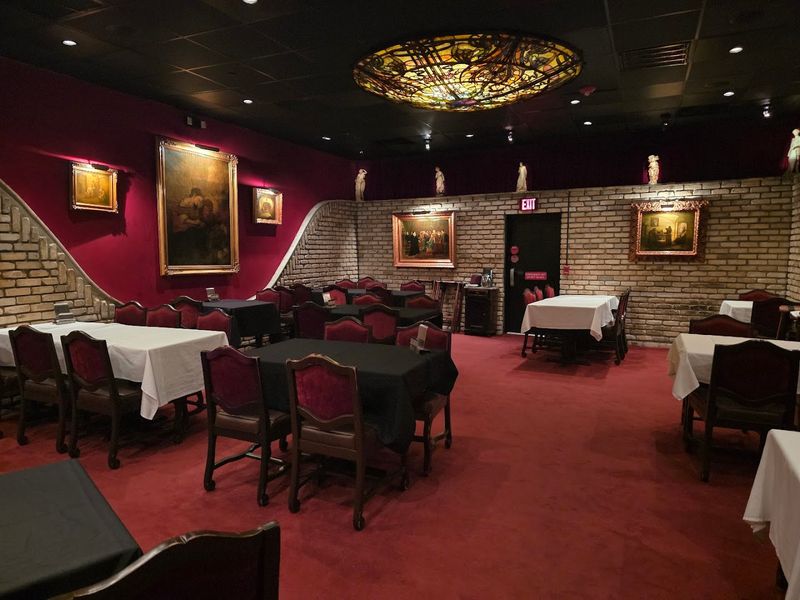
Bern Laxer opened this temple to beef in 1956 with an obsessive attention to detail that bordered on fanatical. He aged his own steaks, grew vegetables in his own gardens, and built a wine collection that eventually became one of the world’s largest. That same obsessive perfectionism continues today, making every visit feel like a special occasion.
The menu reads like a textbook on beef cuts, offering thickness options and aging periods that let you customize your steak with precision. Want a three-inch-thick chateaubriand aged forty days? They’ve got it.
Prefer a lighter filet aged twenty-one days? That’s available too. The kitchen treats each order as a separate project rather than assembly-line production.
Upstairs, the dessert room operates as a separate experience. Private booths equipped with vintage phones let you order from an extensive menu while surrounded by memorabilia from Bern’s personal collection. The macadamia nut ice cream has achieved legendary status among regulars.
Tours of the wine cellar reveal the scope of Bern’s vision—over half a million bottles stored in temperature-controlled rooms. The collection includes rare vintages that serious collectors travel specifically to taste. Even the house wines exceed what most restaurants offer as premium selections.
7. Farmer’s Market Restaurant (Fort Myers)
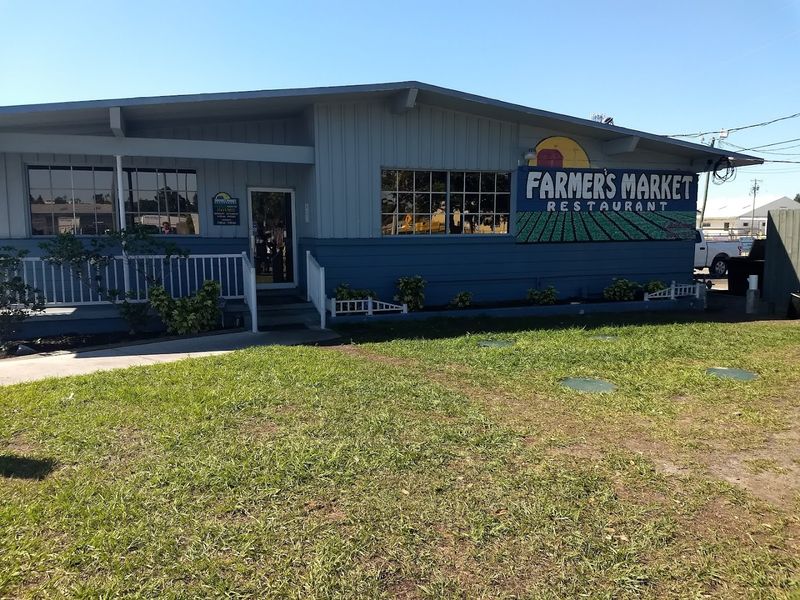
Since 1952, this Fort Myers institution has been serving breakfast and lunch to everyone from construction workers to snowbirds. The name comes from its original location next to a produce market, though it has since moved to a larger space while maintaining that same no-frills approach to honest cooking.
Breakfast portions here could feed small armies. Pancakes overflow their plates, omelets arrive stuffed with fillings, and the biscuits and gravy could serve as a complete meal rather than a side dish. Nothing fancy happens in the kitchen—just straightforward diner food executed by cooks who’ve been working these griddles for decades.
The lunch crowd brings a different energy, with businesspeople mixing with retirees over meatloaf, liver and onions, and other comfort food classics that modern restaurants have abandoned. Daily specials rotate through southern staples like country-fried steak and pot roast, each served with multiple side options.
Cash-only operations keep prices remarkably low, though there’s an ATM conveniently located inside. The dining room buzzes with conversation, silverware clinking against heavy ceramic plates, and the constant shuffle of servers refilling coffee cups. Efficiency runs high—tables turn quickly without anyone feeling rushed through their meal.
8. Okeechobee Steak House (West Palm Beach)
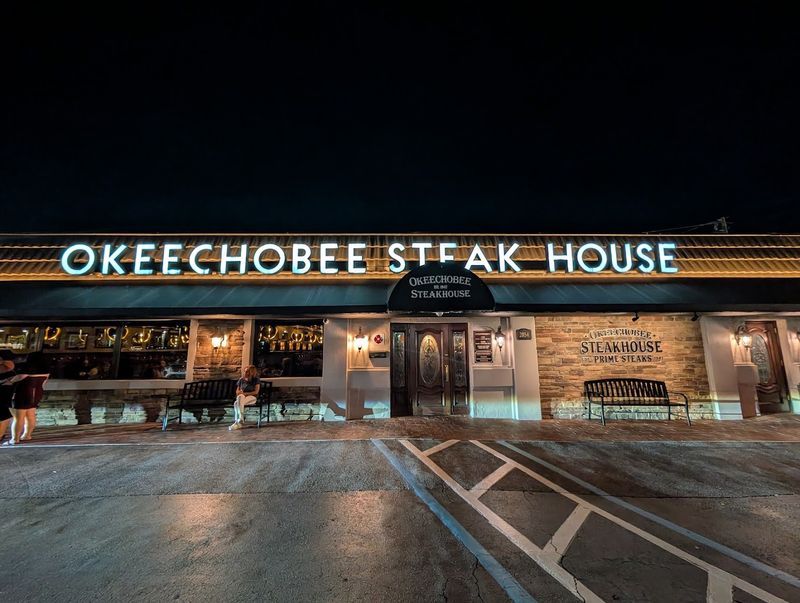
Operating since 1947, this West Palm Beach landmark predates the area’s transformation into a luxury destination. The building’s exterior hasn’t changed much—simple, unassuming, the kind of place you might drive past without noticing. But locals know what’s inside: some of the best steaks in South Florida, prepared the same way they’ve been cooked for over seventy years.
The menu keeps things simple. Steaks dominate, offered in various cuts and sizes but without elaborate preparation methods. The kitchen’s philosophy centers on sourcing quality beef and not messing it up with unnecessary additions.
A well-marbled ribeye needs only salt, pepper, and proper heat to achieve perfection.
Side dishes follow the same straightforward approach. Baked potatoes arrive loaded with butter and sour cream, creamed spinach tastes rich without being heavy, and the onion rings achieve that increasingly rare combination of crispy coating and sweet, tender onion inside.
The crowd skews older, filled with regulars who’ve been coming for decades alongside younger diners discovering what their grandparents already knew. Service moves at a relaxed pace that matches the old-school atmosphere. Nobody rushes you through dinner here—the experience is meant to be savored, not hurried.
9. Cap’s Place (Lighthouse Point)
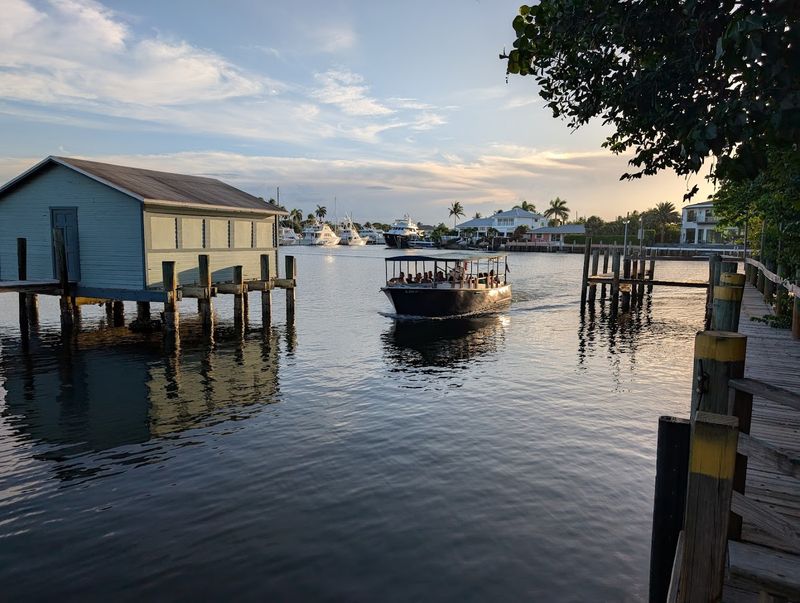
Getting to this restaurant requires a boat ride, just as it has since bootlegger Al Hasis opened the place in 1928. The free water taxi departs from a nearby marina, carrying diners across the Intracoastal Waterway to an island where time seems suspended. The journey itself becomes part of the experience, building anticipation as the weathered building comes into view.
During Prohibition, this isolated location made Cap’s Place the perfect speakeasy. Rumrunners could spot Coast Guard vessels approaching from miles away, giving plenty of warning to hide the illegal booze. Famous guests from that era included Franklin Roosevelt, Winston Churchill, and various celebrities seeking privacy and good seafood.
The menu focuses heavily on fish, much of it caught locally and prepared simply. Their hearts of palm salad uses fresh palm harvested from Florida trees rather than canned imports. Key lime pie follows a traditional recipe that lets the tart citrus flavor shine without excessive sweetness.
The dining room retains its original rustic character—wooden tables, maritime decorations, and windows overlooking the water. Reservations are essential, especially for sunset seating when the sky puts on a show over the mangroves. The return boat ride under stars completes an evening that feels genuinely unique.
10. Joe’s Stone Crab (Miami Beach)
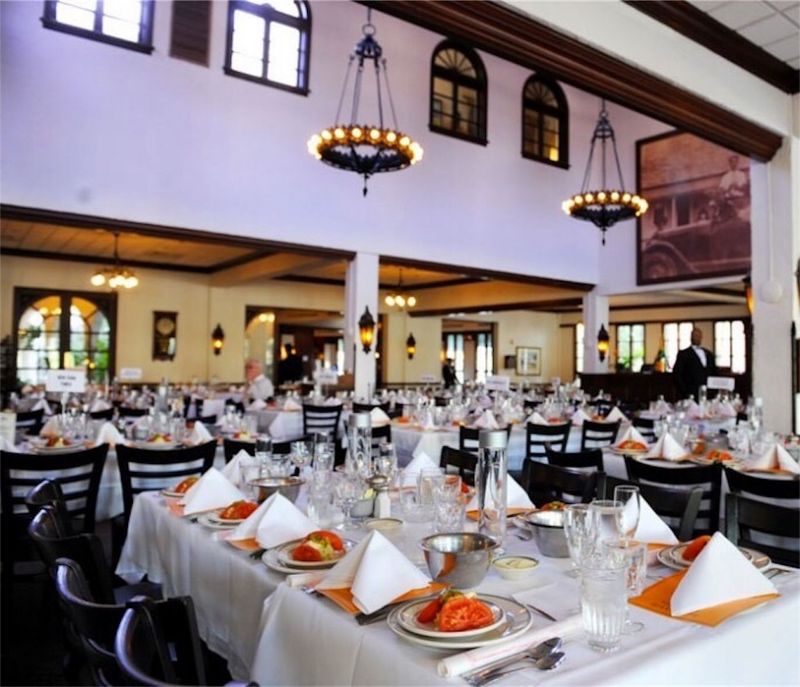
When Joe Weiss opened a small lunch counter in 1913, stone crabs weren’t even on the menu. A marine biologist convinced him to try serving the claws, which could be harvested without killing the crab. That decision launched a Miami Beach institution that now attracts diners willing to wait hours for a table during stone crab season.
The claws arrive pre-cracked and chilled, accompanied by mustard sauce whose recipe remains secret despite countless attempts at replication. The sweet, delicate meat needs nothing beyond that tangy condiment and maybe a squeeze of lemon. Each claw represents sustainable fishing at its finest—the crab regenerates the removed claw and continues living.
Stone crab season runs October through May, and Joe’s closes completely during summer months rather than serve inferior product. This commitment to quality over profit has built loyalty spanning generations. Families return year after year, introducing children and grandchildren to the tradition.
The hash browns here achieve legendary status, arriving as a crispy golden cake that somehow stays fluffy inside. Key lime pie follows an old Florida recipe that balances tart and sweet perfectly. The atmosphere buzzes with energy—white-jacketed servers navigating between tables, the constant crack of crab shells, and conversations conducted over the pleasant din of a packed dining room.
11. No Name Pub (Big Pine Key)
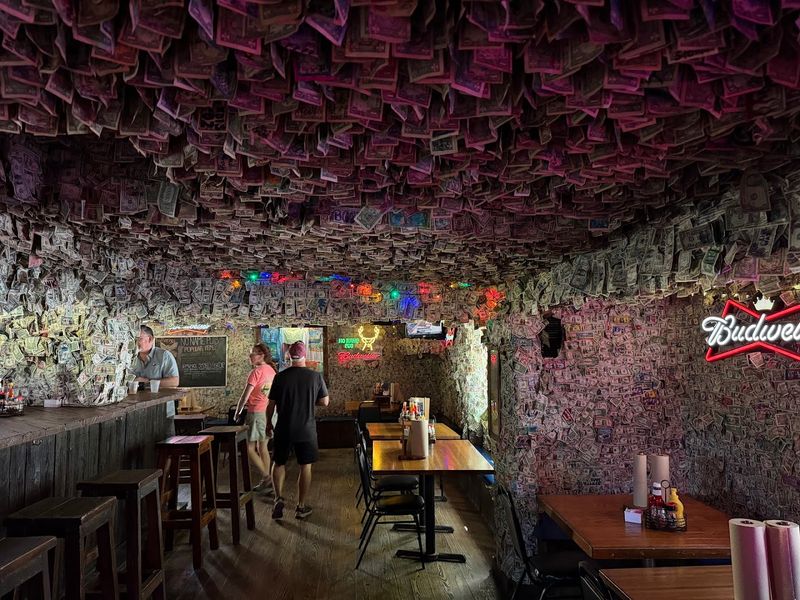
Finding this place takes effort—it’s tucked away on Big Pine Key down a road that doesn’t look like it leads anywhere important. The building started life in 1936 as a general store serving fishermen and locals, eventually transforming into a bar and restaurant while maintaining that end-of-the-road character that defines the Lower Keys.
Walls and ceiling disappear beneath layers of dollar bills left by visitors, each signed and dated, creating a paper tapestry decades in the making. The tradition started spontaneously years ago and continues today, with patrons adding their own contribution to the collection. Reading the signatures reveals visitors from every state and dozens of countries.
The pizza here has developed a cult following despite seeming incongruous with the tropical setting. Thin crust comes loaded with toppings and baked until the cheese bubbles and browns at the edges. Their signature shrimp pizza combines seafood with traditional pizza in a way that actually works.
Local characters populate the bar, sharing fishing stories and Keys gossip with anyone willing to listen. The jukebox plays an eclectic mix that somehow fits the vibe perfectly. Outside, the surrounding wilderness feels vast and wild, reminding visitors that the Keys remain more than just tourist attractions—they’re still home to people who live by different rules.