11 Small Florida Towns That Feel More Special Than the Big Tourist Cities
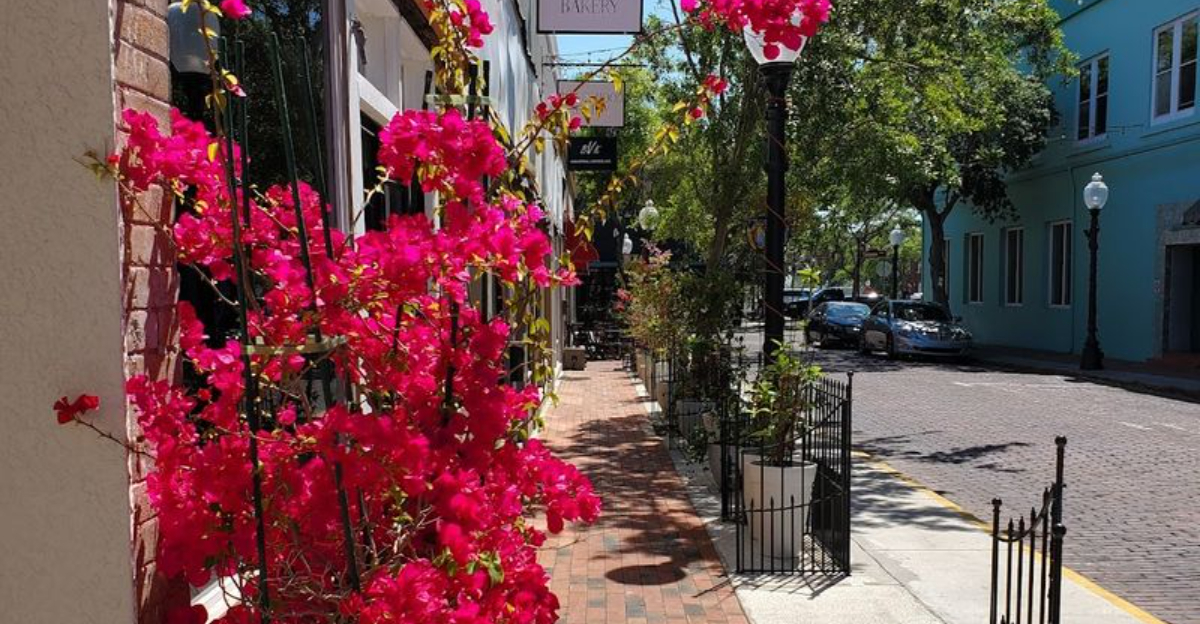
Florida has more to offer than crowded theme parks and neon-lit beaches. Tucked away from the tourist traffic, you’ll find charming small towns where locals still wave from their porches and downtown streets are lined with quirky shops instead of chain stores. These hidden gems serve up authentic Florida vibes—think moss-draped oaks, waterfront sunsets, and cafes where everyone knows your name by your second visit.
Ready to trade the tourist traps for something real?
1. Mount Dora
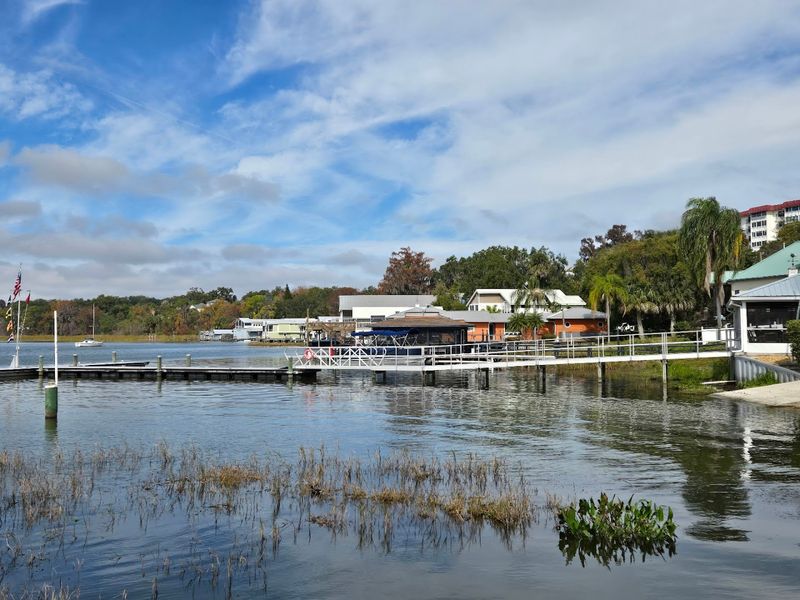
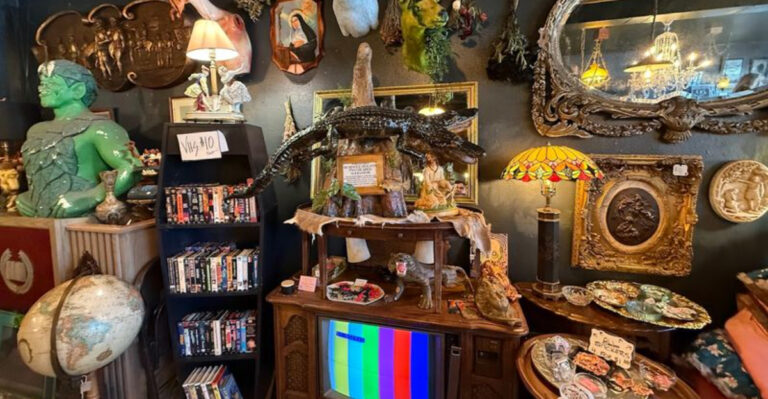
Antique lovers practically squeal when they roll into Mount Dora. This lakeside town sits on rolling hills—yes, actual hills in Florida—and the downtown area looks like it time-traveled straight from the 1950s. Boutique shops, vintage stores, and quirky cafes fill the tree-canopied streets.
Lake Dora stretches out just beyond the shops, offering paddleboarding, kayaking, and sunset boat tours that locals swear beat anything you’ll find in Miami. The waterfront park hosts festivals year-round, from art shows to classic car meet-ups. You can grab a craft beer at one of the breweries and watch the sun dip behind the cypress trees.
What really sets Mount Dora apart is its walkability. You can park once and spend the whole day strolling from coffee shop to bookstore to ice cream parlor without moving your car. The historic Donnelly House sits tucked among the oaks, and the Modernism Museum showcases mid-century design that feels refreshingly different from typical Florida attractions.
Weekends bring live music to the gazebo, and the farmer’s market overflows with local honey, fresh citrus, and handmade crafts. It’s small-town Florida done right, minus the tourist chaos.
2. Apalachicola
Oysters made Apalachicola famous, and they’re still the town’s pride and joy. This fishing village sits where the Apalachicola River meets the Gulf, creating some of the best oyster beds in the country. You’ll find seafood shacks serving them raw, steamed, or fried—and locals have strong opinions about which spot does them best.
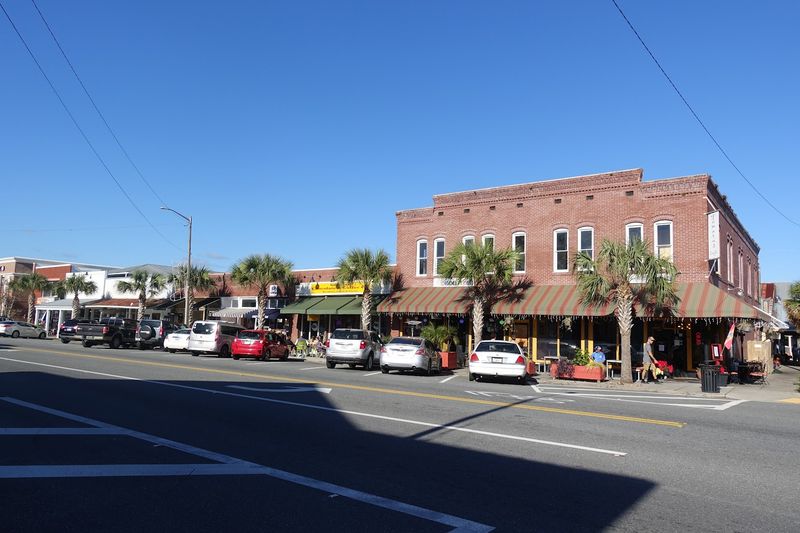
The historic district feels frozen in time, with brick streets and 19th-century buildings housing art galleries, bookshops, and cafes. Gibson Inn anchors the downtown area, a Victorian beauty that’s been welcoming guests since 1907. Walking these streets, you’ll notice the pace is slower, conversations are longer, and nobody’s in a rush to get anywhere.
Fishing boats bob in the harbor at sunrise, and pelicans patrol the docks looking for scraps. The nearby barrier islands—St. George, Dog Island, and St. Vincent—offer pristine beaches without the high-rise condos. You can catch a ferry or kayak across to explore untouched shorelines and spot wild horses.
Art galleries pepper the downtown, showcasing work from local painters and sculptors inspired by the coastal landscape. The town celebrates its maritime heritage with festivals, boat parades, and seafood cook-offs that draw crowds but never feel overwhelming.
3. Micanopy
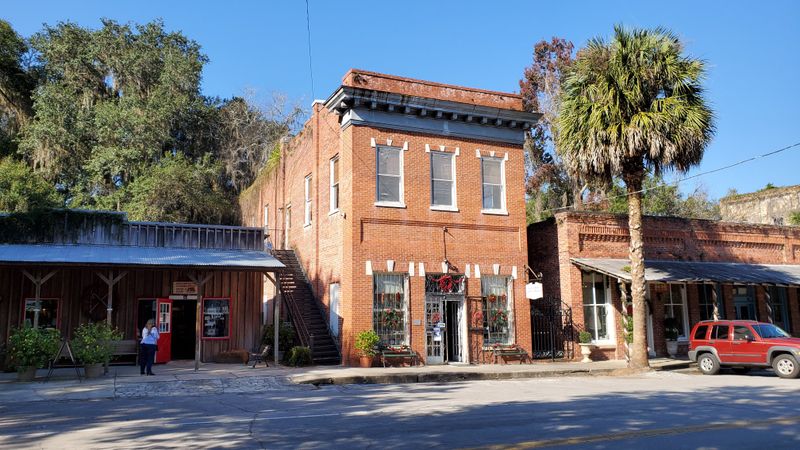
Blink and you might miss Micanopy, but that would be a shame. This tiny town claims the title of Florida’s oldest inland settlement, and it wears its history like a comfortable old sweater. Massive live oaks draped in Spanish moss create a canopy over Cholokka Boulevard, the main drag that’s barely wider than a country lane.
Antique shops and vintage stores pack more treasures per square foot than seems physically possible. You can spend hours digging through old books, vintage postcards, and furniture that’s seen generations come and go. The owners know their inventory inside and out and love sharing stories about their finds.
Film buffs might recognize Micanopy from the movie Doc Hollywood—the town played the fictional Grady, and not much has changed since cameras rolled. That authentic old-Florida charm can’t be faked or manufactured. The Herlong Mansion, a stunning Greek Revival home, now operates as a bed and breakfast where you can sleep in rooms that ooze Southern elegance.
Paynes Prairie Preserve borders the town, offering hiking trails where bison and wild horses roam freely. After a morning exploring nature, you can grab lunch at one of the few cafes and watch locals catch up on the week’s gossip. No chains, no crowds, just real Florida.
4. Fernandina Beach
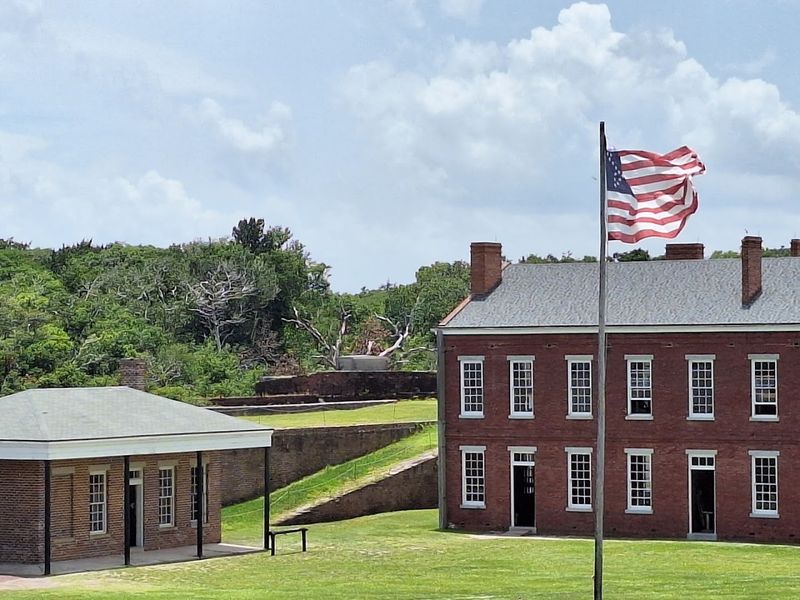
Victorian mansions line the streets of Fernandina Beach like pastel-colored sentries guarding the island’s history. Amelia Island’s northernmost town blends Southern charm with coastal cool, creating a vibe that feels both refined and relaxed. The historic downtown stretches along Centre Street, packed with locally-owned restaurants, galleries, and shops that actually sell things you’d want to buy.
Fort Clinch State Park sits at the island’s tip, where a Civil War-era fort still stands guard over Cumberland Sound. Rangers in period costume demonstrate what garrison life looked like in the 1860s, and the beach here stays quieter than the main tourist strips. You can bike the trails, fish from the pier, or just explore the fort’s brick corridors.
The shrimp boats still work out of the harbor, and the seafood here tastes like it jumped from the ocean straight to your plate. Palace Saloon claims to be Florida’s oldest bar, serving drinks since 1903 in a space that oozes authenticity. The pressed tin ceiling and mahogany bar have witnessed over a century of celebrations, arguments, and everything in between.
Eight flags have flown over this island throughout history, and you can feel those layers of heritage in the architecture and atmosphere. The beach stretches for miles, wide and perfect for sunrise walks without dodging beach umbrellas.
5. Cedar Key
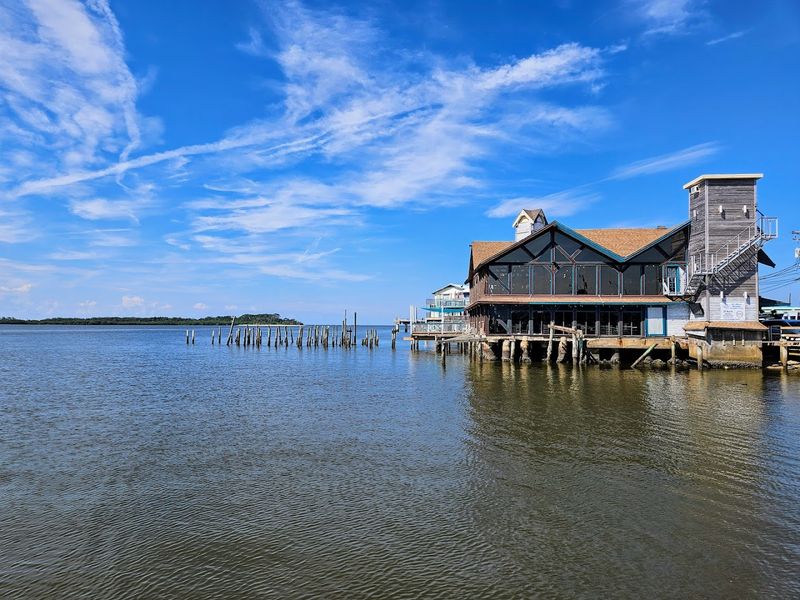
Getting to Cedar Key requires commitment—it sits at the end of State Road 24, surrounded by salt marshes and shallow Gulf waters. That isolation keeps the crowds away and the character intact. Wooden fishing shacks on stilts cluster along the waterfront, and the smell of fresh seafood mingles with salt air.
Artists discovered Cedar Key decades ago, drawn by the light, the pace, and the cheap rent. Now galleries showcase paintings, pottery, and sculptures inspired by the coastal landscape. The whole town spans just a few blocks, easily walkable in an afternoon, but you’ll want to linger longer.
Restaurants serve grouper, clams, and mullet caught that morning, prepared simply because the fish doesn’t need fancy treatment.
Kayaking through the maze of islands surrounding Cedar Key reveals hidden coves, bird rookeries, and sandbars that appear and disappear with the tides. The Cedar Keys National Wildlife Refuge protects these islands, keeping development at bay and wildlife thriving. You might spot manatees cruising the shallows or dolphins hunting fish near the docks.
The historic district preserves buildings from when Cedar Key was a booming lumber and pencil manufacturing town. Those glory days are long gone, replaced by a sleepier rhythm that suits the town just fine. Sunset from the waterfront park paints the sky in colors that seem too vivid to be real.
6. Dunedin
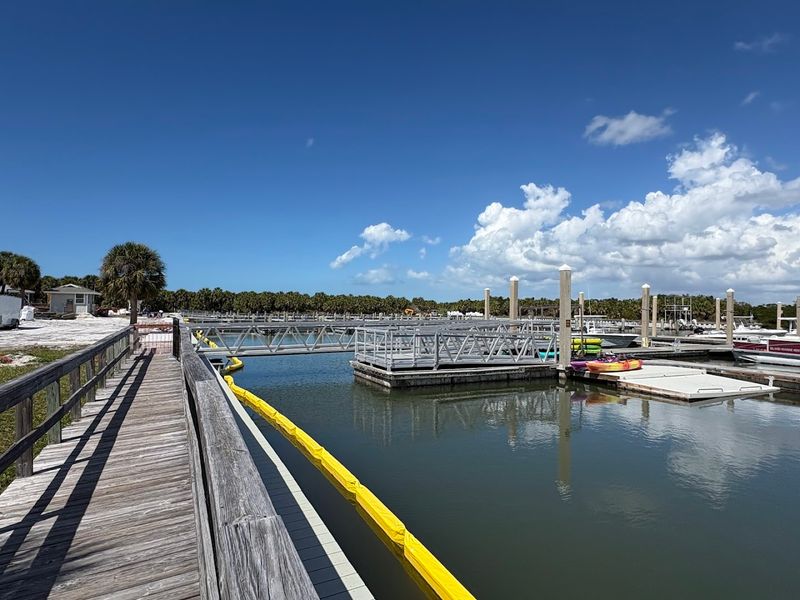
Scottish heritage runs deep in Dunedin, from the name itself to the annual Highland Games that bring bagpipes and kilts to the Gulf Coast. The downtown area buzzes with craft breweries—seriously, this small town punches way above its weight in the beer department. You can hop from taproom to taproom, sampling IPAs, stouts, and experimental brews while chatting with the folks who made them.
The Pinellas Trail cuts right through downtown, bringing cyclists and joggers through the heart of town. This converted railway corridor connects Dunedin to neighboring communities, but locals love the section that runs past breweries and cafes. You can rent bikes and cruise to the causeway, where the bridge leads to Honeymoon Island State Park.
Speaking of Honeymoon Island, the beach there rivals anything in the Caribbean—white sand, clear water, and actual elbow room to spread out your towel. Nature trails wind through coastal hammocks where gopher tortoises waddle across the path and ospreys nest in the pines. The dog beach section lets pups splash in the waves, creating a scene of pure canine joy.
Main Street hosts art festivals, farmers markets, and live music that spills from restaurant patios onto the sidewalks. The Toronto Blue Jays train here each spring, bringing baseball fans but never overwhelming the town’s laid-back personality. Local shops sell everything from vintage vinyl to handmade jewelry.
7. Sebring
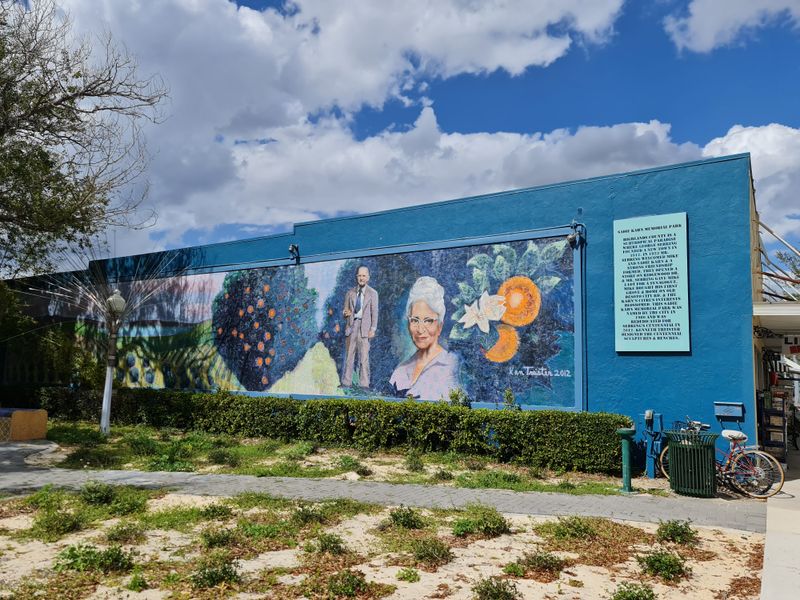
Race fans know Sebring for the legendary 12-hour endurance race, but the town itself deserves attention beyond race week. Downtown follows a unique circular design, with streets radiating from a central circle like spokes on a wheel. This 1920s planned community showcases Mediterranean Revival architecture that’s aged beautifully, with arcades providing shade for sidewalk strolling.
Lake Jackson forms the town’s liquid centerpiece, offering fishing, boating, and waterfront parks where locals gather for sunset. The lake’s irregular shoreline creates dozens of quiet coves perfect for kayaking or just floating on a lazy afternoon. Bass fishing here attracts serious anglers who appreciate waters that aren’t overrun with tourists.
The historic district preserves buildings from Sebring’s boom years, when developers envisioned a winter resort to rival Palm Beach. That vision never quite materialized, which turned out to be Sebring’s saving grace. Instead of high-rises and traffic, the town maintained a human scale where you can actually park and walk to everything.
Highlands Hammock State Park sits just outside town, protecting one of Florida’s last remaining old-growth forests. Boardwalks wind through ancient oaks and palms, and the loop drive takes you past alligator ponds and through shaded hammocks. The Civilian Conservation Corps built much of the park’s infrastructure in the 1930s, and those stone bridges and wooden shelters still stand strong.
8. Crystal River
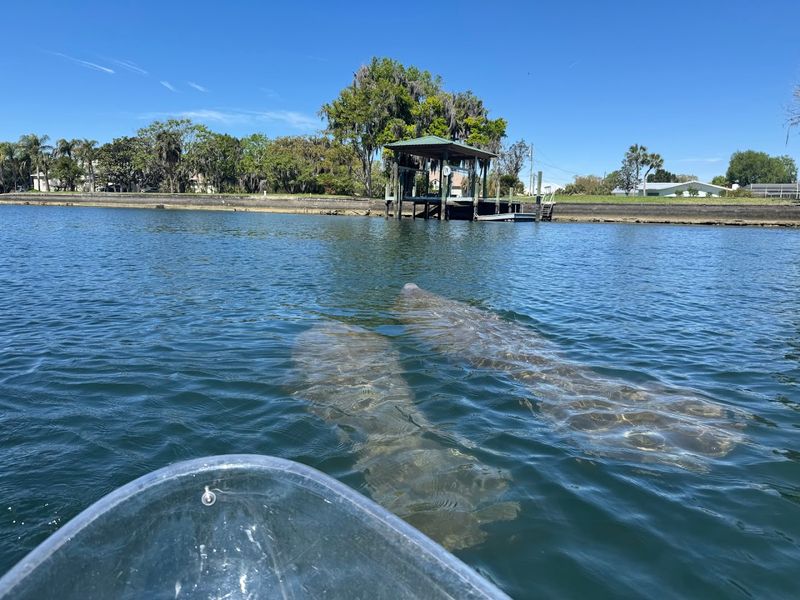
Manatees rule Crystal River, especially during winter months when hundreds of these gentle giants crowd into the warm spring waters. You can kayak, paddleboard, or snorkel alongside them in designated areas, coming face-to-face with creatures that seem impossibly calm and curious. The springs pump out 72-degree water year-round, creating a manatee magnet when Gulf temperatures drop.
Three Sisters Springs offers the clearest water and closest manatee encounters, though the park limits visitors to protect the animals during peak season. Booking ahead is essential, but floating in that crystal-clear water while manatees glide past makes any planning worthwhile. Local guides know where manatees hang out and how to approach respectfully without disturbing them.
Beyond manatees, Crystal River maintains an old Florida fishing village vibe. Seafood restaurants serve stone crab, grouper, and scallops to crowds of locals and in-the-know visitors. The waterfront area stays refreshingly low-key, with mom-and-pop motels and dive shops instead of resort towers.
You can rent a boat and explore the maze of channels and islands that make up this section of the Nature Coast.
Scalloping season brings a different kind of visitor—folks who wade the grass flats with nets, harvesting sweet bay scallops. The water stays shallow enough to stand, and finding scallops feels like an underwater Easter egg hunt. Restaurants will cook your catch, completing the hook-to-plate experience.
9. Tarpon Springs
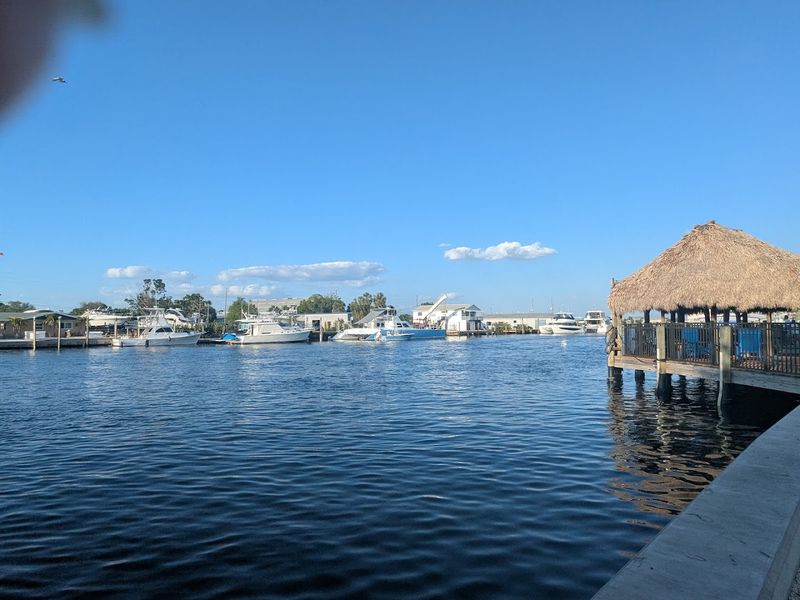
Greek culture saturates Tarpon Springs like olive oil on fresh bread. This Gulf Coast town became the sponge capital of the world when Greek divers arrived in the early 1900s, and their descendants still run many of the restaurants, bakeries, and shops along the sponge docks. The smell of grilled octopus and fresh baklava fills the air, and conversations in Greek echo from shop doorways.
Sponge diving boats bob in the harbor, and you can tour them to learn how divers once plunged to the seafloor in heavy suits and helmets. Natural sponges still hang in shop windows, though synthetic competition reduced the industry’s glory days. The history remains tangible, preserved in the architecture and traditions that make Tarpon Springs feel like a Greek island somehow transplanted to Florida.
Bakeries sell authentic Greek pastries—loukoumades drizzled with honey, spanakopita fresh from the oven, and cookies perfection that grandmothers would approve. Restaurants serve moussaka, souvlaki, and whole grilled fish that tastes like Mediterranean sunshine. The Epiphany celebration each January brings thousands to watch teenage boys dive for a cross thrown into the Spring Bayou, a tradition stretching back generations.
Beyond the Greek influence, downtown Tarpon Springs offers antique shops, art galleries, and the beautiful Spring Bayou where manatees often gather. The Pinellas Trail runs through town, connecting to miles of paved paths perfect for biking.
10. DeFuniak Springs
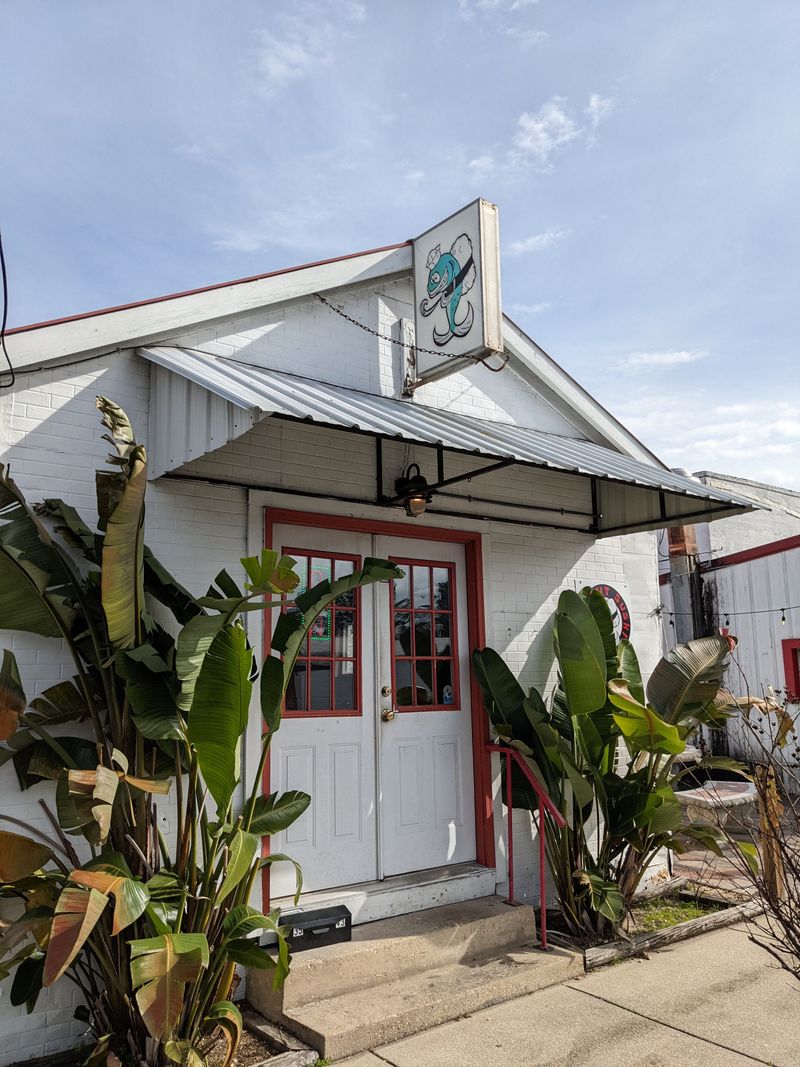
A perfectly round lake sits at the heart of DeFuniak Springs, one of only two naturally round lakes in the world according to local lore. Victorian homes circle this geological oddity, creating a scene that belongs on a postcard from 1890. The town grew up around the lake when the railroad came through, and the Chautauqua movement established a winter assembly here that brought culture and education to Northwest Florida.
The Walton-DeFuniak Library, Florida’s oldest library still in its original building, houses a collection that includes medieval armor and antique weapons alongside the books. The building itself showcases Romanesque Revival architecture that stands out among the Victorian neighbors. You can browse the collection and imagine when this library represented the cultural pinnacle of the region.
Walking around the lake takes about twenty minutes, passing grand old homes in various states of restoration. Some have been lovingly maintained, others await their turn for revival, but all contribute to the town’s time-capsule atmosphere. The lake itself offers fishing, and locals swear the bass here bite better than in more famous waters.
The Chautauqua Hall of Brotherhood still stands, hosting events and concerts that continue the tradition of bringing arts and education to the community. Antique shops downtown sell treasures from estates across the Panhandle, and you can find everything from vintage furniture to old farm tools. It’s quiet, unhurried, and genuinely charming.
11. Vero Beach
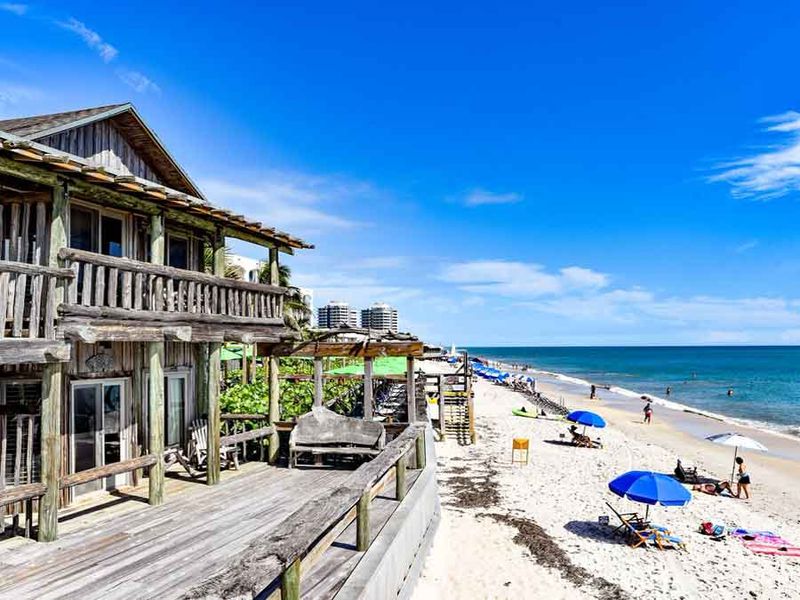
Vero Beach earned the nickname “where Old Florida still lives,” and it’s not just marketing speak. This barrier island town resisted the high-rise fever that infected much of Florida’s coast, keeping buildings low and beaches accessible. The result feels like stepping back to the 1960s, when beach towns meant cottages and mom-and-pop motels instead of condo towers.
The beach itself stretches wide and uncrowded, with sea oats waving from the dunes and loggerhead turtles nesting each summer. Lifeguards staff the main beaches, but you can find plenty of quiet stretches where your only company is pelicans and sandpipers. The waves here attract surfers when storms stir up the Atlantic, and the pier draws fishermen angling for whatever’s running.
Downtown Vero centers around Ocean Drive and the artsy district where galleries, boutiques, and restaurants occupy restored buildings. The Vero Beach Museum of Art showcases regional and national artists, and the Riverside Theatre brings professional productions to a town this size has no business supporting—but does anyway. Friday nights feature art walks when galleries stay open late and wine flows freely.
McKee Botanical Garden preserves eighteen acres of tropical paradise, with waterfalls, koi ponds, and plant collections that bloom year-round. The property once served as a tourist attraction in the 1930s, fell into neglect, then was restored to its former glory. Walking the shaded paths feels like discovering a secret Eden.