12 Breathtaking Florida Campgrounds Perfect for Stargazing
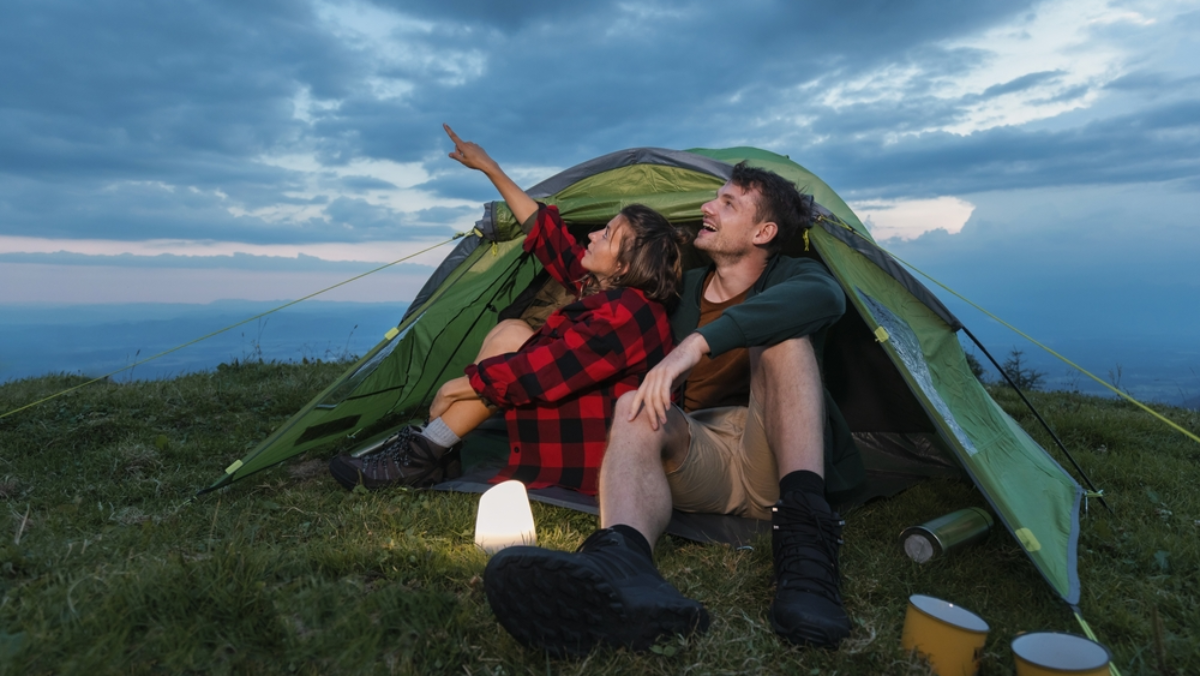
Florida might be famous for its theme parks and beaches, but it also hides some of the darkest, most magical night skies in the country. Away from city lights, you can camp under blankets of stars, spot the Milky Way, and even catch meteor showers.
Whether you prefer island beaches, wild swamps, or quiet forests, these campgrounds offer unforgettable stargazing adventures for families, friends, and solo explorers alike.
1. Kissimmee Prairie Preserve State Park (Okeechobee)
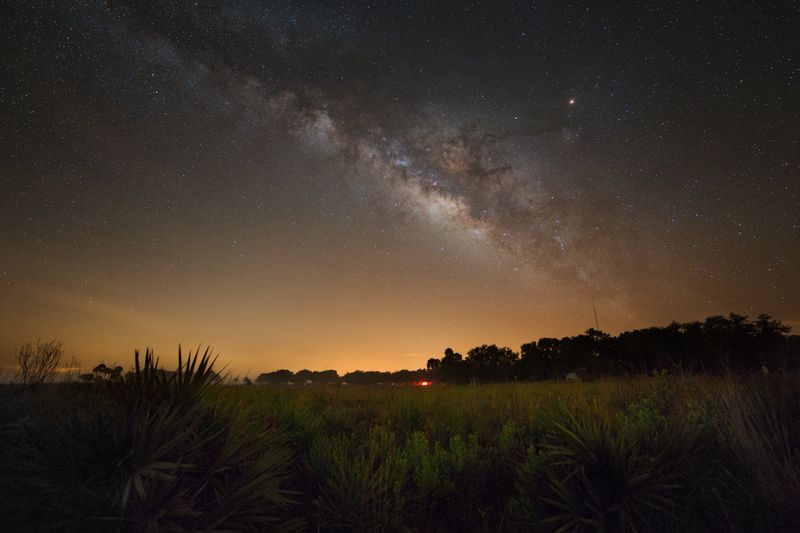
Recognized as Florida’s first official Dark Sky Park, this preserve takes stargazing seriously. The wide-open prairie landscape means zero trees blocking your view and almost no artificial light anywhere nearby.
Hundreds of stars become visible once your eyes adjust to the darkness. Campers often see the Milky Way stretching across the entire sky like a glowing river.
Bring a blanket, lie back, and prepare to feel tiny beneath the universe. Rangers sometimes host special astronomy programs during peak meteor showers, making your visit even more memorable and educational.
2. Big Cypress National Preserve (South Florida)
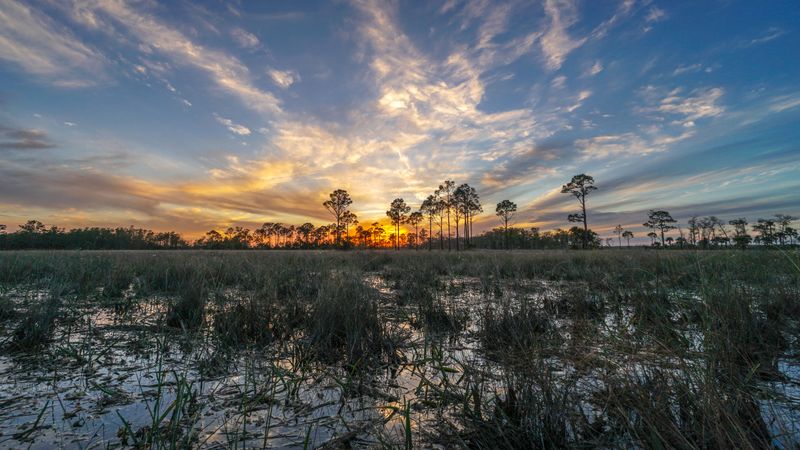
This remote swamp preserve earned official Dark Sky status thanks to its isolation and natural beauty. Several front-country campgrounds let you pitch your tent right where the stars shine brightest without needing serious backcountry skills.
Cypress trees frame the sky in mysterious silhouettes while frogs and insects provide a nighttime soundtrack. The lack of nearby cities means constellations pop out vividly, even for beginners.
Alligators live here, so always stay alert near water after dark. Still, the combination of wilderness and celestial wonder makes this spot absolutely worth the adventure for brave stargazers.
3. Dry Tortugas National Park (off Key West)
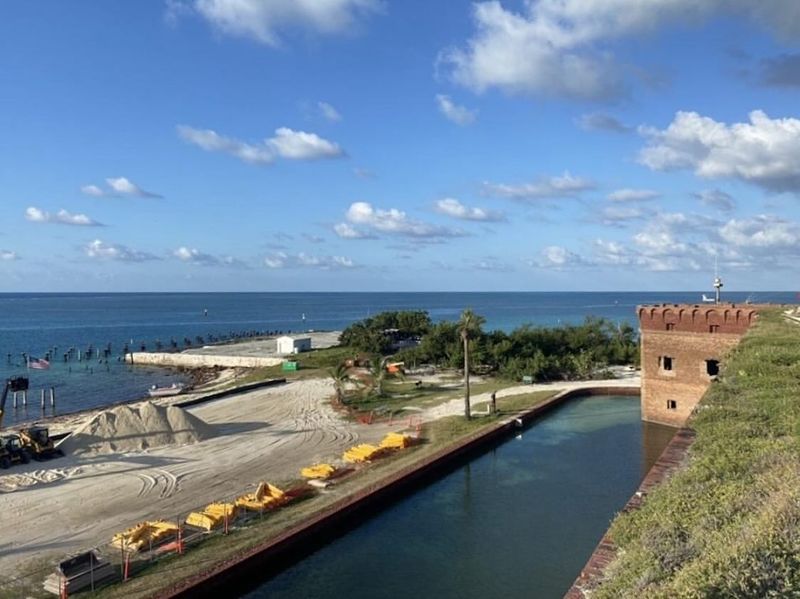
Accessible only by boat or seaplane, this island park feels like stepping into another world entirely. Empty beaches stretch endlessly, and the wide-open sky meets the ocean horizon in every direction.
With zero light pollution from nearby towns, the stars appear unbelievably bright and plentiful. You can watch satellites glide overhead while waves gently crash nearby, creating a magical sensory experience.
Camping spots fill up fast, so book months ahead. The journey might be challenging, but stargazing from this isolated paradise makes every bit of planning completely worthwhile for dedicated astronomy lovers.
4. Bald Point State Park (Florida’s Forgotten Coast)
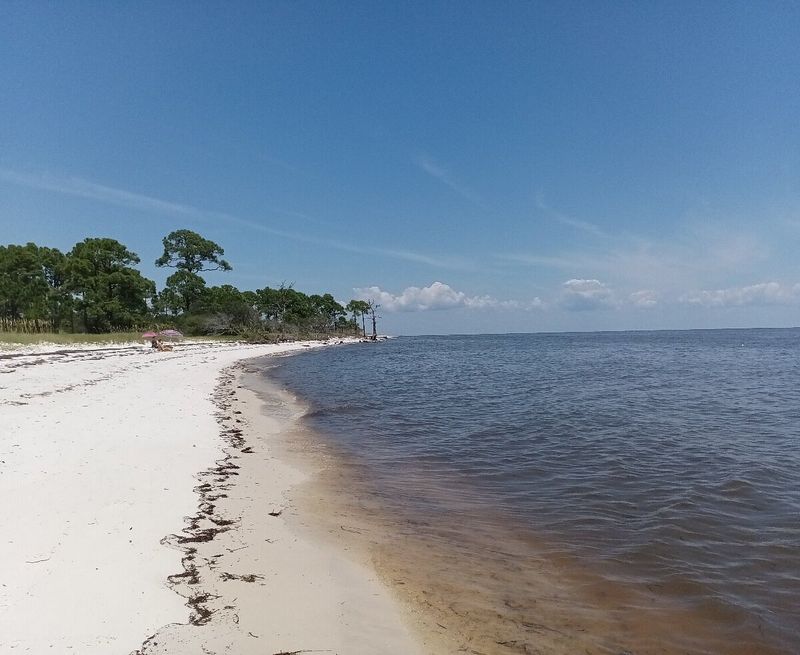
Tucked away on Florida’s Forgotten Coast, this quieter beach-camping option delivers horizon-wide star views without the crowds. Minimal light pollution means constellations shine brilliantly from dusk until dawn.
The park sits where Ochlockonee Bay meets Apalachee Bay, giving you water views in multiple directions. Stars reflect off the calm surfaces, doubling the beauty and creating stunning photo opportunities.
Pack binoculars or a small telescope to enhance your experience, and watch shooting stars streak across the Gulf Coast sky regularly throughout the summer months.
5. Bahia Honda State Park (Florida Keys)
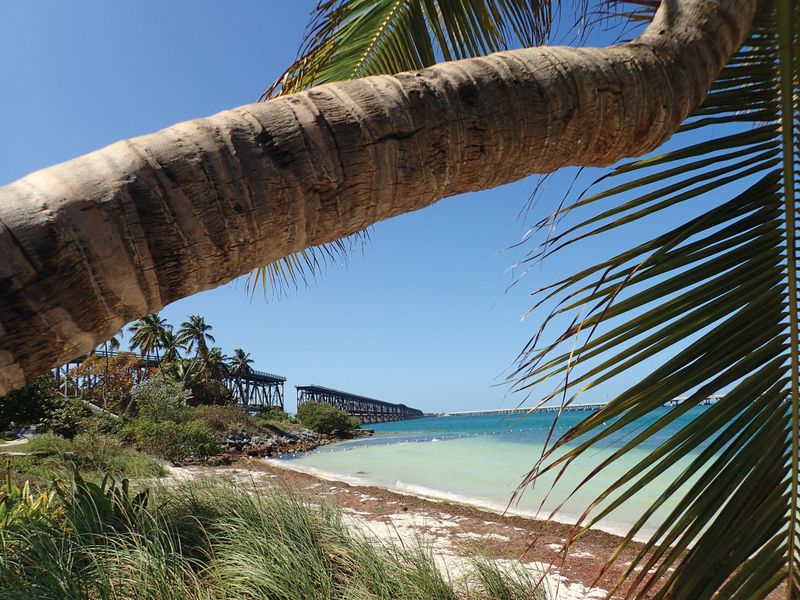
Camping right on the sand creates a unique seaside stargazing scene you won’t forget. Gorgeous night skies stretch endlessly over turquoise water, and the sound of gentle waves adds peaceful ambiance to your celestial observations.
This park combines tropical beauty with surprisingly dark skies for being relatively close to civilization. Constellations appear vivid, and the Southern Cross becomes visible during certain seasons.
Snorkeling by day and stargazing by night makes this campground perfect for adventurous families. Reserve campsites early, as this popular destination books up during winter and spring break, when weather conditions are ideal for outdoor activities.
6. Everglades National Park (South Florida)
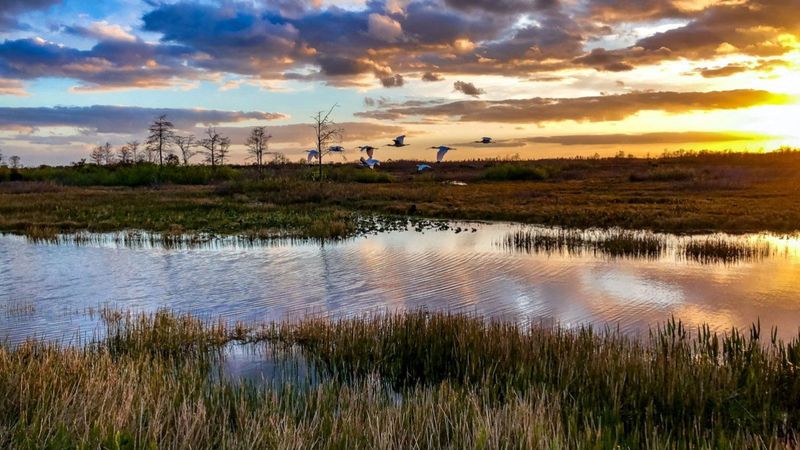
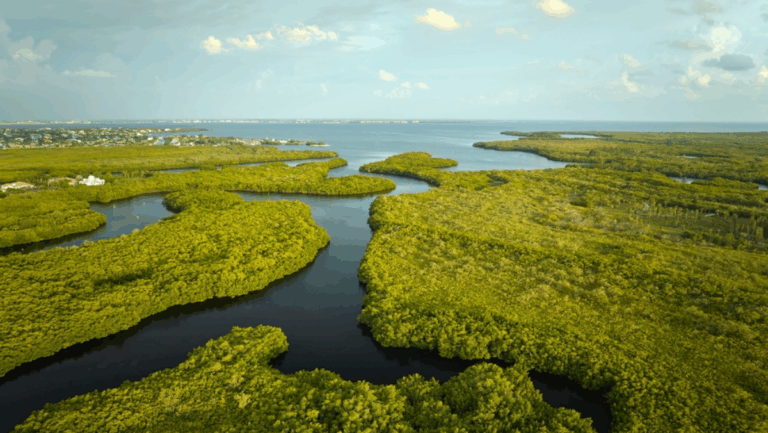
Vast, wild, and remote describe this legendary park perfectly. Deep in subtropical terrain, you can camp beneath skies so dark that the Milky Way appears almost three-dimensional.
Multiple campgrounds offer different experiences, from coastal sites to inland prairies surrounded by sawgrass. Wildlife sounds fill the air after sunset, reminding you that nature thrives here day and night.
Winter months bring cooler temperatures and fewer mosquitoes, making stargazing far more comfortable. Bring insect repellent regardless, and prepare for an unforgettable wilderness experience where stars outnumber people by millions.
7. St. George Island State Park (North Florida)
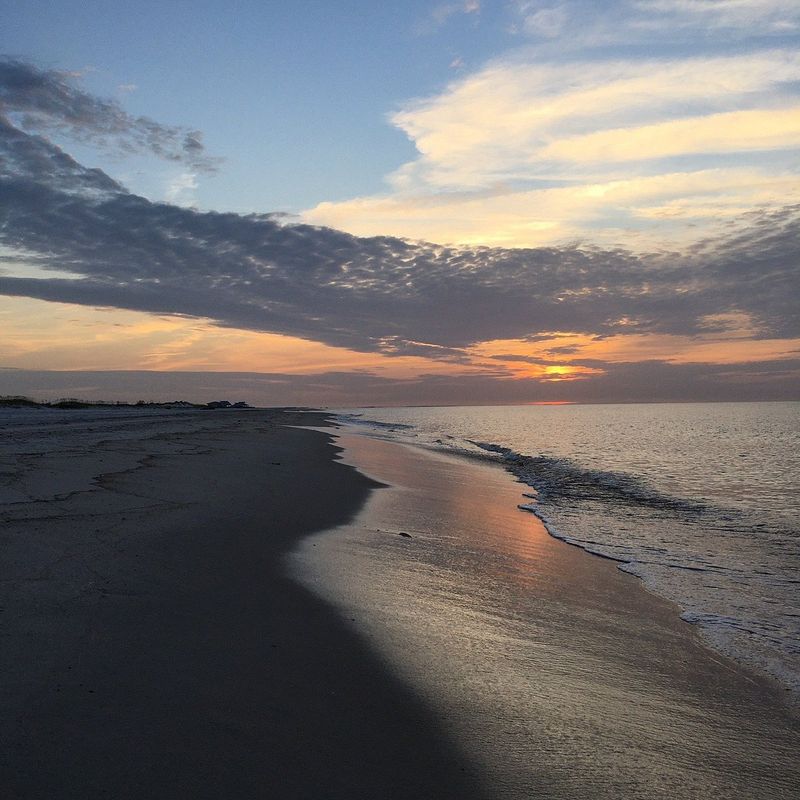
A barrier-island campground with very low light interference makes this spot ideal for serious stargazers. Wide Gulf-facing views of the night sky mean nothing blocks your sightline from horizon to horizon.
The island’s remote location keeps artificial lights minimal, so stars shine brilliantly even during summer tourist season. Campers often spot planets like Jupiter and Venus with their naked eyes.
Beachcombing by day transitions perfectly into constellation hunting after dark. Bring a star chart or download a sky-mapping app to identify what you’re seeing.
8. Ocala National Forest (Central Florida)
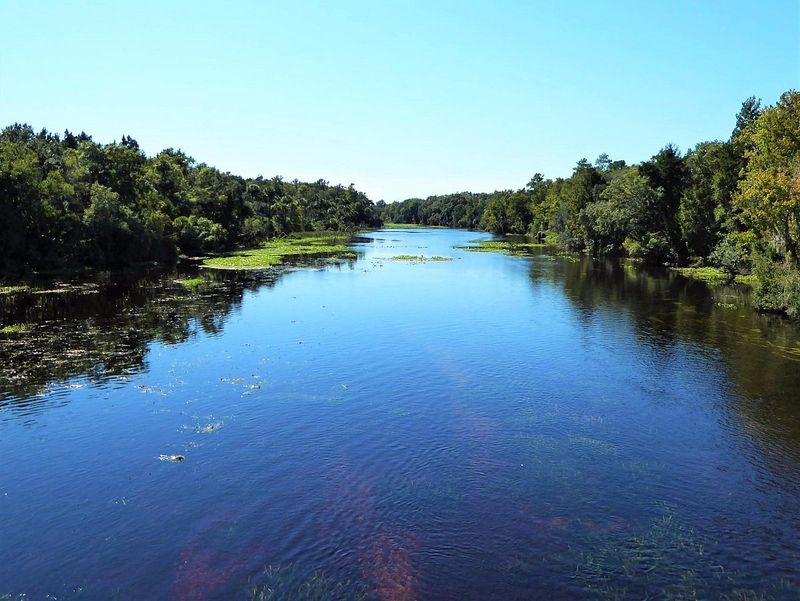
Generous forested campground areas provide remote clearings that give dramatic night-sky visibility inland. Tall pines surround these openings, framing the stars like natural picture frames.
Being away from coastal humidity often means clearer skies here compared to beach locations. Multiple campgrounds scattered throughout the forest let you choose your preferred level of solitude and amenities.
Spring and fall offer the best stargazing conditions with comfortable temperatures and lower bug populations. Campfires are allowed in designated areas, so you can enjoy crackling flames while watching constellations slowly rotate overhead.
9. Sebastian Inlet State Park (East Coast)
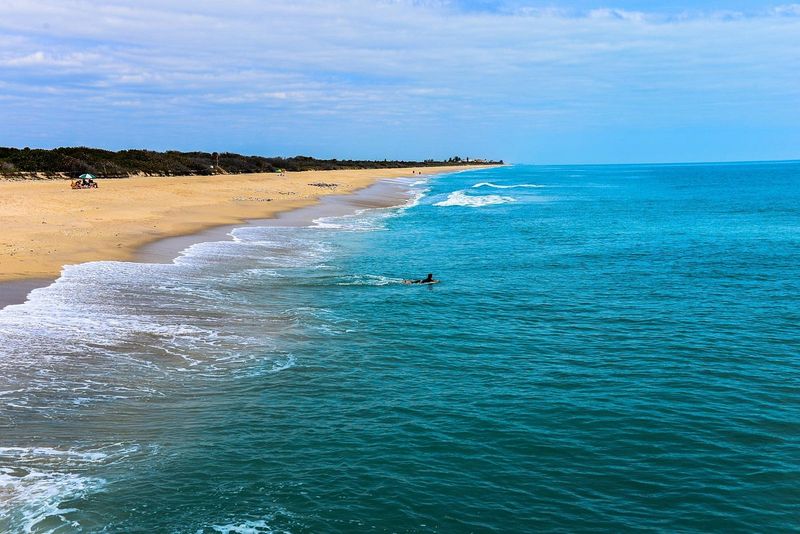
Beach camping with surf by day and brilliant skies by night creates the perfect combination. This park lets you enjoy coastal luxury while watching stars emerge as darkness falls over the Atlantic.
Surfers love this spot, but stargazers appreciate it equally once the sun sets. The rhythmic sound of waves provides natural white noise while you scan the heavens for shooting stars and satellites.
Light from nearby towns exists but remains minimal enough for excellent viewing. Bring a beach chair, face eastward over the ocean, and watch constellations rise from the water. Summer meteor showers become especially spectacular when viewed from this beautiful coastal campground.
10. Cedar Key Scrub State Reserve (Gulf Coast)
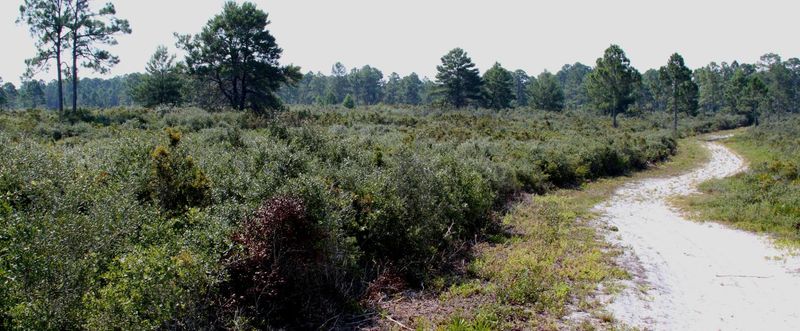
Quiet and off-the-grid perfectly describe this hidden gem. Scrub-flat skies mean wide-open views with minimal nearby urban light interference, creating ideal conditions for amateur astronomers.
The reserve protects rare scrub habitat, and camping here feels truly remote despite being reasonably accessible. Stars appear incredibly numerous once full darkness arrives around the campground.
Facilities remain basic, so come prepared with all necessary supplies and equipment. The trade-off is spectacular solitude and some of the darkest skies on Florida’s Gulf Coast.
11. St. Marks National Wildlife Refuge (Big Bend)
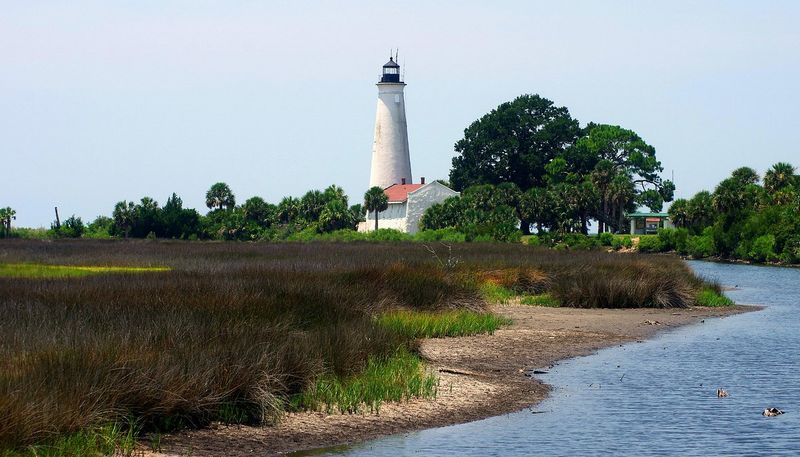
Wide marshlands provide excellent horizons for watching meteor showers or the Milky Way. Campgrounds near the coast offer unobstructed views where sky meets water in dramatic fashion.
This refuge attracts birdwatchers during the day, but nighttime brings equally impressive celestial shows. The flat terrain means nothing blocks your sightline in any direction you look.
Wildlife remains active after dark, so you might hear owls hooting or see raccoons exploring nearby. Bring layers since coastal breezes can turn chilly even during warmer months.
12. Fort Pickens National Park (Pensacola Beach)
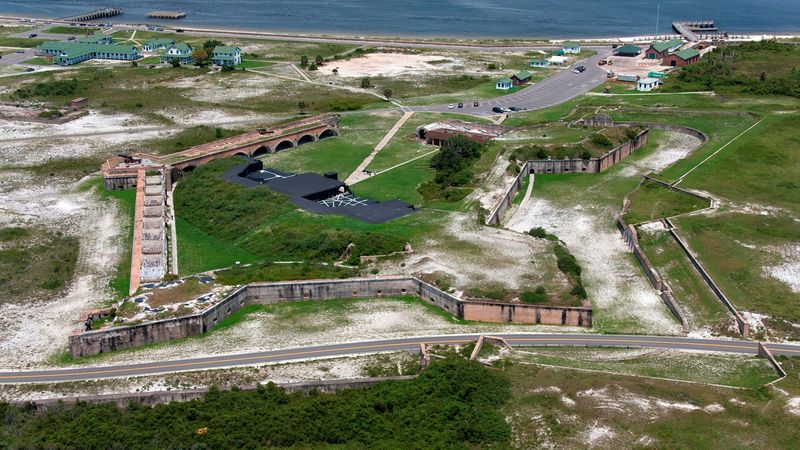
A coastal campground on Santa Rosa Island offers beachside star-filled nights when city lights are far away. Historic fort ruins add mysterious silhouettes against the glowing sky.
White sand beaches stay relatively empty after sunset, giving you plenty of private space for stargazing. The Gulf of Mexico stretches endlessly southward, creating unobstructed views toward the horizon.
Summer brings warm temperatures perfect for late-night constellation hunting without needing heavy jackets. Dolphins sometimes swim near shore during evening hours, adding extra magic to your camping experience.