12 Powerful Black Heritage Sites to Visit in Jacksonville, Florida
Jacksonville’s story isn’t just written in sand and sunshine—it’s sung, marched, built, and boldly claimed in neighborhoods like LaVilla and Durkeeville.
This is a city where the anthem “Lift Ev’ry Voice and Sing” took root, where civil rights leaders organized for change, and where Black artists, entrepreneurs, and faith communities shaped the heartbeat of Florida’s First Coast.
Whether you’re craving museum-grade history, meaningful memorials, or places that still feel alive with community pride, these stops deliver.
From a historic theater that once drew national talent to sacred spaces that anchored the movement, here are 12 Black cultural heritage sites in Jacksonville that deserve a spot on your itinerary.
1. Ritz Theatre & Museum (LaVilla)
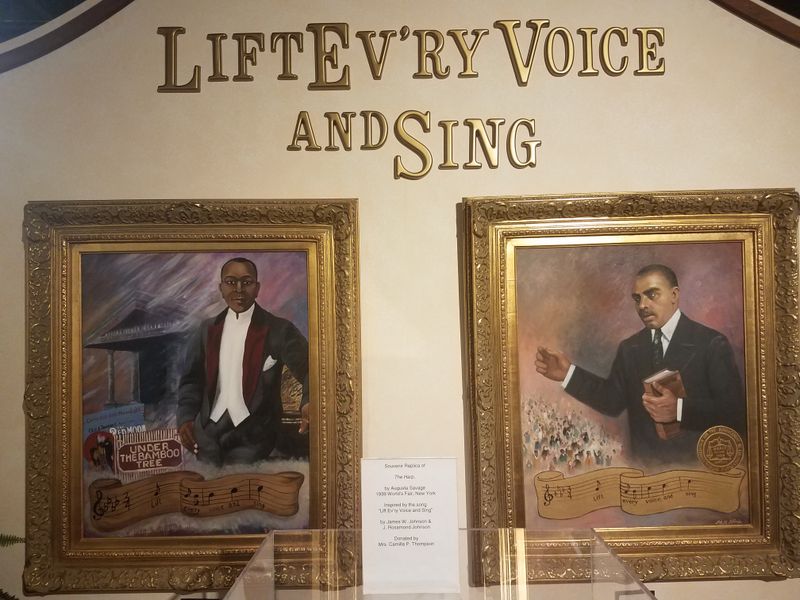
Start at the Ritz, LaVilla’s heartbeat for storytelling and performance. Galleries spotlight African American life in Northeast Florida while the stage keeps music and theater current.
You feel the Chitlin Circuit echoes in the lobby, then step into exhibits that bridge legends with neighborhood memory.
Time your visit for a matinee or evening show so the building’s neon and energy do double duty. The museum side is compact but dense, great for a focused hour.
Staff often share practical tips for nearby LaVilla stops, making the Ritz a perfect launchpad.
Parking is straightforward on adjacent streets, and the surrounding blocks photograph beautifully at dusk. Bring questions about LaVilla’s “Harlem of the South” era to deepen conversations.
If you are building a one day route, pair the Ritz with Lift Ev’ry Voice and Sing Park, then roll into James Weldon Johnson Park downtown.
2. LaVilla neighborhood (self-guided walk)
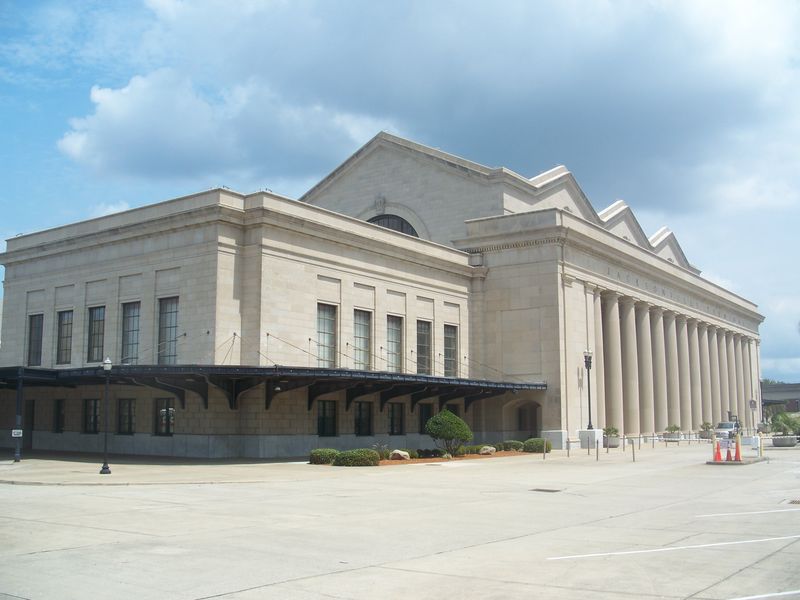
LaVilla rewards slow walking. Trace blocks where Black-owned clubs, hotels, and businesses once pulsed, then compare what stands today.
You will spot markers, murals, and preserved facades that sketch a then versus now timeline without needing a formal tour.
Build a loop from the Ritz to Lift Ev’ry Voice and Sing Park, detouring past remaining storefronts and rail-adjacent streets. Keep older photos on your phone to frame shot-for-shot comparisons.
The contrast is compelling and instructive, especially near vacant lots that once held major venues.
Morning light is best for photos and cooler temps. Hydrate, wear comfy shoes, and expect limited shade.
When you are ready for a break, head a few blocks east toward Downtown for coffee and restrooms, then circle back to catch afternoon glow on brick textures that tell LaVilla’s resilient story.
3. Lift Ev’ry Voice and Sing Park (LaVilla)
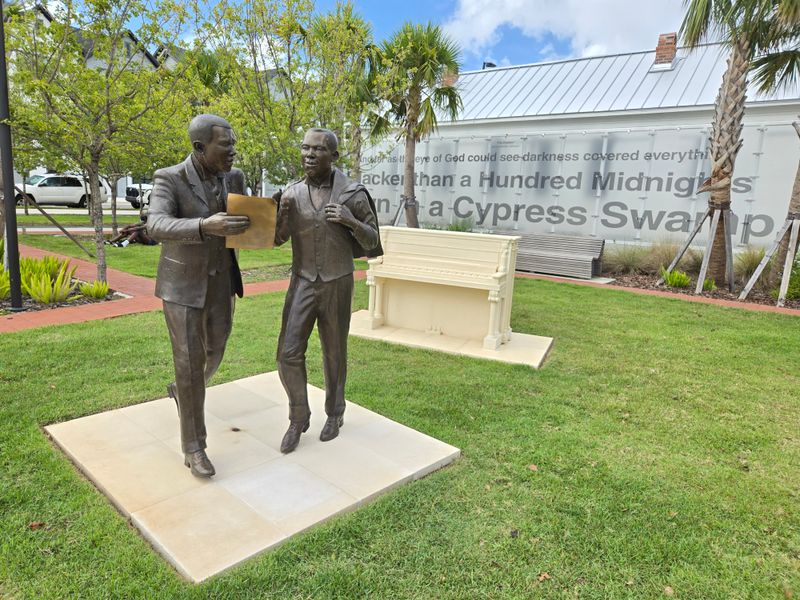
This small but mighty park honors the Johnson brothers and the song that still moves crowds. You will find landscaped pathways, artful seating, and interpretive elements that invite a quiet pause.
It is a space designed for reflection and community, not just a quick selfie.
Read the panels slowly, then sit and listen to the neighborhood soundscape. The surrounding streets help contextualize why LaVilla nurtured creativity.
Bring headphones to play your favorite rendition and feel the lyrics land with place-based meaning.
Early evening is lovely here, when temperatures dip and locals stop by. Pair the visit with the nearby Ritz and a walk through historic blocks for a fuller picture.
If traveling with kids, give them a simple mission count sculptures, find quotes, retell the story in their own words to make the stop interactive and memorable.
4. Stanton School / Stanton College Prep (historic Stanton site)
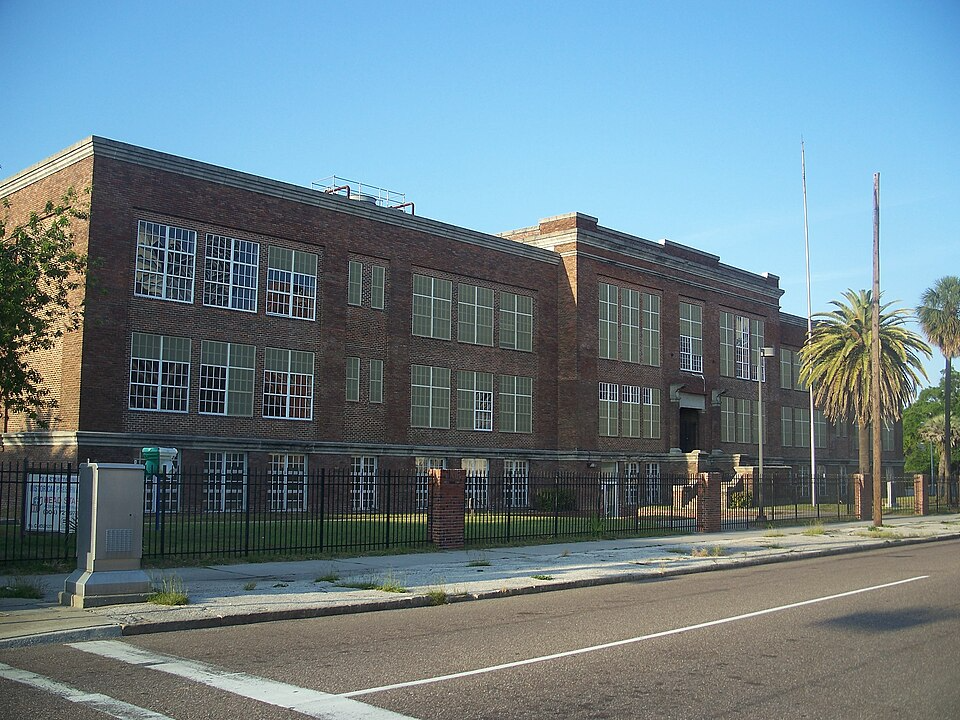
Stanton connects classroom to anthem. Students first performed Lift Every Voice and Sing here in 1900, a detail that turns a campus visit into living context.
You will not need long on site, but a measured walk around the exterior and any available markers is powerful.
Check the school calendar before you go, since this is an active campus. Aim for weekends or off hours and keep visits discreet and respectful.
Pair the stop with the park in LaVilla to complete the loop from composition to performance.
Bring a small notebook for reflections or lyrics that resonate. Architecture fans will appreciate the traditional brickwork and symmetry.
If you are collecting audio memories, record a short voice note right outside the gate, then save it alongside photos so the moment does not become just another pin on your map.
5. James Weldon Johnson Park (Downtown)
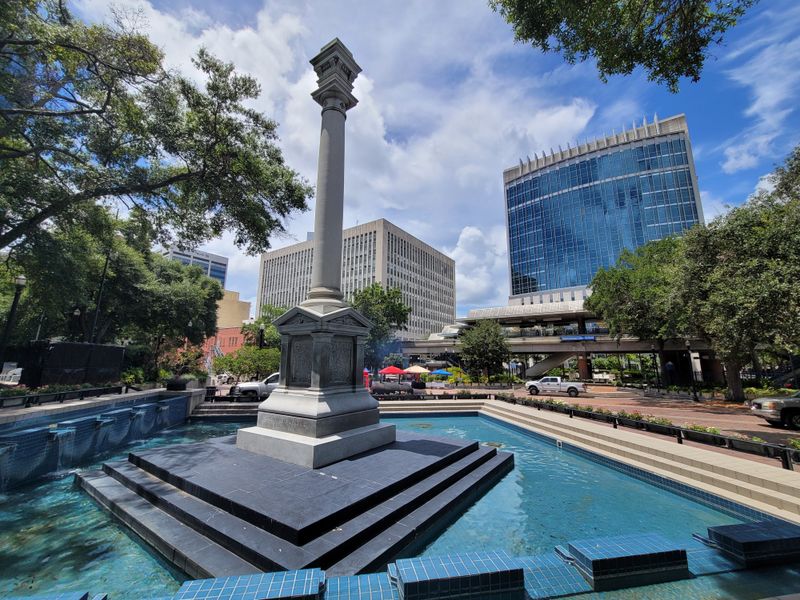
Downtown’s central green has layers. Formerly Hemming Plaza, it hosted pivotal 1960 civil rights demonstrations and still serves as a civic stage.
You will likely catch live programming or food trucks, but the deeper story sits in the name and the gathered memories.
Walk the perimeter to read plaques and scan QR codes if available. Nearby streets hold additional context through public art and government buildings.
Midday brings bustle, while early morning offers the best chance for quiet contemplation and uncluttered photos.
Use the park as a reset between LaVilla and the riverfront. Restrooms and coffee are close, making this a logistical anchor.
If you journal your trips, note how the space functions today compared to its civil rights role, then decide whether to return at sunset when the skyline warms and the plaza feels newly charged.
6. Bethel Baptist Institutional Church (The Bethel Church)
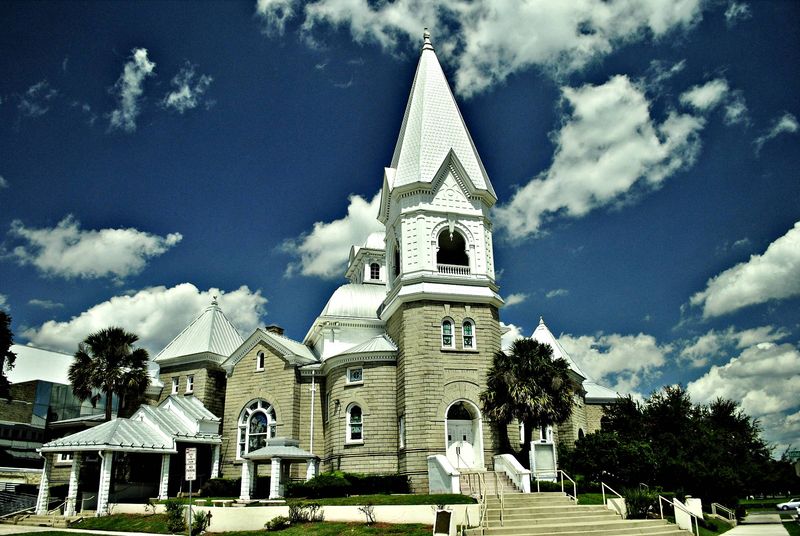
Bethel Baptist Institutional Church anchors Downtown’s spiritual and civic narrative. Recognized within the National Park Service’s African American Civil Rights Network, it blends sacred space with movement history.
You feel the timeline in the brick, the steps, and the quiet just before services begin.
Call ahead to ask about tours or public visiting windows. If attending worship, dress modestly and arrive early to settle in respectfully.
Outside, frame photos to include stained glass and steeple details that tell their own story.
Use this stop to talk about strategy, organizing, and courage with your travel crew. Then pivot a few blocks to James Weldon Johnson Park to see how faith spaces and public squares intertwined.
Street parking is typically manageable on weekends, and nearby cafes make it easy to debrief over coffee while your notes are still fresh.
7. Eartha M.M. White Historical Museum (Clara White Mission)
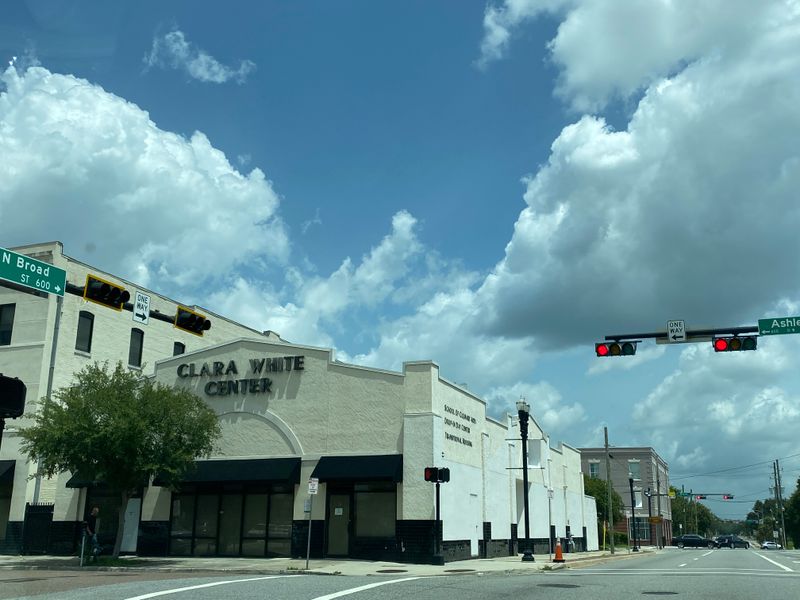
Inside the Clara White Mission, this intimate museum spotlights Eartha M.M. White’s life of service and community building.
Rooms are packed with artifacts, photographs, and personal effects that make her story feel close. You will leave with a sharper picture of Jacksonville’s mutual aid tradition.
Check hours in advance and be ready for a guided feel, even when exploring independently. Staff and volunteers are generous with context, so ask questions.
The mission’s ongoing programs add a present tense to the history, which keeps the visit grounded and human.
Photography etiquette applies, so confirm before shooting. Budget 45 to 60 minutes, then walk a short distance for lunch nearby.
If you track your route, this is a natural midpoint day brightening stop, a reminder that heritage is not only preserved in glass cases but actively lived through service.
8. Historic Mount Olive AME Church (East Jacksonville)
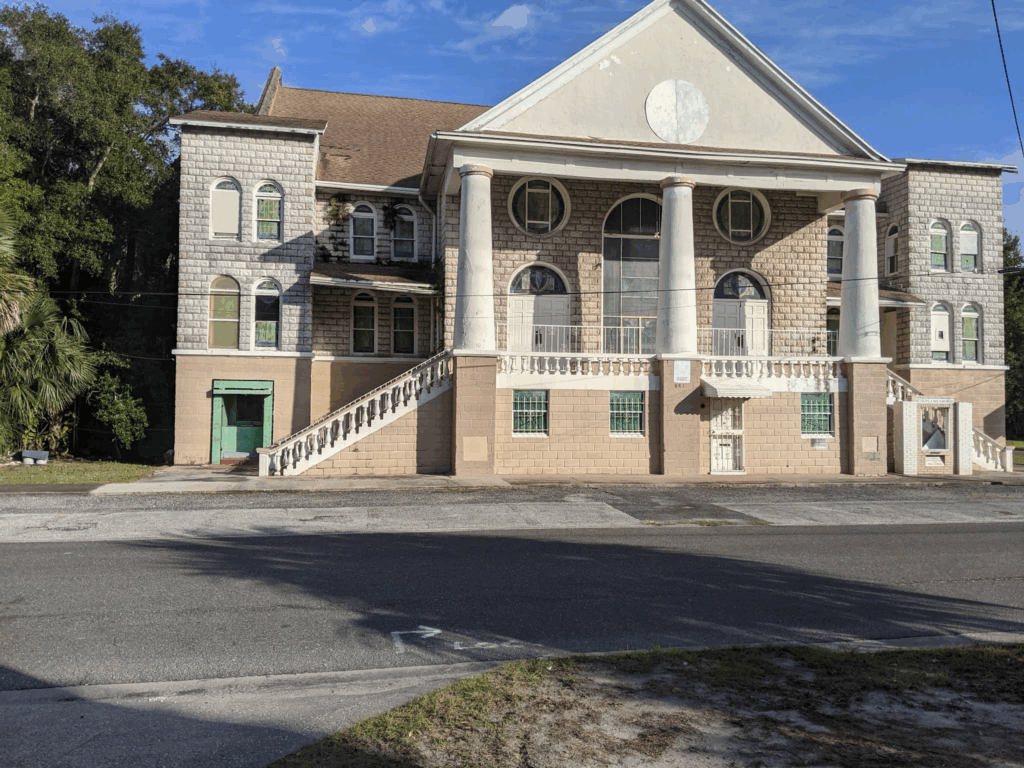
Mount Olive AME carries East Jacksonville’s faith heritage with quiet strength. Established in 1887, the current 1922 church links to pioneering Black builder and designer Richard L.
Brown. You will notice craftsmanship in brick bonds, windows, and the overall composition from the sidewalk.
Visits are best timed outside service hours. Call ahead if you hope to see the interior or learn more about preservation.
Even a brief exterior stop adds architectural balance to a history heavy itinerary, especially after museums and parks.
Combine this with a short drive through surrounding blocks to sense neighborhood context. Photograph from across the street for a clean elevation shot.
If you keep a running map, tag this as architecture plus community continuity, a place where lineage is not theoretical but present in weekly gatherings and the sound of doors opening on Sunday morning.
9. Durkeeville Historical Society & Museum (Durkeeville)
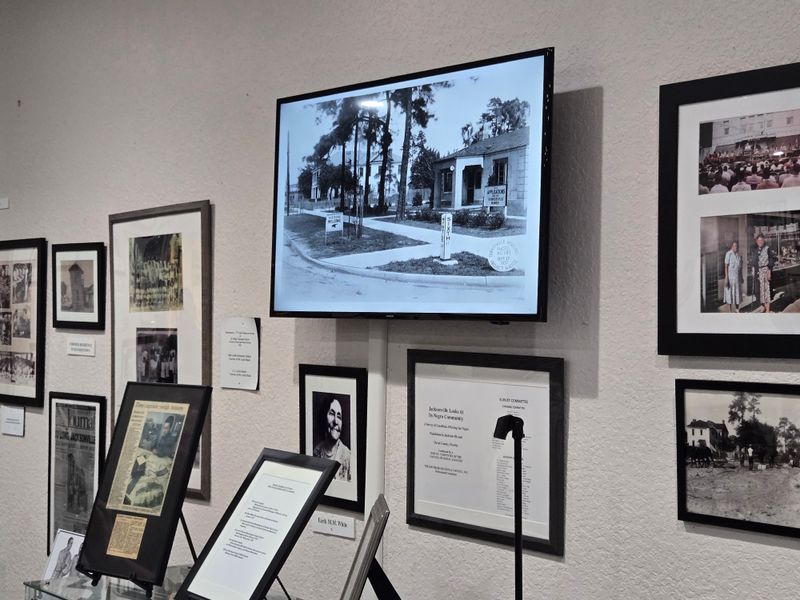
Durkeeville’s museum is grassroots in the best way. Exhibits center neighborhood history, sports heroes, schools, and everyday life that larger institutions often skip.
You will get dates and names, sure, but also porch stories that fill the gaps between headlines.
Hours can be limited, so confirm before driving over. Expect enthusiastic docents who gladly point you to street corners and homes that extend the story outdoors.
Bring small bills for donations or locally produced materials, which help sustain community archiving.
Plan this stop before or after a Durkeeville drive so context stays fresh. If you collect oral histories, ask permission to record short snippets.
The museum’s scale keeps visits efficient about 45 minutes yet impactful, making it a reliable addition to a day that also includes cemeteries, churches, and LaVilla’s cultural mile.
10. Durkeeville neighborhood (heritage drive/walk)
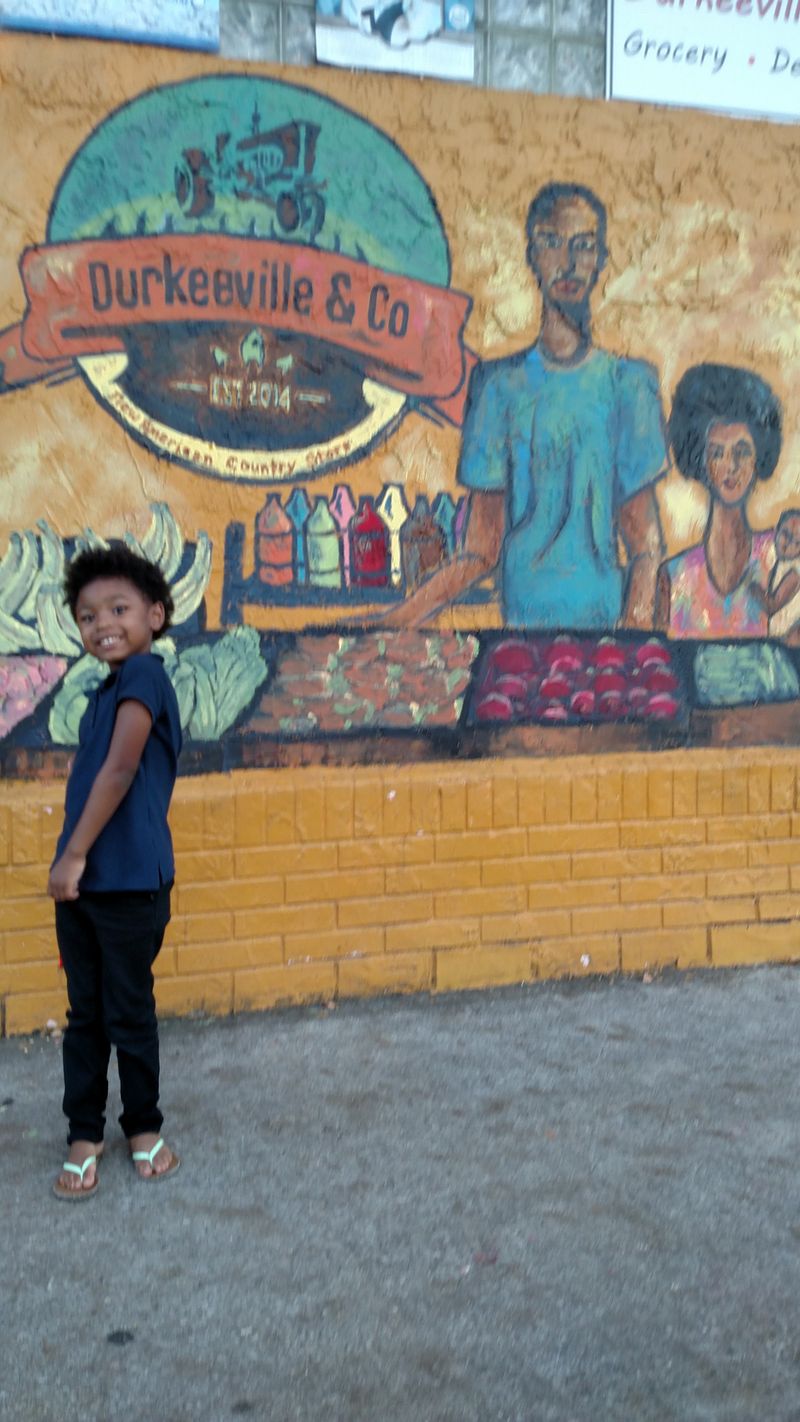
Durkeeville shines when you slow down. Cruise tree lined streets, then park to walk for murals, historic homes, and corner stores that still anchor routines.
Post Civil War roots run deep here, and you can sense the layers in school sites, churches, and community fields.
Use the museum as your briefing, then build a loop along main corridors with detours on quieter blocks. If you see neighbors on porches, a friendly hello often leads to added context.
Respect privacy and avoid photographing people without permission.
Late afternoon gives warm light and activity without intense heat. Grab snacks from a local spot to keep things casual and grounded.
When you are done, read your notes out loud in the car, connecting addresses to names while details are fresh, the best trick for turning a drive into a memorable field study.
11. Historic Old City Cemetery – Freedmen’s Cemetery / Duval Colored Cemetery section
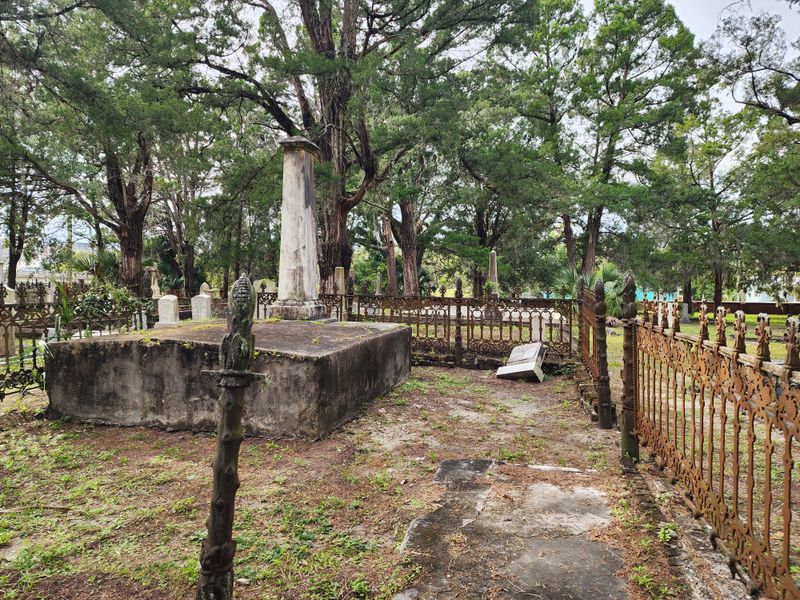
Old City Cemetery is sobering and essential. Seek the sections associated with Freedmen and Black civic leaders, where dates and inscriptions offer a direct line to Reconstruction era lives.
Move slowly, read carefully, and let the landscape set the pace.
Wear closed toe shoes and watch footing around uneven ground. Mornings avoid heat and provide even light for respectful photography.
Avoid leaning on stones and never do rubbings, which can damage fragile markers.
Bring a small bouquet or moment of silence, whatever honors feels right. Pair the visit with nearby archives or the Durkeeville museum to connect names across sources.
If you track genealogies, note plot numbers and spellings exactly, then follow up later online to expand stories beyond a single inscription and keep memory in motion.
12. Kingsley Plantation (Timucuan Ecological & Historic Preserve, Fort George Island)
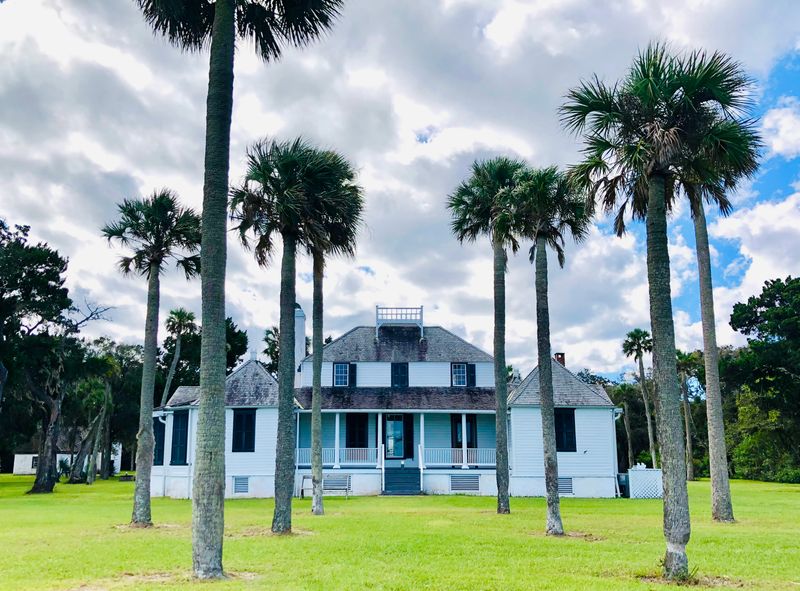
Make time for Kingsley. The preserved tabby quarters form one of the most extensive collections in the country, and walking their arc reshapes abstract history into spatial understanding.
You will hear wind through moss and footsteps on shell aggregate, details that stay with you.
Stop by the visitor contact area first for orientation and maps. Paths are flat, but sun exposure is real bring water, hat, and time.
The drive out across marsh and maritime forest also reframes the plantation’s isolation and scale.
Do the quarters before the house to prioritize the narrative properly. Then linger at interpretive panels that discuss labor, family, and resilience.
If you photograph, compose wide shots that show relationships between structures, not just pretty trees, turning your camera into a tool for clarity rather than decoration.