12 Things First-Time Visitors Should Know Before Traveling to Florida
Florida looks like an easy win: sunshine, beaches, a theme park or two, maybe a cute coastal town.
Then reality shows up—an afternoon thunderstorm that dumps buckets in 12 minutes, a toll road that’s cashless, and humidity that makes your “cute outfit” feel like a sauna uniform.
The good news? Florida is ridiculously fun once you know how it works.
A few local-style adjustments—when you drive, how you pack, where you swim, what you budget for—can turn a chaotic trip into a smooth one.
Here are 12 things I’d tell a friend before they come down, so you spend less time troubleshooting and more time actually enjoying the state.
1. Florida is not one climate
Step off a plane in Miami and you’ll think Florida is permanently set to “tropical.” Drive north to Jacksonville or the Panhandle in winter and you’ll meet mornings that feel legitimately chilly, plus breezy beach nights that can surprise you.
Even in warm seasons, indoor air-conditioning is aggressive—restaurants and museums love turning the thermostat into a personality trait.
Pack with layers in mind: a light jacket or long-sleeve for evenings, and a thin rain shell that won’t roast you. Also, the gulf side and Atlantic side behave differently; sea breezes can cool things down fast, but they can also trick you into underestimating sun exposure.
Treat Florida like a state with mini-regions, not a single weather app icon, and you’ll be comfortable everywhere from St. Augustine to the Keys.
2. Plan around hurricane season and daily summer storms
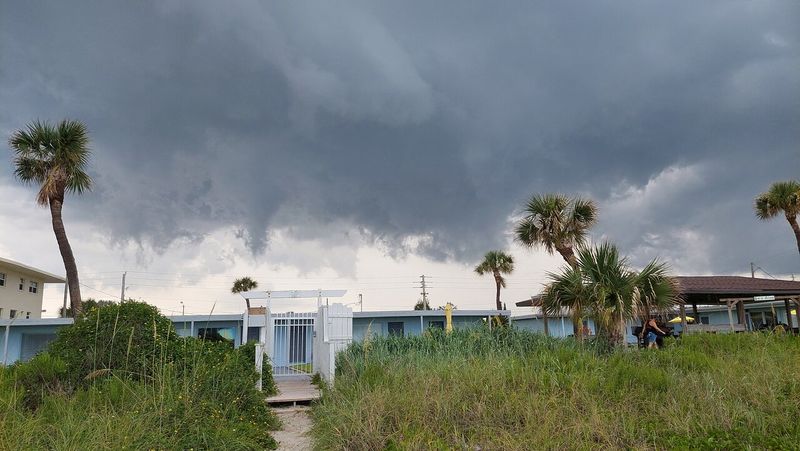
Between late summer and early fall, the forecast can go from “blue skies” to “why is the sky angry?” with little warning.
Hurricanes aren’t a guaranteed trip-ruiner, but the ripple effects are real: flight disruptions, park closures, tour cancellations, and beaches shut down due to surf.
Build flex into your itinerary by scheduling your “must-do” activities earlier in the trip, keeping one or two swap-friendly days, and booking tours with clear reschedule policies.
In summer, the daily thunderstorm is basically a recurring appointment—often mid-to-late afternoon—so do outdoor stuff in the morning and save museums, shopping, long lunches, or pool time for later.
If lightning starts popping, take it seriously; Florida doesn’t play around with that. Plan smart and the weather becomes a plot twist, not a tragedy.
3. Humidity changes everything

Heat in Florida isn’t just a number; it’s a full-body experience. Humidity turns a short walk into a glow-up you didn’t ask for, and it can sneak up on you even when it’s “only” warm.
Choose breathable fabrics that dry fast, and don’t be shy about changing shirts midday—locals do it, they just call it “being practical.”
Hydration matters more than you think, especially if you’re mixing beaches, theme parks, and cocktails. Add electrolytes if you’re sweating a lot; plain water sometimes isn’t enough.
The move is to pace your day like a Floridian: bursts of outdoor time, then a cool-down inside. You’ll enjoy more and complain less.
Also, if you wear glasses, bring a microfiber cloth. Fog is part of the lifestyle.
4. The sun is intense year-round
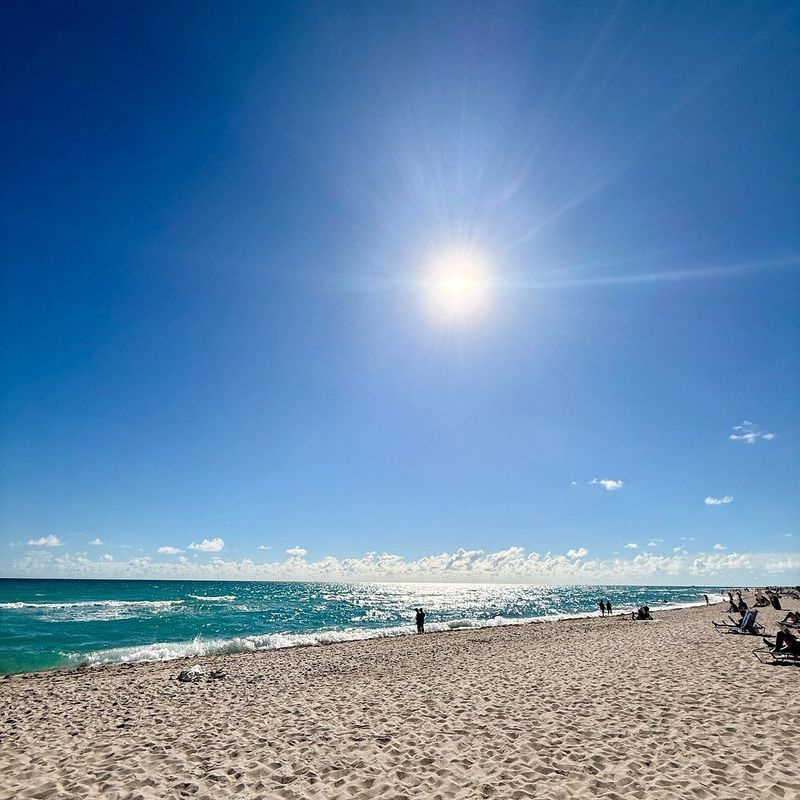
Florida sun is sneaky because it’s bright even when it’s breezy or overcast. You can burn on a “nice day” and realize it later when your shoulders start radiating regret.
Use sunscreen like it’s part of your outfit—apply before you leave, reapply after swimming, and don’t skip ears, tops of feet, and the back of your neck.
A hat and sunglasses are not optional if you’re outside for hours; neither is a lightweight UPF shirt if you’re boating, paddleboarding, or just refusing to sit under an umbrella.
Sand and water bounce UV right back at you, so beach days hit harder than city days. If you’re snorkeling or swimming near reefs, check local guidelines and choose products that won’t harm marine life.
Sun-smart doesn’t mean less fun—it just means you won’t spend tomorrow hiding in the shade like a vampire.
5. Bugs can be brutal in warm months
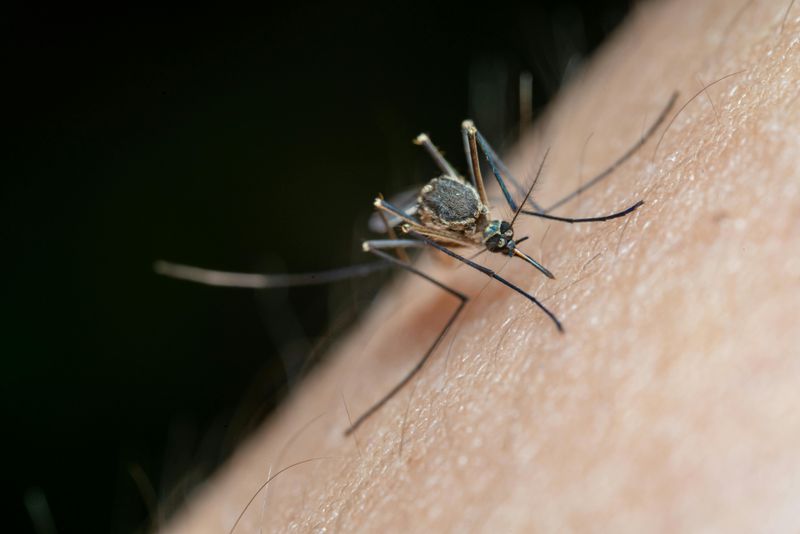
Mosquitoes in Florida don’t nibble; they commit. They’re worst around dusk and dawn, near standing water, marshes, and shady trails after rain.
If you’re doing any kind of nature time—Everglades, springs, boardwalks, mangroves—bring repellent and actually use it.
Lightweight long sleeves and pants can be more comfortable than you’d expect because they protect you without needing to reapply constantly.
If you’re sensitive, treat clothing with permethrin before your trip (and let it dry fully). Outdoor dining is still great, but pick spots with fans, breezy patios, or screened areas when the air is still.
One more local trick: keep your hotel door shut tight and don’t leave balcony sliders cracked “for the nice air.” That “nice air” is a bug invitation.
6. Rip currents and surf conditions matter
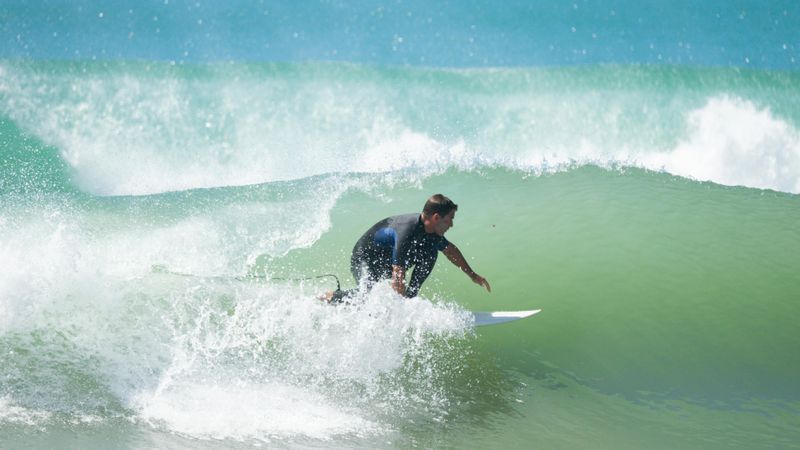
The ocean here is gorgeous, but it’s not a theme-park wave pool. Rip currents can look calm on the surface and still pull you out faster than you can swim back.
Pay attention to beach flags and posted signs, and choose lifeguarded beaches whenever you can—especially if you’re traveling with kids or you’re not a strong swimmer.
If you get caught in a rip current, don’t fight it head-on; swim parallel to shore to escape the current, then angle back in.
On windy days, even confident swimmers can get worked, and floating on a raft can become an accidental long-distance journey. The Gulf often looks gentler than the Atlantic, but conditions change quickly on both coasts.
Treat the water with respect, check a local surf report if you’re unsure, and you’ll keep beach day fun instead of stressful.
7. Wildlife rules are real—especially gators
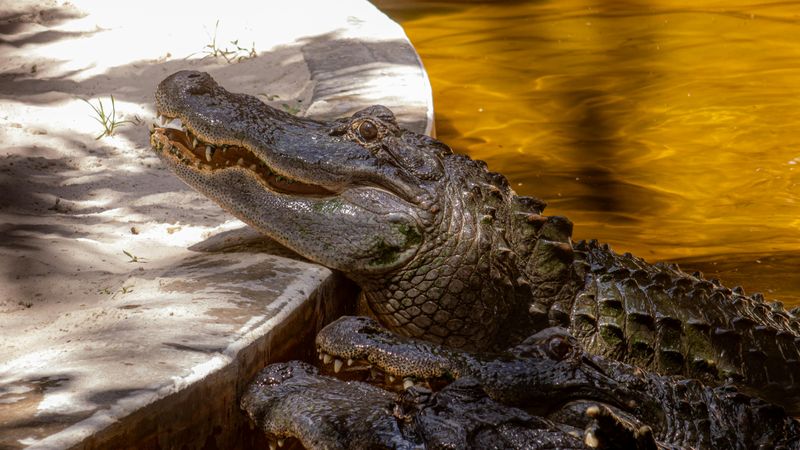
Freshwater in Florida comes with a “you’re not alone” clause. Lakes, ponds, canals, retention basins, and slow-moving rivers can all be gator territory, including water that looks perfectly harmless next to a walking path.
Give wildlife a wide buffer, never feed anything (seriously—don’t), and keep dogs away from the water’s edge because they can look like an easy meal.
If you see people ignoring signs, don’t copy them; locals learn the hard way that “it’ll be fine” is not a strategy.
The fun way to do wildlife is on purpose: an airboat ride, a guided walk, a boardwalk at a refuge, or a spring run with clear rules. Florida nature is one of the best parts of visiting, but it rewards people who keep boundaries and watch where they step.
8. Driving distances are bigger than they look

Florida is shaped like a chill vacation plan until you start mapping it. Miami to Orlando is a solid haul, Orlando to the Keys is a whole different commitment, and adding the Panhandle is basically saying you love highways.
The trick is to pick a region and explore deeply instead of trying to “see it all” in one trip.
Combine places that actually pair well: Orlando with the Space Coast, Tampa with Sarasota and St. Pete, Miami with the Keys, or a North Florida loop with springs and historic towns.
Traffic can be intense around major cities, theme parks, and beach bridges, and a 20-mile drive can take an hour at the wrong time. Build in padding, avoid rush-hour choke points when you can, and remember: Florida roads are part of the experience, not a quick transition.
9. Toll roads are everywhere (and many are cashless)

You can’t outsmart tolls here; they’re woven into the road network. Central and South Florida in particular love toll expressways, and plenty of plazas are “toll by plate” with no cash option.
If you’re renting a car, decide ahead of time whether you’re using a rental toll program, your own transponder, or just letting the plate billing happen and paying the admin fees later. Those “later” fees can be the unpleasant surprise part.
Also, GPS apps sometimes route you onto toll roads to save a few minutes, so check your settings if you’re trying to avoid them. The upside?
Toll roads can be faster and smoother, especially for airport runs and city-to-city hops. Handle the toll plan upfront, then drive like you meant to do this all along.
10. State park camping and cabins need early strategy
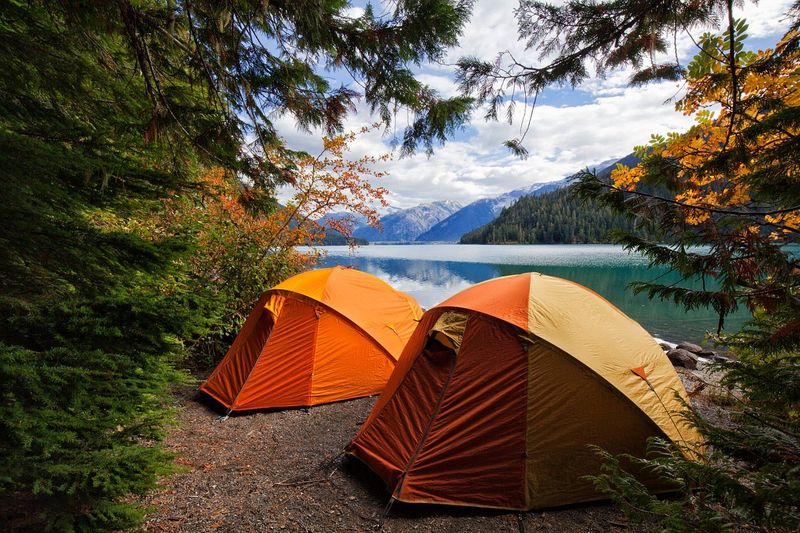
Florida’s state parks are a sleeper hit: springs with glassy water, shady campsites, and cabins that feel like a cheat code for affordable nature time. The catch is that everyone else knows it too.
Popular weekends and winter season dates disappear quickly, and some places are booked out far in advance.
If you want a specific park—especially near famous springs or beaches—start checking availability early and be ready to book as soon as your dates are firm.
If your first choice is full, don’t quit; look at nearby parks in the same region and you might find an even better setup with less hype. Be aware of rules on pets, quiet hours, and check-in times, because parks enforce them.
When you snag a good spot, you’ll understand why Floridians brag about their park system.
11. Beach and party rules vary by city
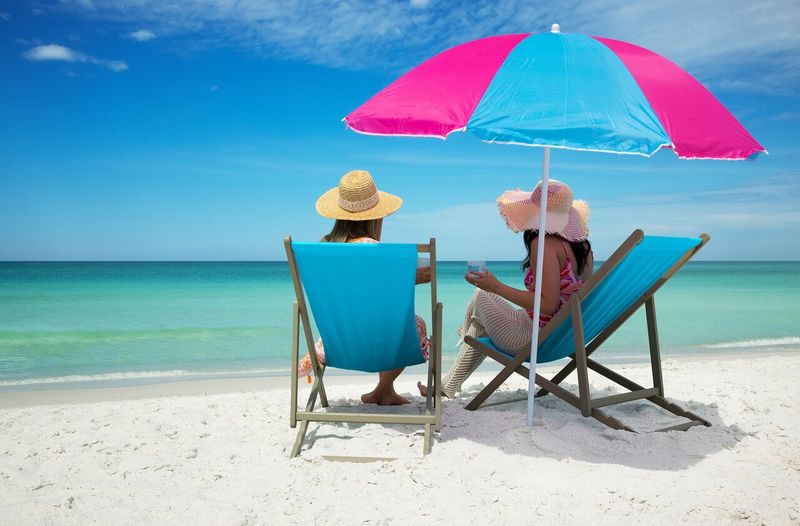
One beach town’s vibe is “family coolers and sand castles,” another’s is “DJ by noon,” and the rules follow the mood.
Some cities crack down during peak periods—especially spring break—with stricter parking rules, bag checks, alcohol restrictions, earlier beach closures, or limited access points.
Even outside the party headlines, beach regulations can differ: where you can drink, whether glass is banned (often), leash rules for dogs, and how late you can hang out. Check local signage when you arrive and don’t assume yesterday’s rules apply today.
If you want a calmer day, pick beaches near state parks, quieter barrier islands, or less-famous stretches where enforcement is light because crowds are light. Florida gives you options; you just have to match your beach choice to the experience you actually want.
12. Know the basics of alcohol-in-vehicle law
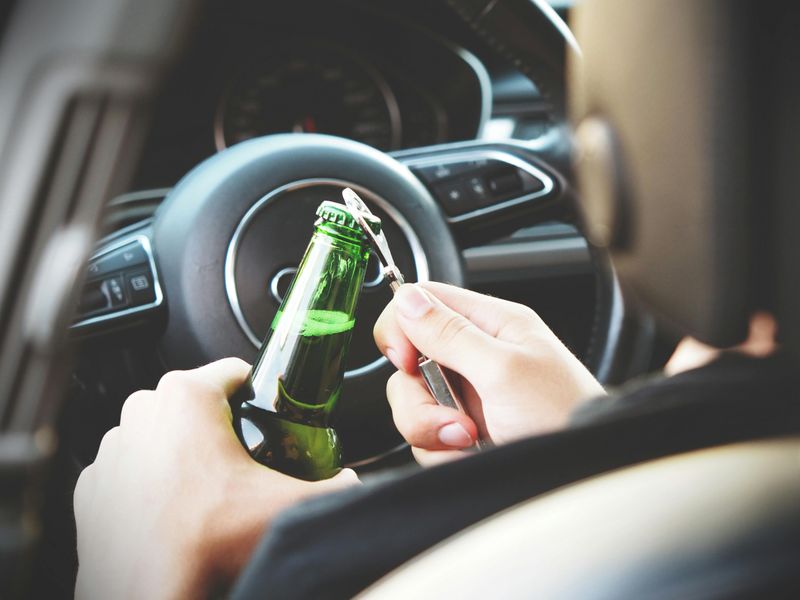
Florida is not the place to treat your car like a rolling tailgate. Open containers in vehicles on public roads can get you in trouble, and “but it’s just one sip” isn’t a magic phrase.
If you’re heading from a beach rental to dinner, finish drinks where you are, toss empties responsibly, and keep anything unopened stored away rather than perched in a cup holder.
For group trips, make a clear plan: designated driver, rideshare, or stay walkable when you’re planning nightlife.
Beach days + heat + alcohol can also hit harder than expected, so pace yourself and eat real food. Nobody wants a vacation story that starts with “so we got pulled over.” Keep it simple, stay legal, and save the fun for the places that are meant for it.