14 Stops Along the Pensacola-to-Orlando Route Every Nature Lover Must Check Out
Florida has a secret spine of wilderness—one that runs from the sugar-white Gulf to the mossy heart of the peninsula—and you can follow it all the way to Orlando without ever joining the parade of beach traffic and theme-park buses.
This is the Pensacola-to-Orlando road trip for people who’d rather trade crowds for clear springs, river-bluff sunsets, and boardwalks where the loudest sound is a heron lifting off.
You’ll duck into a cave-lit state park, float a spring-fed run the color of bottled glass, and roll through pine forests that still smell like “Old Florida.” Pack a swimsuit, binoculars, and a little curiosity—the wild route is waiting.
1. Blackwater River State Forest (Milton)
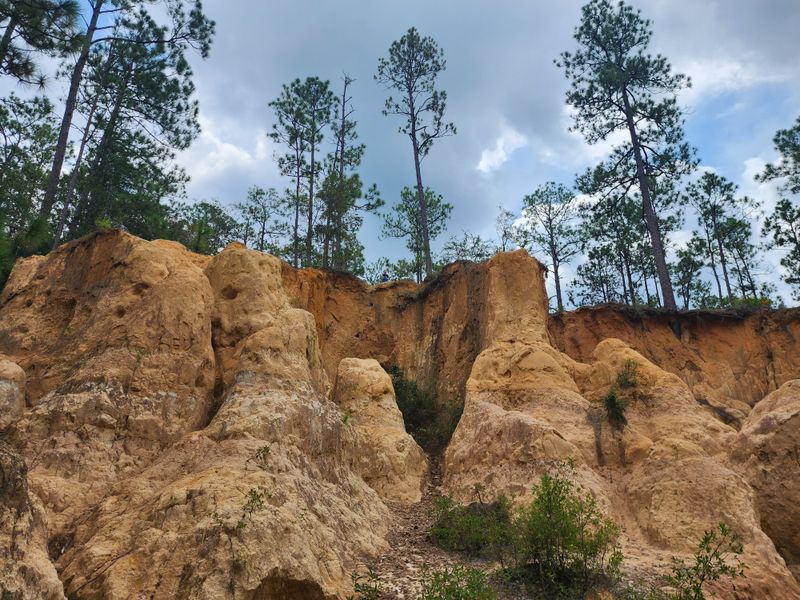
Trade interstate buzz for a sand-bottom river that gleams like liquid tea. Longleaf pines tower overhead, and the wiregrass flashes gold when the breeze kicks up.
Launch from one of the outfitters or day-use areas and drift past sugar-white sandbars that feel designed for bare feet and snack breaks. The water is usually mellow, which keeps it beginner friendly, but it still moves just enough to make you grin.
Want quiet? Start early and pick a weekday.
Low water exposes bigger bars for picnics, while higher flows smooth out the shallows. Trails lace the forest if you need to stretch, and the scenic bluffs offer peekaboo views down to the river.
Pack water shoes for the shell bits, and stash a dry bag for your keys. This is classic Florida-wild territory, simple and stunning, and it sets the tone for the whole trip.
2. Ponce de Leon Springs State Park
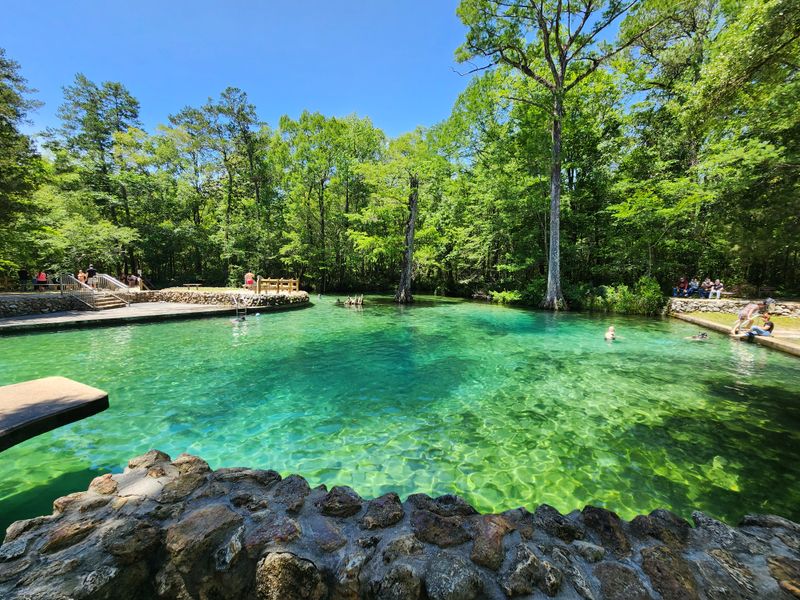
When the asphalt starts to blur, this pocket-size spring snaps you awake. The pool is shockingly clear and brisk, perfect for a highway intermission that does not wreck your schedule.
Locals love it because it is unflashy and easy: a short walk from parking to water, lifeguard presence in season, and plenty of shade. You will hear the splash before you see the blue.
Arrive early for best visibility and calmer water. Bring a mask, not a full snorkel circus, and float the edge where minnows flicker over limestone.
There is a short nature trail if you want to dry off before driving, plus clean restrooms that make a quick-change painless. Weekends fill by late morning in warm months, so think weekday or shoulder season.
Keep the stop tight, 45 minutes to an hour, and you are back on the road completely refreshed.
3. Florida Caverns State Park (Marianna)
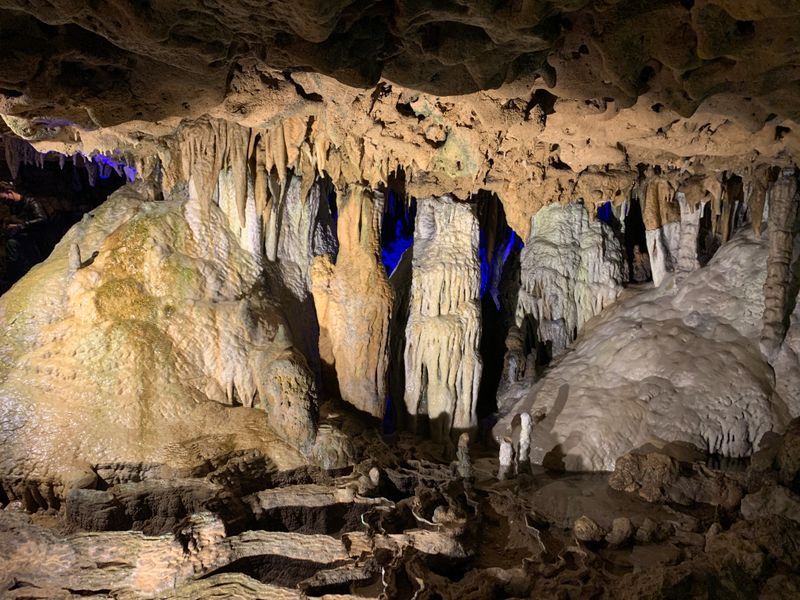
Florida and caves do not always get paired, which is exactly why this detour stuns. Guided tours lead you through cool, drippy rooms dressed in stalactites, stalagmites, and columns that feel sculpted overnight.
The temperature drop is instant relief after the car. Above ground, short trails and a spring-fed pond round out the stop, but the wow lives underground.
Snag tour tickets early at the visitor center because they sell out on busy days. Closed-toe shoes matter more than you think, and a light jacket keeps the chill fun, not frigid.
Photography works best without flash to keep the mood. If time allows, walk the bluffs loop for a quick geology reset.
After storms, check for updates since heavy rain can pause access. This is one of Florida’s most unusual state-park experiences, and it earns every mile of the detour.
4. Falling Waters State Park (Chipley)
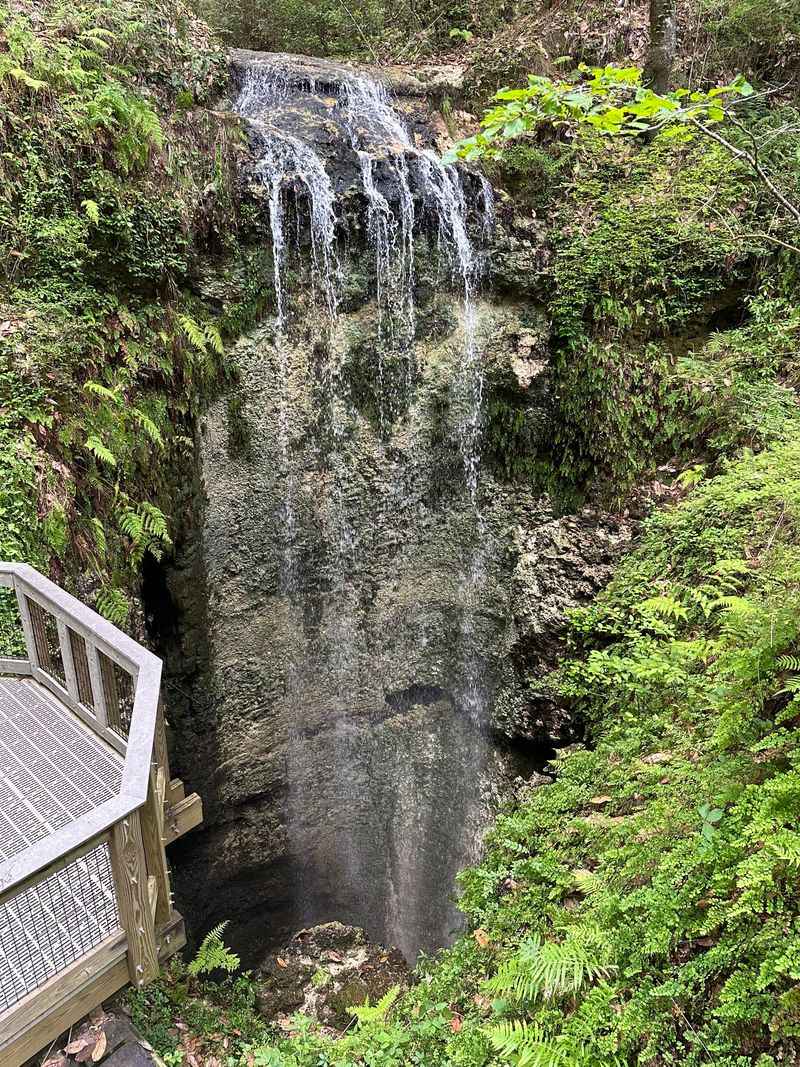
Short hike, big payoff. A boardwalk threads through a cool, ferny ravine to an overlook where Florida’s tallest waterfall drops into a deep sink.
After rain is prime time, when the flow sounds like distant surf and mist slicks the railings. The loop trails are quick but varied, moving from pine uplands to shaded hollows that feel nothing like the highway outside.
Hit the falls first, then wander the sinkhole interpretive stops. Traction can get sketchy, so wear shoes you trust on damp wood.
If it has been dry, go anyway for the moody geology and birdlife. Picnic tables sit near the trailhead for easy tailgate lunches.
Parking is close and usually straightforward on weekdays. It is a perfect leg-stretcher that delivers more drama than the mileage suggests, especially when thunderheads have just rolled through.
5. Torreya State Park (near Bristol)
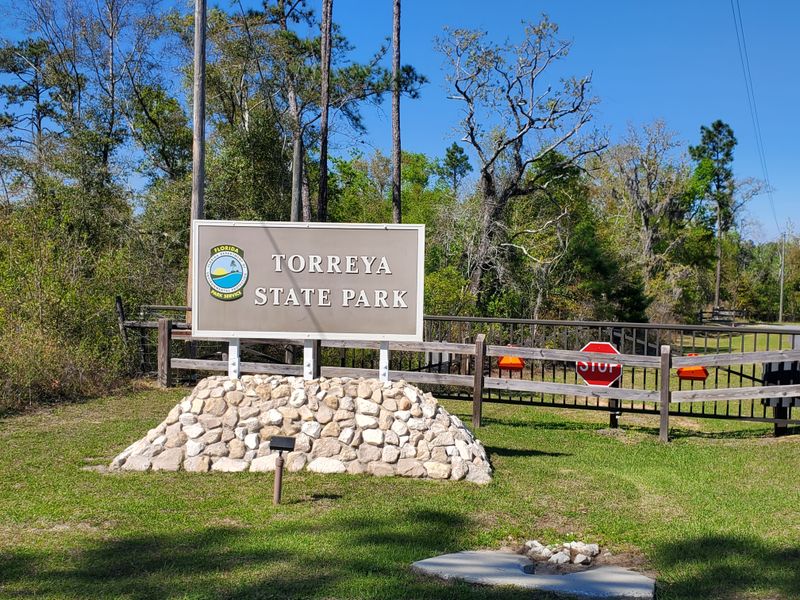
For Florida, this is rugged. Trails climb and dip along bluffs that watch over the Apalachicola River, with stair runs that wake up your calves and your camera.
The views sneak up on you through hardwoods, then open to a river bend that looks almost Appalachian. It is cooler in tone, mossy, and wonderfully different from the coast and springs you have seen.
Start at the Gregory House area for easy parking and immediate scenery. Expect roots and stairs, so trekking poles help if knees complain.
After heavy rain, the path gets slick, but the payoff stays big. Wildlife feels shy here, so keep the chatter down and scan the understory.
If timing allows, aim for late afternoon when the river glows. You will remember the bluffs long after the drive ends.
6. Apalachicola National Forest
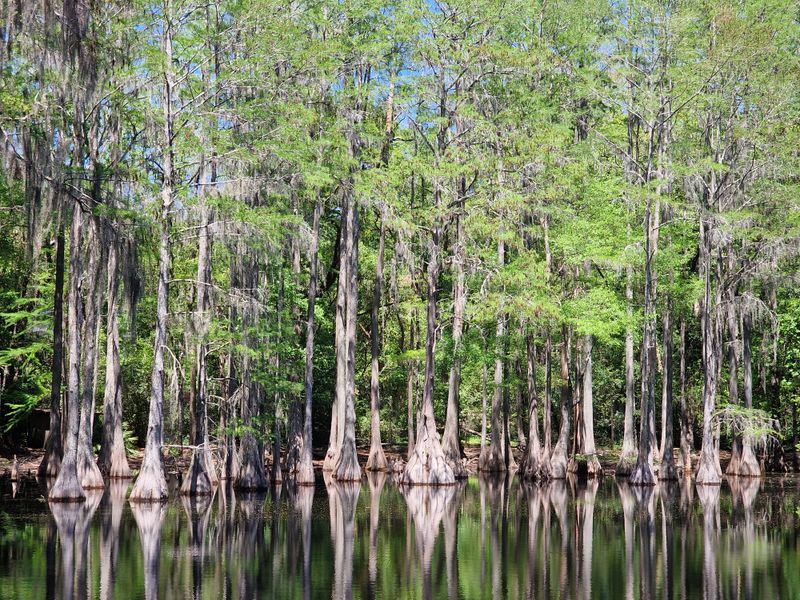
Slip off the main drag and you get miles of pine flatwoods, dotted ponds, and big sky. This forest is about the slow roll: windows down, forest-road hum, and the smell of sun-warmed pine.
If you want a target, hike the Leon Sinks area for boardwalks and sinkholes that reveal Florida’s limestone bones without the crowds. It feels spacious and low key, like a reset button.
Check road conditions after heavy rain, since sandy stretches rut easily. Fuel and snacks first, then meander.
At Leon Sinks, choose the shorter loops if time is tight, or link them for a solid workout. Morning light cuts beautifully across the wiregrass, so photographers win early.
Cell service is spotty, so download maps. You will leave calmer than you arrived, guaranteed.
7. Edward Ball Wakulla Springs State Park (south of Tallahassee)
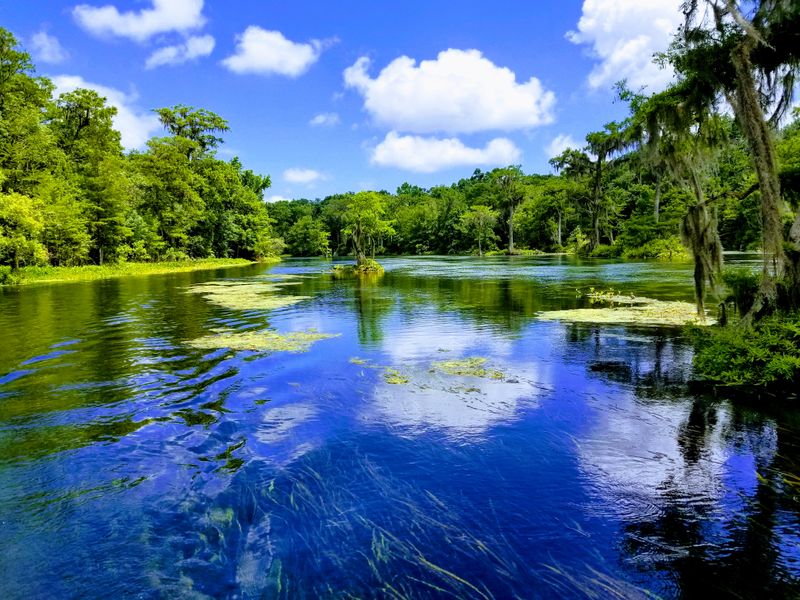
Old Florida vibes meet living, breathing wildlife. The spring basin is huge and glassy, and the boat tour is the move if you want to spot manatees, gators, and a parade of birds with minimal effort.
Guides point out details you would miss from shore, and the calm water makes everything read like a nature documentary. When it is warm, the swim area is an easy cool-down afterward.
Arrive early for the first boat when wildlife activity spikes and crowds are light. Bring binoculars, even if you think you will not use them.
The lodge porch is a perfect shade break, and the snack bar fuels quick turnarounds. Foggy cool mornings can be magical.
If storms threaten, tours may pause, so build a little buffer. This stop delivers classic wild Florida on cue.
8. Cedar Keys National Wildlife Refuge (detour to Cedar Key)
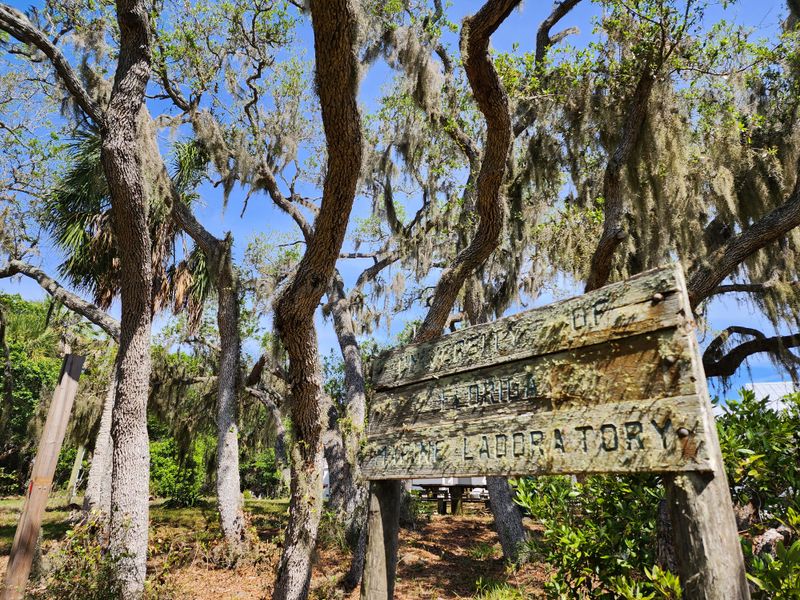
Take the salty detour. Cedar Key moves at porch-swing speed, with refuge islands offshore that load up on birds.
From the dock, watch pelicans cruise formation and ospreys work the flats. Kayak rentals get you closer to the rookery drama, but even a stroll along the waterfront packs plenty to see.
The town’s artsy edges pair well with a seafood lunch before you rejoin the inland route.
Plan around tides if paddling, and keep wind forecasts honest. Parking tightens on weekends, so aim earlier or later and embrace side streets.
The best golden light lands on the working docks and weathered pilings, so keep the camera handy. If you are quick, this can be a two-hour swing.
If you fall for it, you will linger, guaranteed.
9. Ichetucknee Springs State Park (Fort White)
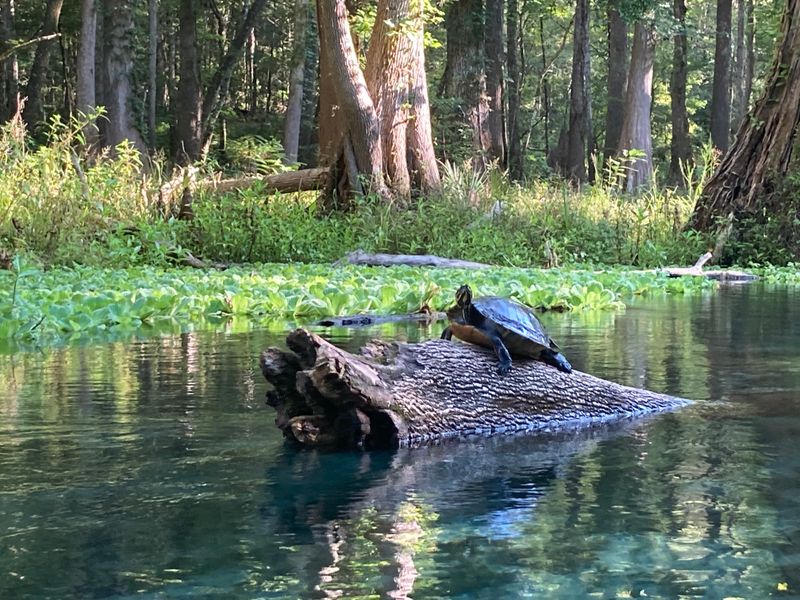
This is the iconic float you picture when someone says springs. Water is glass, the canopy is deep shade, and the current does the work while you watch fish zip beneath you.
Tubing rules keep it pristine, which means it stays beautiful and you get a cleaner ride. Paddlers win on shoulder hours when the river is nearly silent.
Reserve your tubing window in peak season, or go early to snag rentals before they sell out. Shoes that stay on matter because you will step on limestone at put-ins.
Keep snacks sealed and simple, since rules are strict and rangers are present. Off-peak mornings deliver quiet magic, while midsummer afternoons buzz.
The post-float nap hits different after this one.
10. Paynes Prairie Preserve State Park (Micanopy/Gainesville)
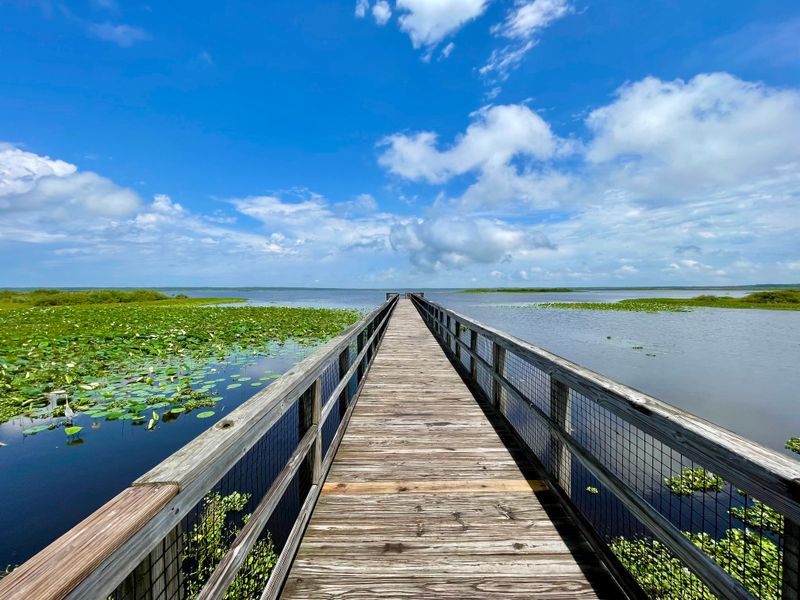
Big-sky Florida lives here. The prairie opens like a surprise inland sea, with boardwalks and an observation tower that drink in the view.
On good days, you might spot bison or wild horses at distance, plus raptors working thermals. Sunrise and sunset paint the whole basin with color, and cool mornings can hang a low mist that makes everything cinematic.
Start at the La Chua Trailhead if conditions allow, but check for closures after heavy rain. Bring binoculars, and do not block the tower for long if others are waiting.
Parking is easier earlier, and the heat becomes real by late morning. If wildlife is shy, the sky still carries the show.
It is one of the most transporting stops between coasts.
11. Silver Springs State Park (Ocala)
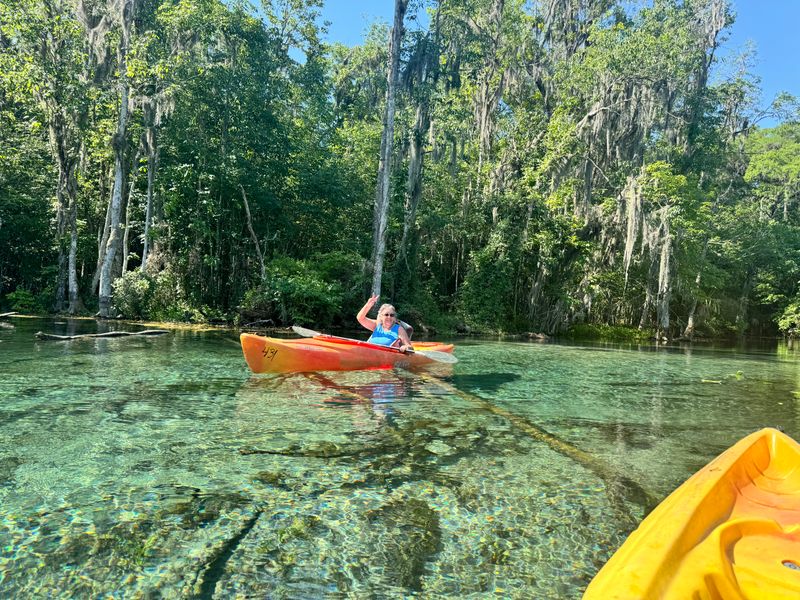
Glass-bottom boats are the headline, and they earn it. Clear water slides under the hull like liquid air, and you can see fish, turtle traffic, and spring vents pulsing below.
Guides add just enough lore to keep it fun without drifting into lecture mode. The riverbanks carry that Old Florida mood, shaded and slow.
Buy boat tickets first, then explore the boardwalks. Early trips mean calmer water and easier viewing through the glass.
If you bring your own kayak, stick to the designated zones and watch your wake. The launch area is orderly, but midday lines form fast on weekends.
Plan a flexible hour, maybe ninety minutes, to do this right. It is a gentle thrill that fits all ages.
12. Ocala National Forest Springs (Alexander Springs Recreation Area)
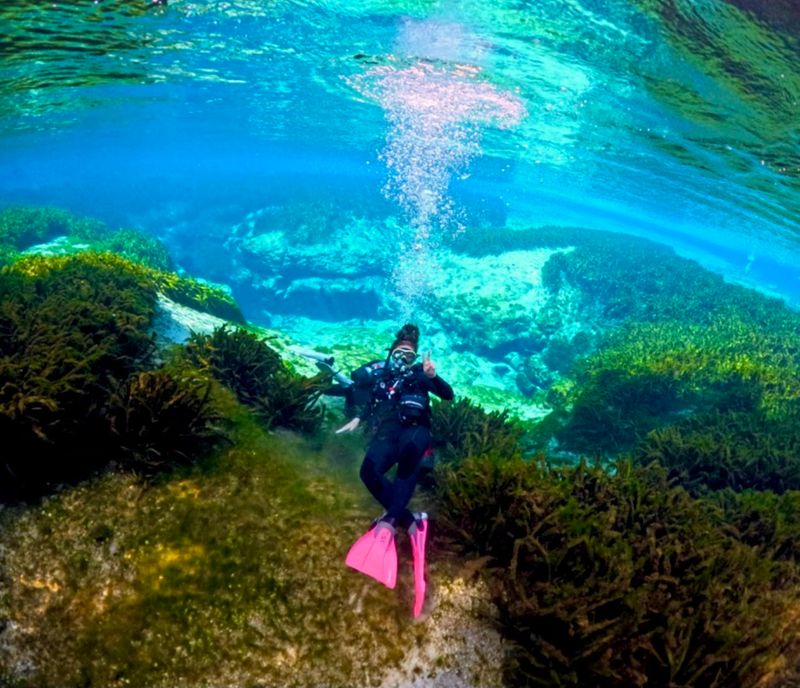
If you want a wilder spring vibe, Alexander is your stop. The basin is broad and bright, with a shallow shelf that invites long, lazy swims.
Snorkeling here feels like skimming over an aquarium, and the spring run begs for a quiet paddle. It is part of Ocala National Forest, so the backdrop is piney and open, with fewer built edges than most parks.
Arrive early on weekends because the lot hits capacity. Bring a soft-sided cooler and keep the packing light for the short walk.
The water reads turquoise by late morning when the sun clears the trees. Paddle upstream first, then enjoy the easy return glide.
Showers and restrooms simplify the turnaround. This is a perfect midpoint reset before you push toward Orlando.
13. Wekiwa Springs State Park (near Orlando)
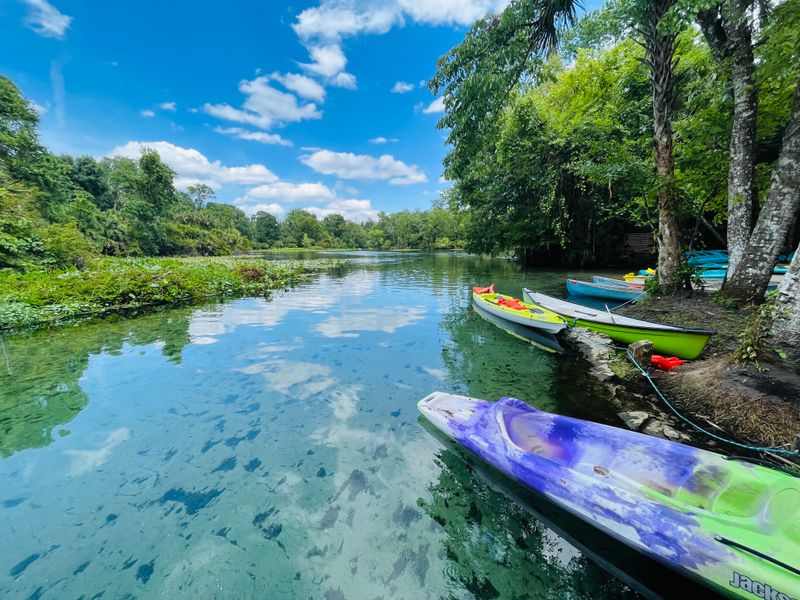
Your last wild swim before the skyline. Wekiwa’s headspring is reliably clear, ringed by sloping grass, and backed by rentals that make a quick paddle easy.
Slip into the Wekiva River corridor and the traffic noise drops out fast. Turtles stack on logs, anhingas dry wings, and you remember why you took the scenic route in the first place.
Gates close at capacity, often late morning on weekends, so be an early bird or go late day. Float the spring to cool off, then paddle upstream for quieter water before drifting back.
Lock valuables out of sight and travel light. If you want shade, claim the higher ground above the basin.
It is the perfect pre-Orlando palate cleanser.
14. Tibet-Butler Nature Preserve (Orlando)
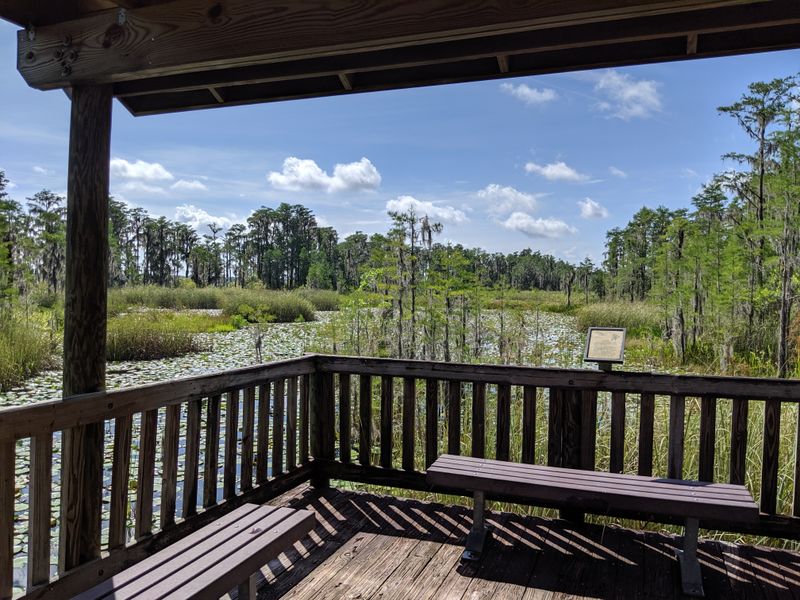
Slide off I-Drive chaos into real quiet. Tibet-Butler’s loops thread pine flatwoods and cypress edges, with boardwalks gliding over tea-colored wetlands.
It is close to everything, yet you will hear only wind in the needles and the plip of fish in the lake. Trails are easy, well marked, and short enough to do at the end of a travel day.
Go late afternoon for cooler temps and soft light across the water. Parking is modest but usually turns over quickly.
If the ground is soggy, choose the boardwalk-heavy loops to keep feet dry. There are no flashy vistas, just clean, restorative green.
Take twenty calm minutes or take an hour. Either way, it is a perfect decompression finale.