15 Simple Reasons Why You Should Move to Florida
Florida has a way of turning “maybe someday” into “why didn’t we do this sooner?” It’s not just the sunshine or the palm trees.
It’s the little, day-to-day wins: a winter morning that feels like early fall, a quick after-work beach walk, a weekend that starts with Cuban coffee and ends on the water.
You’ll find big-city energy, small-town calm, and wild nature all within an easy drive—sometimes in the same afternoon.
And yes, the practical stuff matters too: money goes further in key ways, jobs are plentiful in the right pockets, and travel is easy when you need a break from your break.
If you’re curious, here are 15 simple reasons Florida keeps pulling people in.
1. No state income tax

Paychecks tend to feel a little less bruised here, and that’s not imaginary. Florida doesn’t collect a state income tax, which means more of your earnings stay yours to use on rent, a mortgage, savings, or the not-so-serious necessities like boat days and concert tickets.
It adds up fast if you’re coming from a high-tax state, especially for dual-income households. The local tradeoff is that you’ll notice other costs in the mix—property insurance can be a big one in some areas, and sales tax is part of daily life.
Still, for many people, the math works out in a way that feels immediate. When you’re building a budget, Florida makes “extra breathing room” more than a motivational phrase—it’s a line item.
2. Warm weather year-round
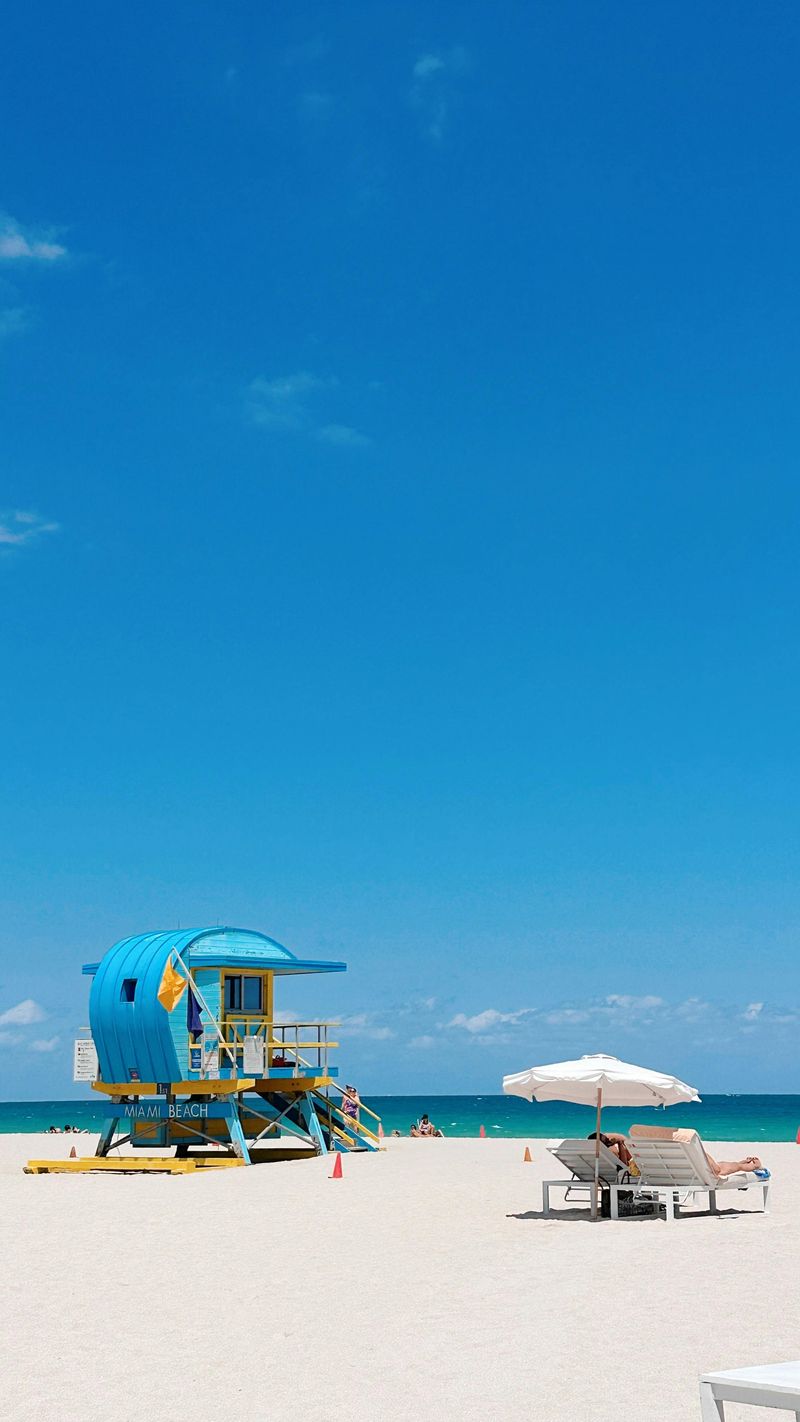
Winter doesn’t really show up in the way it does elsewhere. Even when a cold front slides through, it’s usually a “light jacket for breakfast, short sleeves by lunch” kind of day.
That changes your routine in the best ways: you’ll actually use your patio, your morning walk won’t require five layers, and running errands stops feeling like a survival sport.
Summers are hot and humid—no point pretending otherwise—so you learn the Florida rhythm quickly.
Early mornings and evenings become your outdoor sweet spot, and afternoon storms feel like a daily reset button. The upside is you’re not trapped indoors for months.
You can plan golf, gardening, beach days, and runs all year, with fewer weather cancellations.
3. Miles of beaches
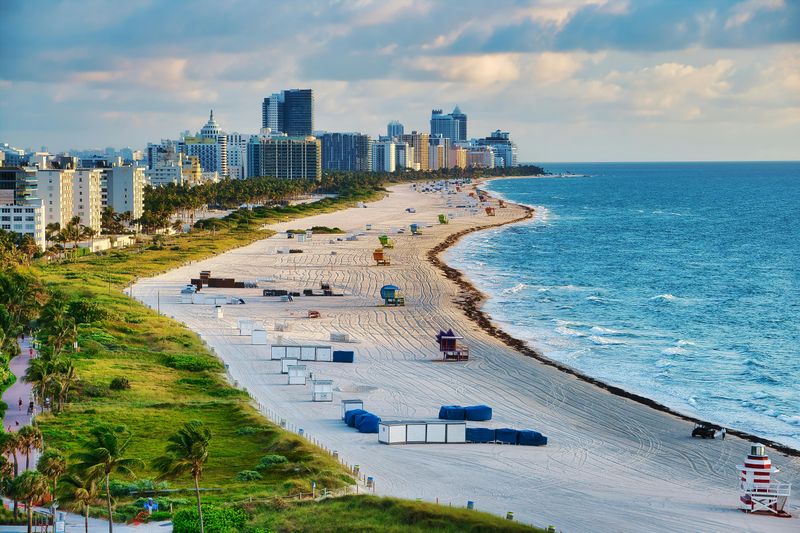
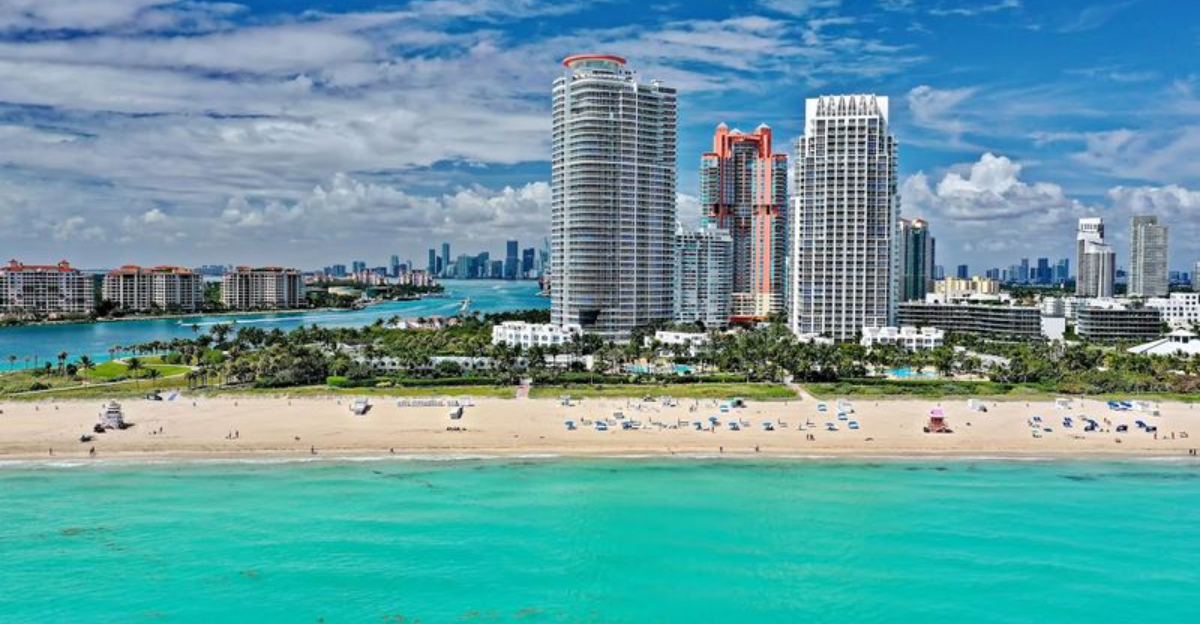
You don’t have to schedule a “beach vacation” when the beach is just… there. On the Gulf side, the water is often calmer and warmer, with sugar-soft sand in places like Siesta Key and Clearwater.
Over on the Atlantic, you get more waves, sunrise walks, and surf-friendly stretches from Cocoa Beach up through the Space Coast and beyond.
The best part is how different they feel: some beaches are lively with volleyball nets and music, others are quiet enough to hear shorebirds and your own thoughts.
You’ll also find beach towns with totally different personalities—glam, laid-back, artsy, old-school. Living here means you can chase the vibe you want on any given Saturday, then be home for dinner.
4. Outdoor lifestyle is built-in

Step outside and Florida gives you options that don’t require “being outdoorsy” as a personality trait. One day it’s a kayak glide through mangrove tunnels; the next it’s fishing off a pier with locals who will absolutely tell you what bait is working.
Boating culture is real in coastal cities and lake towns, and even if you don’t own one, rentals and charters make it easy to get on the water.
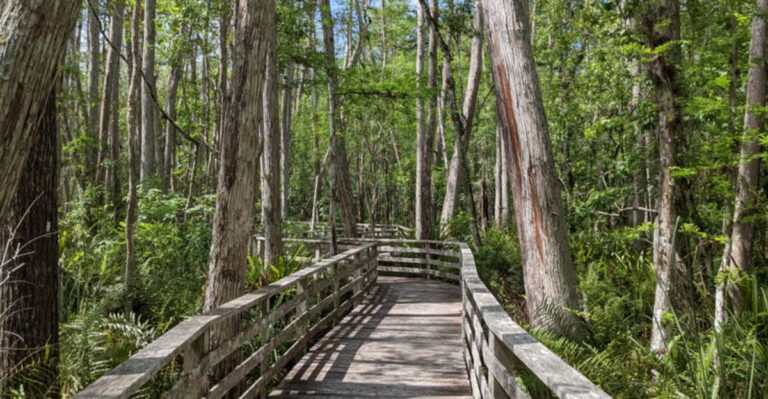
Parks and trails sneak into everyday life too—boardwalks over wetlands, shaded paths under live oaks, and bike trails that connect neighborhoods.
You’ll see people sneaking in a paddleboard session before work like it’s normal. After a while, it kind of is.
Florida doesn’t make you choose between city convenience and fresh-air time.
5. Theme parks and attractions

Living near world-class attractions changes the whole experience. Instead of doing the theme parks in a frantic, once-in-a-lifetime marathon, you can pop in for a few hours and leave when the lines get obnoxious.
Locals treat it like a flexible option: a quick ride and dinner at Disney Springs, a nighttime show at Universal, or a random weekday at EPCOT when the weather is perfect.
Beyond the big names, there are plenty of smaller, genuinely fun spots—wildlife parks, old-school roadside attractions, and places like Kennedy Space Center that can turn a normal weekend into something memorable.
The best perk is the spontaneity. When friends visit, you’ve got an instant itinerary.
When they don’t, you still get to play tourist without the pressure.
6. Endless weekend road trips
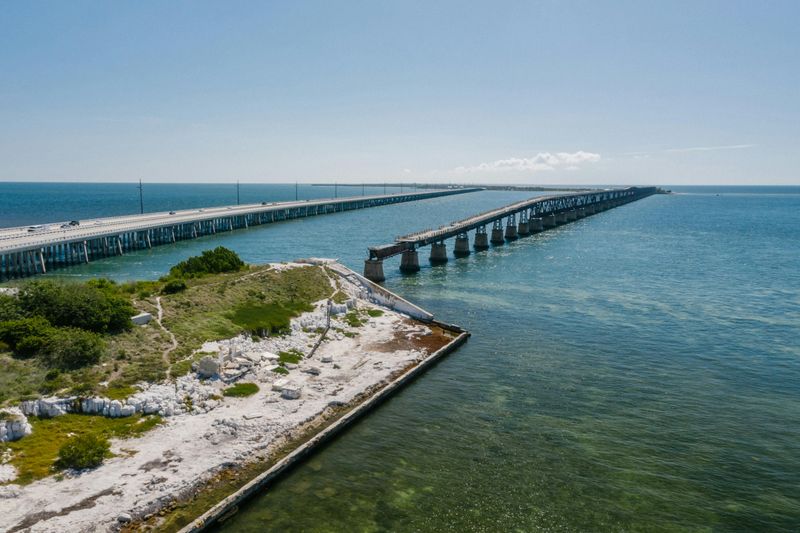
Florida is shaped like a road-trip invitation. In one direction, you’re driving toward the Keys with turquoise water flashing between bridges.
In another, you’ve got Gulf Coast beach towns, art districts, seafood shacks, and sunsets that feel like a daily event. Head inland and it’s springs, ranchlands, lakes, and small towns with surprising food scenes.
Even “quick trips” can feel varied because the landscapes change fast—palms to pine forests, urban skylines to marshy backroads. The best part is you don’t need a big plan.
A Friday night idea can become a Saturday morning departure. And because so many destinations are within a few hours, you’re not burning your entire weekend on driving.
Florida rewards curiosity with short routes and big payoffs.
7. Beautiful natural springs
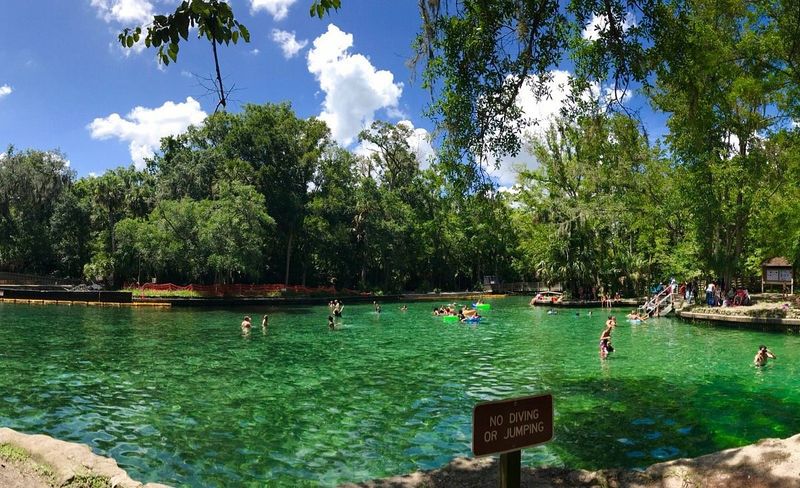
Crystal-clear water is not just for postcards—it’s a normal weekend here if you live near the springs. Places like Weeki Wachee, Ichetucknee, and Silver Springs feel almost unreal: glassy water, sandy bottoms, and manatees drifting through when the season is right.
The temperature stays cool year-round, which is a blessing when summer heat gets serious.
Springs days tend to be simple and perfect: floating down a river with a tube, snorkeling over waving eelgrass, or paddling past cypress trees like you’re in a nature documentary.
The local tip is timing—go early, especially on weekends, because popular springs can hit capacity. Once you find your favorites, they become your go-to reset.
It’s Florida at its most refreshing, literally.
8. Great airports and easy travel
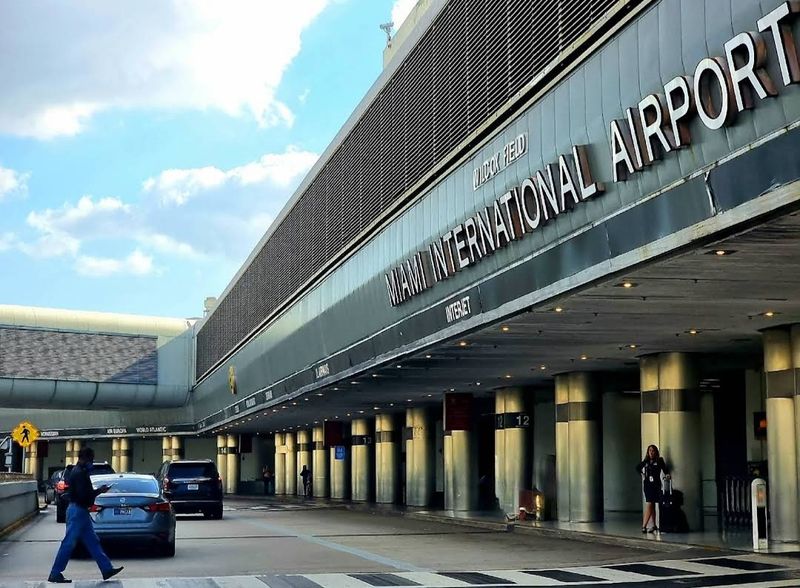
Getting out of town is surprisingly painless here, and that matters more than people realize. Between major hubs like Miami and Orlando and strong regional airports in places like Tampa, Fort Lauderdale, Jacksonville, and Sarasota, you’ve got options.
That usually means competitive fares, plenty of direct flights, and fewer “connect through somewhere weird” itineraries. Weekend trips become realistic: a quick hop to Atlanta, Nashville, New York, or the Caribbean without turning it into a three-day logistics project.
Even within Florida, flying can make sense when the state’s length starts feeling personal. The other perk is visitors.
Family and friends are more likely to show up when the flight is easy, and you’re more likely to say yes when you can get almost anywhere without drama. Convenience is underrated until you have it.
9. Strong job markets in key metros
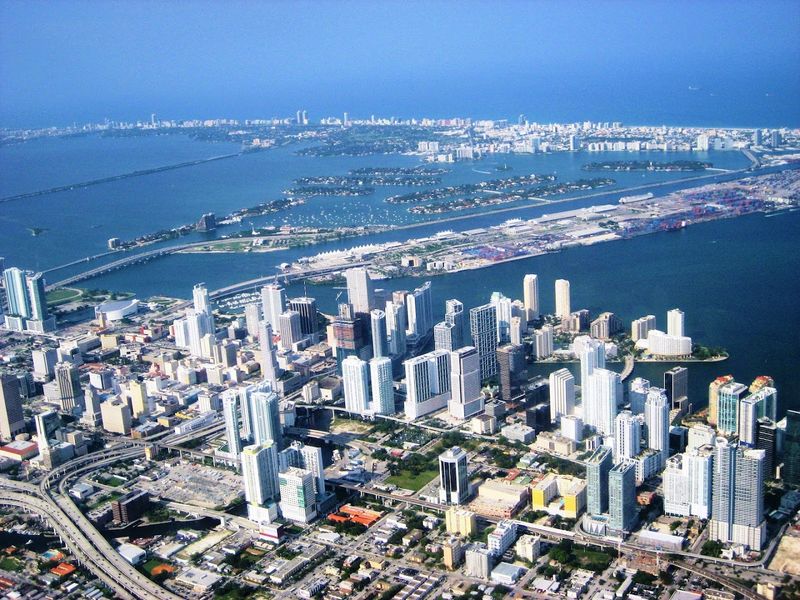
Work opportunities here aren’t one-size-fits-all—they’re clustered, and knowing where to look is the insider move. Orlando has a massive tourism and hospitality engine, plus growing tech and healthcare footprints.
Tampa Bay has finance, healthcare, cybersecurity, and a steady stream of corporate growth. South Florida brings international business, logistics, real estate, and plenty of entrepreneurial energy.
On the Space Coast, aerospace and defense work is a real draw, while Jacksonville’s logistics and healthcare presence is hard to ignore.
That said, Florida is also a place where remote work fits nicely: good airports, strong coworking scenes in many cities, and a lifestyle that makes “work-life balance” feel more doable.
The key is matching your industry to the right metro, then letting Florida’s pace do the rest.
10. Diverse cities and cultures
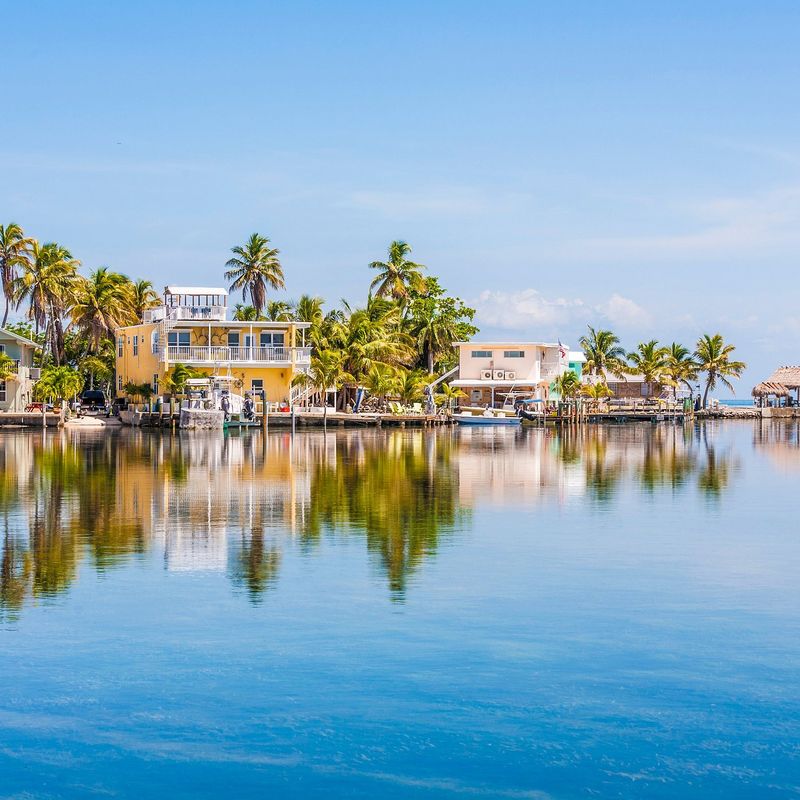
Florida doesn’t feel like one place—it feels like several states stitched together by sunshine. Miami is global, fast, and loud in the best way, where you can hear three languages in one grocery line.
Tampa Bay leans breezy and coastal with neighborhoods that range from historic to brand-new. Orlando is more than theme parks, with food halls, arts pockets, and a constant influx of newcomers.
Jacksonville has a big-city footprint with beach-town edges, while Pensacola mixes Gulf Coast charm with a surprisingly deep local pride. Even smaller cities and towns carry distinct flavors, often shaped by Caribbean, Latin American, Southern, and coastal influences.
The fun part is finding where you fit. Want nightlife and culture? It’s here.
Want slower mornings and community feel? Also here.
Florida lets you choose your tempo.
11. Food scene variety
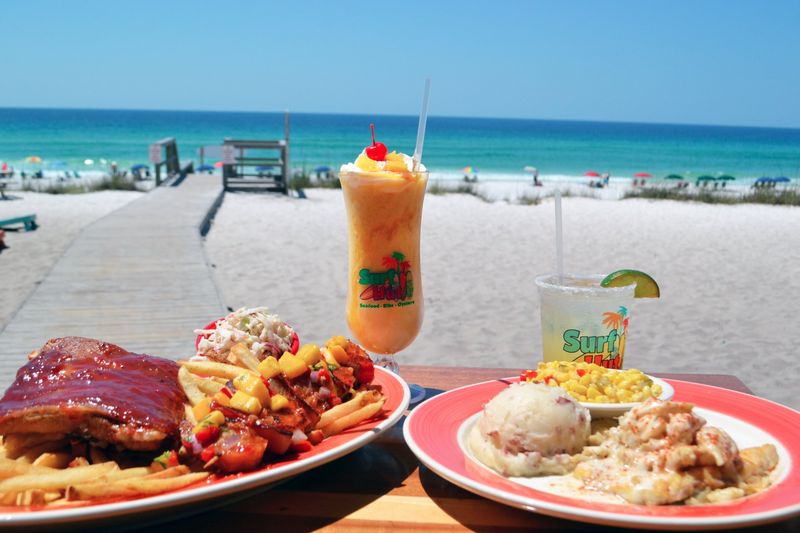
Eating out in Florida can be an ongoing hobby, and you won’t run out of material.
Cuban sandwiches and cafecito culture are everyday staples in South Florida, while fresh seafood is a lifestyle along both coasts—think grouper sandwiches, stone crab in season, and shrimp that didn’t travel far.
You’ll also stumble into excellent Haitian, Venezuelan, Colombian, Brazilian, and Jamaican spots depending on the city, plus serious farm-to-table pockets in places you might not expect.
Food halls and waterfront restaurants make it easy to turn dinner into an event without trying too hard.
The local move is to follow the lunchtime crowds: if a tiny place has a line of construction workers and office folks, you’re about to eat well. Florida’s best meals often come with fluorescent lighting and zero pretension.
12. Sports and entertainment
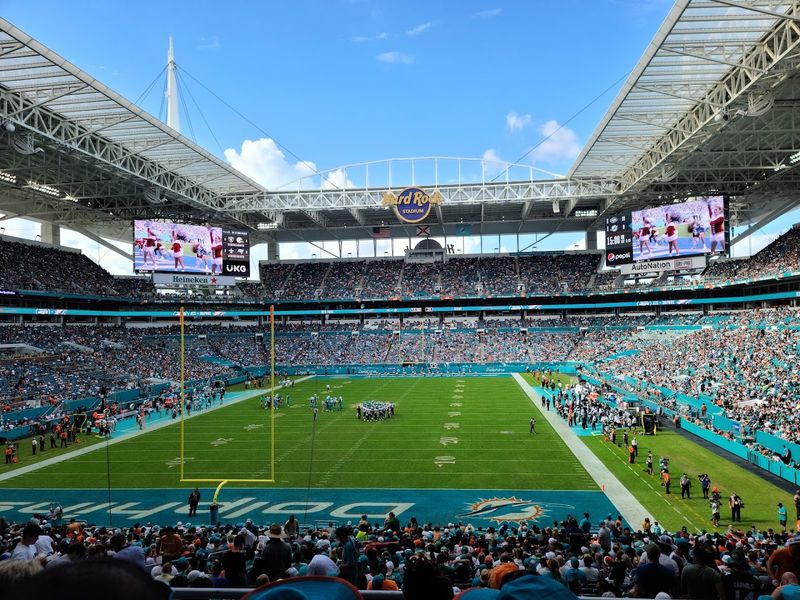
There’s always something going on, and you don’t have to be a die-hard fan to enjoy it. Pro sports are spread across the state—football, basketball, baseball, hockey—so you can catch a game without flying to another city.
College sports add their own chaos and tradition, especially in the fall. Concert tours almost always hit Florida, and comedy shows, festivals, and cultural events fill the calendar in major metros.
Even smaller towns punch above their weight with live music nights, waterfront events, and community festivals that feel genuinely local. The biggest win is variety.
One weekend can be a lightning-loud arena show; the next can be a minor league baseball night with cheap snacks and a sunset sky. Florida entertainment is less about chasing “the big moment” and more about having options whenever you feel like going out.
13. Retirement-friendly options
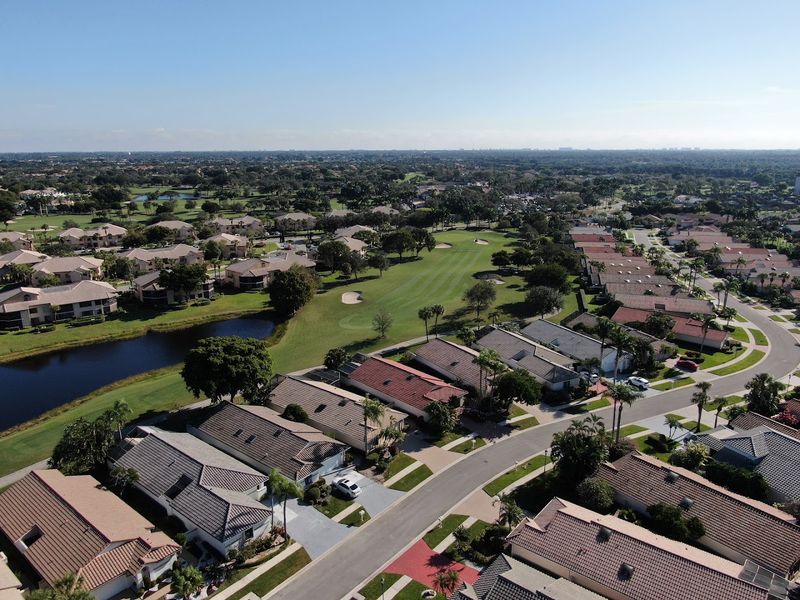
Plenty of places make it easy to stay active without making life complicated.
You’ll find communities designed for retirees, sure, but you’ll also find mixed-age neighborhoods where the pace is relaxed and the amenities are practical—walkable trails, nearby healthcare, and easy access to errands.
Many areas offer tons of daytime activities that don’t feel like “senior programming”: pickleball courts everywhere, golf, gardening clubs, volunteer groups, and water-based hobbies that keep you moving without punishing your joints.
The climate helps too, since winter doesn’t shut down your routine.
Where you choose matters, because costs and healthcare access can vary a lot by region. The smart approach is to test-drive a few towns before committing.
In Florida, retirement can be calm, social, or adventurous, depending on what you want next.
14. Waterfront living choices
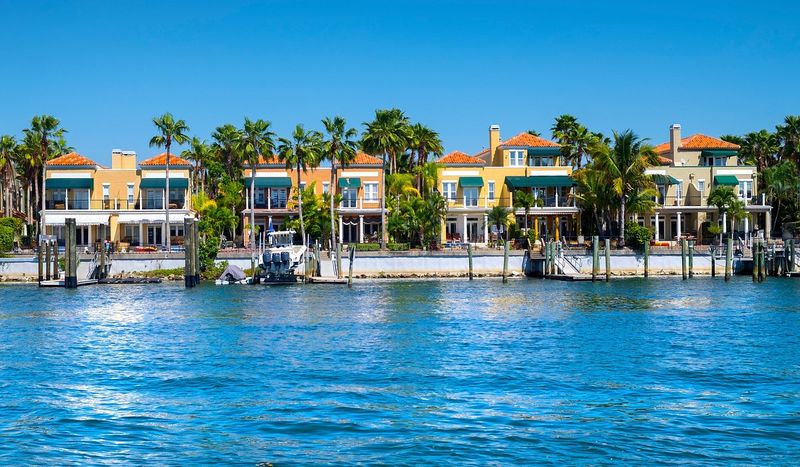
Waterfront doesn’t automatically mean mega-mansion or nothing. Florida has a whole spectrum: canalside neighborhoods with docks out back, condo buildings with marina views, small towns on lakes, and beach-adjacent streets where you can bike to the shore.
Even if you’re not directly on the water, many places still feel water-centered—public boat ramps, boardwalks, fishing piers, and sunset spots built into daily life. The type of waterfront matters too.
Gulf-side bays can be calmer for boating; Atlantic-side inlets can feel more energetic and surf-driven. Inland lakes bring a quieter vibe with more birds and fewer tourists.
The insider advice is to think about your habits. Are you actually going to use a dock, or do you just want the view?
Florida lets you choose your version of “near the water” without one single definition.
15. Newcomer-friendly vibe

A lot of people you meet will be new too, which makes it easier to jump in without feeling like the outsider forever.
Because Florida attracts transplants for work, weather, and lifestyle, social circles tend to be more open—people are actively building community, not just maintaining the same friend group from high school.
You’ll see it in the casual ways: neighbors chatting at the mailbox, regulars at the local coffee spot, pickup games at the park, and Facebook groups that actually help when you ask where to find the best mechanic.
Cities and towns often have newcomer meetups, hobby clubs, and volunteer opportunities that feel low-pressure.
The quickest way to feel local is to pick a “third place” and show up consistently, whether that’s a gym, a dog park, or a weekly market. Florida rewards repeat appearances.