20 Weird Things About Miami, Florida That You Stop Noticing After a While
Live in Miami long enough and the city trains your brain in the strangest ways. The weather throws curveballs, the streets have their own logic, and somehow it all makes perfect sense after a few months.
You start speaking in Spanglish, scheduling dinner at 10, and keeping a hoodie in your car despite the heat. Here are the wonderfully weird habits you stop noticing until someone visits and points them out.
1. It “rains” like someone flipped a switch
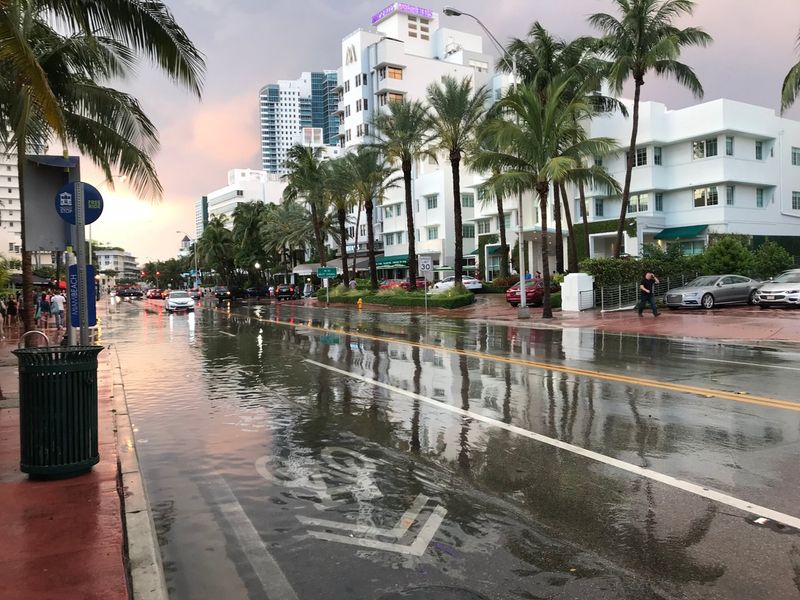
One minute you’re squinting at a sky that looks Photoshopped, the next you’re sprinting under a palm tree holding a paper cafecito cup like it’s precious cargo. Miami rain doesn’t build suspense—it drops in, unloads, and leaves.
You’ll watch Brickell’s glass towers disappear behind a gray curtain while everyone keeps walking like this is a scheduled performance. The streets shine instantly, sneakers squeak, and those little rivers that form along the curb come alive.
Ten minutes later, the sun returns with zero apology and the humidity cranks up like a follow-up act. Locals don’t check forecasts; we check vibes.
If the clouds start stacking like whipped cream over the bay, you tuck your phone away, accept the splash, and keep moving. The real rookie move is carrying an umbrella—enjoy it for the three blocks it survives.
2. The humidity is basically a personality trait

Your hair learns new shapes here. Curls expand, straightening efforts surrender, and bangs become a rumor.
You can step outside looking polished and arrive two blocks later with the glow of someone who just finished a workout they didn’t sign up for. Miami humidity is the invisible roommate that touches everything: your sunglasses slide, your shirt clings, your car door handle feels warm like it’s been in an oven.
On especially sticky days, the air tastes like poolside sunscreen and warm asphalt. Locals adapt with small rituals—blotting paper, hair ties, extra deodorant in the bag—and a whole lot of acceptance.
You’ll notice people walking slow, not because they’re relaxed, but because speed is a betrayal. And once you stop fighting it, you start dressing for it: breathable fabrics, minimal layers, and a solid understanding that “fresh” is a temporary condition.
3. “Dress code” means different things depending on the zip code

Miami will have you overdressed and underdressed within the same afternoon. You might see a bikini top and gym shorts in a Midtown café line, then turn the corner and bump into someone dressed like they’re headed to a fashion shoot.
Brickell does sleek, polished, and expensive-looking even when it’s 90 degrees. Wynwood leans artsy—vintage tees, bold prints, sneakers that look curated.
South Beach is its own universe where “cover-up” can mean a mesh dress and confidence. Even grocery runs have range: one person in slides and a towel, another in heels like they just left a meeting.
The adjustment is realizing nobody is judging the outfit, they’re judging the commitment. If you’re going glam, go all in.
If you’re going casual, act like it was intentional. Miami respects a choice.
4. Spanglish is the default setting
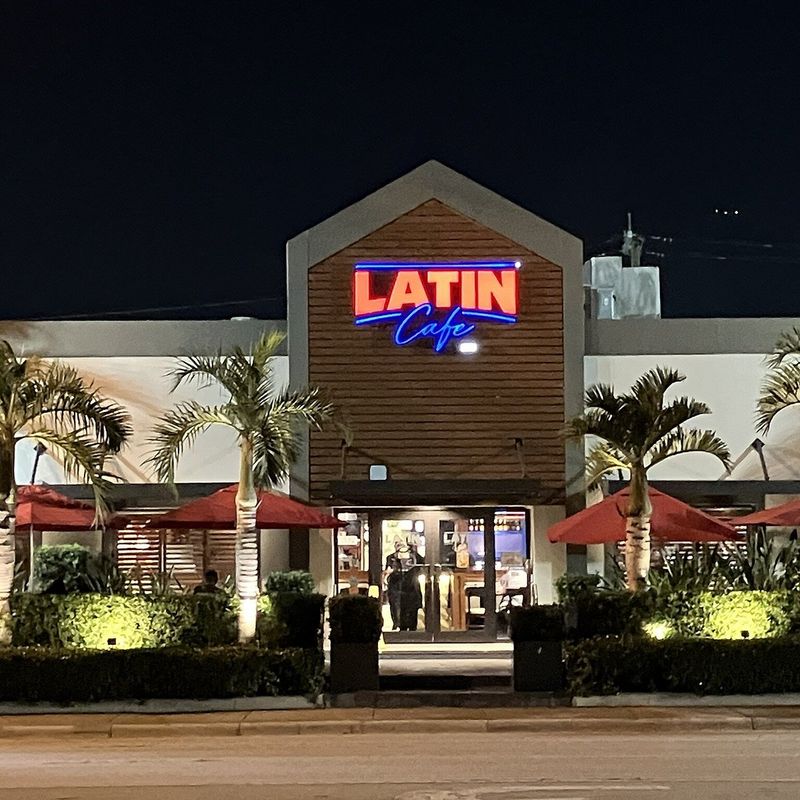
You don’t “learn” it so much as you start absorbing it like background music. A sentence begins in English, swerves into Spanish for emphasis, then lands back in English like nothing happened.
You’ll hear “mi amor” from strangers in the most matter-of-fact way, and “dale” becomes a universal yes, goodbye, and mood. People switch languages mid-thought because it’s faster, funnier, or just more accurate.
Ordering food turns into a little dance—cafecito, cortadito, croquetas, una guayaba y queso—and suddenly you’re pronouncing everything with confidence you didn’t earn. Even the tone changes; Spanish can sound warmer, sharper, or more dramatic depending on the moment.
The funniest part is when you catch yourself doing it: texting “pero like…” without thinking, or saying “bro” in the same breath as “qué bola.” In Miami, that blend isn’t a gimmick—it’s the city’s real voice.
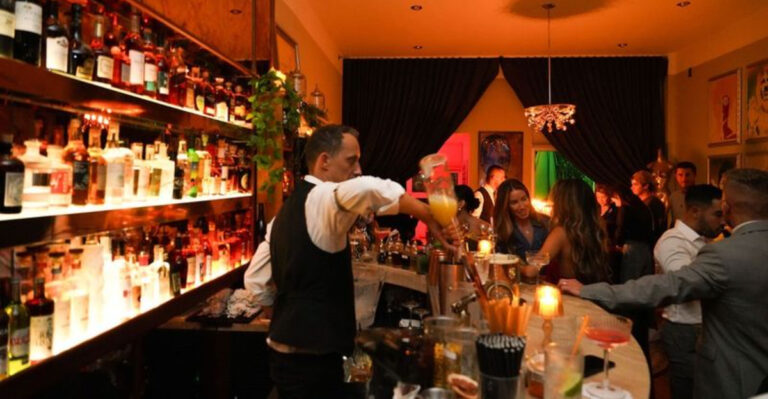
5. Nightlife runs on a different time zone
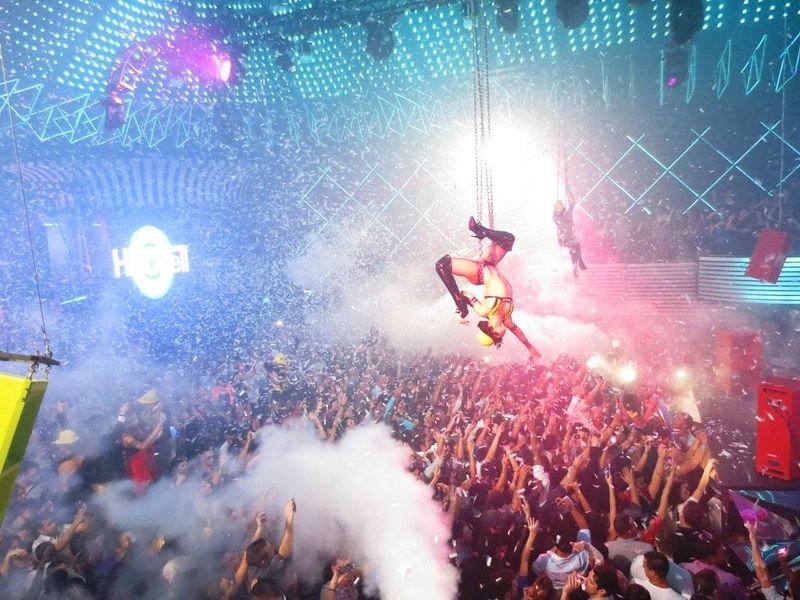
Your first Miami mistake is eating dinner at 7 like you’re in a small town. Restaurants are still warming up then—music low, tables half full, everyone unhurried.
By 10, the room feels like a scene: lighting dimmer, outfits sharper, laughter louder, and reservations suddenly matter. People don’t “go out,” they build a whole evening with chapters.
There’s the pre-game, the “we’ll just grab one drink,” the late dinner that somehow becomes the main event, and then the part where you end up somewhere you didn’t plan because a friend’s friend “knows a spot.”
Even weeknights can surprise you; Tuesday in Miami sometimes behaves like Saturday if the group chat is active. The city rewards stamina and punishes early risers.
Locals keep it simple: nap when you can, hydrate like it’s a sport, and accept that the best stories usually start after midnight.
6. Traffic has its own laws of physics
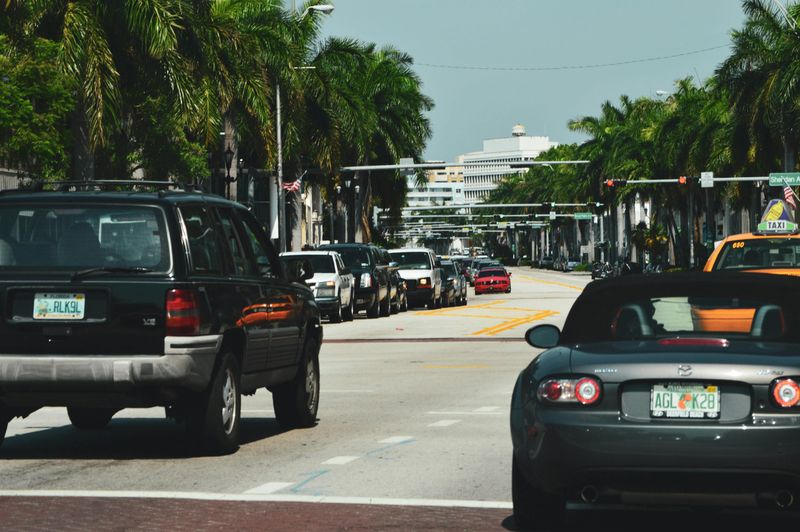
Driving here teaches you to stay alert without taking it personally. A car will cut across three lanes to catch an exit like it’s a video game, and everyone behind them will react with a mix of rage and inevitability.
Turn signals exist, but mostly as decoration. Lanes blur, scooters appear out of nowhere, and a slow Tesla might suddenly become the fastest thing on the road.
The real chaos isn’t speed—it’s unpredictability. A “quick hop” from Wynwood to South Beach can turn into a 45-minute saga because of one tiny crash, a bridge opening, or that one intersection that never clears.
Locals develop strategy: avoid certain streets at certain hours, treat Waze like a co-pilot, and learn which causeways feel like traps. You also learn patience in strange places, like sitting behind a Bentley that won’t commit to a left turn.
Miami traffic is a vibe test, basically.
7. Parking is a competitive sport

You can find parking in Miami the way you find a good seat at a crowded bar: with luck, timing, and a little shamelessness. Meters have their own logic, apps sometimes fail when you need them most, and signs can read like legal poetry.
In busy areas—South Beach, Wynwood, Brickell—spots disappear in seconds, and you’ll watch someone slide into “your” space with a smoothness that’s honestly impressive. Valet is everywhere, sometimes mandatory, and yes, it adds up fast if you’re doing multiple stops.
The local move is knowing when to stop hunting and just commit to a garage before your mood tanks. Also, you learn to read the tow-away energy of a block: if there are three empty spots that look too perfect, that’s a trap.
Miami doesn’t just tow; it tows with confidence. After a while, you develop parking instincts like a sixth sense—and you celebrate a close spot like you just won a small lottery.
8. The ocean is right there, but your day won’t revolve around it

Living next to a postcard doesn’t mean you’re constantly in it. The beach is always an option, but it’s not always the plan.
Locals know the real cost: parking drama, sand everywhere, and the sun that hits like a spotlight. So the ocean becomes more like a mood you visit—Sunday mornings when it’s calm, late afternoons when the heat eases, or random weekdays when you’ve earned a reset.
Visitors assume you’re there daily; locals laugh because we’ve got errands, work, and a strong preference for air-conditioning. Plus, Miami’s water isn’t one-size-fits-all—some days it’s glassy and turquoise, other days it’s seaweed season and the smell is… honest.
Still, the ocean has this quiet power: even if you don’t touch it, you’ll catch glimpses from a bridge or a high-rise and feel your shoulders drop. That’s the Miami trick—water nearby, peace optional.
9. Tourists are part of the scenery
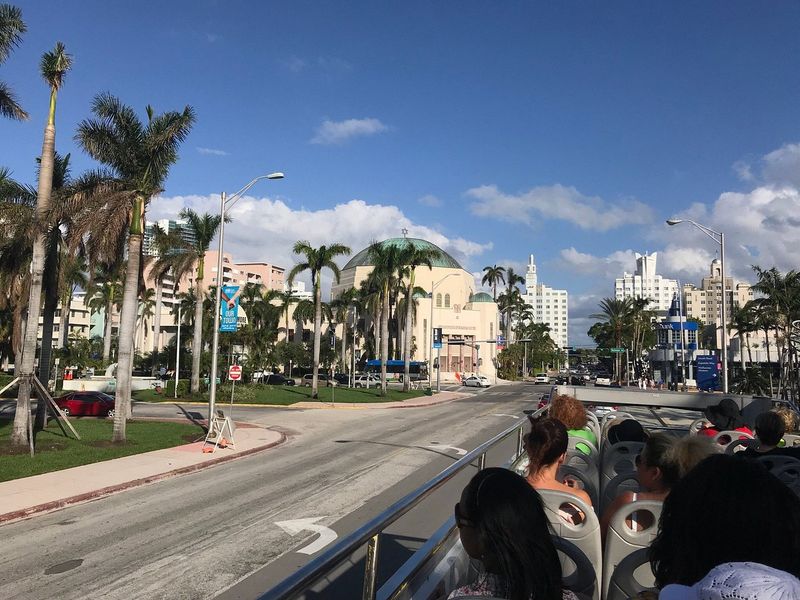
Miami has a steady cast of people who look slightly lost, slightly sunburnt, and intensely determined to have the best day ever. You’ll spot them dragging suitcases down sidewalks in South Beach, pausing in bike lanes to take photos, or holding phones up like compasses in Little Havana.
They travel in clusters wearing matching outfits, or in couples arguing softly about where the car is parked. Some are adorable, some are chaotic, and most are just overwhelmed by the volume of everything.
Locals learn to flow around them the way you flow around a slow walker in a mall—polite, quick, no eye contact. You also learn which places become tourist magnets at certain hours, and you plan accordingly.
The funny part is that tourists bring energy. They clap for street performers, they gasp at the skyline, they act like pastel buildings are a revelation.
After living here awhile, you stop seeing them as “in the way” and start seeing them as background noise—like ocean waves, but with more selfie sticks.
10. You’ll casually see exotic cars like they’re scooters
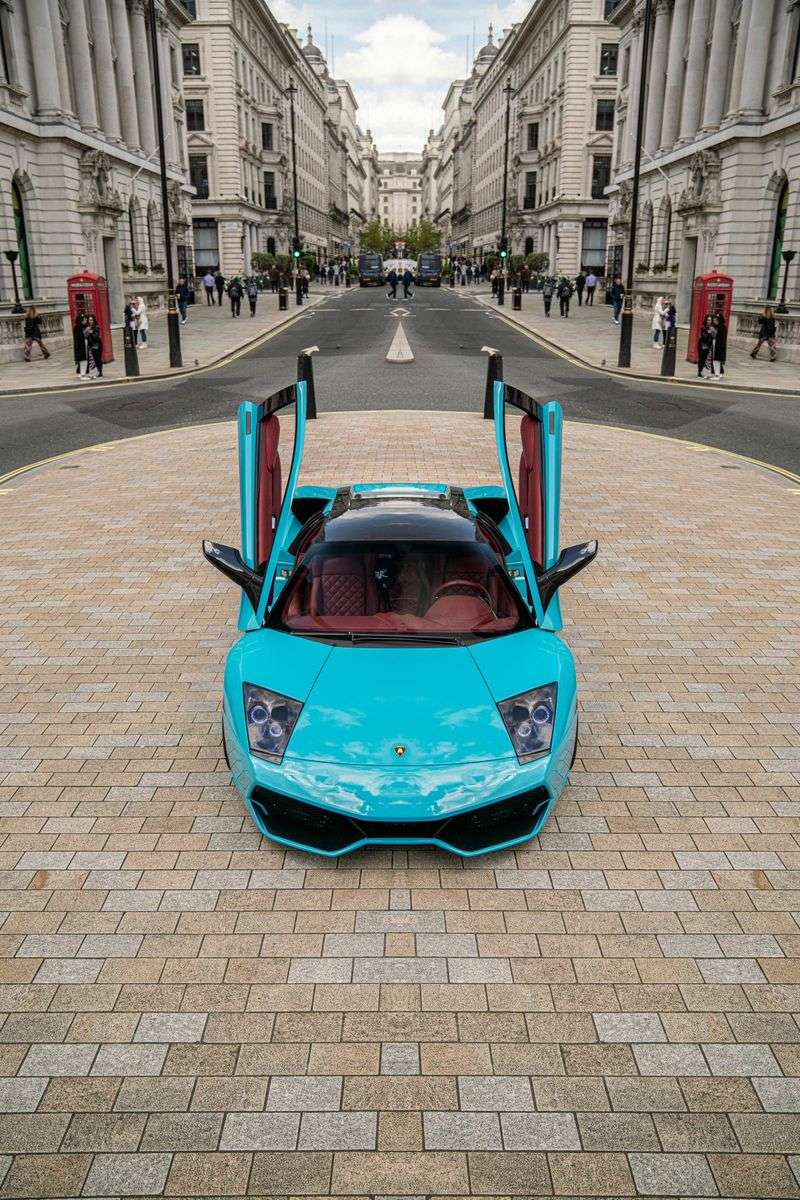
At some point, a bright neon supercar stops being an event and starts being… traffic. You’ll be at a red light next to a Lamborghini with tinted windows and a soundtrack that rattles your mirror, and you won’t even look up from your podcast.
In certain parts of town—Brickell, Design District, Miami Beach—luxury cars are as common as Uber stickers. Ferraris pull into strip malls.
Rolls-Royces idle outside coffee shops like it’s normal. Even school pickup lines can look like a car show if the neighborhood is feeling extra.
The city’s flashy side isn’t always about wealth, either—it’s about display. Miami loves a statement, and cars are one of the loudest ones.
You’ll also see the contrast: a $300,000 car parked next to a beat-up Corolla that’s survived every summer since 2009. After a while, the exotic cars blend into the scenery.
The only ones that still get a reaction are the truly absurd ones—custom wraps, wild colors, or something so low it looks like it’s scraping the air.
11. The “Miami look” is a whole ecosystem

This city has a specific kind of polish, and it shows up in unexpected places. You’ll see full glam at brunch, crisp linen fits at the pharmacy, and sunglasses that cost more than rent sitting on someone’s head like it’s no big deal.
Nails are sharp, lashes are dramatic, and hair is either perfectly styled or intentionally messy in a way that still looks expensive. The funny part is it’s not just one style—Miami has multiple “looks” depending on the scene.
Brickell is sleek and corporate-luxe. South Beach is bold, body-conscious, and camera-ready.
Wynwood is experimental, vintage, artsy, sometimes chaotic on purpose. The common thread is confidence.
Even casual outfits have intention: clean sneakers, fresh jewelry, a signature scent. And yes, the heat makes this impressive.
People step out looking unbothered while the weather is actively trying to sabotage them. You don’t have to participate, but you will start noticing the details—and maybe upgrading your own baseline without meaning to.
12. Wildlife shows up in places it shouldn’t

Miami nature doesn’t stay politely in parks. It shows up on your porch, in your pool, and occasionally in your nightmares.
Iguanas are the city’s unofficial freeloaders—big, prehistoric-looking, and totally comfortable sunbathing like they pay rent. After a cold snap, you’ll hear people casually talk about them “falling from trees” like it’s a normal seasonal update.
Then there are the roaches, which don’t skitter so much as they perform. After heavy rain, they appear with a confidence that feels personal.
Birds are bold too—seagulls with attitude, ibises strolling through parking lots, and those little lizards that dart across sidewalks like they’re late for something. Even the raccoons feel like they’re on a mission.
The local adjustment is learning what’s harmless, what’s annoying, and what to ignore. You stop screaming at every rustle.
You start keeping doors shut, trash secured, and your pool skimmer ready. Miami wildlife is basically a reminder: this city is tropical, and the tropics are not shy.
13. AC everywhere, always, on maximum
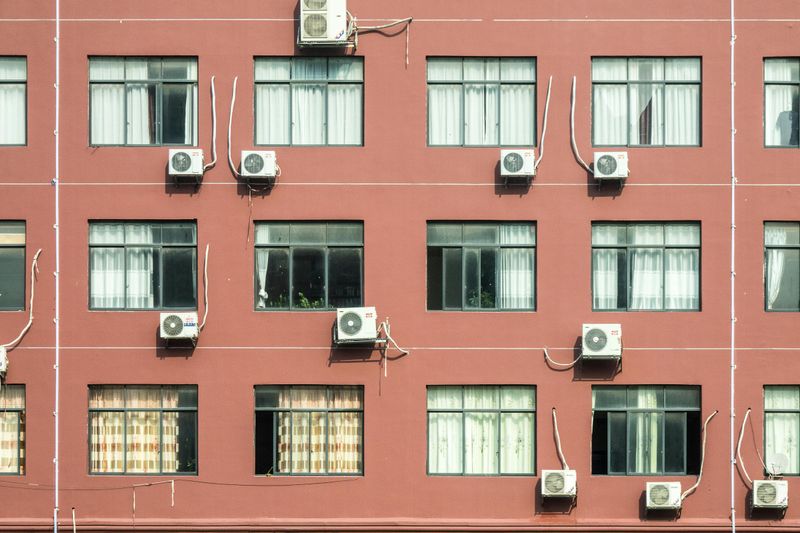
Outside is a sauna. Inside is a refrigerator.
That’s the Miami contract. You’ll step off a sun-blasted sidewalk into a restaurant and instantly consider buying a hoodie from the gift shop.
Offices, malls, grocery stores, even Ubers—someone is always committed to arctic temperatures. Locals adapt in the most Florida way possible: you keep a light jacket in your car year-round, right next to the sunglasses and the emergency water bottle.
The real whiplash happens when you’re dressed for heat—tank top, shorts, sandals—and then you spend two hours in a freezing movie theater wondering if you should’ve packed socks. It’s also why patios are such a big deal; they’re the sweet spot between sweaty and shivering.
You’ll hear people argue about AC like it’s politics. “Turn it down” is basically a love language. Eventually, you stop being shocked and start planning: if you’re going somewhere indoors for a while, bring a layer.
Miami’s coldest season isn’t winter. It’s the frozen aisle at Publix.
14. Hurricanes become a seasonal mindset

Hurricane season turns Miami into a city of amateur meteorologists. People who don’t know a cloud type all year suddenly start analyzing models, cones, and wind speed like they’re studying for finals.
Group chats light up with screenshots, “spaghetti models,” and someone’s cousin who “has a guy” for shutters. The ritual is predictable: the second there’s a serious storm possibility, shelves get raided for water, batteries, and that one random item everybody panic-buys—like Pop-Tarts.
Gas lines grow. Home improvement stores become arenas.
Then the waiting starts, and Miami does what it does best: a mix of preparation and denial. Locals learn the practical stuff—how to stock smart, when to charge devices, what to bring inside, how to avoid last-minute chaos.
You also learn that the storm’s path can change fast, so you don’t spiral with every update. The real adjustment is emotional: hurricane season isn’t constant fear; it’s a background awareness that makes you keep your essentials in order and your plans flexible.
15. Cafecito is not just coffee—it’s a ritual
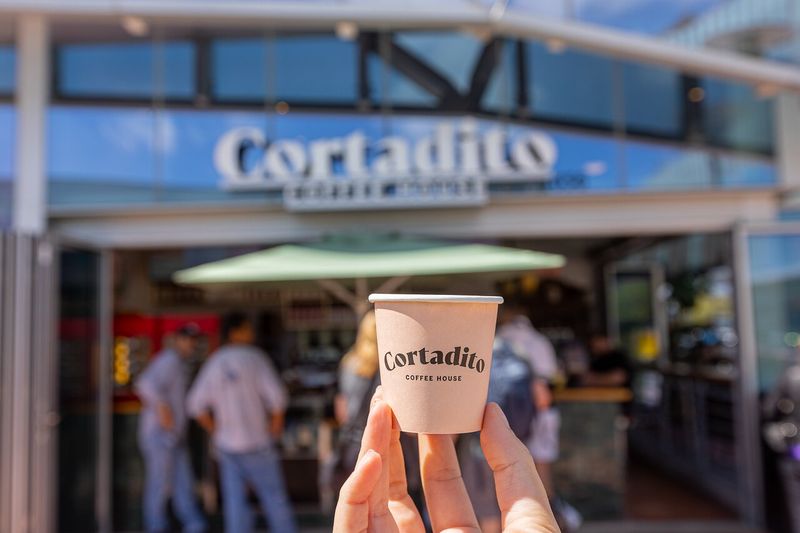
A tiny cup of Cuban coffee can run Miami for hours. The ventanita is where this city’s daily rhythm lives—people leaning on counters, quick jokes, loud hellos, and that sweet smell of espresso cutting through the heat.
Cafecito isn’t sipped slowly like a latte; it’s taken like a shot of social energy. You’ll see construction workers, office people, and abuelas all grabbing the same thing, and nobody’s shy about it being strong.
The sugar foam on top is basically part of the experience, and yes, you will get opinions on where it’s best. Ordering becomes automatic: cortadito if you want it mellowed with milk, colada if you’re sharing, café con leche if you’re committing to the full moment.
It’s also a social cue. Someone says “vamos por un cafecito,” and suddenly you’re taking a break whether you planned to or not.
After a while, you stop thinking of it as coffee and start thinking of it as a reset button.
16. Every neighborhood feels like a different city
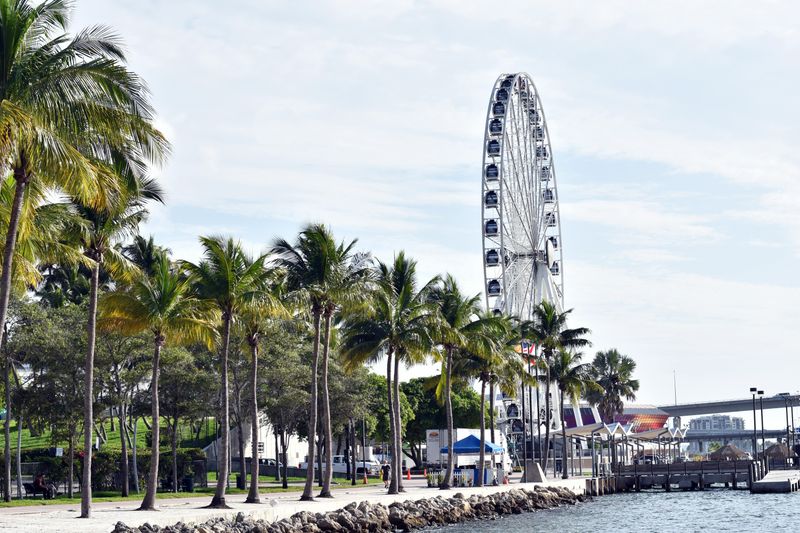
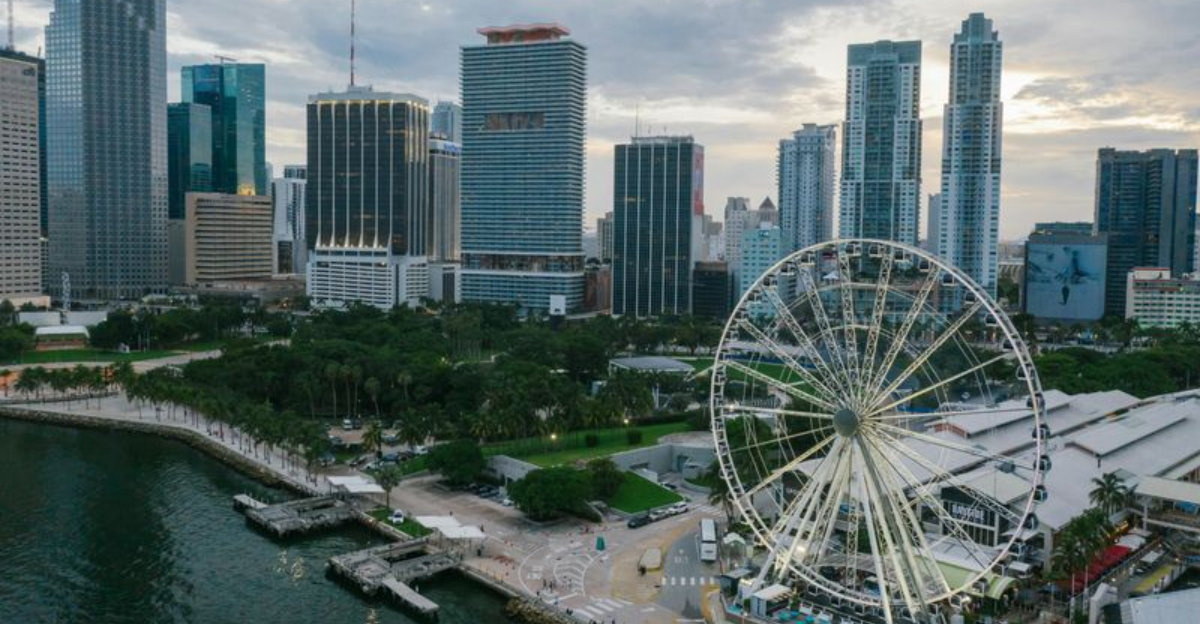
Miami isn’t one vibe—it’s a mixtape. Brickell feels like glass, money, and people walking fast with iced coffees and gym bags.
Little Havana moves to a different soundtrack: domino tables, Cuban flags, cigar smoke, and conversations that spill onto the sidewalk. Wynwood is color and chaos in the best way—murals, galleries, pop-up shops, and a crowd that looks like it came dressed for a photoshoot.
Coconut Grove is leafy and slower, with old Florida energy and patios that make you forget downtown exists. Then there’s Miami Beach, where the ocean, the traffic, and the nightlife all compete for attention at once.
The adjustment is learning that distance isn’t measured in miles; it’s measured in mood. A 15-minute drive can take you from finance-bro polish to artsy warehouse grit to family-run cafeterías.
Locals don’t say “let’s go to Miami” like it’s one place. We name the neighborhood, because that tells you what rules you’re about to play by.
17. The food scene is casually world-class
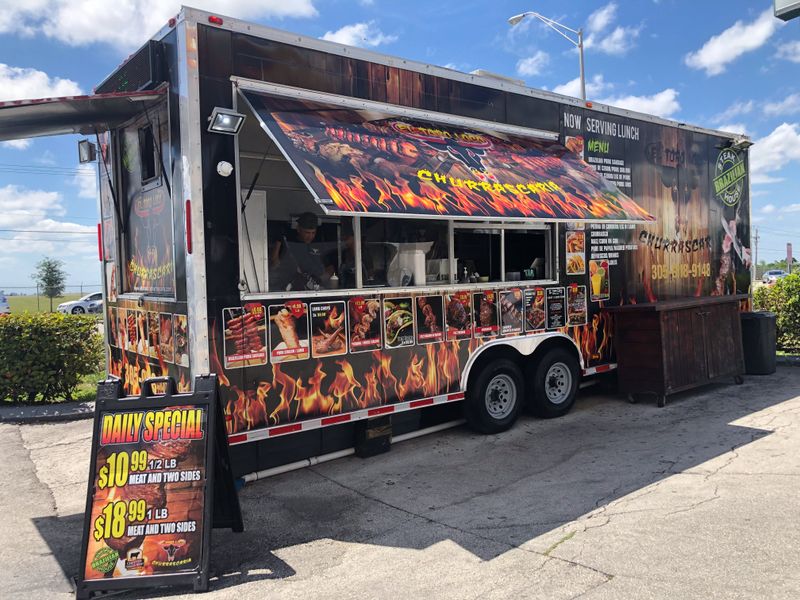
Miami’s best meals often happen in places that look like nothing from the outside. A strip mall spot might serve mind-blowing arepas.
A tiny window could hand you croquetas that ruin you for all other snacks. You’ll find Haitian griot, Peruvian ceviche, Venezuelan cachapas, Colombian bandeja, Nicaraguan fritanga, and Cuban classics without making a “special” trip—it’s just around.
The city’s diversity isn’t a talking point; it’s dinner. And the food culture is fast, opinionated, and specific.
People debate the best pastelito like it’s a serious matter. Late-night cravings have options beyond pizza: you can get a perfectly pressed pan con bistec at hours other cities are asleep.
The adjustment is how quickly your standards change. You stop being impressed by “good” and start noticing small details—crispy edges, fresh sauces, the right balance of citrus, the bread actually warm.
Miami makes you picky, and honestly, it’s justified.
18. Weekend events happen like pop-ups
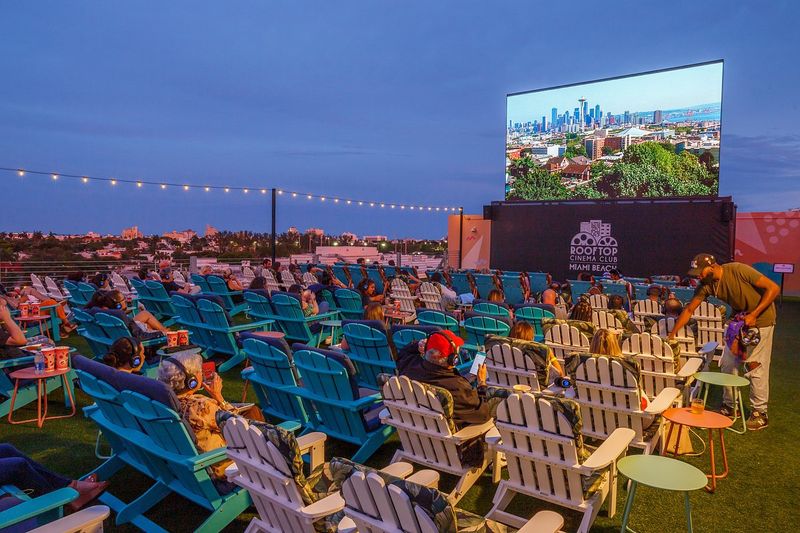
Miami weekends feel like someone hit shuffle on the entire city. You can wake up with no plan and still end up at an art walk, a waterfront festival, a market under palm trees, or a random outdoor DJ set that looks semi-official.
The best part is how informal it all feels—events appear, move, disappear, then pop up somewhere else two weeks later. One weekend, Wynwood is packed for an art thing; the next, it’s a fitness event with music blasting at 10 a.m.
There’s always a boat party somewhere, always a “soft opening,” always a rooftop hosting something that may or may not be worth it. Locals get good at reading the signs: if you see an unusually stylish crowd walking with purpose, something is happening.
You also learn to check social media for flyers and last-minute announcements because Miami doesn’t always advertise like a normal city. The adjustment is accepting spontaneity as the plan—keep your outfit flexible, your phone charged, and your expectations loose.
19. The sun is both a blessing and a warning label
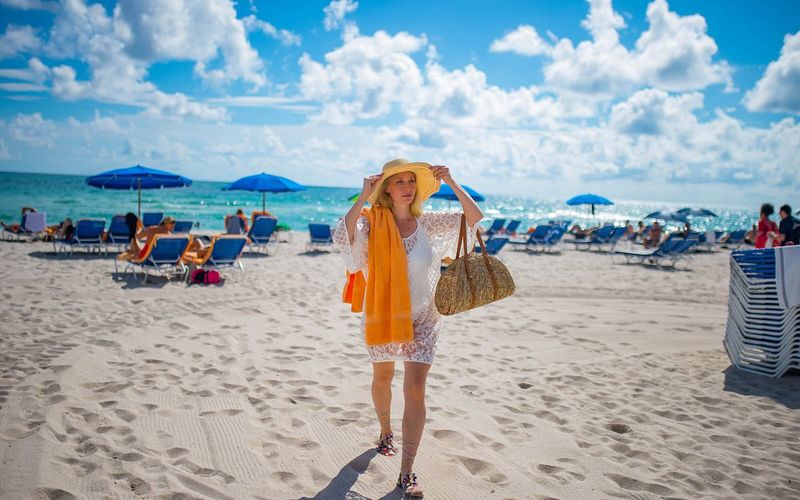
Miami sun doesn’t play. It looks friendly, it feels amazing, and then it quietly cooks you while you’re distracted by a view.
You can run “one quick errand” and come back with a fresh tan line you didn’t request. The light is intense in a way that makes everything look sharper—buildings brighter, water bluer, and your car interior approximately 400 degrees.
Locals treat sunscreen like toothpaste: not optional, just part of getting ready. You’ll also see the practical adaptations everywhere—tinted windows, big hats, UPF shirts on people who’ve learned the hard way.
Shade is valuable currency, which is why you’ll spot folks walking on the narrow strip of sidewalk shadow like it’s a secret path. Even beach days come with strategy: early morning, late afternoon, or a tent if you’re staying long.
The adjustment is realizing the sun is both the city’s best feature and its biggest bully. Respect it, or it will humble you fast.
20. People-watching is basically a local hobby
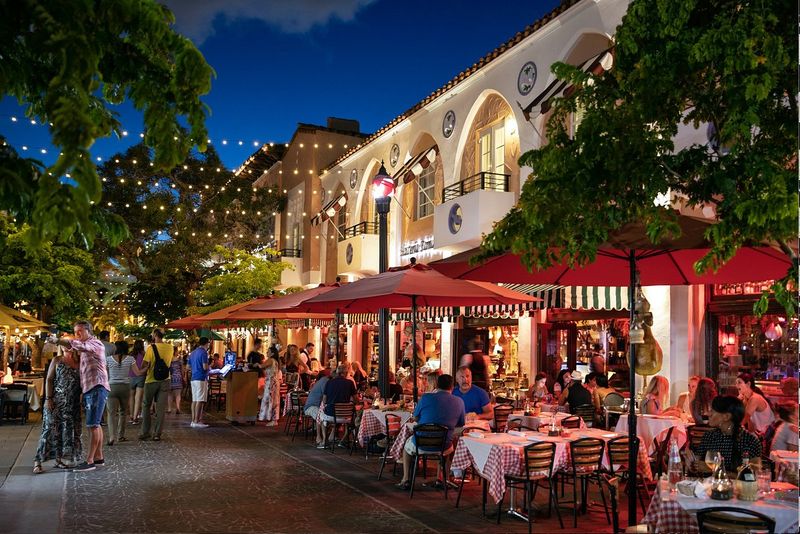
Miami is a live show with no intermission.
Sit at an outdoor café for ten minutes and you’ll see a full range of characters: a guy in designer everything walking a tiny dog like it’s royalty, a rollerblader with headphones doing tricks at a red light, a bachelorette group in matching outfits, and someone conducting a very dramatic phone call in three languages.
Style is part of it, but behavior is the real entertainment. People argue passionately about parking, pose for photos like they’re on a set, and treat everyday errands like a social event.
The funniest part is how normal it becomes. You stop staring because you’ve seen stranger.
You also learn where the best scenes are: Lincoln Road on a busy afternoon, Ocean Drive at dusk, a Brickell patio during happy hour, the Design District on a weekend. The adjustment isn’t getting bored—it’s realizing the city feeds off spectacle.
And once you’re used to it, you’ll miss it when you’re somewhere quiet.