5 Florida Places With Surprisingly Dark Histories
Florida is famous for its sunny beaches, theme parks, and vibrant culture. But beneath the palm trees and postcard-perfect scenery, some locations hide chilling secrets from the past.
From violent uprisings to mysterious disappearances, these five places reveal a side of the Sunshine State that few tourists ever hear about.
1. St. Augustine
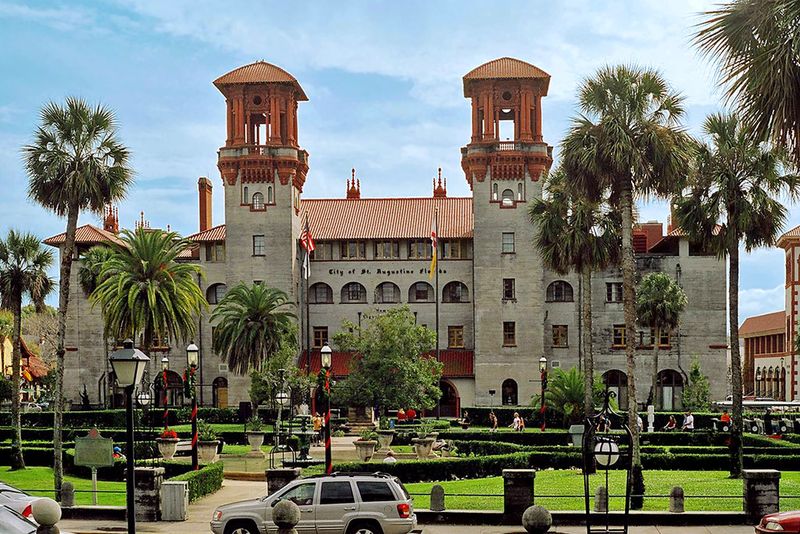
America’s oldest city might look like a charming vacation spot today, but its cobblestone streets have witnessed unimaginable violence over the centuries. Spanish colonizers built St. Augustine in 1565, and from that moment forward, the city became a battleground for European powers fighting for control. Native American tribes faced brutal conquest, forced labor, and diseases that wiped out entire populations.
Slavery thrived here for hundreds of years, with enslaved Africans working under horrific conditions to build the city’s iconic fortress, Castillo de San Marcos. Public executions were common in the town square, where criminals and rebels met grisly ends in front of crowds. Wars between the Spanish, British, and eventually Americans turned St. Augustine into a place of constant bloodshed.
Even the famous fort served as a military prison where Native American leaders like Geronimo were held captive far from their homelands. Visitors today walk past beautiful Spanish architecture without realizing the suffering embedded in every stone.
2. Rosewood
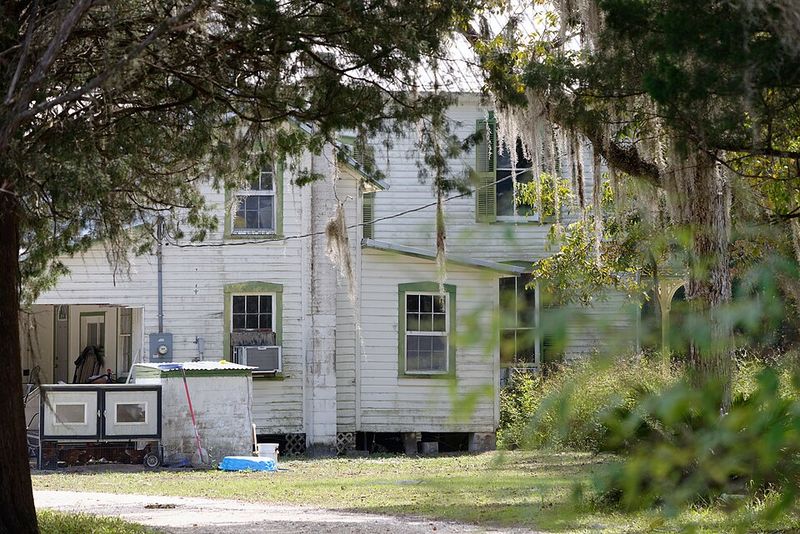
In January 1923, a prosperous Black community in Levy County was completely destroyed in one of the most horrific racial massacres in American history. Rosewood was home to successful business owners, farmers, and families who had built a thriving town from the ground up. Everything changed when a white woman from a neighboring town falsely accused a Black man of assault, sparking a violent rampage fueled by racism and lies.
White mobs from surrounding areas descended on Rosewood with guns, torches, and pure hatred. They burned homes, churches, and businesses to the ground while hunting down residents who fled into nearby swamps. At least six Black residents and two white attackers died during the weeklong terror, though historians believe the actual death toll was much higher.
By the end of the violence, Rosewood ceased to exist as a town. The land was abandoned, and for decades, the massacre was covered up and forgotten by official records. It wasn’t until the 1980s that survivors’ testimonies brought the truth to light.
3. Dozier School for Boys (Marianna)
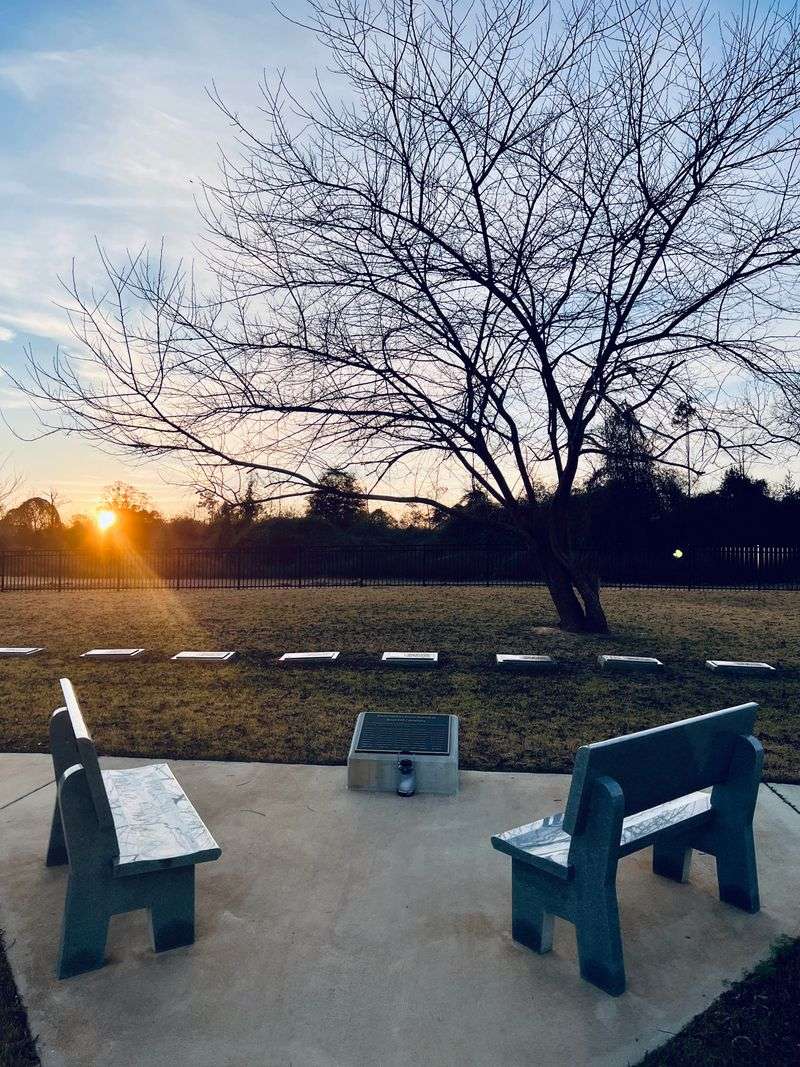
What was supposed to be a place of reform and education became a house of horrors for countless young boys over more than a century. Opened in 1900, the Dozier School for Boys in Marianna claimed to rehabilitate troubled youth, but behind closed doors, staff members committed unspeakable acts of abuse. Boys as young as five were beaten, tortured, and sometimes killed by the very adults meant to protect them.
Former students who survived described a place nicknamed “The White House,” a small building where the worst punishments occurred. Boys were strapped to beds and beaten with leather straps until they bled or passed out. For decades, families were told their sons had run away or died of illness, but the truth was far more sinister.
In 2012, researchers using ground-penetrating radar discovered dozens of unmarked graves on the property, confirming the darkest rumors. The school finally closed in 2011 after investigations revealed the ongoing abuse and cover-ups. Today, the site stands as a grim reminder of institutional cruelty and the failure to protect vulnerable children.
4. Dry Tortugas (Fort Jefferson)
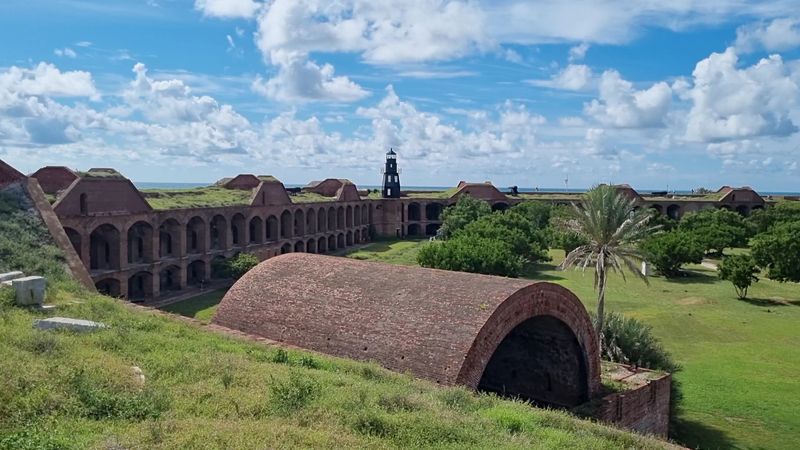
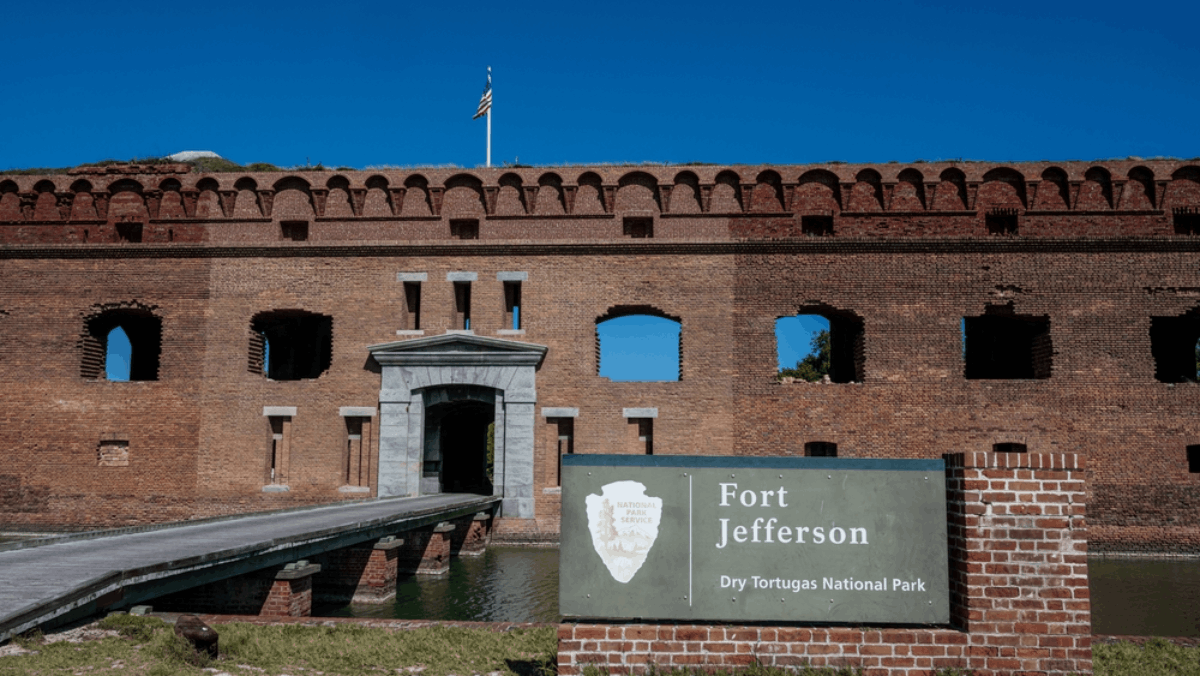
Seventy miles west of Key West sits a massive hexagonal fortress on a remote island that once served as one of America’s most brutal military prisons. Fort Jefferson was built in the mid-1800s to protect American shipping lanes, but during and after the Civil War, it became a place of punishment and suffering.
Union soldiers convicted of crimes, deserters, and even conspirators in President Lincoln’s assassination were sent to this isolated prison with little hope of escape.
Life at Fort Jefferson was miserable beyond imagination. Prisoners endured sweltering heat, disease-carrying mosquitoes, and limited fresh water. Yellow fever outbreaks killed soldiers and inmates alike, and the island’s isolation meant medical help was almost nonexistent.
5. Cassadaga
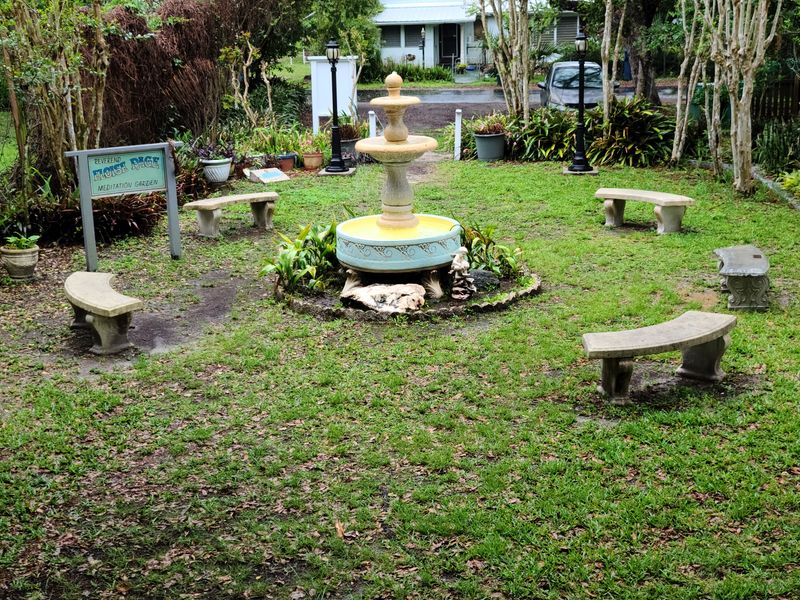
Known today as the “Psychic Capital of the World,” this small Volusia County town has a reputation that goes far beyond fortune-telling and séances. Founded in 1894 by spiritualists seeking to communicate with the dead, Cassadaga attracted believers and skeptics alike. But over the decades, strange deaths, unexplained disappearances, and dark legends have given the town an unsettling reputation that persists to this day.
Locals and visitors have reported bizarre occurrences, from shadowy figures wandering the streets at night to voices calling out from empty buildings. Some spiritualists who practiced here allegedly dabbled in darker forms of occult rituals, attracting dangerous energies. Several mysterious deaths in and around the town remain unsolved, fueling speculation about curses and supernatural forces at work.
One infamous legend involves Devil’s Chair, a cemetery bench where people claim to experience visions, hear whispers, or feel an evil presence. Others speak of mediums who vanished without a trace after performing particularly intense sessions. Whether you believe in the paranormal or not, Cassadaga’s eerie atmosphere is undeniable.