5 Florida Towns Where You Can Live Comfortably Without a Car
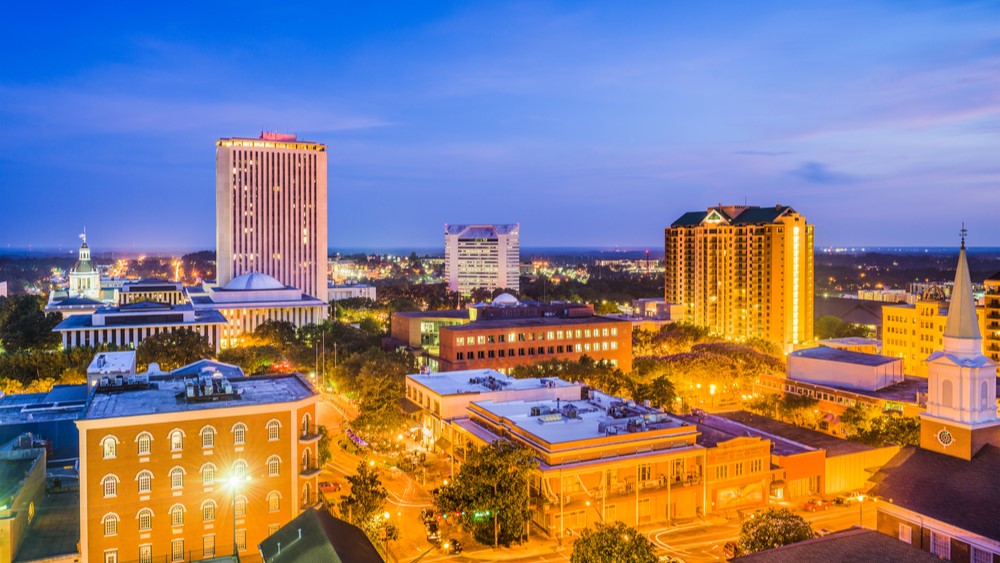
Living without a car might sound impossible in Florida, but several towns across the state make it surprisingly easy. With walkable streets, reliable public transit, and bike-friendly infrastructure, these communities offer a refreshing alternative to the daily grind of traffic and parking hassles.
Whether you’re looking to save money, reduce your carbon footprint, or simply enjoy a slower pace of life, these five Florida towns prove that car-free living is not only possible but genuinely enjoyable.
1. Miami Beach

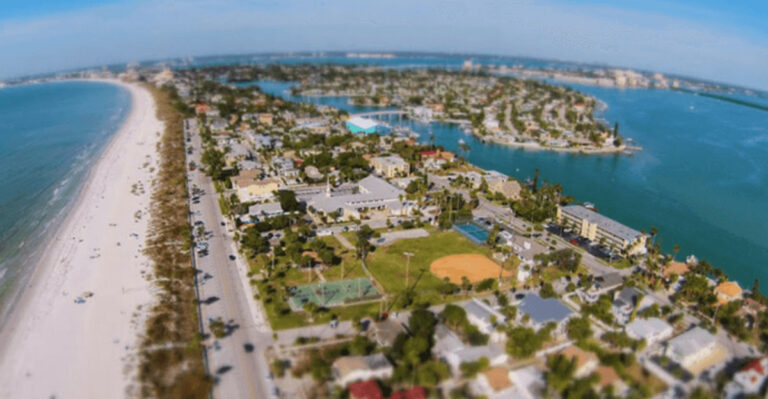
Picture this: you wake up in the morning, grab your bike, and head out to pick up fresh coffee and pastries without ever worrying about finding parking. That’s everyday life in Miami Beach, where the density of the area works in your favor.
The city has invested heavily in making life easier for people who choose to walk or bike. Wide sidewalks line most streets, and dedicated bike lanes help you navigate safely. Free trolley services run regularly through major corridors, connecting neighborhoods to beaches, shopping districts, and entertainment areas without costing you a dime.
Grocery stores, pharmacies, restaurants, and medical offices cluster within neighborhoods, so you’re rarely more than a mile from what you need. The beach itself becomes your backyard, accessible by foot in minutes from most residential areas.
Many residents find that ditching their cars actually improves their quality of life here. You’ll spend less time stuck in traffic and more time enjoying the vibrant street life that makes Miami Beach special.
2. Key West
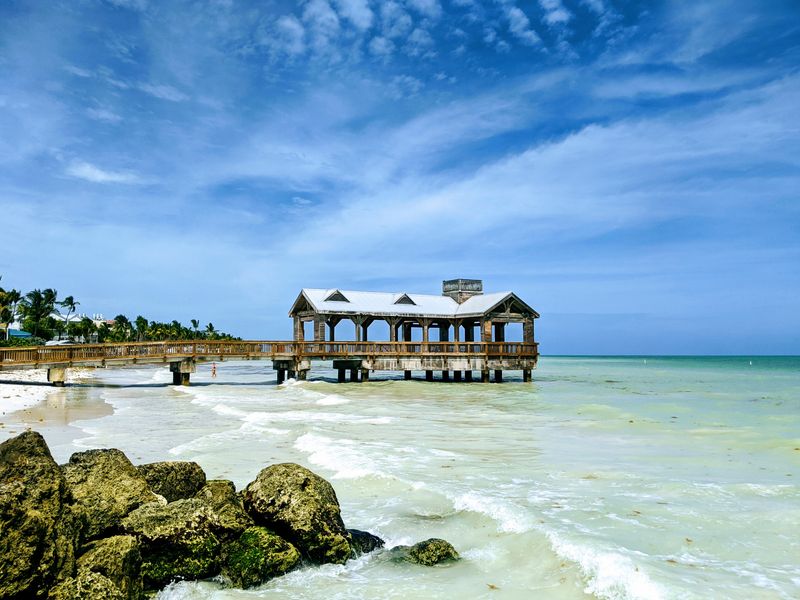
At just two miles wide and four miles long, Key West feels more like a village than a city, and that’s exactly what makes it perfect for car-free living. Most locals will tell you they barely remember the last time they needed a car for daily errands.
The entire island sits at sea level, so you won’t find any exhausting hills to climb. Walking from one end of town to the other takes less than an hour, and biking cuts that time in half. Historic neighborhoods blend seamlessly with commercial areas, meaning your workplace, favorite restaurant, and home might all be within a ten-minute walk.
Duval Street serves as the main artery, packed with shops, bars, galleries, and cafes that draw both tourists and residents. Side streets reveal quieter residential pockets where locals actually live, complete with corner stores and neighborhood haunts.
Public transit exists but honestly feels unnecessary for most residents. Bikes rule the roads here, and drivers expect to share space with cyclists.
3. St. Augustine
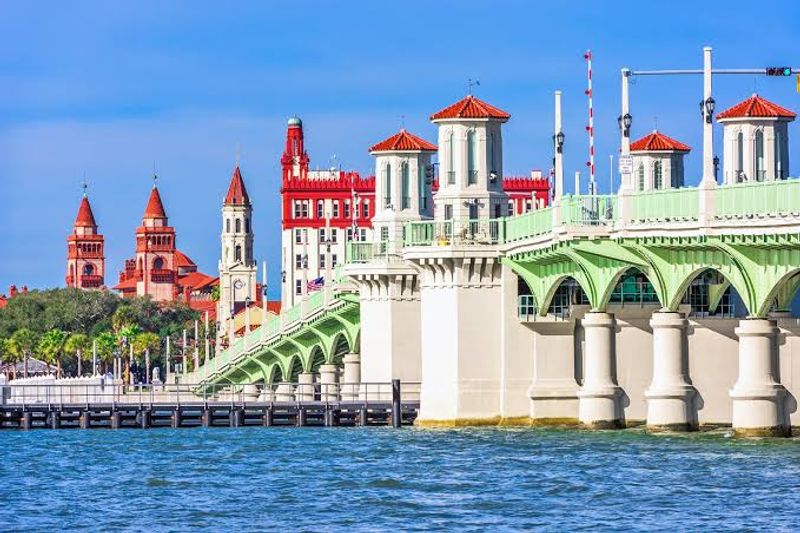
Founded in 1565, St. Augustine’s historic downtown was built centuries before anyone imagined automobiles, which accidentally created the perfect walkable neighborhood. Narrow cobblestone streets wind past Spanish colonial architecture, creating an atmosphere that encourages exploration on foot.
The historic district packs an incredible amount into a small footprint. Museums, restaurants, boutique shops, art galleries, and historic sites cluster together so tightly that you can easily visit a dozen places without moving your car. The waterfront adds another layer of accessibility, with parks and marinas just steps away from the main commercial areas.
Trolley services operate throughout the historic core, offering hop-on, hop-off convenience for residents and tourists alike. These aren’t just gimmicks for sightseers; locals genuinely use them for errands and appointments.
Living here means embracing a slower rhythm. You might spend Saturday morning walking to the farmers market, then strolling along the seawall before grabbing lunch at a cafe with outdoor seating. The pedestrian-friendly infrastructure isn’t just convenient; it fundamentally changes how you experience your community, turning routine errands into pleasant outings rather than chores to rush through.
4. Gainesville
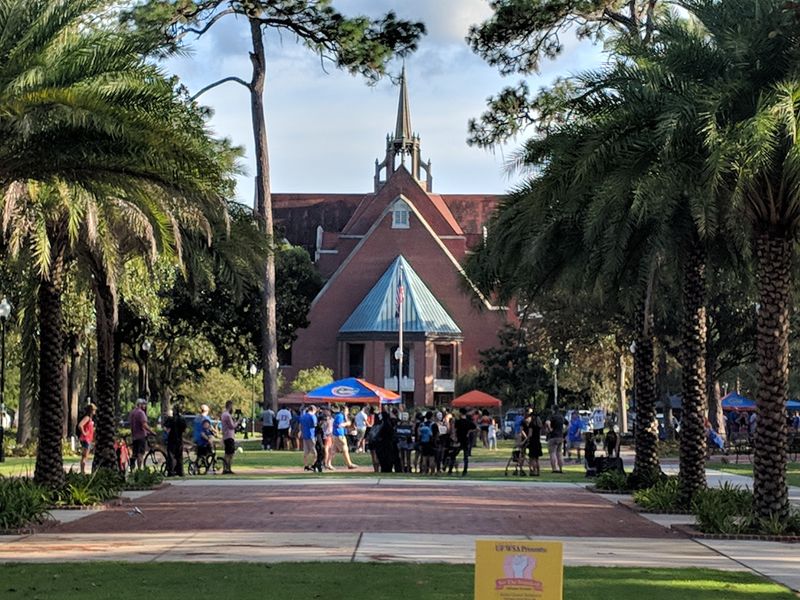
Home to more than 50,000 students, the University of Florida has shaped Gainesville into one of the state’s most bike-friendly cities. The infrastructure here wasn’t an afterthought; it was designed specifically to accommodate people who don’t drive.
Miles of dedicated bike lanes crisscross the city, connecting the campus to surrounding neighborhoods, shopping areas, and parks. The Regional Transit System runs extensive bus routes with frequent service, and students ride free with their university IDs. Even if you’re not a student, the transit system remains affordable and reliable for getting around town.
Neighborhoods near campus buzz with energy and amenities. Coffee shops, affordable restaurants, bookstores, and grocery stores line the streets within easy walking distance of apartments and rental houses.
Beyond the student zones, established neighborhoods like Duckpond and Pleasant Street offer tree-lined streets and historic homes within biking distance of downtown. Professionals who work at the university or in downtown offices find that living car-free here is completely realistic, not just a college student’s temporary lifestyle.
5. Tallahassee
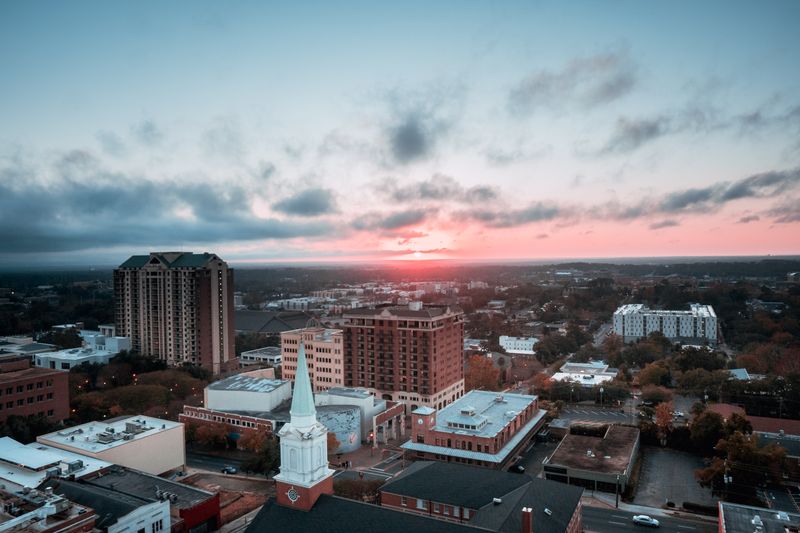
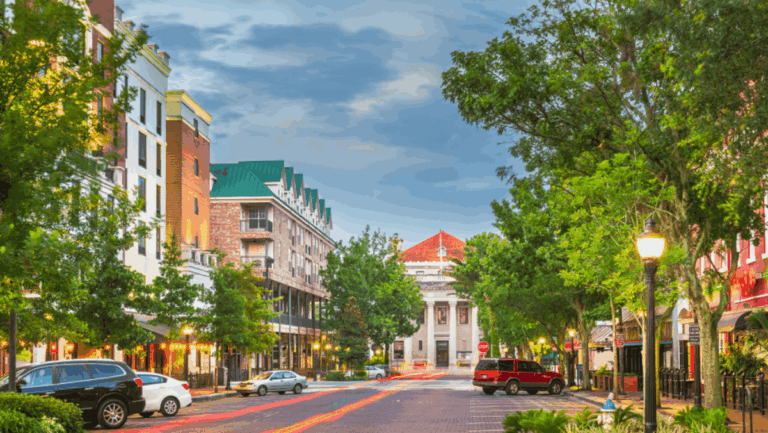
As Florida’s capital, Tallahassee surprises many people with its walkable core and functional public transit. The central neighborhoods, particularly around Florida State University and downtown, offer genuine alternatives to car ownership.
StarMetro, the city’s bus system, provides reliable service throughout the urban core with routes connecting residential areas to government offices, universities, shopping centers, and entertainment districts. Students and state employees make up a significant portion of riders, ensuring consistent demand that keeps the system running efficiently.
Neighborhoods like All Saints, Levy Park, and Los Robles sit within walking or biking distance of both FSU and downtown. Tree-canopied streets provide shade during hot months, making walking more pleasant than in many Florida locations.
Living car-free here works best if you choose your neighborhood strategically, prioritizing proximity to your workplace and essential services.