6 Florida Spots Where You Can See Wild Sea Turtles Up Close
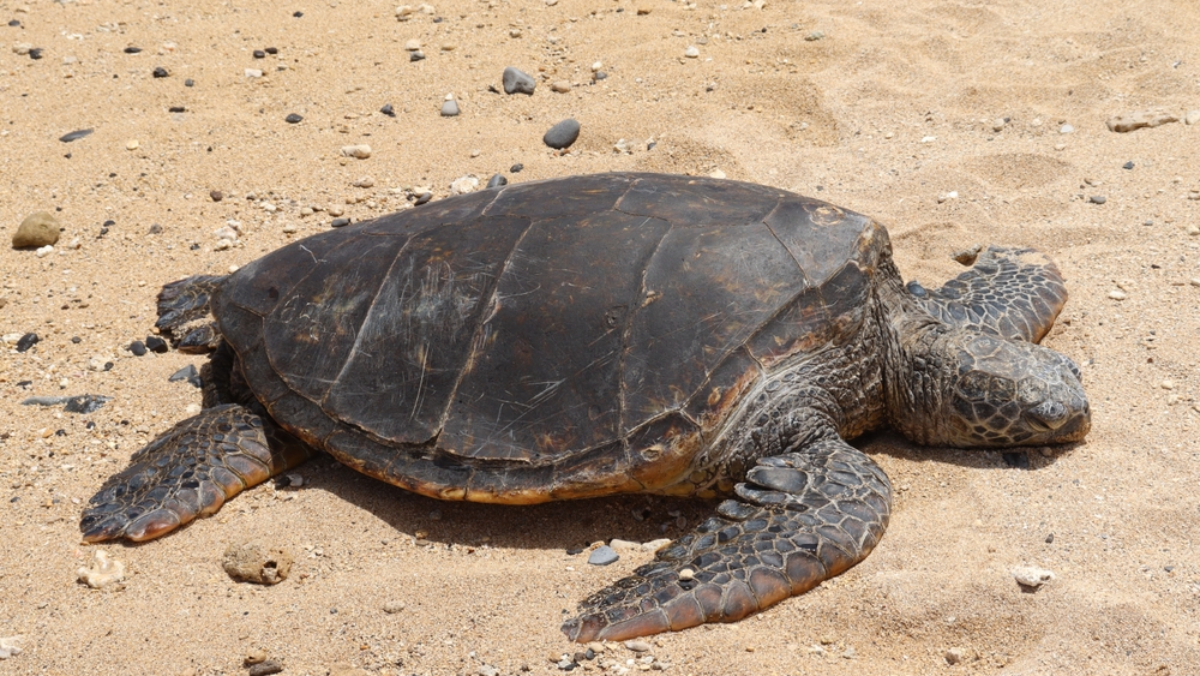
Florida’s warm coastal waters are home to some of the most incredible sea turtle populations in the world. From nesting beaches to coral reefs, the Sunshine State offers unforgettable opportunities to observe these ancient mariners in their natural habitat.
Whether you prefer guided night walks on sandy shores or snorkeling adventures through crystal-clear waters, these six remarkable locations let you witness wild sea turtles up close while supporting important conservation efforts.
1. Archie Carr National Wildlife Refuge
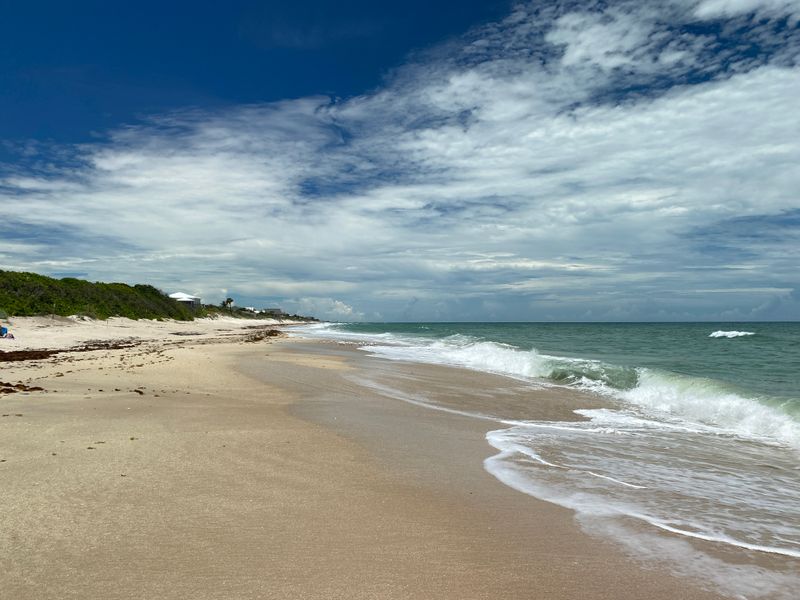
Stretching 20 miles between Melbourne Beach and Wabasso, this refuge protects one of the planet’s most critical loggerhead nesting sites. Every summer, thousands of female loggerheads return to these shores to lay their eggs, creating an awe-inspiring natural spectacle.
Permitted night turtle walks allow you to witness this ancient ritual firsthand. Trained guides lead small groups along the beach, carefully monitoring for nesting activity while teaching visitors about sea turtle biology and conservation.
These educational programs follow strict protocols to minimize disturbance to the turtles. Red-filtered flashlights and quiet observation ensure that mother turtles can nest without stress. Reservations fill up quickly, so book your spot early in the season.
2. Canaveral National Seashore
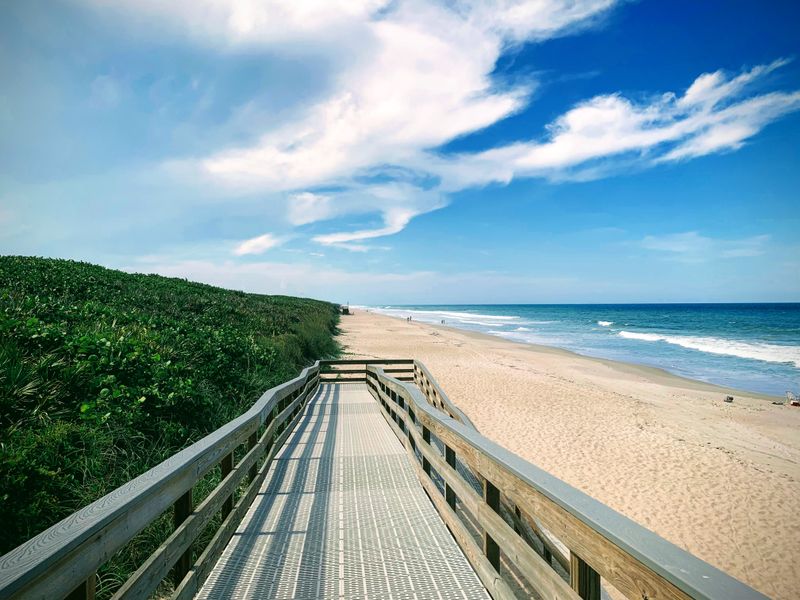
Nature lovers flock to this pristine 24-mile stretch of protected Atlantic coastline each nesting season. Loggerhead, green, and leatherback turtles all choose these undeveloped beaches for their nurseries, with thousands of nests documented annually.
June brings ranger-led turtle walks that offer rare access to nesting females. Park rangers share fascinating insights about each species’ unique behaviors and the challenges they face in the modern world. Strict low-light policies protect the turtles’ sensitive eyes, while distance rules prevent unnecessary stress.
The seashore’s remote location means darker skies and less human interference than many Florida beaches. This natural setting provides an authentic glimpse into how sea turtles have nested for millions of years.
3. Loggerhead Marinelife Center
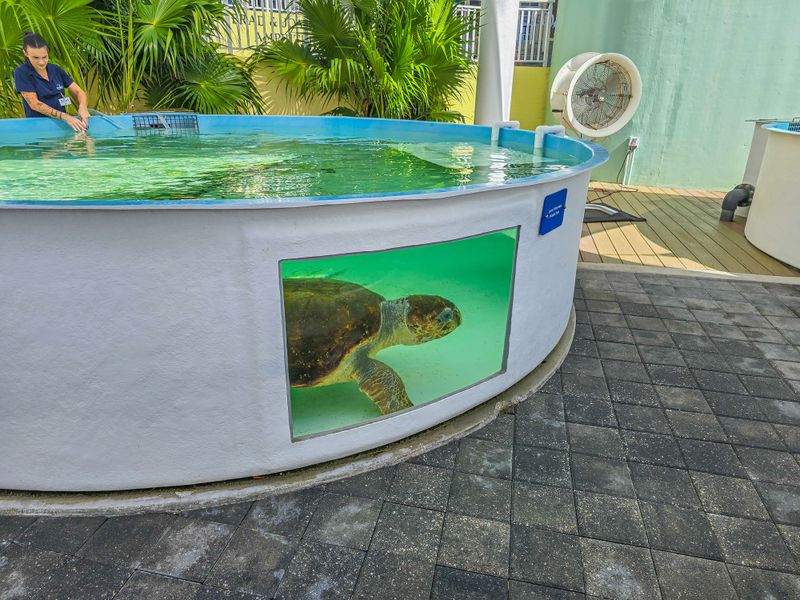
Juno Beach ranks among America’s most densely nested sea turtle beaches, making it a hotspot for turtle enthusiasts. Right in the heart of this activity sits the Loggerhead Marinelife Center, a nonprofit dedicated to ocean conservation and sea turtle rehabilitation.
The center’s rehabilitation hospital operates year-round, treating injured and sick turtles rescued from Florida waters. Floor-to-ceiling viewing windows let you watch veterinarians care for patients recovering from boat strikes, fishing line entanglement, and other threats.
Interactive exhibits teach visitors about marine ecosystems and what they can do to help. Many recovered turtles are released back into the ocean, and the public is often invited to celebrate these happy endings at organized release events.
4. John D. MacArthur Beach State Park
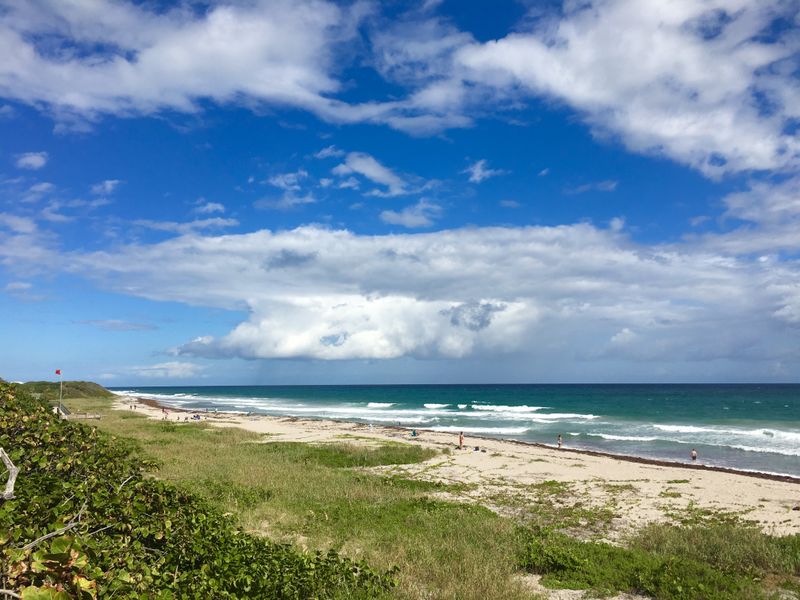
Barrier islands create perfect conditions for sea turtle nesting, and this narrow park exemplifies why. Thousands of nests appear here each season as female turtles instinctively return to the beaches where they hatched decades earlier.
On select summer nights, the park hosts permitted turtle walks that balance public access with conservation priorities. Small group sizes and experienced guides ensure minimal impact on nesting females. Participants learn to identify different species and understand the environmental factors affecting turtle survival.
The park’s natural beauty extends beyond its beaches. Maritime hammock forests and mangrove wetlands provide habitat for countless species, creating a complete coastal ecosystem.
Reservation systems help manage visitor numbers and protect sensitive nesting areas. This careful approach has made the park a model for sustainable wildlife tourism, proving that people can enjoy nature without harming it when proper safeguards exist.
5. Dry Tortugas National Park
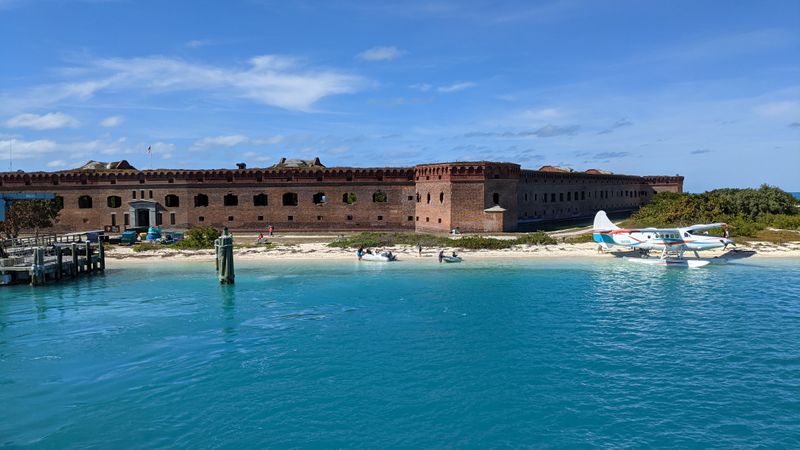
Adventure defines any visit to this remote archipelago, accessible only by boat or seaplane from Key West. The journey itself becomes part of the experience as you travel 70 miles across open water to reach this isolated paradise.
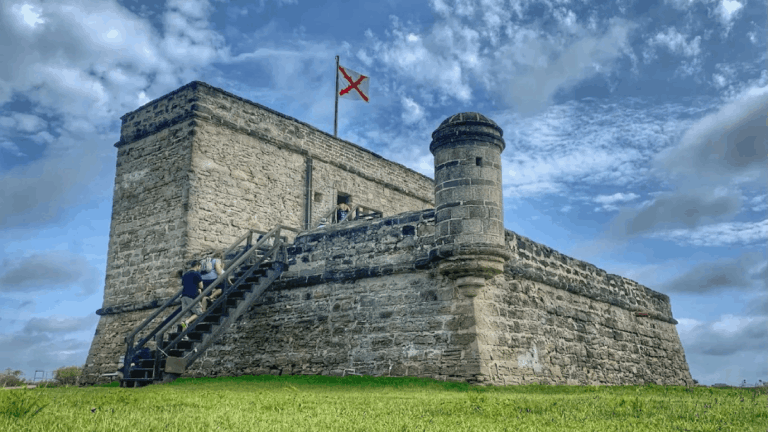
Crystal-clear shallow reefs surround the historic Fort Jefferson, creating an ideal habitat for green and loggerhead turtles. Snorkelers regularly encounter these graceful swimmers gliding over coral formations or resting near sandy patches.
Unlike beach-based turtle watching, snorkeling lets you observe turtles in their underwater world. Watch them feed on seagrass, interact with other marine life, or simply cruise through the warm currents. Their underwater ballet demonstrates why these creatures have survived for over 100 million years.
6. John Pennekamp Coral Reef State Park
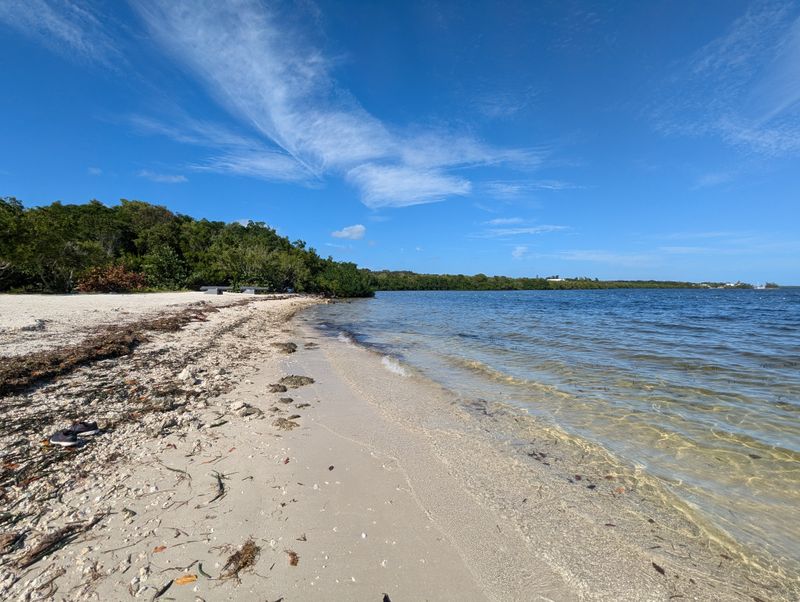
America’s first undersea park revolutionized marine conservation when it opened in 1963. Today, it protects 70 nautical square miles of Florida Keys coral reef ecosystem, providing sanctuary for countless marine species, including sea turtles.
Snorkel trips and glass-bottom-boat tours regularly spot wild turtles grazing on seagrass beds or investigating coral structures. These encounters happen naturally as turtles go about their daily routines, offering authentic glimpses into their behavior.
The park’s shallow reefs make it accessible for swimmers of all skill levels. Even nervous snorkelers can enjoy turtle sightings in calm, protected waters.