6 Places in Florida Where You Might Spot a Florida Panther
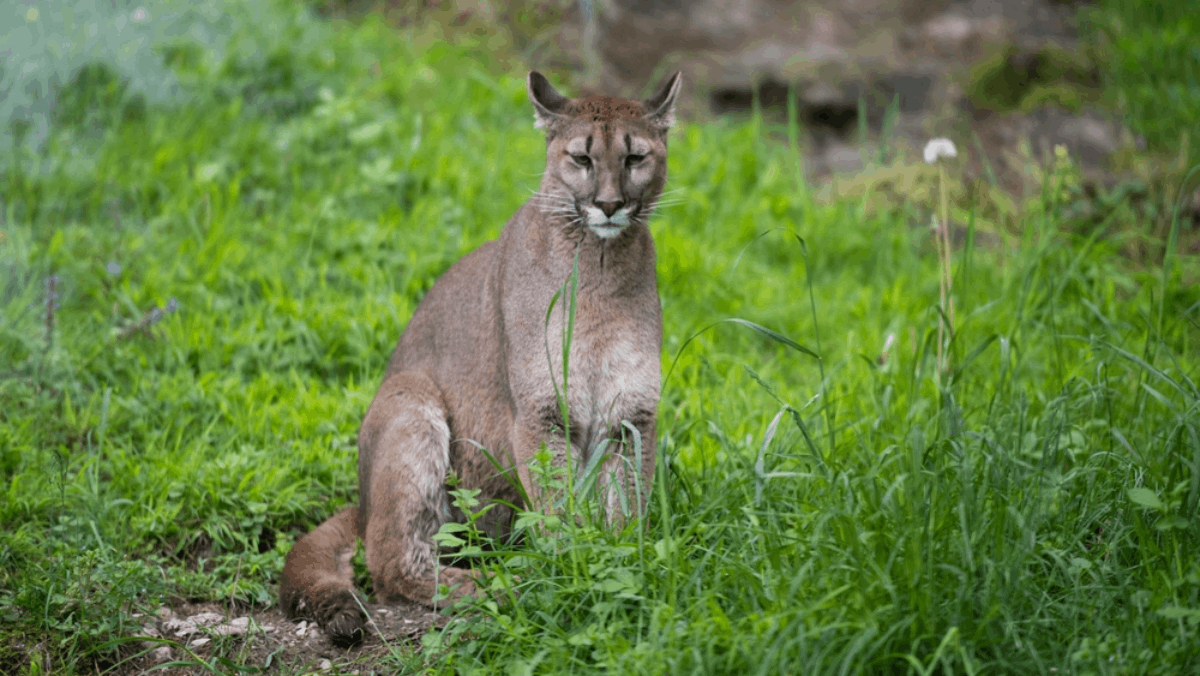
The Florida panther is one of the rarest and most elusive big cats in North America. With fewer than 200 individuals left in the wild, spotting one is an incredibly rare experience. These magnificent creatures roam through Florida’s wildest places, from dense swamps to sprawling prairies.
If you’re hoping to catch a glimpse of this endangered symbol of Florida’s wilderness, knowing where to look can make all the difference.
1. Big Cypress National Preserve
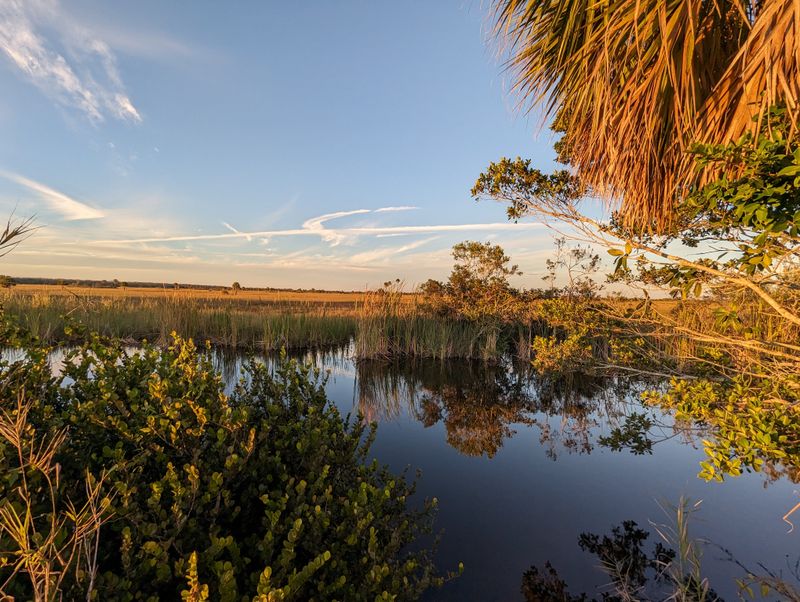
Stretching across more than 700,000 acres of South Florida, Big Cypress stands as one of the most vital habitats for the endangered Florida panther. The preserve’s name comes from the massive cypress trees that tower over swamps and prairies, creating a landscape that feels untouched by time.
Panthers thrive here because the preserve offers everything they need to survive. Dense forests provide perfect cover for stalking prey like deer and wild hogs. The mixture of wetlands and dry ground means food sources are plentiful year-round.
Driving along the Loop Road or Tamiami Trail gives you the best chance of spotting signs of panther activity. Early morning or late evening hours are prime time for wildlife movement. While actually seeing a panther is extremely rare, you might notice tracks, scratch marks on trees, or scat along the trails.
Rangers and wildlife experts consider Big Cypress essential for panther recovery efforts. The preserve connects to other protected lands, allowing panthers to roam safely across a wider territory.
2. Everglades National Park
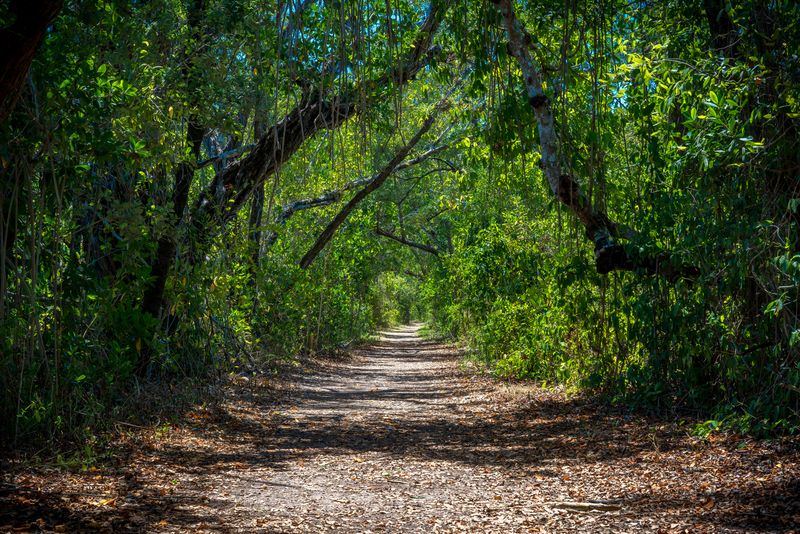
Deep within America’s largest subtropical wilderness, Florida panthers find sanctuary in the Everglades’ most remote corners. This UNESCO World Heritage Site spans 1.5 million acres of sawgrass marshes, mangrove forests, and hardwood hammocks that create perfect panther territory.
The park’s interior regions, especially around hardwood hammocks and pinelands, serve as critical hunting grounds. Panthers prefer these elevated areas because they stay drier during wet season and support larger populations of white-tailed deer. The dense vegetation provides excellent camouflage for these stealthy predators.
Your best bet for panther signs is exploring the park’s backcountry trails or paddling through quiet waterways at dawn. The Anhinga Trail and Shark Valley sometimes reveal tracks along muddy banks. Park biologists regularly monitor panther movements using radio collars, and their data shows panthers concentrate in the park’s northern sections.
Remember that panthers are incredibly shy and avoid human contact. Even experienced wildlife photographers spend years trying to capture a single image in the wild.
3. Florida Panther National Wildlife Refuge
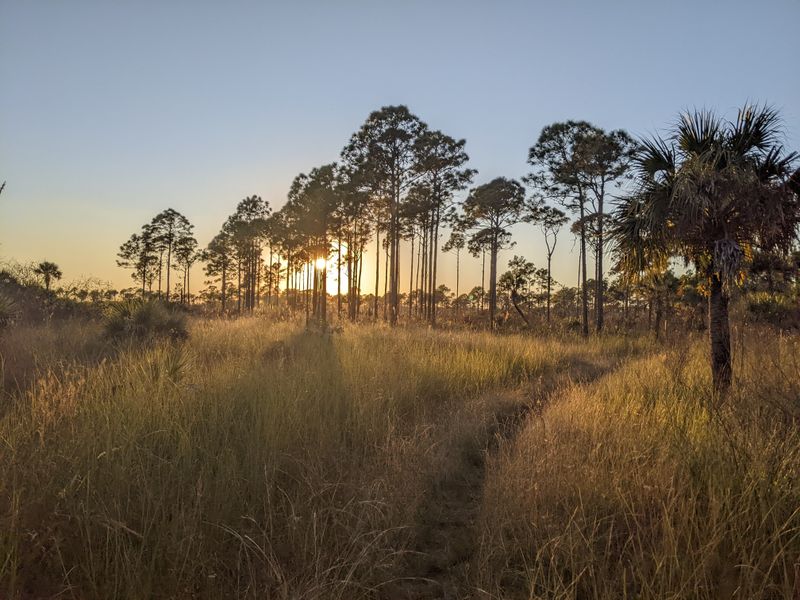
Created specifically to protect panther habitat, this 26,400-acre refuge represents a focused conservation effort unlike any other in the state. Located in Collier County, the refuge was established in 1989 when scientists realized panthers needed dedicated protected space to survive.
Unlike other parks that welcome heavy visitor traffic, this refuge limits public access to protect its shy residents. A short walking trail and wildlife drive allow visitors to experience the habitat without disturbing panthers. The landscape features a mix of pine flatwoods, hardwood hammocks, and freshwater marshes that panthers need for hunting and denning.
Actual panther sightings here are extraordinarily rare, even rarer than in other locations on this list. However, sharp-eyed visitors might spot paw prints along sandy paths or scratch marks where panthers sharpen their claws on trees.
4. Picayune Strand State Forest
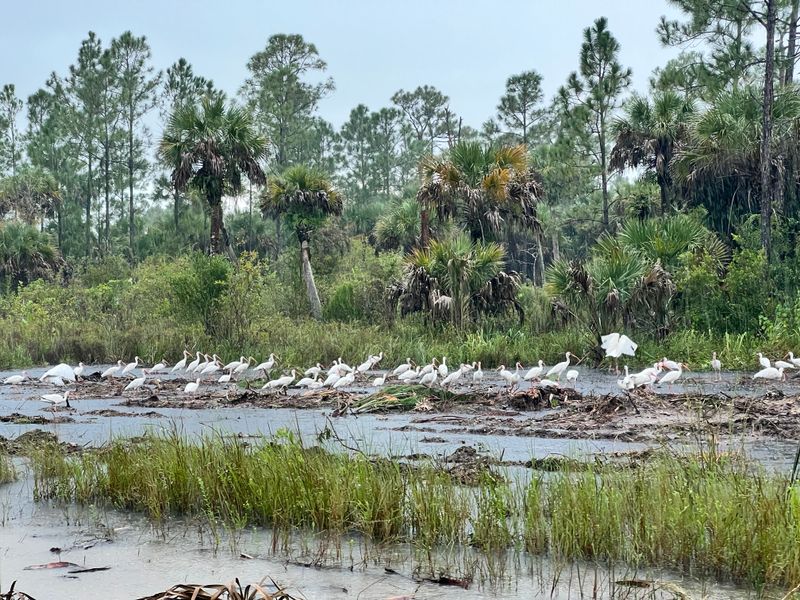
Once slated to become a massive housing development, Picayune Strand underwent one of the largest environmental restoration projects in American history. Today, this 78,000-acre wetland north of the Everglades serves as a critical corridor for panthers moving between protected areas.
Restoration efforts removed hundreds of miles of roads and filled countless canals that had drained the natural wetlands. As water flow returned to normal patterns, so did the wildlife. Panthers quickly recognized this recovering habitat as prime territory for expansion.
The forest features a mosaic of wet prairies, cypress domes, and pine flatwoods that support healthy populations of deer and hogs—panther favorites. Because the area is still recovering, vegetation remains somewhat open, which theoretically offers better visibility than denser forests. Still, panthers remain masters of stealth.
Biologists tracking collared panthers have documented regular use of Picayune Strand, especially by younger males seeking new territories.
5. Fakahatchee Strand Preserve State Park
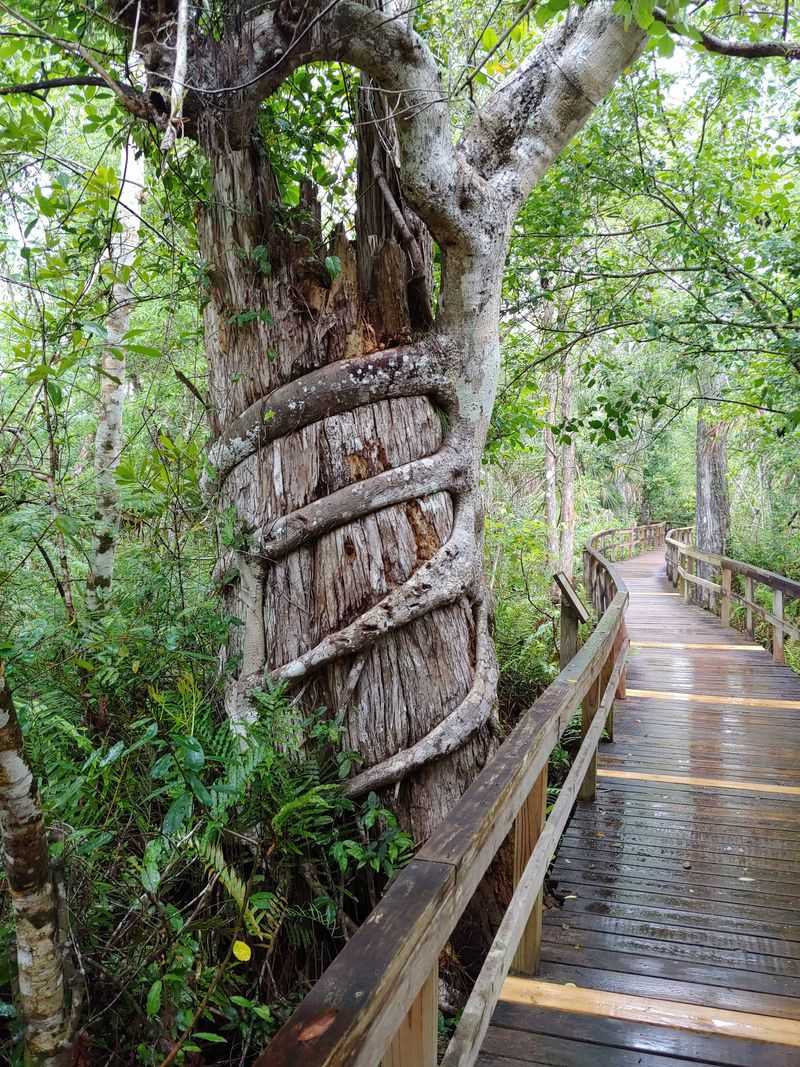
Known among naturalists as the “Amazon of North America,” Fakahatchee Strand is a hauntingly beautiful linear swamp forest that harbors some of Florida’s wildest secrets. This 80,000-acre preserve boasts the densest concentration of native royal palms and rare ghost orchids in existence.
The strand’s thick canopy and tangled understory create an almost impenetrable fortress—exactly what adult panthers prefer. Mature panthers, especially breeding females with kittens, seek out the most remote and secure habitats available.
Walking the Big Cypress Bend Boardwalk or driving along Janes Scenic Drive offers your only real access to this watery wilderness. Even then, you’re barely scratching the surface of the preserve’s interior. Panthers move through here like shadows, leaving little evidence of their presence.
Wildlife photographers and researchers consider Fakahatchee one of the most challenging places to document panthers, which ironically makes it one of their most important refuges.
6. Corkscrew Regional Ecosystem Watershed
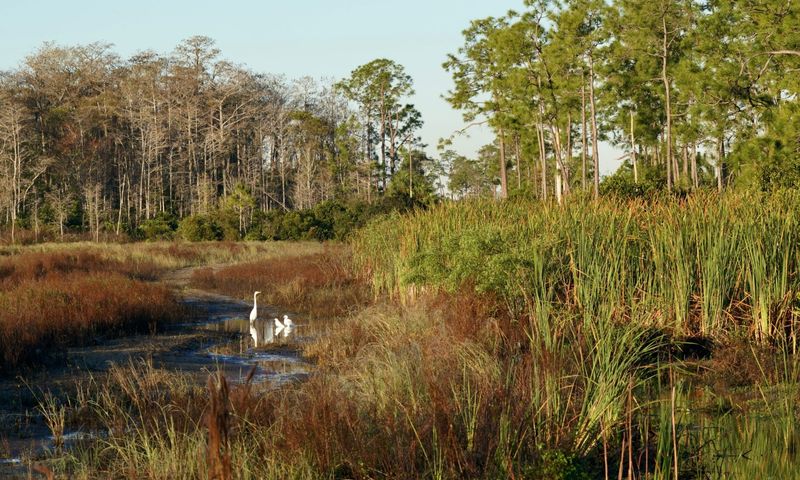
Spanning over 60,000 acres across multiple counties, the Corkscrew Regional Ecosystem Watershed functions as a massive wildlife highway connecting fragmented habitats. This conservation area isn’t just one park—it’s a network of protected lands working together to support panther movement and survival.
Panthers need large territories to find enough food and mates, often ranging across 200 square miles. The watershed’s connected landscape allows panthers to travel safely between Big Cypress, the Everglades, and smaller preserves without crossing dangerous highways or developed areas.
The area includes the famous Corkscrew Swamp Sanctuary, home to the largest old-growth bald cypress forest in North America. While the sanctuary’s boardwalk rarely sees panthers, the surrounding watershed lands provide essential hunting grounds.
Conservation groups continue acquiring land within the watershed to expand protected corridors. These efforts directly impact panther survival by reducing vehicle strikes and giving populations room to grow and recover from their critically endangered status.