6 Underrated National Forest Hikes in Florida
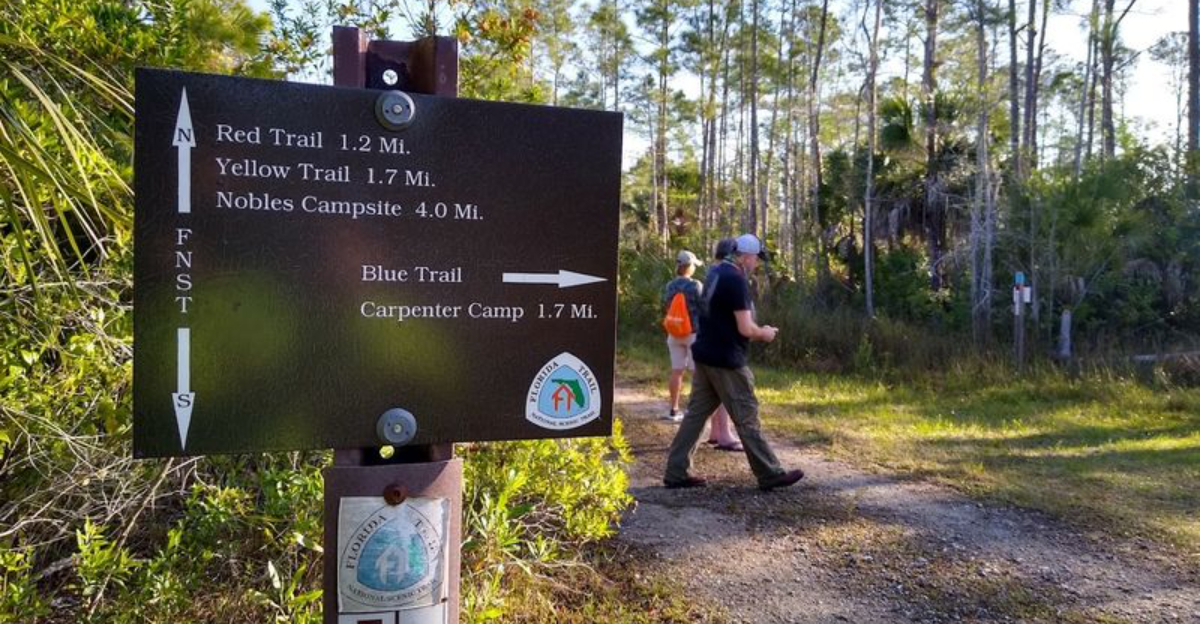
Florida hiking gets mislabeled fast. People picture boardwalks, crowded springs, and a quick loop that’s done before your water bottle is half empty.
But Florida’s national forests are where the state quietly shows off—open prairies that feel bigger than they should, sinkholes that drop the temperature ten degrees, and swampy stretches that dare you to commit to the mud. The best part?
A lot of these trails stay under the radar because they don’t come with a postcard entrance sign. If you’re craving real quiet, weird plants, and that satisfying “I actually went somewhere” feeling, these six hikes deliver—without the line for parking.
1. The Yearling Trail (Ocala National Forest – Juniper Prairie Wilderness)
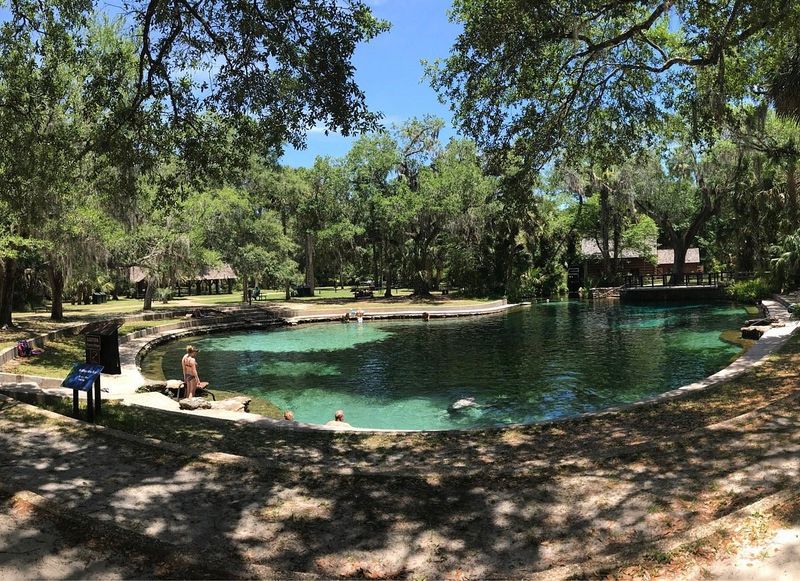
Out here, Florida feels scrubbier, quieter, and a little bit wild in that “don’t expect shade” way. The loop wanders through longleaf pine and palmetto, then drops you into that Big Scrub vibe where the horizon opens up and the sand turns ankle-soft.
It’s not a spring swim kind of hike; it’s a walk-in-the-story kind of hike, with sections that feel like old Florida refusing to be landscaped. Expect saw palmetto, wiregrass, and the occasional gopher tortoise cameo if you’re moving slow enough.
The tread can be sandy and bright, so morning starts are your friend, and you’ll want more water than you think. After rain, little low spots can hold water, but most days it’s dry, crunchy, and surprisingly peaceful for Ocala.
2. Florida Trail: Farles Prairie to Juniper Springs (Ocala National Forest)
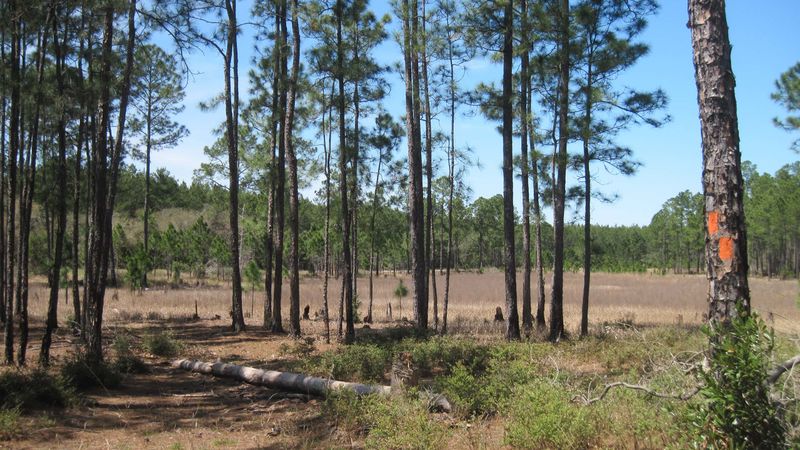
If you want “big sky” in a state that usually hides it behind trees, this stretch delivers. The route cuts across Farles Prairie with wide, open views where clouds do the heavy lifting, then slides back into sand pine scrub that smells like sun-warmed resin.
It’s the kind of walk where you’ll notice the wind, the hawks, and how quiet Ocala can get once you’re away from the spring crowds. The footing is classic Florida Trail—some sand, some rooty bits, and long straightaways that make it easy to settle into a steady pace.
In cooler months, it’s downright dreamy; in warmer months, it’s a hydration test with bonus bugs. Juniper Springs at the end is a fun contrast: the forest suddenly looks manicured, water appears, and you’ll feel like you earned the “civilization” moment.
3. Wright Lake Interpretive Loop (Apalachicola National Forest)
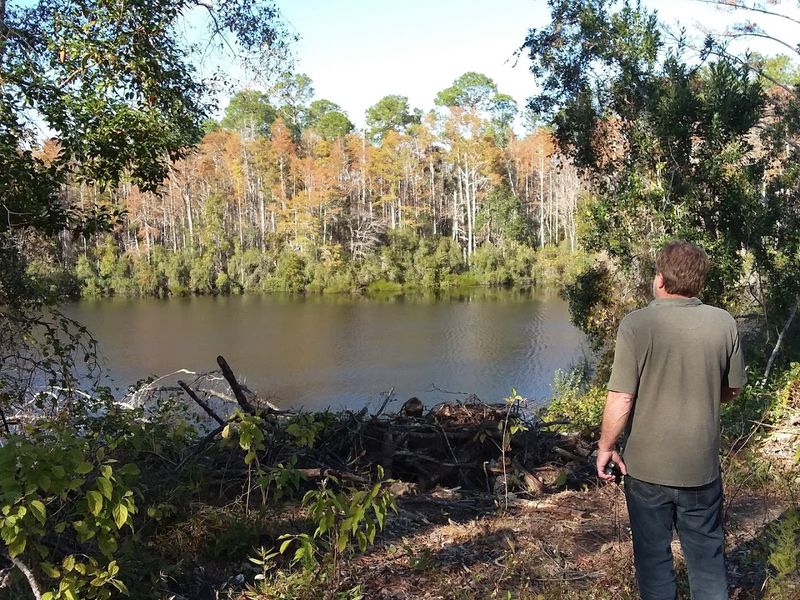
This loop is basically a greatest-hits album of Apalachicola habitats, packed into a walk that doesn’t demand an entire day. You’ll move through flatwoods and wetlands and then—if you time it right—hit pitcher plant territory that looks like Florida got weird in the best possible way.
The trail is easy to follow, and the scenery changes often enough that it stays interesting even for restless hikers. After a good rain, the edges of the wetlands come alive, and you’ll hear frogs working overtime.
Cooler months are the sweet spot for comfort, but spring can be the showiest if you’re chasing blooms. Wear shoes you don’t mind getting damp, and bring a little patience for mosquitoes if you’re out near dusk.
It’s not flashy on Instagram, but it’s quietly excellent in person.
4. Leon Sinks Geological Area Trail System (Apalachicola National Forest)
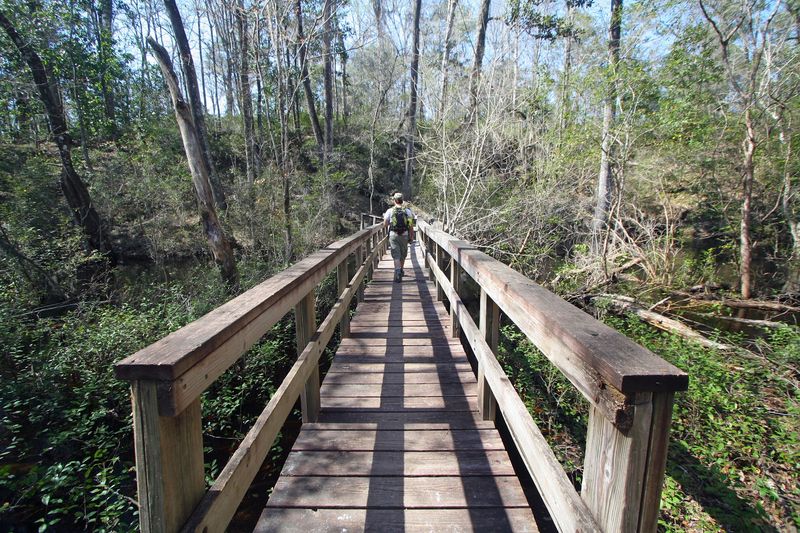
This place is proof that North Florida has drama. The trails weave through steep-ish ravines (Florida steep, but still), past sinkholes that look like someone scooped the earth out with a giant spoon.
You’ll get boardwalk sections, shady hardwood pockets, and those sudden drops where the air feels cooler and the plants change like you crossed an invisible border.
It’s a fun hike for scanners because the landmarks come fast: a sink here, a ferny slope there, a view into a deep hole that makes you step back from the railing and go, “Okay, wow.” The terrain can be slick after rain, so tread carefully and keep an eye on roots and damp wood.
Summer is doable, but the humidity in the low areas hits different—go early, and you’ll have the best chance at quiet trails and loud birds.
5. Florida Trail: Bradwell Bay Wilderness (Apalachicola National Forest)
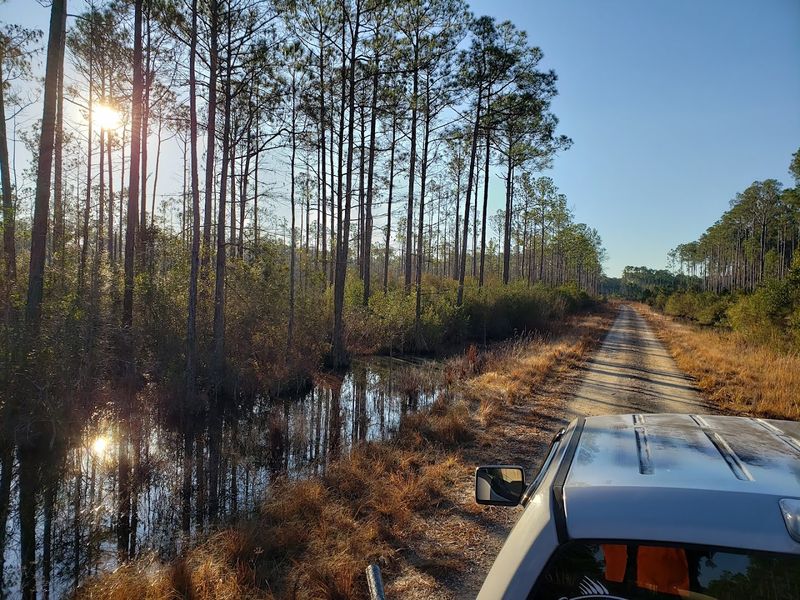
Call this the “earned it” hike—the one you brag about to friends who think Florida is all sidewalks and theme parks. The Florida Trail through Bradwell Bay is famous for being wet, muddy, and unapologetically swampy, with stretches where you’re stepping from root to root and hoping your balance is better than your dignity.
When conditions are high, expect water and deep mud; when conditions are lower, you still get plenty of slick ground and funky footing. The payoff is the vibe: dense, wild, and remote enough that you’ll stop hearing road noise and start noticing every bird call.
Bring a map you can use offline, because this isn’t the place to “wing it” with spotty service. Quick-dry clothes, bug protection, and a willingness to get messy turn this from misery into a legit adventure.
6. Florida Trail: Ocean Pond to Turkey Run (Osceola National Forest)
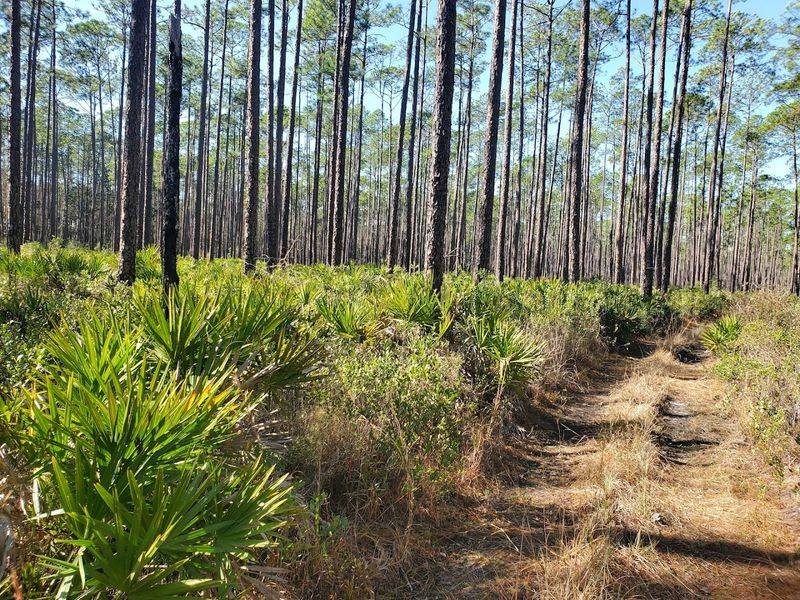
Here’s a Florida Trail segment that feels friendly without being boring. The path rolls through pine flatwoods and quieter corners near Ocean Pond, where the forest has that open, airy look and sunlight actually makes it to the ground.
It’s great for a steady walk: not too technical, not too steep, and scenic in a low-key, “I could do this every weekend” way. Keep your eyes up and you’ll catch plenty of bird activity—this area can feel like a moving soundtrack of calls and wingbeats.
After a rain, you might get a few soft spots, but the hike generally stays manageable, especially compared to the swampier trails to the west.
Turkey Run adds a little history flavor if you’re into classic Florida Trail lore, and the whole outing makes a solid half-day plan when you want woods time without a full-blown expedition.