7 Best Places in Florida to See Wild Monkeys
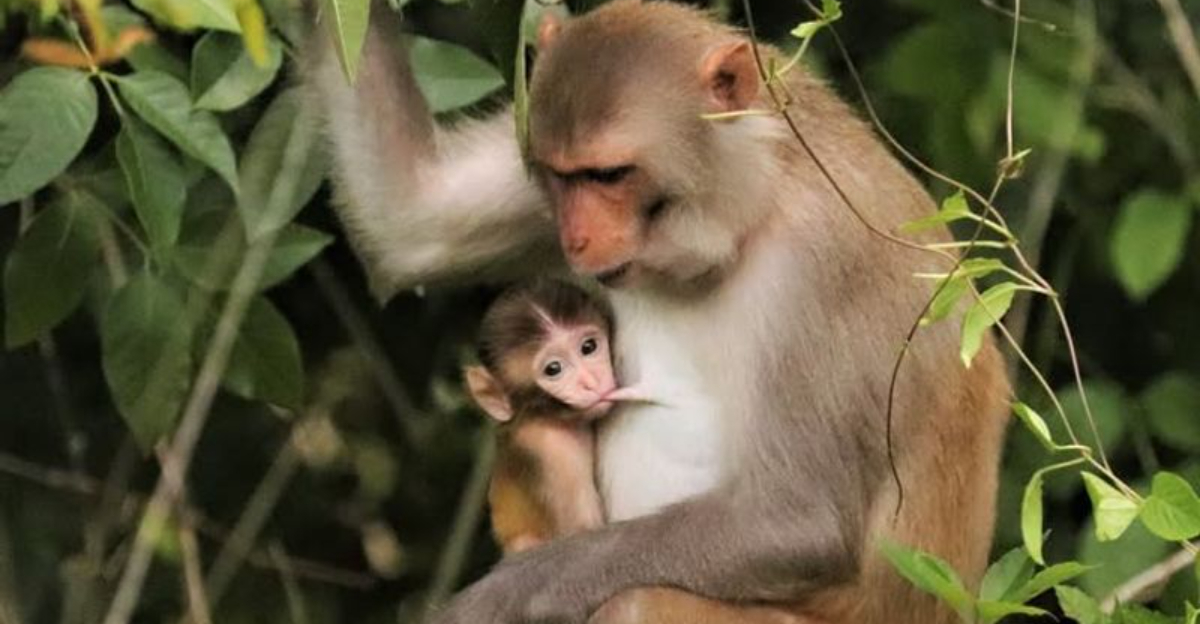
Yes, wild monkeys really do live in Florida, and you can see them if you know where to look. From tranquil spring runs to winding forest rivers, a paddle or slow drift can put you eye to eye with curious macaques in the trees. This guide pinpoints the most reliable spots, plus a few under-the-radar stretches where patience pays off.
Pack your binoculars, respect wildlife rules, and get ready for stories you will not stop telling.
1. Silver Springs State Park (Ocala)
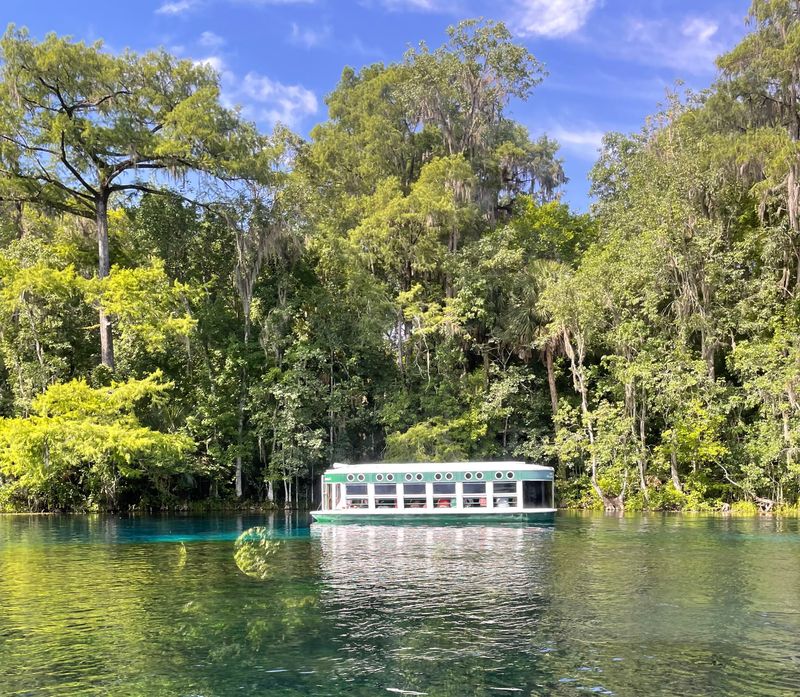
Gliding over glass-clear water, you will spot rippling shadows before noticing furry faces peeking from overhanging limbs. Rhesus macaques thrive along this spring run, often gathering where fruit drops or visitors pass quietly. A glass-bottom boat or rented kayak keeps you close to the action while respecting distance.
Guides share the quirky origin story dating back to the 1930s, and you might hear chatter echoing through cabbage palms. Early mornings beat the crowds and heat, revealing more natural behavior. Bring binoculars, avoid feeding, and keep gear stowed to prevent curious hands.
Between manatees, turtles, and birds, the river feels like a living documentary. Drift slow, scan the canopy, and let silence work. When monkeys appear, savor the moment.
2. Silver River (Ocala National Forest area)
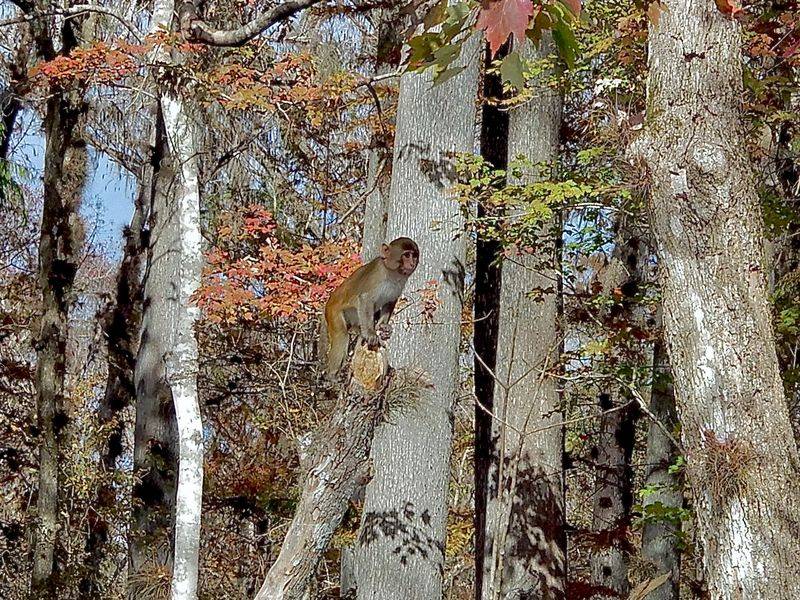
Downstream from the crowds, the waterway narrows and the woods grow quieter. Here, sound travels: a branch snap, a splash, a soft chatter that guides your gaze. Paddling slow lets you read the riverbanks, watching for tails draped over limbs and quick movements in the leaves.
Compared to the park’s tours, solitude rules this stretch. You might sit mid-current, drifting while a troop studies you back. Keep your distance, tuck snacks away, and let them choose the interaction.
Expect herons, turtles, and the occasional otter threading through eelgrass. Cloudy days can be great because glare drops and shapes pop. When the canopy rustles, hold position and look high first, then scan lower tangles.
3. Homosassa River (Citrus County)
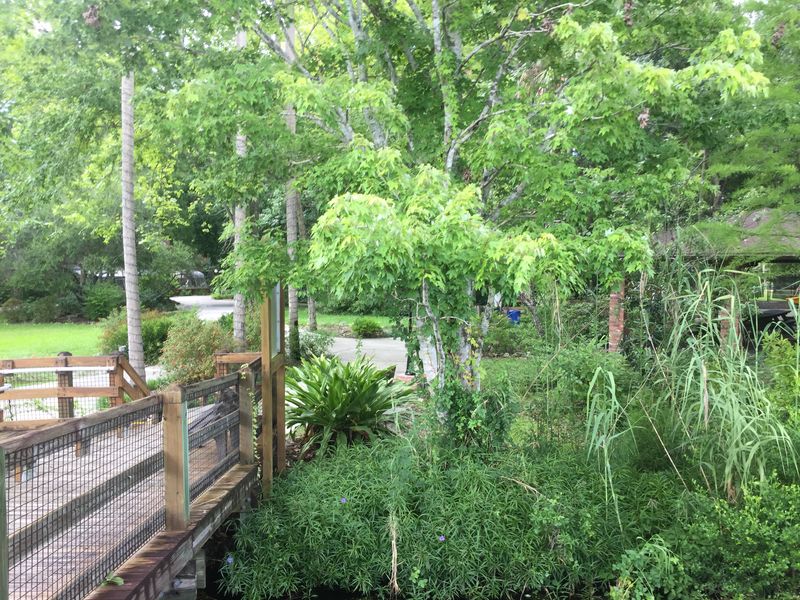
Stories here come as whispers from paddlers who swear they caught a glimpse along a shaded bend. Small groups have been reported, so think patience and long, slow scans. Hug wooded banks and pause where the canopy tightens and overhanging limbs create natural travel routes.
Because sightings are not guaranteed, appreciate the river’s broader cast: manatees, mullet schools, and ospreys hovering. Overcast light helps reveal silhouettes tucked in foliage. Binoculars with good close focus pay off.
Leave snacks sealed and maintain space to discourage bold behavior. If movement flickers in the periphery, resist paddling straight at it. Instead, angle downcurrent, drift quietly, and let curiosity bring the moment to you.
4. Weeki Wachee River (Hernando County)
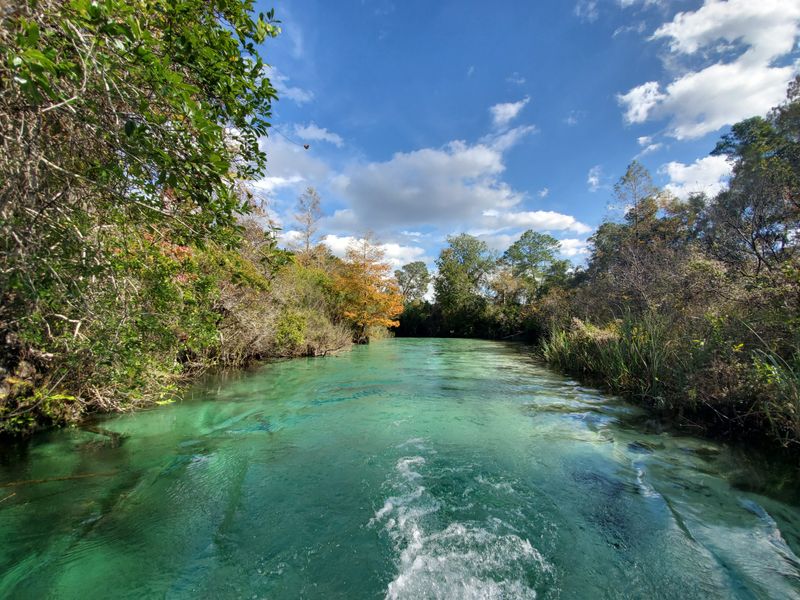
Known for manatees and mermaids, this spring run occasionally surprises attentive paddlers. Intermittent monkey reports surface from wooded margins off the main flow. Avoid noisy flotillas, start early, and treat your paddle like a lens: slow, steady, and deliberate.
Clarity here is unreal, so reflections can trick your eyes. Look above the mirrored waterline, tracing branches for dangling tails or alert postures. Keep your voice low and drift where limbs overhang like leafy bridges.
Even without a sighting, the river delivers color, calm, and wildlife at every turn. Respect closures and give manatees extra room. If chatter carries on the breeze, hold position midstream and scan layered canopies before moving on.
5. Ocala National Forest (near the Ocklawaha River)
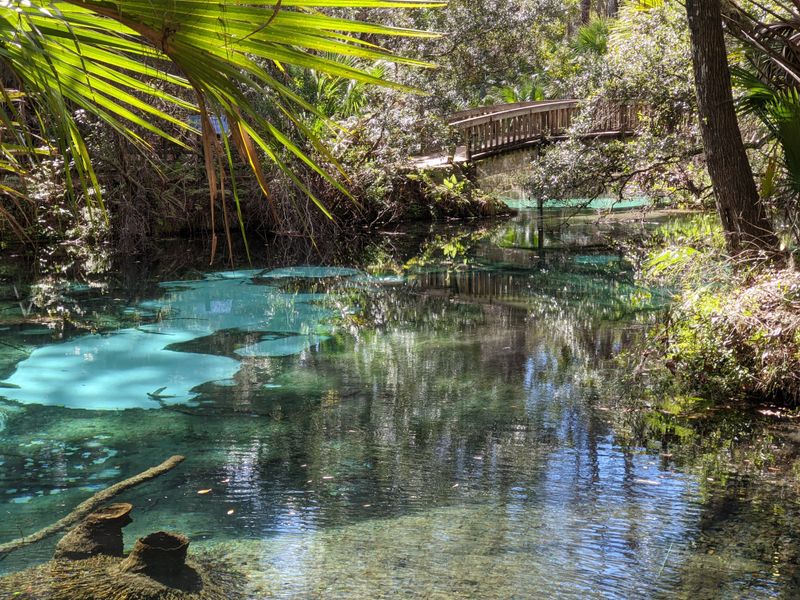
Forest roads lead to water corridors where patience rewards determined wildlife watchers. Edges near creeks and sloughs act like highways for quiet movement. Scan logjams, vine tangles, and sunny breaks where animals pause to warm.
Reports here feel like treasure maps: not guaranteed, yet compelling enough to try. Start at dawn, listen for branch rustles, then glass the mid-canopy before checking lower limbs. Bring a lightweight chair and wait from a respectful distance.
The mix of pine, oak, and cypress hides more than it reveals at first. With time, patterns emerge and shapes separate from shadows. When you finally spot motion, stay still, observe, and let the forest set the pace.
6. Lake Jesup Area (Seminole County)
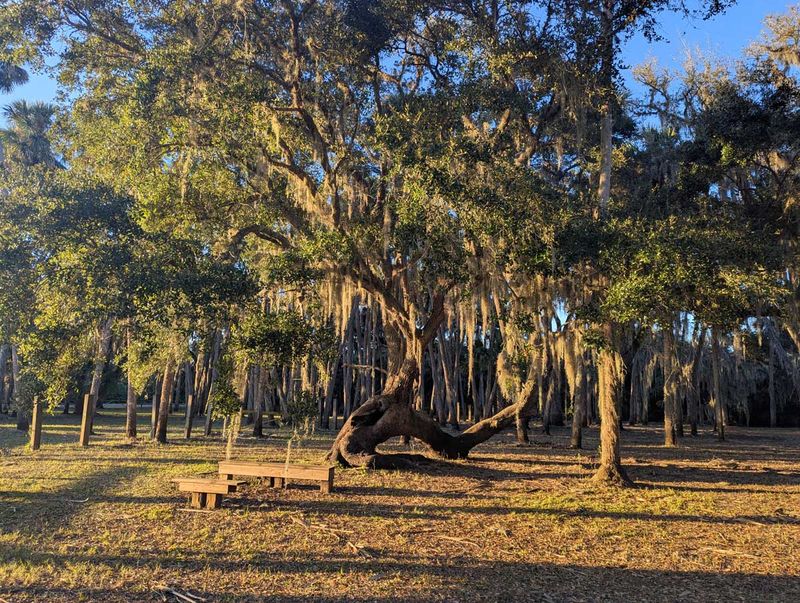
Locals know this lake for gators, not primates, but rumors persist from wooded edges. Treat any potential sighting as a bonus on a birding or sunrise paddle. Skirt wind-sheltered coves where branches intertwine and wildlife funnels along the shore.
Because reports are rare, expectations should stay flexible. Bring optics, avoid loud groups, and plan longer sits in shaded pockets. Scan transition zones where hardwood thickets meet open marsh.
Safety matters here: respect posted signs, give gators room, and never beach near nests. If something rustles, pause and watch for repeated movement patterns rather than single flashes. Patience might turn a maybe into a memorable encounter.
7. Private Eco-Tours & Guided Wildlife Excursions (Central Florida)
When time is short and you want better odds, local guides shine. They know favored roosts, seasonal fruiting trees, and how river levels shift behavior. A small-group paddle keeps noise down and positions you for respectful, unhurried looks.
Good guides also coach etiquette: maintain distance, secure snacks, and let animals choose proximity. They will manage currents, wind, and vantage points so you can focus on observing. Ask about photo-friendly angles and non-flash settings.
Booking at dawn or on cloudy days often boosts success. If monkeys stay elusive, you still get a master class in springs ecology. Expect birds, turtles, and maybe manatees while gaining skills you can use on your own.