7 Best Places to See Sea Turtles In Florida Right Now
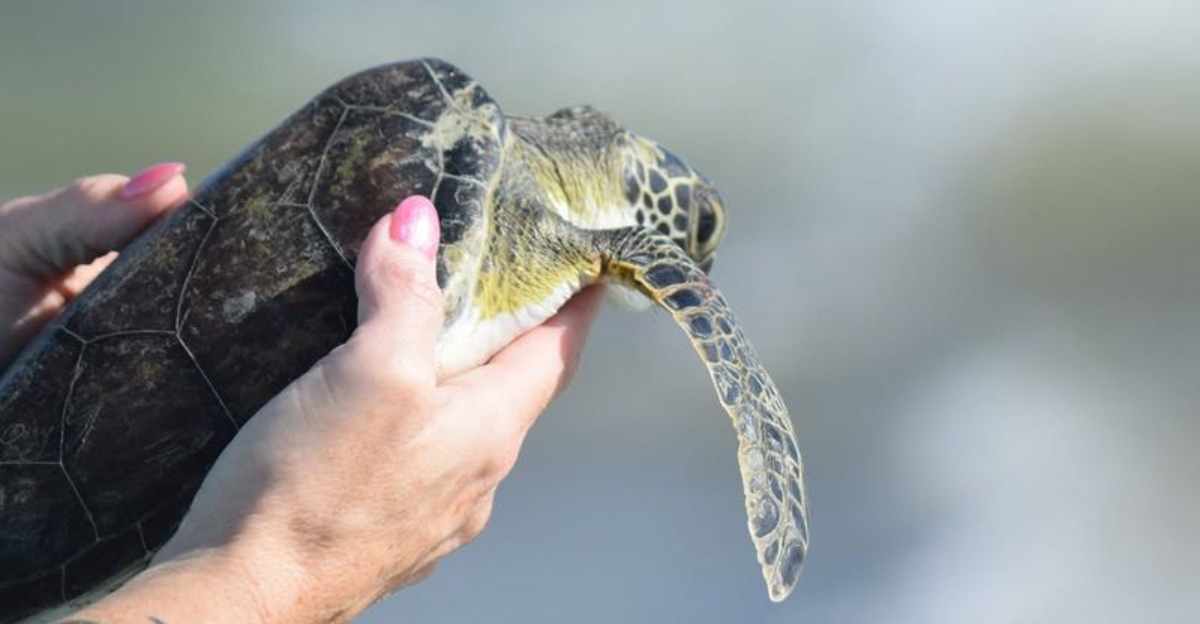
If seeing wild sea turtles is on your bucket list, Florida’s Atlantic coast delivers unforgettable moments right now. With warm nights, moonlit beaches, and knowledgeable guides, you can watch giants crawl ashore and carefully cover their nests. These places blend conservation, access, and real chances to witness nature without feeling like you are intruding.
Bring patience, respect red light rules, and get ready for a serene, heart thumping experience you will remember for years.
1. Archie Carr National Wildlife Refuge
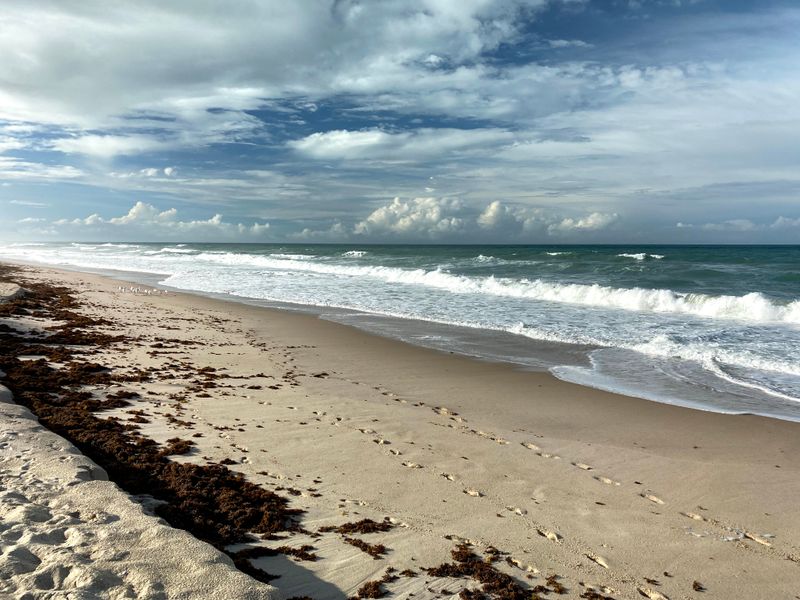
You step onto a dark, quiet shoreline where stars outshine the boardwalk lights. This refuge protects an astonishing stretch of nesting habitat, and rangers emphasize slow, respectful observation. Follow red-light etiquette, keep distance, and you might watch a loggerhead dig, lay, and disguise her nest before sliding back into the surf.
Peak months bring remarkable density, so patience often pays off with multiple sightings in one night. Guided programs help decode behavior, from the telltale body pit to the final camouflage kicks. Plan for late hours, soft-soled shoes, and minimal gear.
If you arrive before dusk, scan for tiny tracks at wrack lines and learn the subtle signs that signal turtles are near.
2. Melbourne Beach
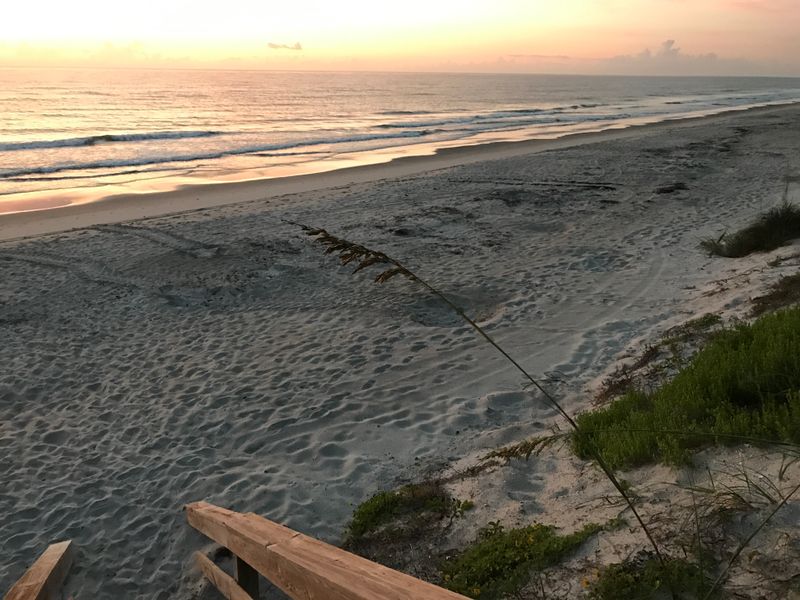
Here, the sound of waves and a warm breeze set the scene as guides share turtle basics before leading you to the tideline. You learn to read the sand like a storybook, noticing where fresh tracks snake up the slope. When the moment comes, everyone settles in quietly, kneeling at a respectful distance.
Melbourne Beach offers a classic mix of easy access and robust nesting. Educational programs explain how beachfront lighting and dunes affect turtle success. Wear dark clothing and bring water, because walks can last several hours.
With luck, you will see covering behavior and that powerful, sweeping crawl back home, a humbling glimpse of resilience you will talk about long after sunrise.
3. Loggerhead Marinelife Center (Juno Beach)
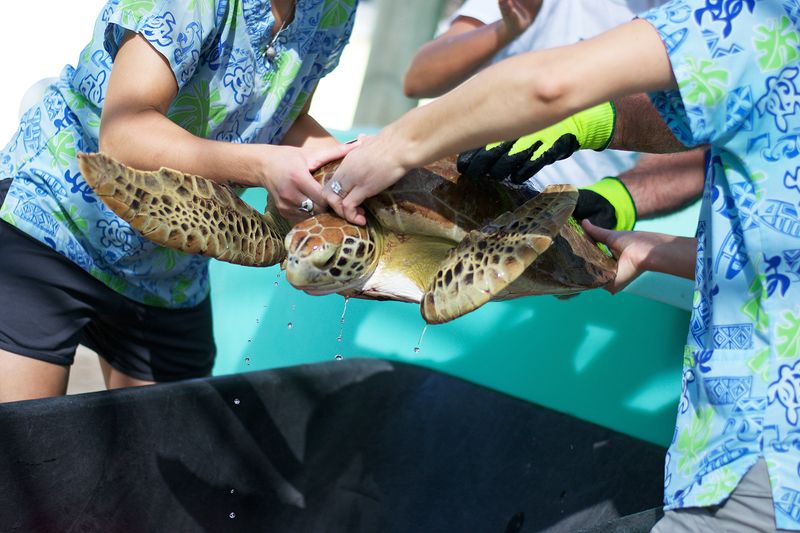
Before stepping onto the sand, this center lets you connect names and stories to the turtles you hope to see. Patients in rehabilitation make conservation feel personal, and staff explain threats like boat strikes and entanglement in plain language. Interactive displays and beach programs build confidence so you know exactly how to behave outside.
Evening outings may coincide with nesting activity, while daytime visits reveal the science behind rescues and releases. You can explore the gift shop for field guides and red-light gear. Parking is straightforward, and beach access is minutes away.
After learning to spot body pits and thrown sand, you head out prepared, turning curiosity into careful action that helps keep these ancient mariners thriving.
4. Sebastian Inlet State Park
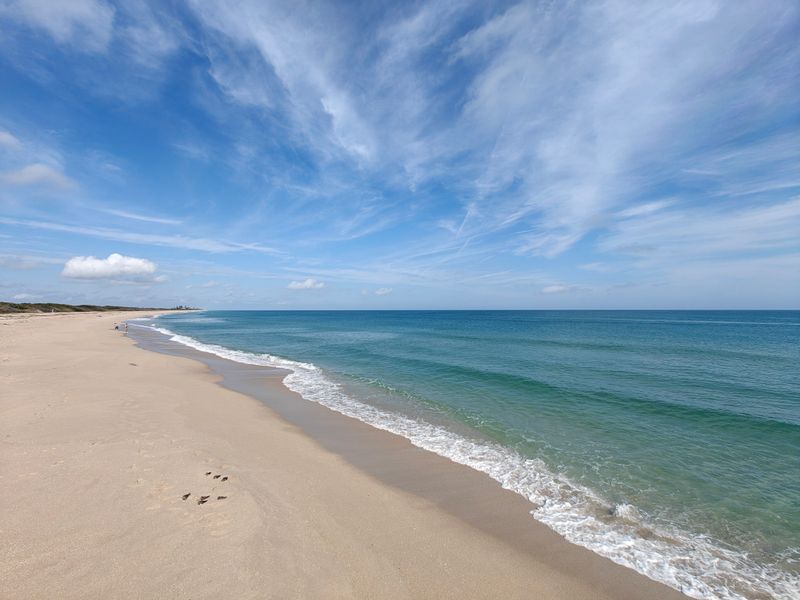
This park’s windswept jetties and open beaches create a wild vibe that pairs perfectly with turtle season. Ranger-led turtle walks are the highlight, offering structured chances to witness nesting without disturbance. You learn why timing, tides, and moon phases matter, and how to read subtle pauses in a turtle’s crawl.
Arrive early to secure parking and soak in the inlet views. Bug spray, long sleeves, and patience help make the long night comfortable. When a loggerhead commits to nesting, the guide positions everyone safely behind the action.
The hush of waves, gritty sand, and faint red glow make the memory feel cinematic, reminding you that conservation succeeds one careful step at a time.
5. Indialantic & Cocoa Beach area (Sea Turtle Preservation Society)
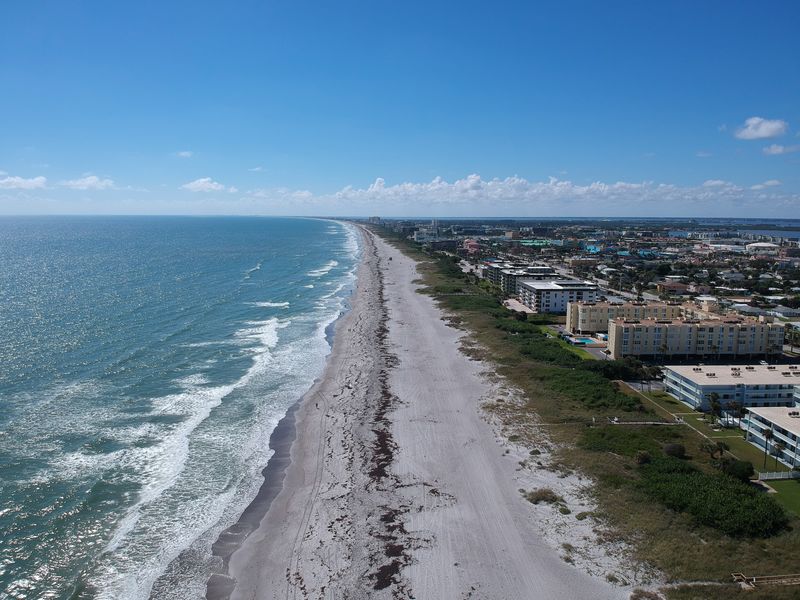
Volunteers here turn curiosity into stewardship with evening turtle walks that feel neighborly and welcoming. You join a small group, learn field etiquette, and listen for cues signaling a turtle’s approach. When tracks appear, everyone moves slowly, keeping low and quiet as trained spotters coordinate viewing safely.
The organization’s community roots are strong, and their talks cover lighting, beach furniture, and hatchling disorientation. Expect sandy feet and late hours, but also meaningful insight into how everyday choices shape nesting success. Bring a red-light flashlight, water, and a flexible mindset.
Some nights deliver multiple encounters, while others are simply about learning and looking up at the stars, grateful to share the shoreline with ancient travelers.
6. Hobe Sound National Wildlife Refuge
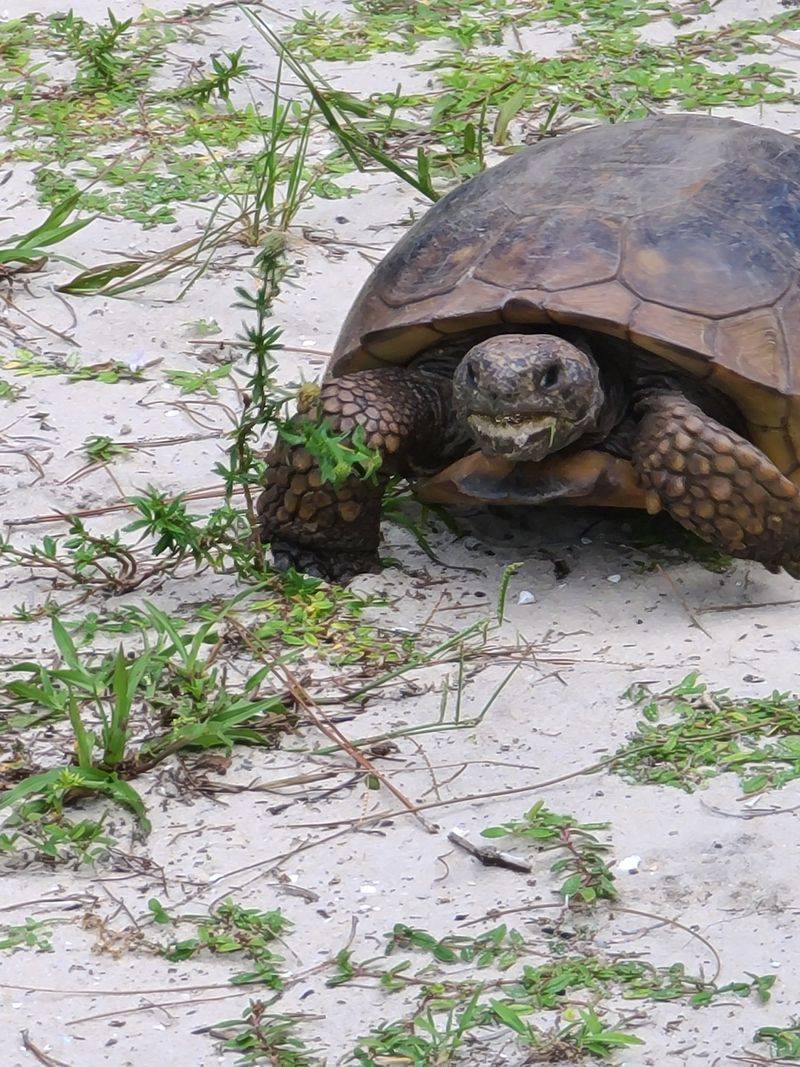
Quiet and undeveloped, this refuge invites slow steps and careful observation. You feel miles away from city buzz as waves hushedly fold onto shell-speckled sand. Guides and posted rules keep focus on low-impact viewing, reminding you that darkness and distance protect every nesting attempt.
Here, loggerheads and greens find excellent habitat, with dunes and minimal lighting supporting natural behavior. Plan around warm nights, bring insect protection, and expect soft sand walking. Educational programs help you identify crawl widths and chamber-digging signs.
Even without a sighting, the solitude and starlight feel restorative. When a turtle appears, the world narrows to steady breaths, faint scrapes, and a timeless rhythm that leaves you quietly thrilled.
7. Deerfield Beach
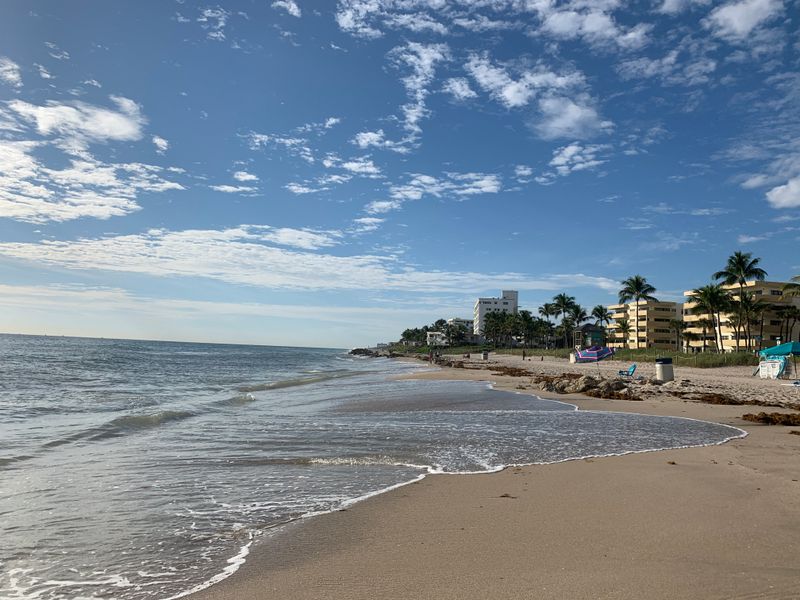
Even at a lively beach, the night transforms everything into a calm, respectful watch. Seasonal protections mark nesting zones, and volunteers help keep lights low while guiding curious onlookers. You learn how loggerheads, greens, and occasional leatherbacks share this stretch, each leaving distinct tracks and timing their visits carefully.
Arrive with patience and follow local lighting rules along the promenade and pier. Guided walks or educational talks may align with peak nesting, making sightings more likely without crowding turtles. Wear comfortable footwear and carry only essentials.
When a turtle finishes and turns seaward, that moment of stillness before the next wave feels electric, a gentle reminder that wild nature thrives beside everyday life.