7 Florida Beaches With Fascinating Histories Most Visitors Never Hear
Florida’s beaches attract millions of visitors each year, but most people only see the sand and surf. Behind every stretch of coastline lies a story—from pirate legends and Civil War battles to ancient fossils and Spanish explorers.
These seven beaches hold secrets that go far beyond sunbathing and swimming, revealing chapters of history that shaped the Sunshine State into what it is today.
1. St. Augustine Beach (St. Augustine)
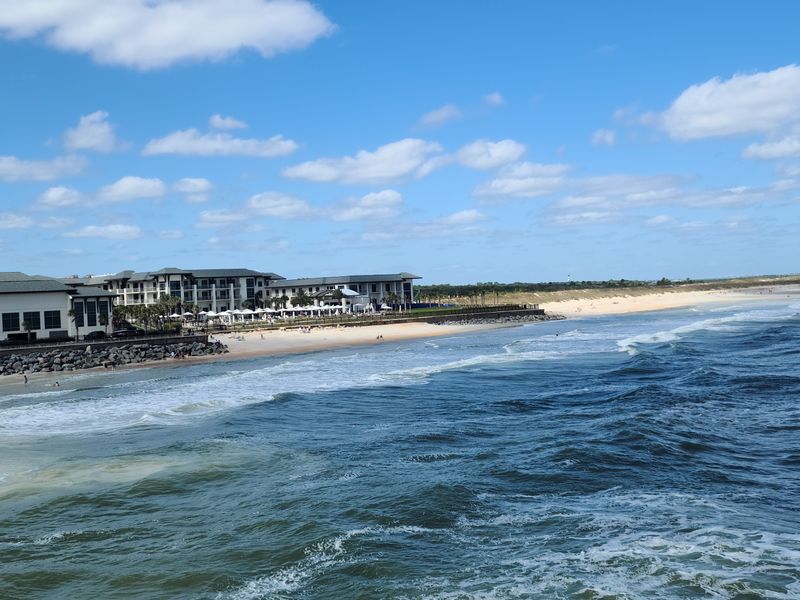
Centuries before beach umbrellas dotted the shore, Spanish conquistadors landed near this stretch of sand in the 1500s. St. Augustine became the oldest continuously occupied European settlement in North America, and its beach served as a gateway for explorers, missionaries, and traders. Pirates prowled these waters during Florida’s wildest era, seeking Spanish treasure ships returning from the New World.
The beach also witnessed military conflicts between European powers fighting for control of Florida. British forces, Spanish soldiers, and later American troops all left their mark on this coastline. Today, visitors can still spot the historic St. Augustine Lighthouse standing guard over the same waters that once carried sailing ships and buccaneers.
Walking this beach means stepping on sand that has seen over 450 years of human history. Few other American beaches can claim such a deep connection to the nation’s earliest chapters.
2. Fort Zachary Taylor Beach (Key West)
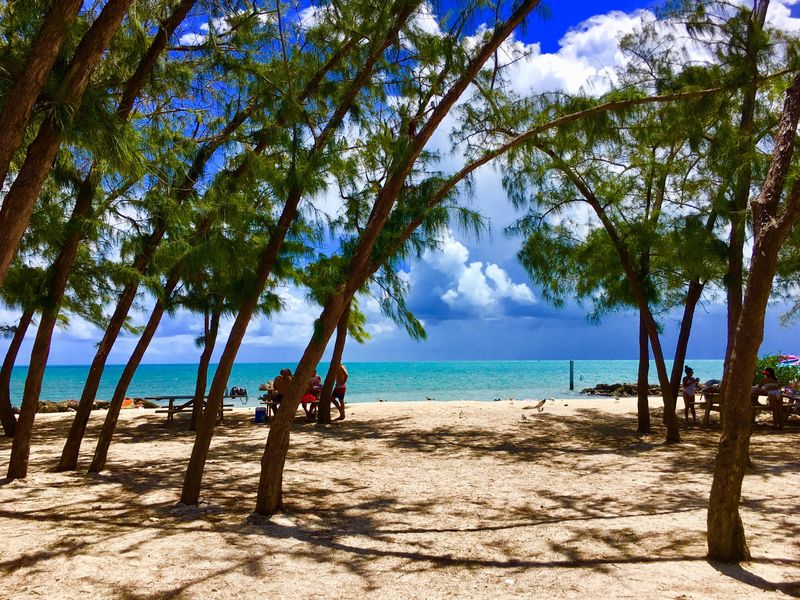
Built between 1845 and 1866, Fort Zachary Taylor stood as one of the most important coastal defenses in the entire nation. During the Civil War, Union forces held this fort even though Florida joined the Confederacy, creating a strategic stronghold at the southern tip of the United States. The massive brick walls protected vital shipping lanes through the Florida Straits, where countless vessels passed carrying goods and military supplies.
The beach surrounding the fort remained largely military property for over a century. Soldiers stationed here guarded against potential invasions and monitored maritime traffic during multiple conflicts. The fort’s armory once held the largest collection of Civil War cannons in the country, many recovered from the structure itself during archaeological work.
3. Red Reef Park (Boca Raton)
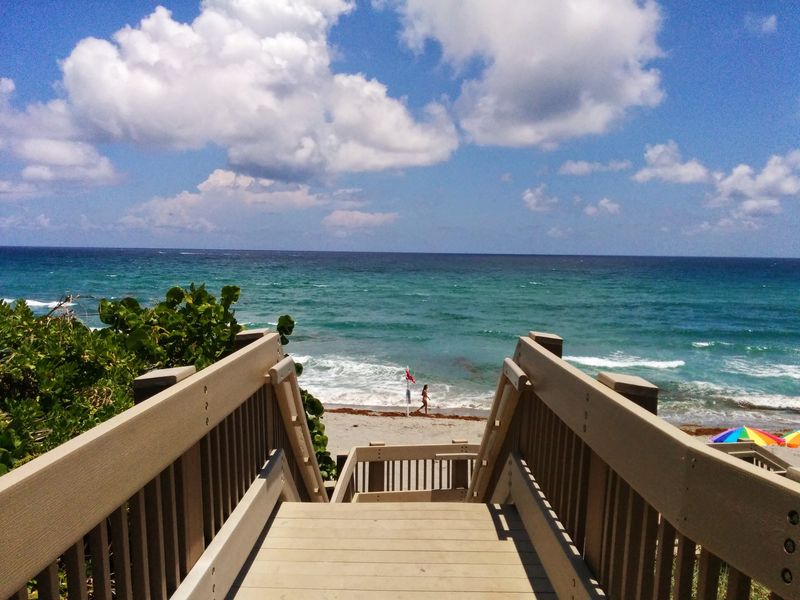
The distinctive red limestone reef that gives this beach its name has caused trouble for sailors since the 1500s. Spanish galleons, merchant vessels, and pirate ships all met their doom on these shallow, rocky formations hidden just beneath the waves. The reef system created one of Florida’s most treacherous shipping corridors, claiming countless vessels loaded with treasure, supplies, and cargo over the centuries.
Early maritime charts marked this area with warnings, but storms and poor navigation still drove ships onto the unforgiving rocks. Salvagers and treasure hunters have worked these waters for generations, recovering artifacts that now rest in museums and private collections. The wrecks attracted diverse marine life, turning disaster sites into thriving underwater ecosystems.
Modern snorkelers and divers now explore the same reef that terrified colonial-era captains.
4. Canaveral National Seashore (New Smyrna Beach)
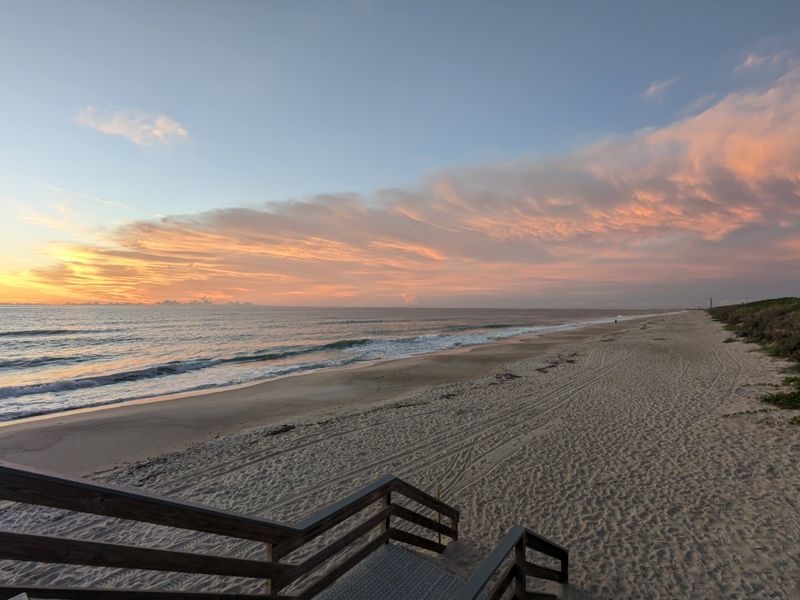
Long before rockets launched from nearby Cape Canaveral, Native American tribes gathered shellfish and hunted along these shores for thousands of years. Timucuan peoples left behind shell mounds that archaeologists still study today, revealing details about Florida’s earliest inhabitants. Spanish explorers mapped this coastline in the 1500s, naming the cape after the wild cane that grew abundantly in the area.
The beach remained largely wild and undeveloped through most of American history. During the Cold War space race, this pristine stretch of coast became a buffer zone for missile testing facilities, accidentally preserving it from commercial development. NASA’s presence prevented hotels, restaurants, and roads from transforming the landscape like other Florida beaches.
Today, visitors experience one of Florida’s last truly wild coastlines, much as indigenous peoples and early explorers saw it centuries ago. Sea turtles still nest on these protected sands, and the night sky remains dark enough to see stars—or rocket launches—with perfect clarity.
5. Gasparilla Island State Park (Boca Grande)
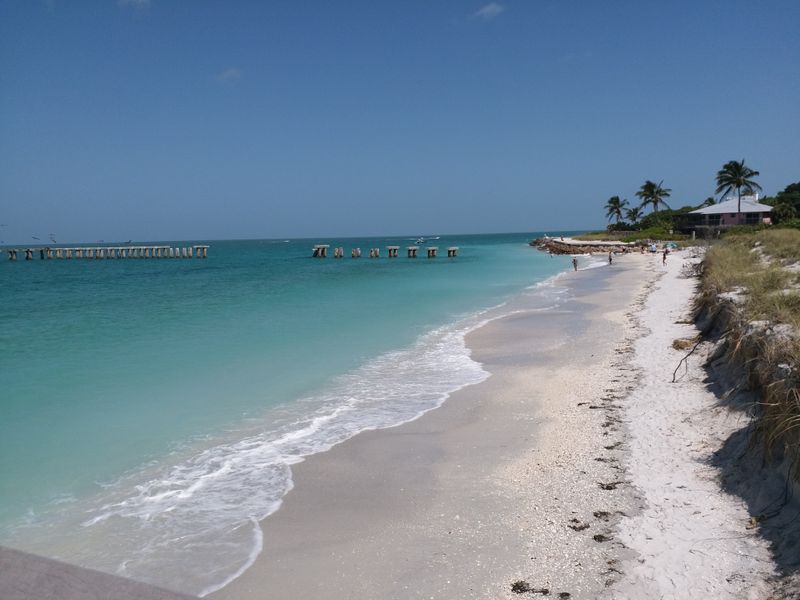
According to local legend, the notorious pirate José Gaspar used these islands as a base for raiding ships in the Gulf of Mexico during the late 1700s and early 1800s. Though historians debate whether Gaspar actually existed, the stories have become woven into the island’s identity. Tales speak of buried treasure, captured vessels, and a pirate crew that terrorized the Florida coast for decades.
What’s definitely true is that these waters saw plenty of real smuggling and shipwrecks throughout history. The deep channel of Boca Grande Pass made it perfect for ships seeking shelter or pirates waiting to ambush merchant vessels. Phosphate mining operations in the early 1900s brought industrial activity to the island, leaving behind remnants of Florida’s resource extraction era.
6. Pensacola Beach (Pensacola)
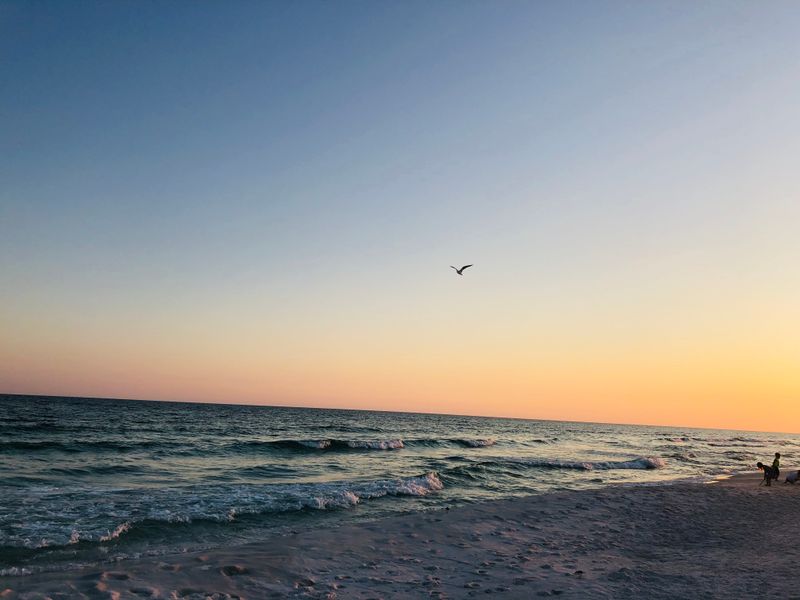
Few American beaches have changed hands more often than Pensacola. Spanish explorers arrived in 1559, attempting the first European settlement in what would become the United States, even before St. Augustine. The settlement failed, but Spain returned and established a permanent presence.
Over the next 300 years, five different flags flew over this strategic harbor: Spanish, French, British, Confederate, and finally American.
Each power recognized Pensacola’s military importance, building forts and naval facilities that still stand today. The deep natural harbor made it perfect for warships, and the beach served as a landing point for troops during multiple conflicts. Naval aviation history also runs deep here, as Pensacola became the birthplace of U.S.
7. Venice Beach (Venice)
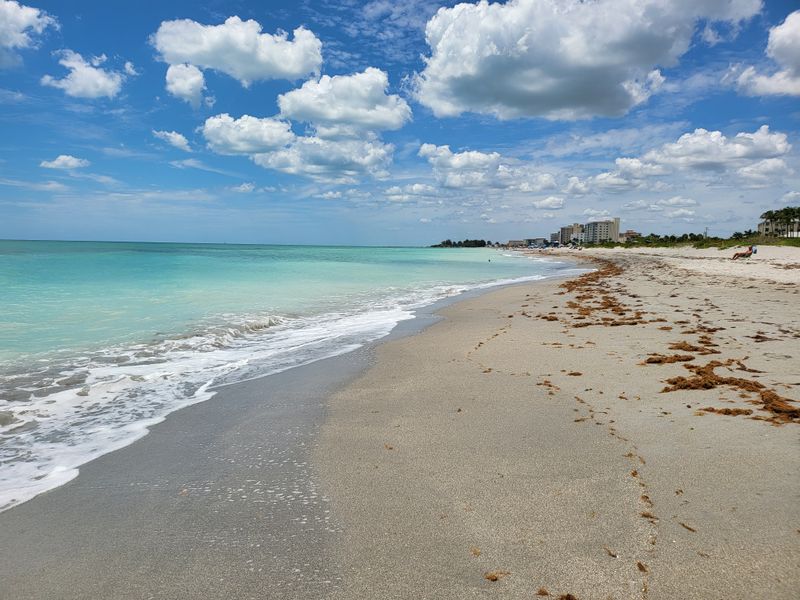
Millions of years ago, this beach sat at the bottom of a shallow prehistoric sea teeming with sharks, whales, and other marine creatures. When these animals died, their teeth and bones sank into the sediment, creating one of the world’s richest fossil deposits. Ice ages caused sea levels to drop and rise repeatedly, eventually exposing these ancient layers along the modern coastline.
Every wave that crashes onto Venice Beach brings new fossils from offshore deposits, making it the shark tooth capital of the world. Visitors find teeth from long-extinct species like the megalodon, a massive shark that ruled ancient oceans.
Fossil hunting here connects beachgoers directly to deep time, when Florida looked completely different. The beach serves as a natural museum where anyone can discover treasures that are thousands or even millions of years old, washed up by the tide.