7 Florida Towns With the Most Unexpected Backstories
Florida is known for its beaches, theme parks, and sunshine, but some of its small towns hide stories stranger than fiction. From psychic communities to Disney-designed neighborhoods, these places have origins that will make you do a double-take.
Get ready to explore seven Florida towns where the backstories are just as fascinating as the destinations themselves.
1. Cassadaga
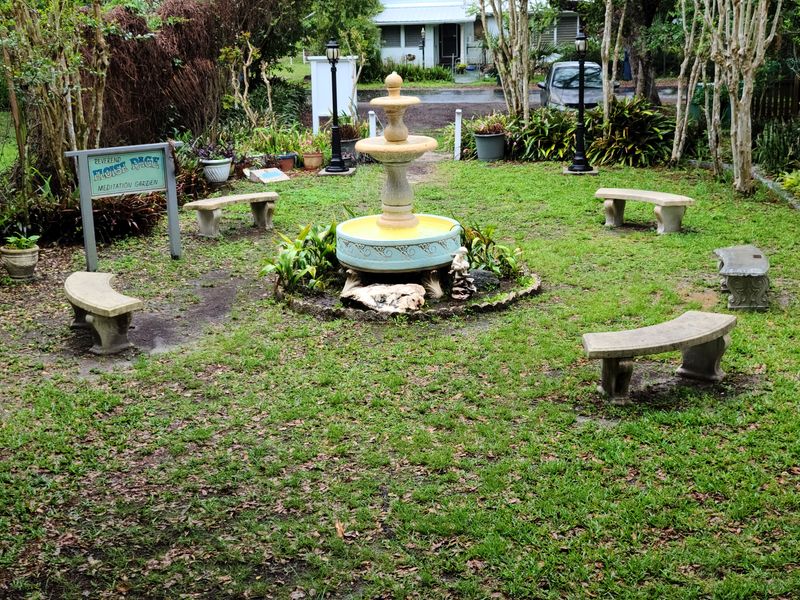
A spirit guide supposedly led medium George Colby to this spot in the 1890s, and he decided to build an entire Spiritualist camp right there. That’s how Cassadaga earned its nickname as the “Psychic Capital of the World.”
The tiny town remains dedicated to its mystical roots, with dozens of practicing psychics offering readings, séances, and spiritual guidance.
Walking through the historic spiritualist district feels like stepping into another era. Victorian-style homes line quiet streets where believers gather for spiritual healing and communication with the other side. Visitors from around the globe come seeking answers, making this one of Florida’s most unusual tourist destinations.
2. Celebration
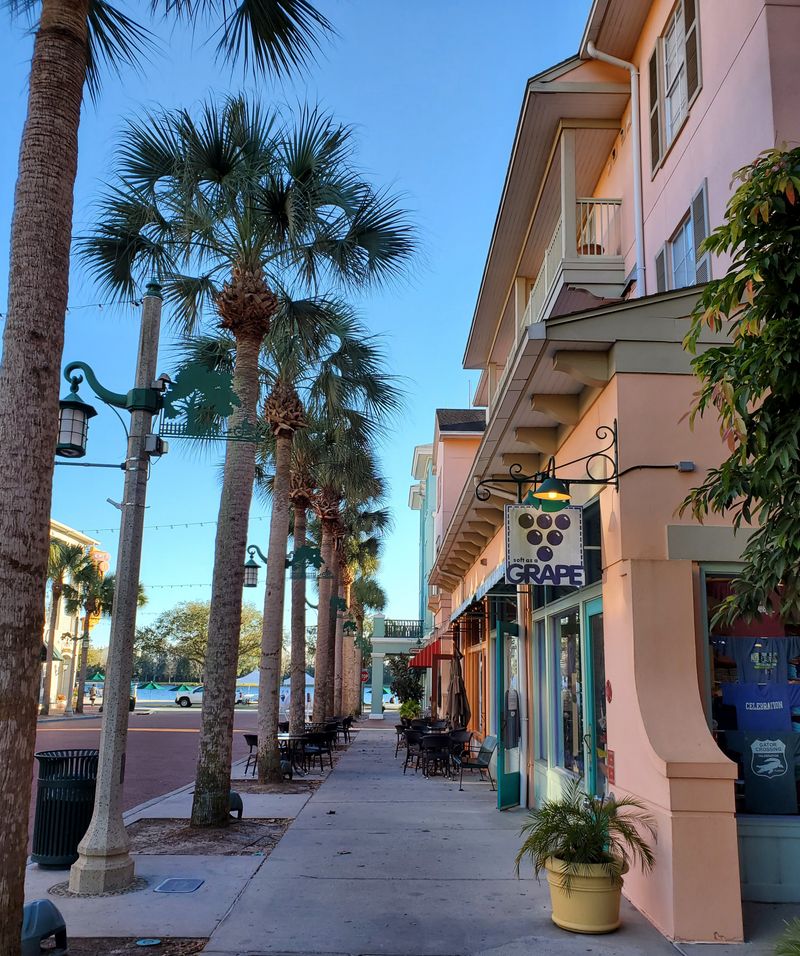
When the Walt Disney Company decided to build an actual town in the 1990s, they went all-in on creating picture-perfect small-town America. Celebration was designed as a master-planned community where every detail mattered, from the architecture to the street layout. Famous architects contributed designs, resulting in a place that looks almost too charming to be real.
Storybook streets wind through neighborhoods where residents live surrounded by Disney’s vision of ideal community living. Everything feels intentional and polished, from the downtown shops to the lakefront parks.
3. Christmas
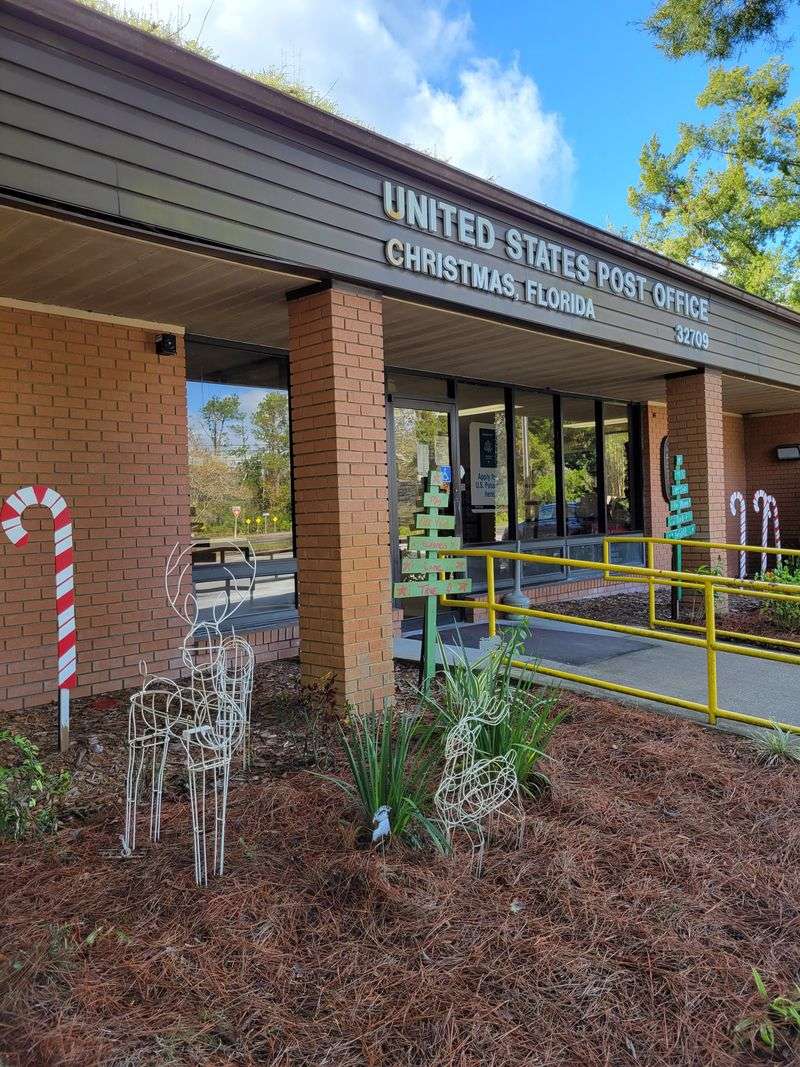
Fort Christmas was built on December 25, 1837, during the Second Seminole War, giving this town its permanently festive name. Unlike places that adopt cute names for marketing, Christmas has genuine historical ties to the holiday.
Every year, the local post office becomes a destination for people wanting that special “Christmas” postmark on their holiday cards.
The town embraces its unique name without turning into a theme park. It’s a reminder that sometimes history hands you the perfect branding, and all you have to do is honor it.
4. Cedar Key
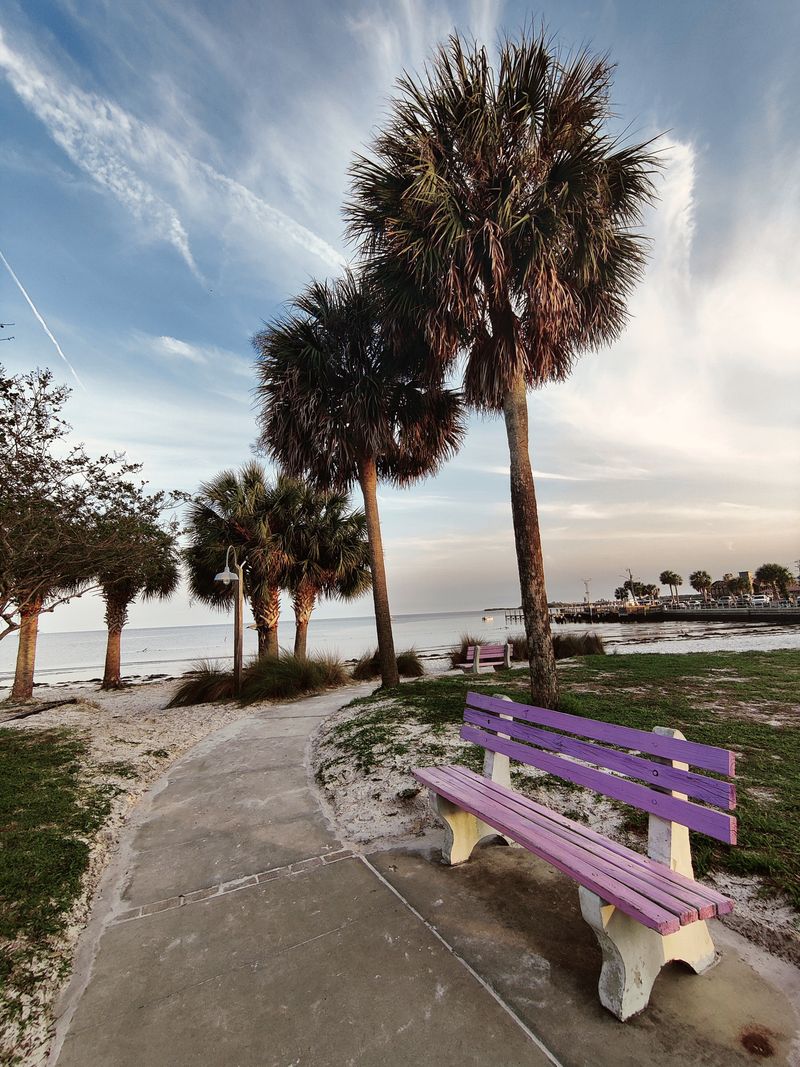
Back in the 1800s, Cedar Key was one of Florida’s biggest and busiest cities, serving as the western terminus of the state’s first cross-state railroad. Ships loaded with goods crowded the port, and the future looked bright for this booming Gulf coast hub. Cedar pencil manufacturing and commercial fishing drove the economy, attracting thousands of residents and workers.
Then everything changed. Devastating hurricanes battered the island, and the pencil industry collapsed when cedar trees were depleted. The railroad moved its terminus elsewhere, and Cedar Key’s population plummeted.
Today, it’s a peaceful, artsy island community where you’d never guess it once rivaled major Florida cities.
5. Key West
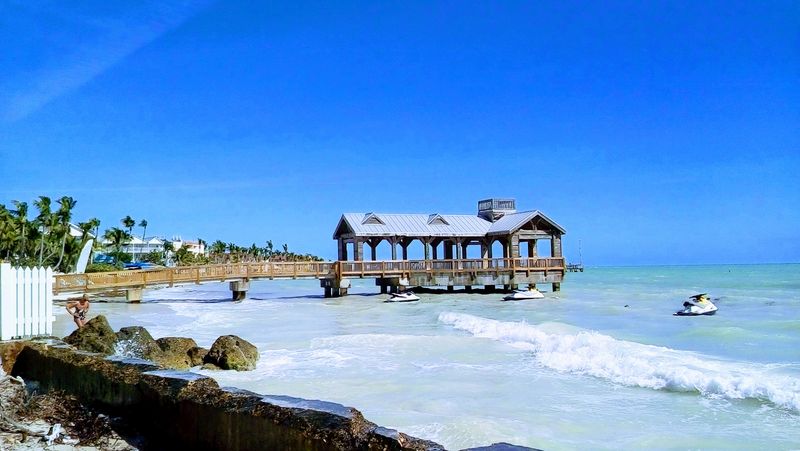
In 1982, Key West did something outrageous: it declared independence from the United States. Fed up with a Border Patrol roadblock that was killing tourism and disrupting daily life, locals proclaimed themselves the “Conch Republic.” They symbolically declared war on the U.S., surrendered one minute later, and then applied for foreign aid.
What started as a protest stunt became a lasting part of Key West’s rebellious identity. The Conch Republic flag flies proudly throughout the island, and residents celebrate their “independence” annually with parades and parties.
6. Ave Maria
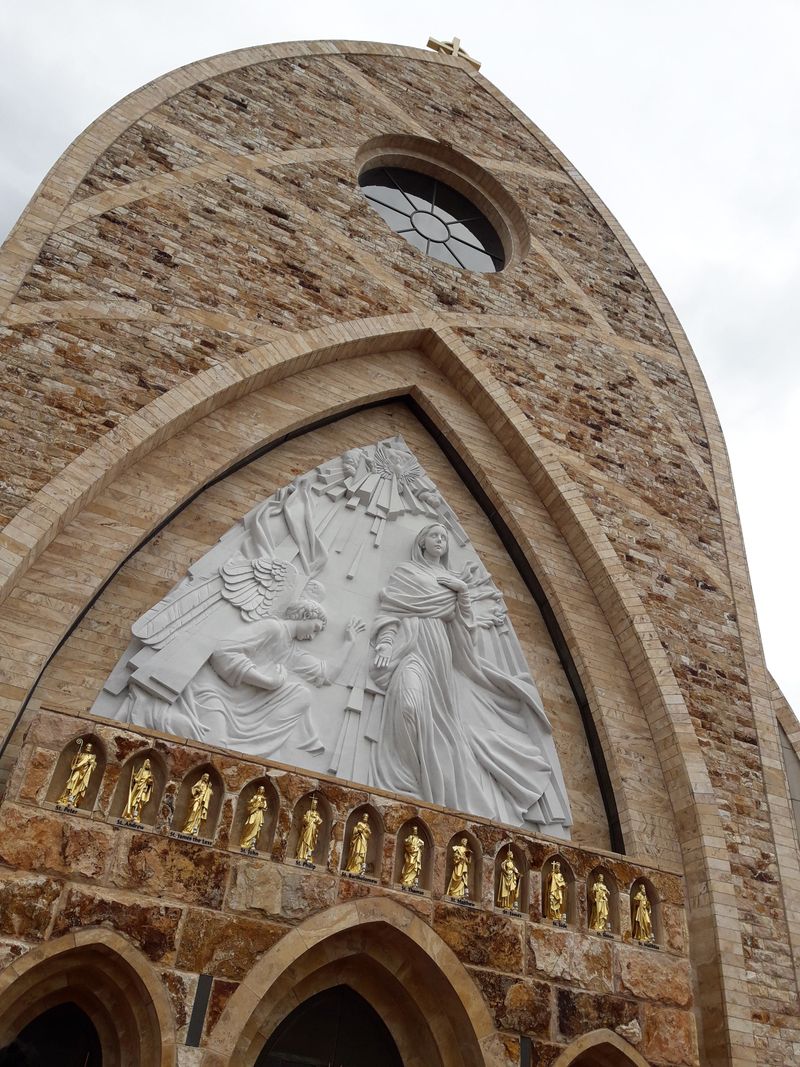
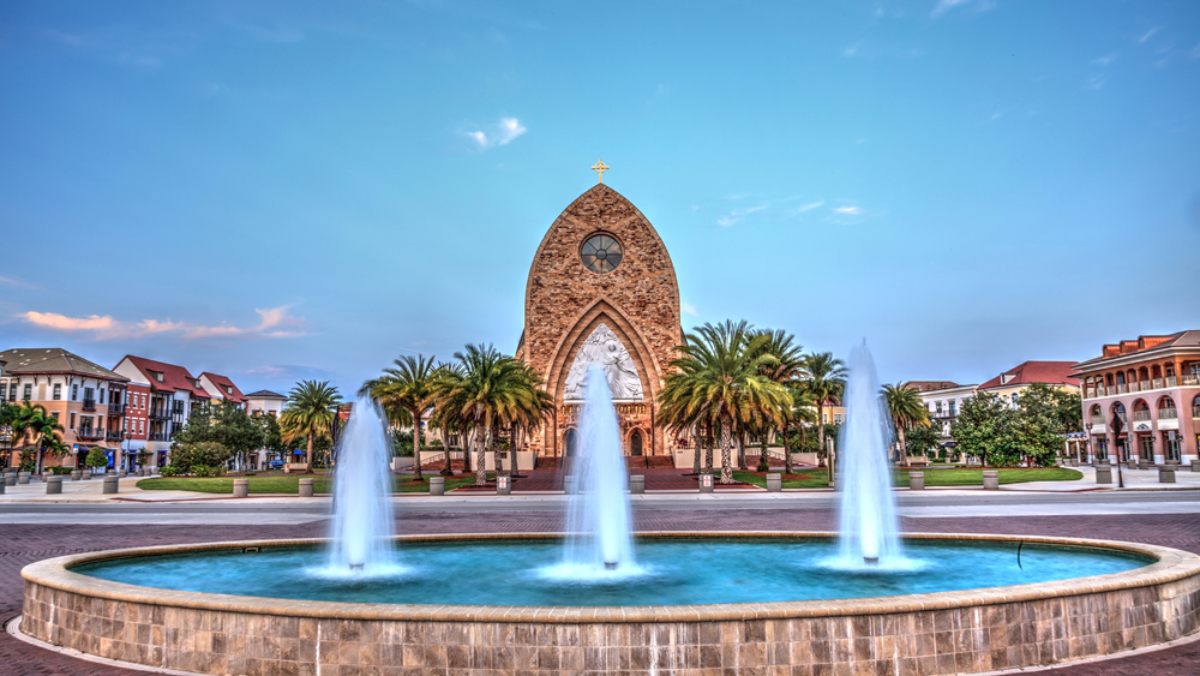
Tom Monaghan made his fortune with Domino’s Pizza, then used it to build an entire town centered on the Catholic faith. Founded in 2005, Ave Maria is anchored by Ave Maria University and a massive church that dominates the town center. It’s essentially a modern experiment in creating a faith-based community from the ground up.
Everything about the town reflects intentional planning around religious values and education. Residents chose to live here specifically for the Catholic atmosphere and community focus.
While Florida has plenty of retirement communities and planned developments, Ave Maria stands out as one designed around shared spiritual beliefs rather than golf courses or beaches.
7. Seaside
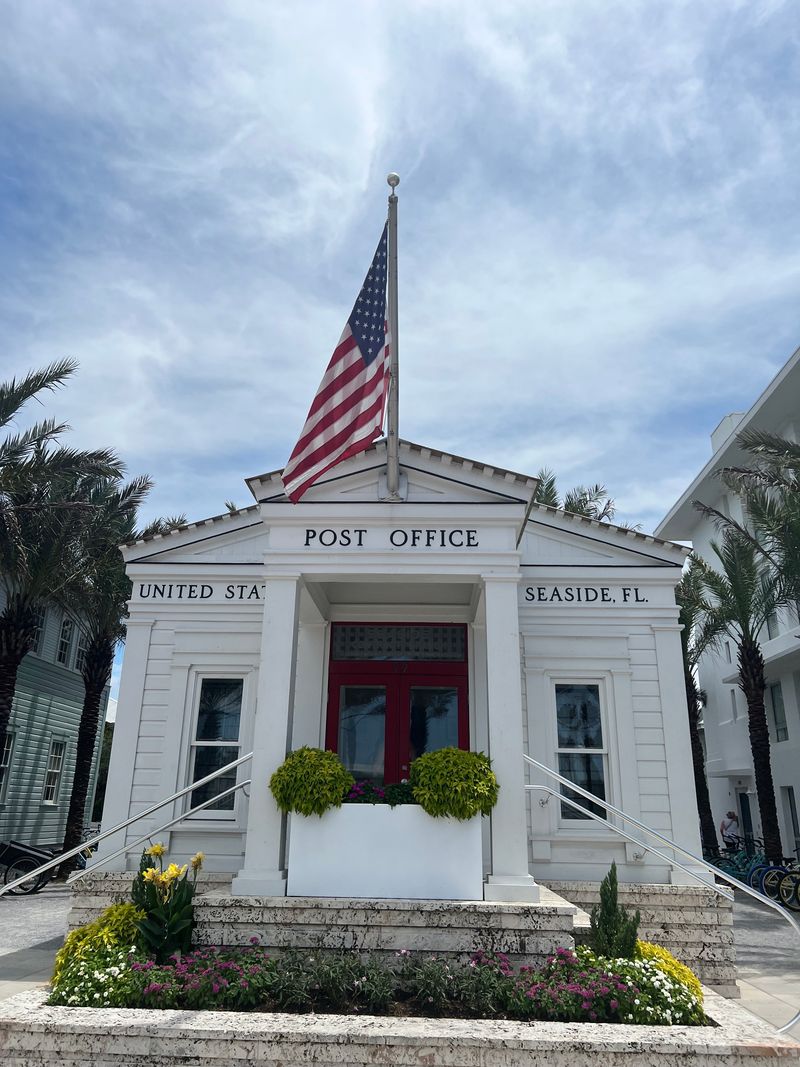
Those pastel cottages and perfectly walkable streets aren’t vintage Florida charm—they’re a 1980s architectural experiment that changed American town planning forever. Seaside was designed as a model for New Urbanism, a movement promoting walkable neighborhoods with front porches where neighbors actually interact.
The town became so influential that it appeared in “The Truman Show,” which made perfect sense given its almost too-perfect appearance. Every detail was intentionally designed to encourage community and discourage car dependency.