7 Highlights of Florida’s Iconic Deering Estate
Miami has a talent for hiding its best stuff in plain sight. One minute you’re weaving through Palmetto Bay traffic, and the next you’re standing on a breezy bluff watching Biscayne Bay sparkle like it’s putting on a show.
That’s the Deering Estate: part historic mansion, part coastal preserve, part “how is this not everyone’s weekend plan?”
It’s quiet in the best way—birds instead of sirens, mangroves instead of high-rises—and you can make the day as low-key or as nerdy (in a good way) as you want. Come for the waterfront views, stay for the weirdly rich mix of nature, architecture, and deep Florida history.
1. A “wait, THIS is in Miami?!” 444-acre escape on Biscayne Bay
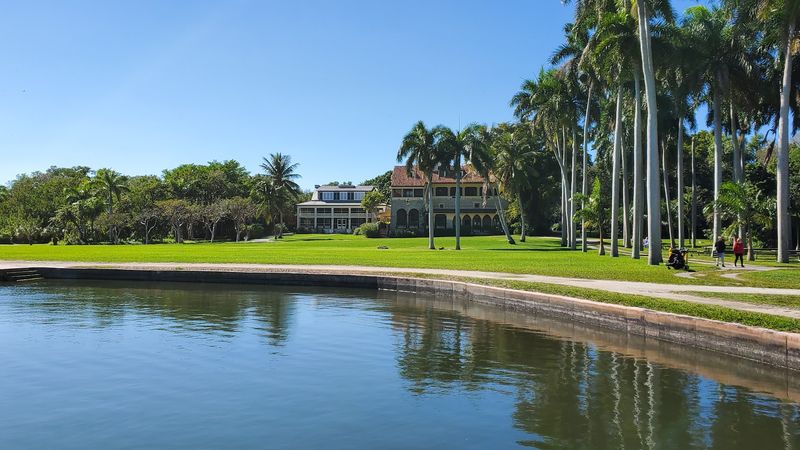
You feel the city noise drop off almost immediately, like someone turned down the volume. The Deering Estate spreads out along Biscayne Bay with enough space to forget you’re still in Miami-Dade—wide lawns, shady pockets, and that salty breeze that makes everything smell clean.
The shoreline here isn’t manicured in a resorty way; it’s real South Florida waterfront, with mangroves, limestone edges, and water that shifts from teal to pewter depending on the clouds. Find a spot near the bay, watch the boats cut across the horizon, and you’ll catch yourself lingering longer than planned.
The best part is how unforced it all feels—no hype, no neon, just a big, protected slice of coastal Miami doing its thing.
2. Two historic homes with totally different vibes
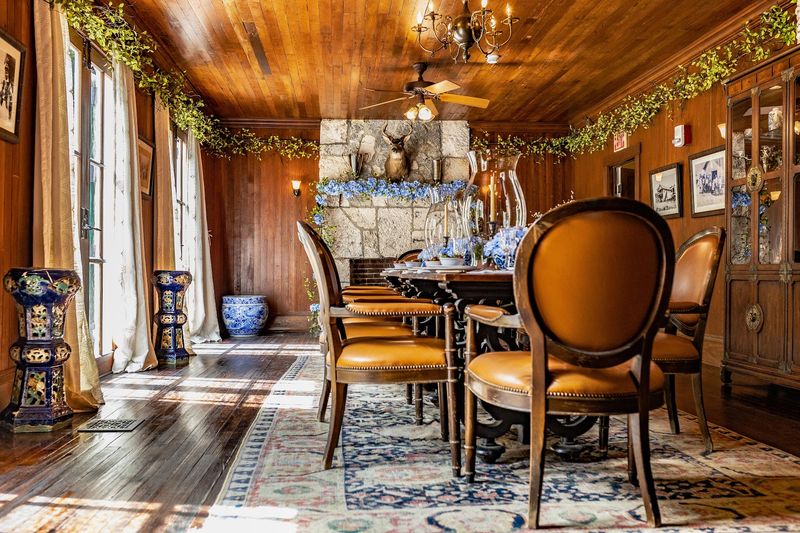
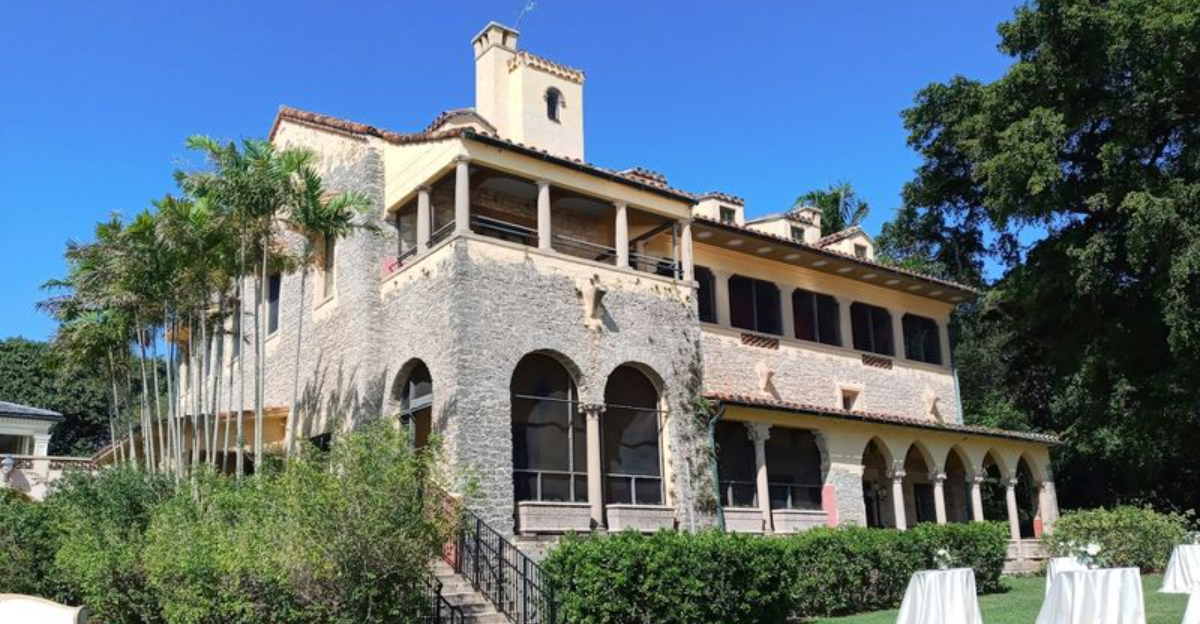
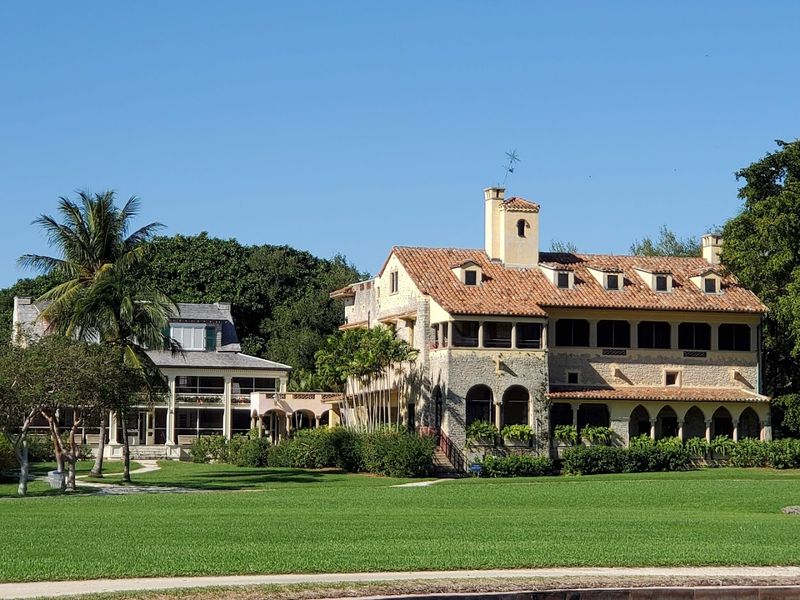
Walk up and you’ll notice the personality shift before you even step inside. The Stone House has that polished Mediterranean Revival swagger—arched details, elegant proportions, and rooms that feel made for dramatic entrances (or at least a very good photo).
Then there’s the older Richmond-era building, which feels more like a time capsule of early South Florida living: simpler, closer to the ground, and quietly fascinating when you start noticing the small stuff. The contrast is the hook.
One side says “Gilded Age ambition,” the other says “Florida was wild and practical.” Tour both and you’re basically time-traveling through Miami’s glow-up. Even if you’re not a history person, the architecture alone makes it worth slowing down and actually looking.
3. Real Florida ecosystems in one place (mangroves, hammocks, pine rockland, marsh, and more)
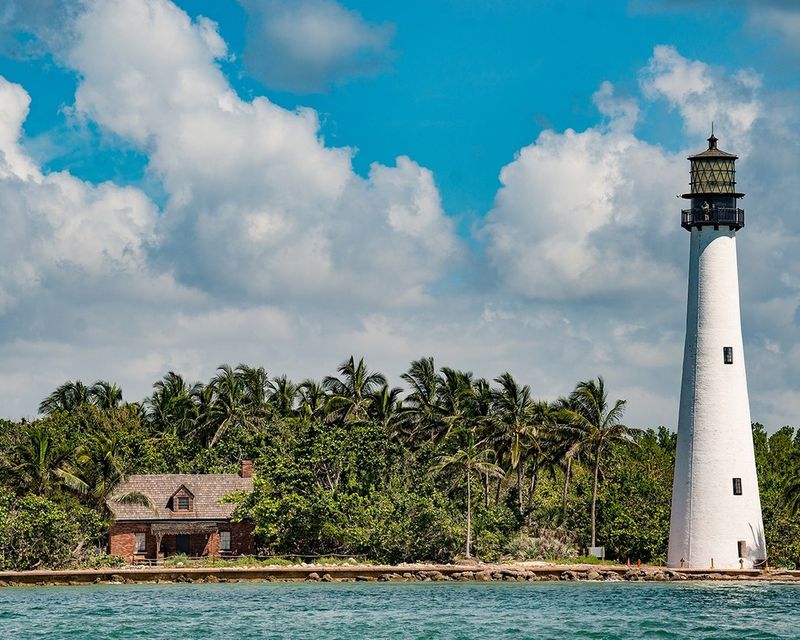
Here’s the sneaky thing: you don’t just “see nature” at Deering—you move through a patchwork of it. One moment you’re under a hardwood hammock canopy where the shade feels ten degrees cooler, and the next you’re edging toward open marshy areas where the light gets bright and flat.
The mangroves along the waterline are the star, twisting and clinging like they’re holding the coastline together (because they basically are). And if you’re lucky, you’ll catch glimpses of pine rockland—one of Miami’s rarest native habitats—where the ground feels different underfoot and the plant life changes completely.
It’s like flipping channels between Florida ecosystems without driving to three different parks. Keep your eyes up; birds love this place.
4. The guided nature experiences (and the “best season” insider tip)
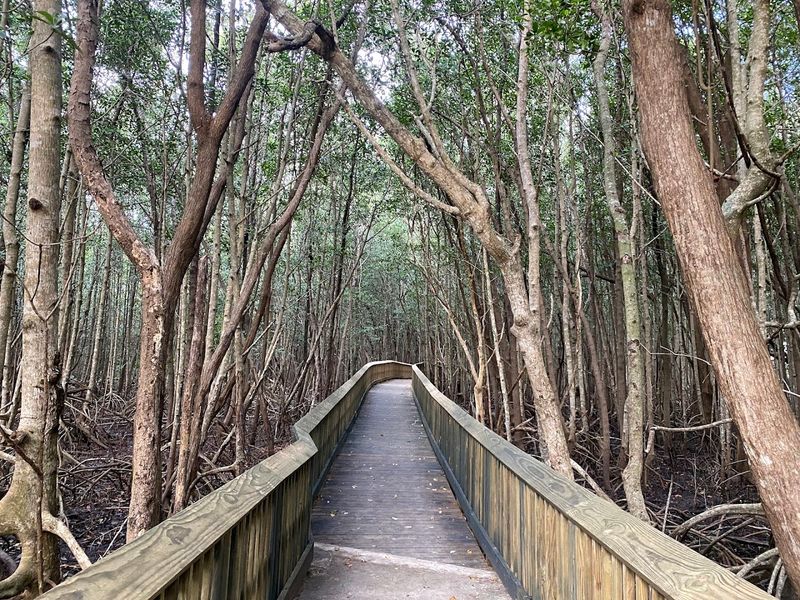
If you want the estate to really come alive, go when the weather behaves—roughly October through May—when South Florida feels breezy instead of steamy and the bugs stop acting like they pay rent. That’s when guided nature programs hit their stride, and a naturalist can point out the stuff most people walk right past: the tracks in sandy patches, the subtle plant changes between habitats, the birds you keep hearing but can’t spot.
It turns a pretty walk into an “ohhh, that’s what that is” kind of day. Even better, guided outings nudge you into corners you might not explore on your own, so you leave feeling like you saw more than the obvious path.
Think of it as a shortcut to local knowledge—without needing a friend who’s weirdly into native plants.
5. Canoeing/kayaking vibes and watery, wild Biscayne Bay scenery

The shoreline is great on foot, but the water is where the estate starts to feel a little untamed. Paddling here puts you eye-level with mangrove roots, skimming past little pockets where fish flicker near the surface and birds perch like they own the place.
The bay views are wide and cinematic, but the best moments are the small ones: a ripple in the water, a sudden splash, the hush you only get when you’re moving quietly. Depending on conditions, you might get glassy calm water that makes everything feel effortless, or a little chop that keeps you honest.
Either way, it’s a different perspective than the usual Miami waterfront scene—less skyline, more shoreline. Bring water, take your time, and don’t be surprised if this becomes the highlight.
6. Deep-time intrigue: fossils + archaeological significance
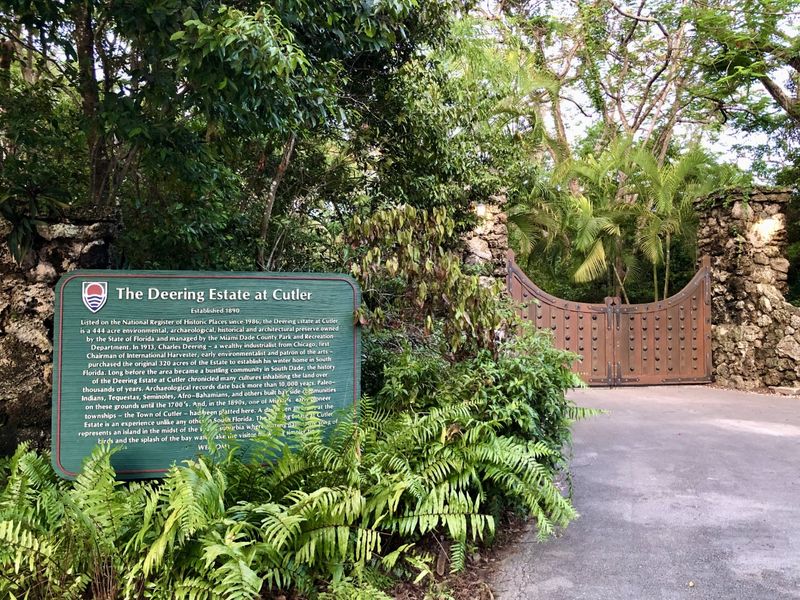
Most Miami history stories start with Art Deco or the boom years. This one goes way further back.
The Deering Estate sits on land that holds real evidence of ancient Florida—archaeological sites that hint at people living and moving through this area long before modern Miami existed. Then there’s the fossil angle, which adds a “wait, what?” layer that makes the place feel even more textured.
You’re not just touring an old house; you’re standing on ground with thousands of years of human and natural history stacked underneath it. That sense of depth is rare in a city that’s constantly rebuilding.
When you’re walking the trails, it’s worth pausing and imagining what this shoreline looked like before roads, before suburbs, before any of the stuff we now call normal. It’s a quiet kind of mind-blowing.
7. It’s a choose-your-own-day: museum energy + trails + events
You don’t have to commit to one version of the Deering Estate, which is exactly why it works for so many moods. Some days it’s a museum-style outing: structured, curious, and full of details you’ll want to tell someone later.
Other days it’s a casual nature wander—comfortable shoes, slow pace, and a few detours just because the light looks good through the trees. And if you time it right, you can catch special events that change the whole feel of the place, from artsy evenings to seasonal programming that makes the historic setting feel surprisingly alive.
The magic is that none of these options require you to “do it all.” Pick your lane, stay flexible, and let the day stretch a little. It’s Miami, but it doesn’t rush you.