7 Incredible Wildlife Sanctuaries Hiding in Plain Sight Across Florida
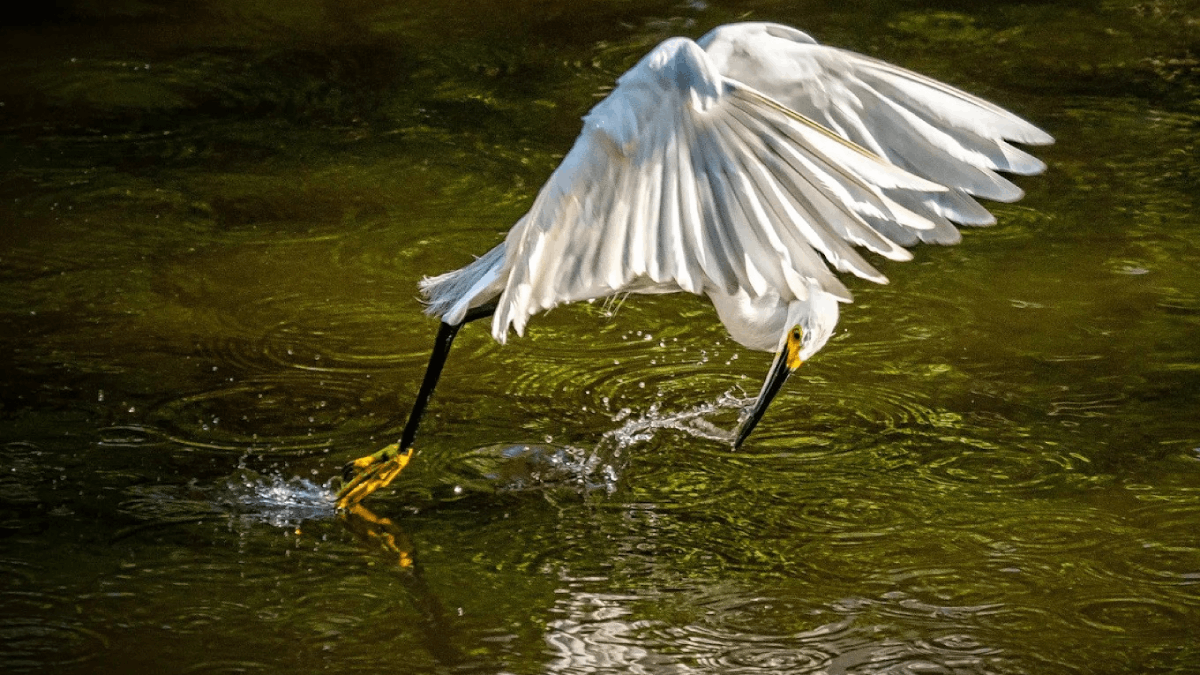
Florida is famous for its beaches and theme parks, but hidden across the state are some of the most remarkable wildlife sanctuaries in the country. These protected areas shelter rare animals, ancient forests, and ecosystems you won’t find anywhere else.
From wild bison roaming open prairies to manatees gliding through crystal-clear springs, Florida’s secret sanctuaries offer unforgettable encounters with nature just waiting to be discovered.
1. Corkscrew Swamp Sanctuary (Naples)
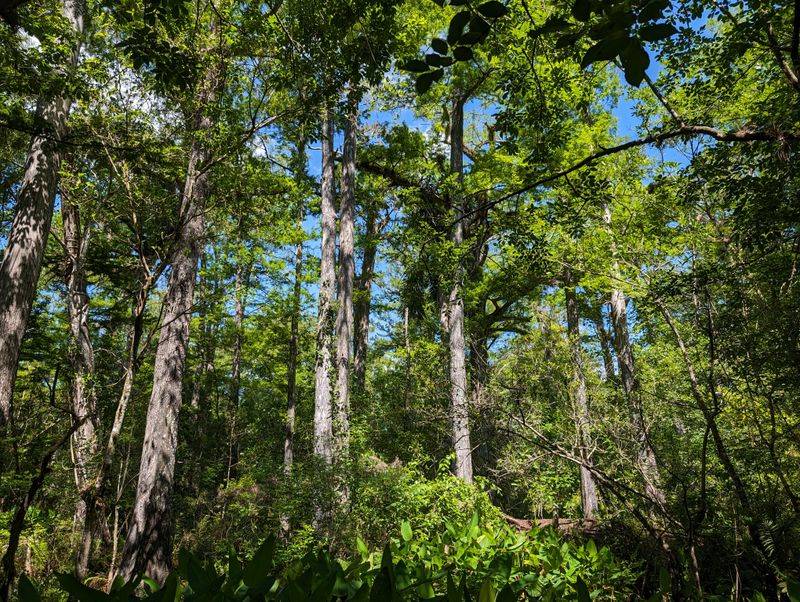
Ancient giants tower above you as you walk through one of nature’s most impressive displays. Corkscrew Swamp Sanctuary protects the largest remaining stand of old-growth bald cypress trees in all of North America, with some specimens over 500 years old. The sanctuary’s 2.25-mile boardwalk winds through pristine wetlands where wood storks nest in massive colonies each winter.
Visitors can spot alligators sunning themselves along the water’s edge, while painted turtles and river otters play in the shallows below. The boardwalk makes exploration easy for all ages and abilities, keeping your feet dry while you experience true wilderness.
Spring brings baby birds and blooming air plants, while summer showcases lush greenery and thunderstorm drama. Fall and winter offer cooler temperatures and the best wildlife viewing opportunities when animals are most active throughout the day.
2. J.N. “Ding” Darling National Wildlife Refuge (Sanibel)
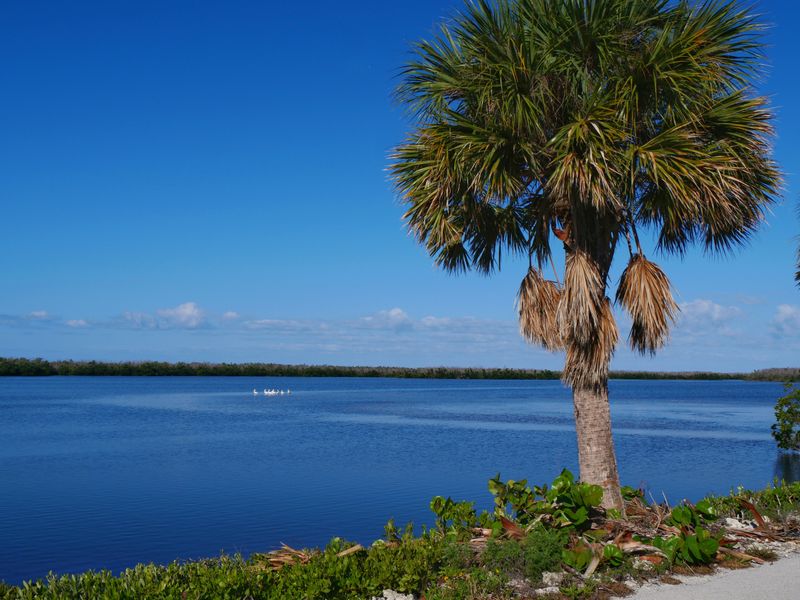
Named after a Pulitzer Prize-winning cartoonist who championed conservation, this refuge has become a paradise for bird lovers from around the world. Over 245 species have been recorded here, from tiny warblers to massive roseate spoonbills with their shocking pink plumage. The four-mile Wildlife Drive takes you through mangrove forests and tidal flats where nature puts on a constant show.
Reddish egrets perform their distinctive “dancing” hunting style in shallow waters, while white pelicans float gracefully in formation. Alligators lurk in the channels, and manatees occasionally visit the warmer months.
Kayakers can explore winding mangrove tunnels on marked water trails, getting even closer to the wildlife.
3. Fakahatchee Strand Preserve State Park (Copeland)
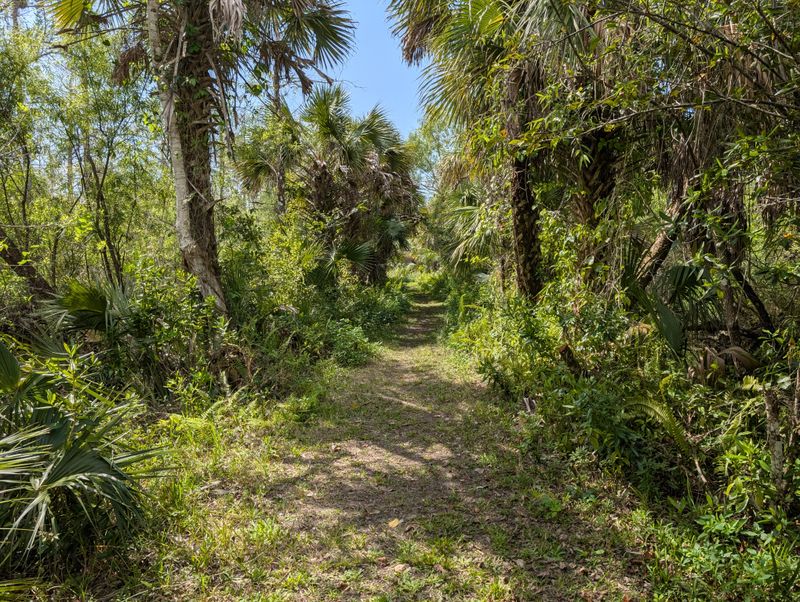
Step into Florida’s wildest swamp, where nature thrives in mysterious beauty. Fakahatchee Strand earned its nickname “Amazon of North America” through sheer biodiversity—44 native orchid species grow here, more than anywhere else on the continent. Ghost orchids, made famous by the book “The Orchid Thief,” bloom on ancient cypress trees in summer, though spotting one requires patience and luck.
The preserve’s sloughs are linear channels of slow-moving water cutting through dense forest. These natural highways support Florida panthers, black bears, and the rare Everglades mink.
Big Cypress Bend Boardwalk offers the easiest access, taking you deep into cathedral-like cypress groves draped with air plants. Adventurous visitors can join ranger-led swamp walks, wading waist-deep through tea-colored water to experience true wilderness.
This isn’t your typical nature walk—it’s an expedition into one of Florida’s last untamed frontiers.
4. Paynes Prairie Preserve State Park (Micanopy)
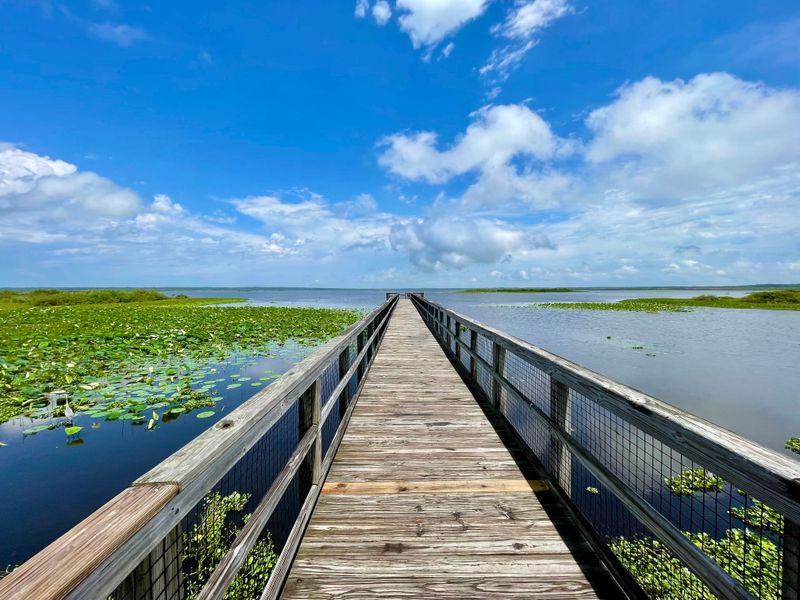
Wild bison thundering across open grasslands might seem like a scene from the American West, but this remarkable sight happens right here in Florida. Paynes Prairie is a massive 21,000-acre basin that floods seasonally, creating a unique savanna ecosystem unlike anything else in the state. Spanish explorers documented the vast prairie centuries ago, and today it looks much the same.
A herd of bison and wild Spanish horses roam freely across the preserve, visible from the observation tower on Highway 441. These animals were reintroduced to restore the historical landscape that existed before European settlement.
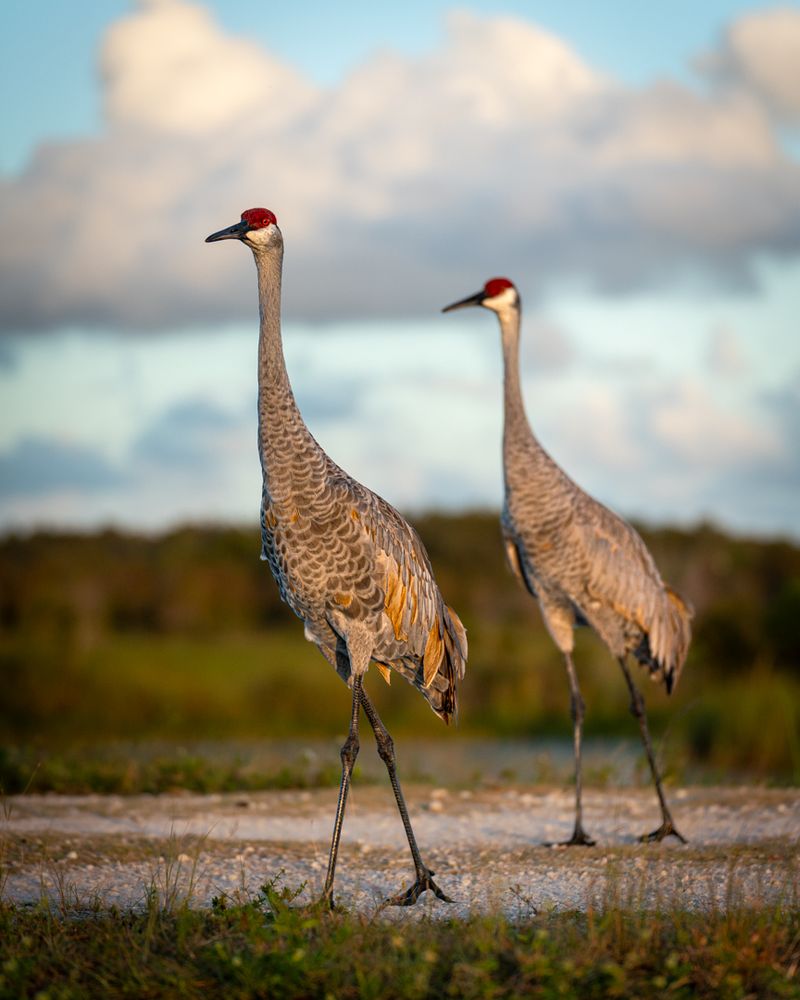
The preserve hosts over 270 bird species, making it a premier birding destination. Sandhill cranes strut through the wetlands, while bald eagles nest in tall pines along the prairie’s edge. Eight different trails offer varying lengths and difficulty levels, from easy boardwalks to challenging backcountry routes.
5. Arthur R. Marshall Loxahatchee National Wildlife Refuge (Boynton Beach)
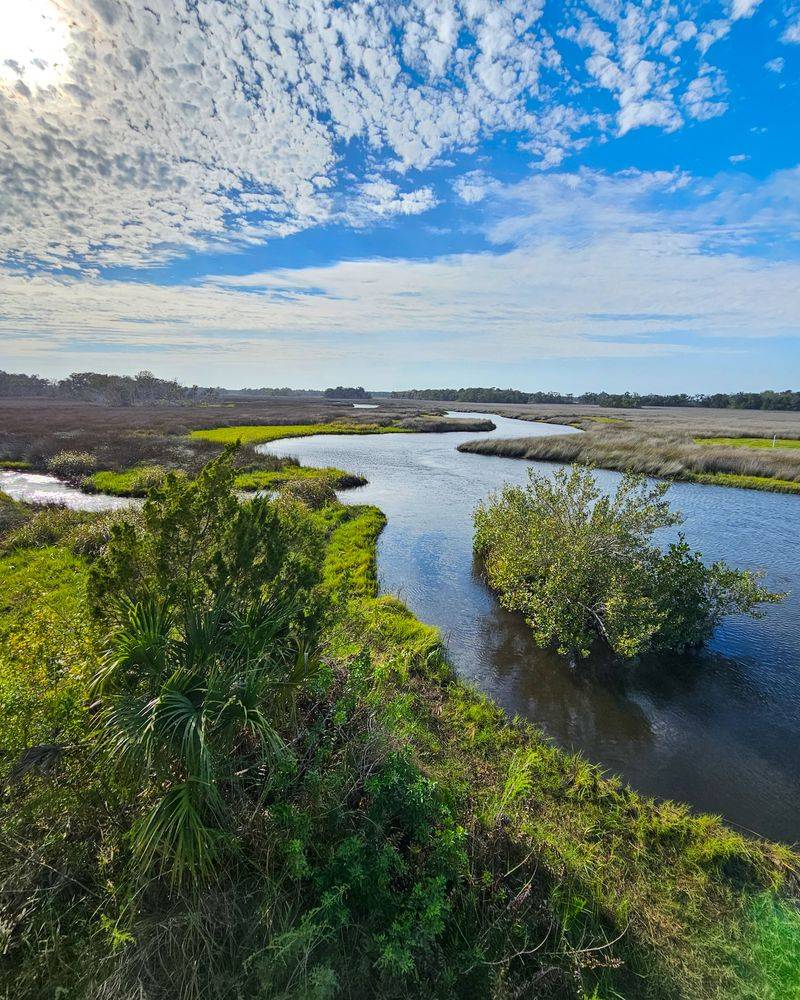
Loxahatchee represents the last remaining portion of the northern Everglades in Palm Beach County, protecting over 145,000 acres of critical wetland habitat. This refuge serves as the liquid heart of South Florida’s water system, filtering and storing water that millions of people depend on downstream.
Two boardwalk trails lead visitors into the sawgrass marsh, where alligators are practically guaranteed sightings. The Cypress Swamp Boardwalk winds through a shaded forest of pond cypress, offering cooler exploration during hot summer months.
Birdwatchers flock here for spectacular sightings—snail kites hunt apple snails in the marsh, while limpkins call out with their haunting prehistoric cries. The refuge also features a canoe trail perfect for paddlers who want to experience the Everglades at water level.
6. Crystal River National Wildlife Refuge (Crystal River)
Manatees gather by the hundreds in the warm springs here, making Crystal River the manatee capital of the world. These gentle marine mammals migrate to the refuge each winter when Gulf waters turn cold, seeking the constant 72-degree spring water that flows year-round. Crystal River is one of the only places in America where swimming with manatees is legal, though strict rules protect these endangered creatures.
The refuge consists of 20 small islands in Kings Bay, creating a maze of channels and springs. Snorkelers can observe manatees resting, playing, and nursing their calves in crystal-clear water.
Three Sisters Springs offers the most concentrated viewing, with boardwalks providing excellent observation points for those who prefer to stay dry. Peak season runs from November through March when manatee numbers reach their highest. Licensed tour operators provide equipment and guidance to ensure respectful wildlife encounters.
Even seeing one manatee is thrilling, but witnessing dozens clustered together in the springs creates memories that last a lifetime and inspires conservation awareness.
7. St. Marks National Wildlife Refuge (St. Marks)
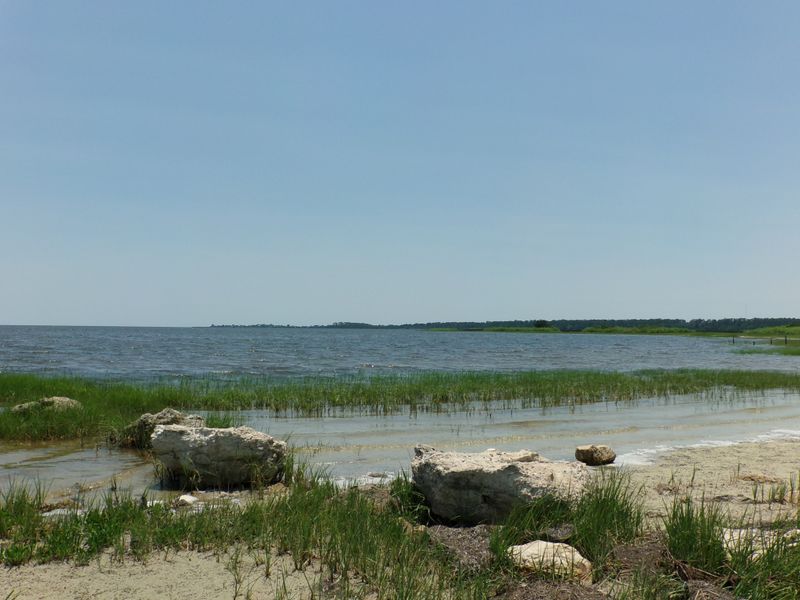
St. Marks National Wildlife Refuge protects 70,000 acres of salt marshes, tidal creeks, and hardwood swamps along Apalachee Bay. The historic St. Marks Lighthouse, built in 1831, still stands as a beacon and has become an iconic photo opportunity for visitors exploring the refuge.
This refuge lies directly under a major migratory bird flyway, making it an essential habitat for birds traveling between North and South America. Thousands of monarch butterflies also pass through during fall migration, sometimes covering trees in orange wings.
A scenic drive takes you through diverse habitats where deer, wild turkeys, and even black bears might cross your path. The Lighthouse Road is especially popular with cyclists on weekends.
Fishing and crabbing are permitted in designated areas, and the visitor center features exhibits about the refuge’s natural and cultural history, including its role as a historic port town.