8 Hidden Florida Islands You’ll Wish You Found Earlier
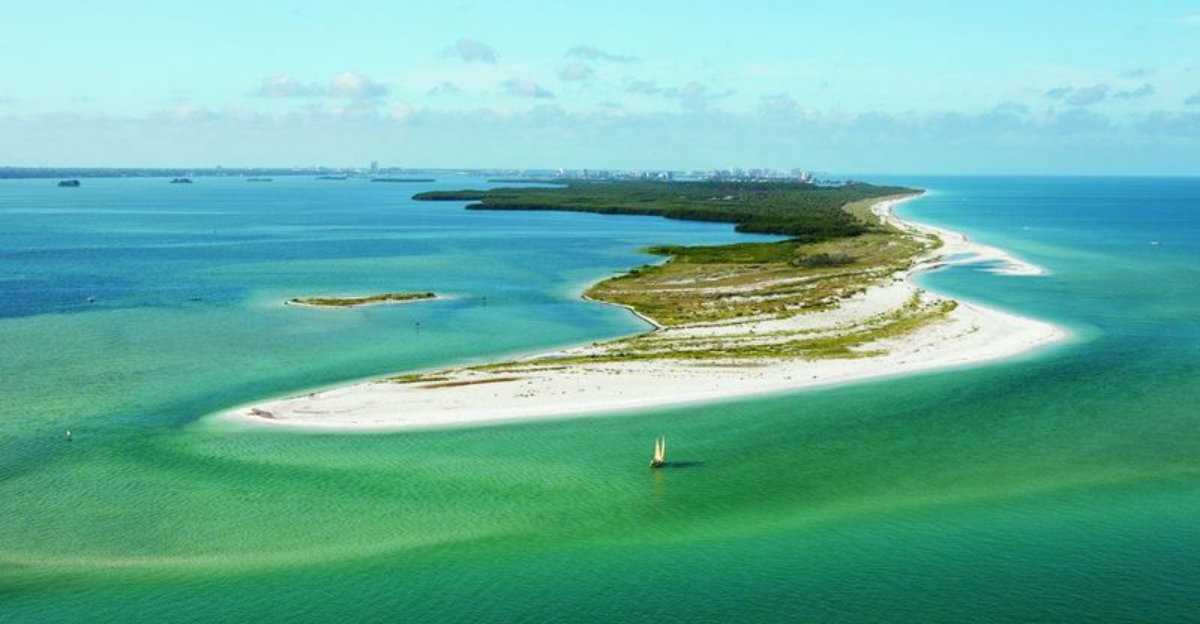
Florida’s best-kept secrets aren’t theme parks or crowded city beaches—they’re quiet islands scattered along the Gulf and Atlantic coasts that most visitors never hear about. Some require a ferry ride or private boat, while others just need a willingness to wander off the usual tourist trail. These spots offer the kind of untouched shorelines, wildlife encounters, and peaceful escapes that remind you why people fell in love with Florida in the first place.
1. Egmont Key
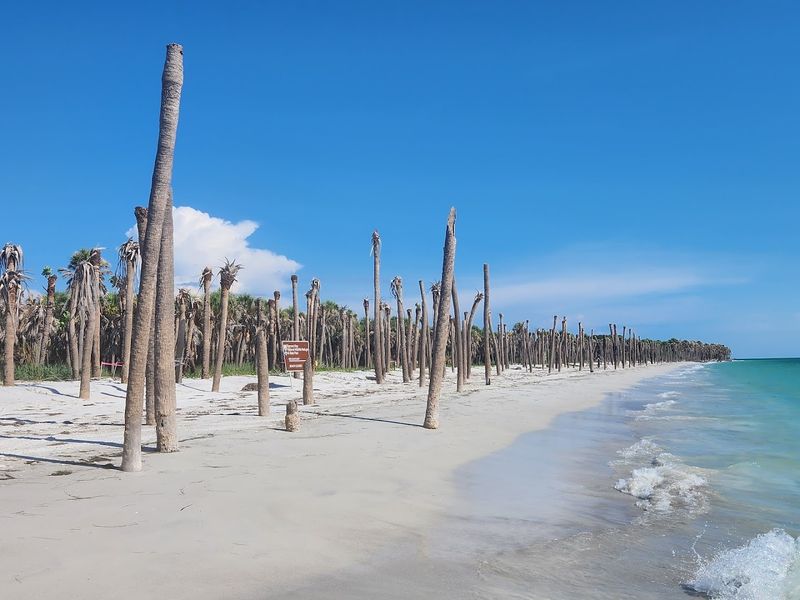
Sitting right where Tampa Bay meets the Gulf of Mexico, Egmont Key feels like a secret even though it’s technically hiding in plain sight. You can only reach it by boat, which instantly filters out the crowds and gives the whole place a castaway vibe. Once you step onto the sand, you’ll find quiet beaches perfect for shelling, warm shallows ideal for snorkeling, and enough birdlife to keep binoculars busy all afternoon.
The island also carries a bit of history. Old fort ruins from the 1800s still stand here, remnants of a time when this spot played a role in coastal defense. Walking through the crumbling brick structures adds an unexpected layer to your beach day—it’s not just sand and sun, but a tangible connection to Florida’s past.
Wildlife thrives here too. Egmont Key is a protected state park and national wildlife refuge, so you’ll likely spot gopher tortoises wandering the trails and seabirds nesting in the dunes. The lack of development means the island stays wild and peaceful, a stark contrast to the busy mainland just a short boat ride away.
Pack your own food and water since there are no facilities beyond basic restrooms. Bring snorkel gear if you want to explore the underwater world, and don’t forget sun protection—shade is limited.
2. Caladesi Island
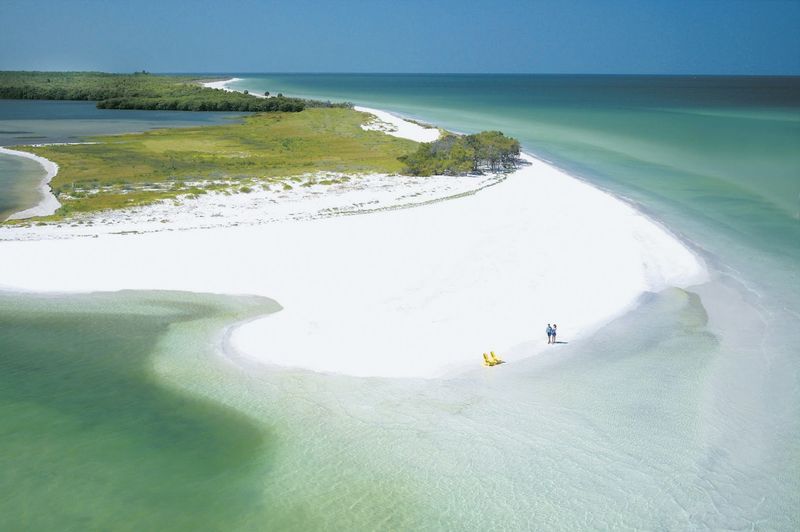
Caladesi Island stands as one of the last truly undeveloped barrier islands along Florida’s Gulf Coast, and that alone makes it worth the trip. Accessible only by ferry from Honeymoon Island State Park or by private boat, this island keeps the masses at bay while welcoming those willing to make the small effort. The payoff?
Beaches that look like they did generations ago, before condos and beach bars became the norm.
The sand here is soft and white, the water clear and calm, and the crowds refreshingly thin even on weekends. You can spread out a towel and actually hear the waves instead of someone’s Bluetooth speaker. The island also offers excellent kayaking through winding mangrove trails, where you’ll paddle past herons, ospreys, and the occasional dolphin cruising the shallows.
A short nature trail cuts through the island’s interior, giving you a glimpse of coastal hammock ecosystems and the wildlife that calls them home. It’s a nice break from the beach and a reminder that Florida’s natural beauty extends far beyond the shoreline.
The island has a small concession stand and restrooms, but amenities are intentionally minimal. Bring your own snacks, plenty of water, and anything else you’ll need for the day. The ferry runs on a schedule, so plan your return trip accordingly and leave time to soak in the Old Florida atmosphere.
3. Cayo Costa
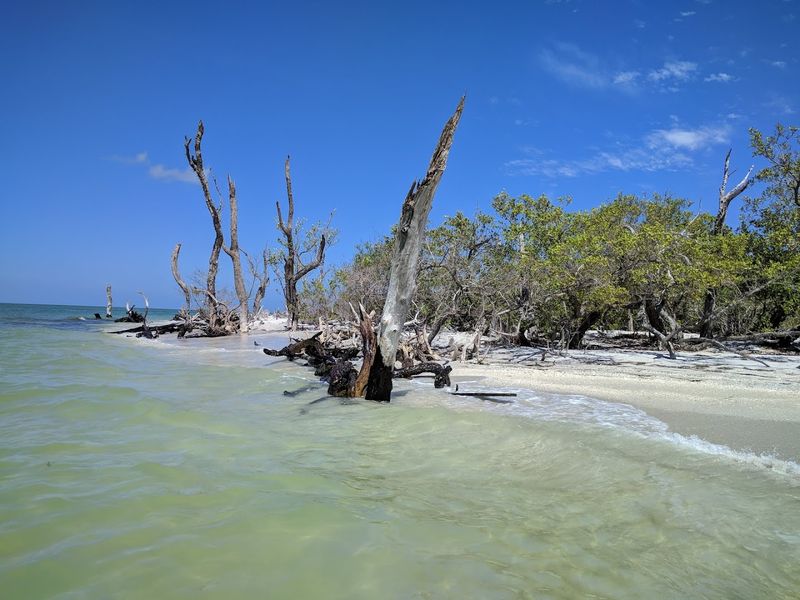
Cayo Costa delivers the kind of untouched, sprawling beach experience that makes you wonder why you didn’t discover it sooner. This barrier island stretches for miles along the Gulf, offering some of the best shelling in Southwest Florida and a sense of space that’s increasingly rare. Boat access keeps visitor numbers low, and the lack of development means the island feels genuinely wild.
Currently, there’s an important update to know: Florida State Parks has suspended ferry service and overnight accommodations here, though day visitors arriving by private boat can still explore the island. That makes it a bit more adventurous to reach, but for those with access to a kayak or small watercraft, the reward is total seclusion.
The beaches are wide and soft, scattered with shells and sand dollars that wash up with every tide. Snorkeling near the island’s edges reveals grass flats teeming with marine life, and the interior trails wind through pine flatwoods and mangrove forests where you might spot deer, armadillos, or nesting shorebirds.
Even without ferry service, Cayo Costa remains one of Florida’s most memorable island escapes for those willing to get creative with transportation. Pack everything you need—water, snacks, sunscreen, bug spray—and prepare for a day that feels far removed from modern Florida. The island doesn’t offer much in the way of conveniences, but that’s precisely the point.
4. St. Vincent Island
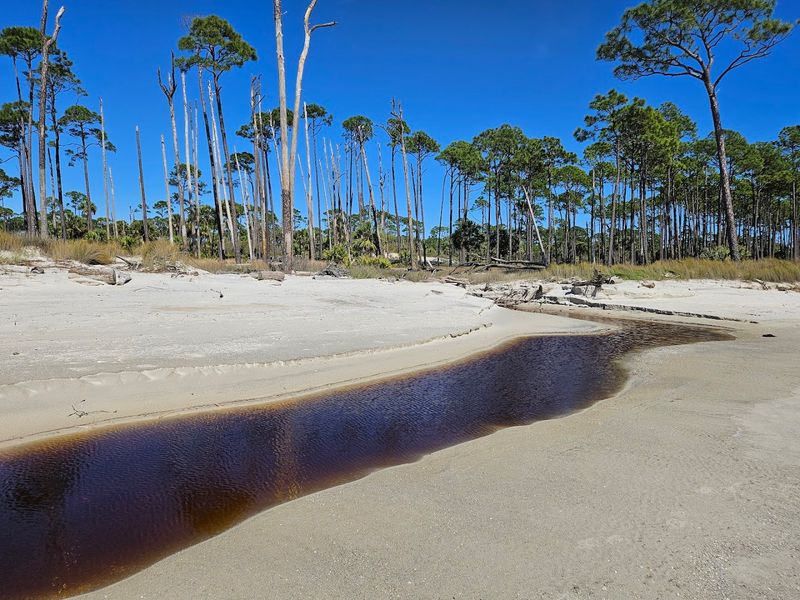
Wildlife enthusiasts often overlook St. Vincent Island, and that’s a mistake. This national wildlife refuge protects over 12,000 acres of undeveloped island habitat, creating a sanctuary for rare species and migratory birds. Unlike Florida’s more famous coastal destinations, St. Vincent prioritizes nature over tourism, which means you’ll encounter far more feathers and fur than crowds.
Accessed by a short boat shuttle from the mainland near Apalachicola, the island welcomes visitors who want to hike, bike, or simply wander through ecosystems that have remained largely unchanged for centuries. Miles of trails crisscross the interior, passing through pine forests, freshwater lakes, and coastal dunes where loggerhead turtles nest each summer.
Birdwatchers bring binoculars to spot everything from bald eagles to roseate spoonbills, while cyclists enjoy the sandy roads that wind through the island’s quieter corners. The beaches here aren’t as manicured as resort strips, but they’re authentic and peaceful, perfect for long walks or simply sitting and watching the Gulf roll in.
St. Vincent Island doesn’t have facilities beyond basic restrooms, so come prepared with water, snacks, and anything else you’ll need for a full day. The refuge also hosts a small population of sambar deer, an exotic species introduced decades ago that now roams freely across the island, adding an unexpected twist to your wildlife checklist.
5. St. George Island
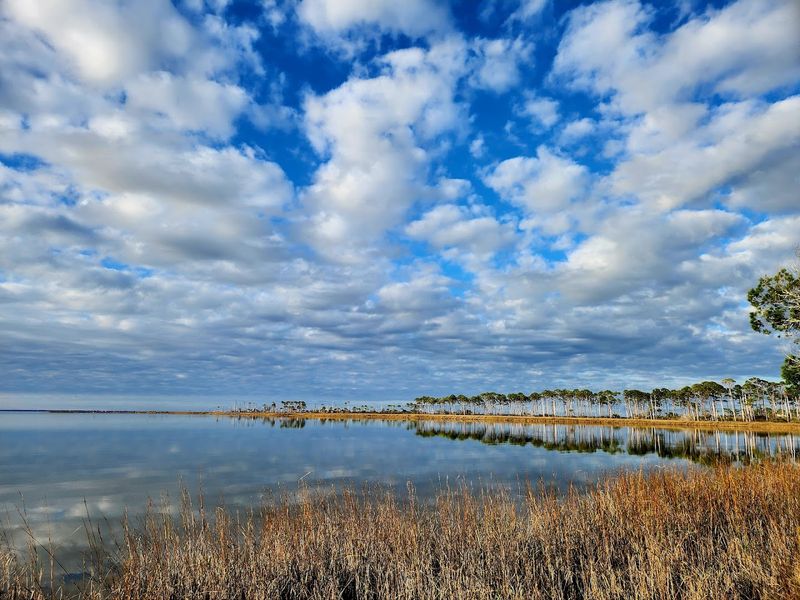
St. George Island might not be completely unknown, but it still flies under the radar compared to South Florida’s tourist magnets or the crowded Keys. The state park on the eastern end of the island offers something increasingly rare in Florida: miles of undeveloped beach where you can walk for an hour and see more shorebirds than people.
The island’s location in the Panhandle keeps it off the typical Florida vacation itinerary, which works in favor of those who make the trip. The beaches here are wide and soft, the water a clear greenish-blue, and the pace decidedly unhurried. Strong birdwatching opportunities draw enthusiasts year-round, especially during migration seasons when the island becomes a stopover for species heading north or south.
After dark, St. George Island transforms into one of the best stargazing spots in the region. With minimal light pollution and wide-open skies, you’ll see constellations and meteor showers with a clarity that’s hard to find near cities. Bring a blanket and settle in for a show that reminds you why people used to navigate by the stars.
The island has a small town with restaurants and shops, but the state park side stays wild and quiet. Pack a cooler, rent a bike, and spend the day exploring beaches that feel like they belong to another era of Florida travel.
6. Garden Key in Dry Tortugas
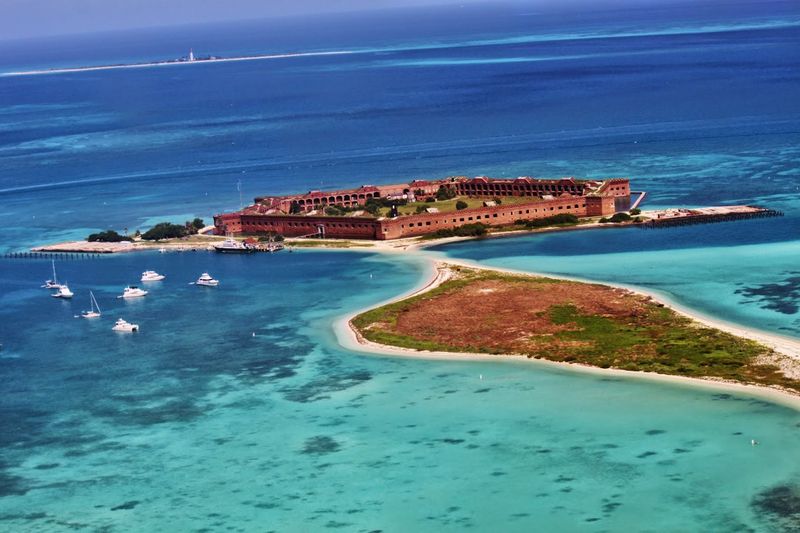
For sheer “how did I not know about this?” impact, Garden Key in Dry Tortugas National Park is hard to top. Located about 70 miles west of Key West, this remote island hosts Fort Jefferson, a massive 19th-century fortress that dominates the landscape and sparks instant curiosity. Getting here requires either a seaplane or a ferry ride, but the journey itself becomes part of the adventure.
The fort is an architectural marvel—six-sided, built from over 16 million bricks, and never fully completed. Walking through its arched corridors and climbing to the upper levels gives you sweeping views of the surrounding islands and impossibly clear water. Snorkeling around the fort’s moat wall reveals vibrant coral, tropical fish, and the occasional sea turtle gliding past.
Garden Key offers primitive camping for those who want to extend their stay, and waking up to sunrise over the Gulf with the fort silhouetted against the sky is an experience you won’t forget. Daytime brings swimming, snorkeling, and exploring the island’s compact but fascinating terrain.
Because of its remote location, everything you need must come with you—food, water, camping gear, snorkel equipment. The park provides restrooms and fresh water for rinsing, but that’s about it. Cell service is nonexistent, which only adds to the feeling of true escape.
This is Florida at its most dramatic and undiscovered.
7. Cedar Key
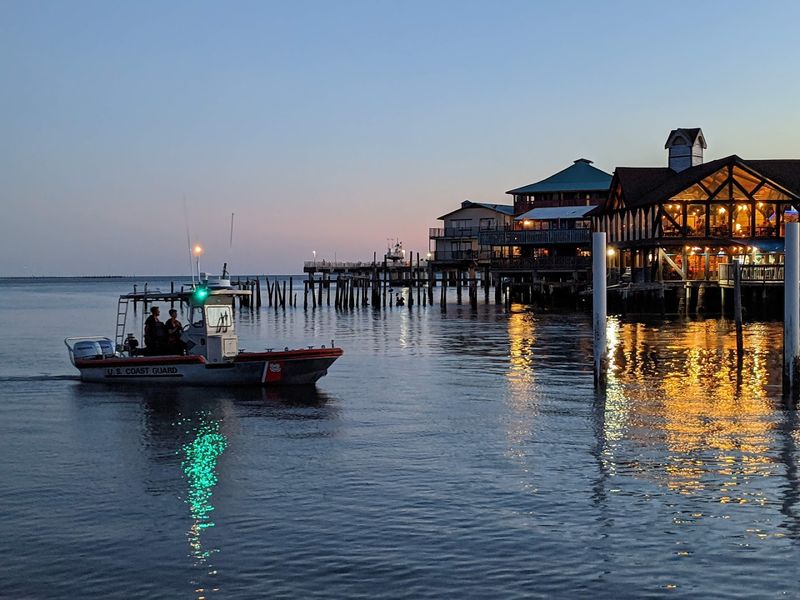
Cedar Key trades flashy beach resorts for something far more appealing: an old fishing village vibe that feels like stepping back into a quieter version of Florida. This small island community sits on the Gulf Coast, accessible by a scenic drive through marshlands and small towns that remind you what the state looked like before the boom years.
The town itself is compact and walkable, with weathered buildings housing seafood restaurants, art galleries, and shops selling local crafts. Instead of high-rises, you’ll find modest cottages and historic structures that give the place an authentic, lived-in character. People come here to slow down, not speed up.
Kayaking is a major draw. The waters around Cedar Key are calm and dotted with small islands, making them perfect for paddling at your own pace. You’ll weave through mangrove tunnels, spot manatees in the shallows, and discover hidden coves that feel like your own private discovery.
Fishing is also excellent, whether you’re casting from a dock or hiring a local guide for a backcountry trip.
Seafood here is fresh and unpretentious—think clam chowder, smoked mullet, and oysters pulled from nearby beds. Cedar Key doesn’t try to impress with fancy presentations; it just delivers the kind of honest Gulf Coast cooking that keeps people coming back year after year. This is Florida’s quieter side, and it’s worth seeking out.
8. Gasparilla Island
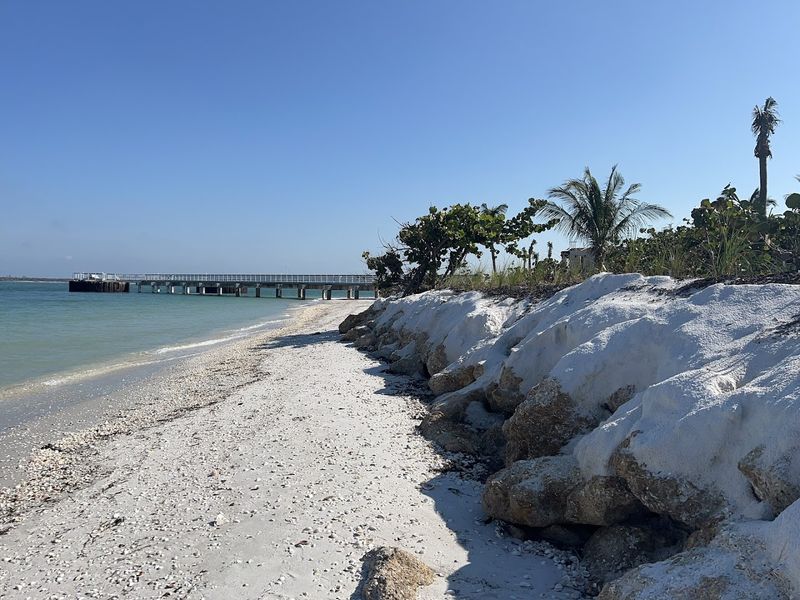
Gasparilla Island gets some attention thanks to Boca Grande, but it still feels underrated when stacked against Florida’s bigger-name island getaways. This barrier island offers a mix of historic charm, natural beauty, and a pace that feels refreshingly unhurried. The lighthouse at the island’s southern tip is a local landmark and a great spot for photos, but the real appeal lies in the overall atmosphere.
Unlike islands dominated by resorts and chain restaurants, Gasparilla retains a sense of place. The town of Boca Grande has preserved its historic downtown, where you can browse shops, grab lunch, and chat with locals who remember when the island was even quieter. Biking is the preferred way to get around, and the island’s flat terrain and bike paths make it easy to explore at a relaxed pace.
The beaches here are quieter than you’d expect, especially if you venture away from the main access points. Soft sand, gentle waves, and plenty of room to spread out make for ideal beach days without the usual Florida beach scene. Shelling is productive, especially after storms, and the water stays warm most of the year.
Gasparilla Island also attracts anglers, particularly during tarpon season when Boca Grande Pass becomes one of the best spots in the world to hook these powerful fish. Even if you’re not fishing, watching the action from the shore or a nearby restaurant deck is entertaining. This island offers a quieter, more authentic Florida experience worth discovering.