8 Places to See Manatees in Florida in February (When Cold Fronts Hit)
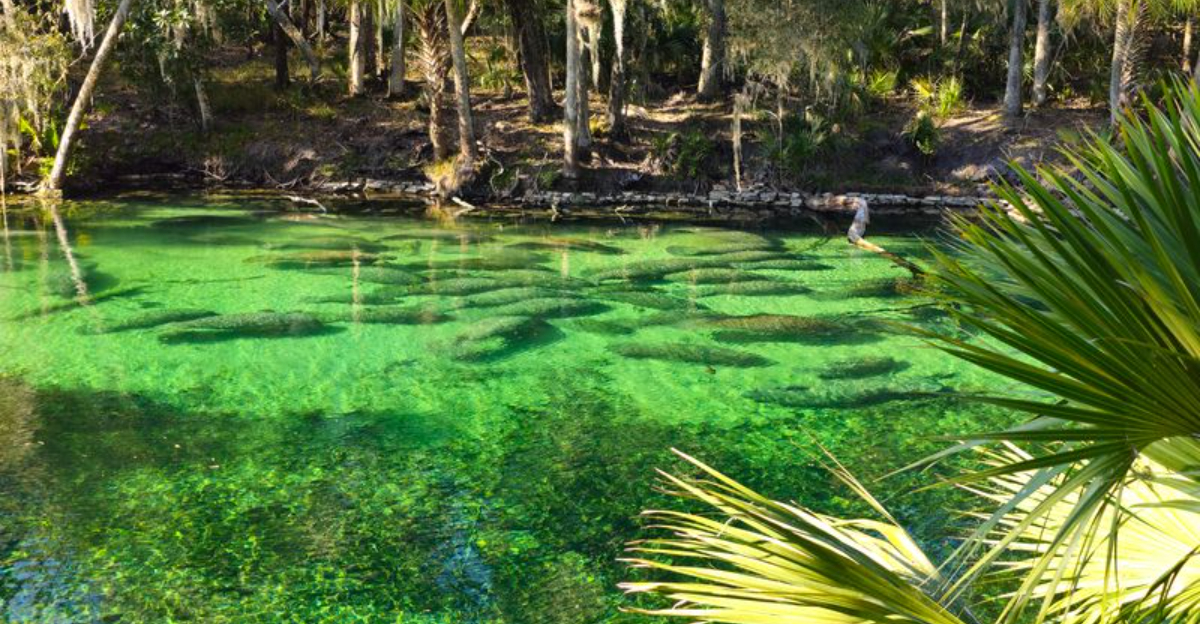
When February cold fronts sweep across Florida, manatees retreat into warm spring runs and power plant outflows, turning a chilly day into your best chance for unforgettable viewing. You will find crystal clear water, easy boardwalks, and calm morning light that makes sightings feel magical. Go early, bundle up, and follow the cold to find the warm water the manatees love.
Here is exactly where to look when the temperature drops and the manatees gather.
1. Blue Spring State Park (Orange City/DeLand area)
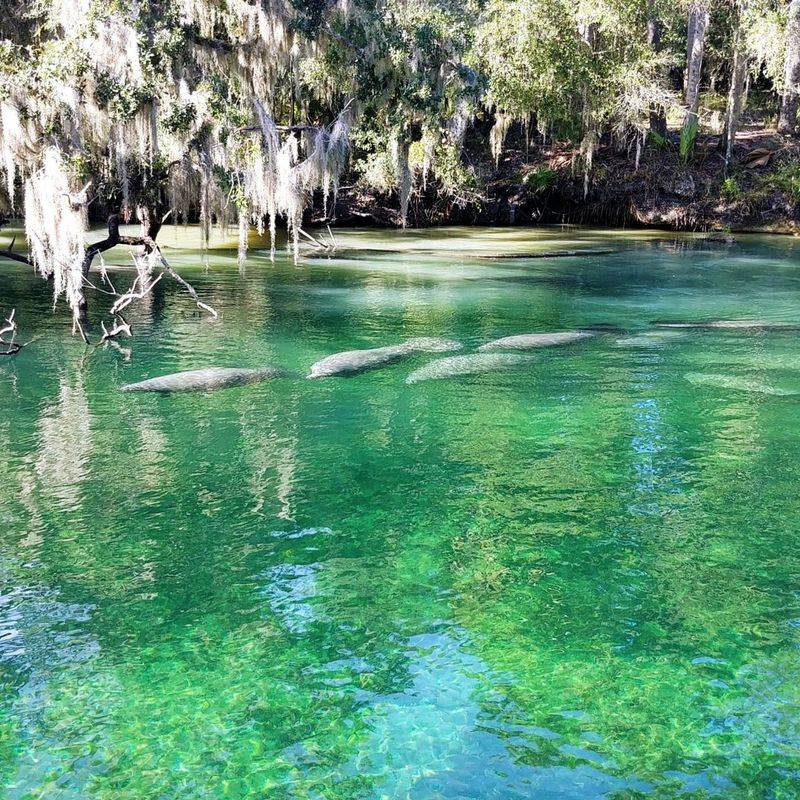
On cold mornings, the run turns into an underwater highway of gentle giants. Clear, constant 72 degree spring water draws manatees by the dozens, often more after a sharp temperature drop. Get there right at opening, because parking fills and the early light makes the water look like glass.
Walk the boardwalks slowly and stop at each overlook to scan the sandy bottom. You will spot calves tucked close to moms, and rangers often share updates about counts. Remember, no swimming is allowed in manatee season, which keeps the run calm and viewing excellent.
Plan a backup weekday visit if a warm spell thins numbers. Cold fronts are the signal. Watch the forecast, then go.
2. Three Sisters Springs + Kings Bay (Crystal River)
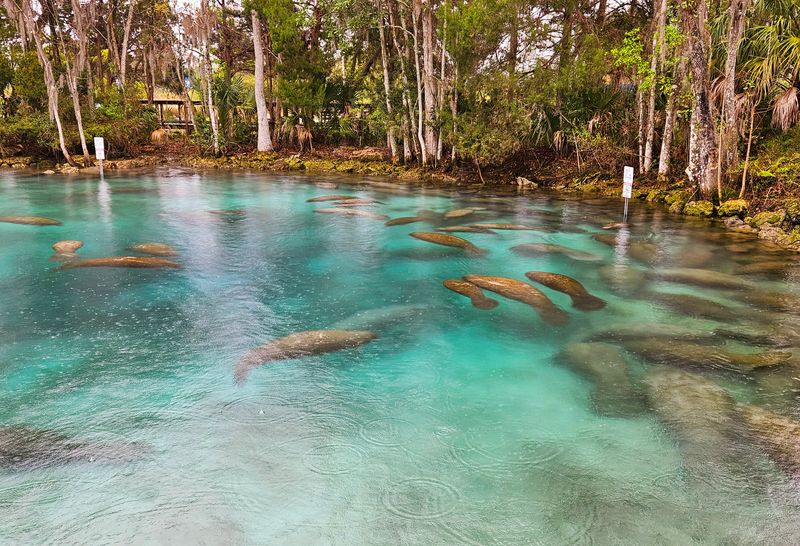
When the Gulf cools, manatees pour into this spring complex, stacking up in gin clear water. You want the earliest time slot, ideally right after a cold snap, to catch calm conditions and fewer crowds. Viewing from the boardwalk offers a quiet, overhead perspective where you can count whiskered noses.
In Kings Bay, outfitters offer paddling tours, but sanctuaries are roped for protection. Respect closures and keep voices low so resting animals are not disturbed. The water clarity here makes every whisker and scar visible, a sobering reminder of boat encounters.
Check the winter refuge rules before you go. When temperatures rebound, manatees disperse quickly. Cold mornings after fronts deliver the most dramatic gatherings.
3. Ellie Schiller Homosassa Springs Wildlife State Park (Homosassa)
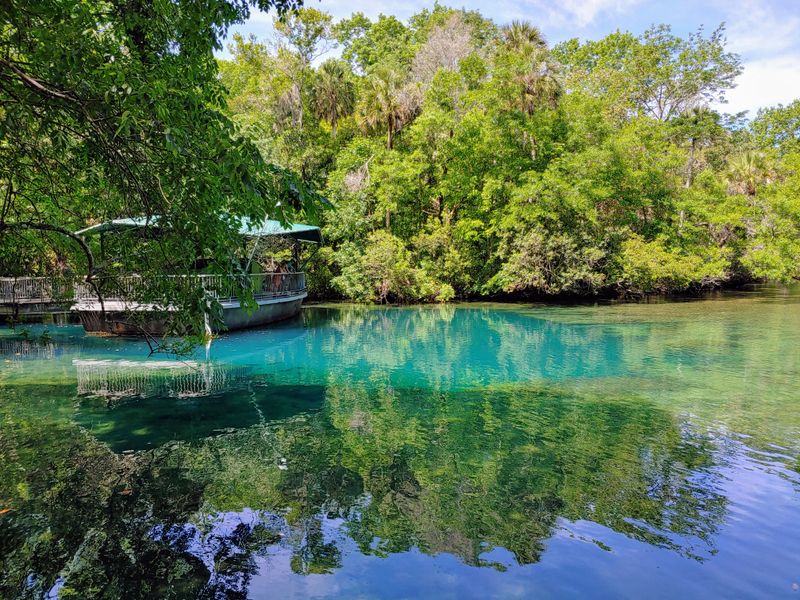
This park makes winter viewing easy and welcoming for families. Elevated boardwalks and an underwater observatory let you watch manatees glide by without getting cold or wet. If weather turns blustery, you can stream the manatee cam to time your visit for peak activity.
Rangers share natural history, rescue stories, and seasonal behavior. Kids love spotting the slow exhale plumes and rounded backs surfacing like gray submarines. Arrive on chilly mornings after a front, when spring warmth draws animals from the river.
Facilities here are reliable, with restrooms, concessions, and clear signage. You will leave with practical knowledge about boat speed zones and conservation. It is an easy yes when temperatures dip and schedules are tight.
4. Manatee Springs State Park (Chiefland)
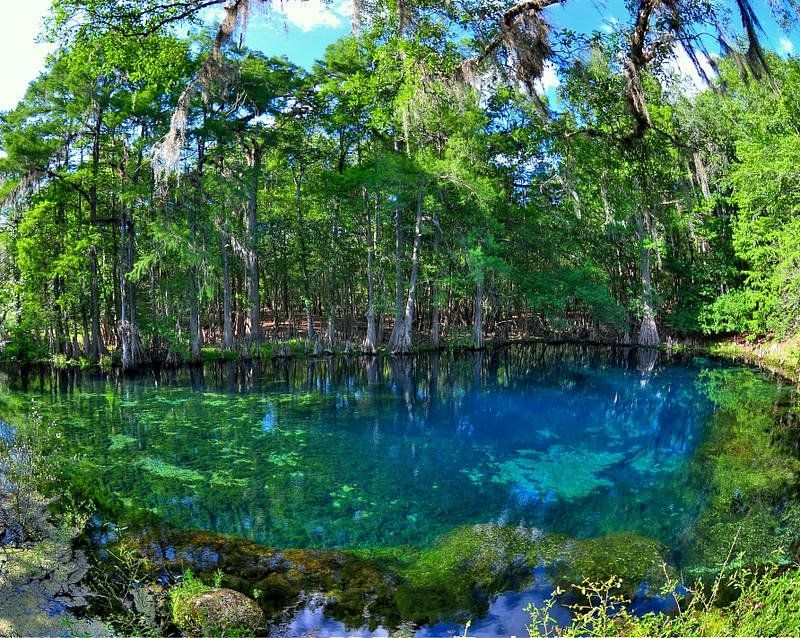
When the Suwannee chills, manatees slip up the spring run to warm up, often lingering near the head spring. The long boardwalks are perfect for scanning both the run and the river edge. Arrive early on the coldest mornings for your best odds and the quietest experience.
The contrast of clear spring water against the darker river looks dramatic from above. Bring binoculars for extra reach and patience for slow, rhythmic surfacing. Rangers post sightings at the entrance, which helps set expectations.
Pack layers and a thermos, since wind over the river can bite. If a warm spell arrives, revisit after the next front. Winter patterns here reward flexible plans and a watchful eye.
5. Tampa Electric Manatee Viewing Center (Apollo Beach)
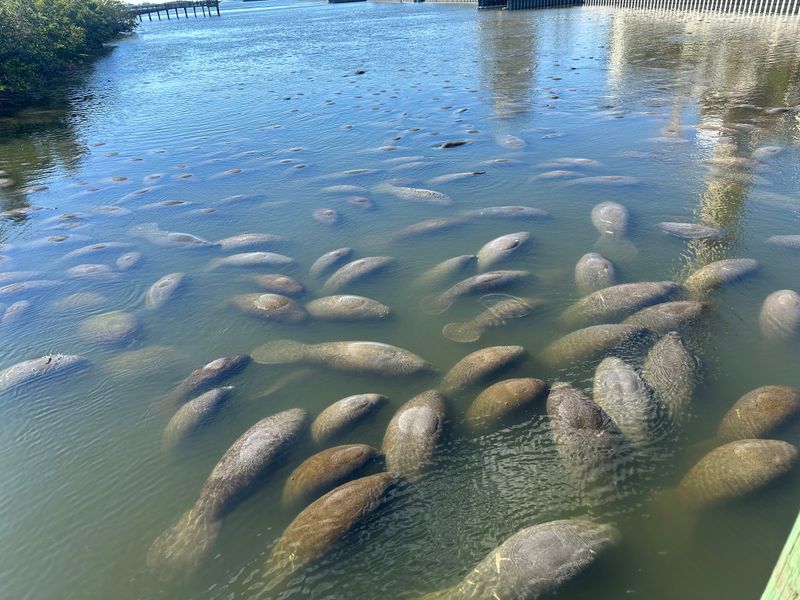
When Tampa Bay cools, the warm discharge canal becomes a refuge that almost guarantees sightings. The boardwalks and viewing platforms put you right above surfacing manatees, with bubbles and snouts breaking the calm surface. It is accessible, educational, and especially good for quick visits between fronts.
Inside, exhibits explain the science of warm-water outflows and manatee biology. Volunteers often point out calves or scar patterns you might miss. Go on the coldest days for dense aggregations, and expect thinner numbers during extended warm spells.
Parking can fill fast on weekend mornings. Aim for opening time or later afternoon. The combination of reliability, learning, and easy access makes this a winter favorite.
6. Lee County Manatee Park (Fort Myers)
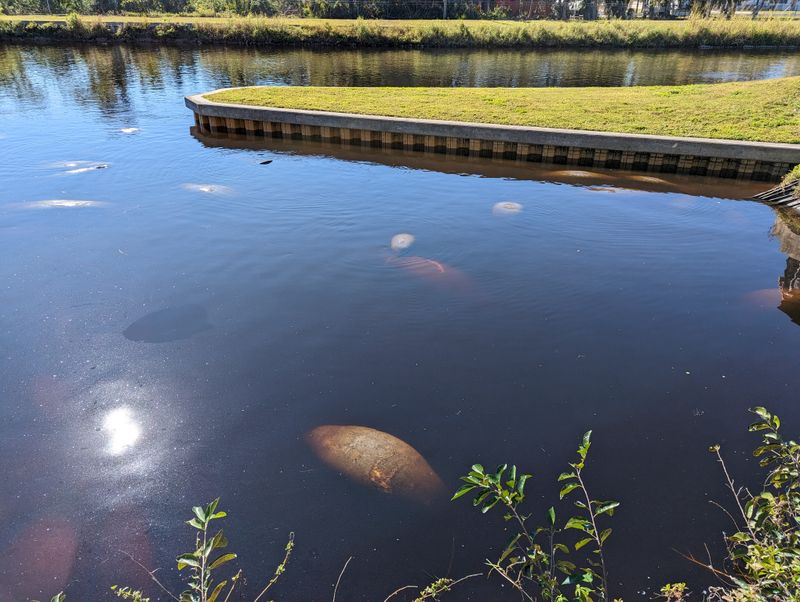
This small park shines when temperatures dip across Southwest Florida. Warm-water outflows nearby draw manatees into view, often cruising slowly along the canals. Platforms give good angles, and staff post recent sightings so you know what to expect before walking down.
Go after a cold night, especially in the morning when the contrast is greatest. If numbers fade midday, hang around as the afternoon tide shifts or plan a return after the next front. The park is compact, so even short visits can pay off.
Bring polarized sunglasses to cut glare and watch for gentle ripples that give away a surfacing back. It is an easy, low stress stop that delivers in February.
7. Manatee Lagoon (Riviera Beach / Palm Beach County)
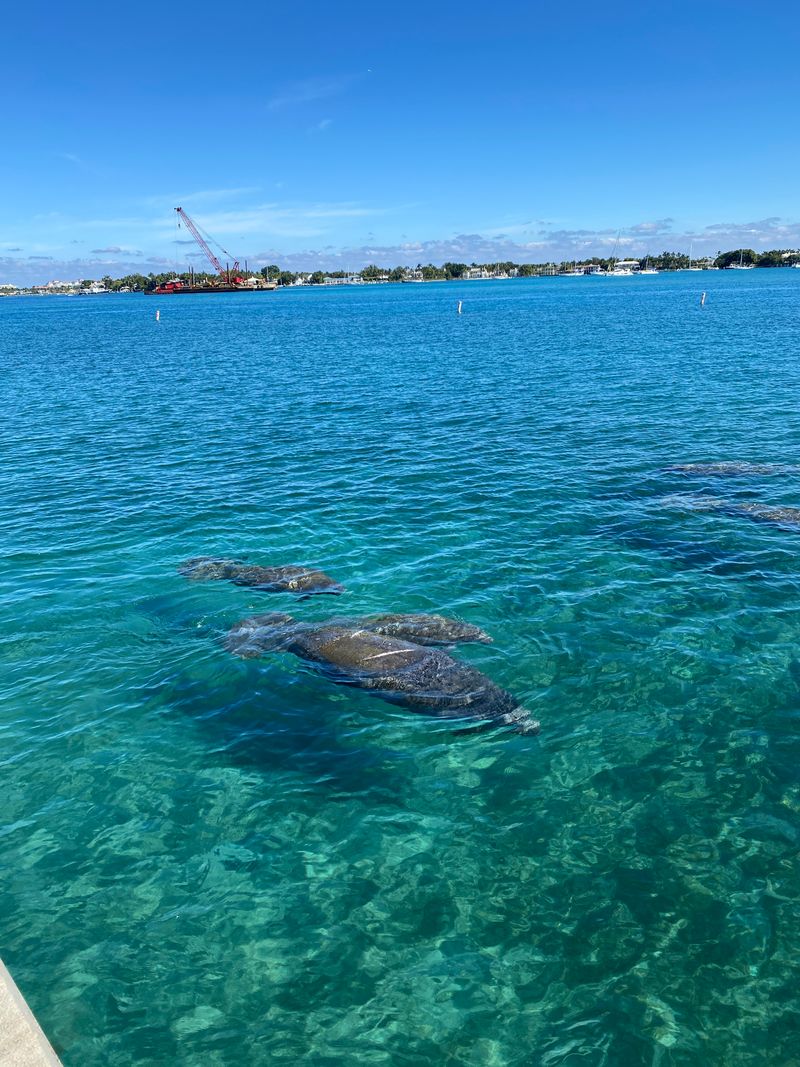
This public viewing spot ties into a warm-water source that attracts manatees during cold snaps along the southeast coast. The deck offers a wide vantage over the basin, so you can scan for rolling backs and tail swishes. Staff and signage help explain what you are seeing, which makes quick stops meaningful.
Arrive early on the coldest mornings for your best chance. Calm winds make the surface easier to read. If warmth returns, numbers drop, so plan around the forecast and be flexible with timing.
Parking and access are straightforward, and nearby cafes make warming up easy afterward. It is a reliable coastal option when fronts push south. Bring a camera with a polarizer for better surface detail.
8. Haulover Canal Manatee Observation Area (Merritt Island NWR, Titusville)
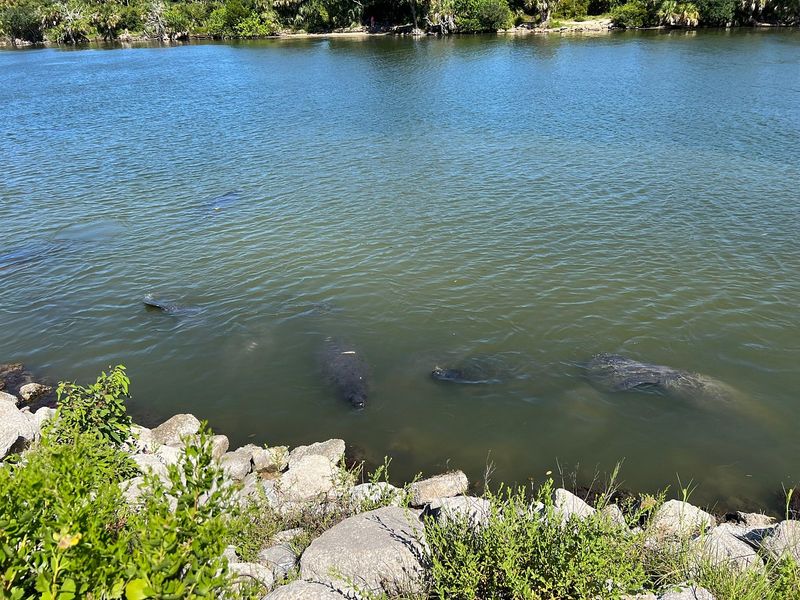
This roadside style stop is perfect when you are exploring the Space Coast and want a quick manatee check. The observation deck sits right over the canal, where animals pass through on cool days. Current and boat traffic can stir the water, so scan carefully for swirls, tails, and brief snout lifts.
Go early or near slack tide for calmer surfaces. Wind can add chop that hides movement, but patience pays off. Pair the visit with a drive through Merritt Island NWR for birds and wide open views.
There are fewer amenities than larger parks, so bring layers and water. Cold fronts improve odds, but some days are simple pass throughs. Stay flexible and enjoy the quick access.