8 Spots to See Florida Alligators During February Cold Snaps
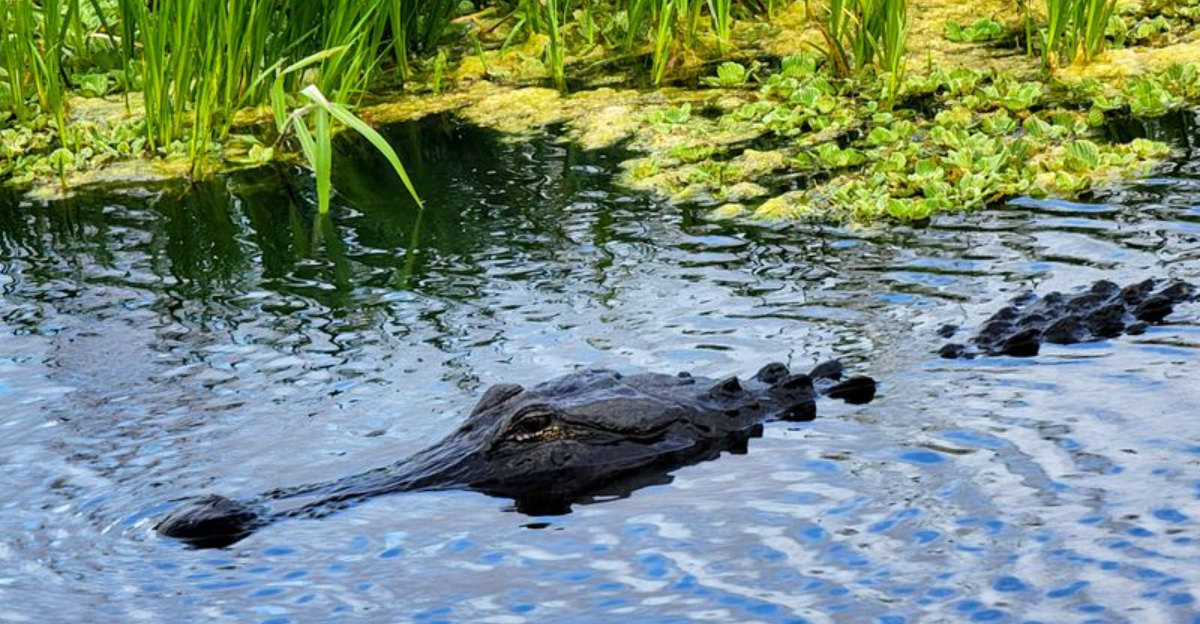
Chilly mornings in Florida might have you reaching for a jacket, but for alligators, cold snaps flip a predictable switch. When temperatures dip, gators seek shallow water and sunny banks, turning certain spots into can not miss viewing stages. If you have been curious about seeing more than a single pair of eyes, February delivers clusters and basking behavior you can observe safely.
Bring a camera, slow down, and let these reliable locations guide your next wild Florida morning.
1. Myakka River State Park (Sarasota)
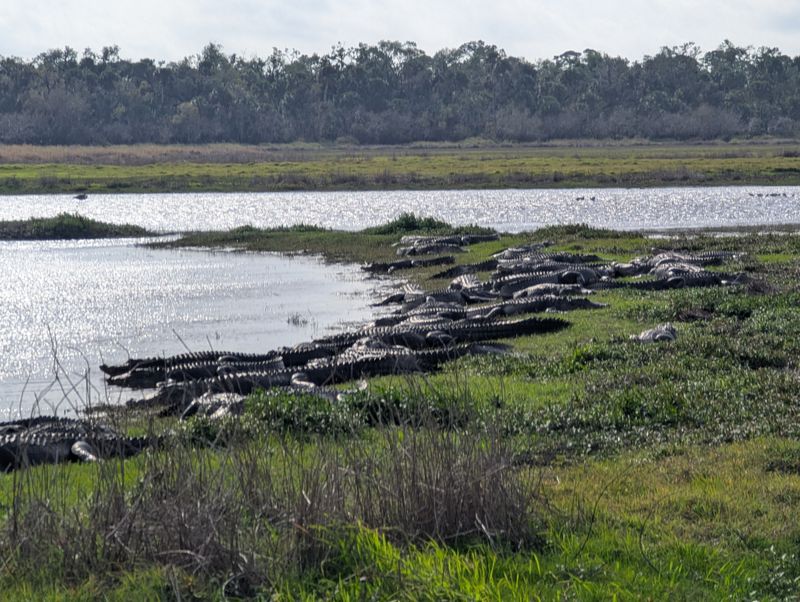
Shallow waterways meet bright, open sun here, and that recipe turns cool mornings into reliable gator showcases. After a front, you will often see multiple alligators stacking near edges and sandbars, soaking up warmth like living log piles. Start early, pause quietly, and give them space while scanning for subtle ripples that betray resting giants.
The Birdwalk, park bridge areas, and upper lake flats can concentrate sightings when air is crisp. A long lens helps, yet a simple pair of binoculars works fine from boardwalks. Stay on established paths, avoid crouching at waterlines, and keep pets away.
You will leave with a fuller sense of how sun, depth, and temperature guide Florida gators every winter.
2. Everglades National Park — Anhinga Trail (Homestead)
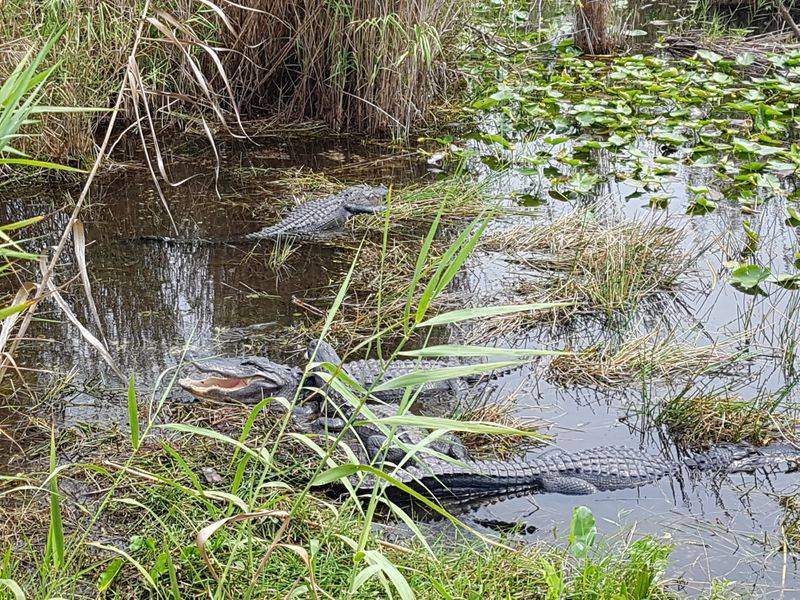
Boardwalk access makes this a confidence boosting introduction to peak winter viewing. Cool air nudges gators toward sunbaked edges and exposed limestone ledges just feet from railings. You can move safely, keep a respectful distance, and still witness classic behaviors like mouth gaping for thermoregulation and slow repositioning toward the light.
Arrive at first light for fewer crowds and softer reflections on the slough. Scan beneath floating mats where tails and ridges break the surface. Rangers post wildlife notes, so check updates and follow guidance.
Bring polarized sunglasses for glare cutting and notice fish and turtles that share these corridors. On a crisp morning, you might count more than a dozen individuals without leaving the boardwalk.
3. Paynes Prairie Preserve State Park (Gainesville)
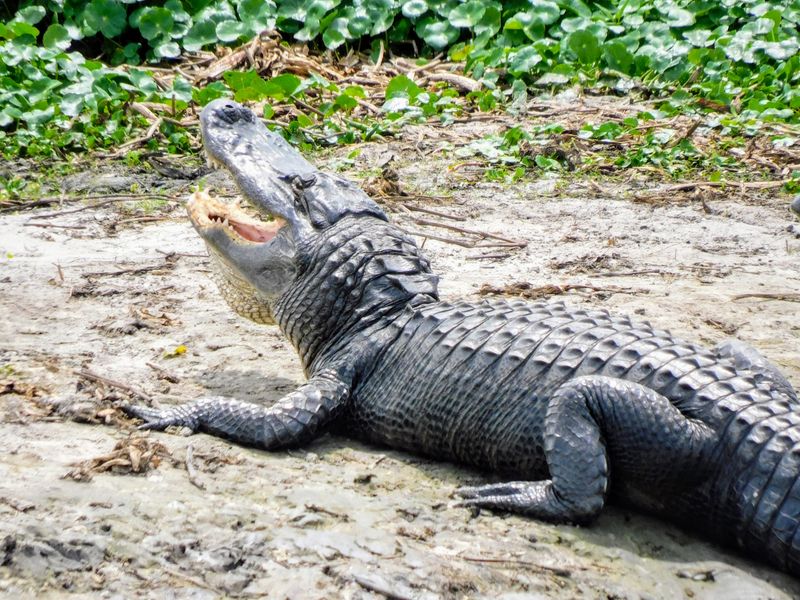
Cold weather funnels alligators into visible canals and sunlit openings that slice through this vast prairie. You will notice them aligning like armored commas along muddy rims and culverts, especially after a frost followed by bright sun. The La Chua Trail observation areas can be outstanding when water levels drop and fish activity concentrates.
Start mid morning once the sun has punch, and watch for birds flushing as a hint of movement below. Keep to posted sections, since seasonal closures protect sensitive wildlife and visitors. A lightweight tripod helps with long looks across open marsh.
Layer up, bring water, and settle in. When the prairie breathes out steam on a cold snap morning, gators stage a quiet parade.
4. Lake Apopka Wildlife Drive (Apopka)
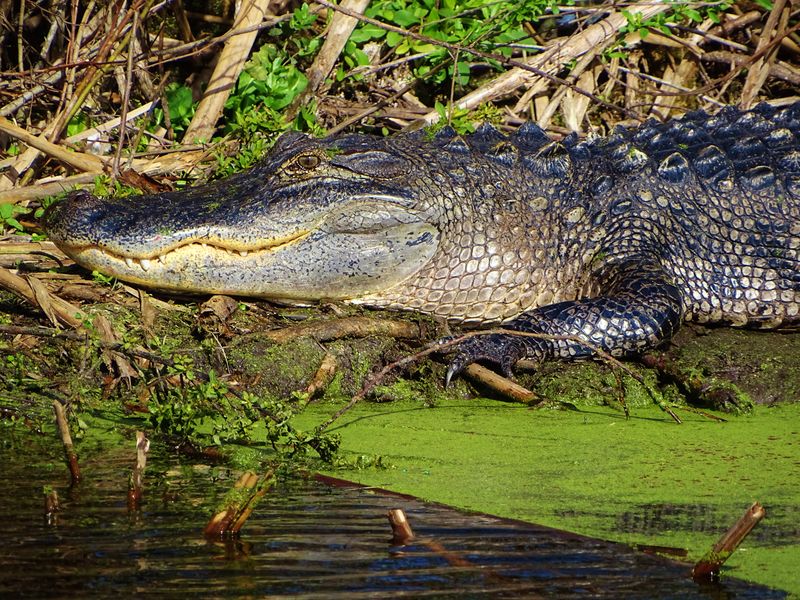
Winter drawdowns and exposed banks turn this slow drive into a living field guide. February sun quickly warms shallow impoundments, and gators line canal shelves like scaled buoys. You can roll windows down, stop at designated pullouts, and safely scan edges while egrets and gallinules patrol nearby.
Move at a crawl and glass the first sunny sides after dawn. Look for stacked individuals near culverts where water funnels and prey concentrates. The loop is popular on weekends, so arrive early to avoid traffic and give yourself time to linger.
Respect closures, keep hands inside the vehicle, and never feed wildlife. With patience, you will tally impressive counts across just a few miles.
5. Circle B Bar Reserve (Lakeland)
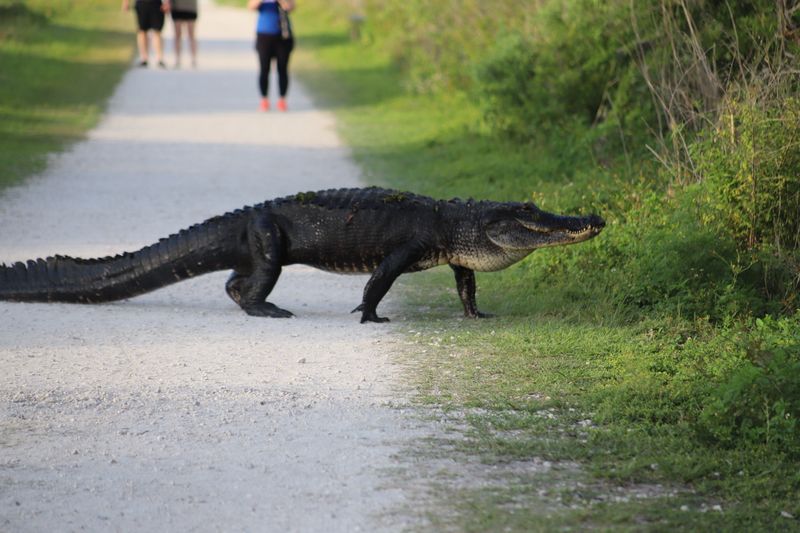
Boardwalks lace through marsh and lake edges where temperature drops pull gators into perfect light. You will often see them sprawled beside trails, yet safely separated by railings and water gaps. Cold snaps compress activity, so late morning can be best as bodies warm and begin slow repositioning.
Start at popular corridors like Alligator Alley and scan irregular bank lines for tails and nostrils. A mid range zoom keeps distance while capturing texture and context. Follow posted signs, give anglers room, and resist the urge to approach shoreline openings.
The reserve’s mix of shade and sun creates micro habitats worth revisiting along the loop. Count on repeat sightings as the day brightens and breezes stay cool.
6. Fakahatchee Strand Preserve State Park (Copeland / Everglades region)
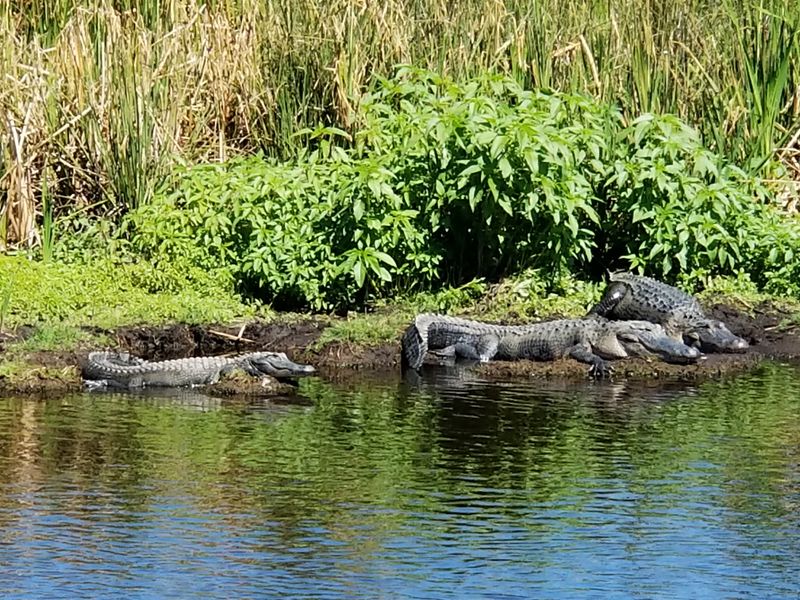
After a front, sunlit sloughs become radiant heating pads that draw gators from shadowed strands. You will often find them along canals paralleling the road, lined up with just enough space between bodies. Pause at wide pullouts, scan for head shapes near culvert mouths, and listen for soft splashes that mark repositioning.
Light changes quickly under cypress, so revisit promising bends as the sun swings. A cautious approach and long lens let you observe comfortably from the shoulder. Respect private gates and water management structures, and keep noise low so birds resettle.
When cool air lingers, this preserve reveals an intimate slice of Everglades life, where reptiles, orchids, and slow water share the same narrow stage.
7. St. Marks National Wildlife Refuge (near Tallahassee)
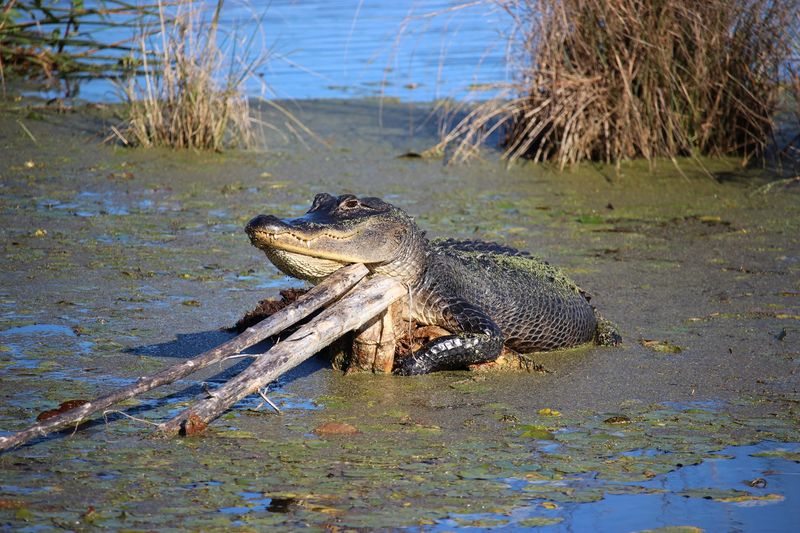
Northern Florida cold snaps push gators into predictable, shallow refuge areas where sun exposure peaks. You can walk dikes and scan pond margins for clustered shapes and faint wakes. The lighthouse backdrop adds drama on bluebird days, while ducks and shorebirds shuttle across the same habitat.
Arrive mid morning for the warmup window, and use wind direction to choose sun sheltered sides. Look near spillways and culverts where fish aggregate. Keep wide buffers, follow refuge rules, and give right of way to anglers and birders.
A small stool and thermos make lingering comfortable. When temperatures rebound, you will watch heavy bodies rise, shift, and settle like living sundials on the pale marsh edges.
8. Big Cypress National Preserve — Loop Road (Ochopee)
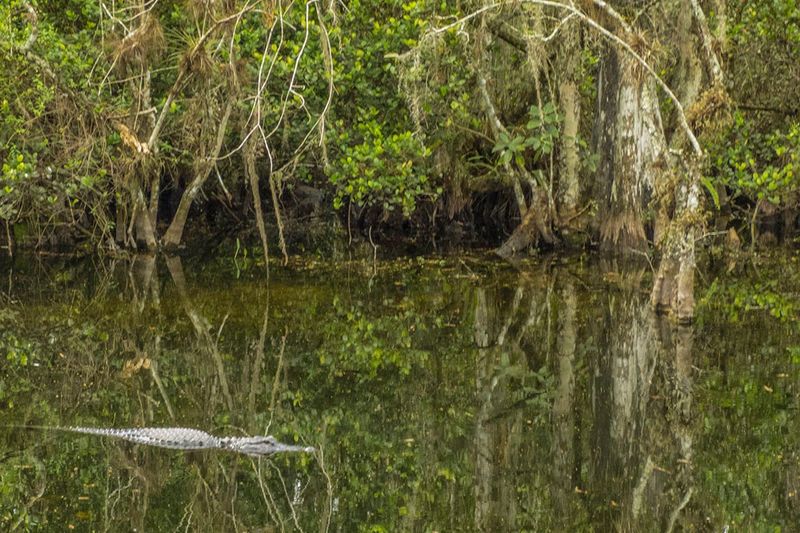
Slow driving beside shallow canals turns chilly mornings into a rolling safari. After a cold front, gators spread along sunny banks like dark hyphens against pale marl. Pull over at safe shoulders, stay inside or beside your vehicle, and scan ahead for eyes set in mirror like pools.
Light angles along Loop Road shift fast between cypress domes and open glades. Work east to west to keep the sun at your back, and revisit promising layups after an hour. Watch for herons and kingfishers that betray fish movement.
Respect private drives, and never block traffic on narrow sections. With patience, February visibility can be outstanding, delivering repeated sightings within a few scenic miles.