8 Stunning Stargazing Spots in Florida for 2026 (Dark-Sky Parks, Beaches & Islands)
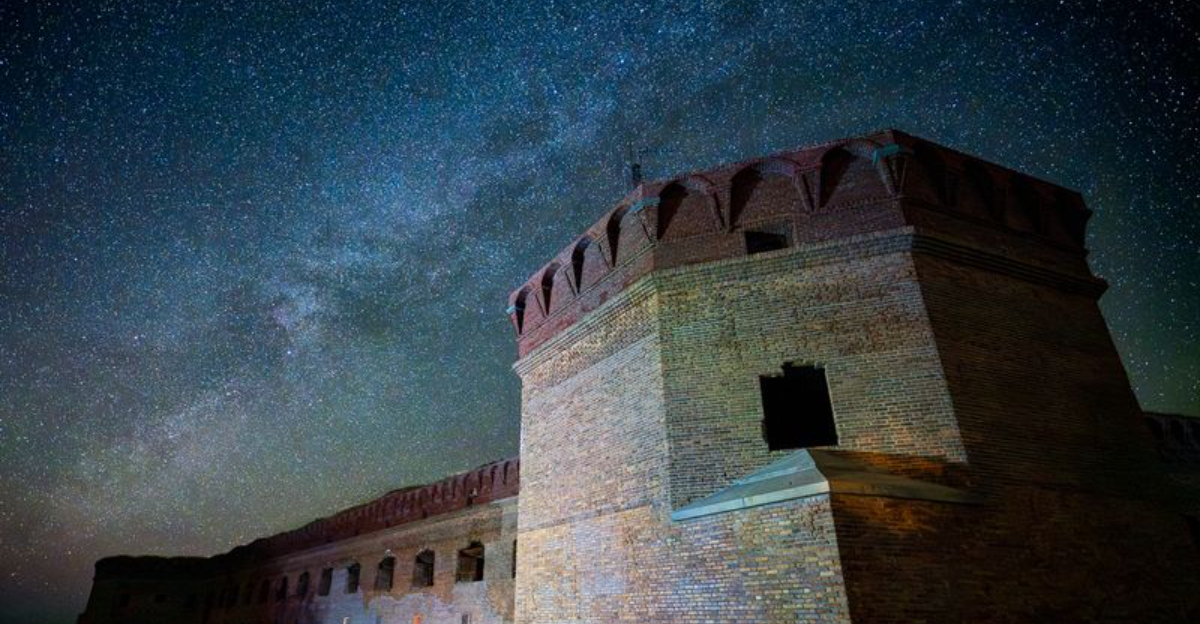
Ready to trade city glow for Milky Way showtime? Florida hides some shockingly dark pockets where you can watch meteor streaks, planets, and that glittery river of stars roll overhead.
This 2026 list zeroes in on places with real sky quality, useful access tips, and just enough insider detail to make your night feel pro-level. Grab a red flashlight, check the moon phase, and let’s chase the darkest horizons in the Sunshine State.
1. Kissimmee Prairie Preserve State Park (Okeechobee area)
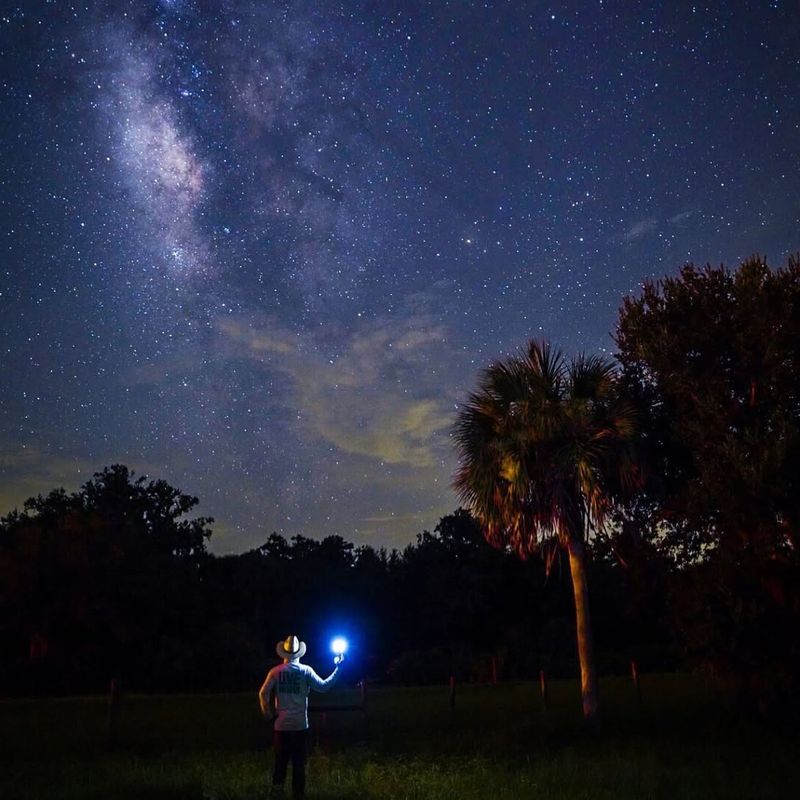
Out here, the horizon is basically a 360° stage, and the sky shows up like it knows it’s the headliner. This is Florida’s first official Dark Sky Park, and you feel it the minute twilight drains away—no city glow fighting for attention, just a clean dome of stars over wide-open prairie.
Pick a calm night and you’ll catch satellites sliding through, plus the Milky Way cutting a pale, textured band across the darkness. The vibe is quiet in a “did we just leave Earth?” way, with frogs and insects filling the gaps between your “whoa” moments.
Bring a chair that leans back, because you’ll be looking straight up for a while. Heads-up: after-dark access is typically for campers or folks with proper night entry, so plan like a local and stay overnight.
2. Big Cypress National Preserve (Collier/Miami-Dade/Monroe counties)
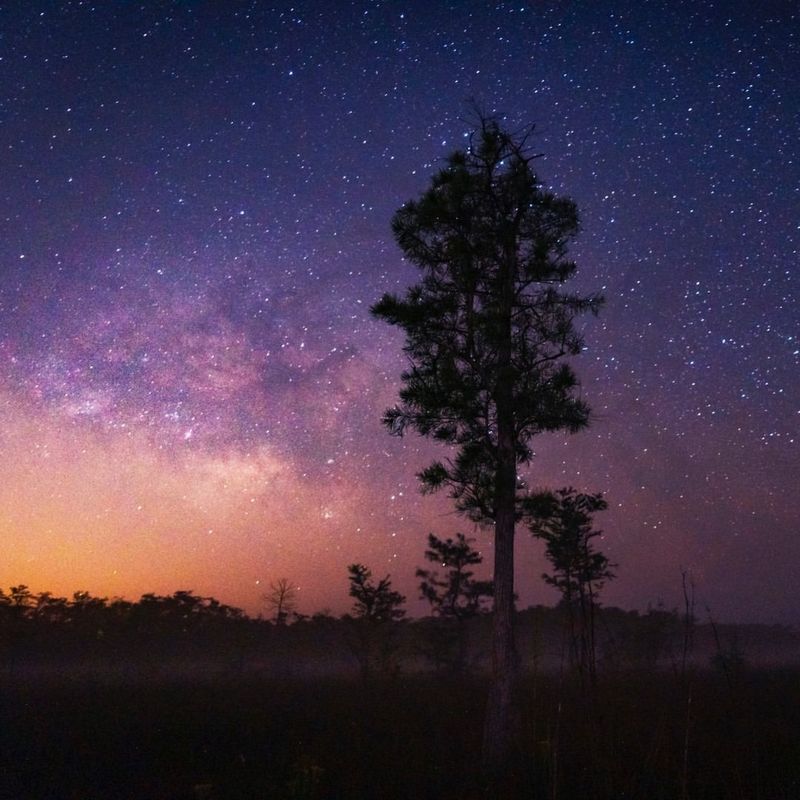
If you like your night sky with a side of swampy mystery, this is the spot. Big Cypress is an International Dark Sky Place, which means the darkness is legit—and so are the ranger-led astronomy programs when they’re running.
You can roll in with zero knowledge, and still leave knowing how to pick out planets, track constellations, and spot that faint “smoke” of the Milky Way once your eyes adjust. The best part is the setting: open wetlands, sawgrass, and silhouettes of cypress trees that make your photos look dramatic without trying too hard.
Expect a soundtrack of night critters and the occasional distant splash. Bug protection is not optional, even in cooler months.
Aim for a new-moon night, and you’ll see why locals brag about this place like it’s a secret—while also happily telling you where to park.
3. Dry Tortugas National Park (70 miles west of Key West)
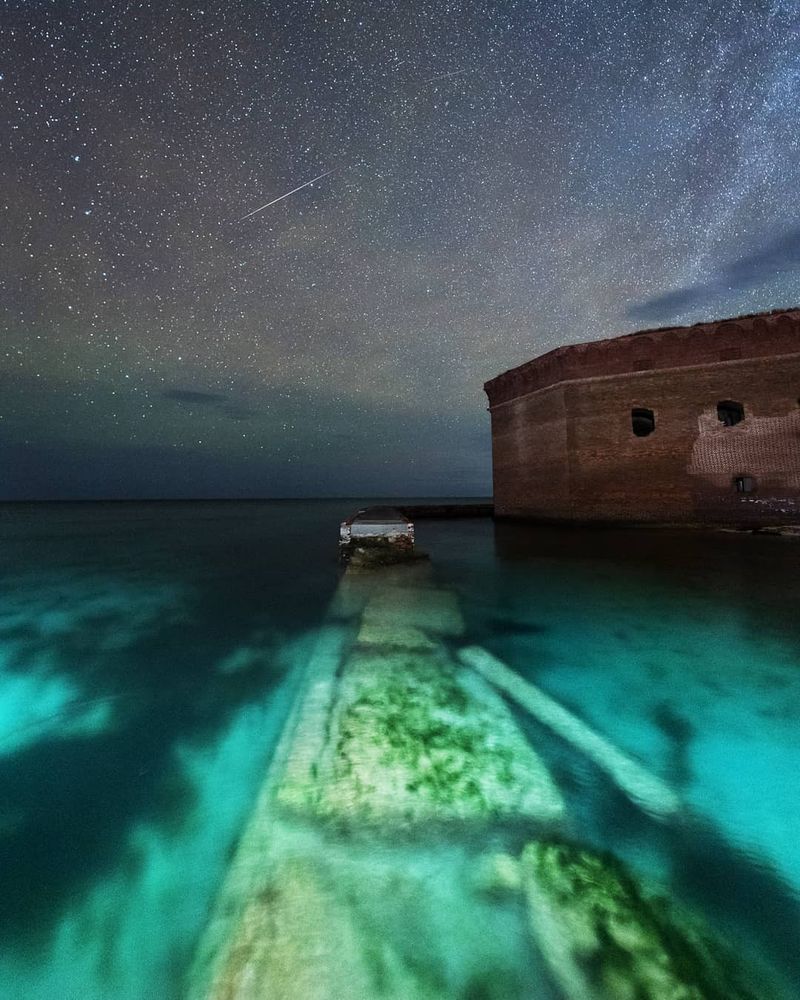
Getting here is the hardest part, which is exactly why the stars are so good. Once the last ferry wakes fade and the day visitors disappear, the sky above Fort Jefferson turns into a high-definition planetarium—only it’s real, and the breeze smells like salt.
On clear nights, the Milky Way pops with structure instead of just a hazy streak, and the constellations look oddly “closer” because there’s so little light pollution messing with your depth perception.
Camping on Garden Key is the power move if you want full darkness, but it’s primitive—no late-night snack runs, and you’ll be glad you packed extra water.
The fort’s brick walls make a killer foreground for photos, and the flat ocean horizon gives you wide-open views in every direction. It feels remote in the best possible way.
4. Everglades National Park (Flamingo + Shark Valley areas)
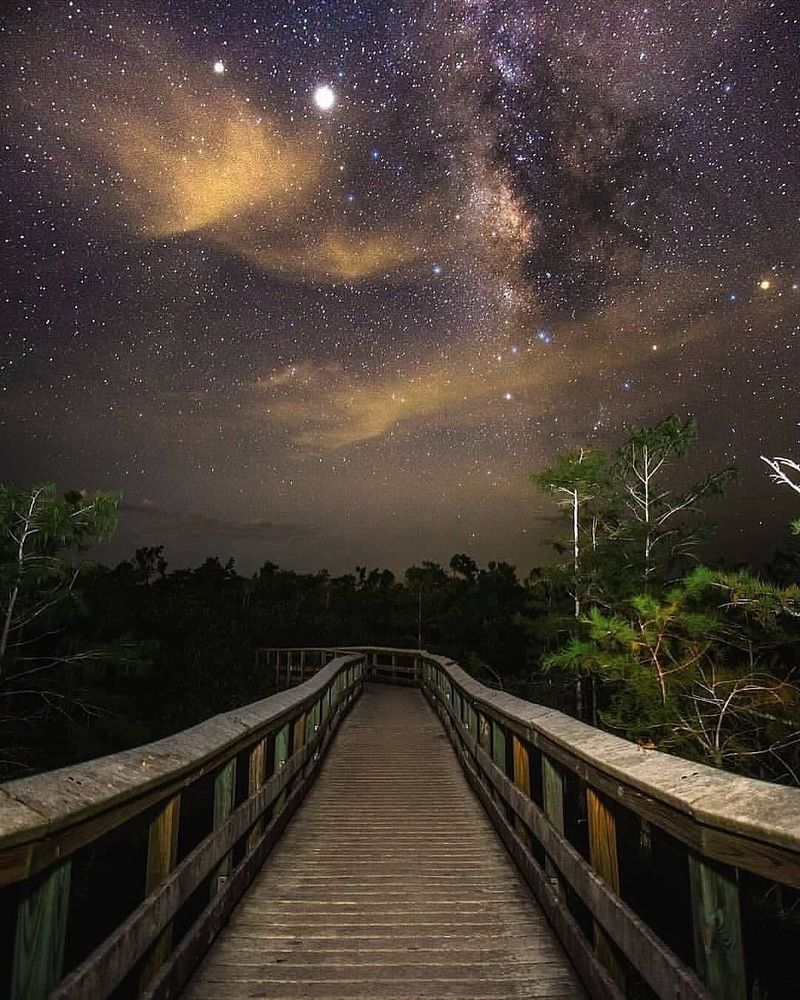
Night in the Everglades isn’t silent—it’s busy, layered, and honestly kind of mesmerizing. The sky is the main event, but the soundscape keeps you grounded: distant bird calls, insects, and occasional weird splashes that make you look over your shoulder even when you’re trying to spot Jupiter.
Flamingo is a favorite for big, open views near the water, while Shark Valley can be great for darkness if you time it right and follow park rules.
The park also leans into astronomy with special dark-sky programming and events in season, which is perfect if you want a guided “what am I looking at?” moment without turning it into homework.
Humidity can soften the stars on some nights, so watch the forecast and chase a crisp, dry front when you can. Bring a red light, keep your phone dim, and let your eyes adjust—you’ll be surprised how much shows up.
5. Dr. Julian G. Bruce St. George Island State Park (Forgotten Coast)
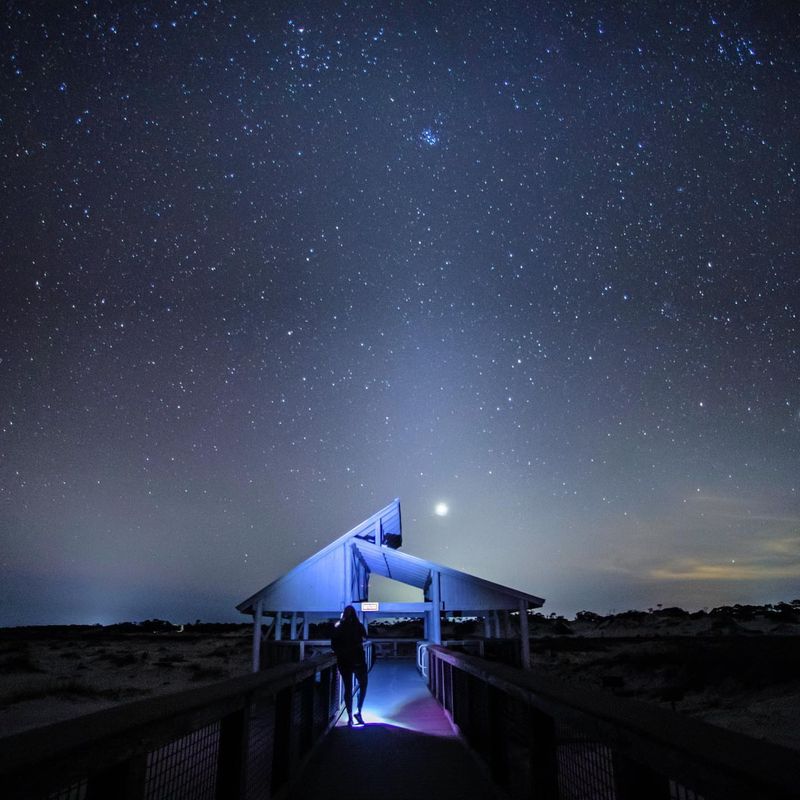
The Forgotten Coast isn’t just a nickname—once it gets dark, it feels like the rest of the world really did forget you. This park has minimal light pollution, a dedicated observation platform, and a beach-and-dune setting that makes stargazing feel extra cinematic without being cheesy.
You’ll get unobstructed views over the Gulf, plus a huge sweep of sky inland where the dunes and pines turn into silhouettes. The stars here don’t just “appear”—they stack up, layer by layer, until you start noticing faint stuff you usually miss, like star clusters and that subtle glow where the Milky Way thickens.
It’s also a great place to learn the sky because the horizon is simple and clean, so it’s easier to orient yourself. Wind off the water can cool things down fast, even when the day was hot, so toss a light layer in the car.
Stay patient—your eyes will reward you.
6. Bahia Honda State Park (Lower Florida Keys)
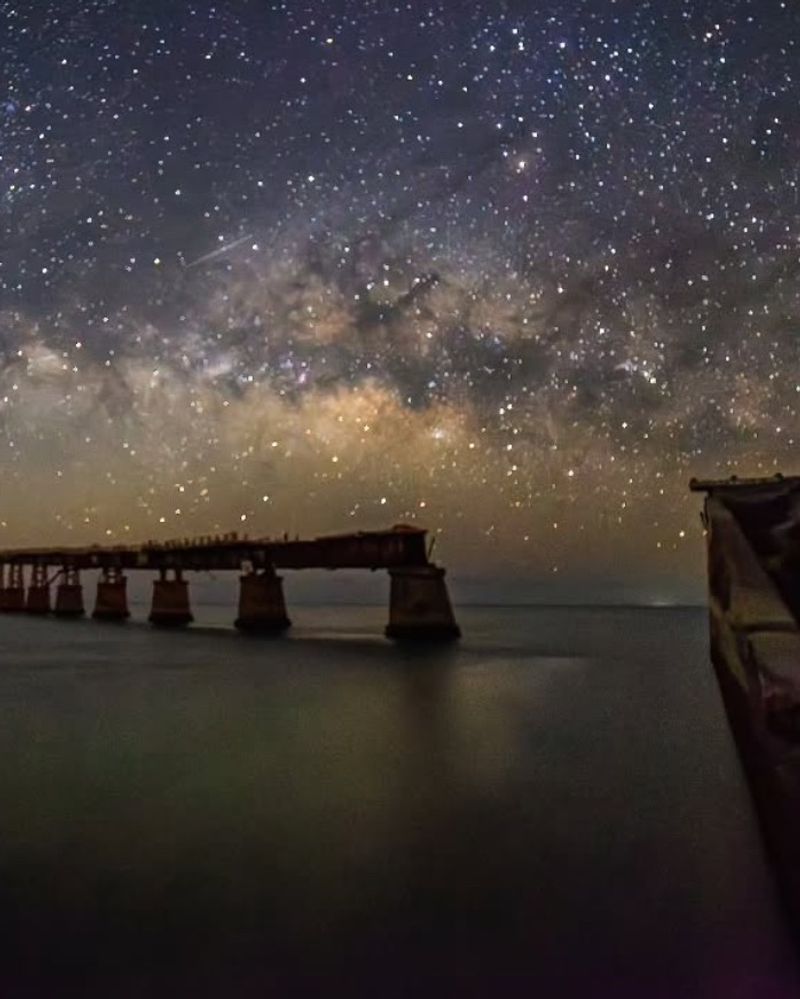
The Keys have plenty of neon, but Bahia Honda is where you slip away from it and let the sky run the show. Pick a dark night and you’ll get stars over water in multiple directions, which makes everything feel bigger—more sky, more depth, more “how is this Florida?” energy.
The old bridge silhouette is an easy win for astrophotography, especially if you’re trying to frame the Milky Way without complicated scouting. The air here can be sticky, and clouds love to build late, so plan for earlier in the night when conditions are often clearer.
You’ll also notice that even when the stars aren’t peak-bright, planets can still pop nicely over the horizon, especially with binoculars. The park is known for stargazing, but it doesn’t feel like an “event” spot—it’s more like you’re hanging out on a quiet beach while the universe does its thing.
Bring bug spray and a towel; the sand gets cool and damp faster than you’d think.
7. Ocala National Forest (Juniper Prairie Wilderness / Big Scrub region)
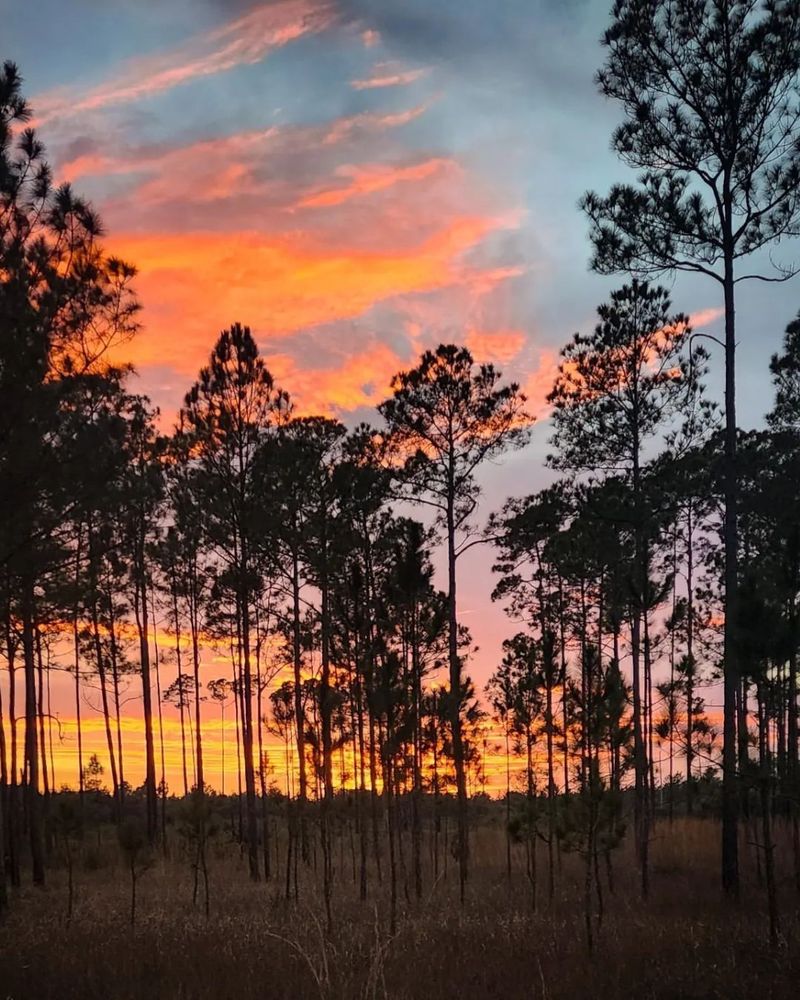
Somewhere between “close enough for a quick trip” and “far enough to feel remote,” Ocala can surprise you after dark. The forest has pockets where the sky opens up—especially around sandy scrub areas and less-developed stretches—so you can escape the glow without driving all the way to the coast.
The Juniper Prairie Wilderness and nearby scrub regions are the kind of landscapes that look plain in daylight, then turn magical when the stars come out because the horizon stays low and uncluttered. You’ll want to scout in daylight if you’re not familiar, since roads and trailheads can get confusing at night.
When conditions line up, the Milky Way can stand out more than you’d expect this close to populated areas, and bright winter constellations look extra bold in the cooler, drier air. Bring something to sit on that doesn’t mind sand, and don’t underestimate the bugs if the wind dies.
It’s DIY stargazing, Florida-style.
8. Florida Keys – Winter Star Party (Key West area, Feb new-moon tradition)
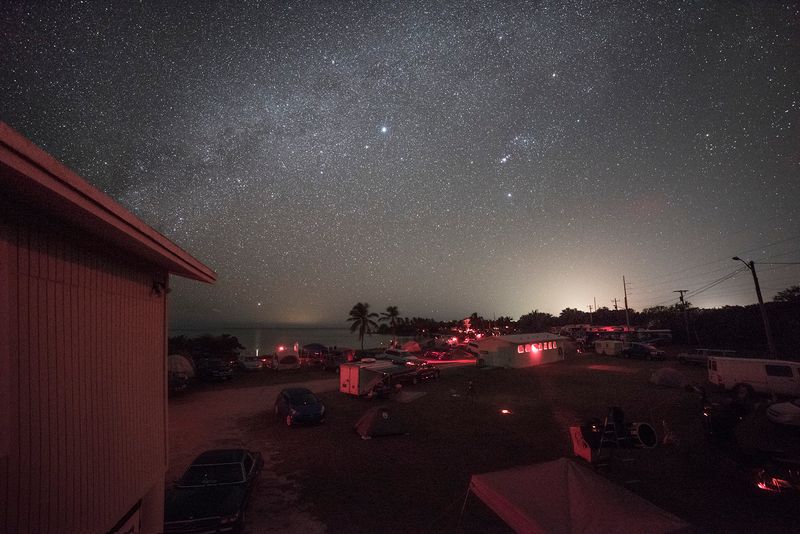
You know it’s serious when people show up with telescopes that look like they could talk to NASA. The Winter Star Party is a February tradition timed around the new moon, and it’s one of the best ways to turn “I like stars” into “oh, I get it now.”
The vibe is friendly and nerdy in the best way—lots of quiet excitement, low red lights, and the kind of conversations where someone casually points out Saturn and you suddenly forget you’re standing in Florida.
Because it’s the Keys, you get wide-open horizons and warm(ish) nights compared to most star parties, plus a sky that can be exceptionally clear when the weather behaves. You’ll see folks doing deep-sky observing, casual binocular scanning, and astrophotography setups that look like small science projects.
Even if you don’t own gear, you can learn a ton by wandering, listening, and asking questions respectfully. Just keep your white lights off and your curiosity on.