8 Things to Know Before You Go to the Florida State Fair This February
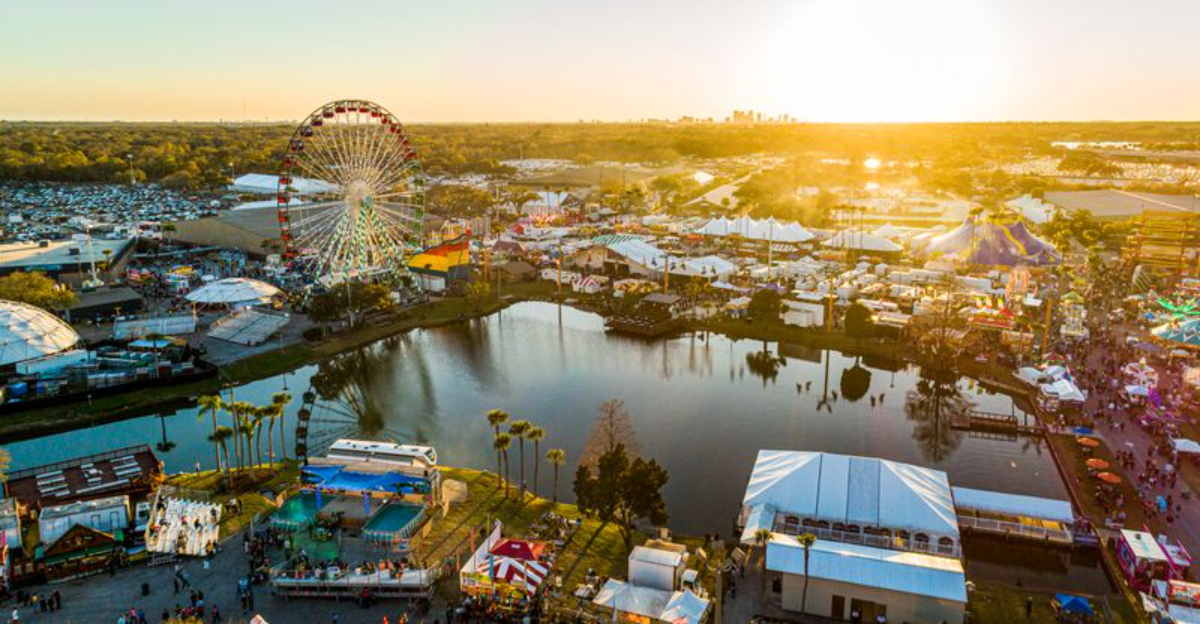
Heading to the Florida State Fair this February? A little planning turns a good day into a great one, especially when crowds, weather, and food temptations collide. You will find smarter ways to beat lines, save money, and soak in the atmosphere without burning out.
Use these tips to design a day that feels fun, flexible, and totally you.
1. Go Earlier in the Day If You Want a Calmer Experience
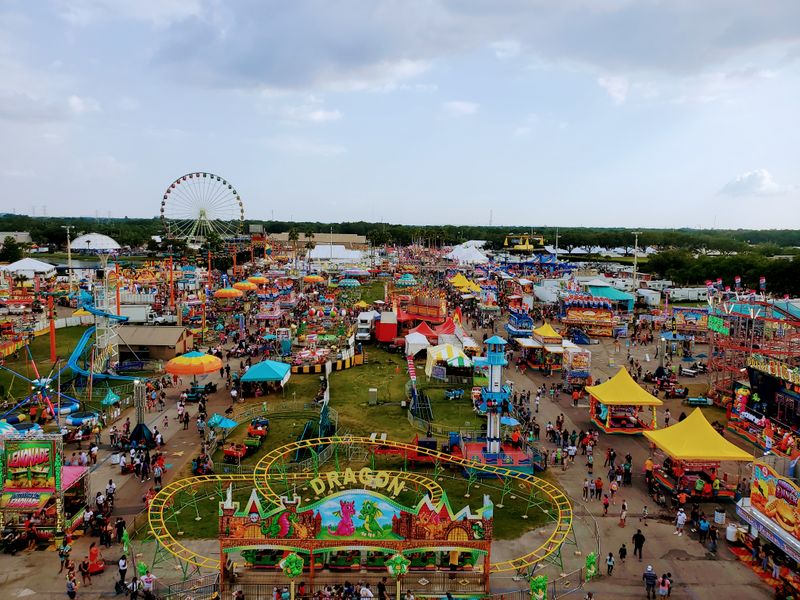
Early hours feel calm, bright, and refreshingly open. You glide through security, breeze past food stands, and actually read the signs at exhibits without bumping shoulders. Animals are alert, handlers are talkative, and photos come out crisp with that easy morning light.
It is also the best time to get your bearings. You can map out rides, scout food vendors, and decide what deserves a return visit later. If crowds drain your energy, mornings save the mood and your patience.
Bonus: lines for signature snacks are shorter, so sharing a few bites is easier. Mobile service is better too, making meetups smoother. Start early, and you buy yourself more fun per hour.
2. The Fair Feels Completely Different After Dark
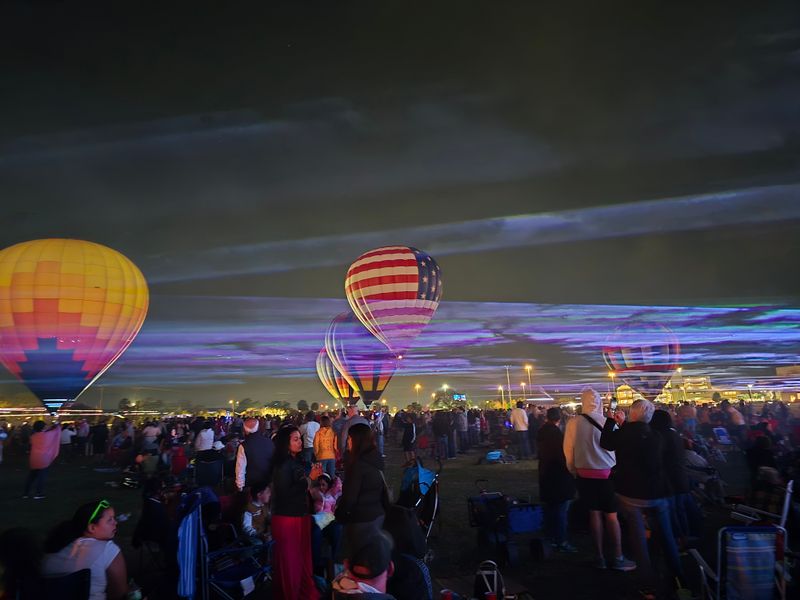
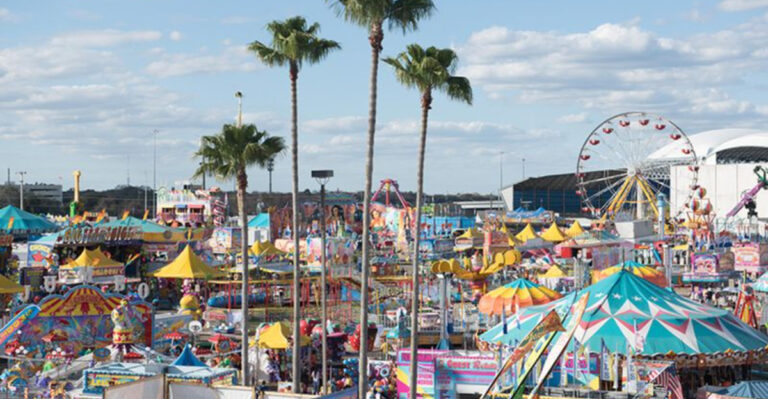
When the sun drops, the whole place flips into pure spectacle. Neon rides spin like kaleidoscopes, music thumps across the midway, and everything looks bigger than life. If you want photos with serious mood, evening delivers every time.
Expect longer lines and a louder, denser crowd. Planning helps here: pick two must do rides, grab a snack you can eat while walking, and be ready to pivot if queues spike. Energy is contagious, but it can be draining without a plan.
Bring layers for cooler temps and keep your group’s meetup spot clear. Night lighting hides distances, so routes feel longer. Lean into the vibe, but protect your feet and patience.
3. Fair Food Adds Up Fast (Sharing Is Smart)
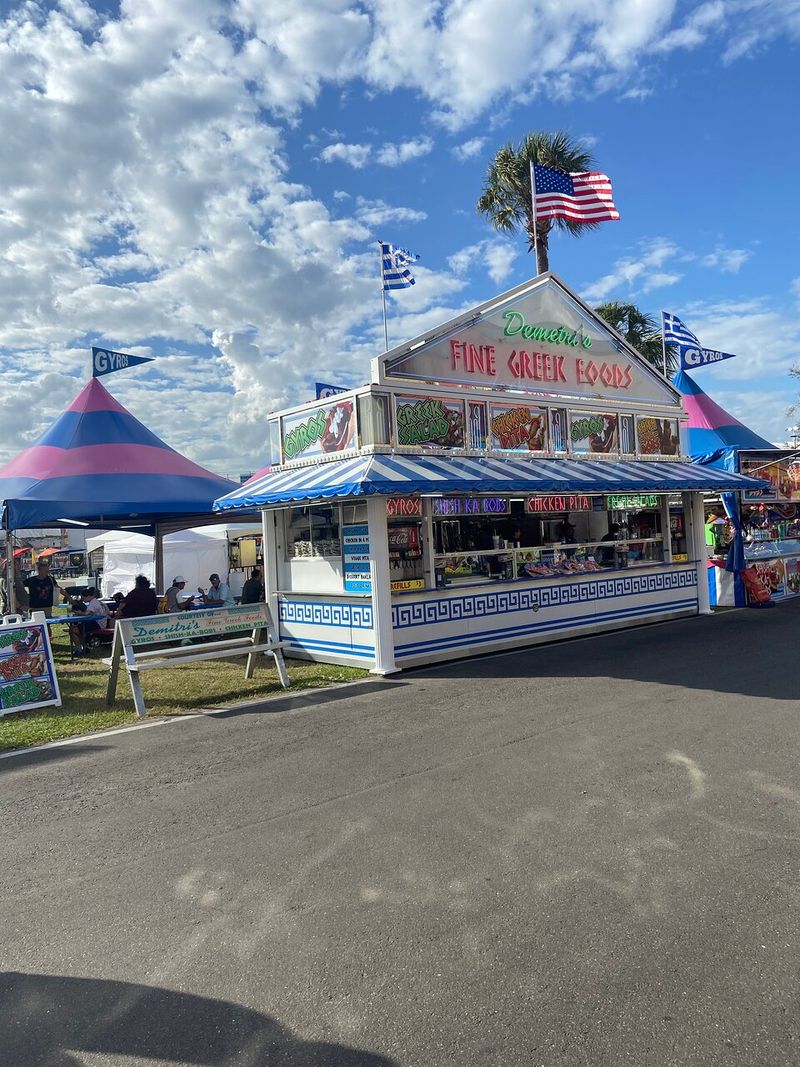
Fair food hits fast and hard on your wallet if you go solo on every item. Portions are generous, and flavors are bold, so sharing lets you sample more without hitting a wall. Think bites of funnel cake, a few wings, and half a corn dog.
Scout menus first, then build a mini tasting tour. Ask vendors about smaller portions or split friendly items. Drinks add up too, so refillable cups or water breaks help keep costs down while you keep energy up.
Locals pace the feast. Start savory, move sweet later, and stash napkins. Sharing keeps the budget happy and your stomach curious, which is exactly how fair food should feel.
4. Comfortable Shoes Matter More Than You Think
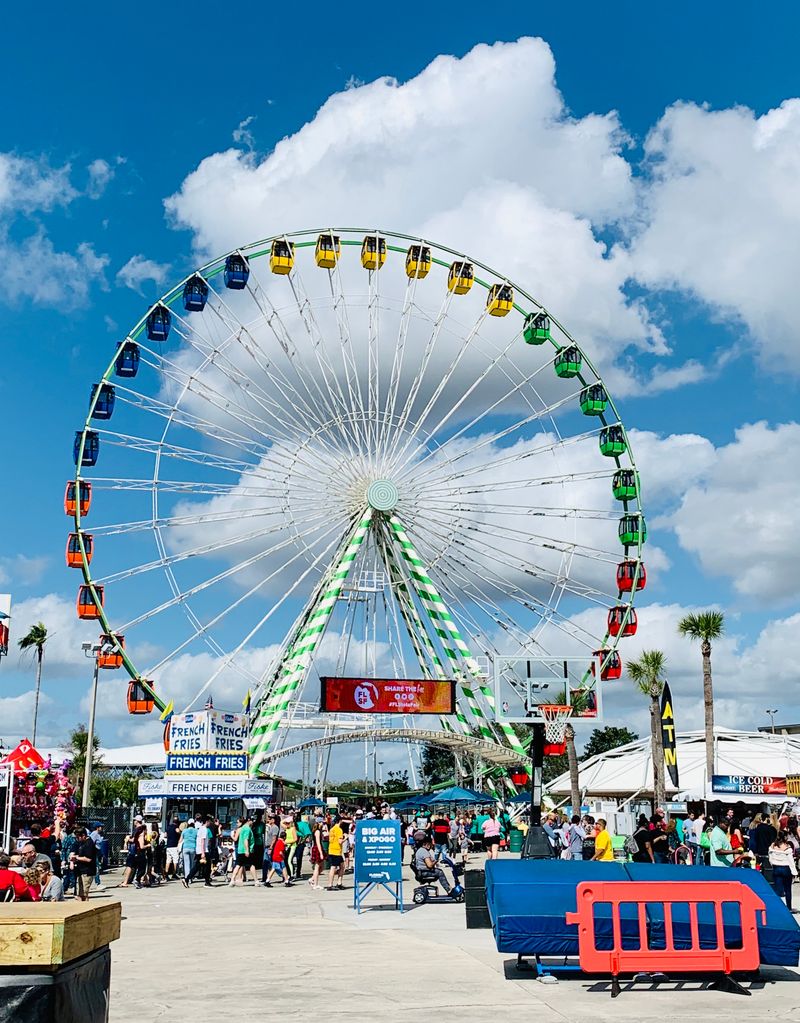
The fairgrounds feel endless when your shoes give up early. You will walk loops between barns, exhibits, rides, and back again for that one amazing lemonade. Cushion and support beat fashion here, every single time.
Break in sneakers beforehand and pair them with breathable socks. Add blister patches to your bag, just in case. If you plan to stay into the evening, your feet will thank you for planning like a hiker.
Seating gets scarce during peak hours, so create your own rest rhythm. Stretch while waiting for shows and eat where you can sit. Comfortable shoes become the difference between quitting early and catching that last dazzling ride.
5. Animals and Exhibits Are a Built-In Break From the Midway
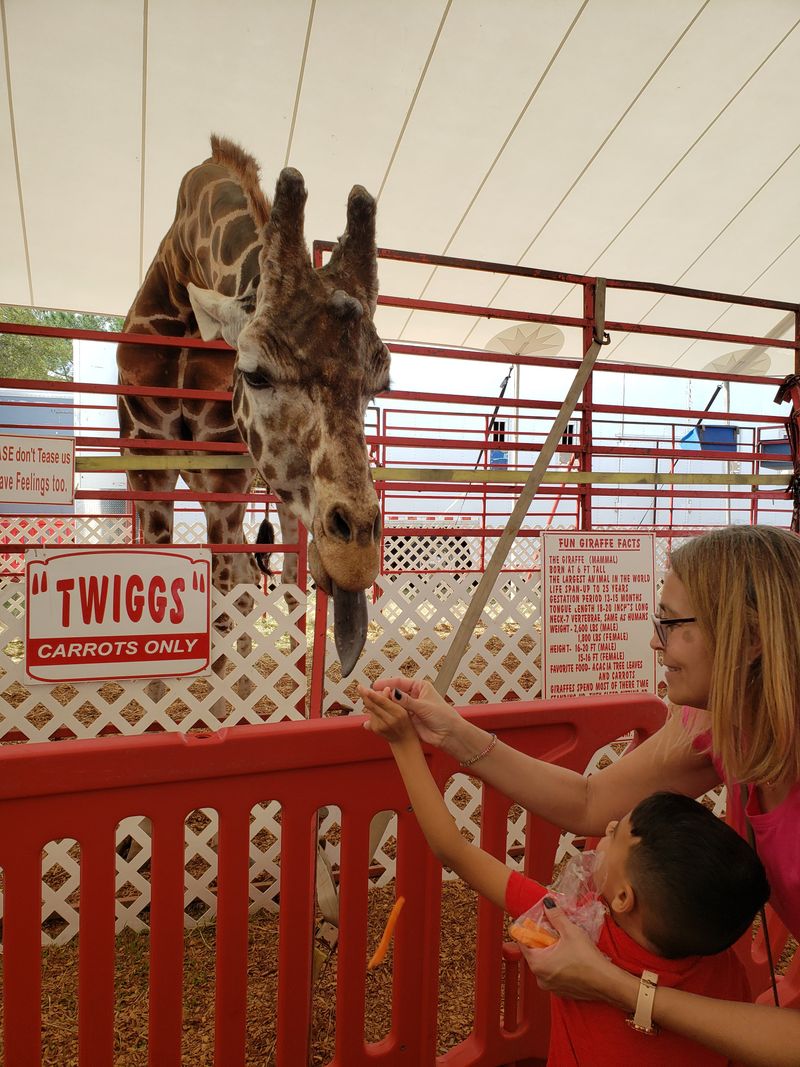
When the midway noise starts buzzing in your head, duck into the livestock barns or indoor exhibits. The air is calmer, conversations are easier, and you can actually learn something cool about Florida agriculture. It feels like a reset button for the day.
Handlers often love questions, especially in the morning. You will see grooming routines, competitions, and quirky breeds that kids adore. Exhibits usually include hands on activities and local history moments worth a pause.
These spaces are also a weather and crowd escape. Hydrate, regroup, then plan your next move. The balance between thrills and calm keeps the whole experience fun instead of exhausting.
6. Weather Can Shift Throughout the Day
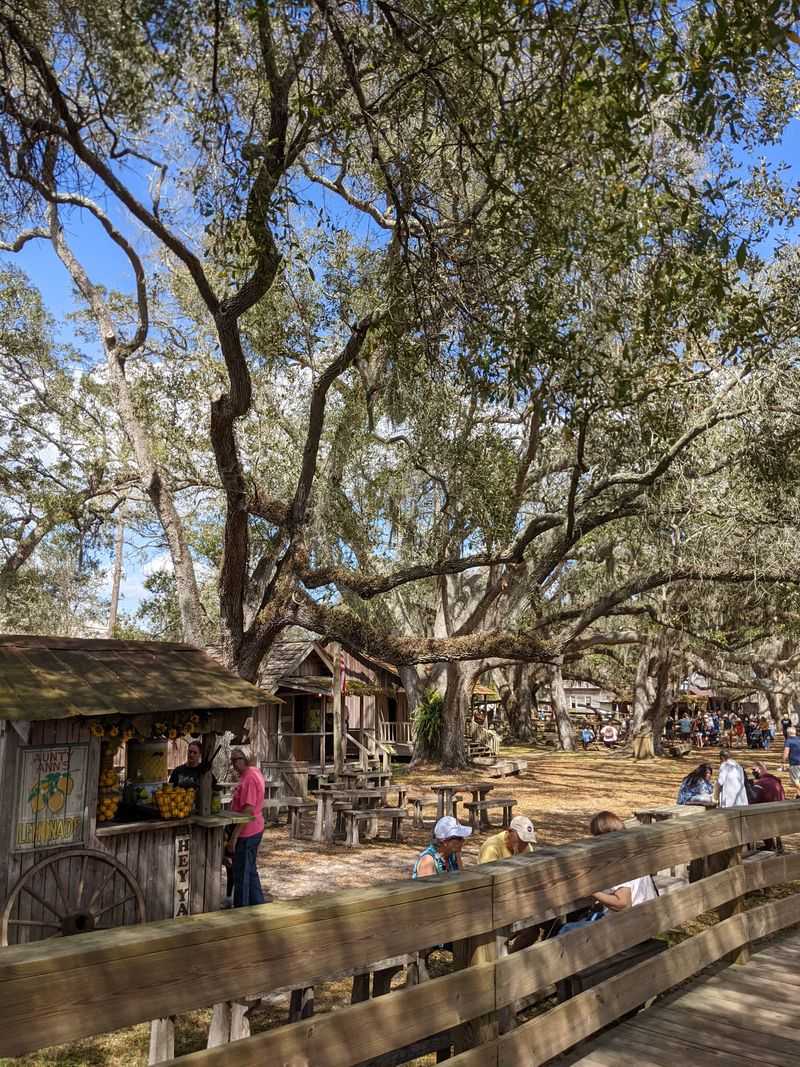
February in Florida plays tricks: cool mornings, warm afternoons, and a quick chill after sunset. Layers keep you comfortable without buying pricey hoodies on site. A lightweight jacket, breathable tee, and a hat cover most swings.
Check the hourly forecast and wind, not just the high. Shade near barns can feel cooler than the midway, and rides catch the breeze. Sunscreen and sunglasses stay essential, even on partly cloudy days.
If rain sneaks in, indoor exhibits are perfect shelter while you wait it out. Pack a compact poncho and stash it in a small backpack. Comfortable, weather smart gear helps you stay longer and enjoy more.
7. You Don’t Need to Do Everything to Have a Great Visit
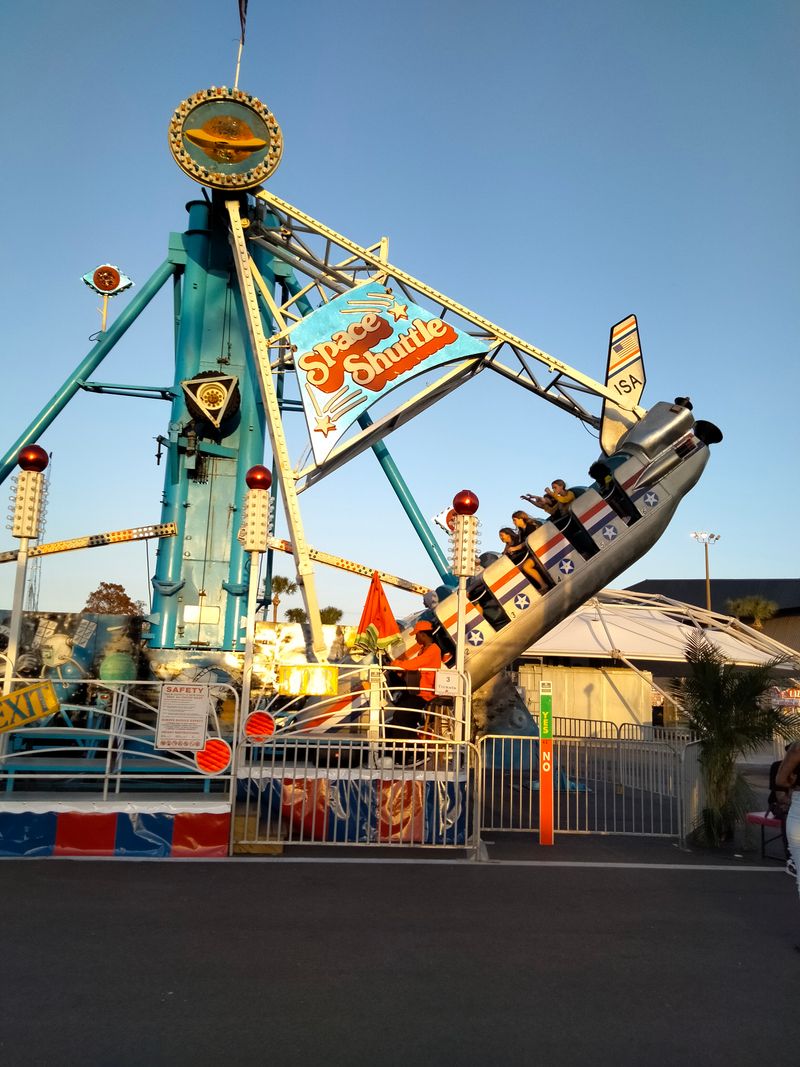
Trying to conquer the entire fair almost guarantees burnout. Pick a couple rides that truly excite you, a food or two that feels special, and one show or exhibit to anchor the day. Everything else becomes a pleasant surprise.
This mindset frees you from chasing schedules. You will linger where joy shows up, whether that is a blue ribbon rabbit or a guitar solo you stumbled onto. Short lists protect your energy and budget.
Set a flexible time window for night photos or one big finale ride. If lines explode, pivot to animals or a snack stroll. Leaving a little undone gives you a reason to come back.
8. Planning a Loose Route Saves Time and Energy
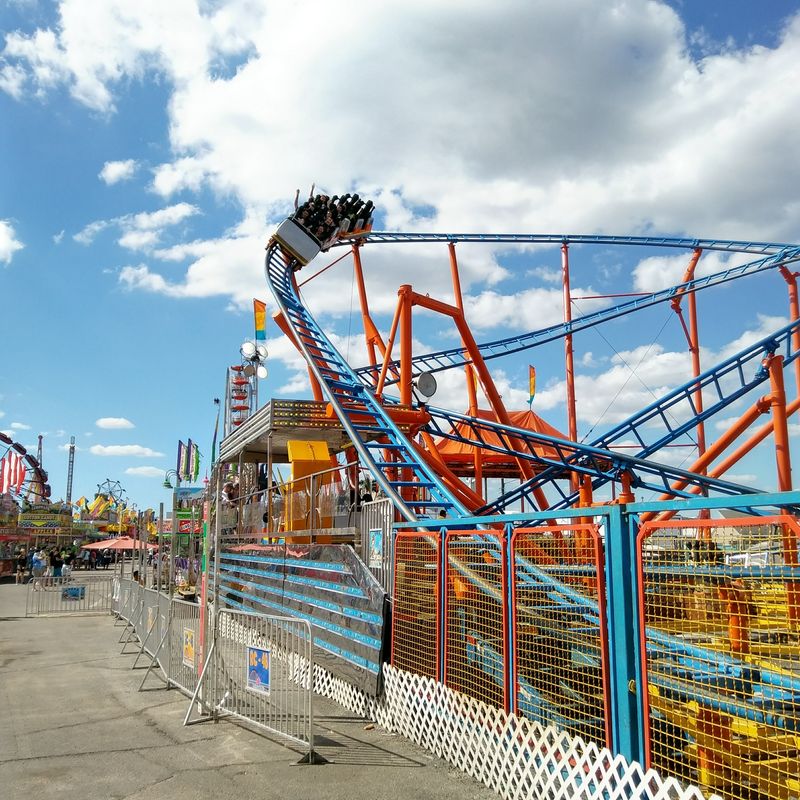
Wandering is fun until you realize you have crossed the grounds five times. A loose route keeps the vibe spontaneous without wasting steps. Start with animals and exhibits while crowds are light, then pivot to rides as energy builds.
Save food for last when you are ready to sit, savor, and people watch. This order limits backtracking and pairs nicely with changing light for photos. It also makes group coordination much easier.
Drop pins in your phone for key vendors and rest spots. If something irresistible appears, detour and rejoin the route later. The plan is flexible, not rigid, which is exactly what a fair day needs.