9 Florida Road Trips That Make Sense Only in Winter
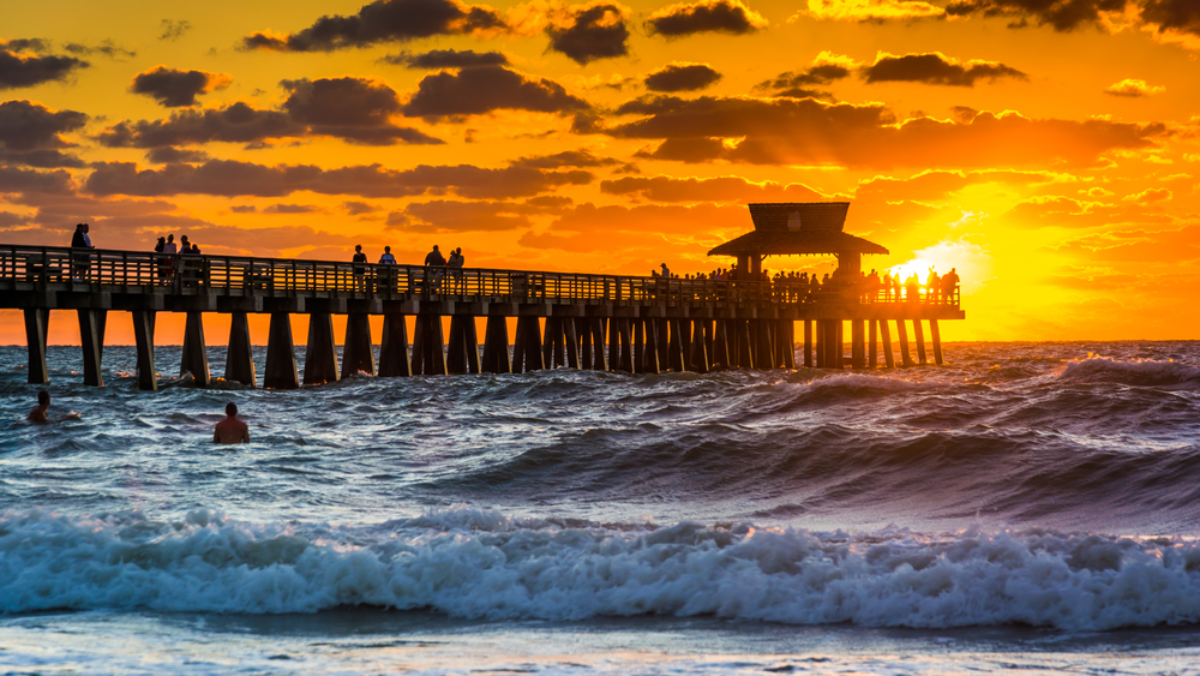
Florida gets a bad rap for being hot and crowded, but winter flips the script entirely. From November through March, the Sunshine State transforms into the perfect road-trip destination with cooler temperatures, fewer tourists, and wildlife experiences you simply can’t find in summer.
These nine routes showcase the best of winter Florida, from manatee-packed springs to breezy coastal highways that make total sense only when the rest of the country is freezing.
1. The Manatee Springs Loop (Crystal River → Homosassa → Weeki Wachee)
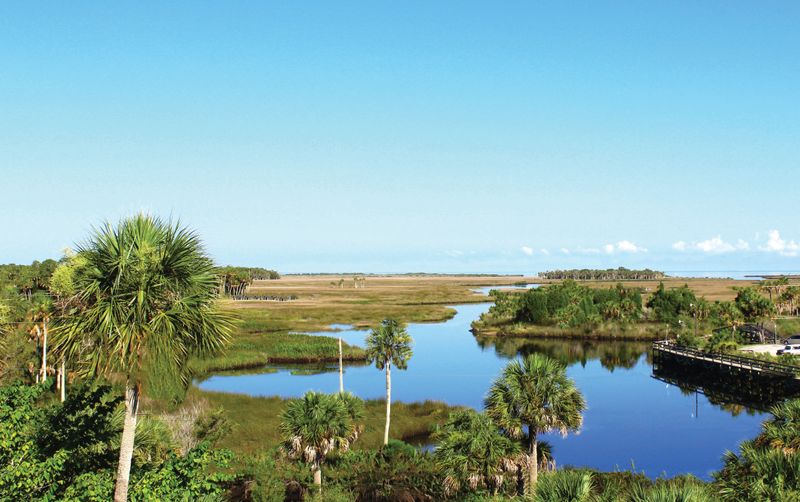
Cold snaps push hundreds of manatees into warm springs between December and March, creating one of nature’s most incredible spectacles. Crystal River becomes the unofficial manatee capital of the world, where you can snorkel alongside these gentle giants in their natural habitat.
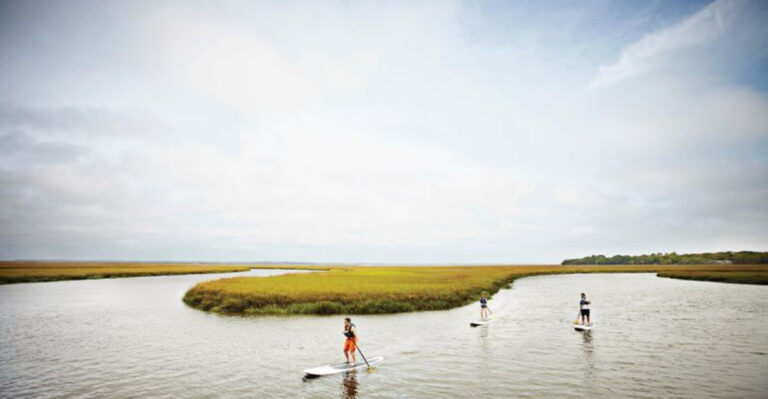
Homosassa Springs adds even more wildlife viewing opportunities with its underwater observatory. Weeki Wachee rounds out the loop with its famous mermaid shows and paddling routes through pristine waters.
Summer simply can’t compete—manatees scatter to cooler Gulf waters when temperatures rise. Winter transforms this route into Florida’s premier wildlife road trip, offering encounters you’ll remember forever while enjoying comfortable temperatures perfect for water activities.
2. The Florida Keys “Overseas Highway” Drive
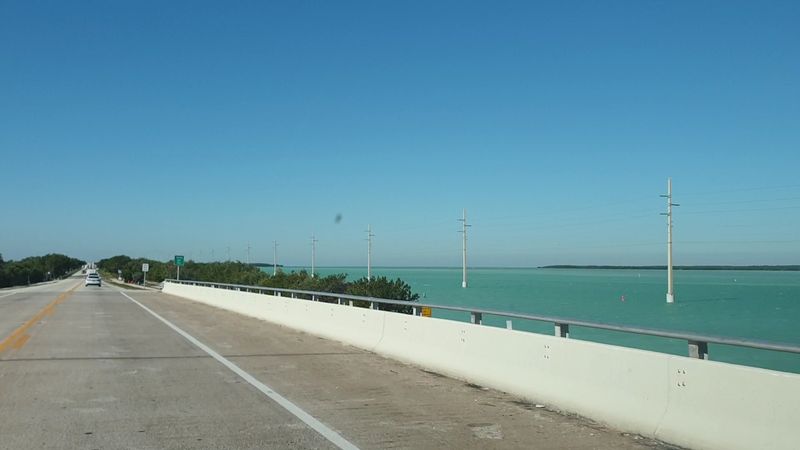
Stretching 113 miles across 42 bridges, the Overseas Highway becomes absolutely magical in winter. Summer brings suffocating humidity, afternoon thunderstorms, and choppy waters that ruin the experience. January through March delivers breezy, comfortable conditions with visibility that makes every mile picture-perfect.
Stop at Bahia Honda for snorkeling in calm, clear water teeming with tropical fish. Key Largo’s coral reefs are at their clearest during winter months, offering underwater adventures without the summer storm interruptions.
The drive itself feels different when you’re not blasting the AC and dodging rain clouds.
3. 30A + Emerald Coast Cruise
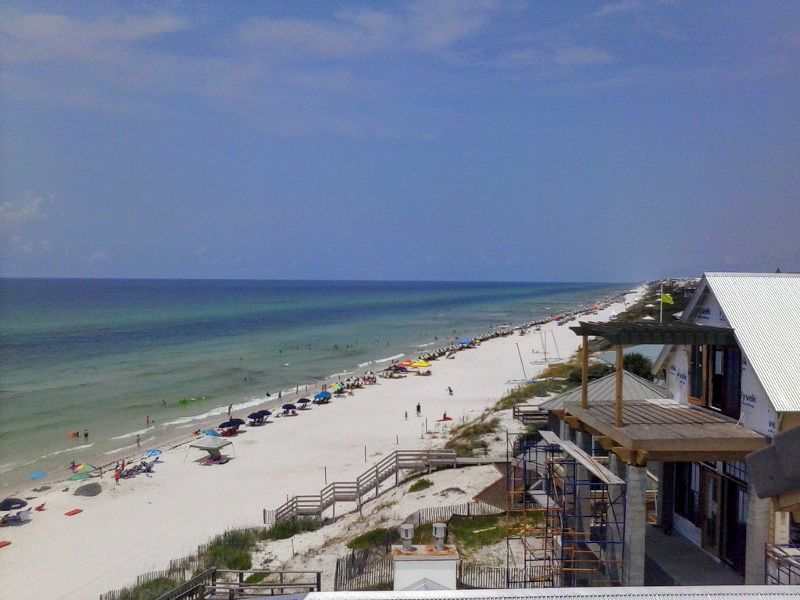
The Panhandle’s famous Scenic Highway 30A becomes downright perfect when winter arrives. Those sugar-white beaches that feel like powdered sugar under your feet are actually enjoyable without scorching sand and overwhelming crowds. Temperatures hover in the 60s and 70s—ideal for long beach walks and bike rides through charming coastal towns.
Seaside, Rosemary Beach, and Alys Beach reveal their true character when summer chaos fades. You can actually get a table at popular restaurants and explore the pastel-colored architecture without fighting through tourist hordes.
Biking the Timpoochee Trail connects all these communities without working up a sweat. Winter gives you the Emerald Coast experience locals cherish year-round.
4. Old Florida River Towns Route (Cedar Key → Crystal River → Tarpon Springs)
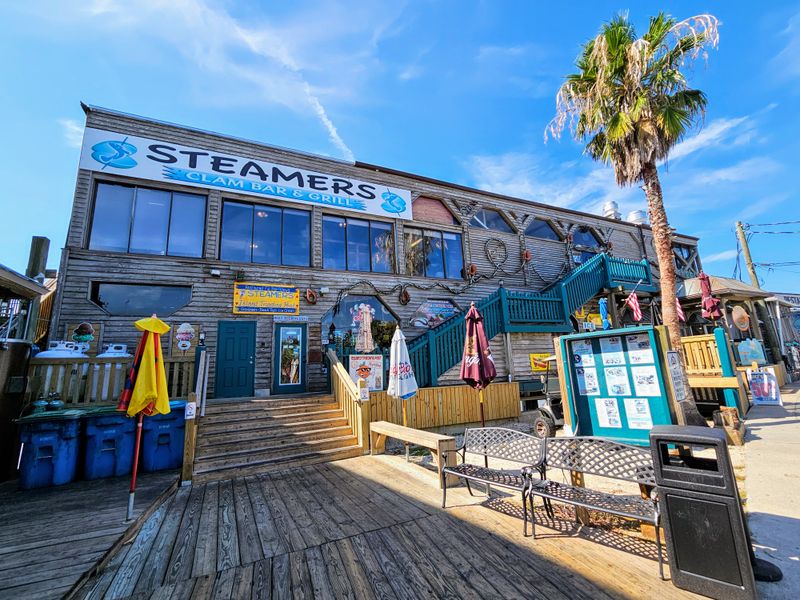
These Gulf Coast gems preserve Old Florida charm that vanishes under summer’s sticky heat and afternoon downpours. Cedar Key’s laid-back island vibe shines brightest in winter, when you can wander the historic waterfront and sample fresh clam chowder without melting.
Crystal River offers more than manatees—its downtown features quirky shops and riverside dining that’s actually pleasant when temperatures cooperate. Tarpon Springs’ Greek heritage comes alive along the sponge docks, where you can watch divers work and eat authentic baklava outdoors.
Winter’s cool, dry days were practically designed for lazy exploration of these waterfront communities. No afternoon storms cutting your plans short, no oppressive humidity—just comfortable wandering through Florida’s most authentic coastal towns.
5. The “Real Hikes of Florida” Trail Trip (Torreya State Park → Wakulla Springs → Apalachicola National Forest)
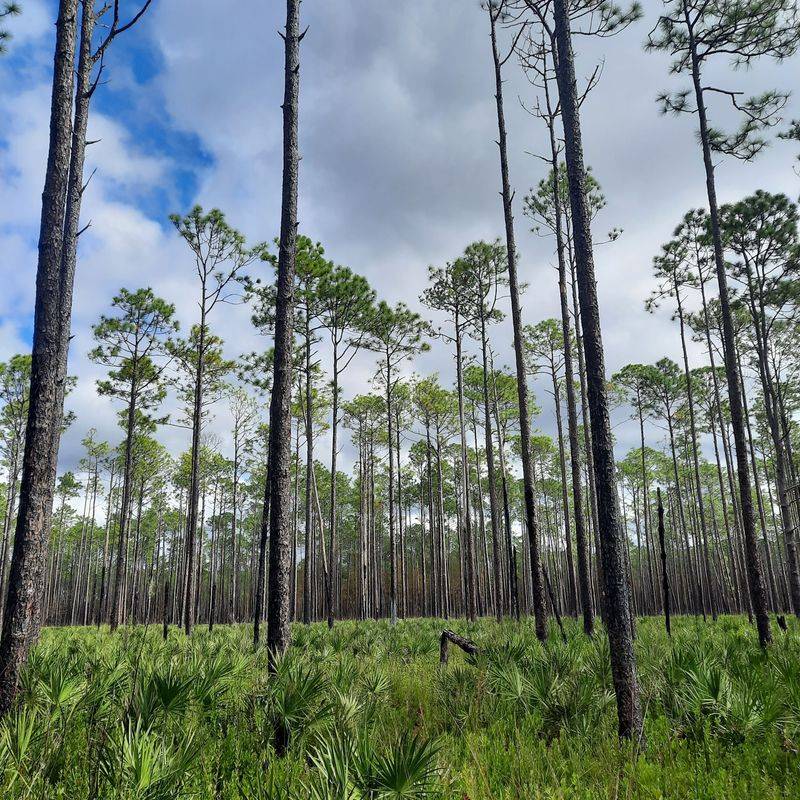
North Florida actually gets hiking weather from December through February—something summer can’t deliver. Torreya State Park features dramatic bluffs and ravines that would be miserable in humid conditions, but winter makes these challenging trails genuinely enjoyable.
Wakulla Springs offers crystal-clear waters year-round, but winter brings comfortable temperatures for exploring both the springs and the surrounding trails. The wildlife viewing actually improves when bugs disappear and animals become more active.
Apalachicola National Forest contains hundreds of miles of trails through longleaf pine ecosystems. Summer hiking here means battling mosquitoes, humidity, and heat exhaustion. Winter transforms it into legitimate hiking territory with crisp air and bug-light conditions that finally make sense of Florida’s trail systems.
6. Space Coast Wildlife + Launch Chance (Titusville → Merritt Island → Cocoa Beach)

Kennedy Space Center gets all the attention, but winter adds layers of awesomeness to this coastal route. Bird migrations peak during cooler months, turning Merritt Island National Wildlife Refuge into a birdwatcher’s paradise with thousands of species passing through.
Manatees crowd into the Indian River Lagoon’s warm waters, creating incredible viewing opportunities from Titusville’s boardwalks. Clear winter skies also improve rocket launch visibility—and launch schedules often pick up during this season.
Cocoa Beach feels completely different without summer’s oppressive heat. You can actually enjoy the pier, explore Ron Jon Surf Shop without melting, and catch a launch without sweating through your shirt.
7. The Strawberry + Small-Town Festival Hop (Plant City → Lakeland → Winter Haven)
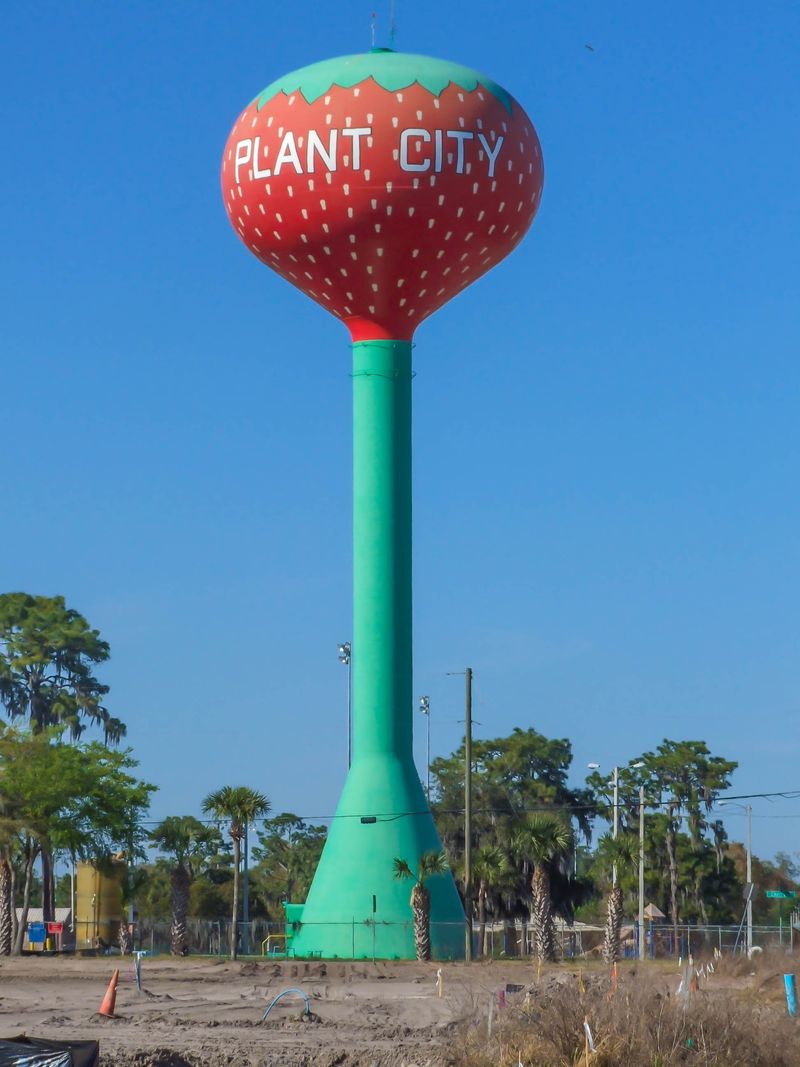
Plant City becomes Florida’s strawberry capital every winter, hosting the famous Strawberry Festival in late February and early March. U-pick farms open throughout the season, offering fresh berries you can’t get any other time of year. The entire town revolves around this winter crop that simply doesn’t exist in summer.
Lakeland’s downtown sparkles with art walks and farmers markets that peak during the comfortable winter months. Winter Haven’s Chain of Lakes becomes perfect for kayaking without the afternoon storm threats.
Small-town festivals pack the calendar from January through March—events that would be unbearable in summer heat. This route celebrates Central Florida’s agricultural heritage and community spirit when weather actually cooperates for outdoor gatherings.
8. Everglades Dry-Season Safari (Miami → Shark Valley → Everglades City)
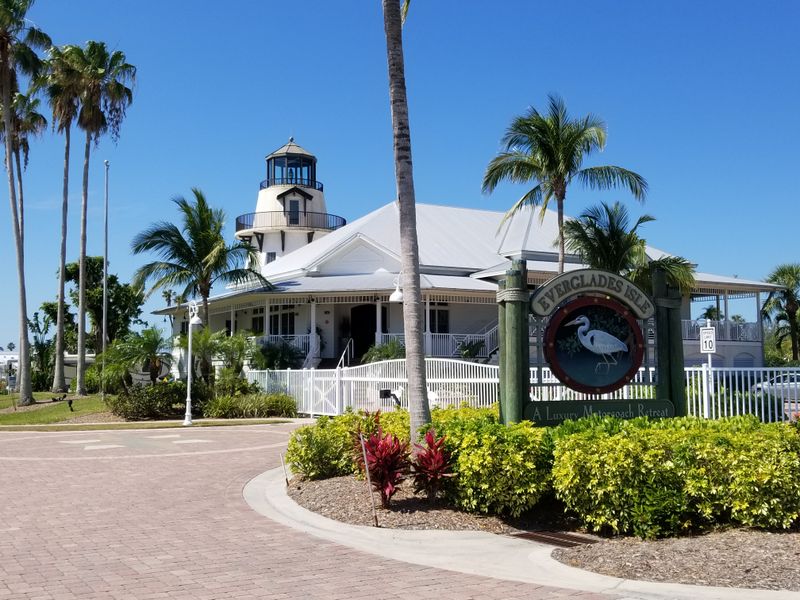
Summer Everglades means mosquito swarms so thick you can’t breathe and heat that makes exploration dangerous. Winter’s dry season (December through April) completely transforms this ecosystem into an accessible wildlife wonderland. Receding water concentrates alligators, wading birds, and other creatures near remaining pools.
Shark Valley’s 15-mile loop trail becomes actually rideable when temperatures drop and bugs disappear. Airboat tours feel adventurous rather than torturous when you’re not sweating through your clothes and swatting constantly.
Everglades City offers fresh seafood and access to the Ten Thousand Islands—routes that make sense only when conditions cooperate. This isn’t just a better winter trip; it’s genuinely a winter-only experience unless you enjoy suffering.
9. Gulf Coast “Flip-Flop City” Weekend (Sarasota → Venice → Naples)
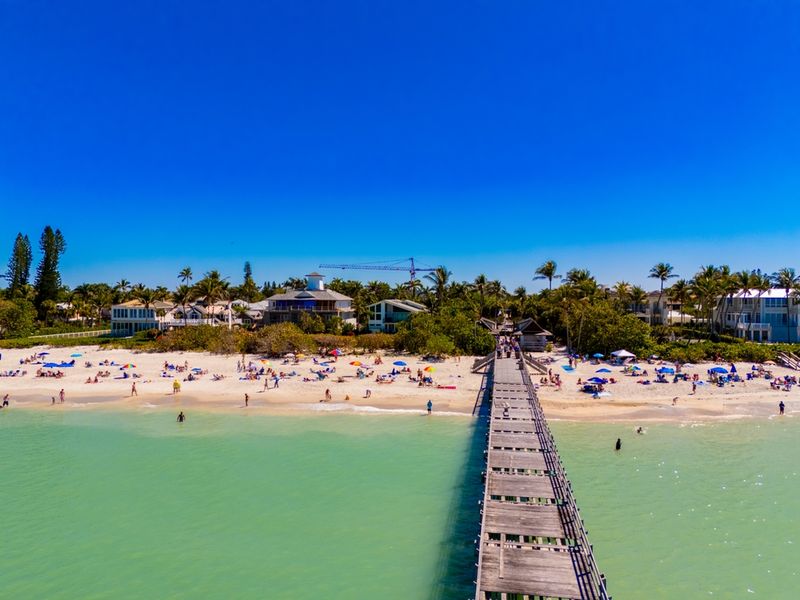
Snowbird season transforms this Gulf Coast stretch into Florida’s most vibrant winter playground. Sarasota’s cultural scene peaks when northern retirees flood back, filling theaters, art galleries, and farmers markets with energy that disappears in summer.
Venice’s shark tooth beaches remain just as fossil-rich, but winter makes the hunt actually enjoyable without scorching sand. The downtown fills with outdoor diners taking advantage of perfect patio weather that defines the season.
Naples brings peak sophistication during winter months, when Fifth Avenue South buzzes with shoppers and restaurant patios stay packed. Summer empties these towns as snowbirds flee north. Winter delivers the Gulf Coast experience at its absolute best—blue skies, comfortable temps, and beaches that welcome rather than punish.