9 Florida Spots to See Bald Eagles Nesting (Without Stressing Them Out)
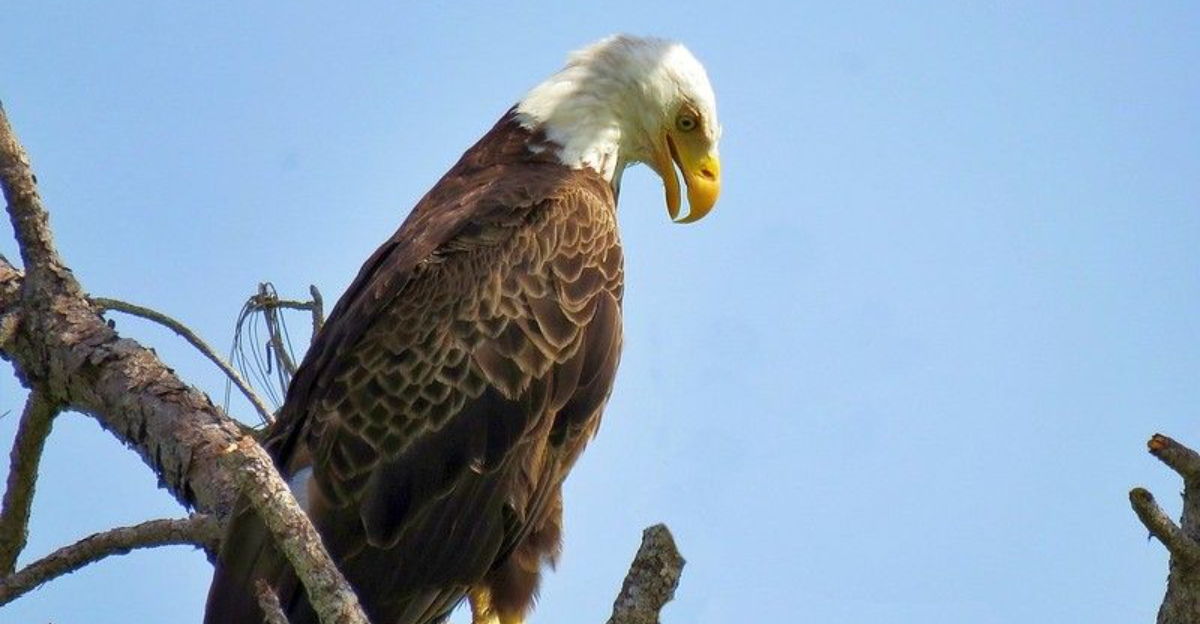
Seeing a bald eagle settle into its nest is pure Florida magic, but the real win is doing it without putting stress on the birds. This guide shows you exactly where to look and how to keep a respectful distance so the eagles keep returning year after year. You will get practical viewing tips, seasonal timing, and the best vantage points that protect both the birds and your experience.
Bring patience, binoculars, and a quiet mindset, and you will likely spot something unforgettable.
1. Three Lakes Wildlife Management Area (Osceola County)
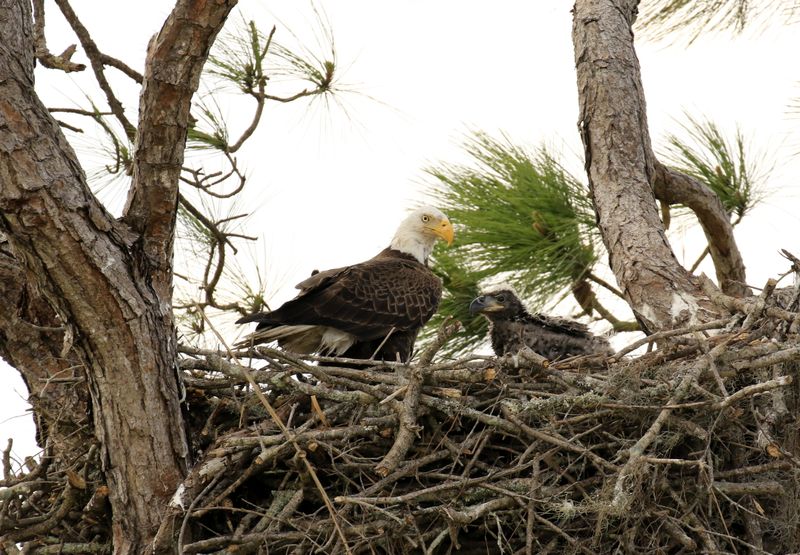
Wide prairies and scattered pines stretch across the horizon, creating perfect vantage points to watch eagles commute between wetlands and nest trees. Bring sturdy binoculars or a spotting scope so you can linger at a responsible distance while still enjoying crisp views. Early morning light reveals silhouettes cruising low over marsh edges, especially on calm, cool days.
Stick to marked roads and pullouts, keeping engines quiet and doors closed softly. If a bird starts vocalizing, wing flicking, or head bobbing, you are too close, so back away. Photograph with long lenses rather than approaching.
Seasonal road conditions can change after rain, so check access before you go. Pack water, sun protection, and patience.
2. Lake Tohopekaliga (Kissimmee)
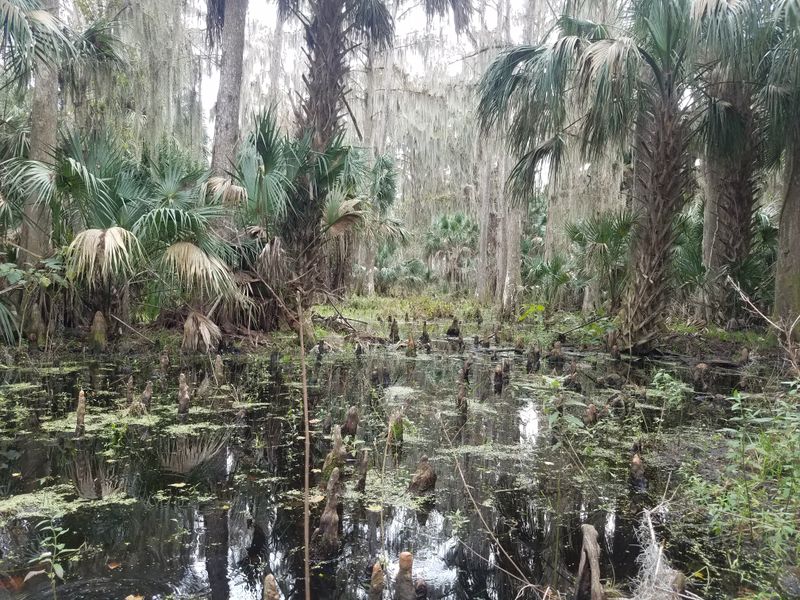
Broad, open water lets you scan for eagles cruising the shoreline or ferrying fish back toward hidden nests. Shoreline parks and fishing piers become excellent bases, especially if you work the wind line where birds ride thermals. Use your scope from the pavement or grass rather than wandering into vegetated edges where disturbance spikes.
Listen for sharp calls and watch for circling vultures that sometimes reveal where eagles patrol. If you spot a nest, resist the urge to move closer for a photo. Keep pets leashed and voices low.
Mornings after cold fronts bring crisp skies and great visibility. Parking fills quickly on weekends, so arrive early, and keep your gear compact and organized.
3. St. Johns River (Central & Northeast Florida)
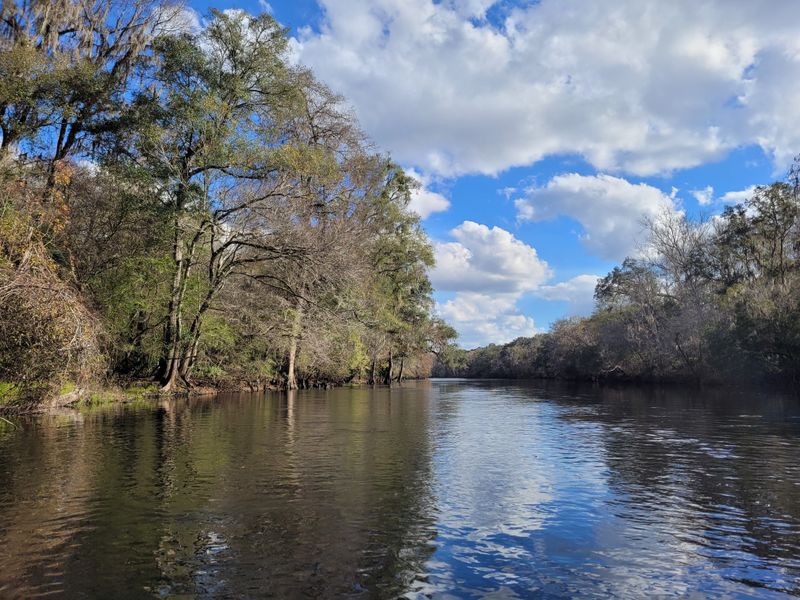
Long, lazy bends reveal tall pines and cypress where massive nests sit like crowns. Public boat ramps and riverside parks offer clear sightlines without entering sensitive backwaters. Set up a tripod and scan upriver for low, purposeful flight as adults commute with fish clutched tight.
Keep a slow pace on water. If boating, stay mid channel and avoid hovering near nest trees. Waves, music, and drones can stress birds, so keep everything quiet.
Overlooks with shade make hours of patient viewing comfortable. Overcast days are great for glare free glassing. Bring polarized sunglasses, a field guide, and note landmarks so you can return to the same ethical vantage points throughout the season.
4. Merritt Island National Wildlife Refuge (Titusville)
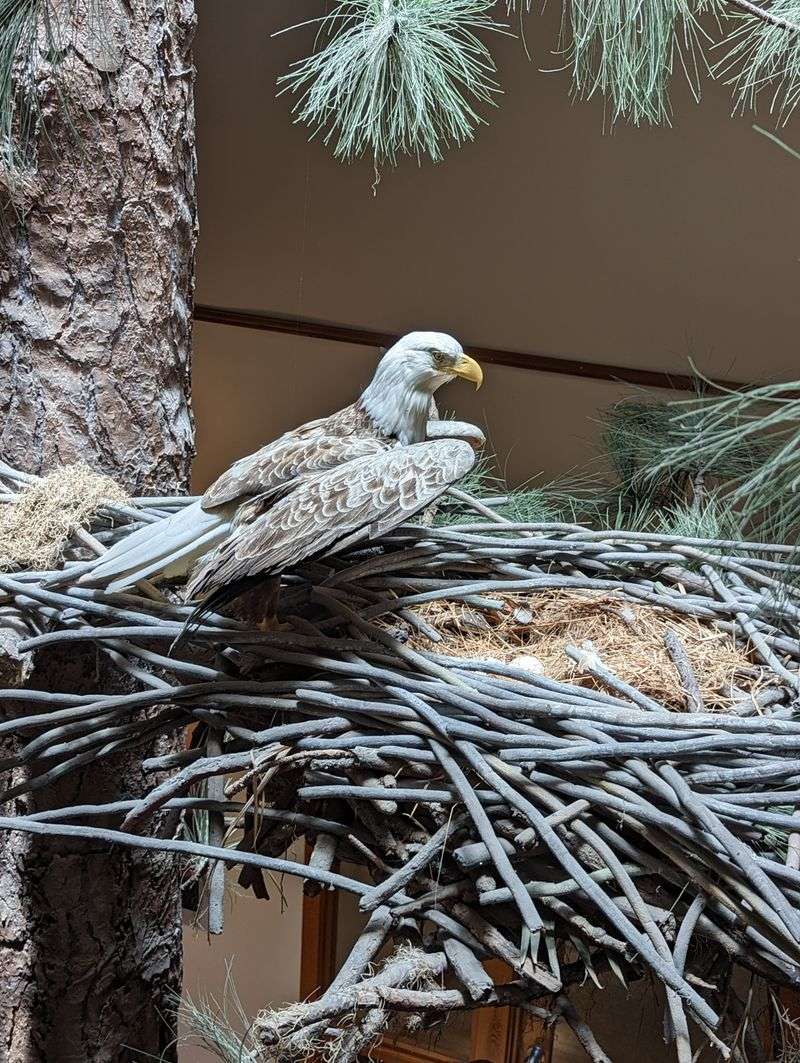
Marsh pools and open lagoons make it easy to watch eagles hunt, then trace their flight lines back toward nest trees. Black Point Wildlife Drive and other marked routes offer pullouts where you can stay in or beside your car. Vehicles act like blinds, letting you observe without pushing birds off perches.
Follow refuge speed limits and posted closures, especially during sensitive breeding windows. If an adult mantles prey or stares fixedly at you, give more space. Ditch flash, and lean on natural light plus long lenses.
Scan high pine crowns for stick platforms. Winter brings peak action with northerly winds and crisp visibility. Pack insect repellent, and carry snacks so you can wait out lulls comfortably.
5. Paynes Prairie Preserve State Park (Gainesville)
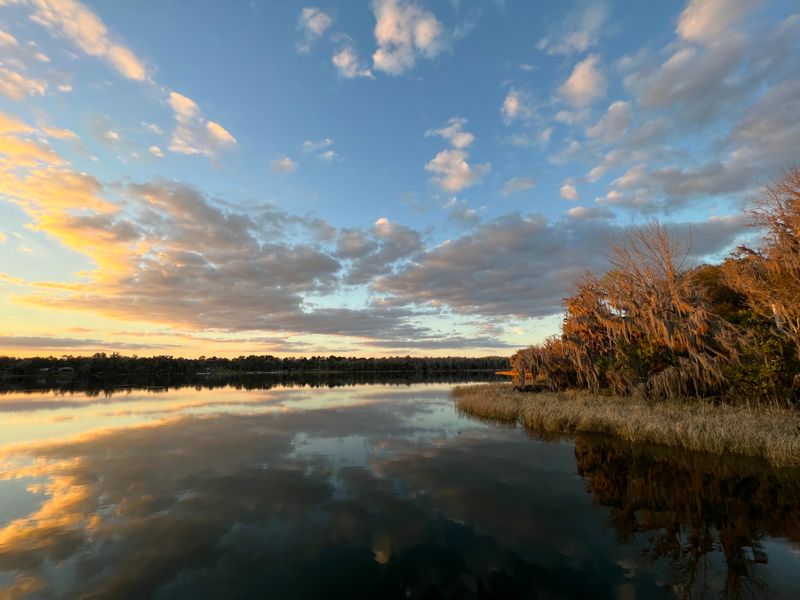
Expansive vistas let you follow eagles for minutes at a time without moving an inch. Boardwalks and overlooks become perfect perches for scanning distant tree islands where nests often sit. Use a scope at low magnification first to pick up movement, then zoom gently to avoid losing the bird.
Stay on designated trails and avoid flushing waterfowl below. If you see agitated behavior or sharp alarm calls, step back and settle. Windy afternoons create dynamic soaring, while mornings provide steadier light.
Log each sighting so you learn where commute routes repeat. Bring layers, because weather can swing quickly across the prairie. Hydrate well, keep voices calm, and let quiet observation keep the experience intimate and respectful.
6. Myakka River State Park (Sarasota)
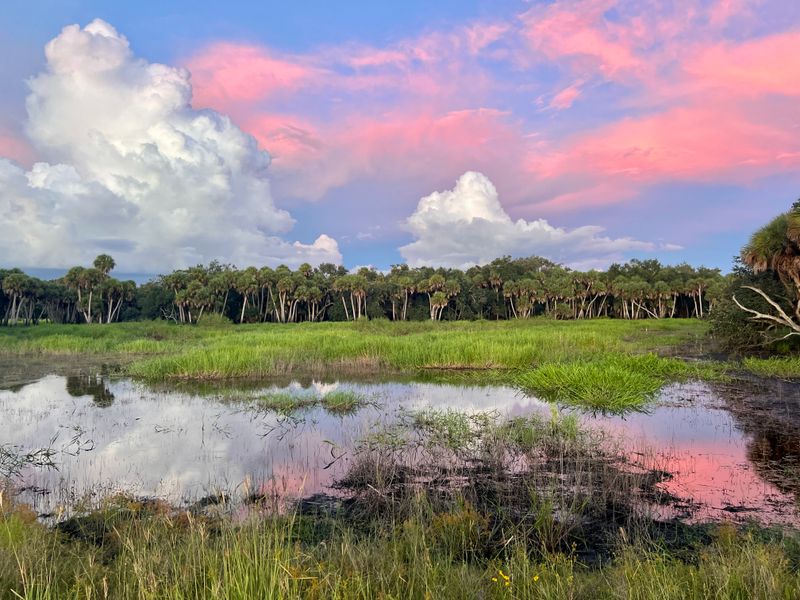
Rivers, lakes, and towering trees draw nesting pairs that patrol long stretches of sky. Bridges and designated overlooks let you scan safely without cutting across sensitive habitat. Look for returning flights around mid morning as adults shuttle food, then settle quietly on a distant bench to watch undisturbed behavior.
Stay off closed trails and give nest trees a generous buffer. If reptiles or wading birds react to your presence, you are too close for comfort. Kayakers should keep paddles low and drift by without stopping near perches.
Tripods help steady long lenses in afternoon breezes. Check for seasonal tours that highlight raptor activity, and always prioritize the birds’ routine over getting a closer look.
7. Lake Okeechobee Scenic Trail
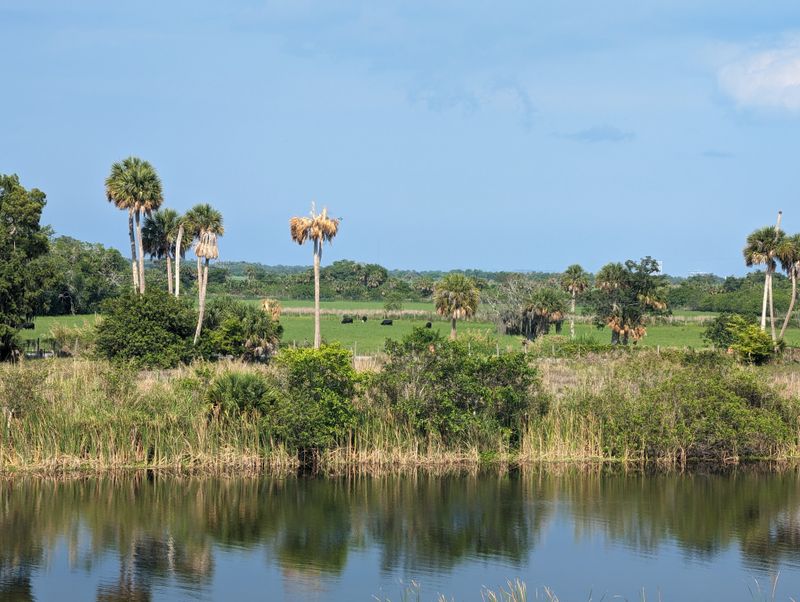
High ground gives sweeping sightlines that keep you well away from nest trees while still delivering big raptor moments. Pause at mile markers and scan the shoreline for stick platforms or perched adults. A compact scope mounted on a lightweight tripod turns distant dots into vivid encounters without stepping off the trail.
Share the path courteously with cyclists and anglers. Avoid sudden crowding when an eagle appears, and keep conversations low. Afternoon thermals often trigger extended soaring, while sunrise rides can catch quiet nest exchanges.
Weather shifts fast, so pack rain gear, sun protection, and water. Respect closures and do not shortcut down the dike. Your distance is exactly what keeps these eagles relaxed and thriving.
8. Lower Suwannee National Wildlife Refuge
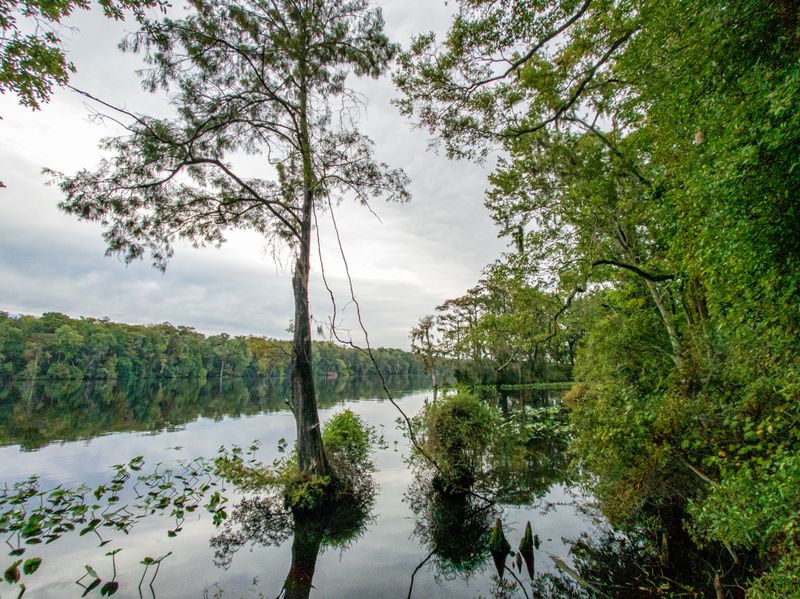
Quiet backroads thread through pine islands and tidal creeks where eagles nest away from the bustle. Designated overlooks and boardwalks give you all the reach you need without intruding. Bring a map and move slowly, glassing from the shade to minimize movement that could draw attention.
Watch for alarm calls or repeated circling near you, then increase your buffer. Drones and playback calls are a hard no. Overcast coastal days reduce heat shimmer, helping scopes resolve distant details. Note tides for easier access on certain routes.
Keep your footprint small by parking only in signed areas and packing out every crumb. The hush out here rewards patience with authentic, undisturbed behaviors you will remember.
9. Apalachicola National Forest
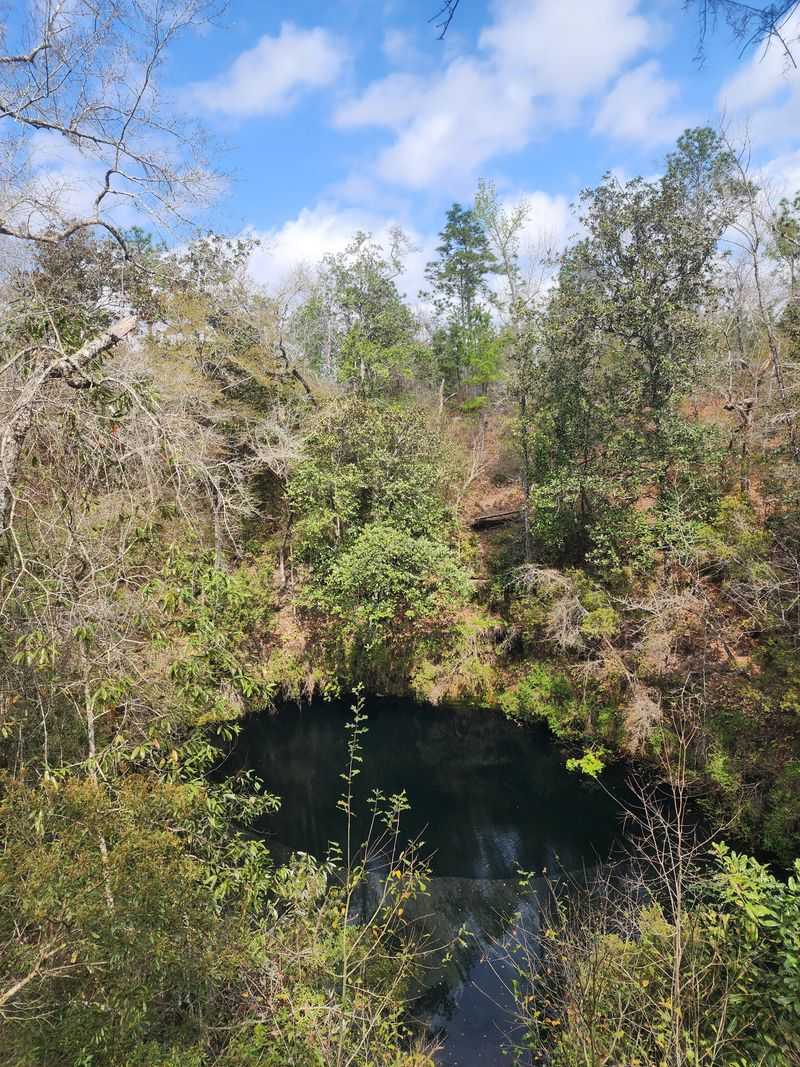
Large tracts of longleaf and pond dotted flats create dependable nesting habitat under big skies. Use numbered forest roads and official pullouts to scan over treetops without stepping into sensitive areas. A high magnification binocular or compact scope keeps you comfortably distant yet fully engaged.
If a bird tracks you with repeated head turns or vocalizations, retreat until it resumes normal perching. Avoid parking beneath potential nest trees. Early and late light cuts glare and reveals subtle flight paths.
Cell service can be spotty, so download maps before you go. Bring extra water, bug spray, and a soft voice. With patience and respectful spacing, you will witness classic panhandle eagle moments from safe, ethical vantage points.