9 Florida Things Locals Do That Outsiders Will Never Understand
Florida has its own language, and no, it is not Spanish or Southern. It is a blend of weather radar worship, hurricane group chats, and a casual respect for wildlife that would terrify most people. If you have ever wondered why someone brings flip flops to a wedding or argues about spaghetti models like playoff brackets, you are in the right place. Read on, and you will start to understand why locals shrug at gators, race thunderstorms, and treat the beach like a precision mission.
1. Check the weather radar like it’s a stock market
You do not “look outside” in Florida. You check the radar like a day trader checks candles. If the blob is green, plans survive. If it turns yellow or red, texts begin: “running late,” “give it 20,” or the classic “tomorrow instead.”
Locals screenshot animated loops, zoom into their precise block, and narrate storm movement like play by play. The storm is west, drifting north, probably splitting. You learn to trust velocity signatures more than your hair’s frizz report.
Eventually you develop intuition: cloud texture, wind shift, that eerie hush. Outsiders think it is raining. Locals know it is a six minute rinse, followed by steam. Bring patience, and a spare shirt.
2. Treat hurricanes like a group project

Hurricane prep becomes a team sport the minute a cone appears. Someone panic buys beans, batteries, and twelve gallons of questionable water. Another refuses to lift a finger, insisting it will wobble away. Dad appoints himself meteorologist in chief, citing spaghetti models like holy scripture.
Group chats explode with plywood trades, generator tips, and arguments over euro versus GFS. You compare shutters, freeze water in bags, and locate that one flashlight nobody charged. Neighbors become family for three tense days.
Then comes the ritual: move patio furniture inside, park cars sideways, bake everything in the freezer. If it misses, you grill a victory feast. If it hits, you share extension cords and stories by headlamp.
3. Know exactly what “afternoon rain” means
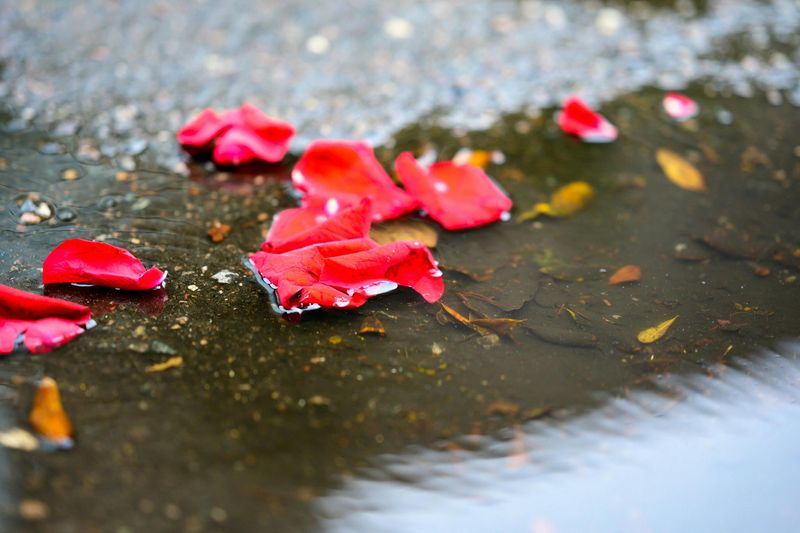
To you, it is rain. To locals, it is a scheduled performance, usually around three. You can set your watch by it. The sky stacks into white towers, thunder murmurs, and then a curtain drops for precisely seventeen minutes.
Puddles swell, lizards cheer, and everyone continues their day. Soccer practice pauses, then resumes under steam. You learn microclimates by block names and traffic lights. One side of the street floods while the other bakes in sunlight.
Umbrellas are optional because you sprint between doorways. Car wipers cannot keep up, then suddenly it is blue sky. Outsiders cancel plans. Locals say, give it a minute, and bring your sandals.
4. Wear flip flops absolutely everywhere
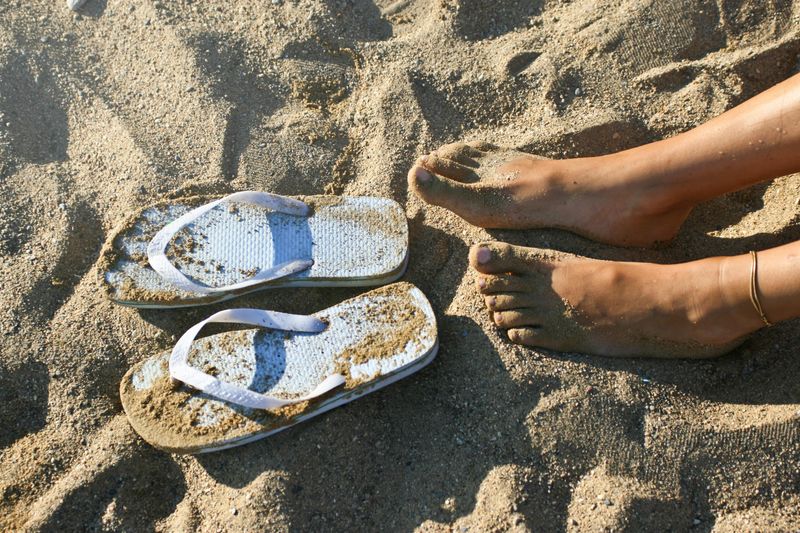
Florida dress code translates to: if the ground is not lava, flip flops qualify. Gas station run? Slaps on. Fancy brunch? Dressier straps, same vibe. Airport security? Easy on, easy off, thank you very much.
There is always one brave soul testing the limits at a wedding. You will see hidden sandals under long dresses and groomsmen changing after photos. Closed toe shoes feel like winter gear, which nobody owns. Sand is the real boss anyway.
Blisters are rare because your feet adapt like locals do. Rain? They dry. Heat? Air conditioned toes. Outsiders wince. You smile and glide past life’s small hassles, chafeless and unbothered.
5. Get weirdly proud of surviving the heat
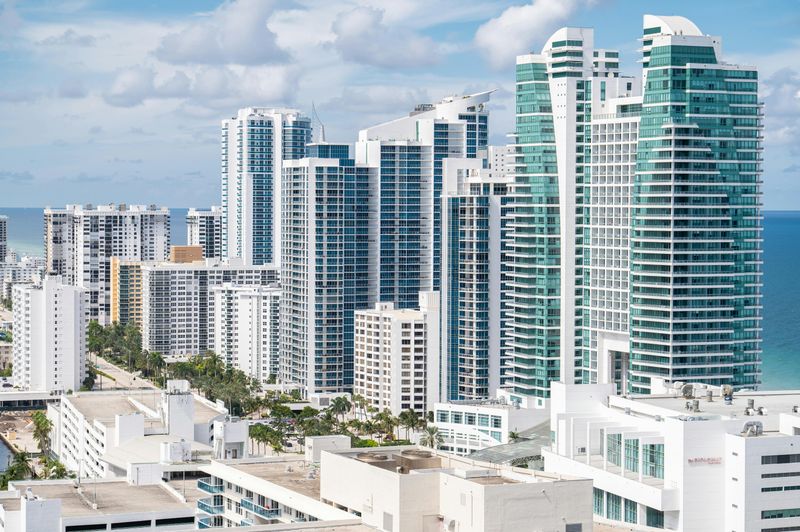
Florida heat is not something you beat. You befriend it and brag a little. People say it is not that bad at 96, which is hilarious and somehow true if you are standing in shade. At least there is a breeze, someone lies, while the palms sit motionless.
You master survival: early errands, midday surrender, nighttime revival. Cooling towels, cold plunge pools, and iced cafecito keep spirits up. Hydration becomes personality. You learn which parking lots have shade at 5.
Outsiders melt and declare emergency. Locals compare summers like war stories. I have felt worse, they claim, and maybe they have, but only in the Publix parking lot at noon.
6. Accept lizards as roommates
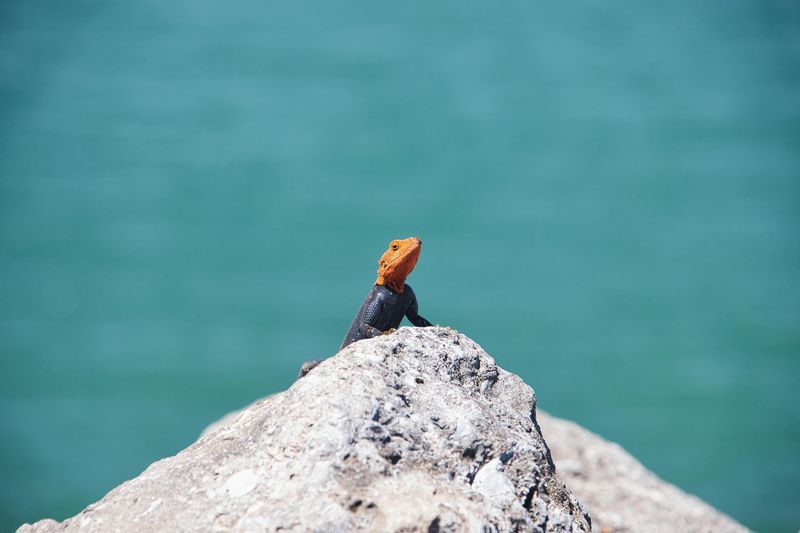
You will meet your first house lizard on day two. Panic fades fast when you realize it eats mosquitoes for rent. Anoles and geckos slip under doors like tiny landlords, blinking calmly while you name them after uncles.
Catching one is a rite of passage. Cup, postcard, slow approach, gentle release to the patio jungle. They sometimes return because the lease includes porch light buffets. Pets stare, humans shrug, life continues.
Outsiders post photos like cryptid sightings. Locals barely pause the show. If it chirps at midnight, consider it a lullaby. You will say thanks during mosquito season, which is always. Welcome home, little roommate.
7. Have a very casual relationship with alligators
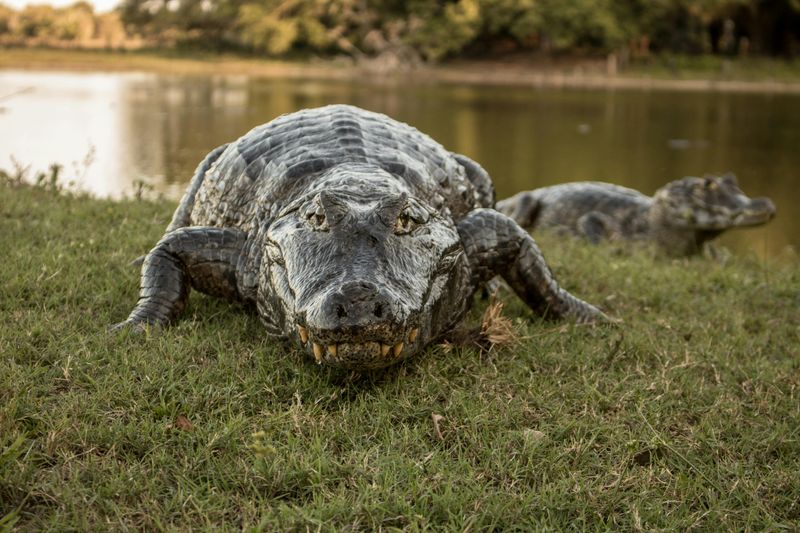
First time visitors see a gator and declare a national alert. Locals do the math: if it is far, keep walking. If it is close, back up slow. Then they take a photo anyway, from a distance that makes insurance agents sweat.
Every retention pond whispers maybe. Dogs stay leashed. Golfers learn drop mechanics near reptilian spectators. You respect the space like you respect thunderstorms: predictable until they are not.
Rangers say do not feed them, and everyone nods because nobody wants a bold gator. Outsiders gasp. Locals shrug and say, just do not go near it. Simple rules, long lives, decent stories.
8. Drive like it’s a chaotic multiplayer game
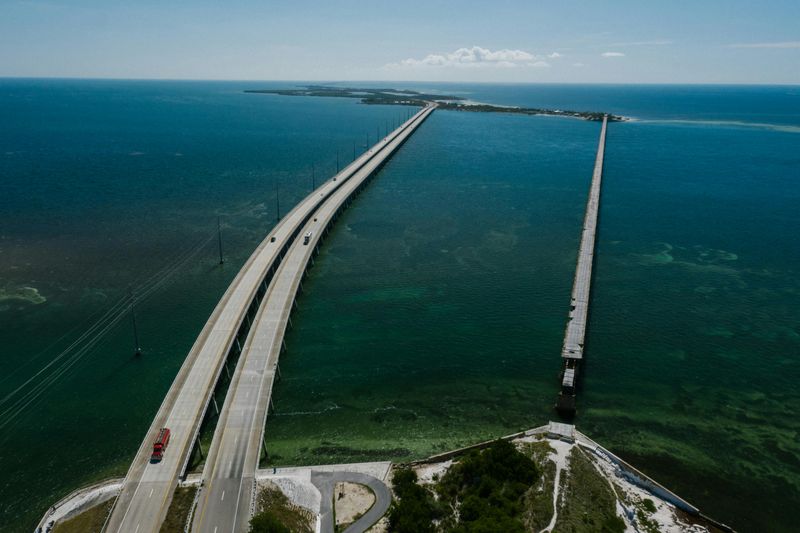
Driving here feels like a live server with no tutorial. Someone is speeding like Miami, another is sightseeing at 28 in the fast lane, and a third is executing a surprise U turn. Signals are optional, confidence is not.
You learn to expect the unexpected: last second exits, three lane drifts, and weather that flips traction mid merge. Defensive driving is an art form with sunny optimism and white knuckles. Horns speak dialects.
Outsiders panic. Locals adapt, leaving space and planning escape routes. You glance at mirrors every three seconds and wish turn signals came with incentives. Somehow, everyone arrives, slightly amazed and deeply caffeinated.
9. Own an entire beach setup like it’s survival gear
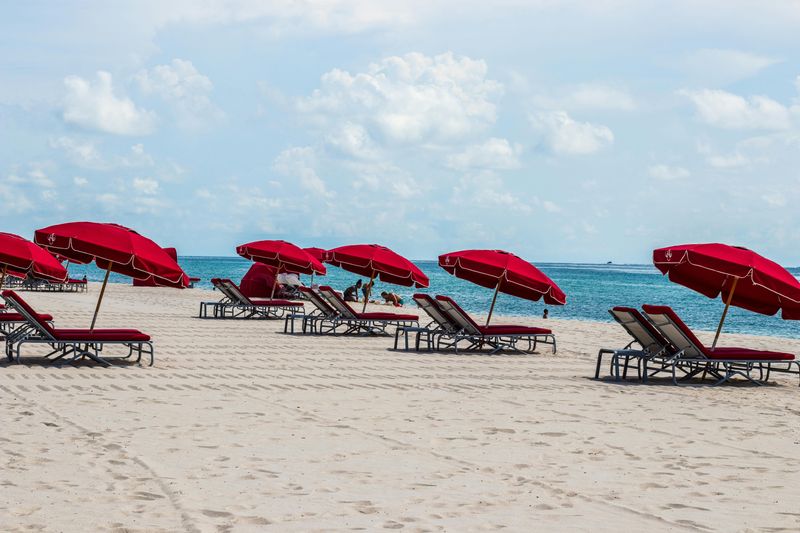
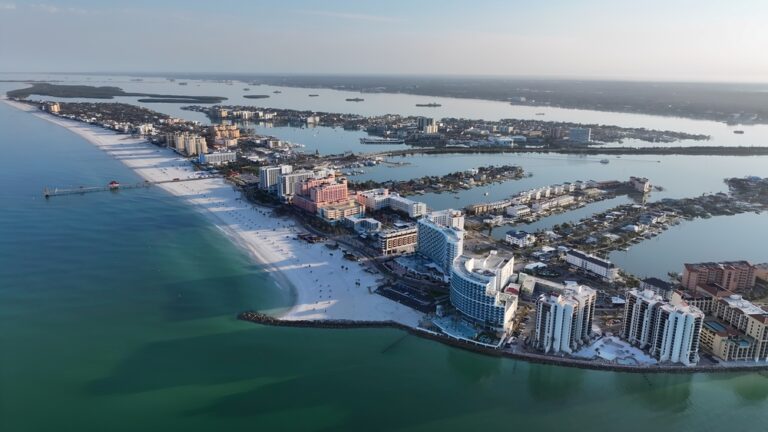
Going to the beach is a logistical operation. Locals roll in with carts, coolers, and umbrellas engineered by aerospace interns. Chairs unfold in practiced choreography. Sunscreen arrives in industrial quantities. Outsiders bring a single bottle of water and pure optimism.
There are snacks for days because waves invent hunger. Towels with battle scars from summers past. A secret stash of aloe, spare sunglasses, and sand proof bags. Everything has a purpose, including clothespins for wind.
Set up takes ten minutes, breakdown five. Shade rotates every hour like clockwork. You leave sun kissed, not scorched, and smugly hydrated. That is not extra. That is survival.