9 of Florida’s Most Remote Spots That Are Shockingly Worth Visiting
Florida isn’t all theme parks and crowded beaches. Hidden across the state are wild, untouched places where you can escape the noise and experience something truly unforgettable. These remote spots offer stunning landscapes, rare wildlife, and a chance to see the real Florida few visitors ever find.
1. Dry Tortugas National Park
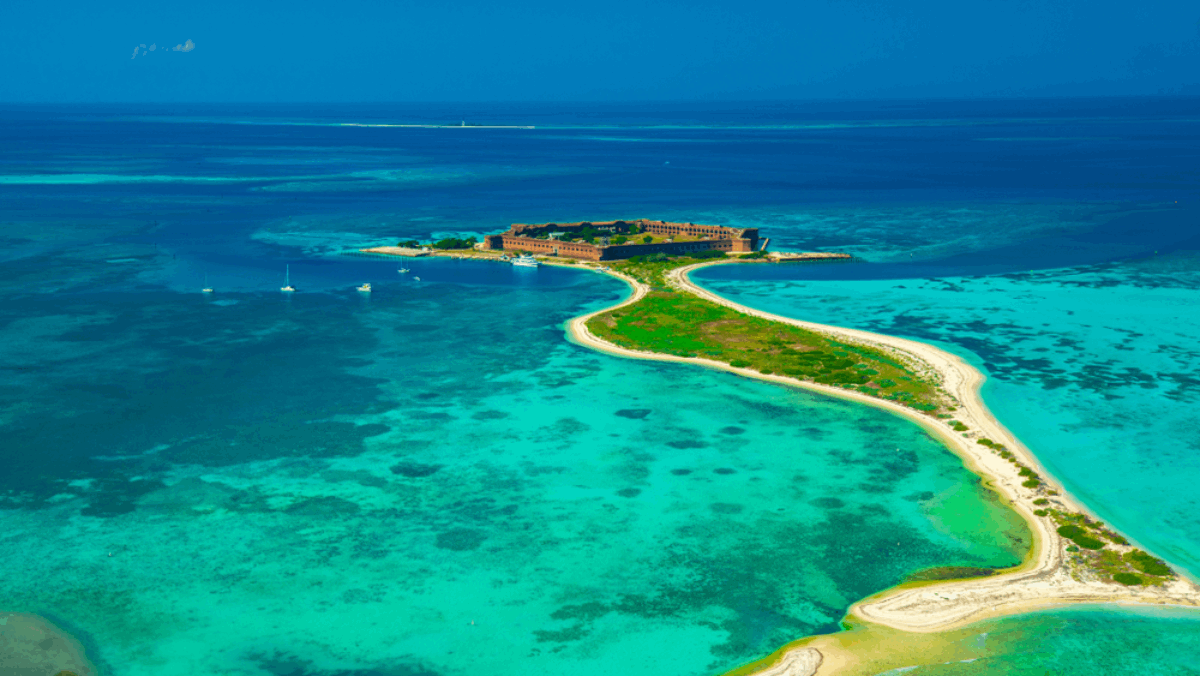
Accessible only by boat or seaplane, this island park west of Key West feels like the edge of the world. Think turquoise water, coral reefs, and a massive 19th-century fort surrounded by nothing but ocean.
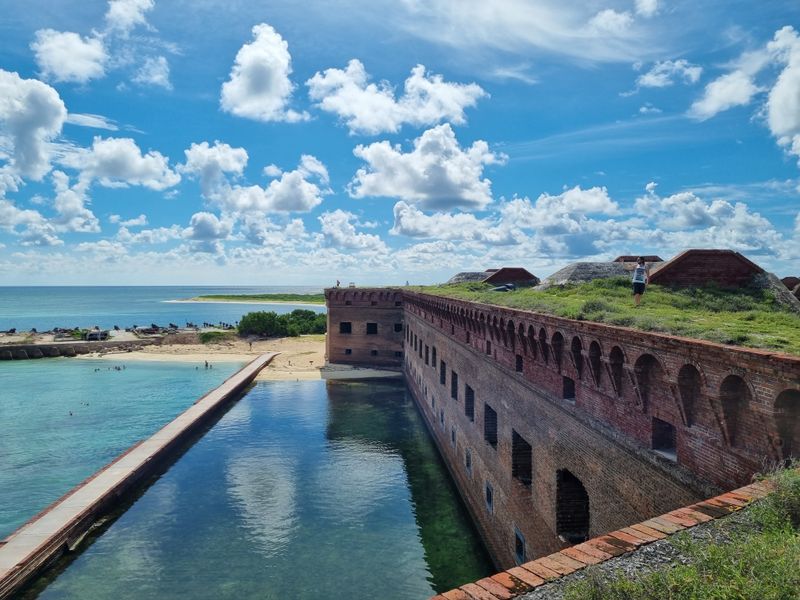
Fort Jefferson stands as one of America’s largest coastal forts, built with over 16 million bricks. Snorkeling here reveals vibrant marine life swimming through crystal-clear waters.
The journey itself becomes part of the adventure, whether you choose a ferry ride or a scenic seaplane flight over endless blue horizons.
2. Big Cypress National Preserve
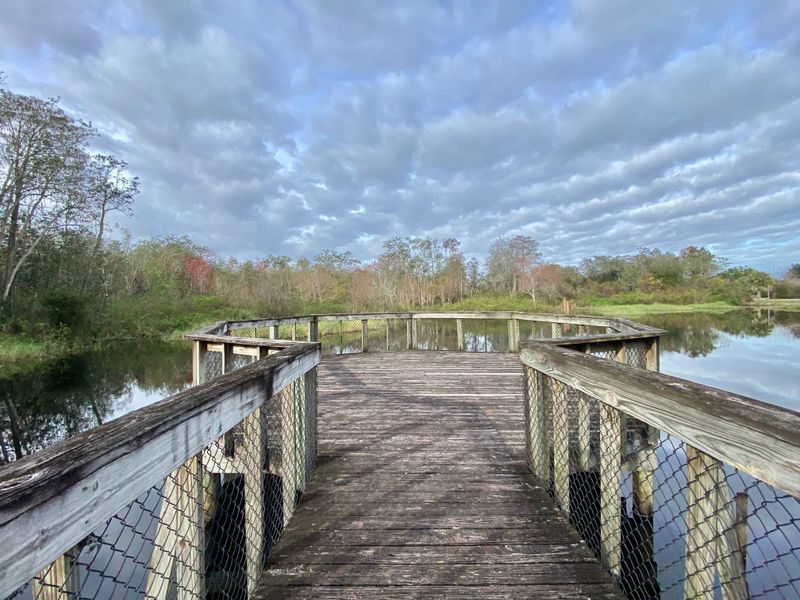
Wild, swampy, and beautifully untamed, Big Cypress offers boardwalks, wildlife sightings, and dark skies perfect for stargazing—far removed from Florida’s tourist hubs. Ancient cypress trees tower above wetlands teeming with alligators, panthers, and countless bird species.
Boardwalk trails like Loop Road provide safe passage through landscapes that look prehistoric.
Night brings a blanket of stars rarely visible in urban areas. Rangers lead swamp walks where you might spot rare ghost orchids clinging to cypress bark in shadowy corners of the preserve.
3. Cedar Key
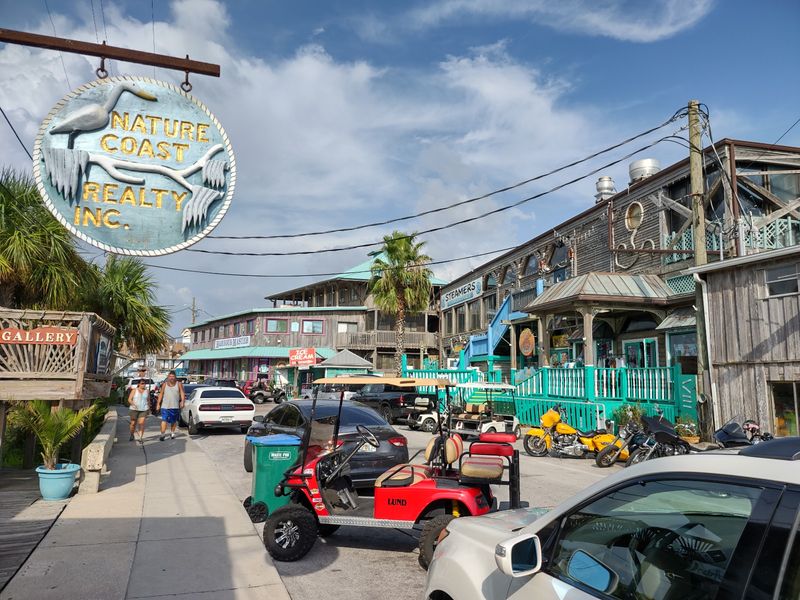
This quiet Gulf Coast town feels frozen in time. No chain hotels, no crowds—just old Florida charm, seafood shacks, and sunsets that steal the show. Local fishermen still bring in fresh clams and oysters daily, served at waterfront restaurants with zero pretense. Art galleries and quirky shops line streets where golf carts outnumber cars.
Kayaking through nearby salt marshes reveals dolphins playing in shallow channels. The slow pace forces you to unwind whether you planned to or not. Cedar Key celebrates simplicity, proving that sometimes the best vacation involves doing absolutely nothing but watching pelicans dive for dinner.
4. Fakahatchee Strand Preserve State Park
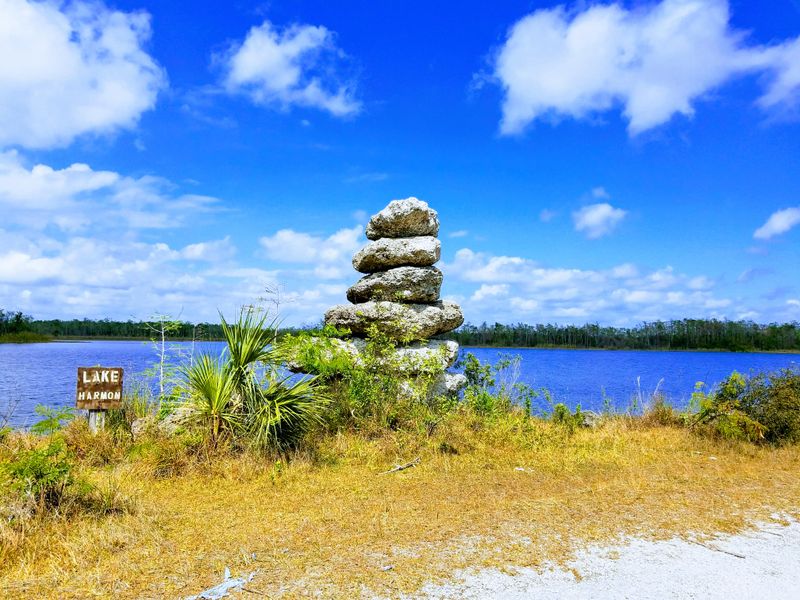
Known as the Amazon of North America, this remote Everglades area is home to rare orchids, ancient cypress trees, and some of Florida’s most untouched wilderness. Scientists consider it one of the most biodiverse spots in the entire state.
Boardwalks guide visitors through flooded forests where ghost orchids bloom in secret locations. Panthers leave tracks in the mud, though spotting one requires incredible luck.
Rangers lead swamp walks during winter months, wading knee-deep through water alongside visitors brave enough to join. The preserve protects species found nowhere else on Earth, making every visit feel like a botanical expedition.
5. Caladesi Island State Park
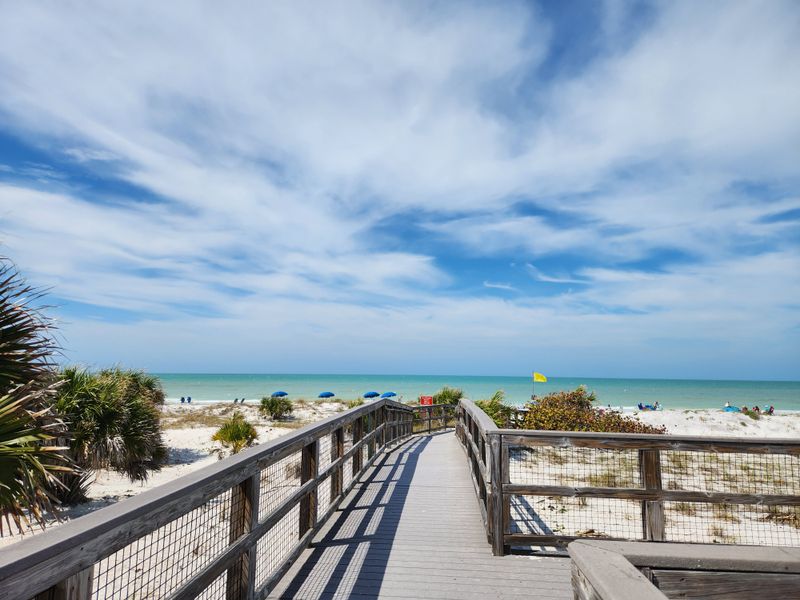
Reachable only by ferry or kayak, Caladesi offers pristine beaches, nature trails, and calm Gulf waters—without the crowds of nearby beach towns. Powdery white sand stretches for miles, untouched by development or high-rise hotels.
Nature trails wind through coastal forests where gopher tortoises dig burrows beneath sea grape trees. Shelling here yields treasures that bigger beaches never see.
Kayakers paddle through mangrove tunnels where juvenile fish hide from predators. The ferry ride from Honeymoon Island takes just minutes, yet transports you to a completely different world where cell service fades and natural beauty takes over.
6. Apalachicola National Forest
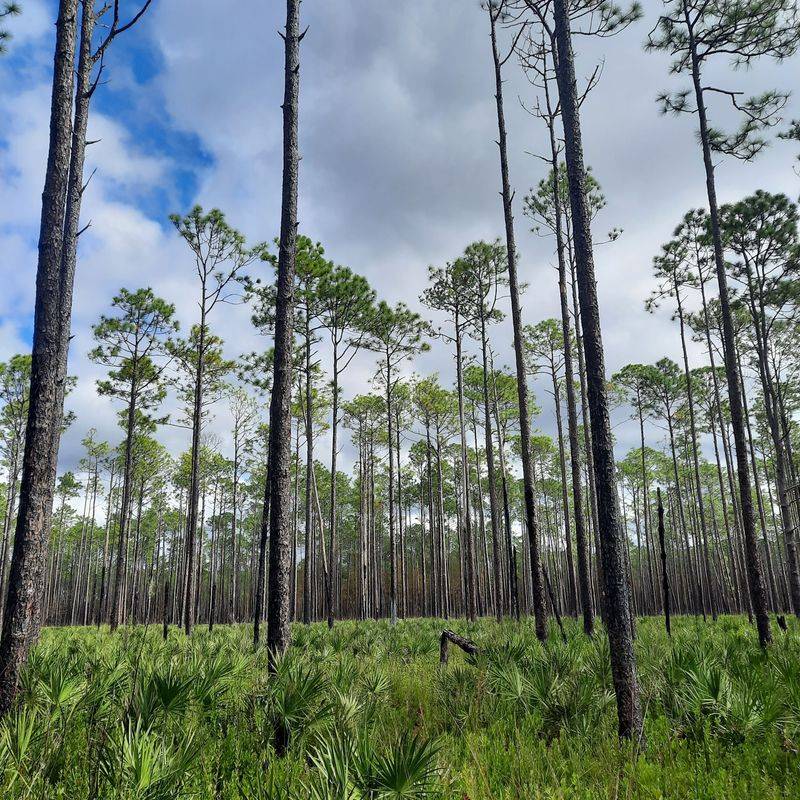
This massive forest in the Panhandle is packed with hiking trails, rare ecosystems, and total solitude. It’s perfect for camping, birdwatching, and unplugging completely.
Longleaf pine forests once covered the entire Southeast but now exist mainly in protected areas like this. Red-cockaded woodpeckers nest in tree cavities marked by white paint, making them easier for visitors to spot.
Sinkholes dot the landscape, creating unique habitats for amphibians and reptiles. Trails range from easy nature walks to challenging backpacking routes.
7. Lake Okeechobee Scenic Trail (Sections)
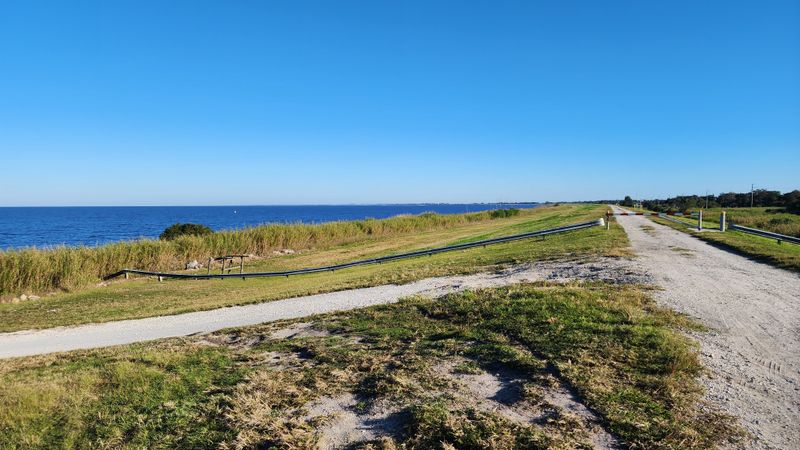
While Lake Okeechobee itself is well-known, parts of the scenic trail around it feel surprisingly remote, offering sweeping views, wildlife, and long stretches without another soul in sight. Cyclists and hikers share the 110-mile trail circling Florida’s largest lake.
Alligators sun themselves on muddy banks while wading birds stalk fish in shallow water. Certain sections pass through agricultural land where sugarcane fields stretch to the horizon.
Camping platforms provide overnight stops for adventurers tackling longer segments, where night sounds include frogs and distant owls echoing across dark waters.
8. Flamingo (Everglades National Park)
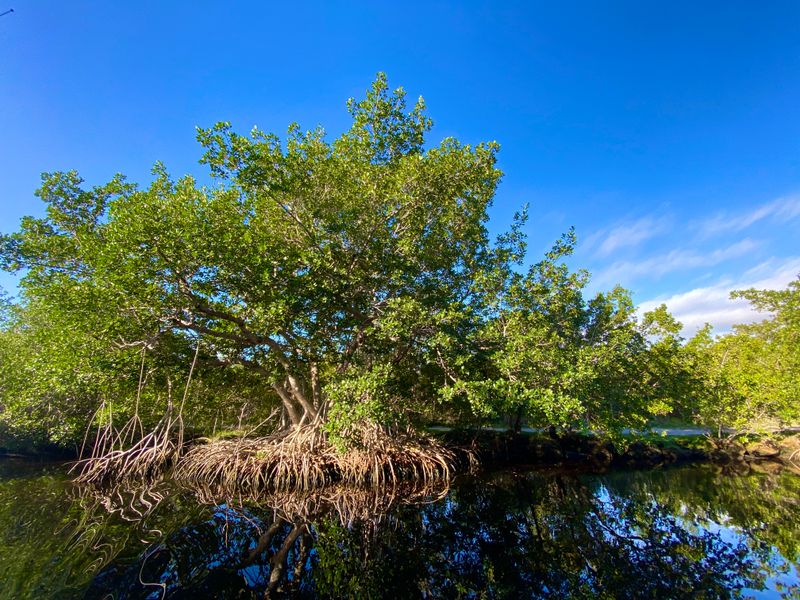
At the southern tip of mainland Florida, Flamingo is remote even by Everglades standards. It’s a prime spot for kayaking, manatee sightings, and jaw-dropping sunsets over Florida Bay.
Hurricane damage closed facilities for years, but recent renovations brought back camping and boat rentals. Paddling through mangrove tunnels reveals crocodiles basking in sun-dappled water—yes, crocodiles, not just alligators.
Mosquitoes can be fierce during summer, so winter visits prove more comfortable. The remoteness means true darkness at night, perfect for stargazing after the sun melts into the bay.
9. Fort Jefferson’s Bush Key (Seasonal Access)
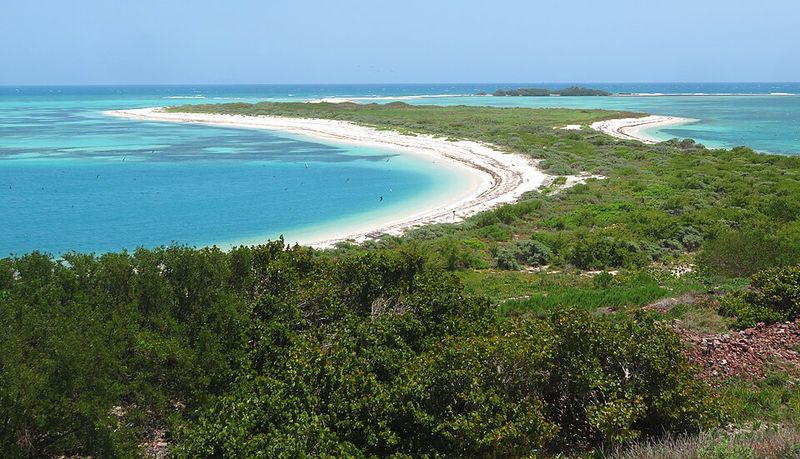
When open, this tiny island near Dry Tortugas is one of Florida’s most secluded beaches—accessible only by ranger-guided boat and home to nesting seabirds and crystal-clear water. Seasonal closures protect nesting terns and noddies during breeding season.
The sand feels impossibly soft beneath bare feet, and the water glows with shades of blue found nowhere else.
Snorkeling equipment transforms the visit into an underwater adventure among tropical fish and coral gardens. Limited visitor numbers mean you might share the beach with only a handful of people, creating an exclusive island experience.