10 of Florida’s Oldest Towns With More History Than Your Textbooks
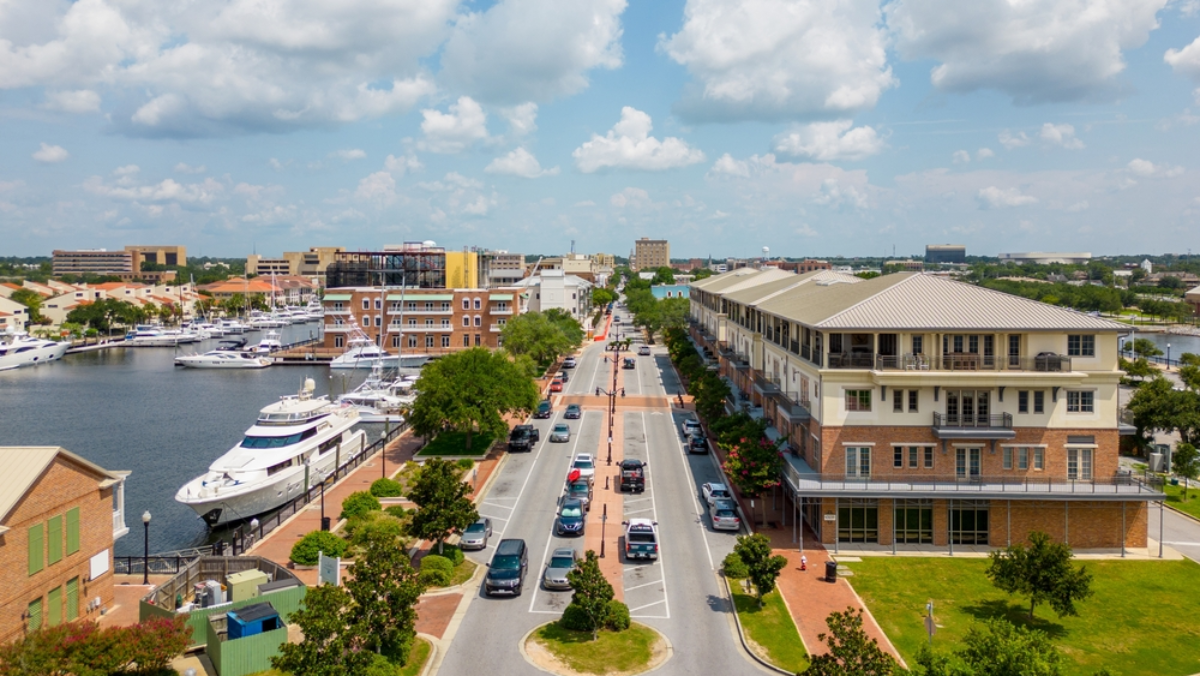
Florida isn’t just about theme parks and beaches. Long before Mickey Mouse arrived, this state was home to some of America’s oldest settlements, where Spanish conquistadors, pirates, and pioneers walked streets that still exist today.
These towns hold centuries of stories your history book probably skipped—from colonial battles to Victorian elegance, and everything in between. Get ready to explore ten incredible places where the past comes alive in ways that will surprise you.
1. St. Augustine
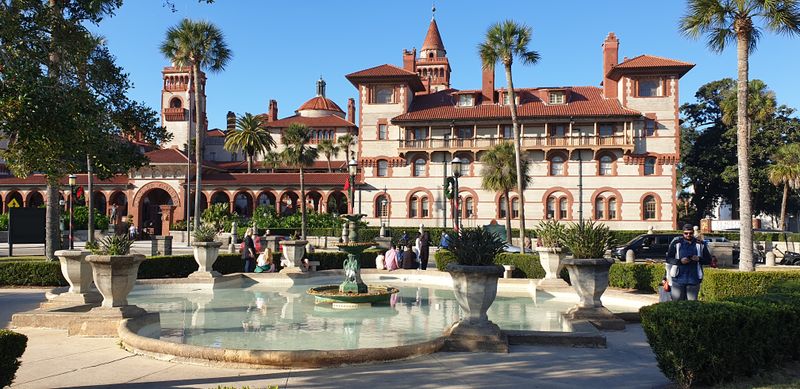
America’s oldest city isn’t in Massachusetts or Virginia—it’s right here in sunny Florida. Founded in 1565 by Spanish explorers, St. Augustine has been continuously inhabited for over 450 years, making it older than any other European-established settlement in the country.
Walking through this coastal town feels like stepping into a time machine. Massive stone forts stand guard over the harbor, while narrow cobblestone streets wind past buildings that have witnessed centuries of drama. Pirates once prowled these waters, and their legends still echo through the historic district.
Ghost tours reveal spine-tingling tales from the past, and Spanish architecture reminds visitors of the city’s colonial roots.
2. Pensacola
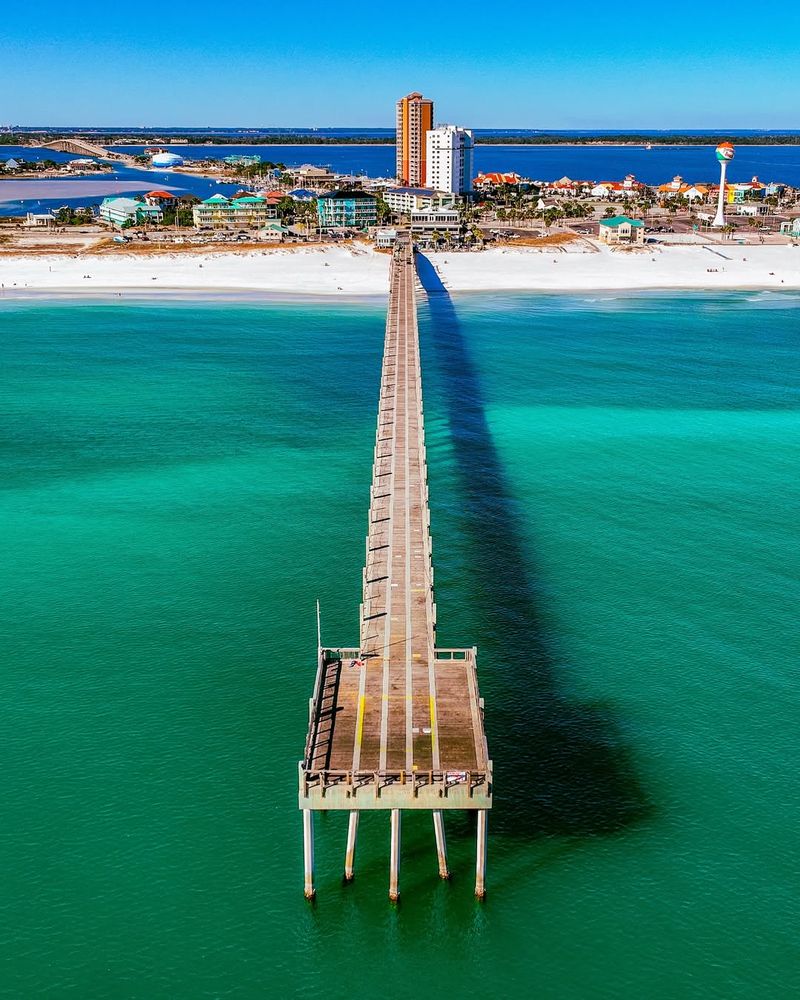
Here’s a fun twist: Pensacola was actually founded before St. Augustine—in 1559—but a devastating hurricane forced settlers to abandon it temporarily. When colonists returned in 1698, they rebuilt what would become one of Florida’s most historically rich cities.
Military history runs deep here. Multiple nations have controlled Pensacola over the centuries, leaving behind impressive colonial forts that still stand today. The city’s strategic location made it a prize worth fighting for, and those battles shaped American history in ways most people never learn in school.
Naval aviation also calls this place home, adding another fascinating layer to explore. Between the ancient forts and military museums, history buffs could spend weeks here.
3. Fernandina Beach
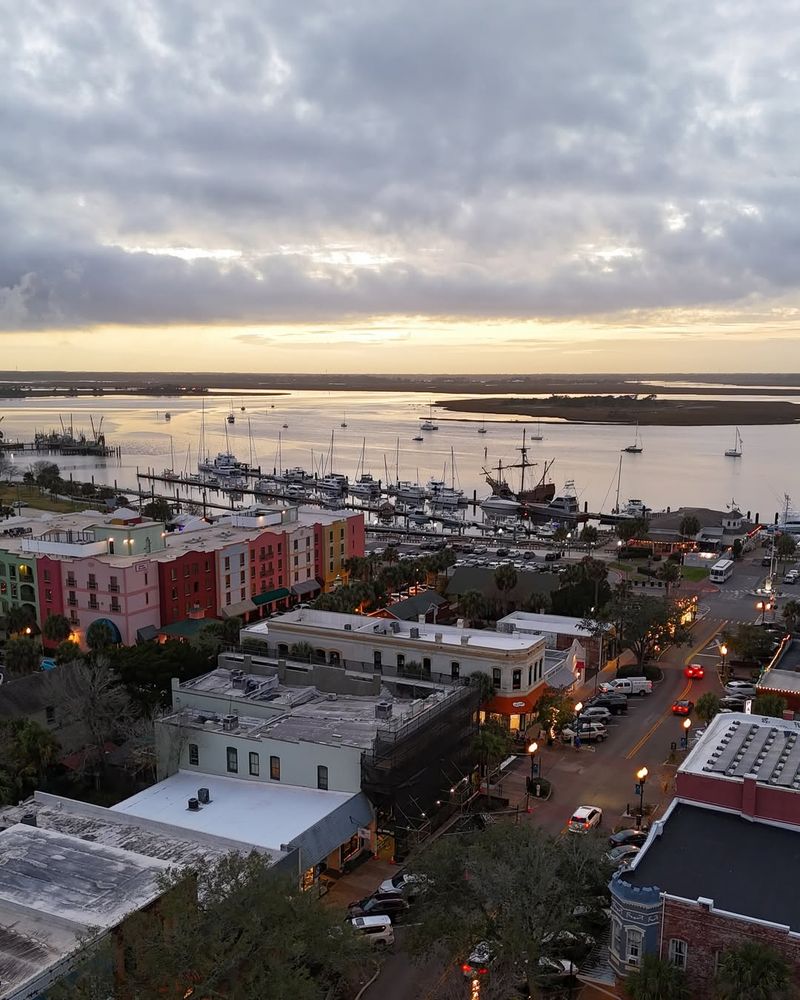
Pirates loved this island town, and for good reason. Fernandina Beach holds a unique distinction: it’s the only American city to have flown eight different flags, including those of pirates, Spain, France, and the Confederacy. Talk about a complicated past!
Today, the downtown historic district looks like something from a Victorian postcard. Beautifully preserved buildings line brick streets, telling stories of the shrimping industry that built this community. Local families have been pulling shrimp from these waters for generations, keeping Old Florida traditions alive.
Antique shops and waterfront restaurants now occupy those historic structures. The architecture alone makes this place worth visiting, but the maritime heritage adds extra charm.
4. Key West
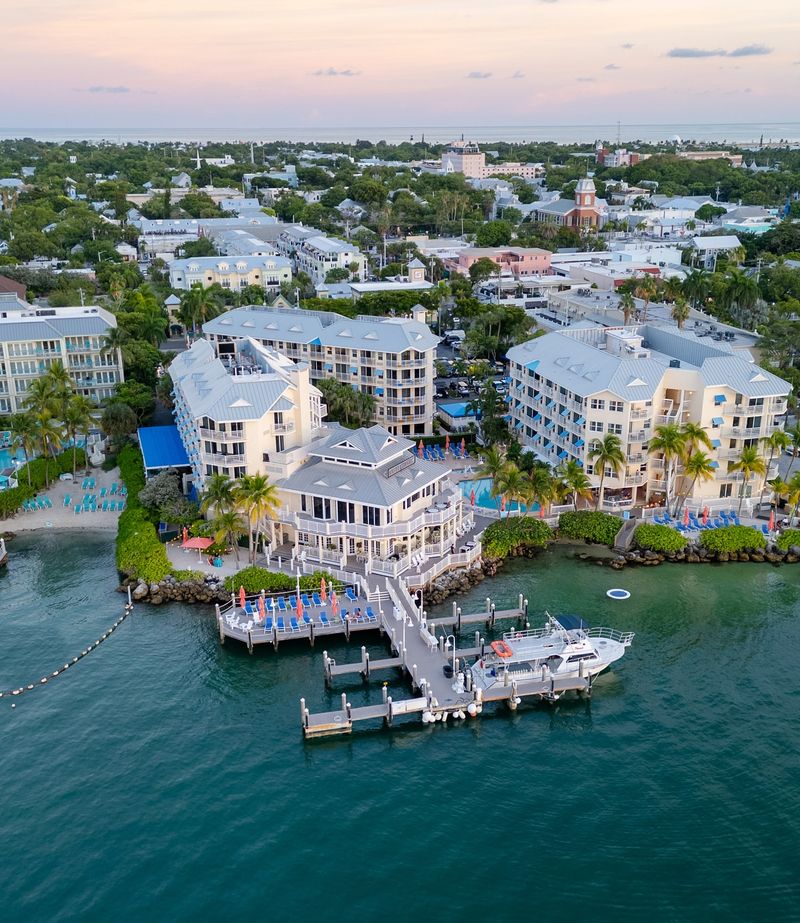
Shipwreck salvagers built this island paradise in the 1820s, growing rich from vessels that crashed into the surrounding reefs. Later came cigar makers fleeing Cuba, rum runners during Prohibition, and famous writers seeking inspiration far from the mainland.
Ernest Hemingway made Key West legendary when he lived and wrote here, and his six-toed cats still roam his former home today. But the literary history goes deeper—Tennessee Williams, Robert Frost, and countless other artists found magic in these tropical streets.
Every building seems to hide a wild tale. Rebels, artists, and adventurers have always been drawn to this southernmost point of the continental United States, creating a culture unlike anywhere else.
5. Apalachicola
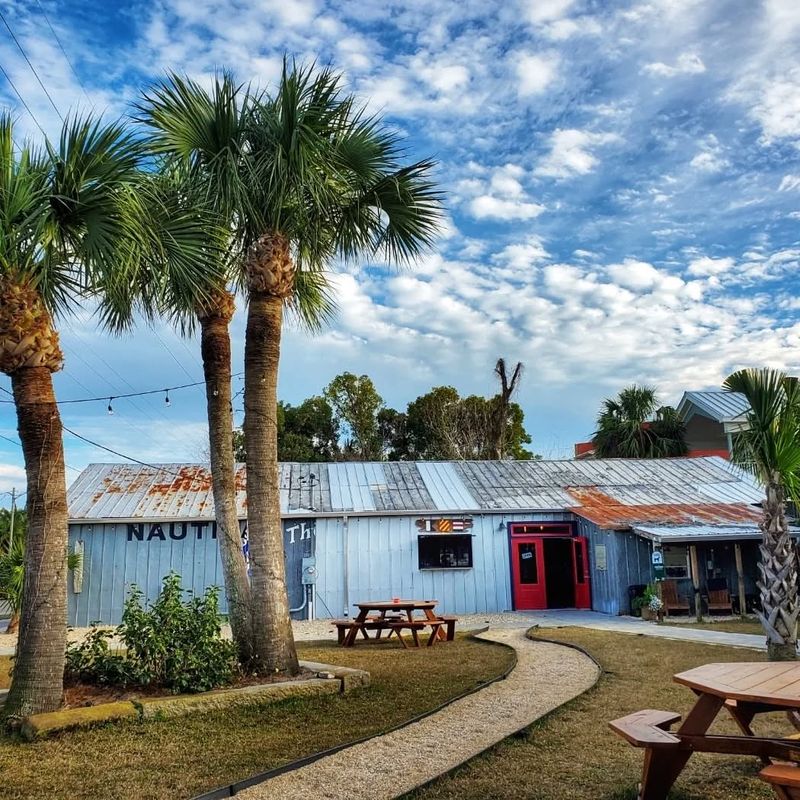
Oysters made this town famous. Founded in 1831, Apalachicola became one of Florida’s most important fishing villages, and its oyster beds still produce some of the finest shellfish in America.
The waterfront looks much like it did a century ago. Wooden storefronts with peeling paint stand proudly along the main street, while historic homes showcase architectural styles from multiple eras. Nothing here feels fake or restored for tourists—this is genuine Old Florida, untouched by the modern world.
Maritime traditions continue to shape daily life. Fishing boats still leave the docks each morning, and locals gather at family-owned restaurants that have served the same recipes for decades.
6. Micanopy
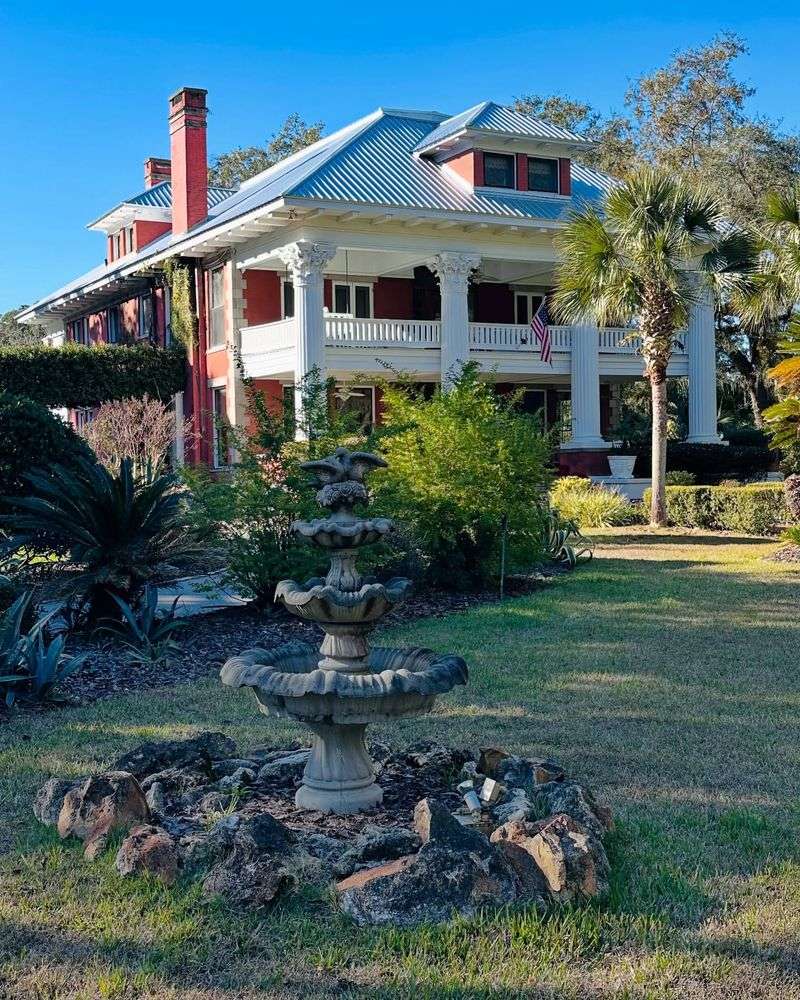
They call it “The Town That Time Forgot,” and one visit proves why. Founded in 1821, Micanopy has barely changed since the 1800s, preserving a slice of old-world Florida that’s increasingly rare.
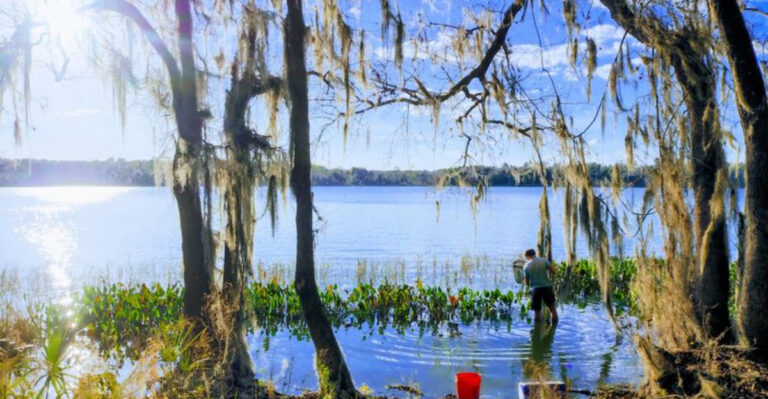
Massive oak trees form a natural canopy over the main street, their Spanish moss swaying gently in the breeze. Antique shops fill historic buildings, offering treasures from bygone eras. The entire town feels like a living museum, but without the ropes and “Do Not Touch” signs.
Locals work hard to maintain this timeless atmosphere. Modern chain stores haven’t invaded, and new construction follows strict guidelines to match the historic character.
7. St. Marks
Spanish explorers established Fort San Marcos here in the 1600s, making this one of Florida’s earliest European settlements. Native Americans, Spanish colonists, and English traders all converged at this strategic point where rivers meet the Gulf of Mexico.
The trading post that developed became vital to frontier commerce. Goods flowed through here for centuries, connecting inland settlements to the wider world. Today, you can still explore the fort ruins and imagine the bustling activity that once filled these grounds.
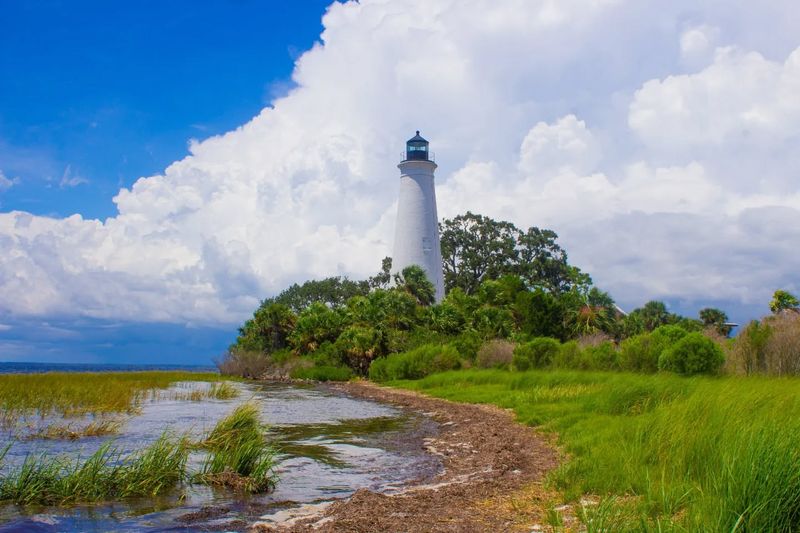
One of Florida’s oldest lighthouses stands guard over the harbor. Built in 1831, it continues warning ships away from dangerous shoals, just as it has for nearly two centuries.
8. Monticello
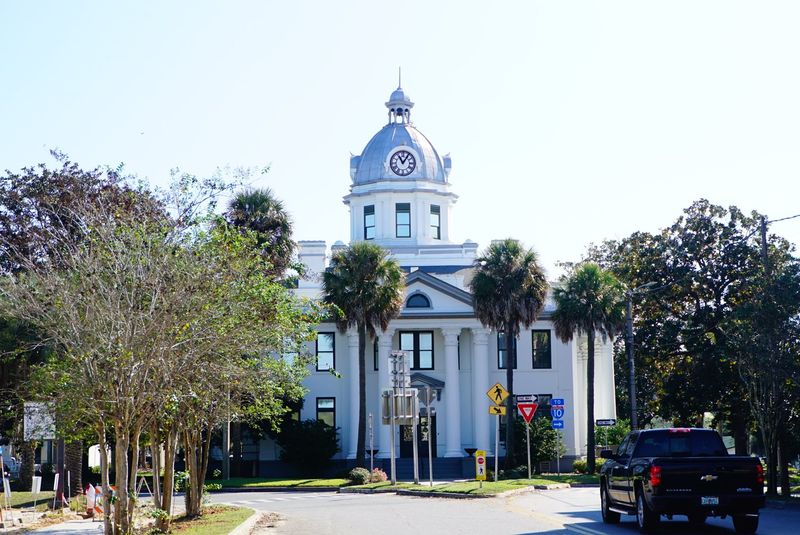
Quiet elegance defines this impeccably preserved town from the 1820s. Monticello never became a bustling city, which turned out to be its saving grace—without modern development pressures, historic structures survived intact.
Antebellum homes with graceful columns line tree-shaded streets, showcasing some of Florida’s finest historic architecture. These weren’t just fancy houses; they were centers of plantation life before and during the Civil War. That difficult history remains visible in every building.
Civil War battles touched this region, and local museums preserve those complicated stories. Walking tours reveal how national conflicts affected this small community. The architecture alone makes Monticello special, but understanding its historical context makes it unforgettable.
9. DeLand
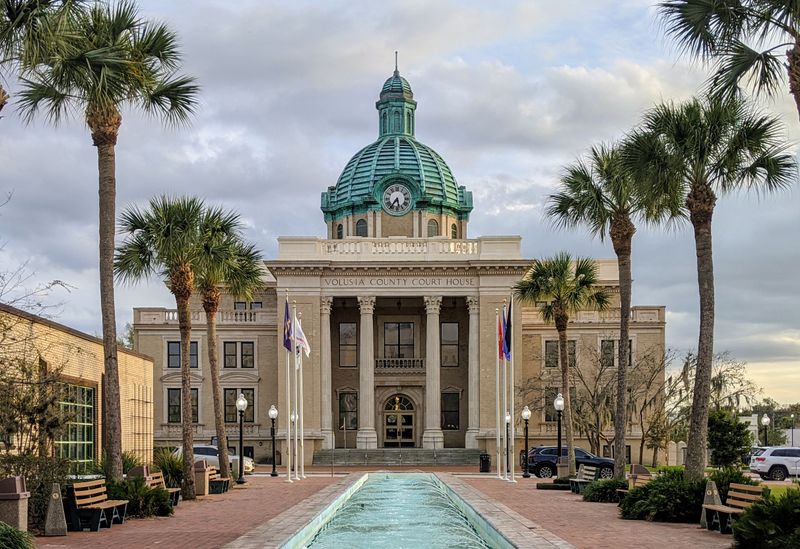
A baking-soda tycoon from New York founded this town in 1876, bringing Victorian sophistication to the Florida wilderness. Henry DeLand invested his fortune in creating an elegant community complete with a university that still bears another famous name: Stetson.
Historic Stetson University gives this town an intellectual atmosphere unusual for frontier Florida. Beautiful Victorian buildings surround a picture-perfect downtown where locals still gather at family-owned shops.
Old Florida meets refined elegance here in unexpected ways. Moss-draped oaks shade streets lined with carefully preserved historic structures. This isn’t the rough pioneer town you might expect—it’s something far more sophisticated and surprising.
10. Tarpon Springs
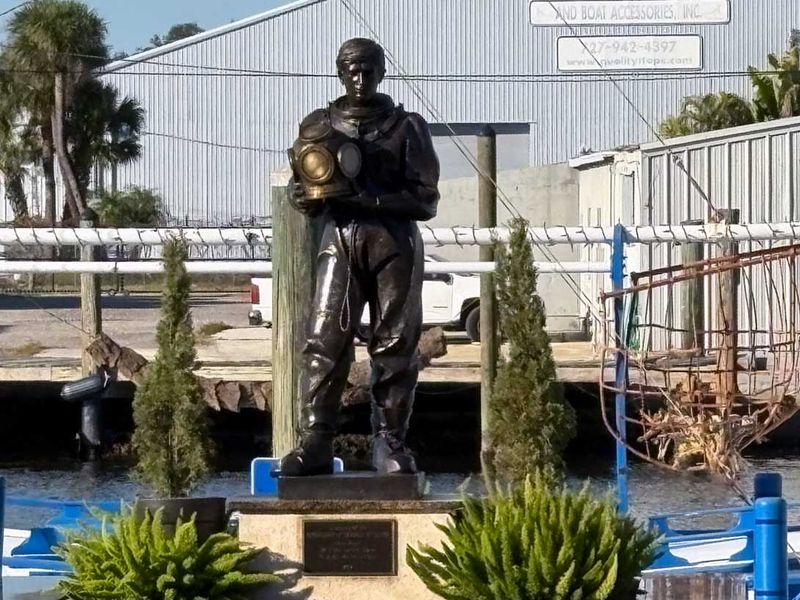
Greek immigrants transformed this sleepy Florida settlement in the 1880s, bringing ancient sponge-diving traditions from their Mediterranean homeland. They built a unique waterfront community that feels more like a Greek island than typical Florida.
Sponge diving remains a living tradition here, not just a tourist attraction. You can watch divers demonstrate techniques passed down through generations, then browse natural sponges at waterfront shops. The industry that built this town continues thriving today.
Greek culture permeates everything—restaurants serve authentic cuisine, festivals celebrate Hellenic traditions, and Orthodox churches display stunning architecture. This isn’t a theme park recreation; it’s a genuine cultural community that has preserved its heritage for over a century.