Florida’s Crumbling Landmarks: Beautiful Ruins That Still Tell a Story
Florida isn’t just about theme parks and beaches. Hidden across the state are crumbling buildings and forgotten places that whisper tales of the past.
From old military forts to abandoned resort towns, these beautiful ruins show us what life was like generations ago, and they’re waiting for curious explorers to discover them.
1. Fort Dade Ruins — Egmont Key State Park
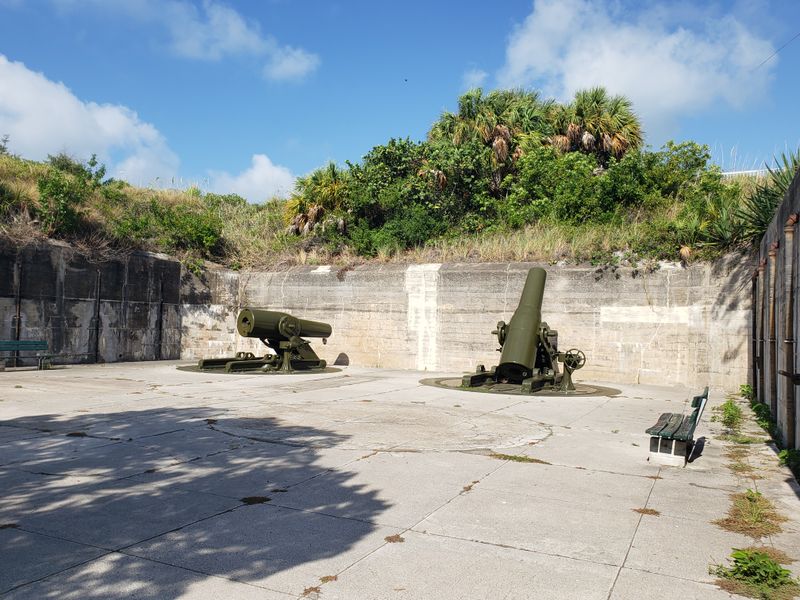
Getting to this hidden gem requires a boat ride, but the journey is worth every wave. Fort Dade was built in the late 1800s during the Spanish-American War to protect Tampa Bay from enemy ships. Now nature has reclaimed most of it, with vines creeping over brick walls and sea turtles nesting nearby.
Walking through the gun battery tunnels feels like stepping back in time. The collapsed barracks and overgrown pathways create an eerie atmosphere that history buffs absolutely love.
You can explore freely while watching for wildlife, since the island is also a protected bird sanctuary.
2. Bulow Plantation Ruins Historic State Park — Flagler Beach
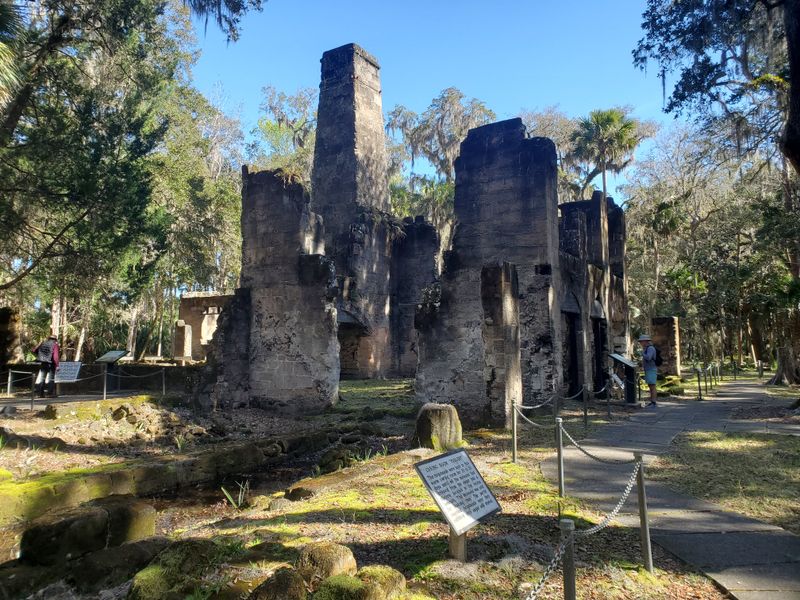
Major Charles Bulow built one of Florida’s largest sugar plantations here in the early 1800s. The coquina stone walls of his massive sugar mill still stand strong despite being burned during the Second Seminole War in 1836. These haunting remains tell a difficult story about Florida’s plantation economy and the enslaved people who were forced to work there.
The quiet setting makes it easy to imagine what this place looked like during its busiest days. Educational signs explain how sugar cane was processed and what daily life was like for everyone who lived here.
The park offers canoeing on Bulow Creek too. Visiting helps us remember and learn from this complicated chapter of Florida history.
3. Sugar Mill Ruins — New Smyrna Beach
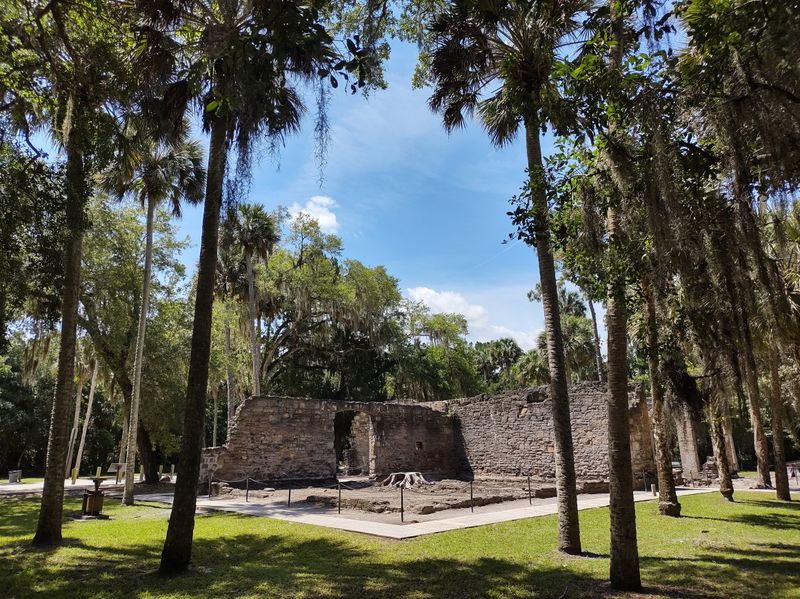
Built in the 1830s from coquina shells, the mill once processed sugar cane into molasses and rum. Today, moss and ferns grow between the stones, creating a magical, forgotten atmosphere that photographers dream about.
The ruins sit in a small park perfect for picnics and quiet reflection. Unlike some historic sites, you can walk right up to touch the rough coquina blocks that have survived hurricanes and time itself. Local legends say the mill might have been connected to an old plantation, though records are sketchy.
4. Old Fort Park Ruins — New Smyrna Beach
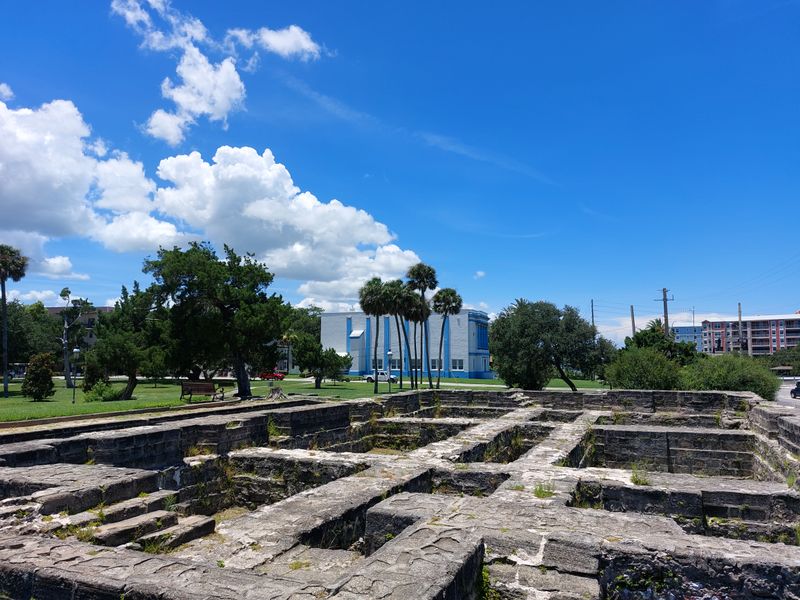
Nobody knows for sure who built this strange coquina structure or exactly when. Some historians think Spanish explorers constructed it, while others believe it might be British or even part of an old plantation. This mystery makes Old Fort Park one of Florida’s most puzzling historical sites, sparking debates among archaeologists and history fans alike.
Unlike typical military forts, this one has an unusual layout that doesn’t match any known design from that era. Walking around the perimeter, you can see how the stones were carefully fitted together by skilled hands centuries ago.
5. White Sulfur Springs Ruins — White Springs
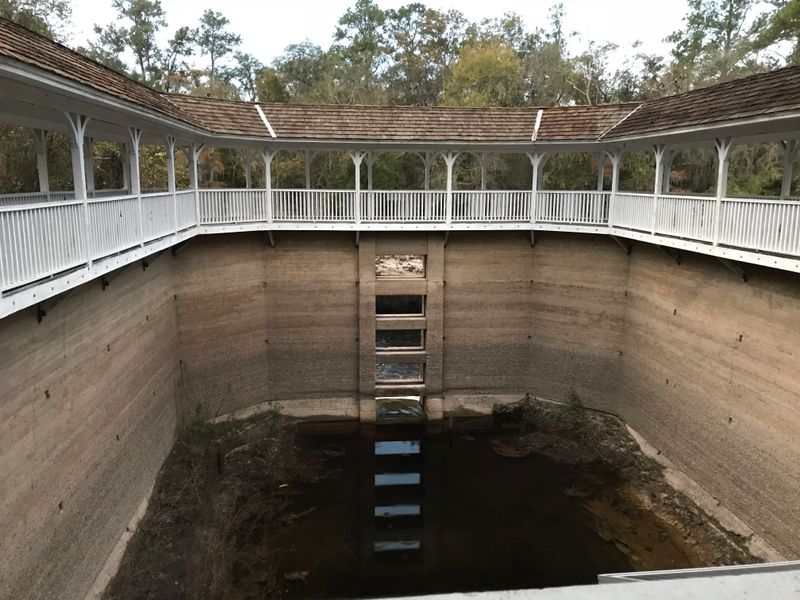
Wealthy Southerners once flocked to this glamorous resort to bathe in mineral springs they believed had healing powers. During the 1800s and early 1900s, grand hotels and bathhouses dotted these grounds, attracting visitors seeking relief from various ailments. Now, only romantic, ivy-draped walls remain, looking like something from a fairytale.
The springs themselves still bubble up from underground, though swimming isn’t allowed anymore. This forgotten spa town shows how quickly Florida’s boom-and-bust cycles can transform thriving communities into ghost towns.
6. Cape Romano Dome Houses — off Marco Island
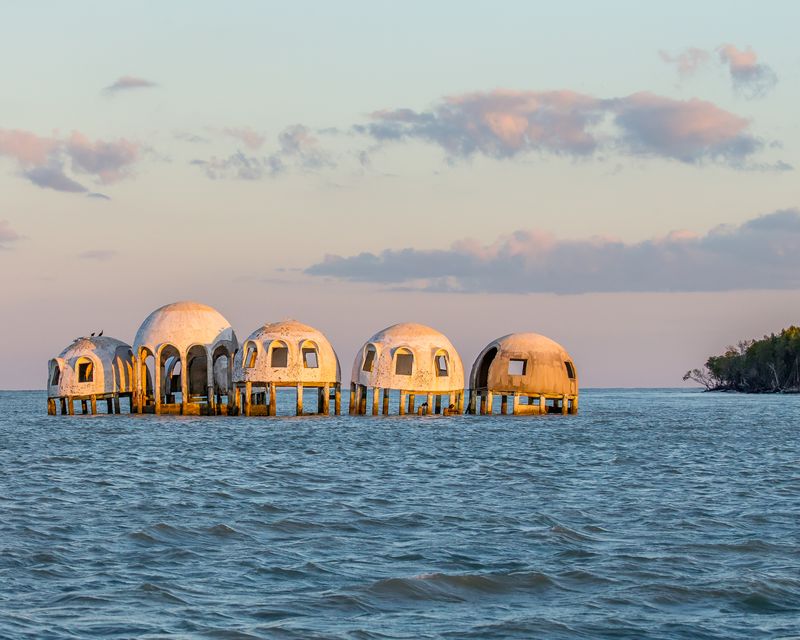
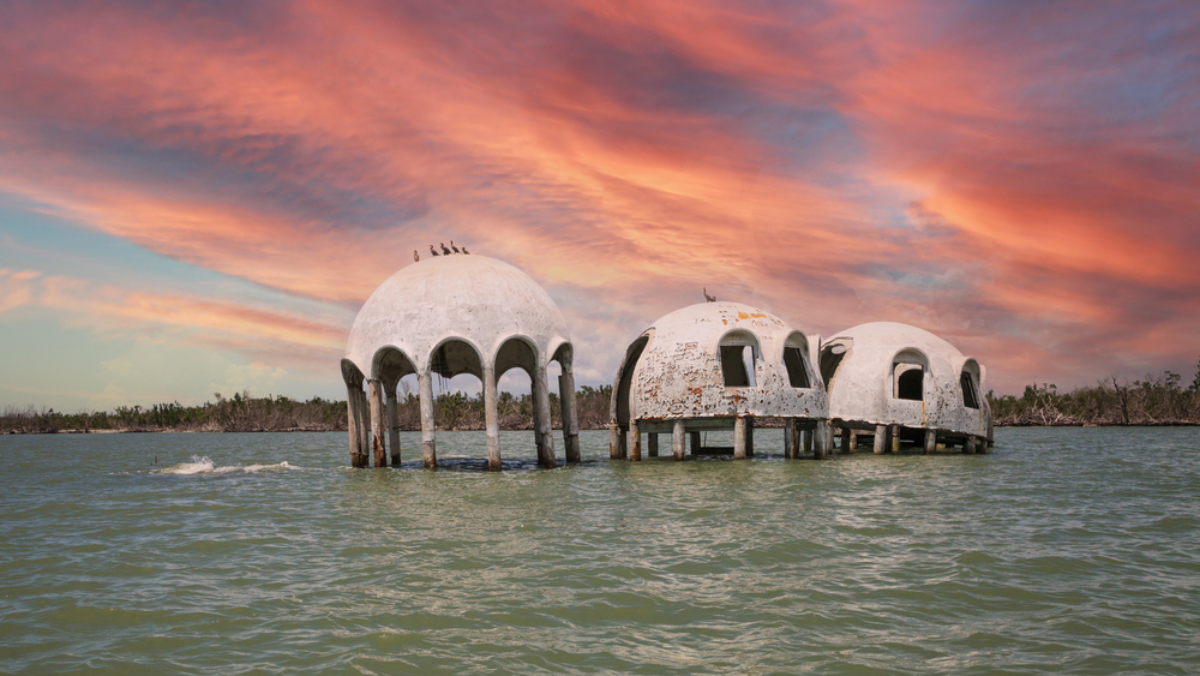
Built in 1981 as a self-sustaining vacation home, the structures originally sat on dry beach land. Coastal erosion has since pulled them into the Gulf of Mexico, where they now lean at crazy angles, half-submerged in waves.
The experimental design featured solar panels and rainwater collection long before those ideas became popular. Six interconnected domes created living spaces with panoramic ocean views through round windows.
7. Indian Key Historic State Park — Islamorada
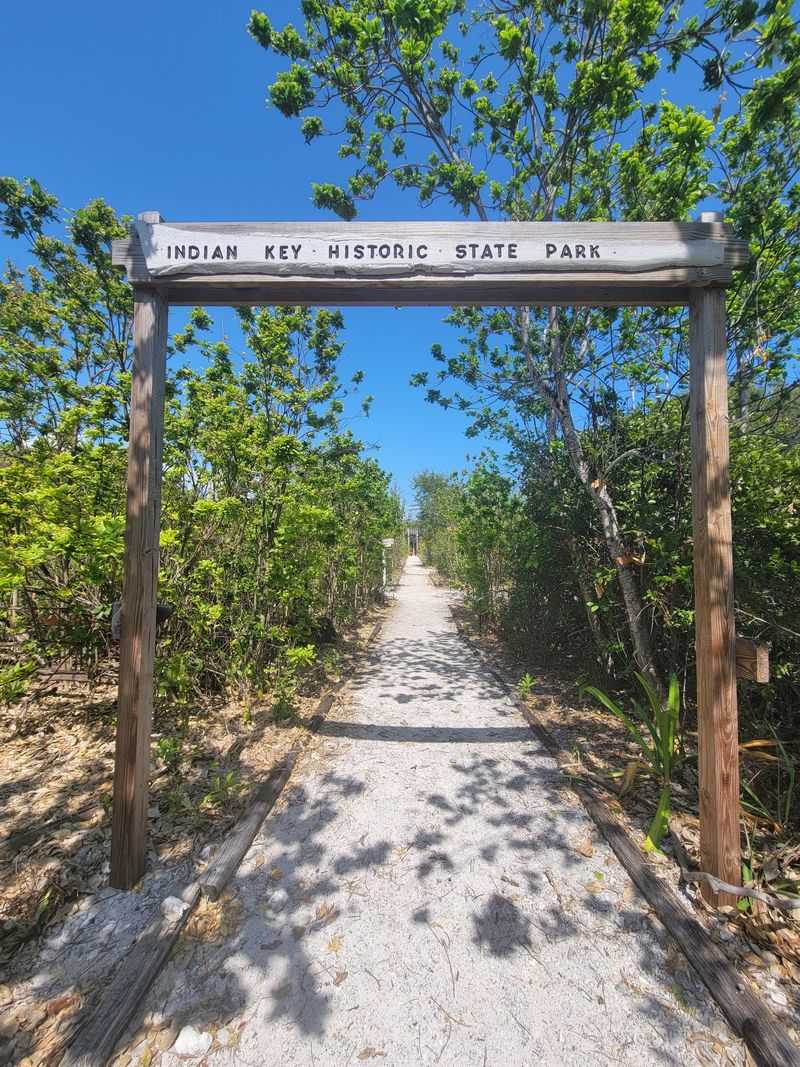
This tiny island once bustled with activity as a wrecking and salvage community in the 1830s. Ship captain Jacob Housman established a thriving town here, complete with stores, a hotel, and warehouses. Everything changed in 1840 when Seminole warriors attacked during the Second Seminole War, burning the settlement and forcing survivors to flee.
Today, you can only reach Indian Key by boat or kayak. Walking trails guide you past low coral-rock foundations marking where buildings once stood. Interpretive signs help you imagine streets, homes, and businesses that disappeared nearly two centuries ago.
The island also features a historic cistern and botanical remnants from a doctor’s tropical plant experiments.
8. Ellaville Ghost Town — near Suwannee River State Park
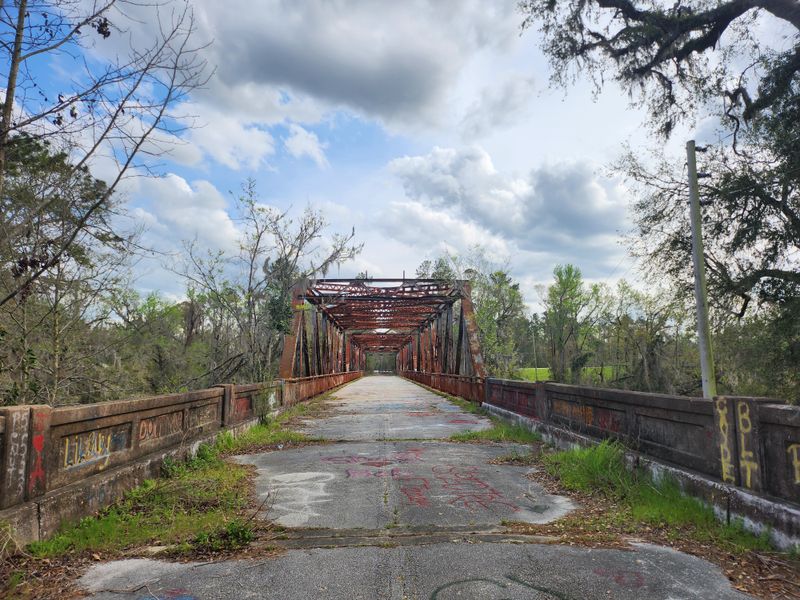
Ellaville thrived briefly as a lumber and turpentine town in the late 1800s and early 1900s. The Suwannee River brought commerce and life to this remote community, with steamboats delivering supplies and taking away timber products. When the railroad bypassed the town and the lumber industry moved on, residents slowly drifted away, leaving their homes to the forest.
Scattered foundations, old bricks, and rusted metal hint at where houses and businesses once stood. The quiet, eerie atmosphere makes you wonder about the families who called this place home.
Trees now grow where children probably played and neighbors once gathered.