The Florida Fishing Village Frozen in the 1960s — And Still Thriving
Step into Cortez, Florida, and it feels like time downshifted without stopping. Wood docks creak, gulls bark, and the scent of mullet smoke curls through the air like a memory you can taste. Yet nothing here is staged for show, and the work never paused. You are walking into a living village that chose to keep its soul while the shoreline changed around it.
1. A Village Time Forgot — On Purpose
Cortez looks like a page torn from the 1960s because the people who live here never let the pages flip too fast. You hear diesel engines, boots on planks, and easy greetings traded across the docks. Everything invites you to slow down and notice what still matters.
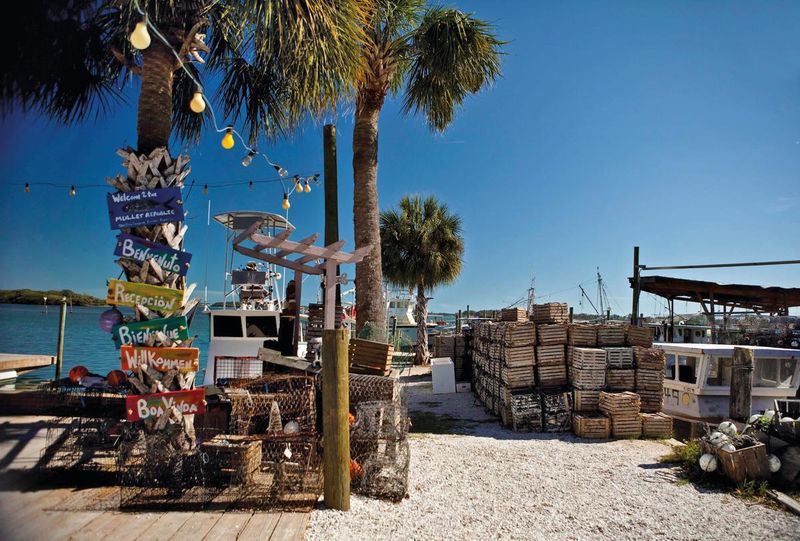
This is one of Florida’s last true working fishing villages, not a nostalgic set piece. Fish houses stand lean and honest, built for hauling, mending, and icing down the day’s catch. You can taste the Gulf in the breeze and see history salted into every board.
The preservation was deliberate, stubborn, and proud. Progress happens here, but only on neighborhood terms. That choice is why the village still hums.
2. How Cortez Became a Living Time Capsule
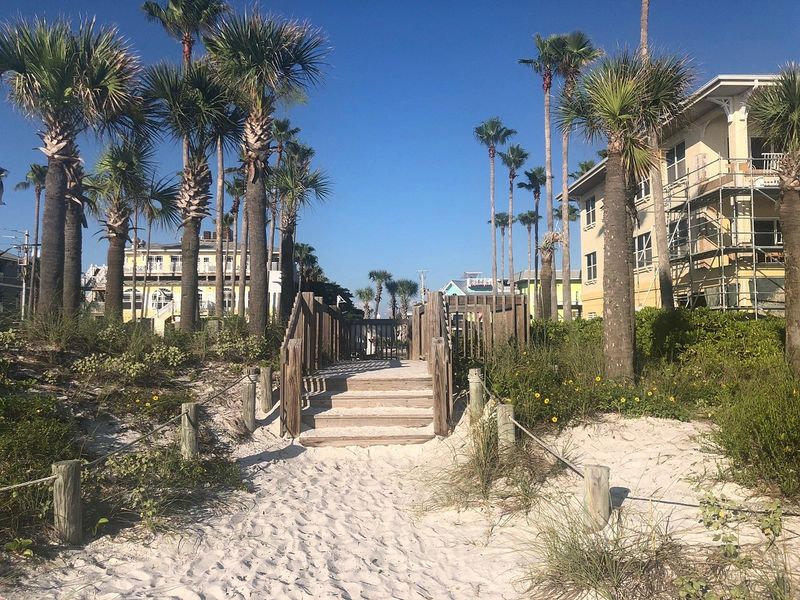
In the 1880s, settlers from North Carolina hauled their skills and grit to this quiet corner of Manatee County. They built cottages, smokehouses, and docks with the same hands that hauled nets. The shoreline became a workshop, not a showroom.
Modern development skimmed past, slowed by community resolve and geography. Regulations came, storms came, and new roads pulsed with growth elsewhere. Here, families doubled down on fishing culture rather than chasing condo views.
So little changed because the work stayed the point. The village’s bones stayed useful, and useful things do not get redesigned much. You see weathered siding, low roofs, and porches that still earn their shade with every Gulf breeze.
3. Working Docks, Net Yards, and Weathered Boats
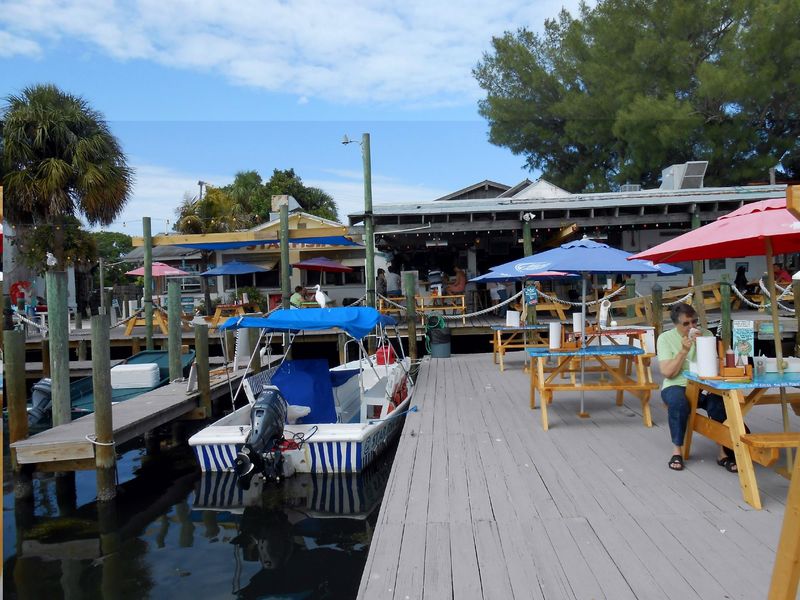
Walk the waterfront and you will find the soundtrack of work: winches ticking, knives whispering on boards, and radios muttering weather. Commercial boats ride low, their rigging etched against bright sky. Nets hang in patient folds, mended with quiet skill.
Fish houses wear salt like armor, doors thrown open to ice and steam. Pallets creak, gulls patrol, and bait scales glitter on planks. Nothing here is curated for Instagram, yet every scene is perfect.
The docks smell like diesel, brine, and yesterday’s mullet. You learn fast that authenticity is not a slogan but a practice. These textures, these rhythms, keep Cortez anchored while the coast races ahead.
4. A Community Built on Grit, Tradition, and the Sea
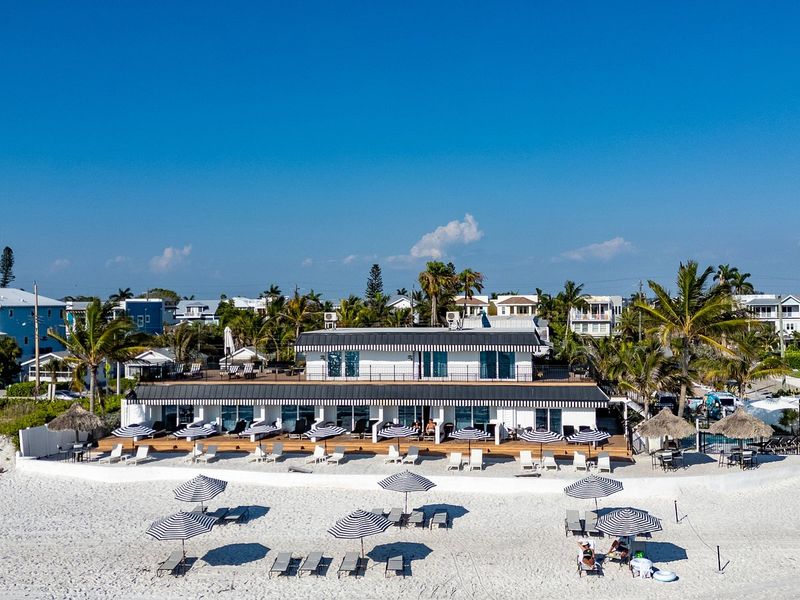
In Cortez, tradition is a living thing passed hand to hand, knot to knot. Grandparents teach net mending, tides, and patience. Kids learn to read clouds the way others read screens.
Families here do more than fish. They defend a way of life that measures success in steady seasons and safe returns. Sunday suppers carry stories of storms survived and schools of mullet found by sound and sense.
Old Florida means practical kindness, weather wisdom, and stubborn independence. You feel it when neighbors look out for one another. That shared grit holds the village together like tarred twine, binding past and present in the same tough weave.
5. How Cortez Has Survived Modern Pressures
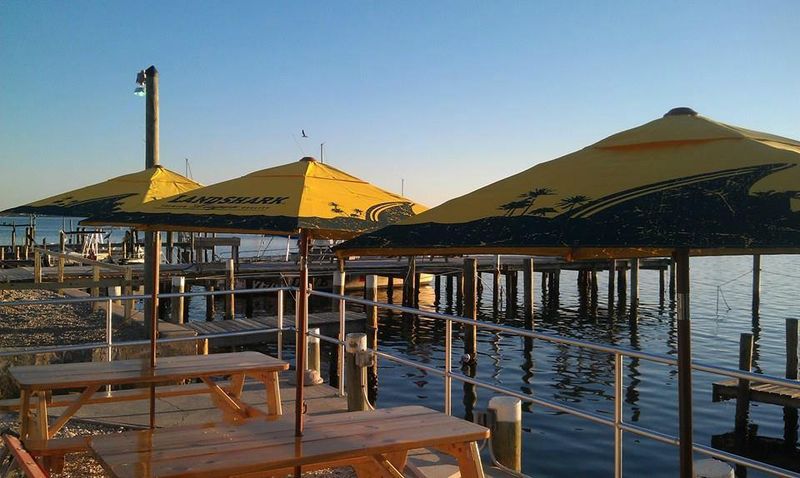
Cortez has taken hits from regulations, red tides, and boomtime development pressing from every direction. Instead of folding, the village adjusted gear, schedules, and target species. Boats evolved while keeping the old knowledge close.
Permit changes reshaped seasons, so planning got sharper. Environmental swings demanded cleaner operations and better handling. Through it all, demand for honest Gulf seafood stayed loyal.
Innovation here looks practical, not flashy. Ice is colder, logistics faster, and communication tighter, but the work remains hands on. That blend of adaptation and tradition lets Cortez ride out headwinds and keep the docks busy.
6. Where Today’s Catch Meets Yesterday’s Methods
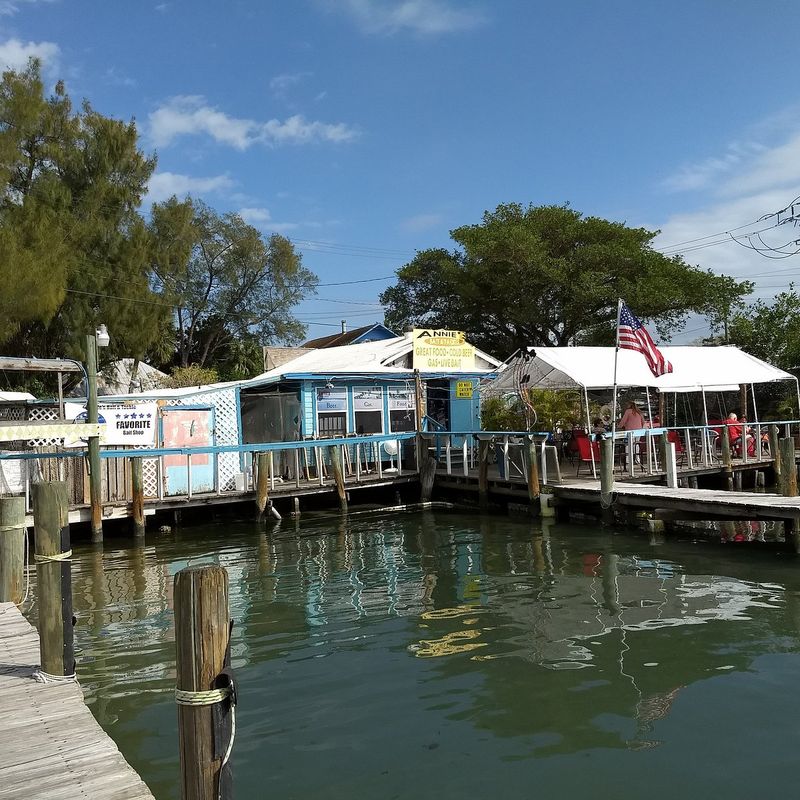
Follow your nose to smokehouses where mullet turns bronze and the air tastes like memory. Markets display fillets on ice beside yesterday’s nets. You meet seafood as a neighborhood craft, not a commodity.
Order a fried grouper sandwich that crunches, or smoked fish spread with a squeeze of lemon. Simple recipes let freshness lead, just like decades ago. The rhythm from boat to block to plate stays blessedly short.
Tech helps with cold chains and cleanliness, but methods stick close to the 1960s playbook. You can trace flavors to boats anchored yards away. That direct line is the secret sauce, and you feel it with every bite.
7. Experiencing Cortez as a Visitor
Come hungry and curious, but remember this is a working village. Stick to public areas, mind posted signs, and give crews room to move. Early mornings are best for light, sound, and honest scenes.
Eat at the seafood shacks, try smoked mullet, and grab fish spread to go. Walk the waterfront, photograph boats from respectful distances, and chat when folks are not hauling. Museums and local markers help your pictures make sense.
Leave only footprints and compliments. Support markets, tip well, and park where locals ask. If you keep the magic intact, it will be here the next time you return.
8. Why Cortez Matters More Than Ever
Cortez is more than charming scenery. It is proof that a coastal community can protect its identity while still earning tomorrow’s paycheck. That balance feels rare, and it should not be.
Preservation here means skills kept alive, habitats watched closely, and seafood sourced with respect. When you support places like this, you protect working knowledge that textbooks miss. You also keep dollars circulating on the docks.
Communities anchored in craft build resilience for storms and seasons we cannot predict. Cortez shows how culture and sustainability walk the same pier. Help it endure by visiting thoughtfully, buying local catch, and telling the story forward.