The One Florida River Float Everyone Should Do at Least Once
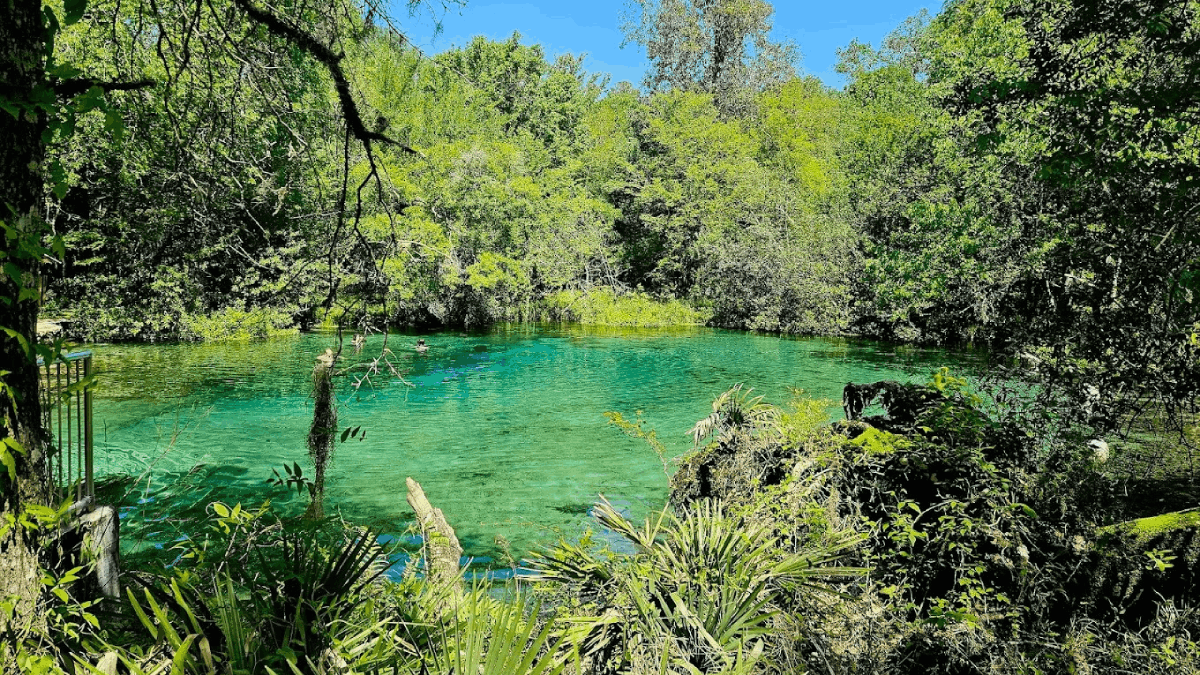
Floating down a crystal-clear river surrounded by lush Florida wilderness is an experience that stays with you forever. The Ichetucknee River in Fort White offers exactly that—a peaceful, scenic journey through spring-fed waters so transparent you can count fish swimming beneath your tube.
Whether you’re seeking adventure, relaxation, or just a memorable day outdoors, this iconic float has earned its reputation as Florida’s must-do river experience.
Welcome to Ichetucknee: Florida’s Most Iconic River Float
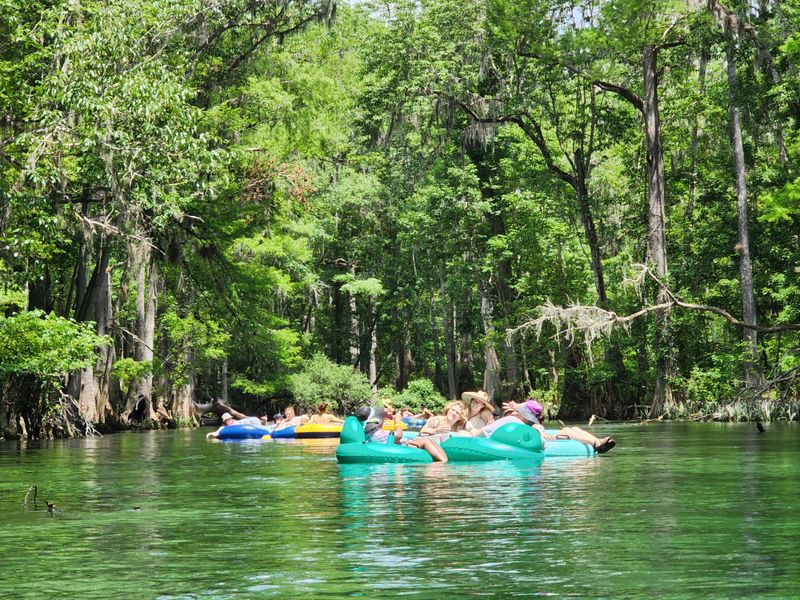
Nestled in North Central Florida, Ichetucknee Springs State Park has become legendary among river enthusiasts and families alike. The park protects six miles of pristine waterway fed by eight major springs that pump out 233 million gallons of fresh water daily.
This natural wonder maintains a constant 72-degree temperature year-round, creating the perfect environment for tubing adventures. Visitors come from across the state and beyond to experience the river’s legendary clarity and tranquil beauty.
The combination of accessible facilities, stunning scenery, and reliable conditions makes this spot genuinely special for first-timers and seasoned floaters alike.
Where the Ichetucknee Is and Which Entrance to Use
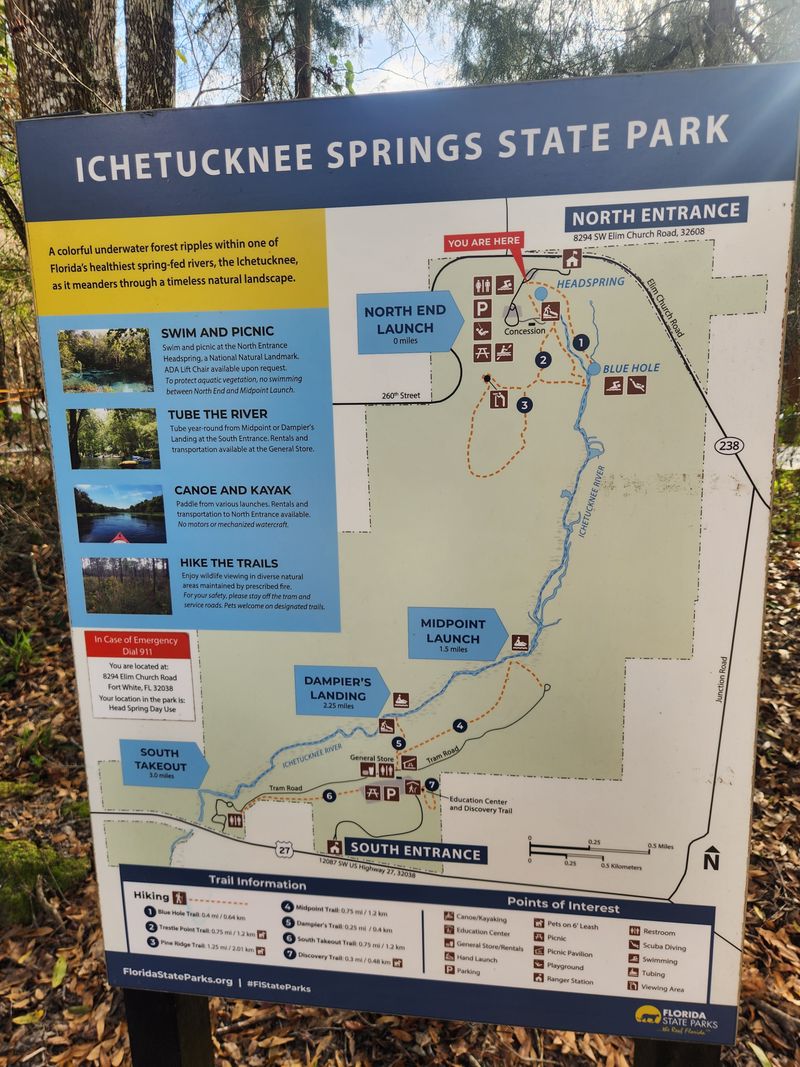
Located at 12087 Southwest US-27 in Fort White, the park sits about 45 minutes northwest of Gainesville and two hours from Jacksonville. Getting there requires a scenic drive through old Florida countryside that sets the mood perfectly.
The park features two main entrances: the North Entrance near Fort White and the South Entrance off Highway 27. Most tubers prefer starting at the North Entrance, where the main springs and longer float routes begin.
During peak summer season, the North Entrance often reaches capacity by mid-morning, so arriving early matters. The South Entrance offers shorter float options and typically has better availability later in the day.
How the Float Works: Tubes, Shuttles, and River Routes
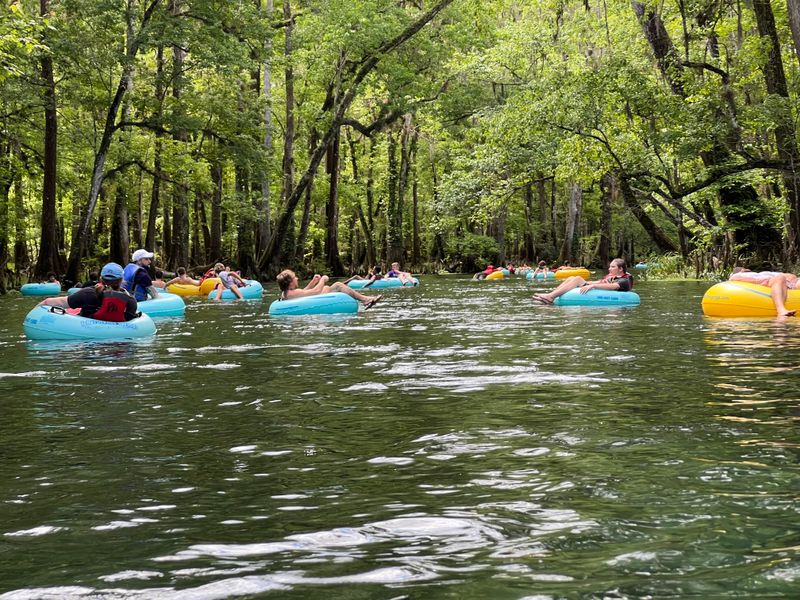
Your adventure begins with either renting tubes at the park or bringing your own approved flotation device. Park-provided tubes cost a small fee and meet all safety requirements, saving you the hassle of hauling equipment.
After securing your tube, hop aboard the tram shuttle that transports floaters to upstream launch points. The full float from the North Entrance covers roughly three miles and takes about three hours at a leisurely pace.
A shorter route starting mid-river offers a gentler one-hour option perfect for younger children or those with limited time. The river’s gentle current does most of the work, allowing you to relax and soak in the surroundings without paddling.
Why the Water Is So Clear (and So Cold)
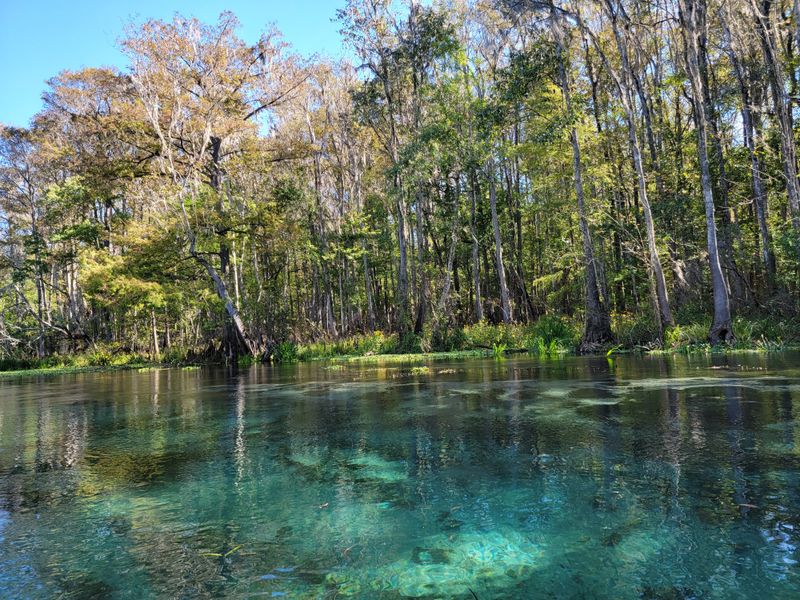
Eight major springs feed the Ichetucknee, pumping out water that has been naturally filtered through limestone aquifers for decades. This underground journey removes impurities and creates the remarkable clarity that defines the river’s character.
The constant 72-degree temperature comes directly from deep underground sources, making the water refreshingly cool even during sweltering Florida summers. That temperature shock initially takes your breath away, but your body adjusts within minutes.
This consistent coolness actually feels amazing on hot days, though many visitors recommend wearing water shoes and bringing a light waterproof layer for sensitive swimmers. The visibility often exceeds 100 feet, letting you watch turtles, fish, and vegetation glide beneath your tube.
Best Time to Go for Fewer Crowds and Better Conditions
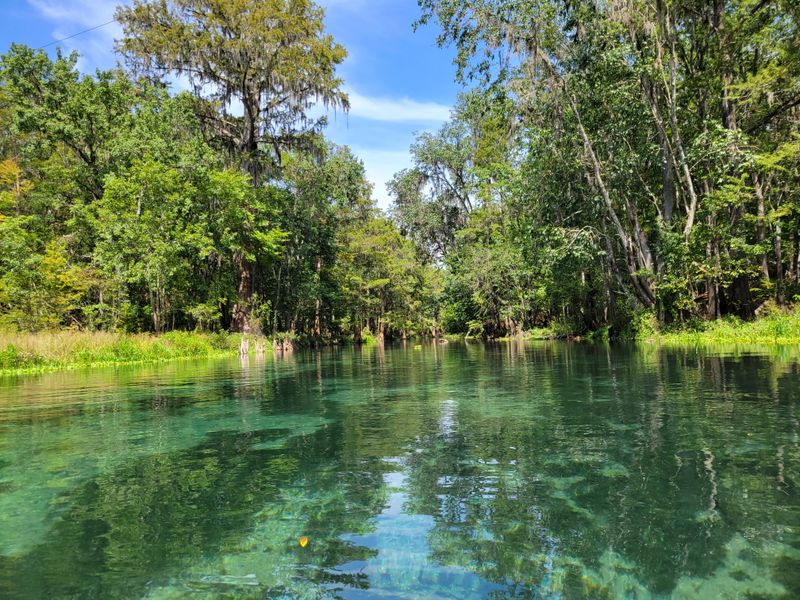
Summer weekends transform Ichetucknee into a bustling aquatic highway packed with families and college students seeking relief from the heat. If you prefer a more serene experience, consider visiting during spring or early fall when temperatures remain pleasant but crowds thin dramatically.
Weekday mornings, especially Tuesday through Thursday, offer the most peaceful conditions even during peak season. The park limits daily visitors to protect the delicate ecosystem, so checking availability online before driving helps avoid disappointment.
Water levels stay consistent year-round thanks to spring flow, meaning excellent floating conditions exist even in cooler months. Just bring appropriate gear for air temperatures, and you’ll discover a completely different, more intimate side of this beloved waterway.
What to Bring, What to Rent, and What’s Not Allowed
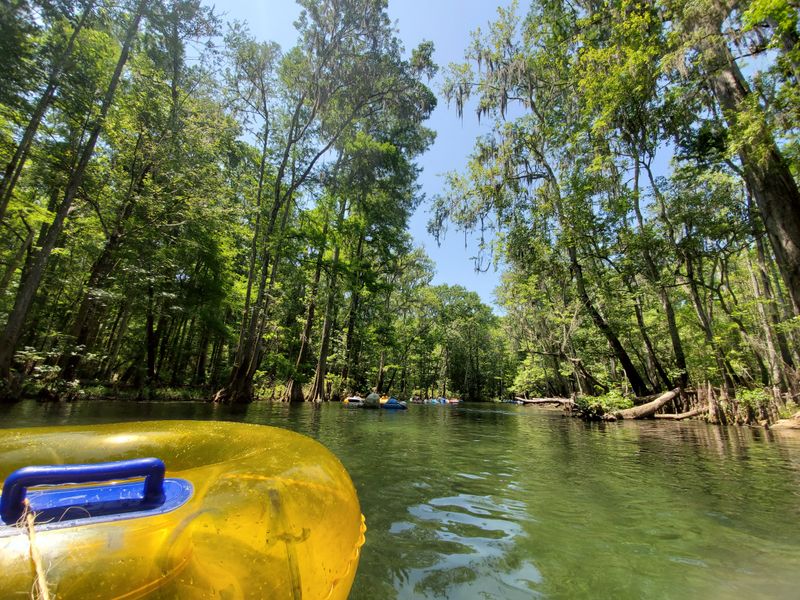
Pack light but smart: water shoes protect feet from rocks and sticks, waterproof phone cases keep devices safe, and reusable water bottles stay hydrated throughout your journey. Sunscreen is absolutely essential—apply generously and choose reef-safe formulas that won’t harm aquatic life.
The park strictly prohibits disposable containers, Styrofoam coolers, and alcoholic beverages to preserve the pristine environment. Approved coolers attached to tubes can carry snacks and drinks in reusable containers.
Tube rentals include basic inner tubes, while personal flotation devices must meet specific size and material requirements. Leave glass, single-use plastics, and valuables in your vehicle. The park provides secure parking and basic facilities at both entrances for storing belongings during your float.
How Long It Takes and What You’ll See Along the Way
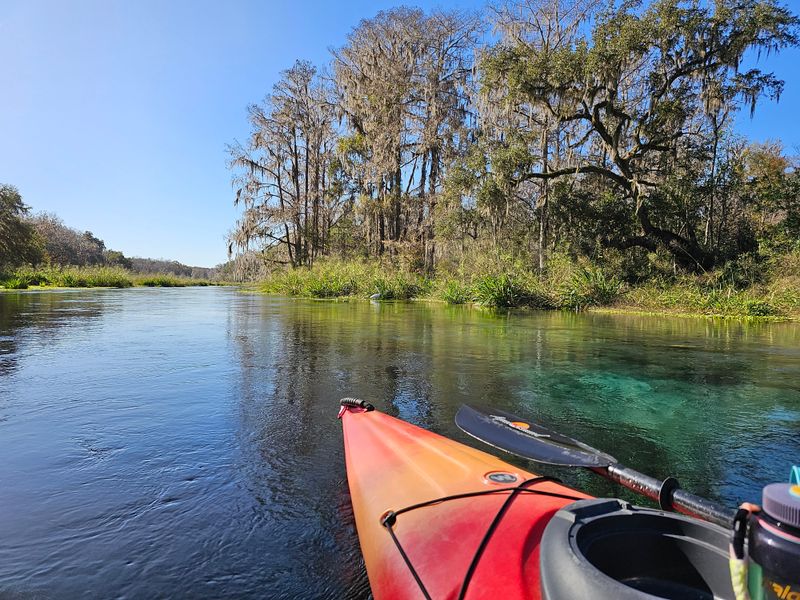
The full three-mile journey typically takes between two and four hours, depending on water flow and how often you stop to explore. Rushing defeats the purpose—this experience rewards those who surrender to the river’s unhurried rhythm.
Along the route, you’ll encounter multiple spring vents bubbling up from the sandy bottom, creating mesmerizing underwater formations. Cypress trees draped with Spanish moss line the banks, while limestone outcroppings provide natural landmarks.
Wildlife sightings happen frequently: turtles sunbathing on logs, various fish species darting below, wading birds hunting in shallows, and occasionally river otters playing nearby. Some sections feature rope swings where adventurous floaters can launch themselves into deeper pools, adding excitement to the otherwise peaceful drift downstream.
Make It a Full Day: Springs, Trails, and Nearby Stops After the Float
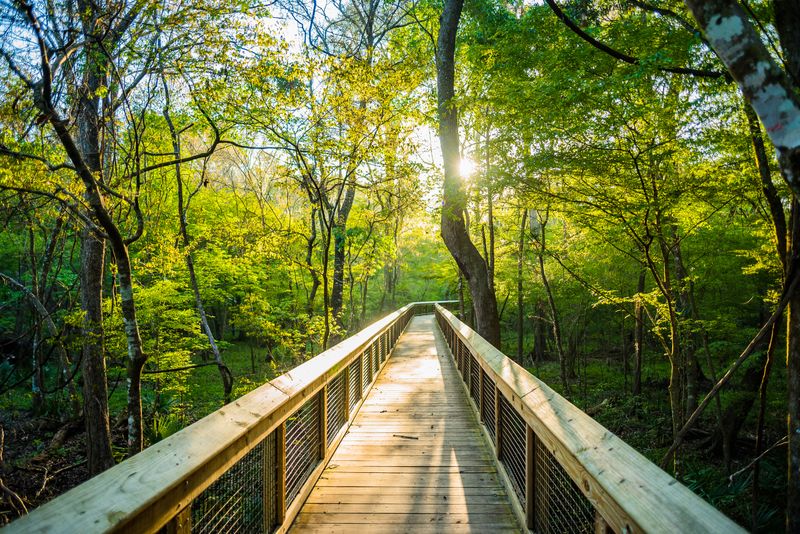
After your float concludes, the park offers additional ways to extend your adventure beyond the river. Blue Hole Spring near the North Entrance provides an excellent swimming spot with stairs leading into crystalline water perfect for cooling off.
Several nature trails wind through the park’s wetlands and upland forests, offering opportunities to spot wildlife and enjoy Florida’s diverse ecosystems from a different perspective. These paths range from easy quarter-mile walks to longer explorations.
Fort White and nearby High Springs feature local restaurants serving everything from barbecue to fresh seafood, ideal for refueling after your aquatic adventure. Some visitors combine their Ichetucknee trip with exploring other nearby springs or visiting the charming downtown areas, creating a full North Florida experience worth remembering.