Florida’s Most Intense Hiking Trail Isn’t for the Claustrophobic

Think hiking sounds simple until the walls close in around you. The Interpretive Cave Dive Trail at Wes Skiles Peacock Springs pushes comfort zones with tight passages, flooded corridors, and a relentless sense of depth. You will trace a subterranean route where every guideline tag and limestone notch tells a story. If you crave adrenaline, precision, and awe, this underground trek will hook you from the first bubble.
1. Trail Overview and Entry Points
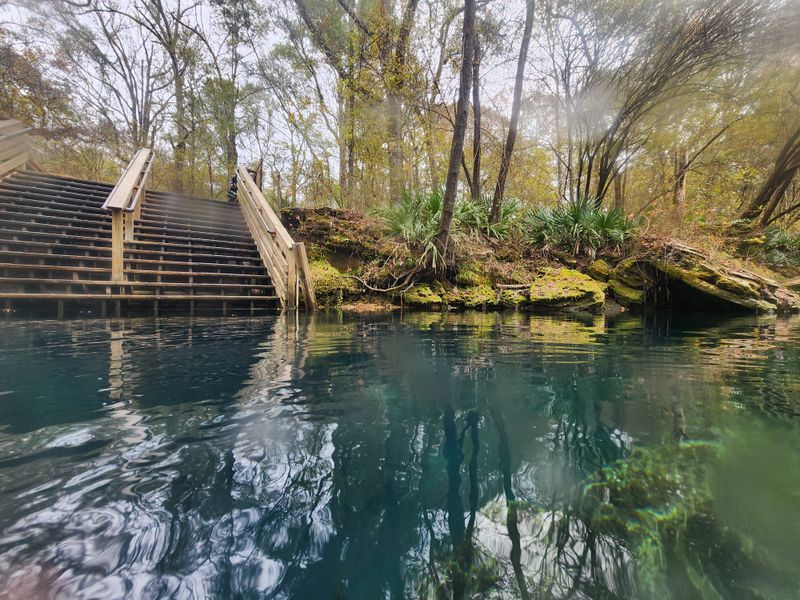
Start at Wes Skiles Peacock Springs State Park, where the karst forest parts to reveal sapphire windows into a sprawling cave network. The Interpretive Cave Dive Trail links Peacock, Peanut, and Olsen through submerged corridors, guiding you with numbered markers and sturdy guidelines. You move from sunlight to liquid twilight fast, crossing sandy banks and sinkhole lips.
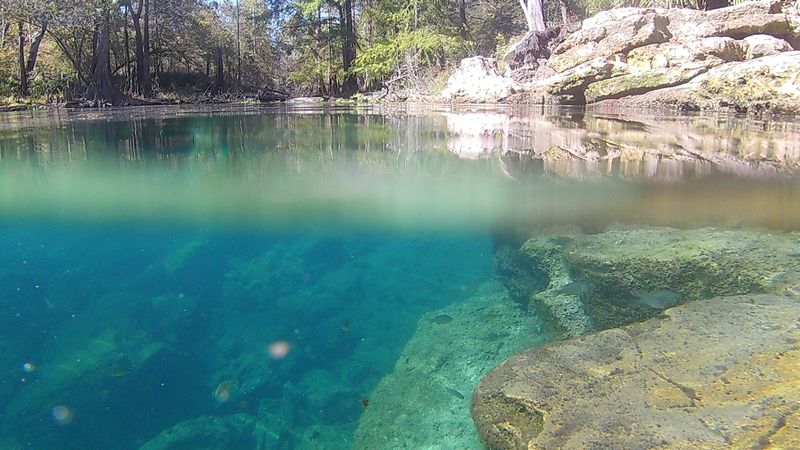
Entry points are clearly signed, with benches, maps, and gear staging areas. Even topside, the air smells mineral rich, hinting at the underground maze. You will peer into water so clear it magnifies limestone textures, then slip beneath, following the trail narrative from station to station.
2. Guidelines, Arrows, and Safety Markers
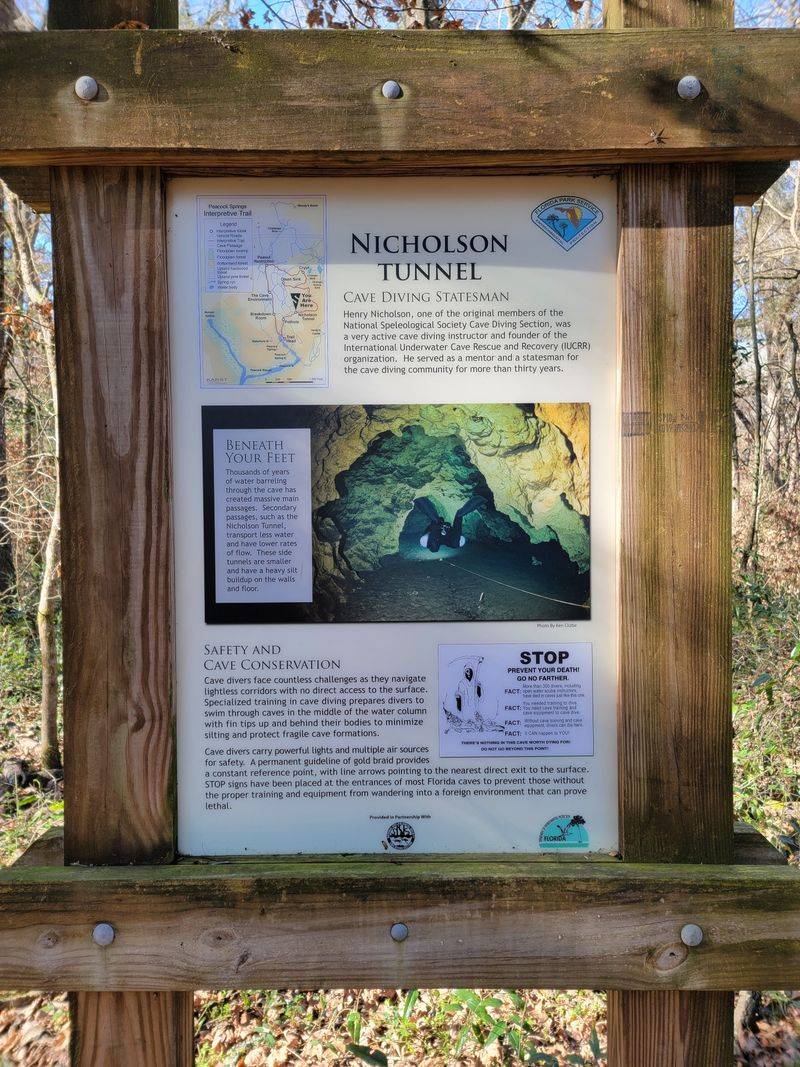
The Interpretive Cave Dive Trail teaches you to read the language of the line. Permanent guidelines thread the passage like a lifeline, punctuated by directional arrows and station plates. Cookies and personal markers help you confirm orientation, while arrows consistently point you homeward.
Pause at each interpretive stop to study flow scallops and ceiling notches that once trapped bubbles. You will learn to keep one hand on the line, one eye on silt, and your mind on gas. The system rewards discipline. Treat every marker as a sentence in a conversation about exit strategy, redundancy, and consent to proceed further.
3. Squeeze Passages and Claustrophobic Sections
This trail earns its reputation in the restrictions. Some passages narrow to shoulder width, demanding perfect trim and calm breathing. You will stream through tight rock windows, aware of every hose, D ring, and fin tip grazing limestone.
Claustrophobia whispers here, but the interpretive approach helps you anticipate squeezes. Practice frog kicks and micro movements to prevent silt outs. Exhale to slide, inhale to rise, and keep the guideline in gentle contact. The thrill is real, but so is the need for restraint. Move with intention, avoid contact where possible, and trust the route design to keep you oriented.
4. Hydrology and Spring Flow Lessons
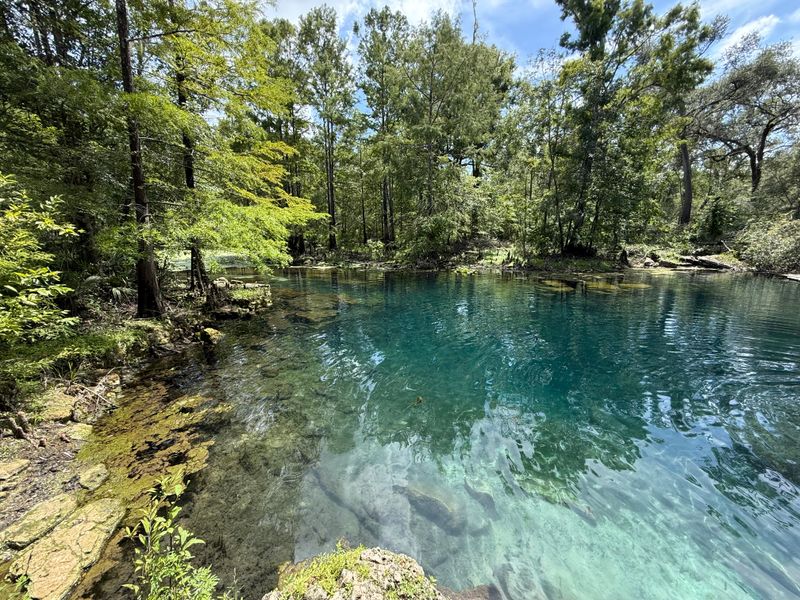
The Interpretive Cave Dive Trail doubles as a hydrology classroom. You will watch sand boil at vents, see ripples etched into rock by persistent flow, and feel currents tug your gear. Flow direction informs your gas planning and exit strategy.
Interpretive plaques explain how rain filters through porous karst, feeding the Suwannee basin. Ceiling domes trap bubbles, leaving soot rings that chart diver traffic. Touch nothing, read everything. Flow can flip your fin plan, so streamline and time your turns. Hydrology is not abstract here. It is the moving handwriting that sculpts every corridor you travel.
5. Gas Rules and Turn Pressures
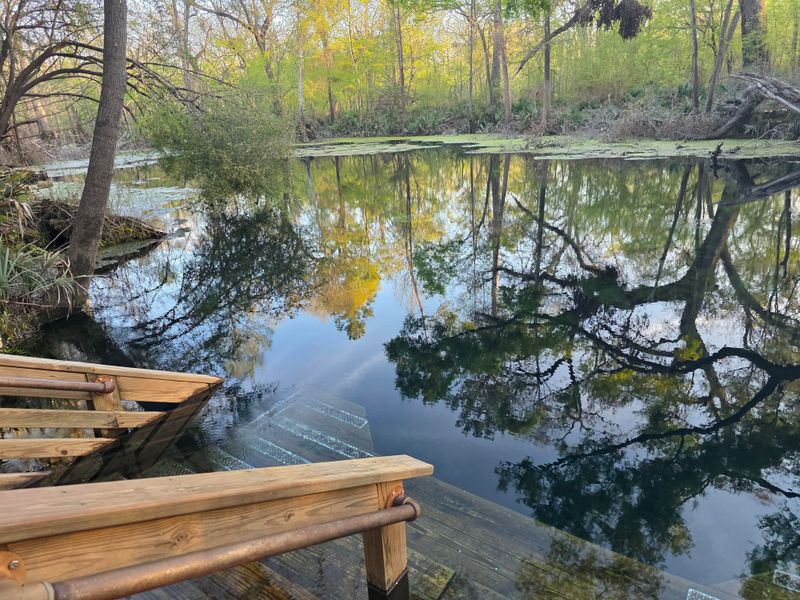
Nothing on this trail matters if gas planning fails. You will practice the rule of thirds or more conservative splits depending on team size and restrictions. Wetnotes accompany every calculation, and turn pressures get confirmed at each interpretive checkpoint.
Expect reminders about lost line drills, shared gas protocols, and staging etiquette. You will check SPGs deliberately, compare with teammates, and note consumption in still versus flowing segments. The interpretive design nudges you toward disciplined decisions. When the gauge says turn, you turn. Confidence here comes from math, not bravado, and that math gets reviewed before every descent.
6. Silt Management and Zero Visibility Drills
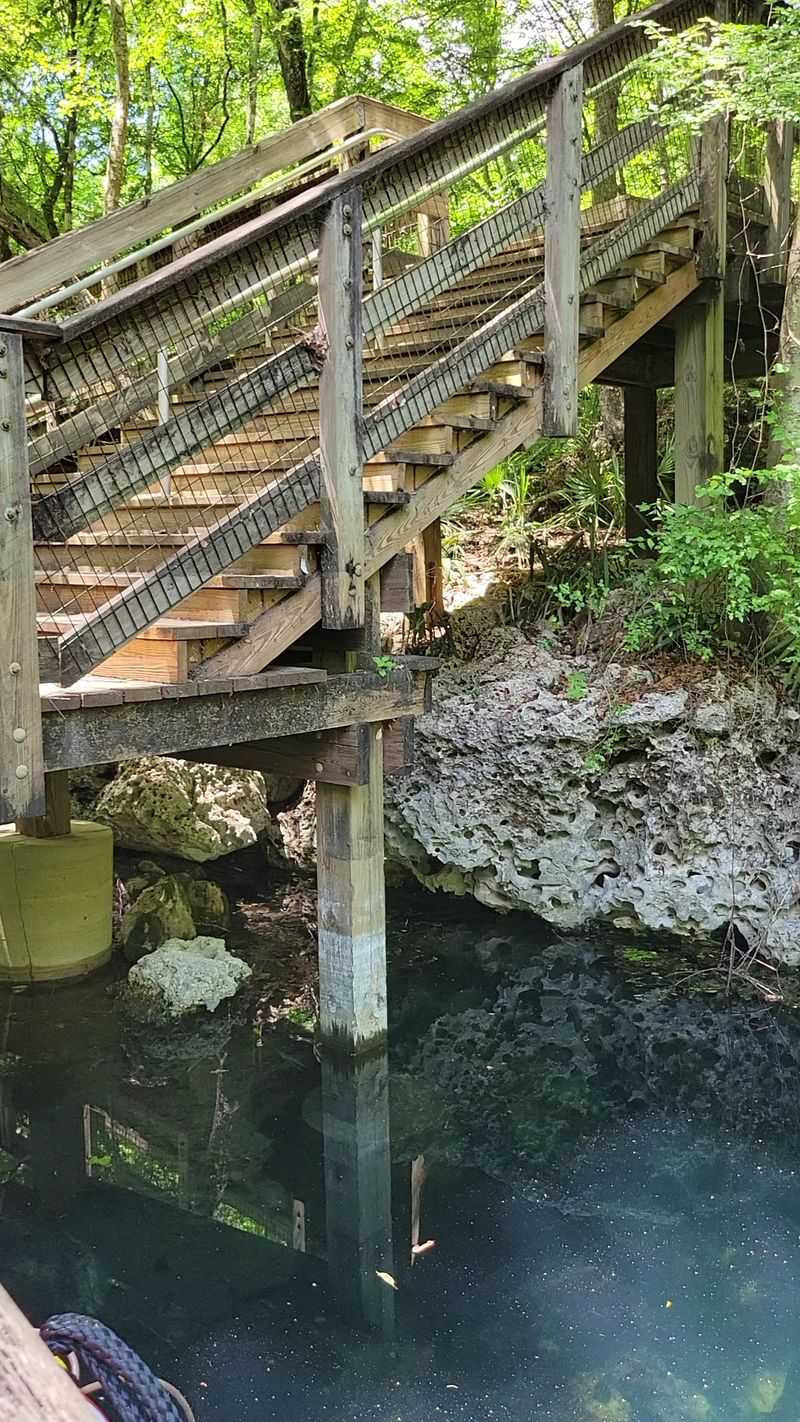
The floor at Peacock can be forgiving until it is not. One careless flutter kick and the world turns milk white. The trail emphasizes posture, buoyancy, and low energy kicks to preserve visibility and habitat.
Interpretive stops suggest practicing touch contact and lost visibility procedures under supervision. You will learn to pause, slow exhalations, and feel textures along the guideline without yanking it. Ceiling percolation can snow down, so look up before turning. Silt management is etiquette and safety combined. Master it, and the cave stays breathtaking for everyone who follows.
7. Wildlife, Formations, and Conservation Ethics

Beyond adrenaline, this is a living system. You may glimpse albino crayfish, amphipods, and shy eels tucked between limestone ledges. Strobe less photos, gentle lights, and zero touch are the norm.
Interpretive panels reinforce leave no trace diving and minimize percolation. You will learn why finger marks and fin scars persist for years on delicate walls. Pack out every scrap, secure boltsnaps, and keep gear streamlined to avoid bumps. Conservation is not optional here. The cave remembers every careless contact, and your best souvenir is a pristine passage left exactly as found.
8. Logistics, Hours, and Best Seasons
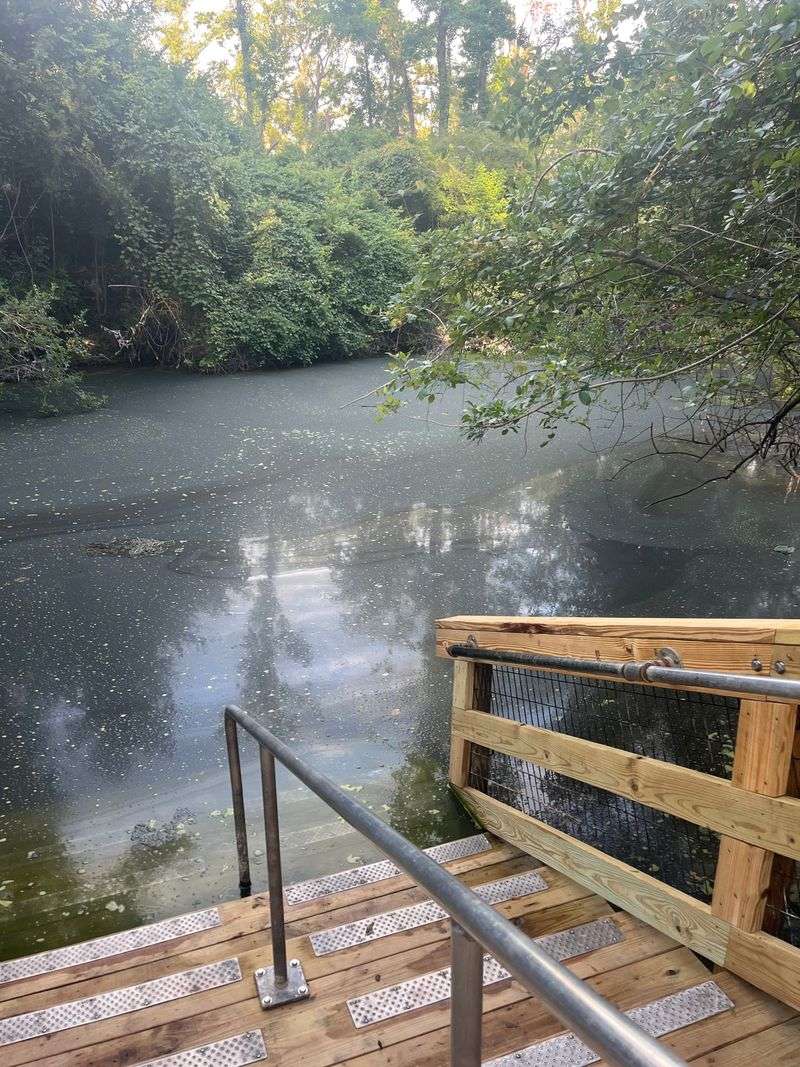
Plan your day around the park schedule. Wes Skiles Peacock Springs State Park runs 8 AM to 8 PM daily, and early arrivals get the calmest water. You will check in, review conditions, and stage gear at marked benches before walking the short paths to entries.
Winter and early spring often bring clearer flow and fewer storms. Summer heat ramps up surface intervals, so hydration matters. Phone the ranger station for visibility notes and temporary closures. Respect training limits, bring a capable buddy, and confirm navigation before submerging. Logistics make or break this trail, and a smooth plan lets you savor every blue window.