History, Nature & Zero Crowds: The Best Day Trips From North Florida
North Florida sits at a crossroads where Spanish moss drapes over live oaks, spring-fed rivers run crystal clear, and the Gulf Coast still feels wild. Unlike the crowded theme parks and bustling beaches farther south, this region offers something rarer: authentic experiences without the elbow-to-elbow crowds.
Whether you’re craving a hike through rugged bluffs, a quiet paddle through ancient swamps, or a stroll through a historic waterfront town frozen in time, these eight day trips deliver history, nature, and solitude in equal measure.
1. Cumberland Island National Seashore (via St. Marys, GA)
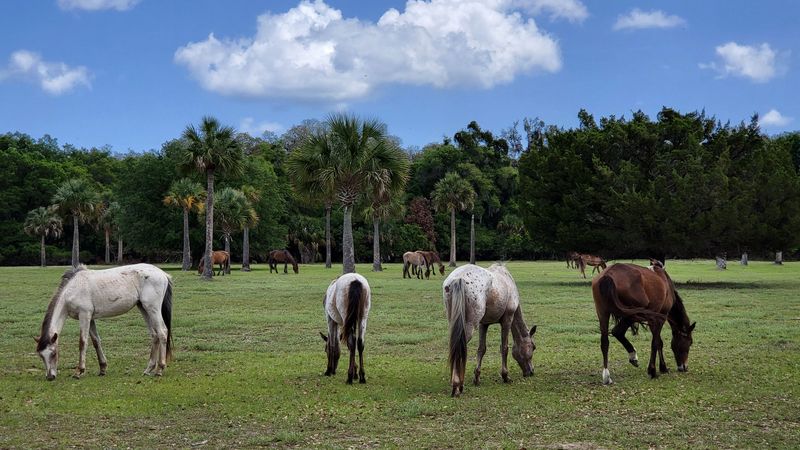
Stepping off the ferry onto Cumberland Island feels like traveling back in time to a Florida that never got paved over. Wild horses roam freely across windswept beaches, and the skeletal remains of the Dungeness mansion stand as a haunting reminder of Gilded Age grandeur.
Eighteen miles of pristine shoreline stretch before you, completely undeveloped and blissfully empty most days. Maritime forests thick with live oaks create shaded tunnels perfect for afternoon exploring.
Pack snacks, water, and sunscreen since services are nonexistent once you arrive. Budget a full day to truly appreciate this rare slice of untouched coastal wilderness.
2. Ichetucknee Springs State Park (Fort White)
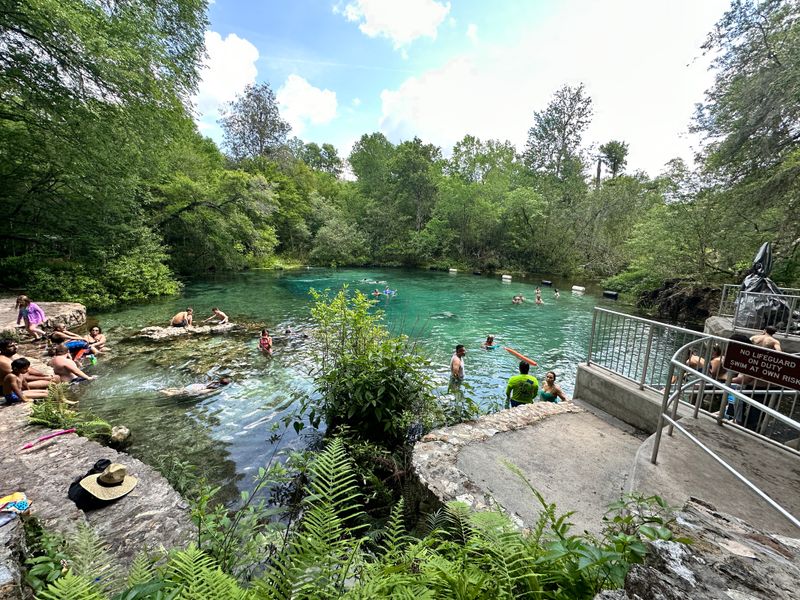
Nothing says summer in North Florida quite like a lazy float down the Ichetucknee River. Water so clear you can count every pebble on the bottom stays a constant 72 degrees year-round, making it perfect for cooling off even on the steamiest August afternoon.
The classic three-hour tube run takes you through shaded canopies and past smaller spring vents bubbling up from below. Families love the gentle current, while snorkelers enjoy spotting turtles, fish, and the occasional otter.
Tube rentals are available through local concessions near the park entrance, and their websites post real-time updates on water conditions and crowd levels. Remember to check Florida State Parks’ official site for current fees and seasonal hours before heading out.
3. St. Marks National Wildlife Refuge
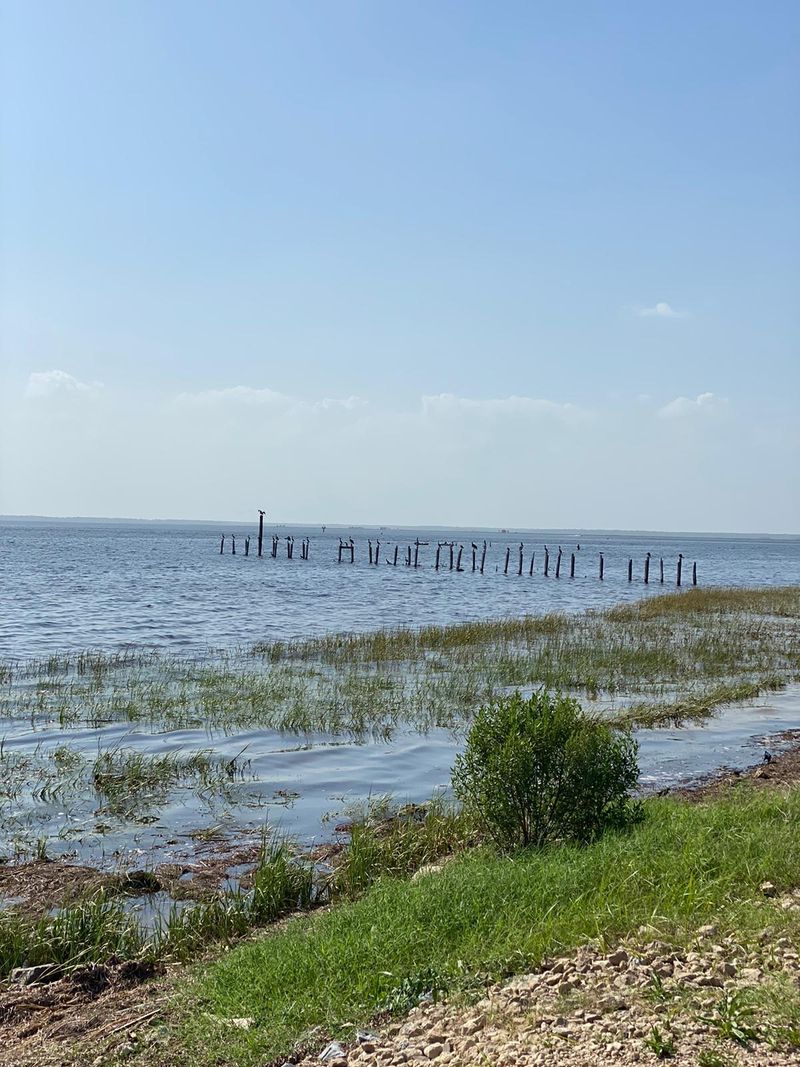
Established in 1931, St. Marks stands as one of America’s oldest wildlife refuges, protecting over 70,000 acres of classic Gulf Coast habitat. Miles of flat, easy trails wind through salt marshes where herons stand statue-still and alligators sun themselves on muddy banks.
Birdwatchers consider this place sacred ground—more than 300 species pass through during migration seasons, creating spectacular viewing opportunities. The historic St. Marks Lighthouse, built in 1831, marks the southern tip where the refuge meets the Gulf.
Bring binoculars, plenty of water, and bug spray during warmer months.
4. Edward Ball Wakulla Springs State Park
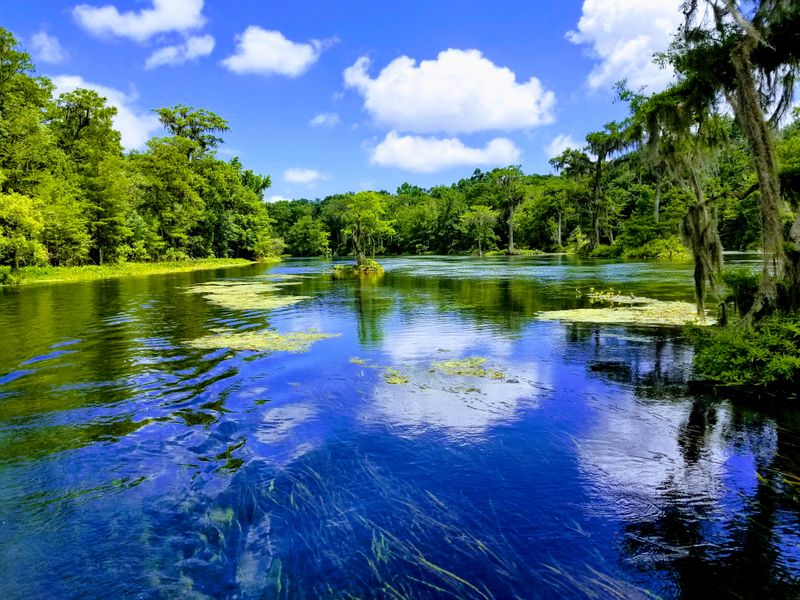
Wakulla Springs boasts one of the world’s largest and deepest freshwater springs, pumping out 400 million gallons daily. But the real draw here is the historic riverboat tour that’s been running since the 1940s, offering a window into Florida’s past.
Glide past towering cypress trees draped in Spanish moss while your guide points out alligators, turtles, herons, and sometimes even manatees during cooler months. The vintage boats and old-fashioned narration create an atmosphere that feels wonderfully stuck in time.
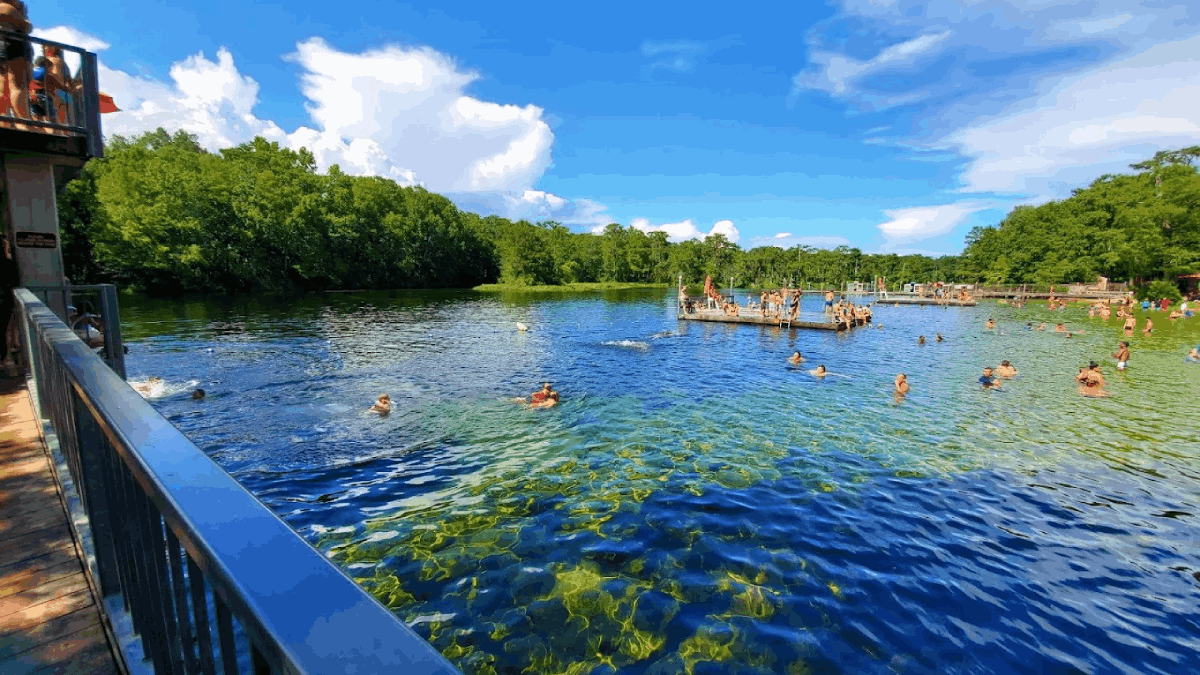
The elegant 1937 Spanish-style lodge adds to the throwback charm—it’s appeared in multiple Tarzan films and creature features from Hollywood’s golden era. Swimming in the spring itself is allowed when conditions permit, offering a refreshing dip in water so clear you can see ancient limestone formations far below the surface.
5. Torreya State Park
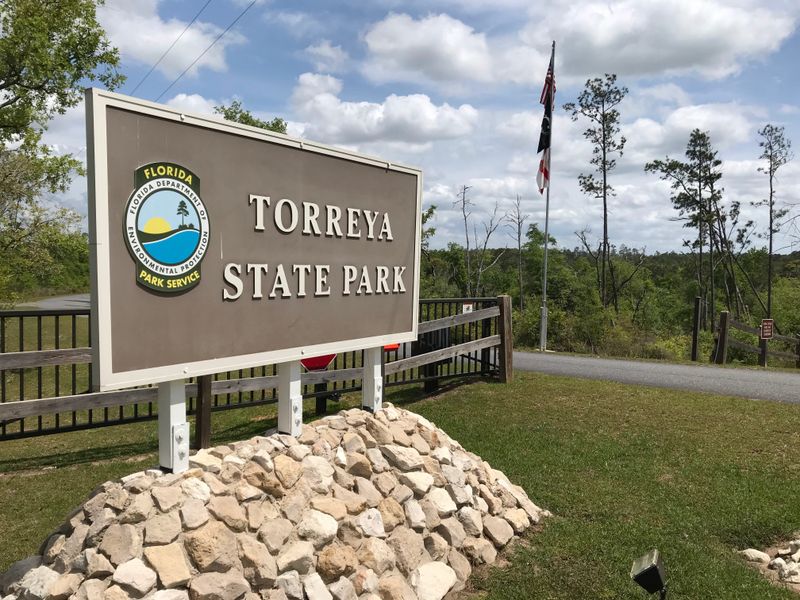
Most visitors expect Florida to be flat as a pancake, making Torreya State Park’s dramatic landscape all the more surprising. Steep ravines plunge toward the Apalachicola River below, while high bluffs offer sweeping views that belong more to Appalachia than the Sunshine State.
Rare Torreya trees—found almost nowhere else on Earth—cling to these slopes, giving the park its name and scientific importance. Seven miles of hiking trails challenge your legs in ways most Florida paths never do.
The Gregory House, a restored 1849 plantation home, sits atop the bluffs and offers glimpses into pre-Civil War life. Serious hikers love this place precisely because it stays so empty—you might encounter more deer than people on the trail.
6. Apalachicola
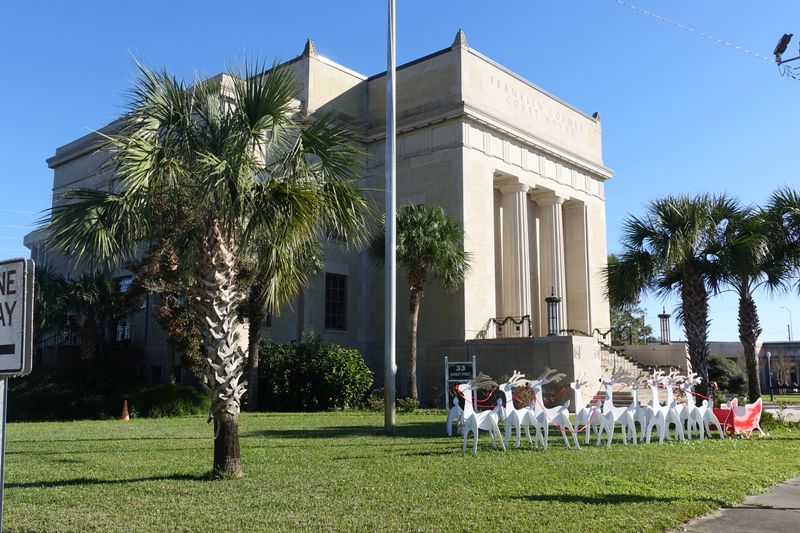
While much of Florida’s coast exploded into high-rise condos and chain restaurants, Apalachicola somehow stayed frozen around 1950. This working waterfront town still harvests oysters using traditional methods, and its downtown streets are lined with brick buildings that remember when cotton was king.
The John Gorrie Museum honors the local doctor who invented mechanical refrigeration—a bigger deal than most realize. Antique shops, art galleries, and excellent seafood spots occupy historic storefronts without a tourist trap in sight.
Apalachicola’s slow pace and authentic maritime character make it perfect for wandering without an agenda. The surrounding Forgotten Coast lives up to its name, offering empty beaches and quiet marshes just minutes from town. Come for lunch, stay through sunset, and understand why some Floridians guard this place like a secret.
7. Cedar Key
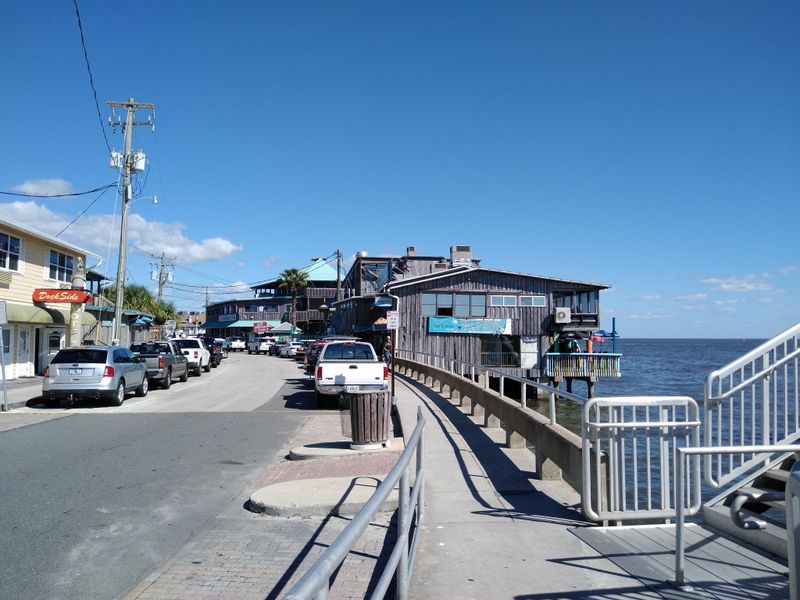
Cedar Key operates on island time, where the main attractions are spectacular sunsets, fresh seafood, and doing absolutely nothing in particular. This tiny Gulf Coast village sits surrounded by a chain of protected refuge islands that remain beautifully wild and mostly inaccessible except by boat.
The Cedar Keys National Wildlife Refuge encompasses these offshore islands, creating crucial habitat for nesting seabirds and coastal species. Birdwatchers can spot roseate spoonbills, white pelicans, and countless shorebirds without ever leaving the mainland.
Downtown consists of a handful of blocks packed with quirky shops, art galleries, and restaurants serving clam chowder and grouper sandwiches. There’s no rush here, no crowds fighting for space—just genuine Old Florida charm.
8. Okefenokee National Wildlife Refuge area (Folkston, GA)
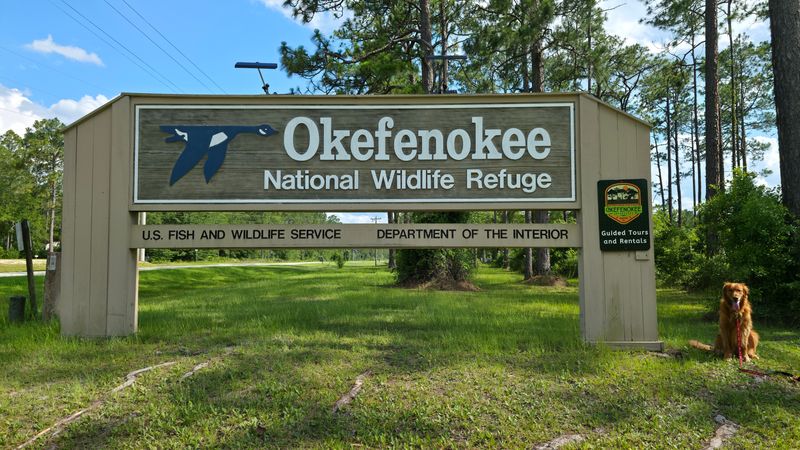
The Okefenokee Swamp sprawls across 438,000 acres of the most primordial landscape you’ll find anywhere near North Florida. Blackwater channels wind through cypress forests so thick they block the sun, while alligators patrol waters that look like strong tea steeped from peat and vegetation.
Accessing from the east entrance near Folkston puts you closest to the wildest sections with minimal development. Guided boat tours and kayak rentals let you explore safely while maximizing wildlife encounters—herons, ibises, sandhill cranes, and yes, plenty of gators.
The swamp’s otherworldly atmosphere feels like stepping onto another planet, one where nature still runs the show completely.