This Florida Coast Becomes One of the Best Stargazing Spots in the State After Dark
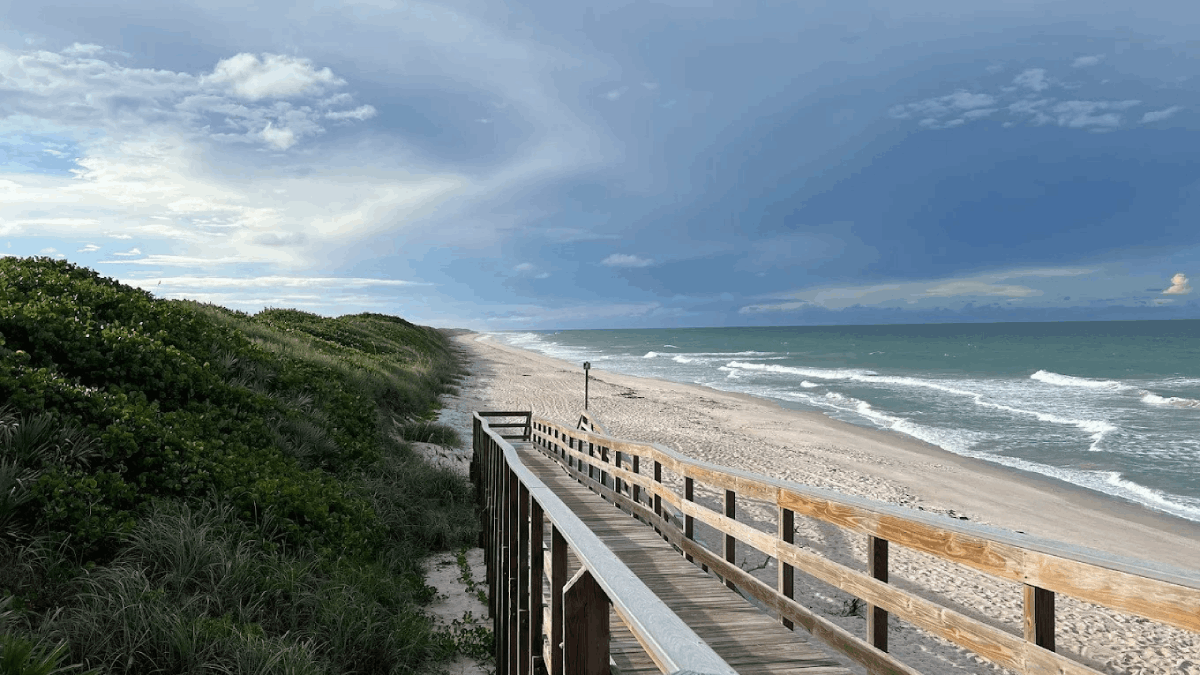
When the sun sets along Florida’s Atlantic coast, something magical happens at Canaveral National Seashore near New Smyrna Beach. Far from the bright city lights, this protected stretch of coastline transforms into one of the state’s premier stargazing destinations.
The dark skies here reveal thousands of twinkling stars, planets, and even the glowing band of the Milky Way. Whether you’re a serious astronomer or just love the beauty of a starry night, this secluded beach offers an unforgettable experience under the cosmos.
Where Canaveral National Seashore Is and Why It Stays So Dark
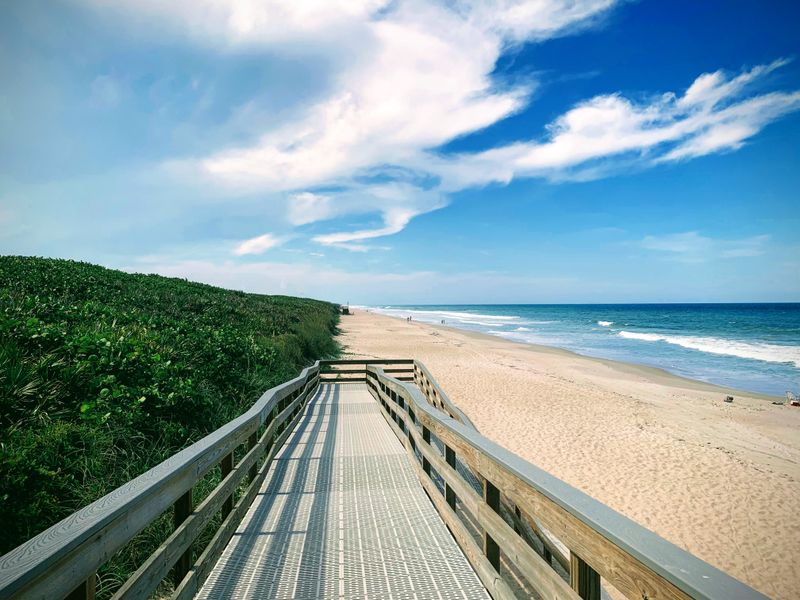
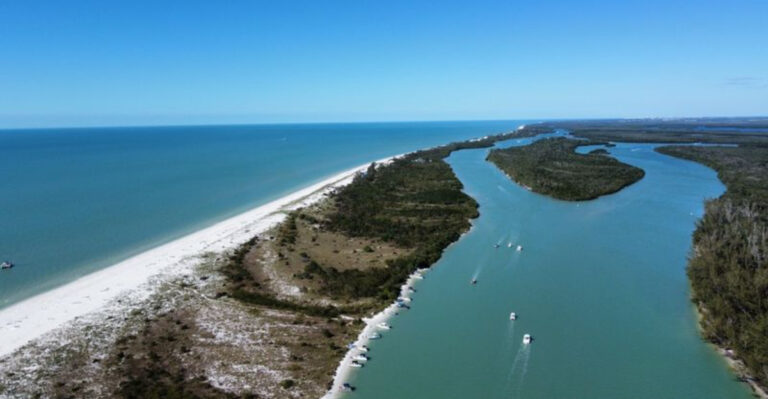
Located along Florida’s Atlantic coast between New Smyrna Beach and Titusville, Canaveral National Seashore stretches for 24 miles of pristine, undeveloped shoreline. This nature preserve sits at 7611 Atlantic Ave S in New Smyrna Beach, earning a stellar 4.8-star rating from thousands of visitors.
What makes this spot special for stargazing is its protected status. No hotels, restaurants, or streetlights clutter the landscape, which means artificial light stays minimal. The National Park Service keeps development away, preserving the natural darkness that existed here for centuries.
Being surrounded by water on one side and protected lands on the other creates a dark sky bubble. Cities like Daytona Beach and Orlando sit far enough away that their glow barely reaches this coastal sanctuary, making it perfect for watching the night sky come alive.
What You Can See at Night: Milky Way, Meteors, and More
On clear, moonless nights, the Milky Way stretches across the sky like a cloudy river of stars. You can actually see our galaxy’s bright center arching overhead, something impossible in most Florida locations. Planets like Jupiter, Saturn, Venus, and Mars often appear as brilliant points of light, easily spotted without any equipment.
Meteor showers become spectacular events here. During peak times like the Perseids in August or Geminids in December, you might count dozens of shooting stars per hour. The dark backdrop makes even faint meteors visible as they streak across the heavens.
Constellations pop out with clarity you’ve probably never experienced. Orion, the Big Dipper, and Cassiopeia become easy to trace. Bring a star chart or astronomy app, and you’ll quickly learn to navigate the celestial map above this beautiful Florida coast.
Best Stargazing Areas Near New Smyrna Beach
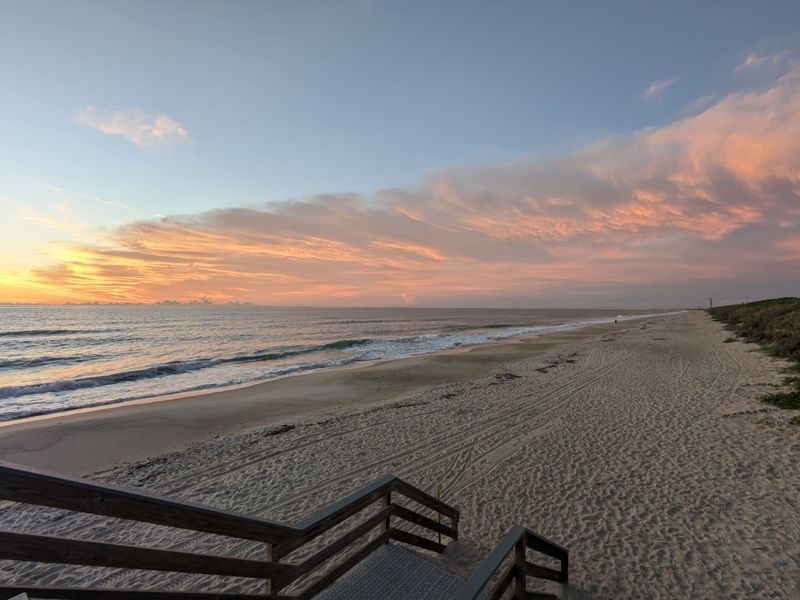
Apollo Beach, located within the seashore’s boundaries, ranks as a top choice for astronomy enthusiasts. Its northern location puts extra distance between you and New Smyrna’s lights. Parking areas close at sunset, but visitors already inside can stay, giving you prime real estate under the stars.
Playalinda Beach on the southern end also offers fantastic views, though it sits closer to the Kennedy Space Center. Sometimes, rocket launches light up the night, which adds its own kind of magic. The beach access roads provide multiple spots to set up your blanket or chair.
Klondike Beach and Parking Area 13 work great because they’re centrally located with easy beach access. These middle sections balance convenience with darkness. Remember that some areas close seasonally for sea turtle nesting, so check the park website before planning your nighttime adventure to ensure your chosen spot remains open.
When to Go for the Clearest Skies and Biggest Wow Factor
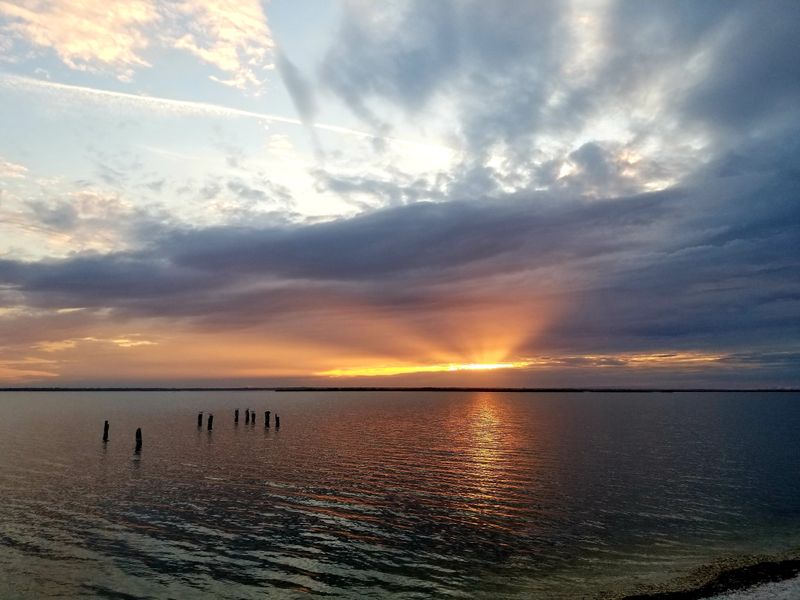
Timing makes all the difference between a good stargazing session and an absolutely mind-blowing one. New moon phases, when the moon is barely visible or absent, create the darkest conditions. Check a lunar calendar and plan your visit within a few days of the new moon for maximum star visibility.
Winter months from November through February typically bring drier air and clearer skies to Central Florida. Summer’s humidity and afternoon thunderstorms can leave haze that blurs the view. Fall and spring offer a nice middle ground with comfortable temperatures and reasonably clear conditions.
Arrive about an hour after sunset when twilight fades completely. Your eyes need roughly 30 minutes to adjust to darkness, so give yourself time. Avoid nights following rainy days when moisture lingers in the atmosphere. Check weather forecasts for cloud cover predictions, and always have a backup date in mind just in case.
What to Bring for a Perfect Beach Night Under the Stars
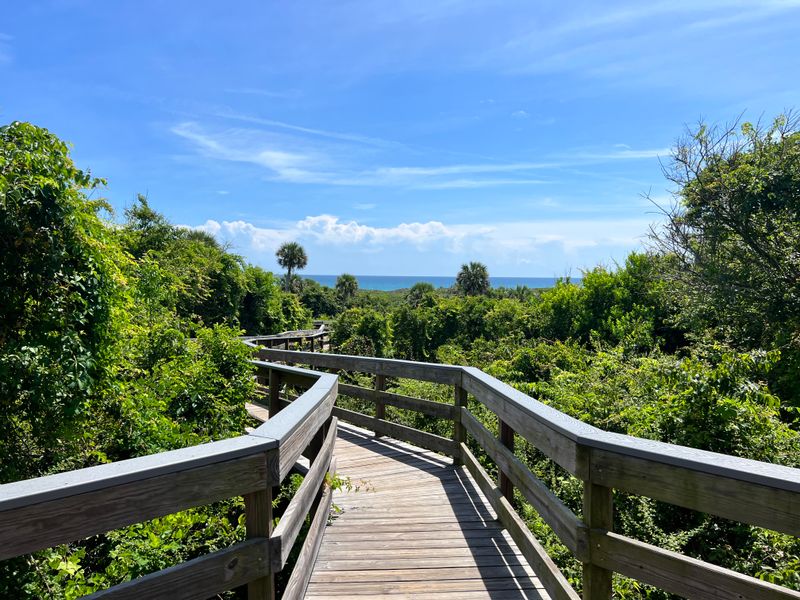
A comfortable beach blanket or low-back chair lets you recline while looking upward without straining your neck. Regular flashlights ruin your night vision, so bring a red-light flashlight instead. Red light preserves your eyes’ adaptation to darkness while still helping you see where you’re walking.
Bug spray becomes essential, especially during warmer months when mosquitoes patrol the dunes. Pack layers of clothing because coastal temperatures drop after sunset, and ocean breezes can feel chilly. A light jacket or sweatshirt keeps you comfortable during extended viewing sessions.
Binoculars enhance your experience tremendously, revealing craters on the moon and Jupiter’s moons without needing an expensive telescope. Download a stargazing app like SkyView or Star Walk before you arrive since cell service can be spotty.
Nighttime Wildlife and Beach Safety Tips
Sea turtles nest along these shores from May through October, making nighttime beach walks potentially harmful to these endangered creatures. Female turtles come ashore to lay eggs, and hatchlings emerge at night, using moonlight and starlight to find the ocean.
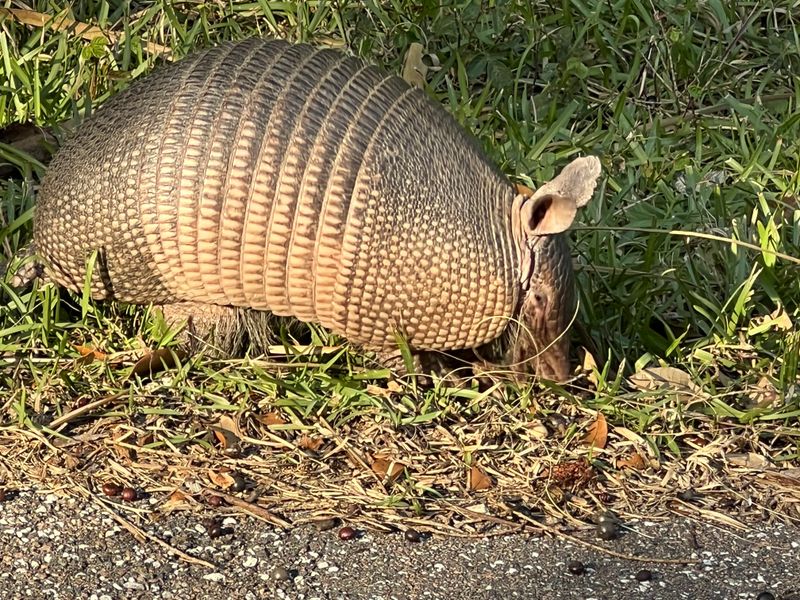
Respect marked nesting zones and never approach turtles you spot. Raccoons, armadillos, and other nocturnal animals roam the dunes after dark. They’re generally harmless but give them space. Watch where you step and stay aware of your surroundings.
Ocean safety remains important even when you’re not swimming. Waves continue rolling in, and high tide can creep up unexpectedly. Tell someone where you’re going and when you’ll return. Keep a charged phone for emergencies. The preserve’s remoteness means help isn’t instantly available, so preparation matters more than in developed beach areas.
Make a Full Day of It: Beaches, Trails, and Daytime Activities
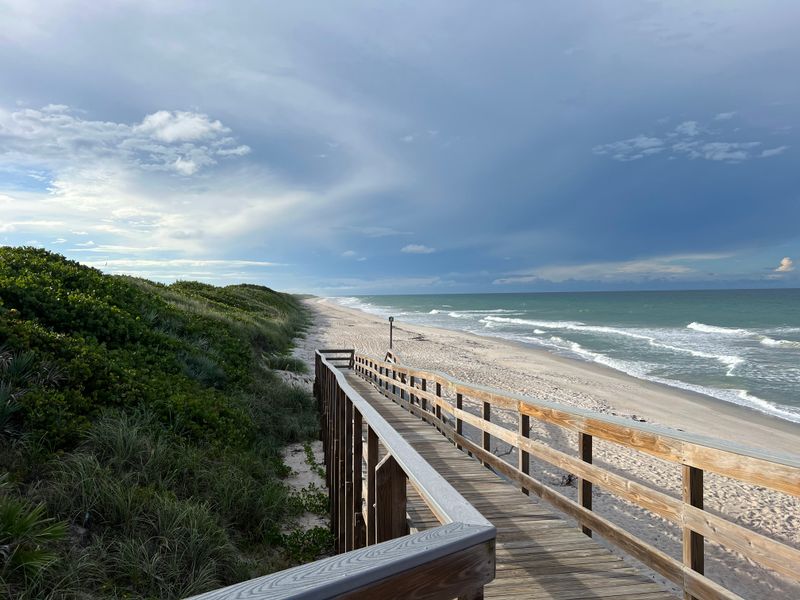
Why rush away after watching the sunrise following your stargazing adventure? Canaveral National Seashore offers 24 miles of beautiful beaches perfect for swimming, surfing, and shelling. The water stays warm most of the year, and the waves provide gentle fun for families or more challenging breaks for experienced surfers.
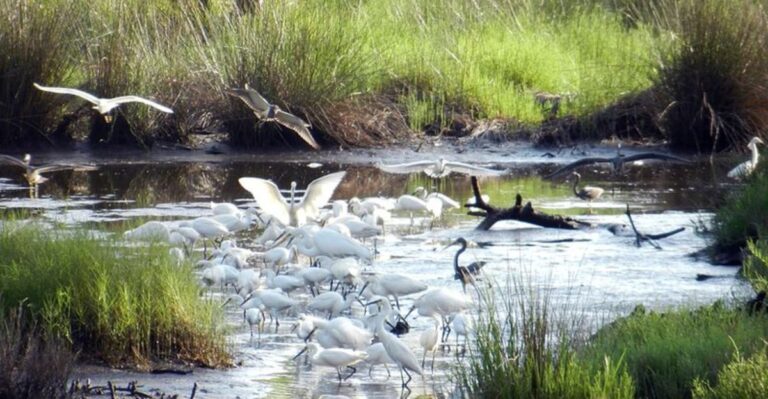
Several trails wind through different ecosystems within the preserve. The Eldora Hammock Trail takes you through a maritime forest where Spanish moss drapes from ancient oak trees. Castle Windy Trail offers views of Mosquito Lagoon, a kayaker’s paradise teeming with dolphins, manatees, and hundreds of bird species.
Fishing enthusiasts can cast lines from the beach or lagoon shores. The visitor center provides educational exhibits about the area’s natural and cultural history. With picnic areas scattered throughout, you can easily spend an entire day exploring before settling back down as darkness falls and the stars begin their nightly show once again.
Nearby Places to Stay and Late-Night Bites After Stargazing
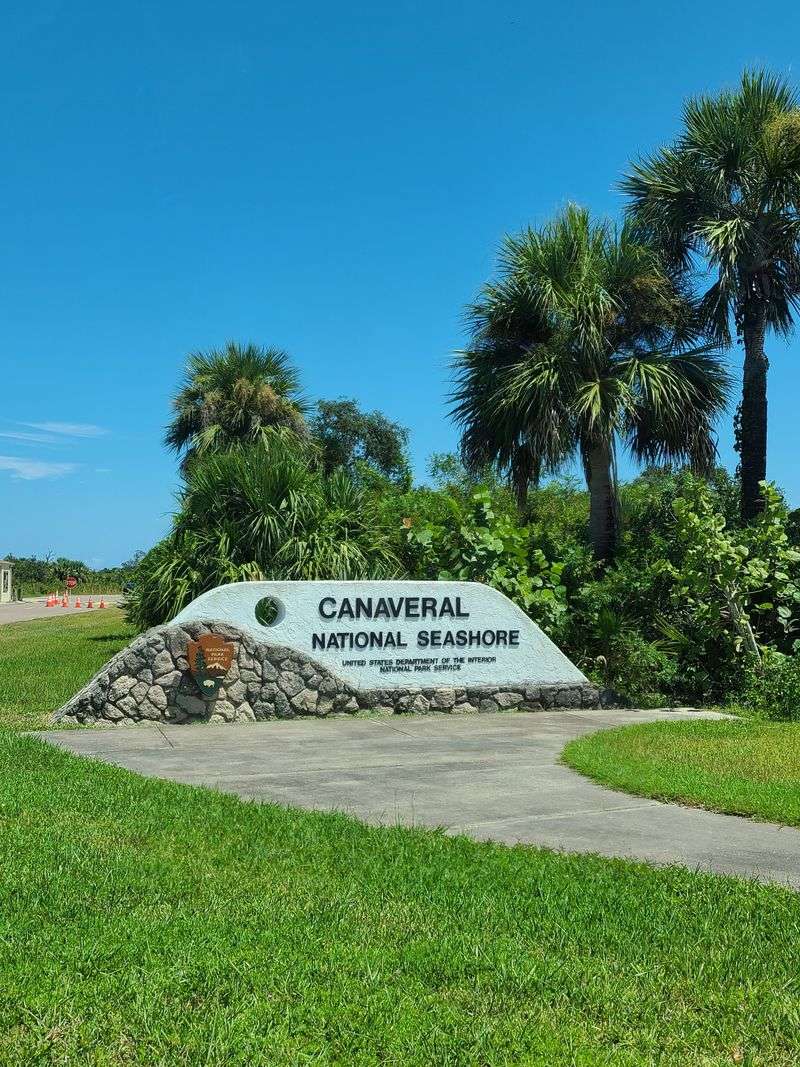
New Smyrna Beach, just minutes from the seashore’s entrance, offers plenty of accommodation options. Beachfront hotels and cozy vacation rentals put you close to the action. Many visitors prefer staying in town to enjoy amenities while keeping the preserve just a short drive away for their stargazing adventures.
After a few hours under the stars, you’ll probably work up an appetite. Several New Smyrna Beach restaurants stay open late, serving everything from fresh seafood to casual American fare. The Garlic, a local favorite, offers delicious Italian dishes. For something quick, grab pizza or burgers from spots along Flagler Avenue.
Titusville, on the preserve’s southern end near Playalinda Beach, provides another base option. This area gives easier access to Kennedy Space Center for daytime visits. Both towns feature grocery stores where you can stock up on snacks and supplies before heading to the beach, making your stargazing experience comfortable and convenient.