Don’t Get Ripped Off in Florida: 11 Common Money Mistakes Travelers Make
Florida is a dream destination packed with beaches, theme parks, and sunshine. But it can also drain your wallet faster than you realize if you’re not careful.
Tourists often fall into the same costly traps year after year, spending way more than they need to. This guide will help you spot and avoid the most common money mistakes so you can enjoy the Sunshine State without getting ripped off.
1. Paying walk-up prices for theme parks instead of buying tickets in advance

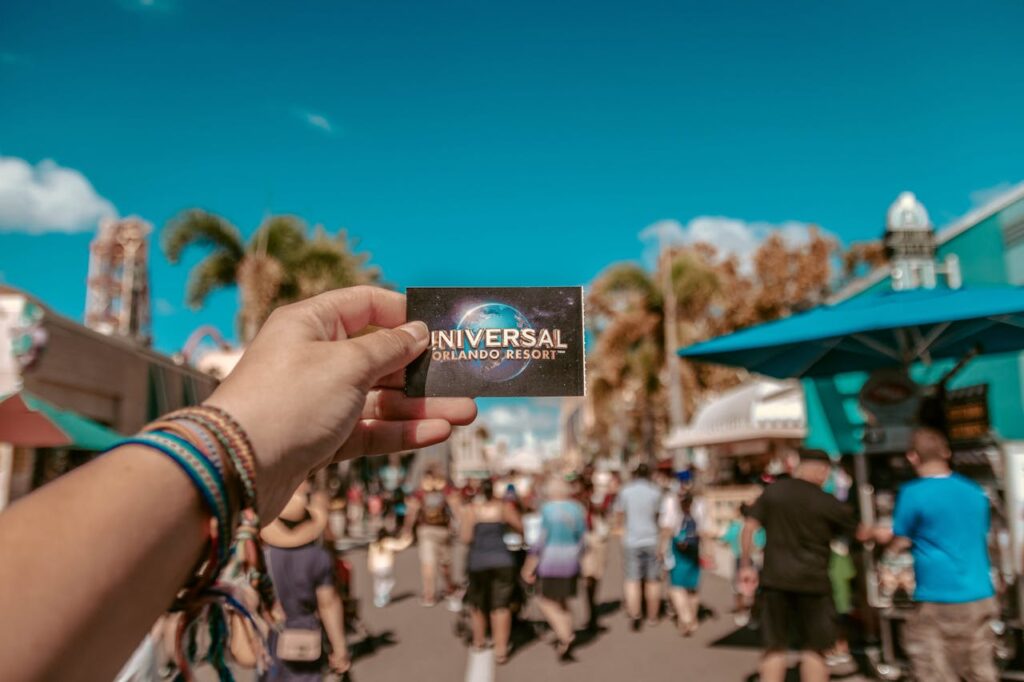
Theme park tickets bought at the gate can cost you a small fortune. Many visitors show up without planning and end up paying full price, sometimes $20 to $50 more per ticket than online rates. Parks like Disney World, Universal, and SeaWorld reward advance buyers with significant discounts.
Purchasing tickets even a day ahead can save your family hundreds of dollars. You also skip long ticket lines and head straight to the fun. Check official park websites, authorized resellers, and package deals that bundle multiple days or parks together.
2. Renting a car at the airport without comparing off-airport pickup options

Airport car rentals are convenient but often come with hidden fees and inflated rates. Rental companies know travelers want speed and ease, so they charge extra for that privilege. Taxes, surcharges, and facility fees at airport locations can add 20% or more to your bill.
Off-airport rental spots, just a short shuttle ride away, usually offer better deals and fewer add-ons. Comparing prices online before you land can reveal surprising savings. Websites and apps make it easy to check both airport and nearby locations side by side.
3. Ignoring toll roads

Florida highways are loaded with tolls, and rental car companies love to profit from unprepared drivers. If you don’t have a toll pass or payment plan, the rental agency processes each toll for you and tacks on hefty admin fees. A $2 toll can turn into $15 after their charges pile up.
Before hitting the road, ask about toll options like SunPass or prepaid toll packages. Some rental companies offer daily toll plans that cap fees. You can also use apps to track tolls and pay directly online.
4. Booking a beachfront hotel for the entire trip instead of splitting stays

Beachfront hotels charge premium prices for ocean views and sandy access. Staying there your whole trip sounds dreamy, but it can double your lodging costs, especially if you plan to visit theme parks or explore inland attractions. You end up paying for a view you barely see while you’re out adventuring.
Smart travelers split their stay between a beach resort and a cheaper inland hotel near the parks or downtown areas. This strategy lets you enjoy both worlds without breaking the bank. You still get beach time but save big on nights when location doesn’t matter.
5. Eating every meal in the most touristy strip

Tourist strips are designed to catch hungry visitors, but they serve overpriced food that’s often average at best. Chain restaurants and flashy menus dominate these areas, and you pay extra just for the location. A simple burger or pizza can cost twice what locals pay a few blocks away.
Venture beyond the main drag to discover authentic Florida flavors at family-owned diners, taco stands, and seafood shacks. Ask hotel staff or check local food blogs for hidden gems. You’ll eat better food, support small businesses, and keep more money for activities.
6. Paying for parking when there’s a free lot a few blocks away

Parking fees at popular Florida destinations can reach $30 or more per day, especially near beaches and theme parks. Many travelers pull into the first lot they see and swipe their card without checking for alternatives. Those daily charges add up fast over a week-long vacation.
A short walk or free shuttle ride often leads to no-cost parking options. Beach towns, downtown areas, and attractions frequently offer free public lots just a few blocks away. Apps and local websites list these spots, and a little extra strolling saves you serious cash.
7. Falling for overpriced add-ons and upgrades

Hotels, theme parks, and beach vendors love to upsell extras that sound tempting but drain your budget quickly. Resort fees sneak onto bills for amenities you might not even use. Beach chair rentals, photo packages, and express passes can cost as much as your ticket itself.
Before saying yes, ask yourself if you really need it. Bring your own beach gear, use your phone for photos, and enjoy standard experiences that are already amazing. Read the fine print on hotel bookings to spot hidden resort fees and choose properties that don’t charge them.
8. Going to the beach at peak times instead of sunrise/sunset

Midday beach visits mean crowds, expensive parking, and scorching heat that forces you to rent shade or leave early. Everyone flocks to the sand between 11 a.m. and 3 p.m., turning relaxation into a sweaty, pricey hassle. You fight for space and pay premium rates for the privilege.
Sunrise and sunset beach trips offer cooler temps, stunning views, and often free or cheap parking since demand is low. The light is perfect for photos, the vibe is peaceful, and you avoid sunburn. Early birds and evening strollers get the best Florida has to offer without spending extra.
9. Skipping free Florida nature—then spending on pricey attractions out of habit
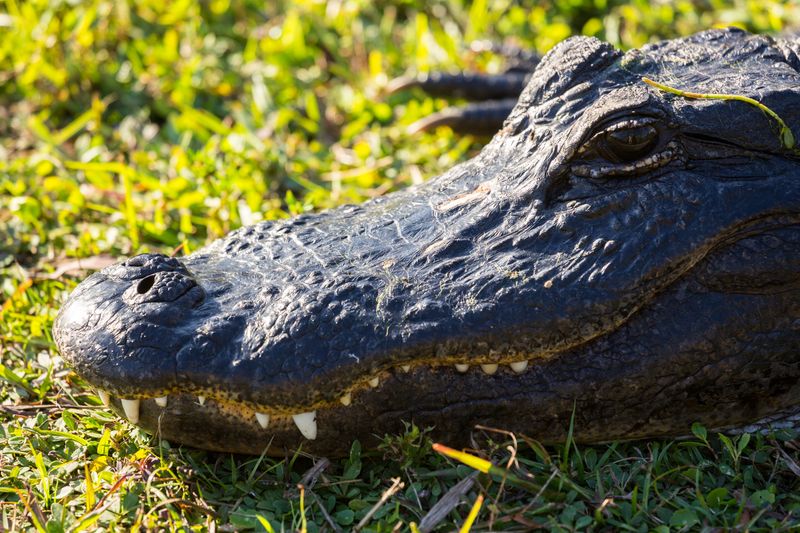
Florida is bursting with free or low-cost natural wonders like state parks, springs, wildlife trails, and nature preserves. Yet many tourists ignore these gems and default to expensive attractions simply because they’re advertised everywhere.
A day at a crowded paid attraction can cost a family over $200, while nature offers unforgettable experiences for just a few dollars or nothing at all.
Exploring manatee springs, hiking through cypress forests, or kayaking quiet waterways creates lasting memories without the ticket price. State parks charge minimal entrance fees, and many beaches and trails are completely free.
10. Booking last-minute on weekends or holiday weeks

Waiting until the last minute to book your Florida trip during peak times is a recipe for sticker shock. Hotels, flights, and rental cars skyrocket in price during spring break, summer weekends, and major holidays when demand explodes. What could have cost $100 a night suddenly jumps to $300 or more.
Booking months in advance locks in lower rates and gives you better choices for location and amenities. Flexible travelers who visit during off-peak weeks save even more. Set price alerts, compare dates, and commit early to avoid the price surge that punishes procrastinators.
11. Buying souvenirs in the main tourist zone instead of local markets or grocery stores
Souvenir shops in tourist zones charge inflated prices for the same t-shirts, magnets, and beach toys you can find elsewhere for half the cost. They count on impulse buyers who don’t know any better. A simple Florida keychain might cost $10 in a theme park shop but only $3 at a local market or grocery store.
Publix, Walmart, and local farmers markets sell Florida-themed goodies, snacks, and gifts at everyday prices. You get the same memories without the tourist markup. Save your souvenir shopping for off-the-strip locations and spend the difference on more fun experiences.