8 Florida Beaches Perfect for Shelling and Sea Life
Florida’s coastline offers some of the best shelling beaches in the world, where colorful shells wash ashore daily and marine animals thrive in warm Gulf waters. Whether you’re hunting for rare conch shells or hoping to spot dolphins playing in the waves, these special beaches deliver unforgettable experiences.
From quiet island retreats to family-friendly parks, each location brings its own mix of natural beauty and wildlife encounters that make beachcombing an adventure.
1. Bowman’s Beach (Sanibel Island)
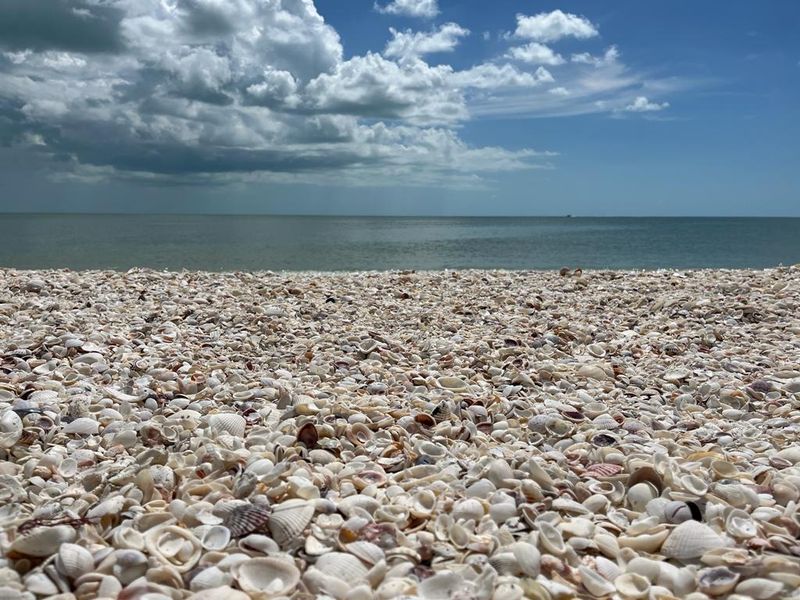
Sanibel Island sits at an east-west angle unlike most Florida beaches, creating a natural shell trap that collectors dream about. Bowman’s Beach takes full advantage of this unique geography, with thousands of shells washing up during every tide cycle. You’ll find everything from tiny coquinas to large lightning whelks scattered across the sand.
Early morning visits reward you with the best finds before other beachcombers arrive. Shorebirds like sandpipers and plovers trot along the water’s edge, hunting for small crabs and marine worms. The beach also offers shaded picnic areas and restrooms, making it comfortable for families spending several hours shell hunting.
2. Blind Pass Beach Park (Sanibel–Captiva)
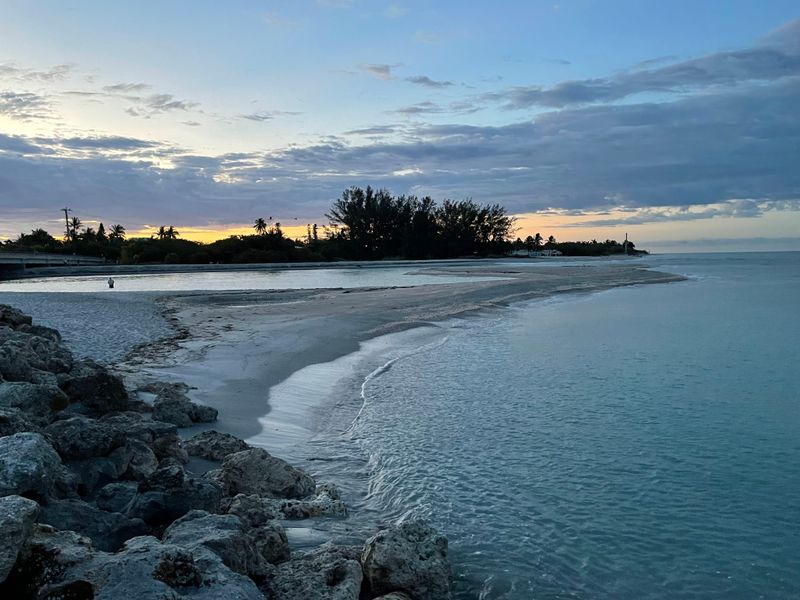
Strong tidal currents rush through the narrow channel between Sanibel and Captiva, creating perfect conditions for shell deposits. Blind Pass acts like nature’s conveyor belt, constantly delivering fresh treasures from deeper waters onto the beach. After storms or during new and full moons, the shelling becomes even more spectacular.
Sunset transforms this spot into something magical, with golden light reflecting off the water while pelicans glide past. Wildlife watchers often spot dolphins surfing the tidal currents or manatees drifting through during cooler months. The pass itself changes shape with storms, so each visit feels slightly different.
Bring water shoes because the shell bed can be thick and sharp underfoot. Limited parking means weekday visits work better than crowded weekends.
3. Lighthouse Beach Park (Sanibel Island)
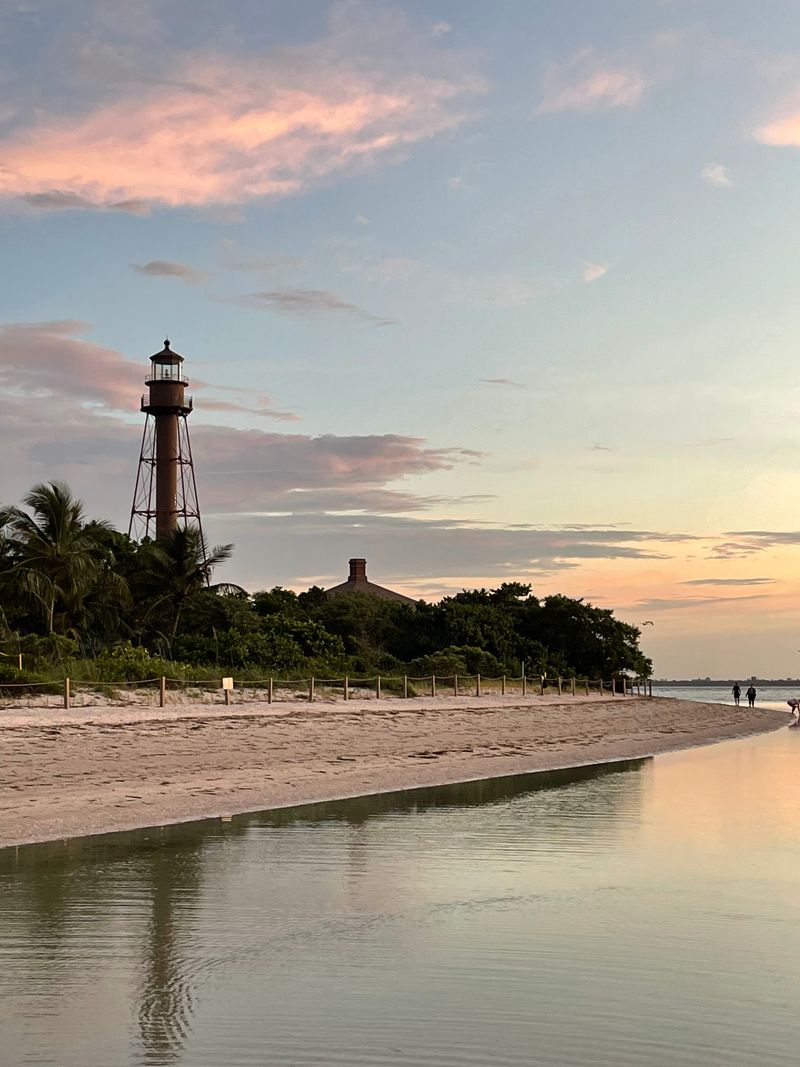
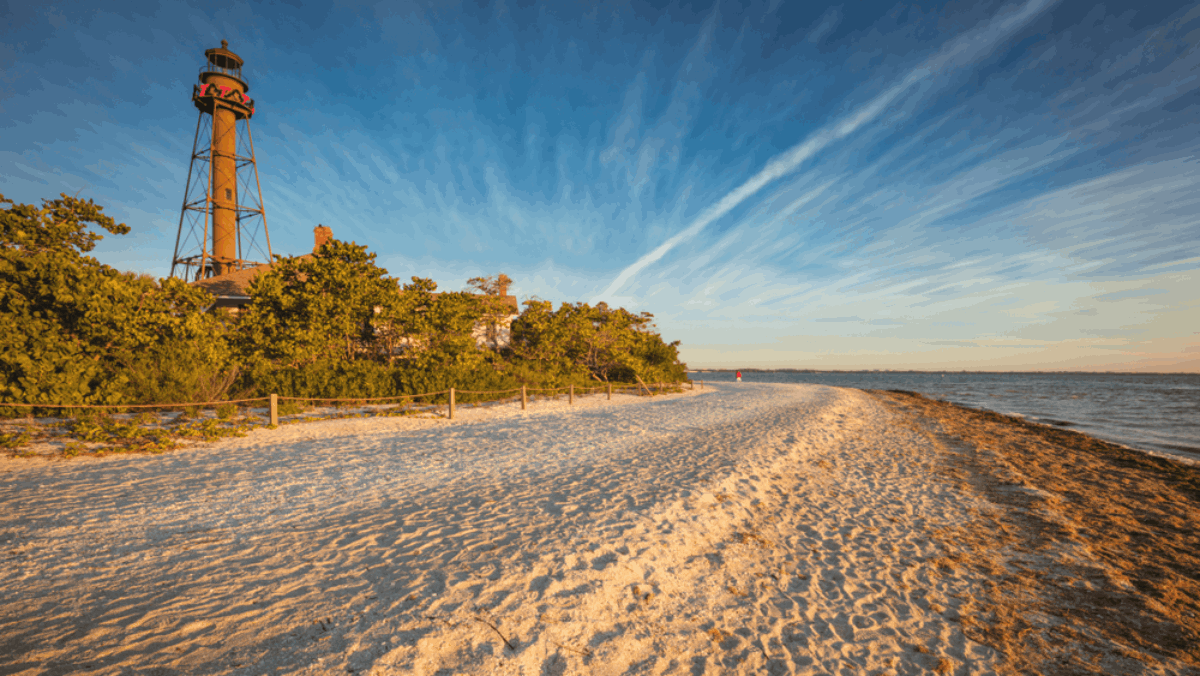
The historic Sanibel Lighthouse stands as a landmark guiding both boats and shell seekers to this reliable collecting spot. Calm waters near the shoreline make it easy to wade and search for live shells like tulips and olive shells moving across the sandy bottom. Kids love exploring the shallow tide pools where hermit crabs and tiny fish dart between rocks.
Seabirds gather here throughout the day—watch for ospreys diving for fish and herons stalking the shallows. The fishing pier extends into deeper water where anglers hook snook and tarpon while dolphins occasionally patrol underneath.
A small fishing museum near the lighthouse adds educational value to your beach day, teaching about local maritime history.
4. Turner Beach (Captiva Island)
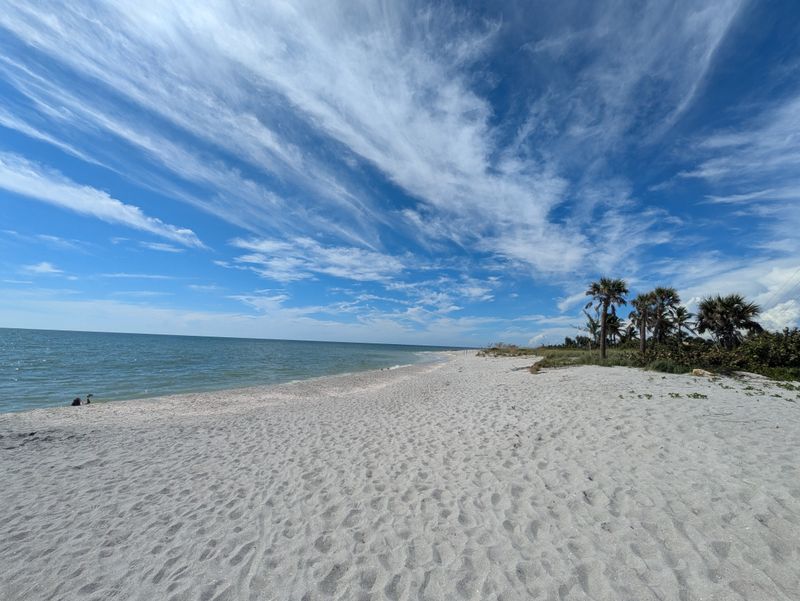
Serious shell collectors whisper about Turner Beach like it’s a secret treasure map location. This spot consistently produces intact specimens of rarer shells like junonia, lion’s paw, and alphabet cones that other beaches rarely deliver. Timing matters here—visit during low tide or right after weather systems pass through for the absolute best finds.
On lucky days, pods of dolphins cruise just beyond the breakers, sometimes coming close enough that you can hear their breathing. The beach faces west, offering front-row seats to stunning Gulf sunsets that paint the sky in shades of purple and orange. Waves can be stronger here than other Sanibel-Captiva beaches, creating more active surf conditions.
Bring a mesh bag for your shell haul and remember Florida’s live shelling laws protect living creatures.
5. Tigertail Beach Park (Marco Island)
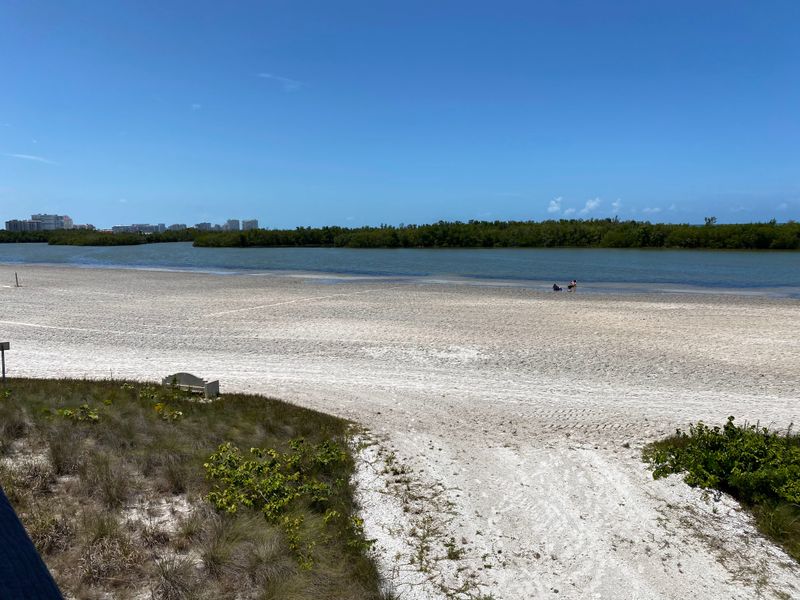
Tidal lagoons and shifting sandbars create a constantly changing landscape that feels more like an ecosystem tour than a simple beach visit. Tigertail combines excellent shelling with nature education—interpretive signs teach about loggerhead sea turtles that nest here and manatees that graze on seagrass beds offshore. Birds flock to the tidal areas in impressive numbers, especially during migration seasons.
Walk across the exposed sandbar at low tide to reach a more secluded beach section where shells pile up undisturbed. Roseate spoonbills, with their shocking pink feathers, sometimes feed in the shallow lagoon alongside snowy egrets and tricolored herons.
Facilities include a café, restrooms, and beach chair rentals, making all-day visits comfortable for families.
6. Keewaydin Island (Naples area)
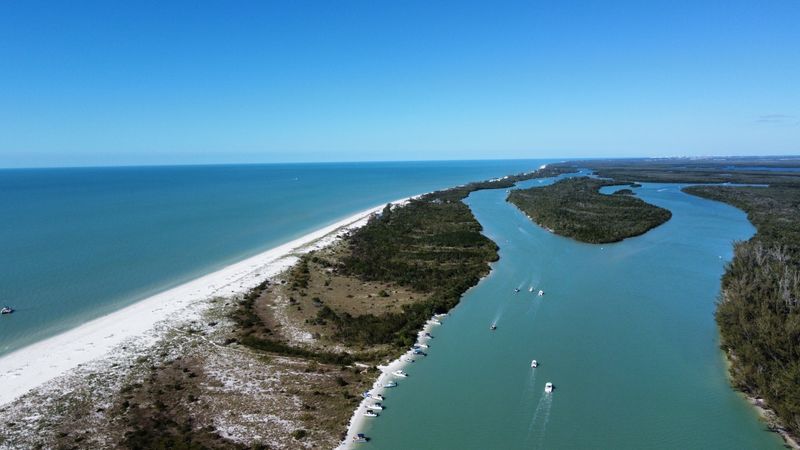
No roads reach this barrier island—you’ll need a boat or water taxi to access its wild, seven-mile stretch of undeveloped shoreline. That extra effort keeps crowds thin and shells plentiful, rewarding adventurous beachcombers with pristine collecting conditions. The boat ride itself often delivers dolphin and manatee sightings as you cross the calm intracoastal waters.
Once on the island, you might walk for an hour seeing only a handful of other visitors. Shells accumulate in dense piles along certain sections, especially near the island’s southern tip. Without facilities or shade structures, you’ll need to pack everything—water, snacks, sunscreen, and a sun shelter.
7. Barefoot Beach County Preserve (Bonita Springs)
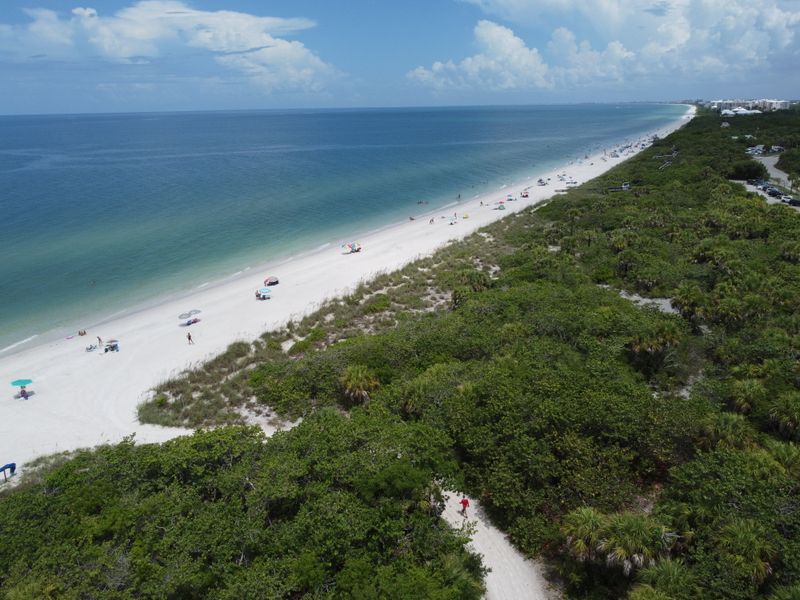
Protected status keeps this beach refreshingly natural, with native dunes and mangrove forests framing the shoreline instead of hotels and condos. Gopher tortoises lumber through the coastal scrub while ospreys nest in tall pines behind the dunes. The preserve’s commitment to conservation means you’ll experience Florida beaches as they existed before development changed the coastline.
Shelling here ranges from good to excellent, depending on recent weather, with sand dollars and olive shells appearing frequently. Mangrove-lined tidal channels provide habitat for juvenile fish, crabs, and wading birds that hunt in the shallow water. Boardwalk trails wind through different ecosystems, offering nature study opportunities beyond just beachcombing.
A small parking fee supports preserve maintenance, and the limited spaces ensure the beach never feels overcrowded or commercial.
8. Cayo Costa State Park (near Captiva)
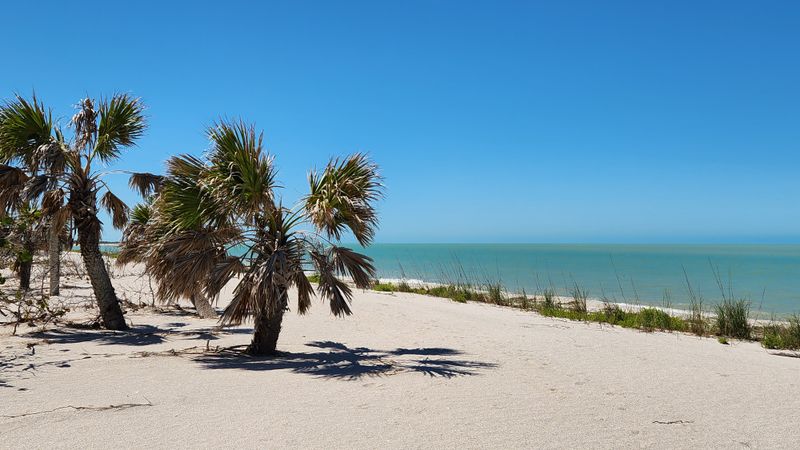
Reaching this barrier island requires a boat, kayak, or passenger ferry, but that journey filters out casual visitors and preserves the island’s wild character. Nine miles of undeveloped beach stretch along the Gulf side, interrupted only by footprints and shell piles. Serious shellers rate Cayo Costa among Florida’s absolute best, with rare finds like scotch bonnets turning up regularly.
Snorkeling the nearshore grass beds reveals a different treasure hunt—colorful fish, rays gliding over the bottom, and sometimes sea turtles munching on seagrass. Manatees and dolphins frequent the waters around the island year-round. Primitive camping cabins let you experience sunrise shelling when the beach is completely yours.
Pack food and plenty of water since the island has minimal facilities, and respect the protected environment by leaving live shells where you find them.