9 Florida Nature Experiences That Happen Only Once a Year
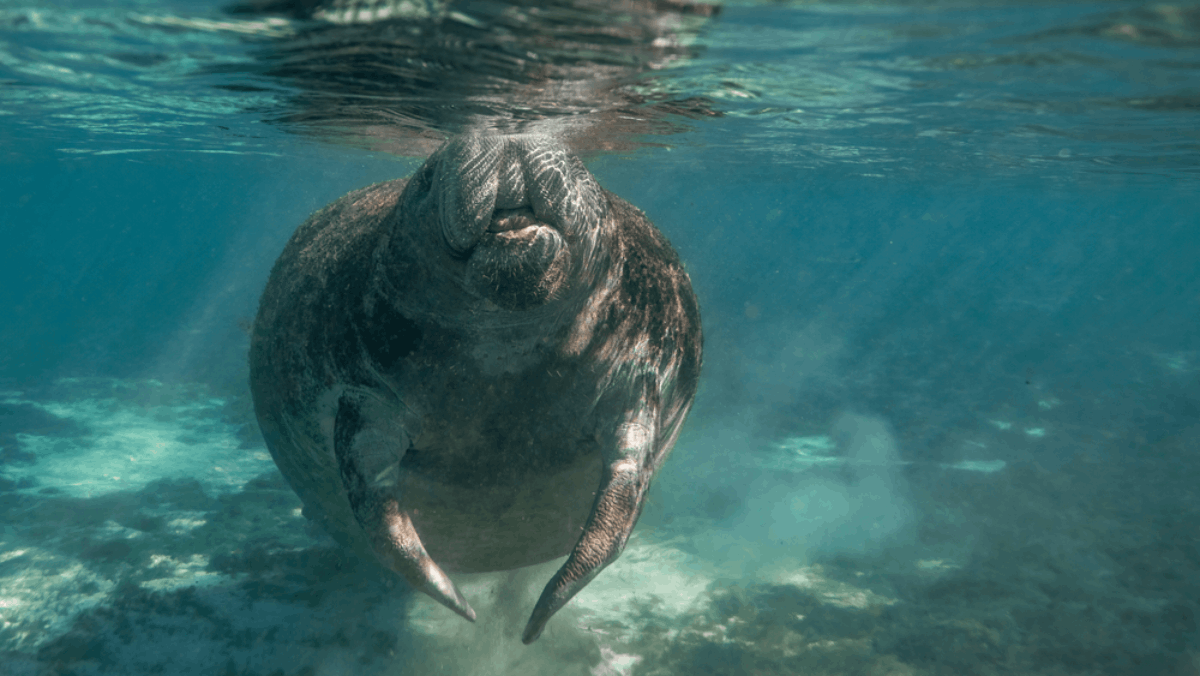
Florida is home to some of the most incredible wildlife moments you can witness anywhere in the world.
From glowing waters to giant sea turtles crawling onto moonlit beaches, these natural wonders follow their own schedules. Many of them happen just once a year, so timing your visit is everything if you want to experience the magic firsthand.
1. Sea Turtle Nesting Season (May–October)
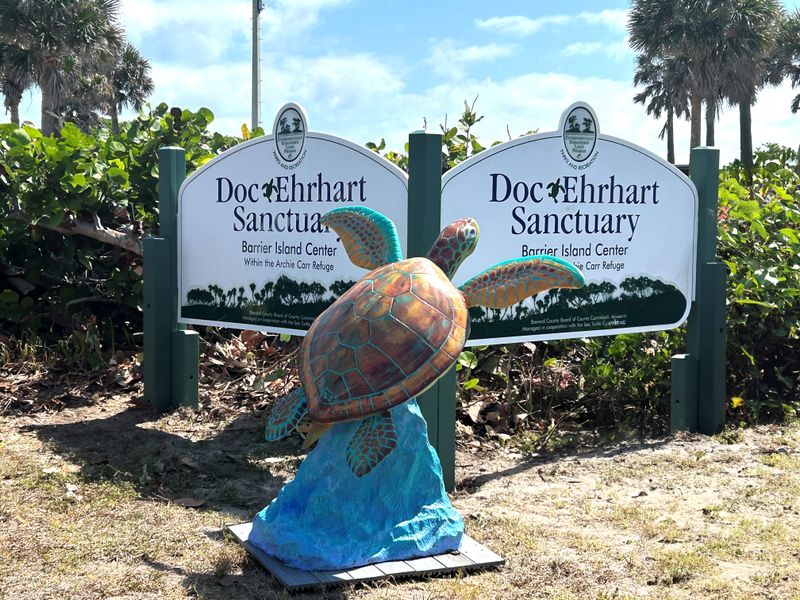
Under the cover of darkness, loggerhead, green, and leatherback turtles emerge from the Atlantic to nest on Florida’s sandy shores. Weighing up to 400 pounds, these ancient mariners dig deep pits with their flippers and deposit dozens of ping-pong-ball-sized eggs before returning to the sea.
Watching this happen is unforgettable, but you need to follow strict rules. No flashlights or camera flashes—the light confuses hatchlings. Many beaches offer guided turtle walks led by trained volunteers who know where nests are located.
Hatchlings emerge about two months later, usually at night, and scramble toward the moonlit waves in one of nature’s most touching scenes.
2. Manatee Winter Gathering (November–March)
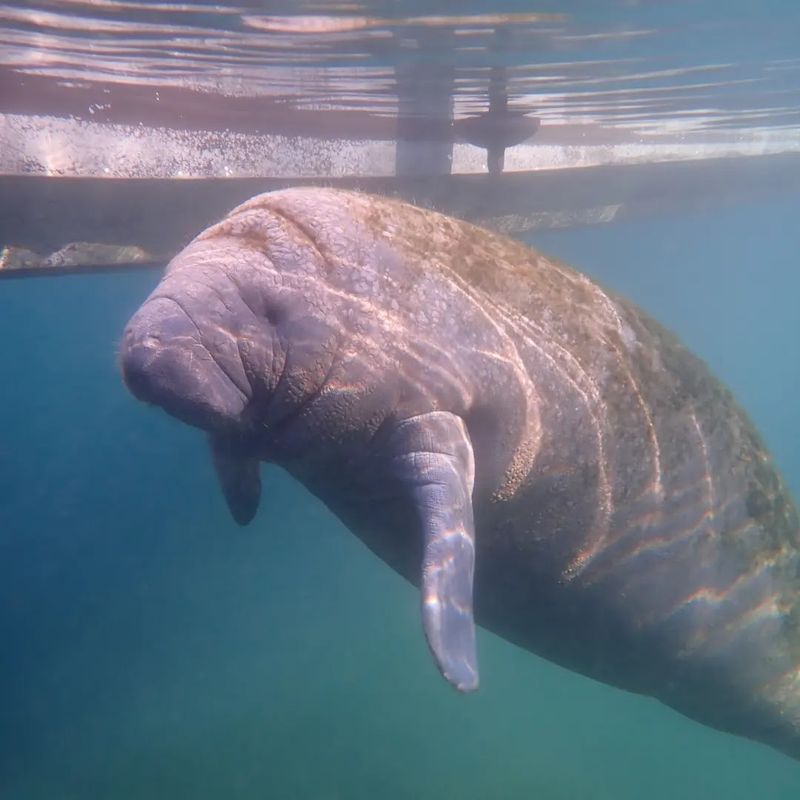
When ocean temperatures dip below 68 degrees, Florida manatees migrate inland to natural springs that stay a constant 72 degrees year-round. Crystal River becomes one of the best places on Earth to see hundreds of these gentle giants floating together in warm, clear water.
You can snorkel or kayak alongside them, though touching is discouraged unless they approach you first. Their wrinkled skin, whiskered faces, and slow-motion grace make every encounter feel like meeting an underwater teddy bear.
This gathering only happens in winter. Come summer, manatees spread out across Florida’s coastal waters, making sightings far less common.
3. Bioluminescent Water Season (Summer peak: June–September)
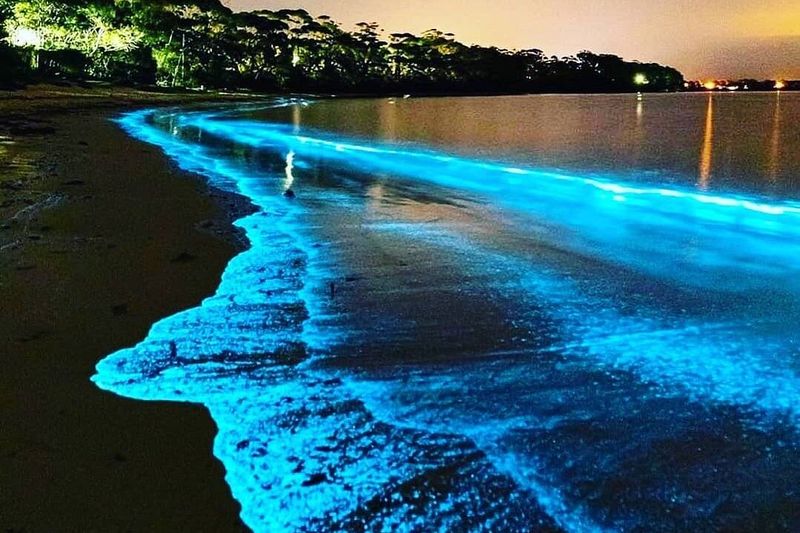
Imagine trailing your hand through water and watching it explode into electric blue sparks. That’s bioluminescence, caused by tiny organisms called dinoflagellates that light up when disturbed. Florida’s Indian River Lagoon is one of the best places in North America to see this phenomenon.
The glow peaks on warm summer nights, especially after dark with no moon. Kayaking through glowing water feels like paddling through liquid starlight. Fish leave glowing trails, and every splash creates a burst of neon blue.
4. Massive Bird Migration Peaks (Spring & Fall)
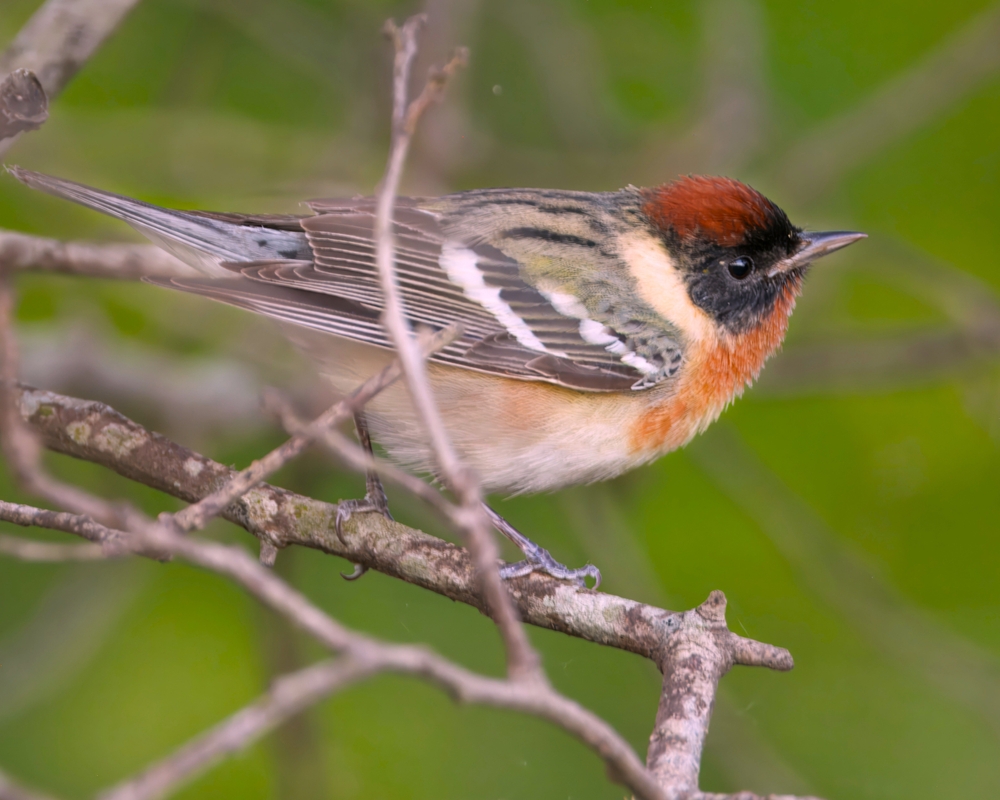
Twice a year, millions of warblers, raptors, shorebirds, and songbirds funnel through Florida as part of the Atlantic Flyway. Spring migration runs from March through May, while fall migration stretches from August into November.
Hotspots like Fort De Soto Park near St. Petersburg become birding gold mines during peak weeks. You might see 30 different species in a single morning, including scarlet tanagers, indigo buntings, and peregrine falcons.
Bring binoculars and a field guide, or join a local Audubon chapter for guided walks. Migration timing varies each year depending on the weather, so check local birding reports for the latest sightings.
5. Tarpon Migration (Silver King Season) (May–July)
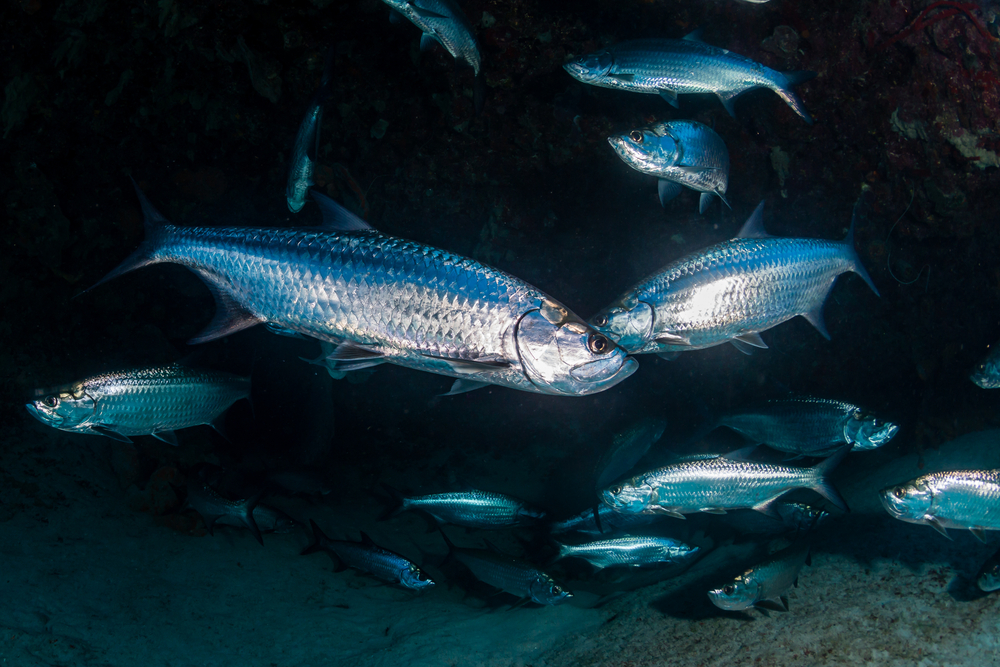
Every late spring, massive tarpon—some weighing over 150 pounds—migrate along Florida’s Gulf Coast in shimmering schools. Anglers call them the Silver King because of their mirror-like scales and acrobatic fights when hooked.
Boca Grande Pass is the epicenter of tarpon season, drawing fishermen from around the world. Even if you don’t fish, watching these prehistoric-looking giants roll at the surface is mesmerizing. Their scales catch the sunlight like polished metal.
Tarpon are catch-and-release only in Florida, protecting this incredible migration for future generations.
6. Firefly Season in North Florida (Late spring–early summer)
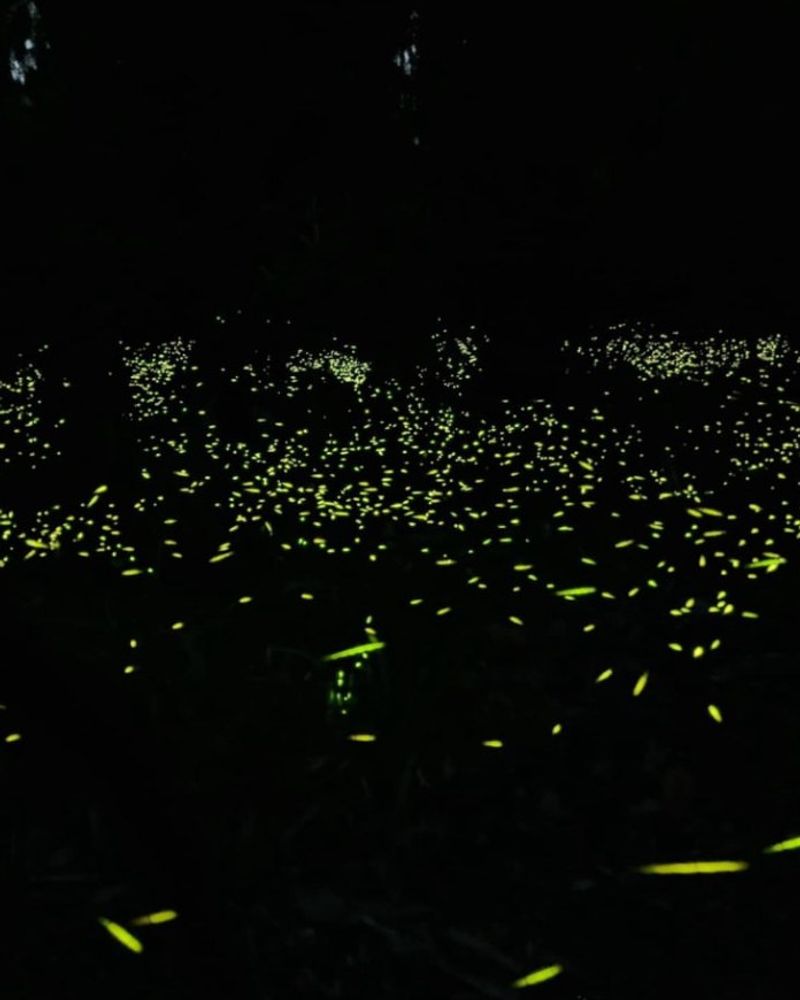
For a few magical weeks each year, certain North Florida forests light up with synchronized fireflies. Unlike the random flashing most people know, these fireflies blink in unison, creating waves of light that pulse through the darkness.
Torreya State Park is among the best spots to witness this rare spectacle. The synchronization happens only during a narrow window, usually late May into early June, depending on temperature and rainfall.
Arrive after sunset and let your eyes adjust to the dark. The experience feels almost otherworldly—like watching a living light show orchestrated by nature itself.
7. Wildflower Super Bloom (Late winter–spring)
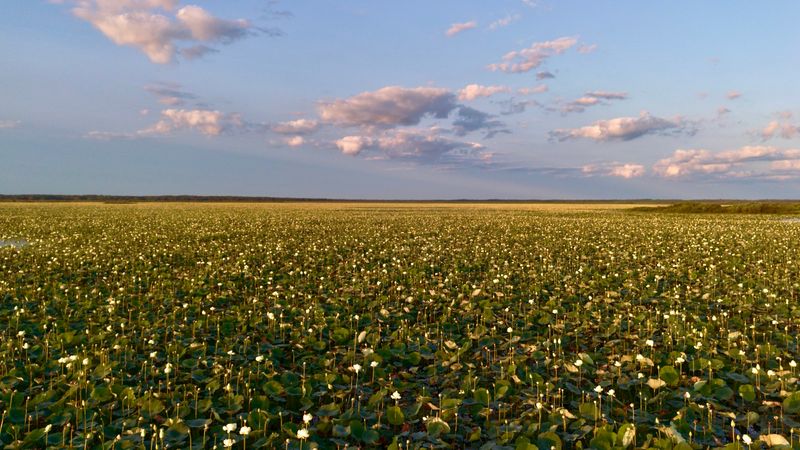
After the right combination of winter rains and spring sunshine, Florida’s roadsides, prairies, and preserves burst into a riot of color. Lupines, coreopsis, blanket flowers, and black-eyed Susans paint entire fields in purple, yellow, orange, and red.
The bloom peaks between late February and April, with March usually offering the most vivid displays. Places like Paynes Prairie Preserve and the Apalachicola National Forest become Instagram-worthy wonderlands.
Timing is everything—too much rain or an early dry spell can dampen the show. Check with local nature centers or wildflower hotlines to find out where blooms are peaking each week.
8. Pink Flamingo Sightings (Late summer–fall, unpredictable)
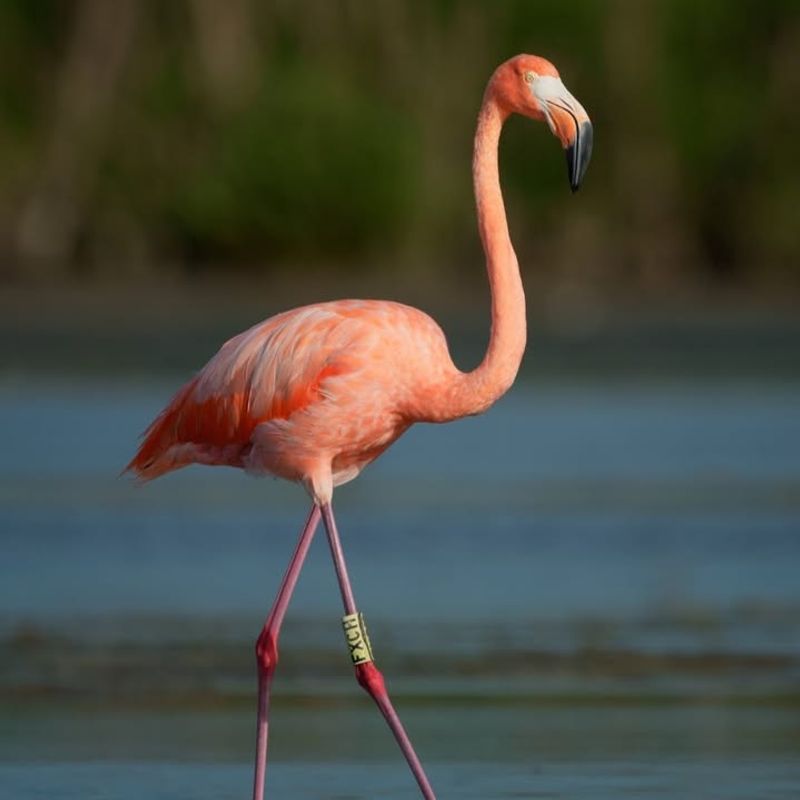
Most people think flamingos belong in zoos or the Caribbean, but wild flamingos are actually native to Florida. After tropical storms or hurricanes, small flocks sometimes appear in South Florida wetlands, blown off course from Cuba or the Bahamas.
Sightings are unpredictable and thrilling. Everglades National Park, Florida Bay, and coastal mudflats are the most likely spots. These aren’t escapees—DNA testing confirms they’re wild birds returning to their historical range.
Late summer through fall offers the best chance, especially after storm systems. If you spot one, report it to eBird or local wildlife groups to help scientists track their movements.
9. Stone Crab Season (October–May)
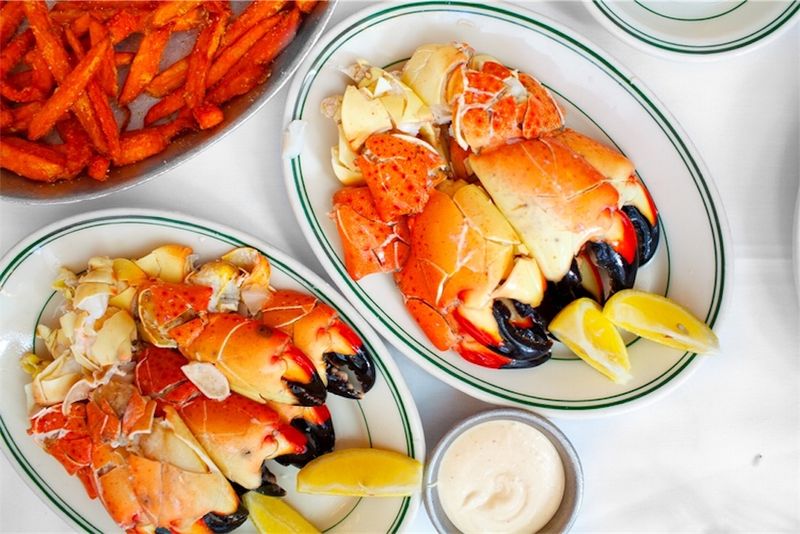
Stone crab season is a uniquely Florida tradition, tightly regulated to protect the species. Fishermen harvest only one claw from each crab, then return the animal to the water, where it regenerates the missing claw over time.
The season runs from mid-October through mid-May, with peak harvest around November and December. Fresh stone crab claws, served cold with mustard sauce, are a Florida delicacy found in seafood restaurants and fish markets statewide.