This Florida Trail Has 7 Miles of Boardwalks—and Black Bears
Imagine walking through a wild Florida swamp where boardwalks stretch for miles and black bears roam freely. The Black Bear Wilderness Trailhead in Sanford offers exactly that—an unforgettable adventure through wetlands teeming with wildlife.
This 7-mile loop combines natural beauty with thrilling encounters, making it one of Central Florida’s most exciting outdoor destinations.
What to Know Before You Hit the Black Bear Wilderness Trailhead
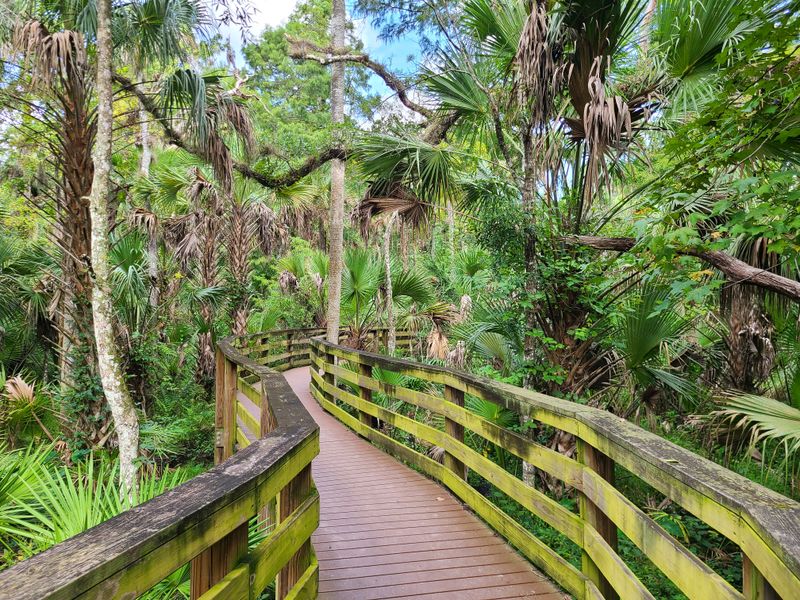
Preparation makes all the difference when tackling this wilderness adventure. Located at 5298 Michigan Ave in Sanford, the trailhead opens daily at 7 AM and closes at 6 PM, so plan your arrival accordingly.
Free parking is available but limited to about 30-40 spots, which fill up quickly on weekends.
Pack plenty of water since the full loop takes 3-5 hours, depending on your pace. Bug spray is absolutely essential—mosquitoes are relentless, especially during wet seasons.
Proper hiking shoes with thick socks will protect your feet from the countless roots covering the trail.
Bring a small first-aid kit with bandages and hand sanitizer. A porta-potty is available at the trailhead, but facilities are scarce once you start hiking.
Why Black Bear Wilderness Is One of Florida’s Wildest Hikes
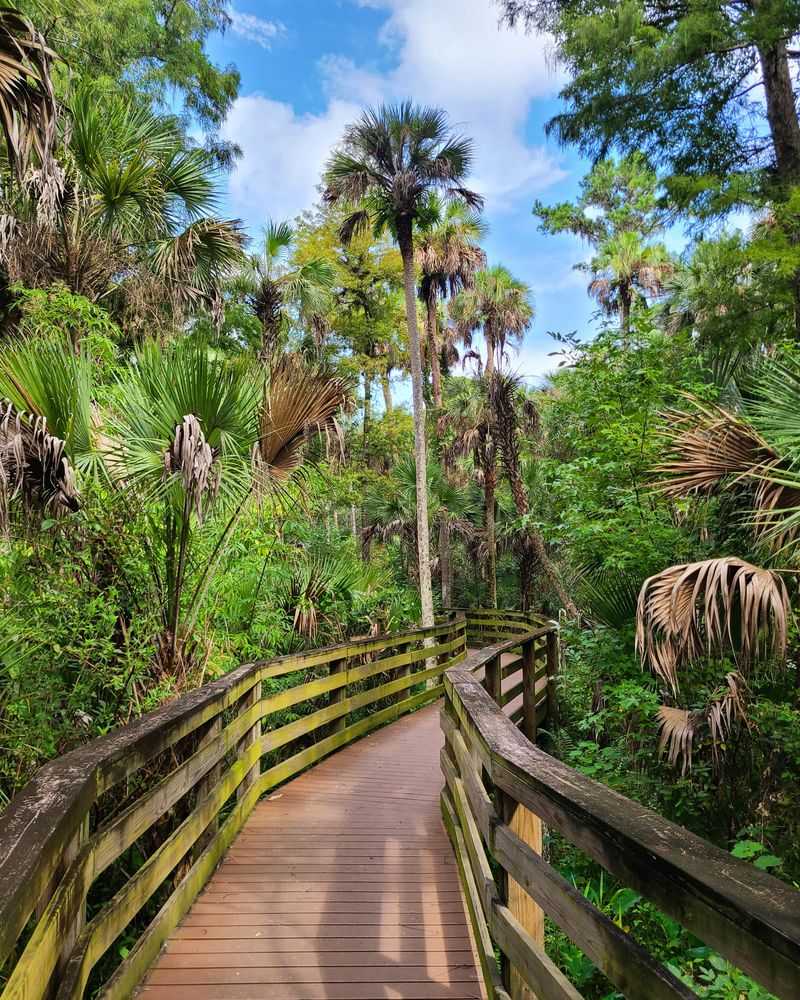
Few trails in Central Florida offer such an authentic wilderness experience. This 7.1-mile loop takes you deep into untouched swampland where nature rules and civilization feels miles away.
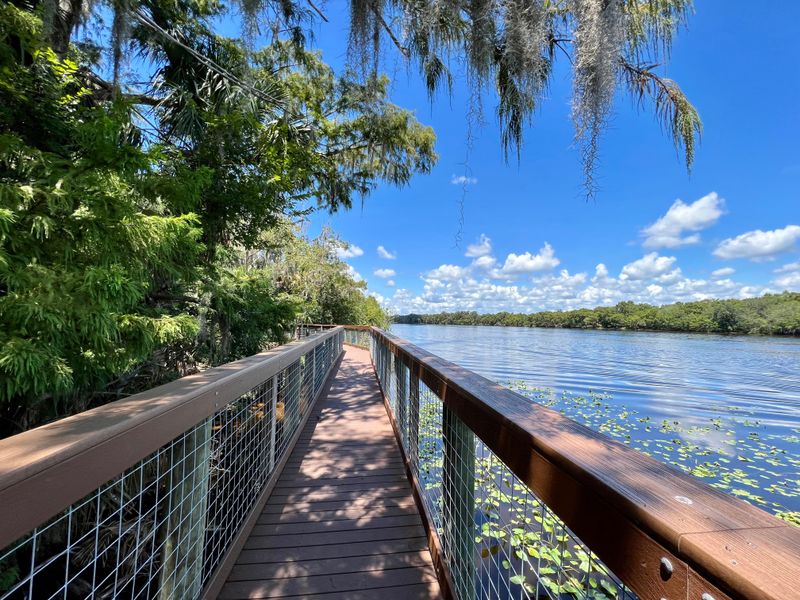
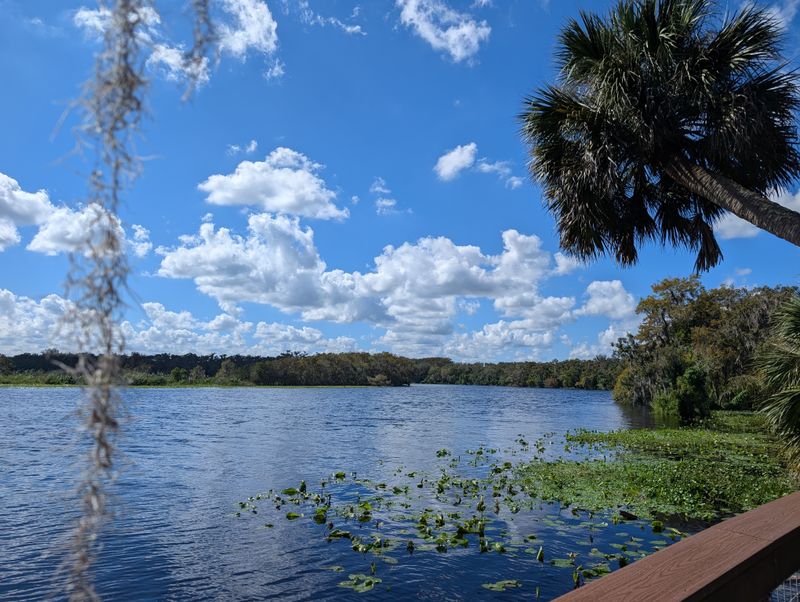
The trail winds through dense forests, alongside the St. Johns River, and over extensive boardwalks that hover above gator-filled waters.
Tree canopy provides shade for most of the journey, making it surprisingly comfortable even during warmer months. One hiker called it the most beautiful trail in all of Florida, and it’s easy to understand why once you experience its raw, untamed character.
The Boardwalk Experience: Walking Above Swamps and Wetlands
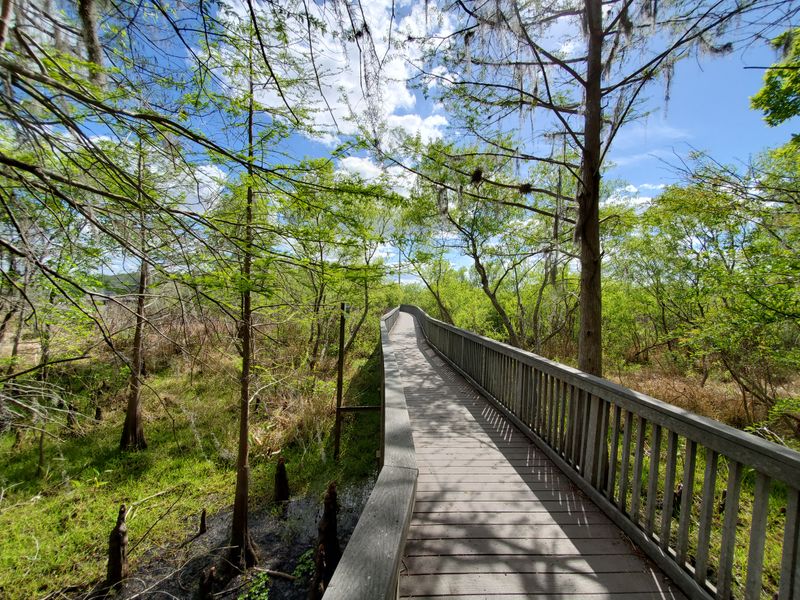
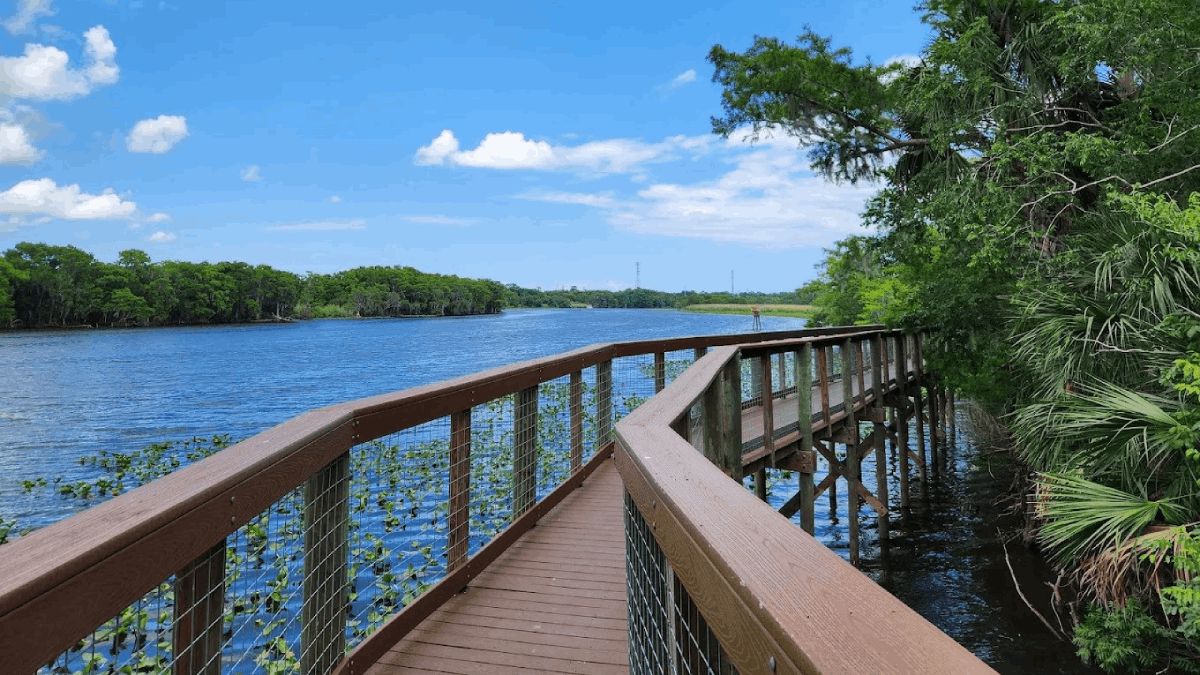
Boardwalks stretch across the wettest sections of this trail, offering elevated views of Florida’s swamp ecosystem. These wooden pathways keep your feet dry while allowing you to observe the murky waters below, where alligators often lurk just beneath the surface.
During wet season, water levels rise dramatically, making these boardwalks essential for passage.
The boardwalk sections provide excellent opportunities for wildlife photography and observation. You’ll cross over slow-moving streams and marshy areas where herons hunt for fish and turtles bask on logs.
The wooden planks sometimes feel narrow, so watch your footing carefully.
Yes, There Are Black Bears—Here’s What Hikers Should Know
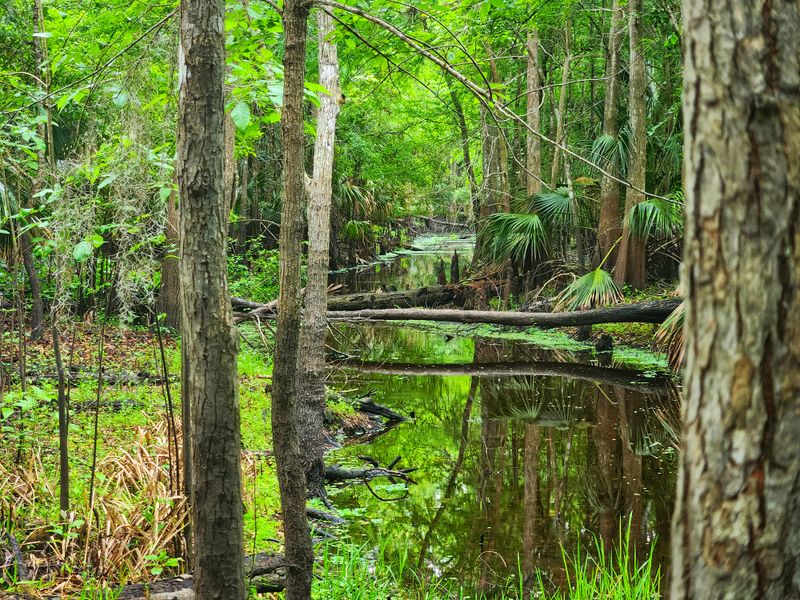
Black bears do inhabit this wilderness area, though sightings are relatively uncommon. One recent reviewer reported seeing a bear during their hike, reminding visitors that these magnificent creatures truly call this forest home.
Bears typically avoid humans and will usually retreat if they detect your presence.
Make noise while hiking to alert bears of your approach—talk with companions or periodically clap your hands. Never approach or feed wildlife, and keep dogs on leashes at all times since they can provoke defensive reactions.
If you encounter a bear, remain calm, make yourself appear large, and slowly back away without running.
Consider carrying bear spray for extra peace of mind, though attacks are extremely rare. Most visitors complete the trail without any bear encounters, but staying alert and respecting their habitat ensures everyone’s safety in this shared wilderness space.
Wildlife You Might Spot Along the Trail (Beyond Bears)
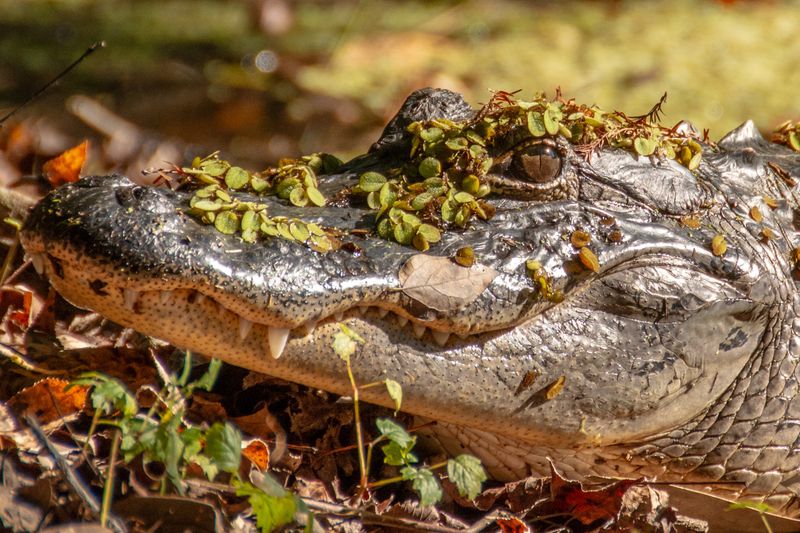
This trail is basically a wildlife zoo without fences. Alligators are the stars of the show, with hikers regularly spotting anywhere from three to fifteen gators lounging near the water’s edge.
Wild boars frequently cross the trail, sometimes traveling in groups, though they generally ignore passing hikers.
Bird enthusiasts will appreciate the variety of species, including owls, herons, woodpeckers, and hawks soaring overhead. Box turtles, pond sliders, raccoons, and countless lizards scurry across the path. During certain seasons, you might even spot deer moving quietly through the forest.
Snakes inhabit the area too, so watch where you step, especially near water sources. The incredible biodiversity makes every hike unique—you never know what creatures you’ll encounter.
Bring binoculars and a camera to capture these amazing wildlife moments safely from a distance.
Trail Length, Terrain, and Difficulty: Is This Hike Right for You?
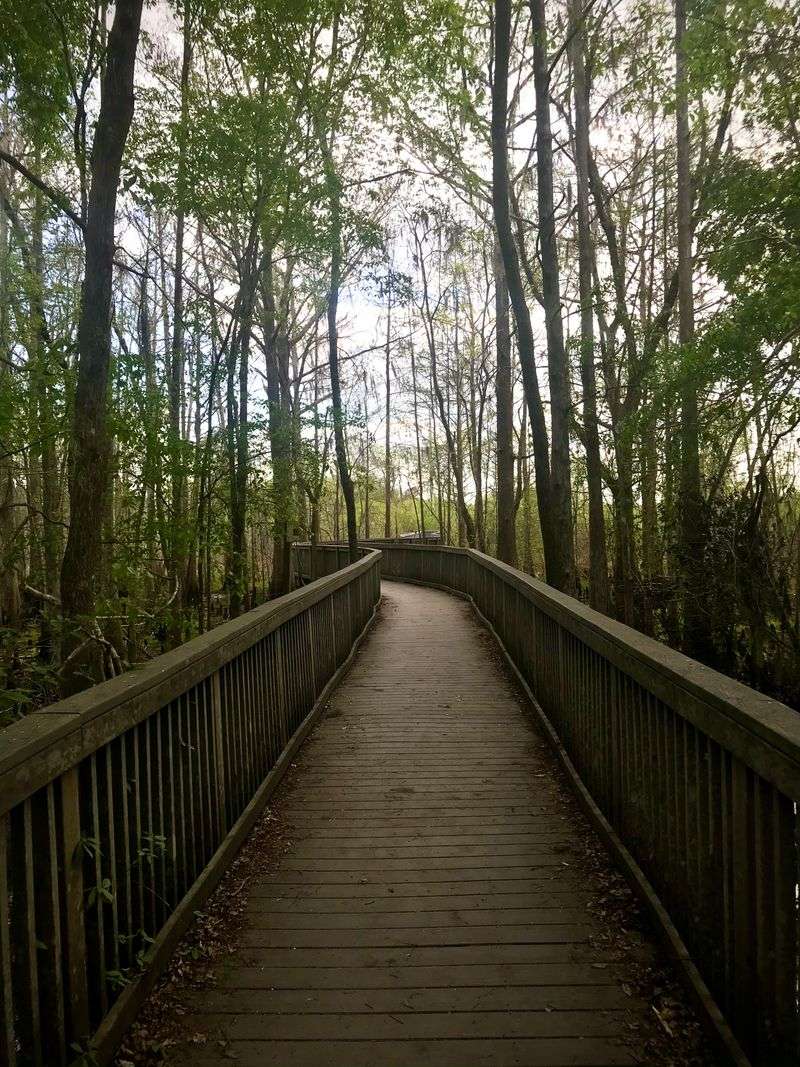
The trail measures 7.1 miles in a complete loop, though some GPS trackers have recorded up to 9.2 miles. Terrain is mostly flat, making it accessible for moderately fit hikers, but don’t let that fool you.
Families with children ages 8-12 have successfully completed the full loop, taking around 3.5-4 hours with wildlife-watching breaks. Faster hikers can finish in just over two hours, while leisurely walkers should budget 4-5 hours.
The trail is rated moderate due to length and root obstacles rather than elevation changes.
Narrow sections force single-file walking in places, and some areas require high-stepping over particularly gnarly roots. Rest spots are limited—benches appear around miles one and two, then not again until the halfway camping shelter.
When to Go: The Best Time to Hike Black Bear Wilderness
Timing your visit correctly enhances the experience dramatically. Early morning hikes starting around 7-8 AM offer cooler temperatures and increased wildlife activity as animals emerge to feed.
Spring brings extremely dry conditions with lower humidity, though water levels drop and swampy areas shrink.
Fall and winter provide the most comfortable hiking weather with moderate temperatures and fewer mosquitoes. Summer means intense heat and humidity, but the lush vegetation and high water levels create the most dramatic swamp scenery.
Wet season from June through September makes boardwalk sections particularly impressive.
Weekday visits typically mean fewer crowds and better parking availability. Avoid alligator nesting season in late spring if you’re concerned about territorial behavior.
How to Get There and What to Expect at the Sanford Trailhead
Finding the trailhead is straightforward from downtown Sanford—just a 15-20 minute drive northwest to 5298 Michigan Ave. Gates open promptly at 7 AM, though some visitors report occasional delays.
The parking lot accommodates 30-40 vehicles on a first-come basis. Clear signage marks the trailhead where you can choose clockwise or counterclockwise directions—most hikers prefer counterclockwise to save the scenic shoreline sections for the end.
Trail markers appear regularly throughout the loop so getting lost is nearly impossible. Trash cans are only available at the trailhead, so pack out everything you bring in to preserve this beautiful wilderness.