10 Incredible Ecotourism Experiences You Can Only Have in Florida
Florida is more than theme parks and beaches—it is home to some of the most unique natural wonders in the United States. From glowing waters to ancient forests, the Sunshine State offers eco-adventures you cannot find anywhere else.
Whether you want to snorkel with manatees or explore wild rivers, Florida’s ecotourism experiences connect you with nature while supporting conservation efforts.
1. Kayaking Through the Bioluminescent Lagoons
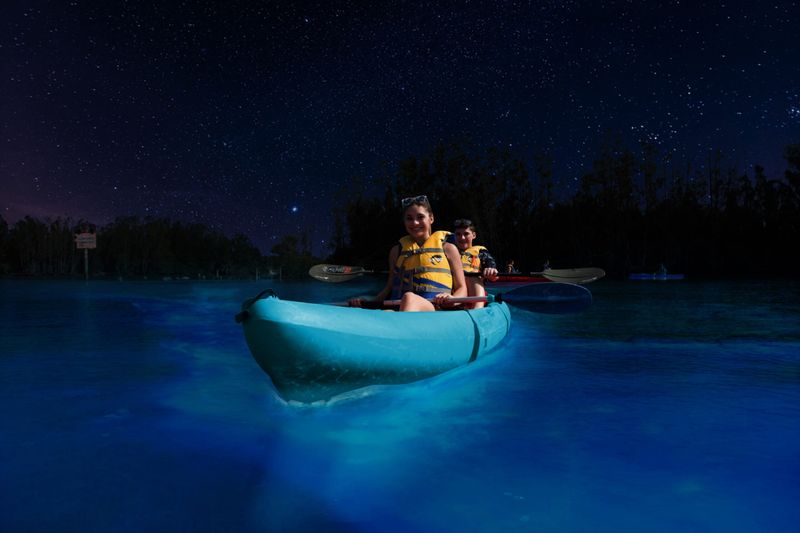
Picture this: every stroke of your paddle lights up the water around you with electric blue sparkles. That is what happens when you kayak through Florida’s bioluminescent lagoons on the Space Coast.
Tiny organisms called dinoflagellates create this natural light show, glowing when the water moves. Summer and fall offer the brightest displays, especially on moonless nights.
Tours are led by guides who explain the science behind the glow and help protect this fragile ecosystem. You will paddle quietly through mangrove tunnels, watching fish dart beneath you like underwater shooting stars.
2. Airboat Tours in Everglades National Park
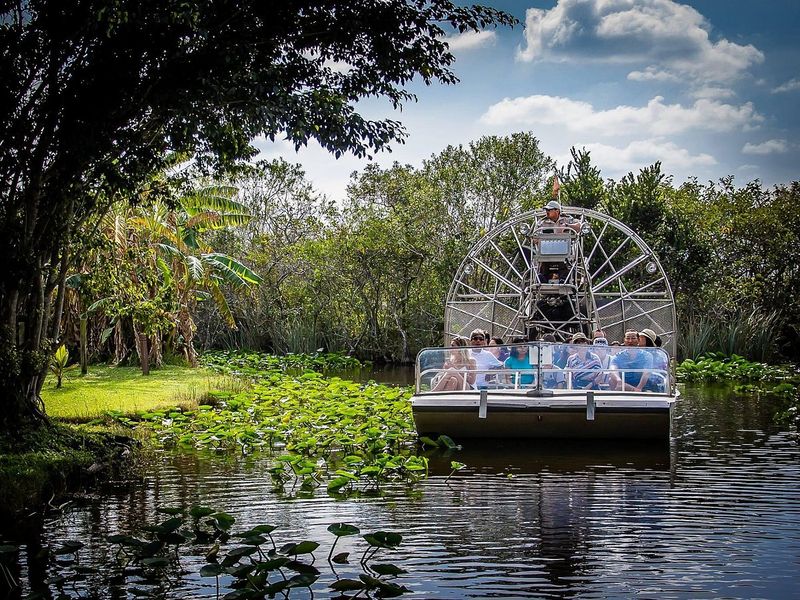
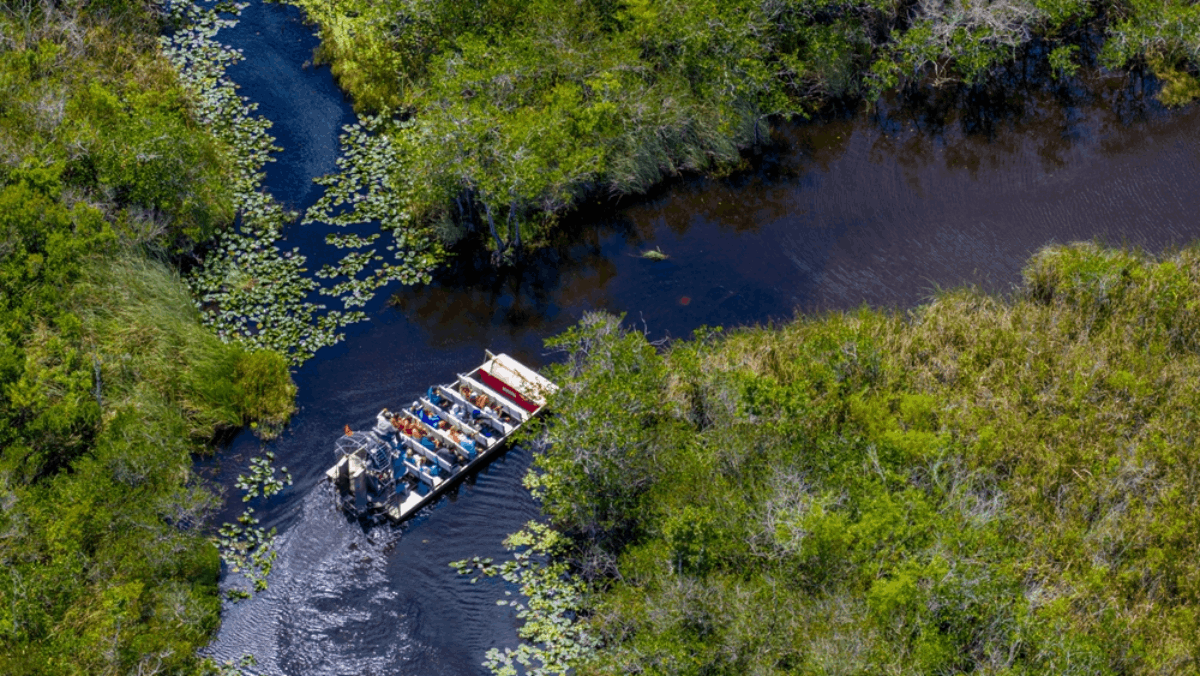
Airboats skim across the water at thrilling speeds, giving you a front-row seat to one of the world’s most unique ecosystems. The Everglades is a vast wetland known as the River of Grass, stretching across southern Florida.
On guided tours, you will spot alligators basking in the sun, colorful wading birds like herons and roseate spoonbills, and maybe even a shy river otter. Captains share stories about wetland conservation and the importance of protecting this UNESCO World Heritage Site.
Many tours also include nature walks and wildlife shows.
3. Swimming in Crystal-Clear Natural Springs
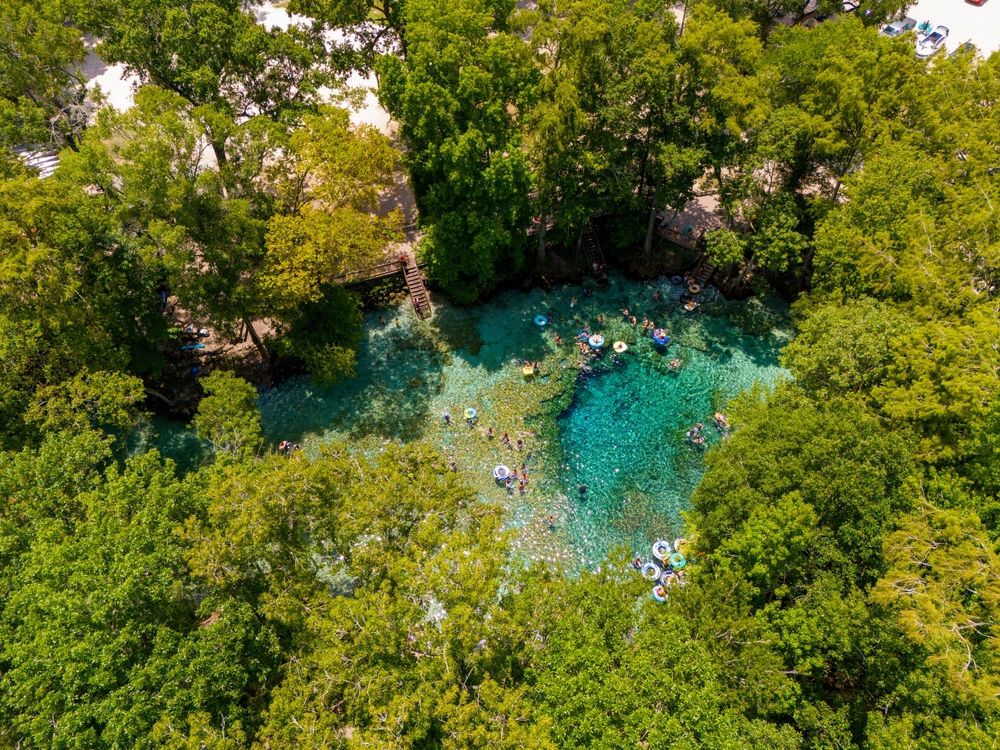
Imagine jumping into water so clear you can see every detail on the sandy bottom, even when it is 30 feet deep. Florida’s natural springs stay a refreshing 72 degrees Fahrenheit all year long, making them perfect for swimming any season.
Springs like Ichetucknee, Ginnie, and Wekiwa bubble up from underground aquifers, creating pristine pools and lazy rivers. You can snorkel, tube, or just float while tiny fish swim around you.
These springs are also important habitats for wildlife, including turtles, otters, and sometimes manatees. Many spring parks offer rentals and have boardwalks where you can explore surrounding forests filled with native plants.
4. Manatee Encounters in Crystal River
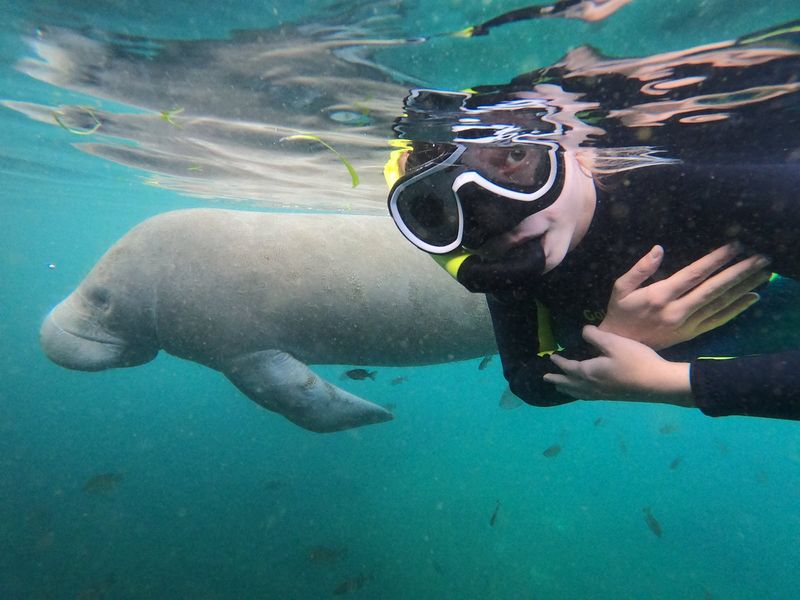
Crystal River is one of the only places in the United States where you can legally swim and snorkel with manatees. These gentle giants, also called sea cows, gather here in the warm spring waters during winter months.
Strict wildlife-protection rules ensure the manatees are not harmed or stressed. Licensed guides teach you how to float calmly and let the curious animals approach you on their own terms.
Watching a manatee glide past you underwater is unforgettable—they are slow-moving, peaceful creatures that can weigh over 1,000 pounds. The experience supports manatee conservation and helps fund habitat protection efforts throughout Florida.
5. Shelling and Wildlife Watching on Sanibel Island
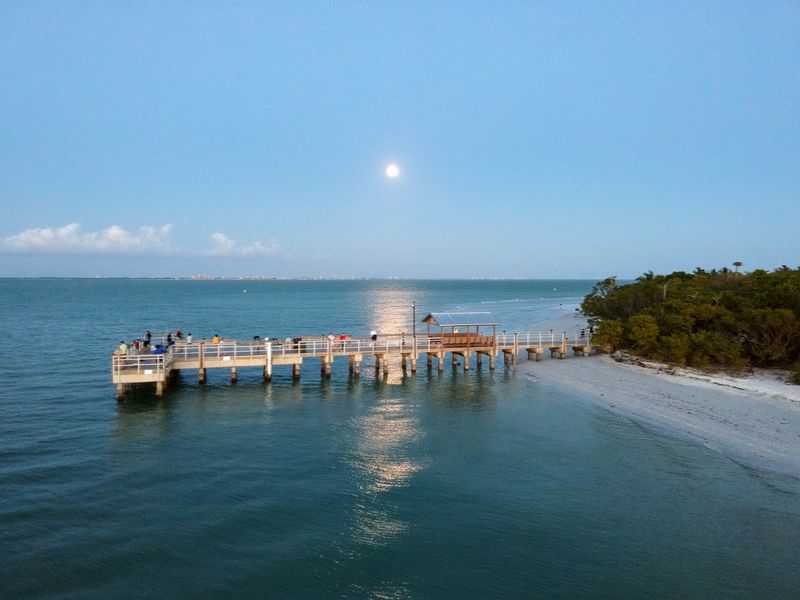
Sanibel Island is famous worldwide for its shell-covered beaches, where collectors walk in the distinctive Sanibel Stoop, bent over searching for treasures. The island’s east-west orientation catches shells washing in from the Gulf of Mexico.
Beyond shelling, Sanibel offers incredible birding trails and the J.N. Ding Darling National Wildlife Refuge, home to roseate spoonbills, dolphins, and alligators. The island’s conservation-focused tourism protects natural habitats while welcoming visitors.
You can bike along scenic paths, kayak through mangrove tunnels, or simply relax on uncrowded beaches. Sanibel shows how tourism and nature can coexist beautifully when done right.
6. Paddling the Wild Rivers of the Florida Panhandle
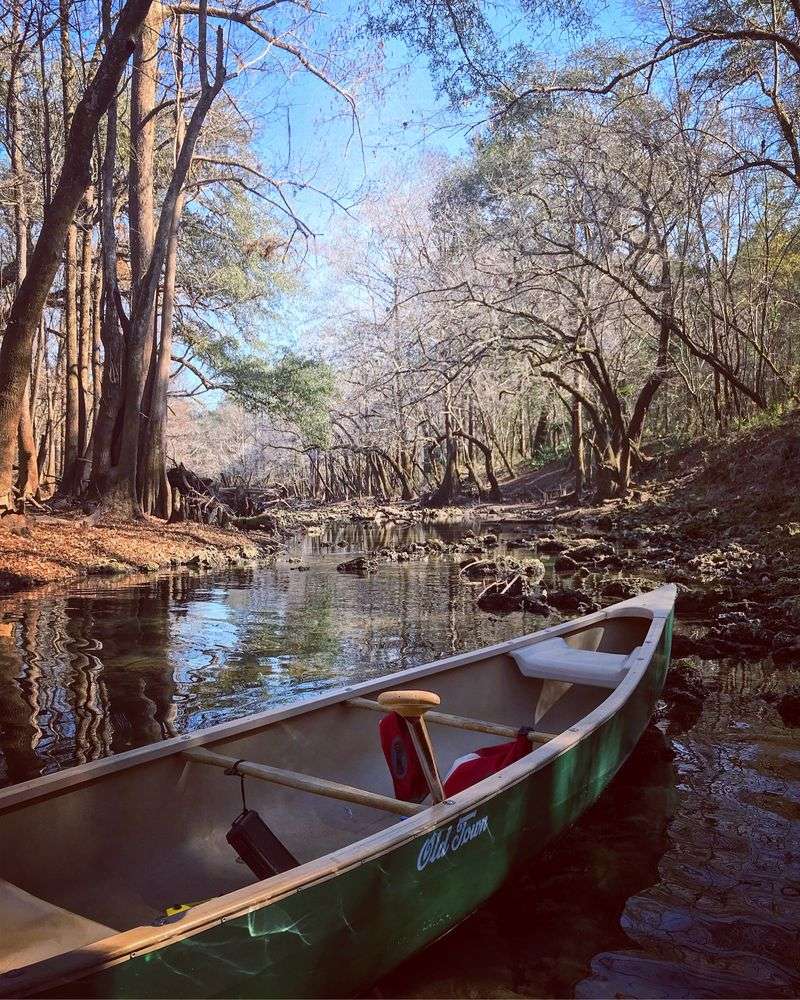
North Florida’s Panhandle hides some of the state’s wildest and most peaceful rivers. The Chipola and Blackwater rivers wind through undeveloped forests, offering paddlers a glimpse of Old Florida.
These blackwater rivers get their tea-colored tint from tannins in decaying leaves, and they are home to rare plants, turtles, and wading birds. You might paddle past limestone bluffs, white sandbars, or cypress trees draped in Spanish moss.
7. Wildlife Viewing at Merritt Island National Wildlife Refuge
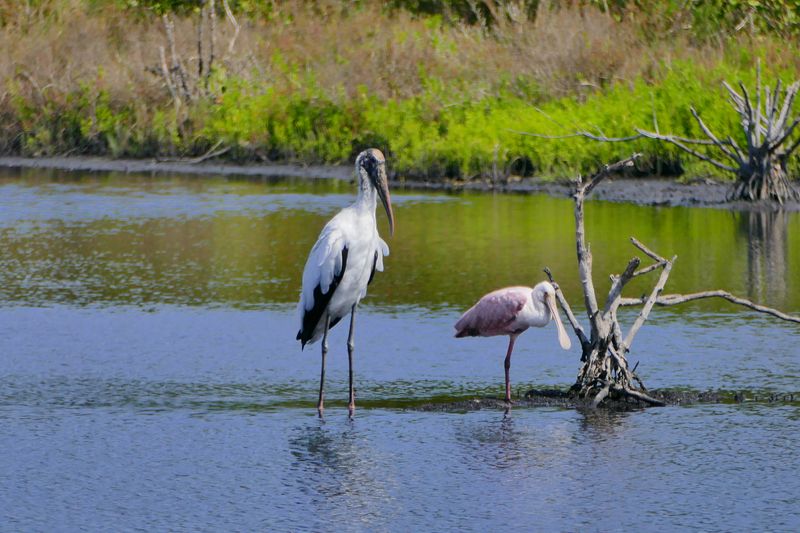
Located right next to Kennedy Space Center, Merritt Island National Wildlife Refuge is a surprising oasis for animals. More than 500 species of wildlife live here, including endangered sea turtles, manatees, and the Florida scrub-jay.
The refuge offers driving and hiking trails through diverse habitats—salt marshes, hardwood hammocks, and coastal dunes. Birdwatchers flock here during migration seasons to spot hundreds of species passing through.
You might see dolphins playing in the Indian River Lagoon or an alligator sunbathing near the water’s edge. The refuge proves that space exploration and wildlife conservation can thrive side by side.
8. Hiking the Corkscrew Swamp Sanctuary Boardwalk
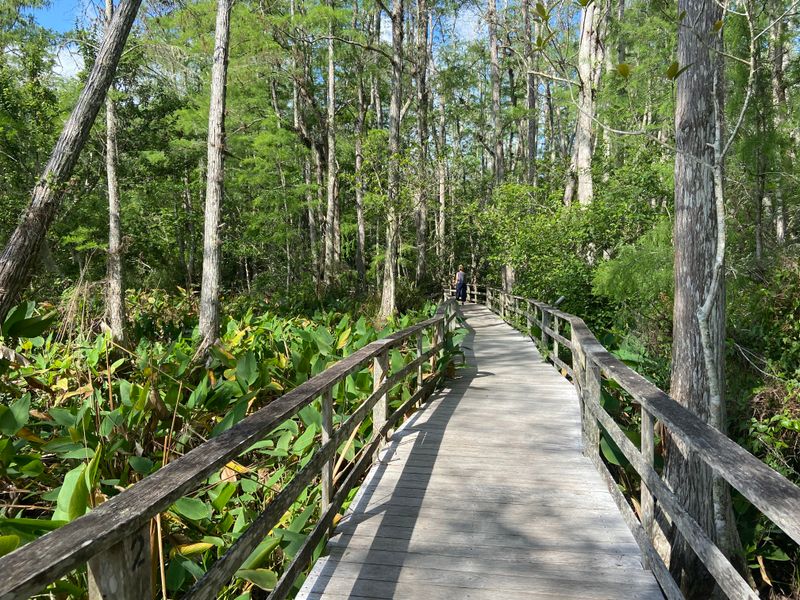
Walking through Corkscrew Swamp Sanctuary feels like stepping back in time. This Audubon-protected area contains the largest old-growth bald cypress forest in North America, with some trees over 500 years old.
A 2.5-mile boardwalk winds through the swamp, keeping your feet dry while you explore wetlands, pine flatwoods, and towering cypress trees. You will likely see alligators, river otters, and dozens of bird species, including wood storks.
The sanctuary plays a crucial role in habitat conservation and water quality protection for Southwest Florida. Visiting here supports ongoing research and education programs that help preserve this ancient ecosystem for future generations.
9. Camping or Glamping in Florida State Parks
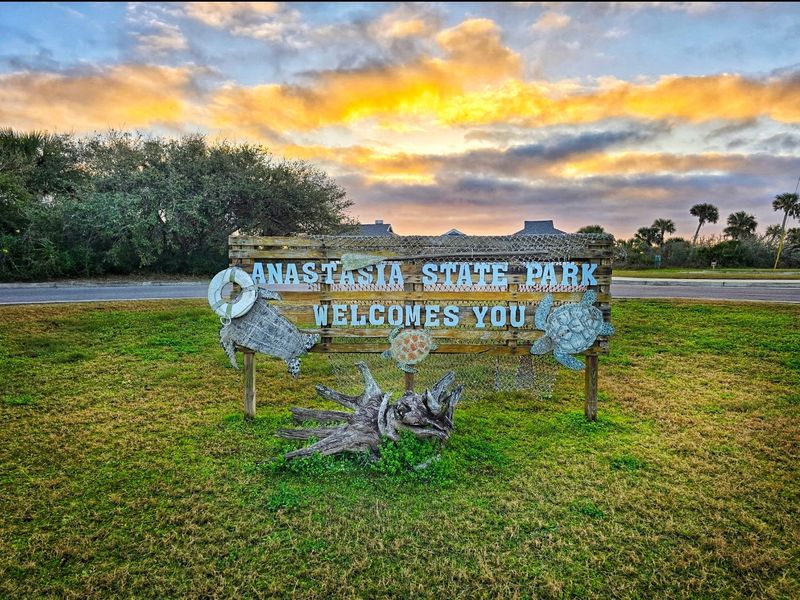
Florida’s state parks offer overnight stays in some of the most beautiful protected landscapes in the state. From beachfront campsites to inland forests, there is a park for every type of nature lover.
Traditional camping lets you pitch a tent under the stars, while glamping options include air-conditioned cabins and yurts with comfortable beds. Parks like Anastasia State Park and Bahia Honda State Park combine stunning scenery with excellent facilities.
Staying overnight gives you time to explore hiking trails, paddle calm waters, and watch sunrises without the daytime crowds. Your fees directly support park maintenance and wildlife conservation efforts throughout Florida.
10. Visiting the Dry Tortugas National Park
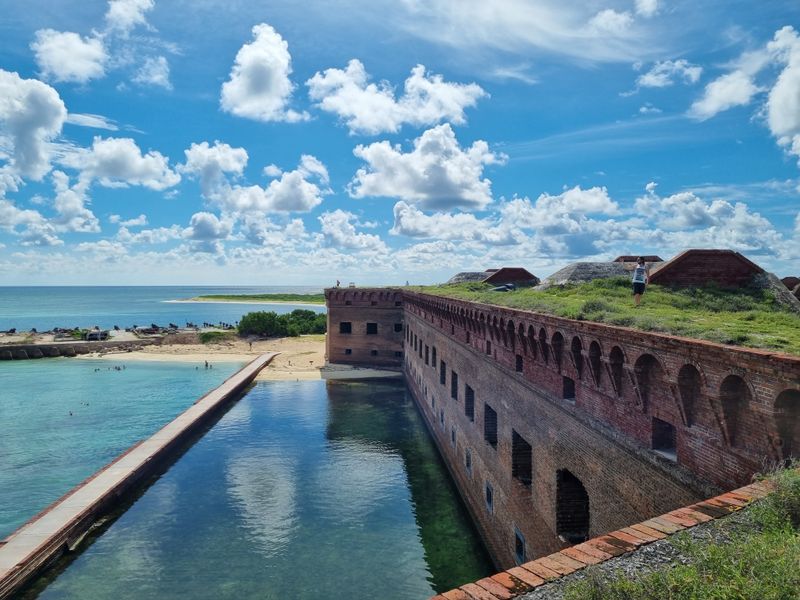
Getting to Dry Tortugas National Park is an adventure in itself—you must travel 70 miles west of Key West by boat or seaplane. This remote park sits on seven small islands surrounded by incredibly clear water.
The main attraction is Fort Jefferson, a massive 19th-century fortress, but the real magic lies underwater. The park protects pristine coral reefs teeming with tropical fish, sea turtles, and rays.
Snorkeling here feels like swimming in an aquarium. The islands are also a crucial nesting ground for seabirds, including magnificent frigatebirds and sooty terns. Limited visitor numbers keep this paradise unspoiled and peaceful.