The Most Walkable Beach Towns in Florida
Florida’s coastline stretches over 1,300 miles, offering countless beach towns where you can park your car and explore everything on foot.
Walking through charming streets, grabbing ice cream, and strolling along sandy shores makes vacations more relaxing and memorable. These towns stand out for their pedestrian-friendly layouts, vibrant downtowns, and easy beach access that let you enjoy the Sunshine State without worrying about traffic or parking hassles.
1. Key West
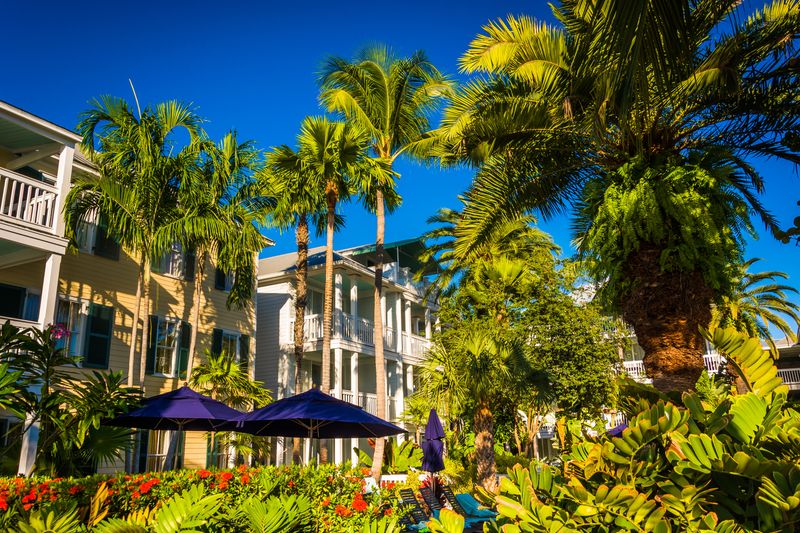
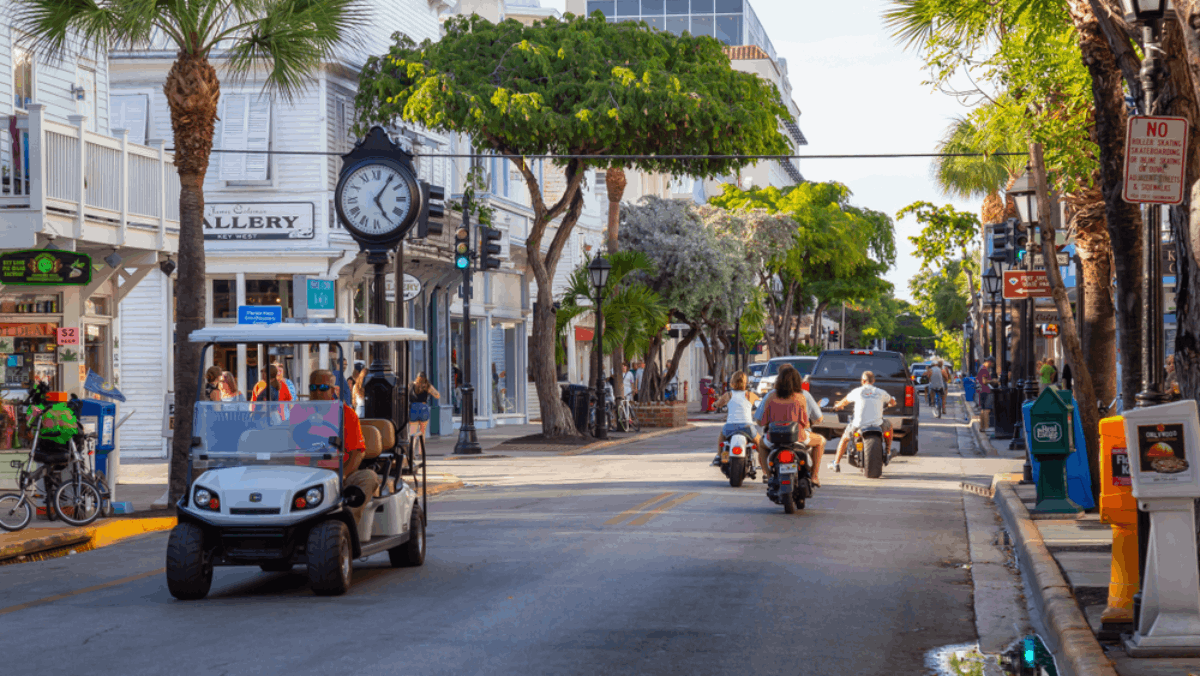
With a heart as colorful as its sunsets, Key West sits at the southernmost tip of the continental United States, where walking is practically the town’s religion. Narrow streets lined with Victorian houses, quirky shops, and waterfront bars create an atmosphere that feels more Caribbean than Floridian.
Duval Street serves as the main artery, stretching from the Atlantic Ocean to the Gulf of Mexico in just over a mile. Sidewalk cafes spill onto the pavement, street performers entertain crowds, and historic landmarks like Hemingway’s house sit just steps away.
The Conch Train offers tours, but locals know the best discoveries happen while wandering on foot through hidden garden paths and alleyways.
2. Naples
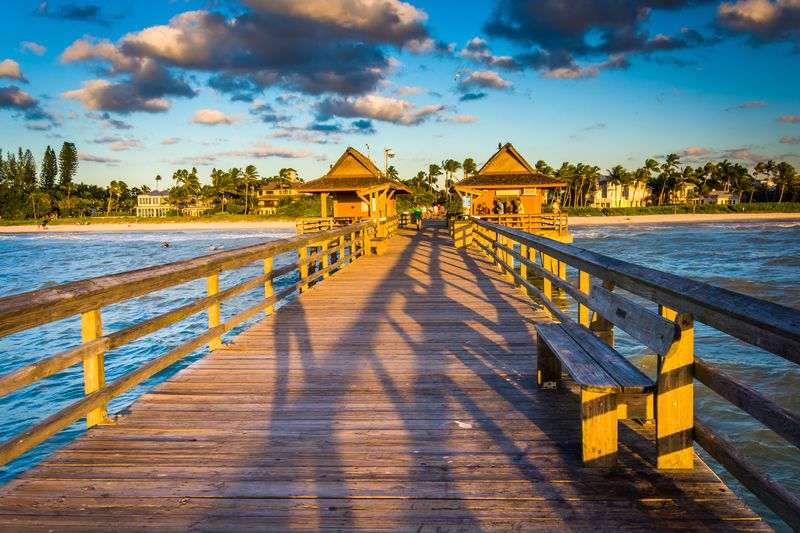
Unlike many Florida beach towns, Naples designed its streets with pedestrians in mind, featuring wide sidewalks, shaded arcades, and frequent crosswalks. Fifth Avenue South and Third Street South form the heart of downtown, packed with upscale boutiques, art galleries, and restaurants that stay open late.
The Naples Pier extends 1,000 feet into the Gulf of Mexico, offering stunning views and world-class fishing without requiring a boat. Beach access points dot the coastline every few blocks, making it easy to hop between sand and shops.
Did you know? Naples boasts more golf courses per capita than anywhere else in Florida, but you can still walk to most of them from downtown hotels.
3. St. Augustine

America’s oldest city wears its 450-year history on cobblestone sleeves, where walking isn’t just convenient—it’s the only way to truly experience the magic. Founded by Spanish explorers in 1565, St. Augustine preserves centuries-old fortresses, narrow European-style streets, and hidden courtyards that cars simply can’t navigate. The historic district spans about 144 blocks, all perfectly sized for exploring on foot.
Castillo de San Marcos, the nation’s oldest masonry fort, anchors the waterfront, while St. George Street stretches through the heart of town as a pedestrian-only zone. Beach lovers appreciate Anastasia State Park, reachable via the Bridge of Lions, offering pristine shores just a pleasant walk from downtown hotels.
4. Fernandina Beach
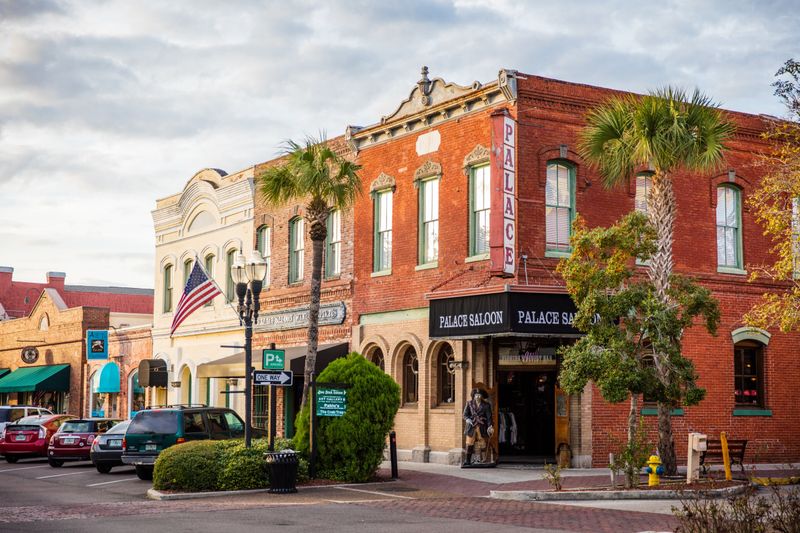
Victorian charm meets coastal living on Amelia Island, where Fernandina Beach preserves a 50-block historic downtown that feels frozen in the 1890s. Shrimp boats still dock at the working marina, their catches heading straight to waterfront restaurants within walking distance of everything.
Centre Street forms the main corridor, lined with independent bookstores, antique shops, and ice cream parlors housed in buildings that predate automobiles.
The beach itself stretches 13 miles, but the town center sits just eight blocks from the sand, making it easy to alternate between shopping and swimming. Fort Clinch State Park offers Civil War reenactments and nature trails at the island’s northern tip.
5. Delray Beach
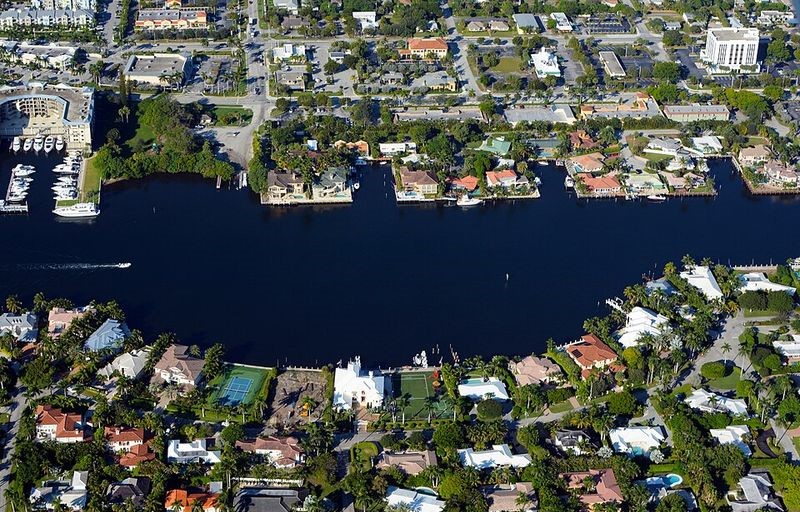
Voted America’s Most Fun Small Town, Delray Beach pulses with an energy that makes walking not just easy but essential to the experience. Atlantic Avenue runs straight from the Intracoastal Waterway to the ocean, creating a perfect pedestrian corridor packed with over 100 restaurants and bars.
The beach access sits right at the end of Atlantic Avenue, where a pavilion offers showers, restrooms, and volleyball courts. Pineapple Grove Arts District branches off to the north, featuring murals, theaters, and galleries within a compact few blocks.
Morning walks along the beach transition seamlessly into brunch downtown, then afternoon shopping, all without moving your car once—that’s the Delray Beach lifestyle locals have perfected over decades.
6. Dunedin
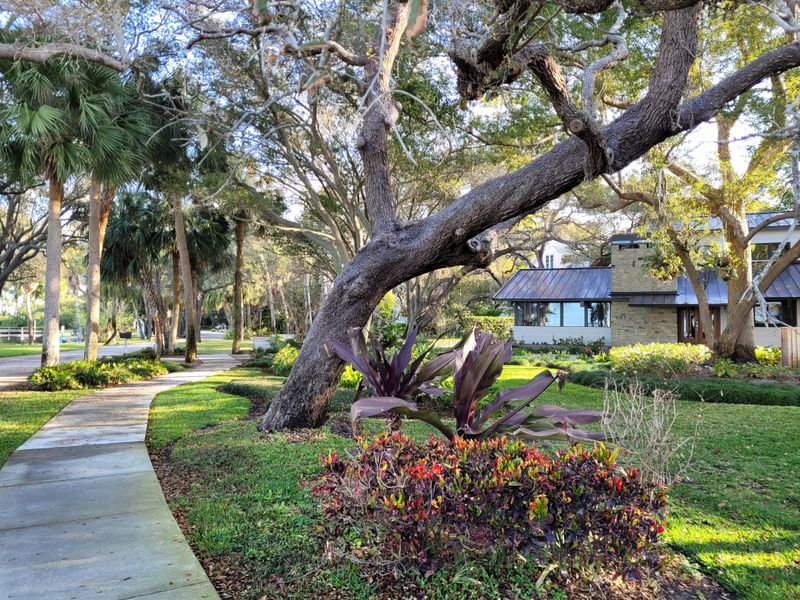
Scottish heritage infuses this quirky Gulf Coast gem, where bagpipes occasionally echo through streets designed for strolling rather than speeding.
Main Street Dunedin has earned national recognition as one of America’s Great Streets, featuring a craft brewery scene that rivals cities ten times its size. Most of the dozen-plus breweries sit within a half-mile radius, creating what locals call the Dunedin Brewery Trail—best experienced on foot, naturally.
The Pinellas Trail, a 47-mile rail-trail, runs right through downtown, bringing cyclists and walkers from across the Tampa Bay area. Downtown stays refreshingly uncrowded compared to busier beach towns, with mom-and-pop shops, waterfront dining, and a farmers market that transforms the main drag into a community gathering spot every Wednesday morning.
7. Venice
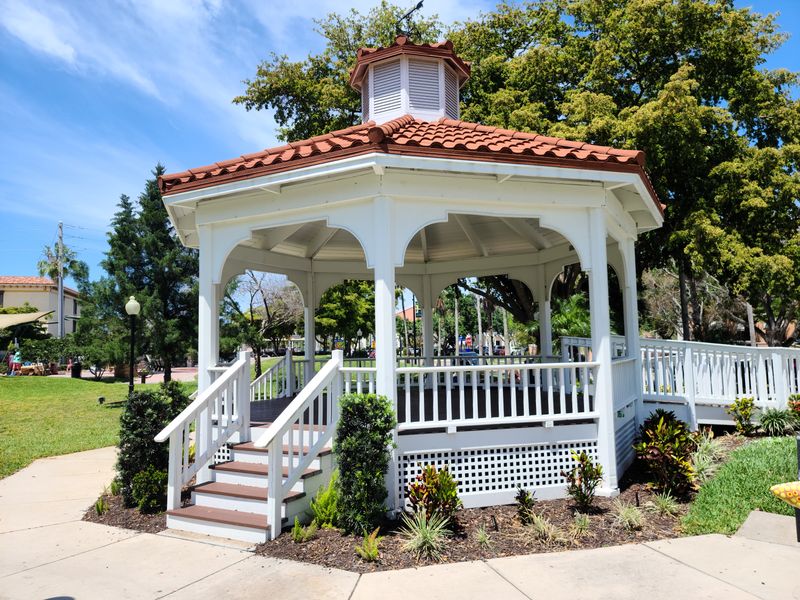
Shark teeth wash ashore by the thousands on Venice’s beaches, giving fossil hunters a reason to walk miles of coastline with eyes glued to the sand.
The downtown area, centered around Venice Avenue, maintains an old-Florida vibe with Mediterranean Revival architecture and mom-and-pop businesses that have served locals for generations. Unlike many tourist-heavy beach towns, Venice caters primarily to residents, creating an authentic community feel that visitors quickly appreciate.
The Venice Fishing Pier extends into the Gulf of Mexico, free to access and perfect for sunset watching without spending a dime. The Legacy Trail, another converted rail line, connects Venice to Sarasota, offering 18 miles of paved pathway for walking, running, or biking through Florida’s natural beauty far from highway traffic.
8. Fort Lauderdale
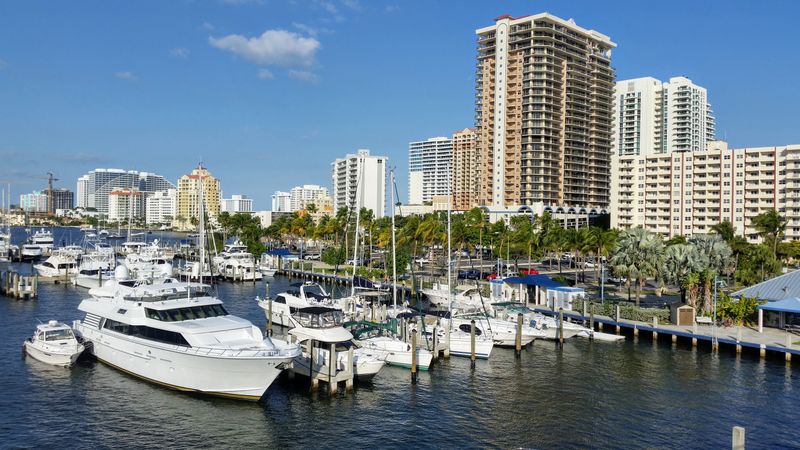
Once known primarily for spring break chaos, Fort Lauderdale has transformed into a sophisticated beach destination where walkability ranks as a top priority. Las Olas Boulevard stretches from downtown to the beach, lined with sidewalk cafes, boutiques, and art galleries that rival any major city’s shopping district.
The Riverwalk winds along the New River, connecting museums, restaurants, and parks in a scenic pedestrian pathway that showcases the city’s commitment to foot traffic.
Fort Lauderdale Beach itself features a wide promenade perfect for morning jogs, evening strolls, or people-watching any time of day. Beach Place, a shopping and dining complex, sits right on the sand, eliminating the need to wander far for refreshments.
9. Daytona Beach
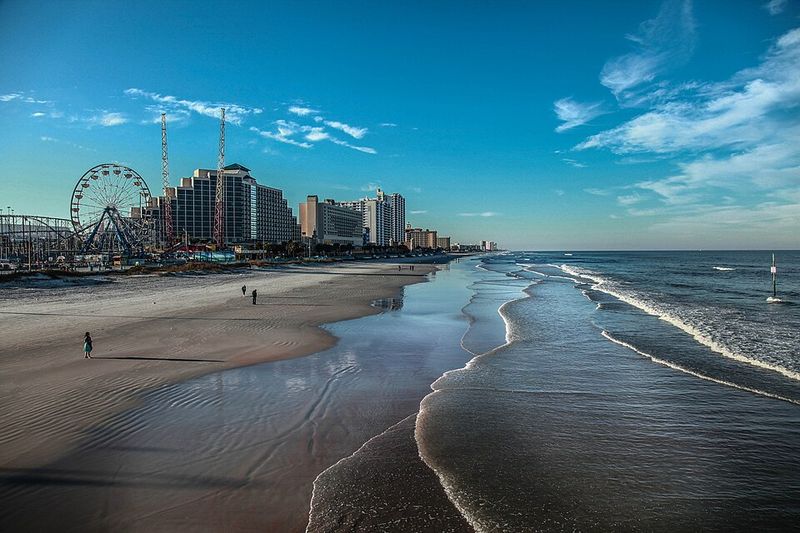
Famous for racing and spring break, Daytona Beach surprises visitors with a genuinely walkable beachfront district that extends for miles. Unlike the sprawling resort towns farther south, Daytona keeps its main attractions clustered, allowing visitors to park once and explore on foot for hours.
Beach Street, running parallel to the Halifax River, showcases Daytona’s revitalized downtown with art galleries, craft breweries, and riverfront dining. The beach itself allows cars to drive on the sand—a unique Florida tradition—but pedestrians claim dedicated walkways and crossings.
Morning walks reveal a quieter side of this famous beach, with dolphins often visible just beyond the breaking waves.