Walk the Aisles of a Perfectly Preserved 1908 Store in St. Augustine
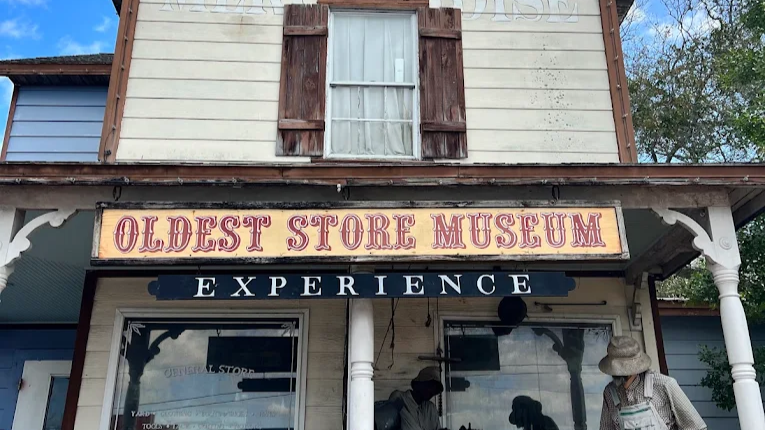
St. Augustine is famous for its old buildings and rich history, but few places transport you back in time quite like the Oldest Store Museum. This remarkable attraction recreates a genuine general store from 1908, complete with authentic products, period packaging, and costumed guides who bring the past to life.
Walking through these aisles offers a fascinating glimpse into how Americans shopped, lived, and dreamed more than a century ago.
A Step Back in Time in St. Augustine
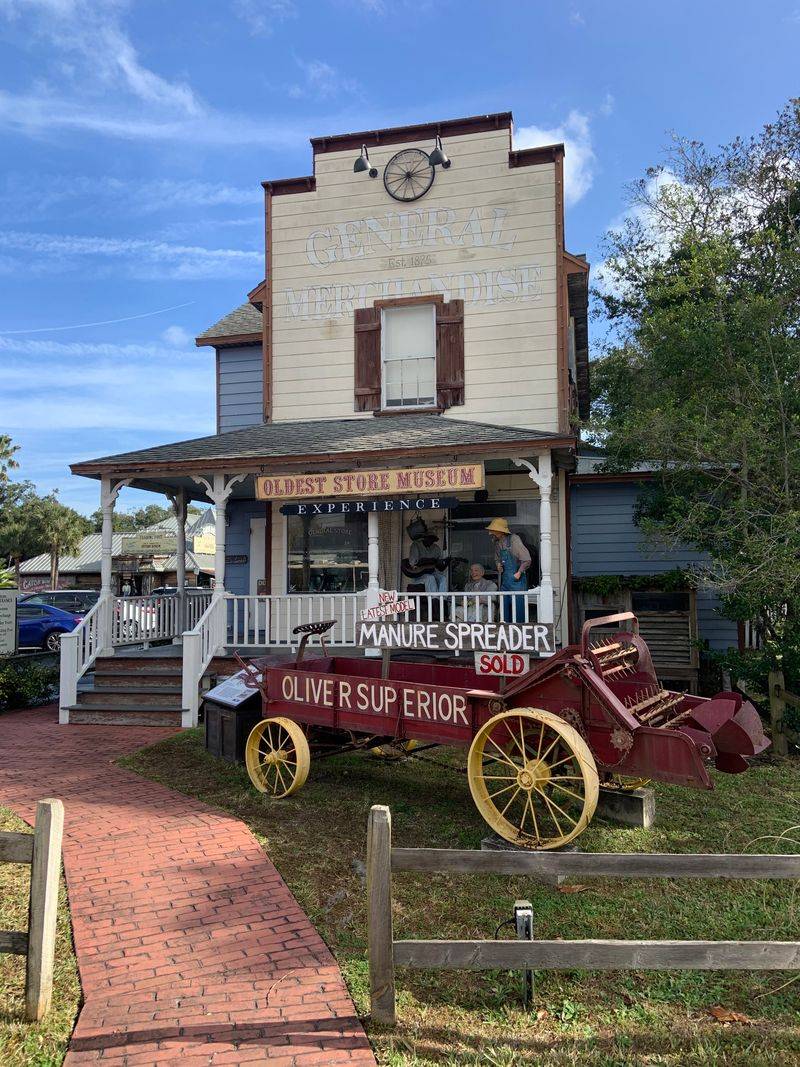
Located at 167 San Marco Avenue, the Oldest Store Museum stands as one of St. Augustine’s most captivating attractions. While the nation’s oldest city features countless historic sites, this museum offers something different—an immersive shopping experience from 1908.
The museum operates daily from 9 AM to 5 PM, making it easy to fit into any itinerary.
Rather than simply displaying artifacts behind glass, the museum invites you to touch, operate, and experience items from over a century ago. Tour guides in period costume greet visitors with harmonica tunes and welcome them as customers from 1908, creating an unforgettable journey through American retail history.
Re-Creating a 1908 General Store
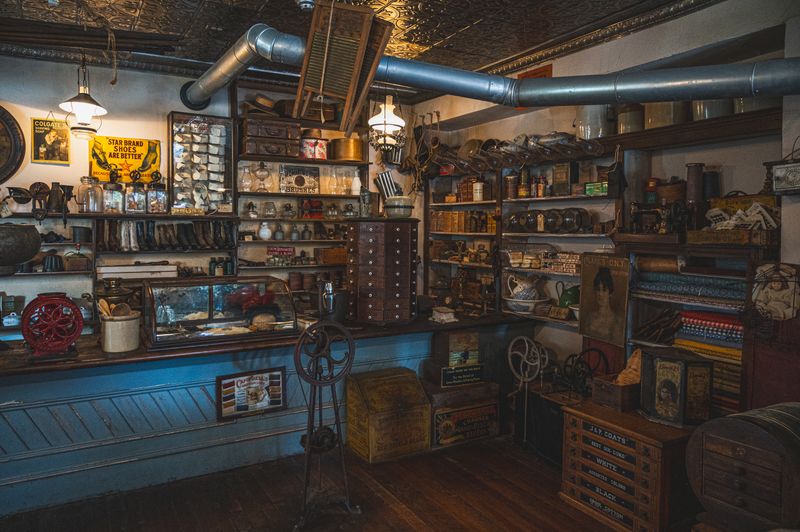
The museum faithfully recreates the general store originally operated by C.F. Hamblen in 1908. Every detail has been carefully researched and restored to reflect authentic turn-of-the-century retail practices.
From the wooden floors to the tin ceiling, the space captures the atmosphere of early 20th-century commerce. Original fixtures line the walls, displaying thousands of products exactly as they would have appeared to shoppers more than 115 years ago.
Period-costumed guides enhance the authenticity by adopting the roles of shopkeepers from 1908. They demonstrate products, explain pricing in old currency, and even offer credit lines to modern visitors. This theatrical approach transforms a museum visit into genuine time travel, helping guests understand not just what stores looked like, but how shopping felt during this transformative era in American history.
What Shoppers Actually Bought in 1908
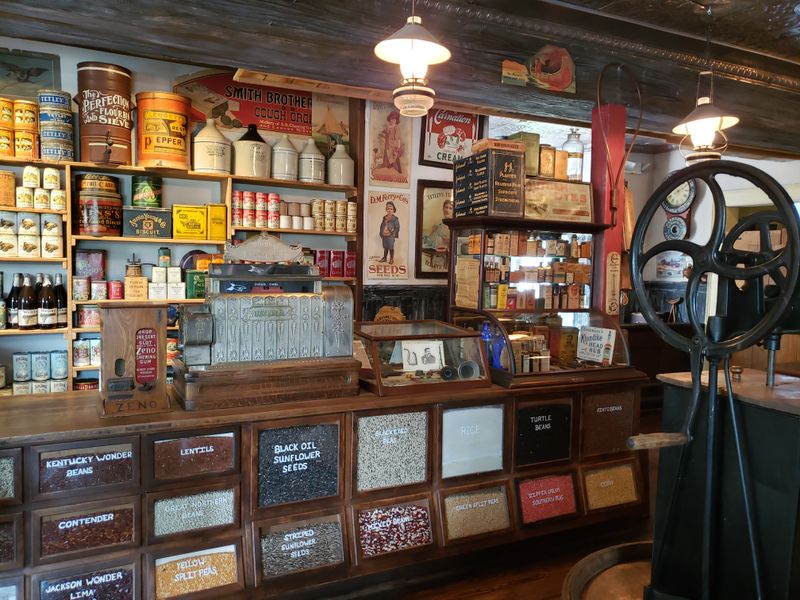
The shelves overflow with genuine products that filled American homes in the early 1900s. Dry goods like flour, sugar, and coffee sit alongside household tools, kitchen gadgets, and patent medicines with outrageous claims. Penny candy delights younger visitors, while older guests recognize brands their grandparents might have used.
You’ll discover hand-crank coffee grinders, cast-iron kitchen implements, and washing machines that required serious muscle power. The store showcases early versions of modern conveniences that were revolutionary at the time. Some items still work, and guides demonstrate how people operated these now-antique inventions.
Perhaps most fascinating are the medicines and health products with ingredients that would shock modern consumers. The packaging alone tells stories about advertising, gender roles, and medical understanding from over a century ago.
Each product represents a snapshot of daily life when shopping meant visiting your local general store rather than clicking a button online.
Everyday Life in Early 20th-Century Florida
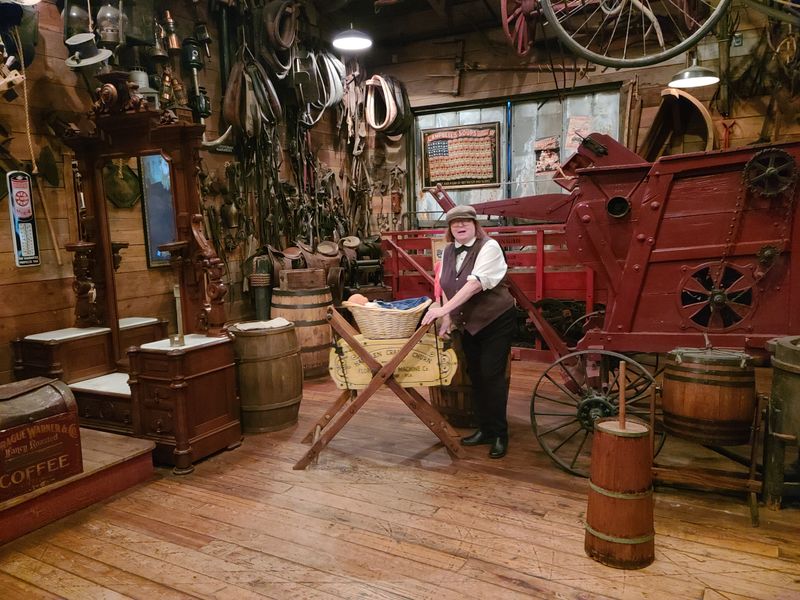
Beyond showcasing merchandise, the museum paints a vivid picture of daily existence in 1908 Florida. The products on display reveal how people cooked, cleaned, dressed, and entertained themselves before electricity became common. Life required significantly more physical labor than today.
Women spent hours using hand-operated washing machines and irons heated on stoves. Men relied on manual tools for farming and construction. Children enjoyed simpler toys and treats, with penny candy representing a special indulgence.
Tour guides explain how shopping trips involved careful planning and credit arrangements with trusted shopkeepers. People bought items built to last rather than disposable products.
Original Artifacts and Period Details
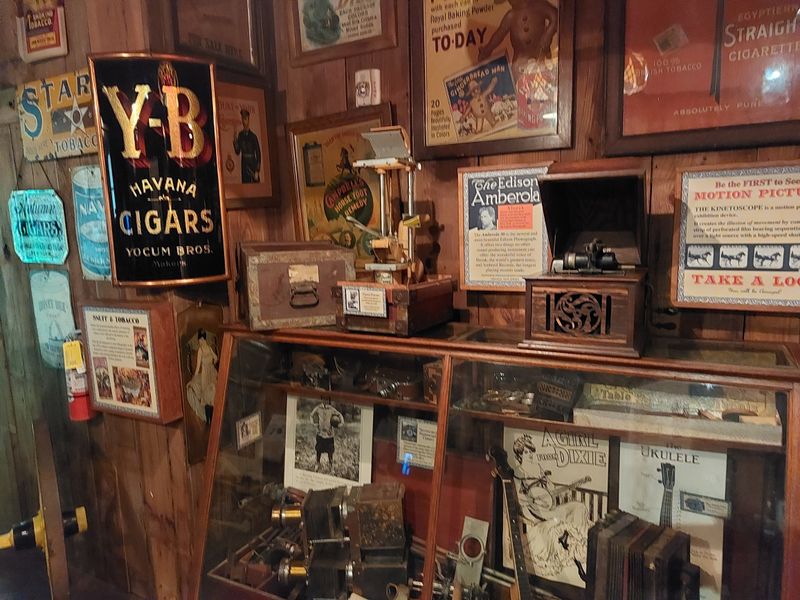
Authenticity defines every corner of the Oldest Store Museum. Original packaging, vintage signage, and period advertising materials create an environment that feels genuinely historical rather than artificially recreated. The attention to detail impresses even skeptical visitors.
Thousands of artifacts fill the surprisingly deep building, which extends much further back than its narrow storefront suggests. Each item has been carefully selected or preserved to represent products actually available in 1908. The original fixtures, display cases, and shelving systems remain intact, showing how merchants organized their inventory.
Labels and price tags reflect the currency and purchasing power of the era. Advertising posters showcase the persuasive techniques and social attitudes of early 20th-century America.
This commitment to authenticity transforms the museum into a legitimate time capsule rather than just a collection of old stuff.
The Stories Behind the Shelves
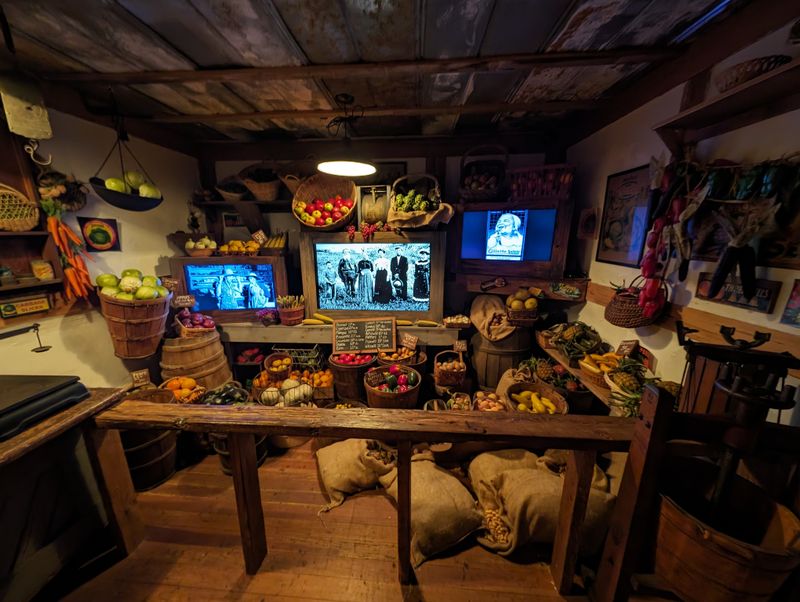
Tour guides bring the museum to life with humor, knowledge, and theatrical flair. They don’t simply recite facts—they embody characters from 1908, creating interactive experiences that visitors remember long after leaving.
These talented performers share anecdotes about shopkeepers, customers, and community life surrounding general stores. They demonstrate unusual inventions, explain bizarre products, and engage both children and adults with hands-on activities. Their storytelling reveals how stores served as community centers where people exchanged news, gossip, and friendship.
Why This Store Still Matters Today

Understanding retail history helps us appreciate how dramatically shopping has changed. The Oldest Store Museum preserves knowledge about American commerce before chain stores, shopping malls, and online ordering transformed consumer culture.
The museum also preserves local St. Augustine history, showing how Florida communities functioned during the state’s development. Products on display reflect regional preferences, climate adaptations, and the unique character of early 20th-century Florida life. This specificity makes the museum valuable for researchers, educators, and anyone interested in authentic historical experiences.
Perhaps most importantly, the museum reminds us that innovation continues. Products considered revolutionary in 1908 seem quaint today, just as our current technology will someday appear primitive. By experiencing how our great-grandparents lived, we gain perspective on change, progress, and the enduring human needs that transcend any particular era or technology.
Planning Your Visit to the Oldest Store Museum

The museum welcomes visitors daily from 9 AM to 5 PM at 167 San Marco Avenue. Many visitors purchase trolley tour packages that include the museum along with other St. Augustine attractions, offering good value for those exploring multiple sites.
Tours depart every 15 minutes and last about 30 minutes with the guide, after which you can explore independently. The guided portion is essential—don’t skip it! The costumed interpreters make the experience memorable through demonstrations, humor, and interactive activities.
Arrive a few minutes early to ensure you catch the next tour departure.
The museum appeals to all ages, from toddlers to seniors. Families particularly appreciate how guides engage children without boring adults.